
Rehabilitation for Operated Lung Cancer ROC M Abdelaziz
Rehabilitation for Operated Lung Cancer (ROC) M. Abdelaziz, A. Bradley, P. Agostini, MS. Kalkat, E. Bishay, RS. Steyn, PB. Rajesh, B. Naidu Regional department of Thoracic surgery Birmingham Heartlands Hospital Heart of England NHS Foundation Trust (HEFT) 21 st March 2011
Rehabilitation in lung cancer surgery 4 studies preop rehabilitation 2 ▲ exercise capacity 2 ▲ postop predicted lung function (COPD) 2 -4 weeks of peripheral (± inspiratory) muscle training, No improvement in clinical outcomes
COPD Rehabilitation Programme Improve their function and exercise capacity Reduce complications Enhance recovery from exacerbations. Prevalence of COPD in lung cancer 73 % men & 53 % women Lung cancer resection - irreversible exacerbation?
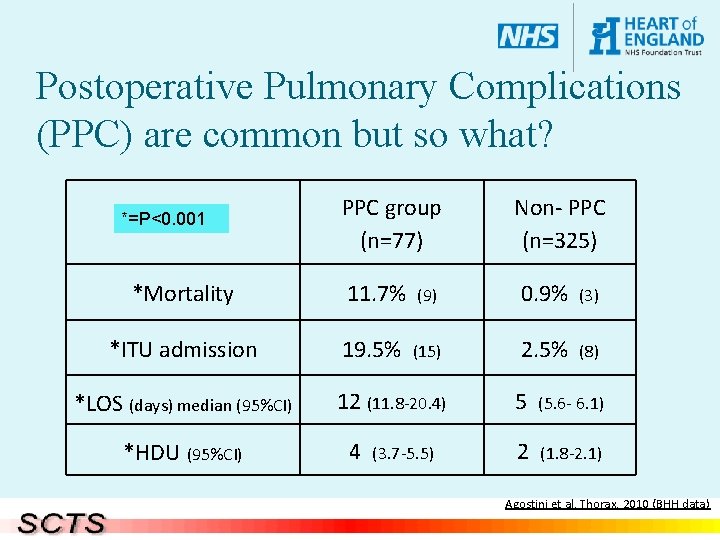
Postoperative Pulmonary Complications (PPC) are common but so what? PPC group (n=77) Non- PPC (n=325) *Mortality 11. 7% (9) 0. 9% (3) *ITU admission 19. 5% (15) 2. 5% (8) *=P<0. 001 *LOS (days) median (95%CI) *HDU (95%CI) 12 (11. 8 -20. 4) 4 (3. 7 -5. 5) 5 (5. 6 - 6. 1) 2 (1. 8 -2. 1) Agostini et al. Thorax. 2010 (BHH data)
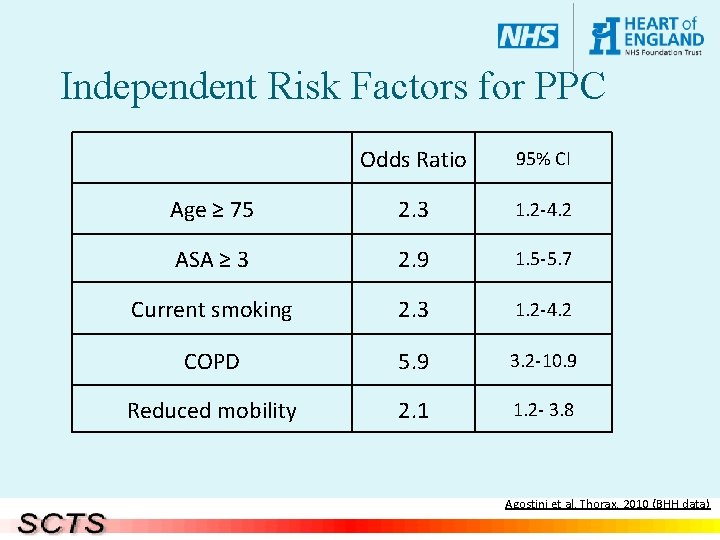
Independent Risk Factors for PPC Odds Ratio 95% CI Age ≥ 75 2. 3 1. 2 -4. 2 ASA ≥ 3 2. 9 1. 5 -5. 7 Current smoking 2. 3 1. 2 -4. 2 COPD 5. 9 3. 2 -10. 9 Reduced mobility 2. 1 1. 2 - 3. 8 Agostini et al. Thorax. 2010 (BHH data)
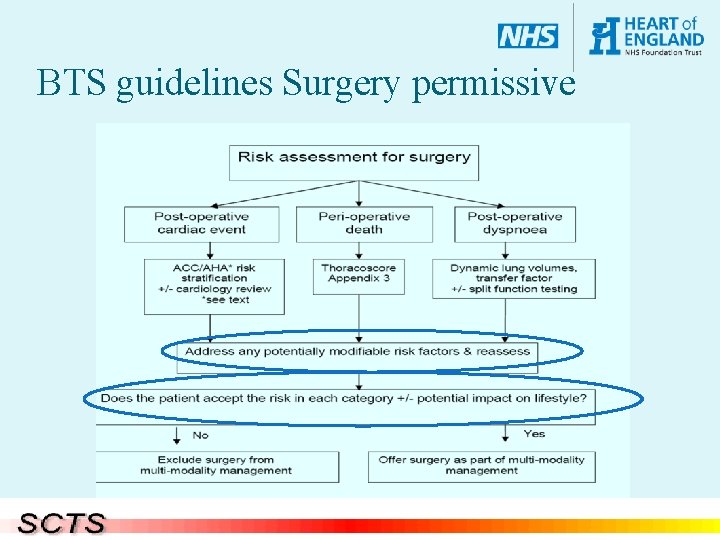
BTS guidelines Surgery permissive
ROC A programme identifying potential surgical candidates several weeks before surgery, optimising their physical status, preparing them for the inpatient journey and supporting their recovery after surgery
Pilot Enriched Cohort study April 2010 - December 2011 2 of 10 referring hospitals sites The rest are controls Pragmatic – surgery not delayed Local Adaptation Complex (bundle) Intervention
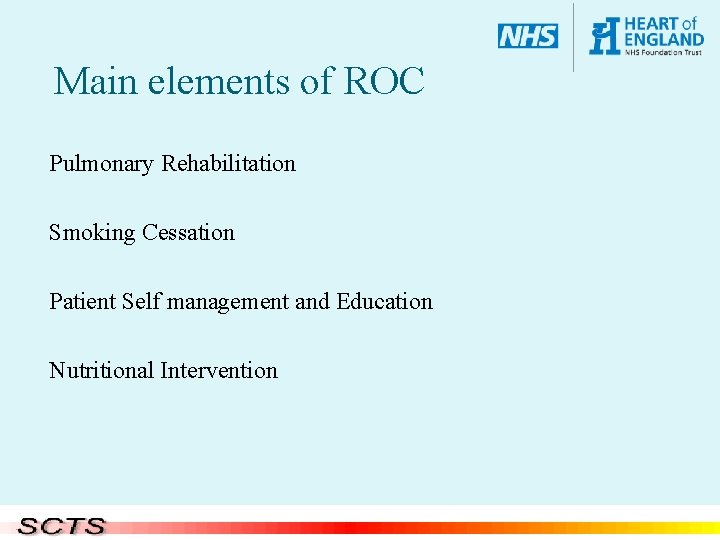
Main elements of ROC Pulmonary Rehabilitation Smoking Cessation Patient Self management and Education Nutritional Intervention
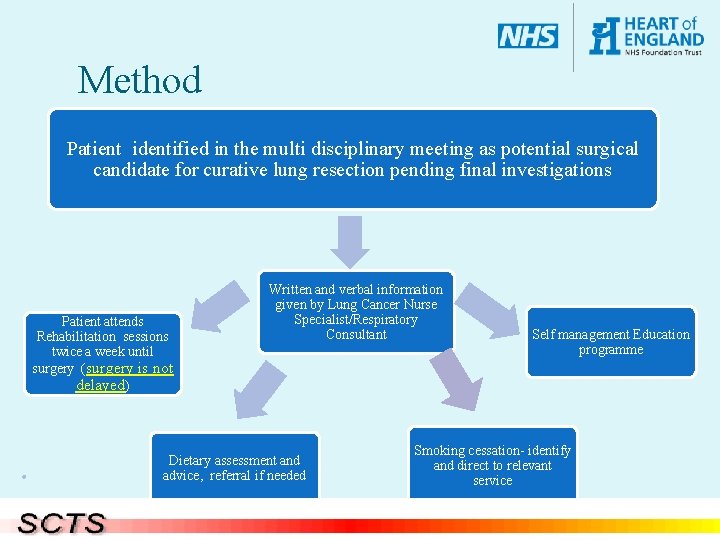
Method Patient identified in the multi disciplinary meeting as potential surgical candidate for curative lung resection pending final investigations Patient attends Rehabilitation sessions twice a week until surgery (surgery is not delayed) Written and verbal information given by Lung Cancer Nurse Specialist/Respiratory Consultant Dietary assessment and advice, referral if needed Self management Education programme Smoking cessation- identify and direct to relevant service
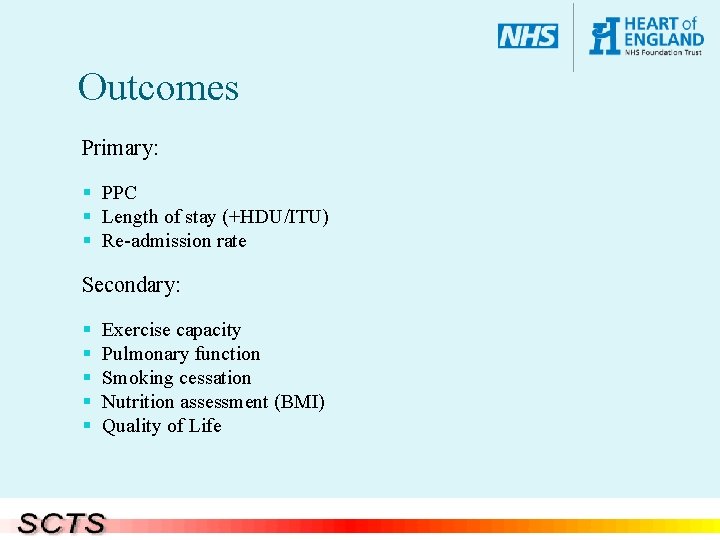
Outcomes Primary: § PPC § Length of stay (+HDU/ITU) § Re-admission rate Secondary: § § § Exercise capacity Pulmonary function Smoking cessation Nutrition assessment (BMI) Quality of Life
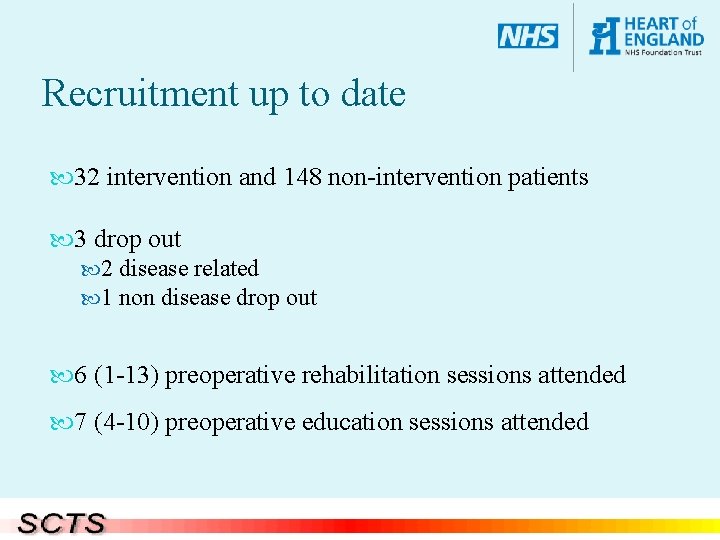
Recruitment up to date 32 intervention and 148 non-intervention patients 3 drop out 2 disease related 1 non disease drop out 6 (1 -13) preoperative rehabilitation sessions attended 7 (4 -10) preoperative education sessions attended
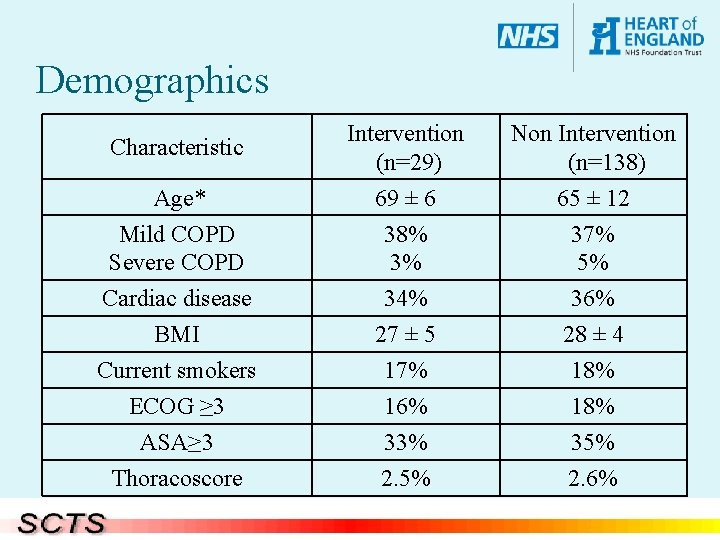
Demographics Characteristic Intervention (n=29) Non Intervention (n=138) Age* 69 ± 6 65 ± 12 Mild COPD Severe COPD 38% 3% 37% 5% Cardiac disease 34% 36% BMI 27 ± 5 28 ± 4 Current smokers 17% 18% ECOG ≥ 3 16% 18% ASA≥ 3 33% 35% Thoracoscore 2. 5% 2. 6%
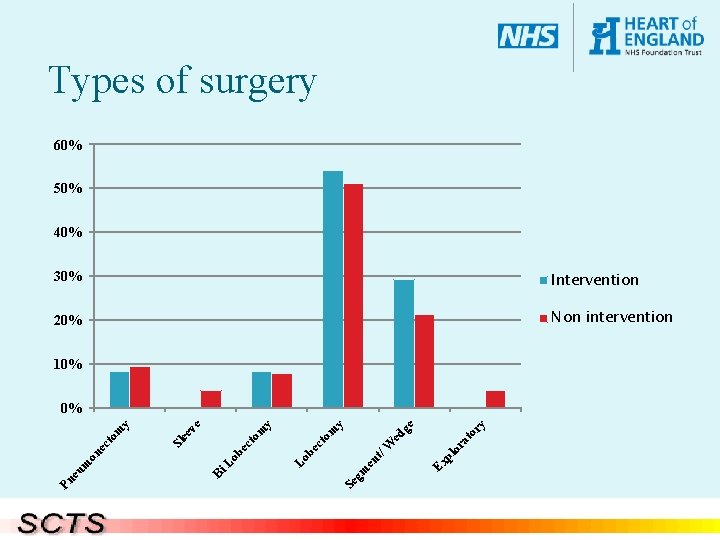
Types of surgery 60% 50% 40% 30% Intervention 20% Non intervention 10% y at or pl Ex t/ en gm Se or ge W ed om be ct Lo ct be Lo y om y ve ee Sl Bi Pn eu m on ec to m y 0%
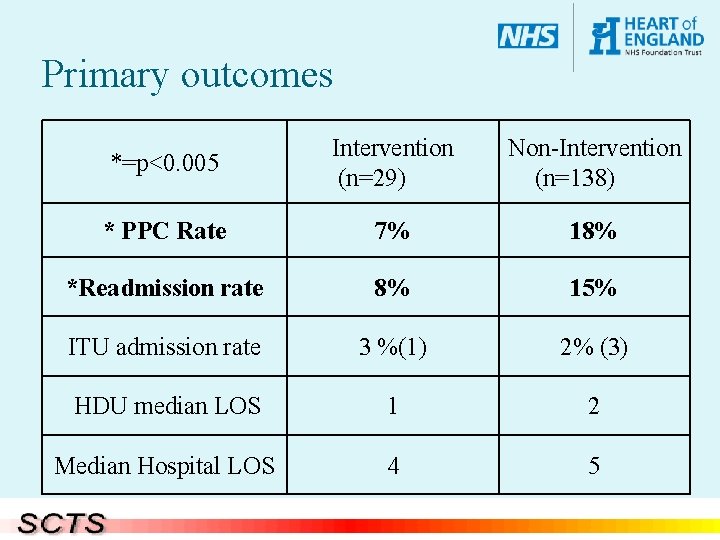
Primary outcomes *=p<0. 005 Intervention (n=29) Non-Intervention (n=138) * PPC Rate 7% 18% *Readmission rate 8% 15% ITU admission rate 3 %(1) 2% (3) HDU median LOS 1 2 Median Hospital LOS 4 5
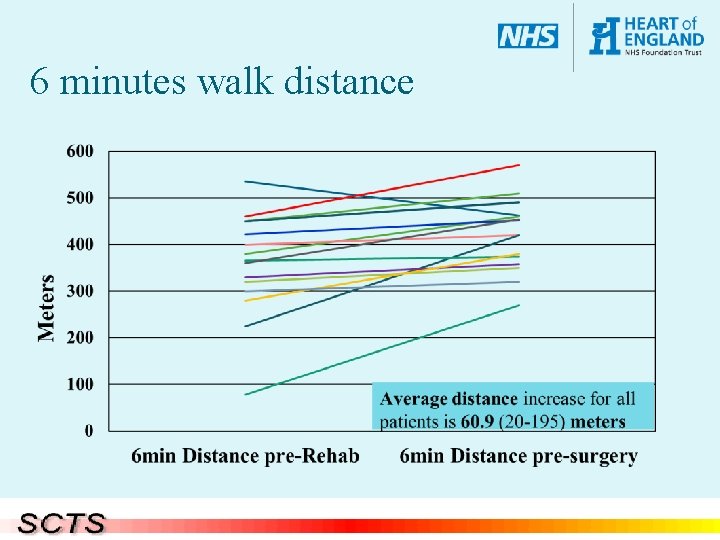
6 minutes walk distance
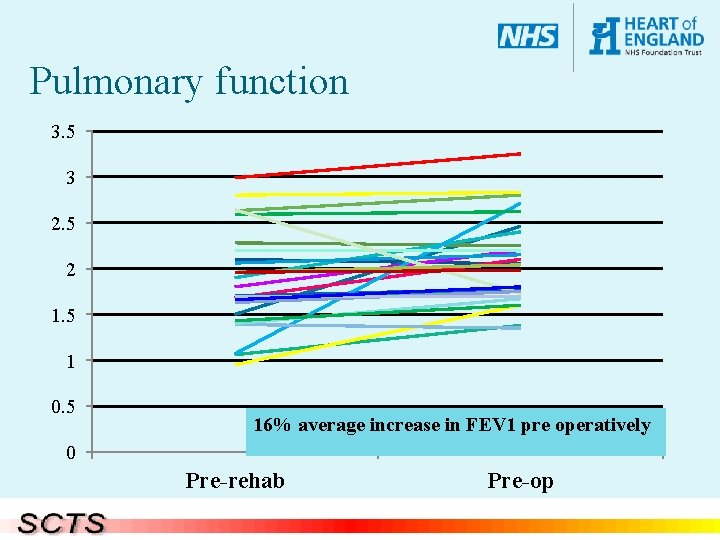
Pulmonary function 3. 5 3 2. 5 2 1. 5 1 0. 5 16% average increase in FEV 1 pre operatively 0 Pre-rehab Pre-op
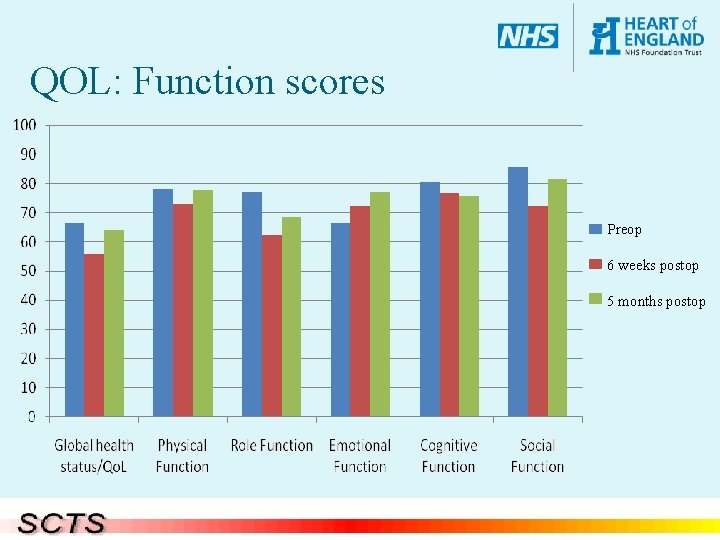
QOL: Function scores Preop 6 weeks postop 5 months postop
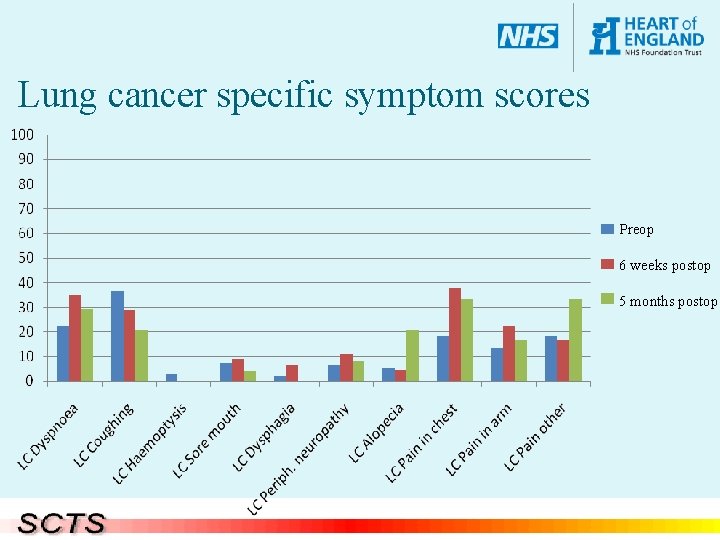
Lung cancer specific symptom scores Preop 6 weeks postop 5 months postop
Where do we go from here? A Rehabilitation programme for operated lung cancer Is viable Early Results are promising Multi centre RCT
Acknowledgement Research Nurse Amy Bradley Lung cancer nurses Lynn Reaper Denise Silvey Jayne Parker Chris Jordan Physiotherapists Louisa Stonehewer Elaine Bevan-Smith Paula Agostini Helen Beadle Stuart Lightfoot Anita Clarke Rebecca Jenkins Johanna Harvey Libby Brace Smoking cessation nurse Claire Gallagher-Tinsley Steering Group Richard Steyn Paul Aveyard Sally Singh Andrew Woolley Rahul Mukherjee Kate Duffield County Bernie Macmillan Dietician Amanda Irwin Other Amanda Parsons James Gillies
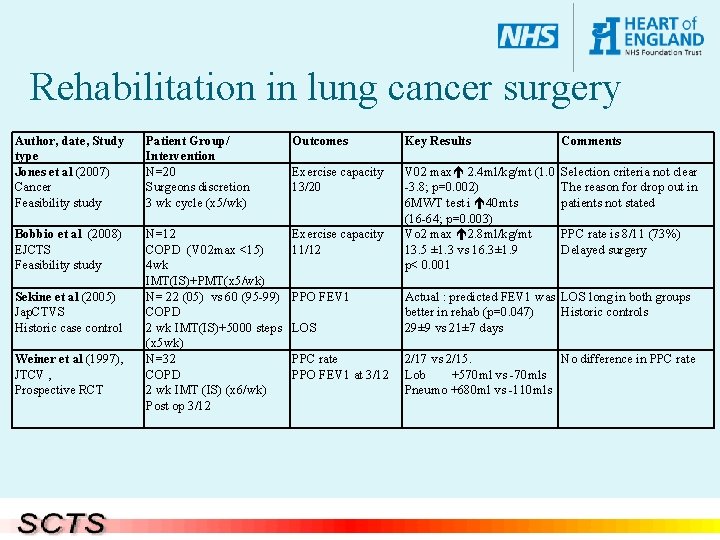
Rehabilitation in lung cancer surgery Author, date, Study type Jones et al (2007) Cancer Feasibility study Patient Group/ Intervention N=20 Surgeons discretion 3 wk cycle (x 5/wk) Outcomes Key Results Comments Exercise capacity 13/20 Selection criteria not clear The reason for drop out in patients not stated Bobbio et al (2008) EJCTS Feasibility study N=12 COPD (V 02 max <15) 4 wk IMT(IS)+PMT(x 5/wk) N= 22 (05) vs 60 (95 -99) COPD 2 wk IMT(IS)+5000 steps (x 5 wk) N=32 COPD 2 wk IMT (IS) (x 6/wk) Post op 3/12 Exercise capacity 11/12 V 02 max 2. 4 ml/kg/mt (1. 0 -3. 8; p=0. 002) 6 MWT test i 40 mts (16 -64; p=0. 003) Vo 2 max 2. 8 ml/kg/mt 13. 5 ± 1. 3 vs 16. 3± 1. 9 p< 0. 001 Sekine et al (2005) Jap. CTVS Historic case control Weiner et al (1997), JTCV , Prospective RCT PPO FEV 1 LOS PPC rate PPO FEV 1 at 3/12 PPC rate is 8/11 (73%) Delayed surgery Actual : predicted FEV 1 was LOS long in both groups better in rehab (p=0. 047) Historic controls 29± 9 vs 21± 7 days 2/17 vs 2/15. No difference in PPC rate Lob +570 ml vs -70 mls Pneumo +680 ml vs -110 mls
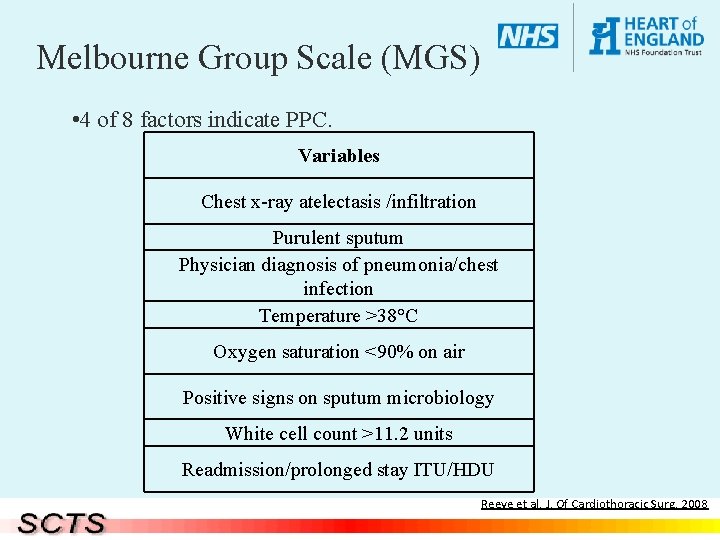
Melbourne Group Scale (MGS) • 4 of 8 factors indicate PPC. Variables Chest x-ray atelectasis /infiltration Purulent sputum Physician diagnosis of pneumonia/chest infection Temperature >38°C Oxygen saturation <90% on air Positive signs on sputum microbiology White cell count >11. 2 units Readmission/prolonged stay ITU/HDU Reeve et al, J. Of Cardiothoracic Surg. 2008
- Slides: 23