
Regulation of Metabolism How does the body know
Regulation of Metabolism • How does the body know when to increase metabolism? Slow metabolism? Requires communication • What might be some indicators of energy status within the cell? Works through allosteric regulation of enzyme activity
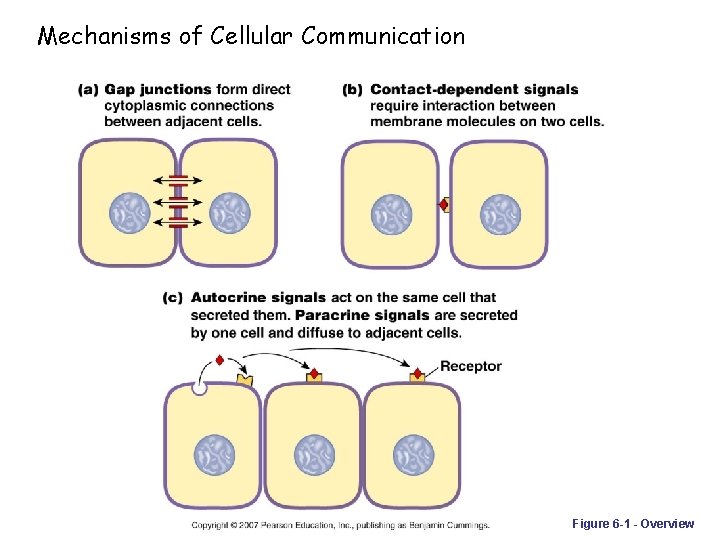
Mechanisms of Cellular Communication Figure 6 -1 - Overview
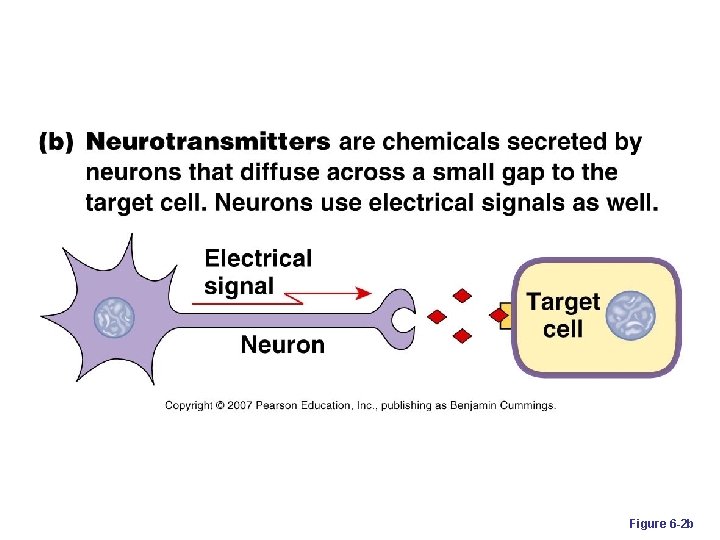
Figure 6 -2 b
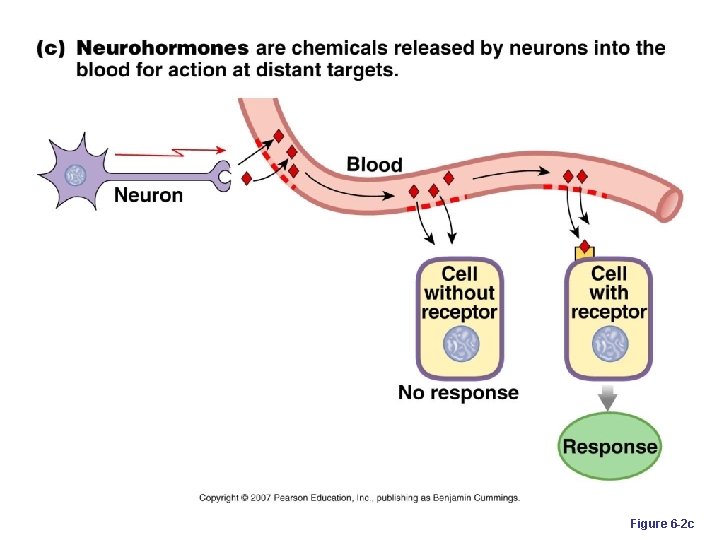
Figure 6 -2 c
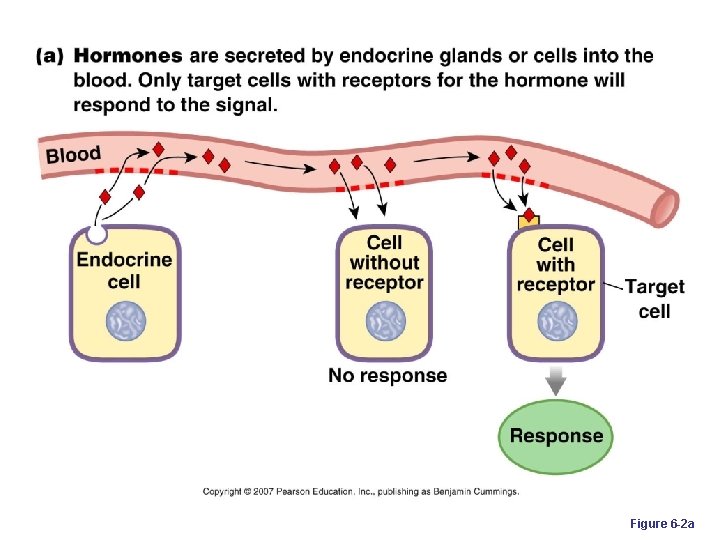
Figure 6 -2 a
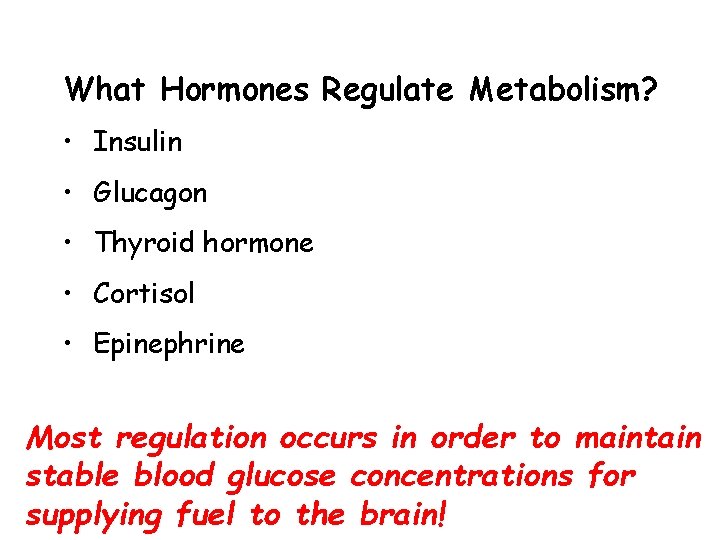
What Hormones Regulate Metabolism? • Insulin • Glucagon • Thyroid hormone • Cortisol • Epinephrine Most regulation occurs in order to maintain stable blood glucose concentrations for supplying fuel to the brain!
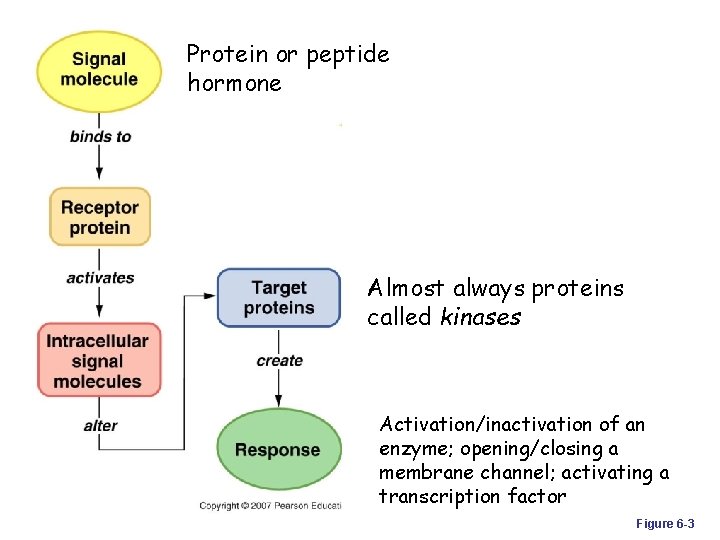
Protein or peptide hormone Almost always proteins called kinases Activation/inactivation of an enzyme; opening/closing a membrane channel; activating a transcription factor Figure 6 -3
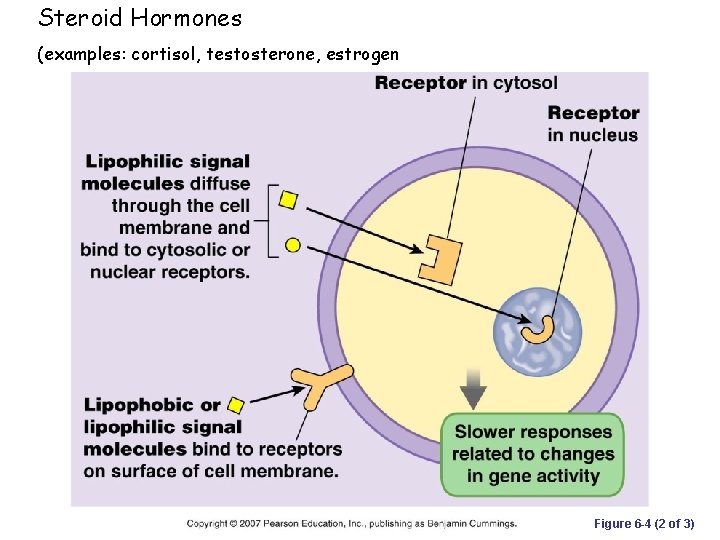
Steroid Hormones (examples: cortisol, testosterone, estrogen Figure 6 -4 (2 of 3)

Protein/peptide hormones (examples: epinephrine, insulin, glucagon, oxytocin) Figure 6 -4 (3 of 3)
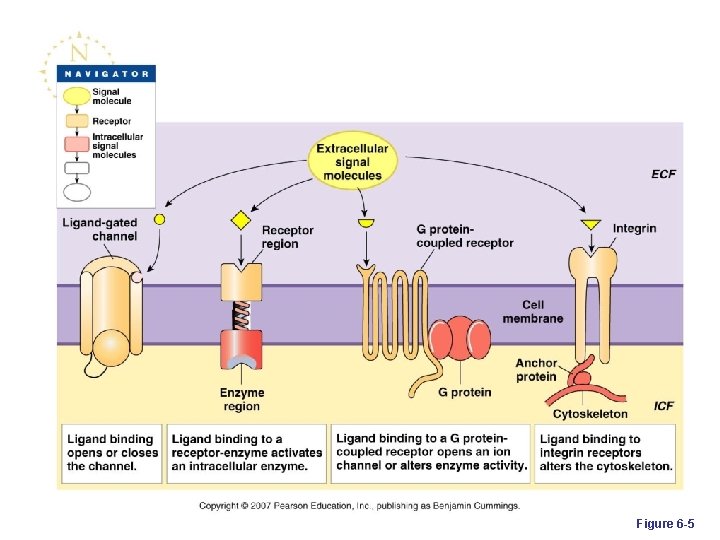
Figure 6 -5
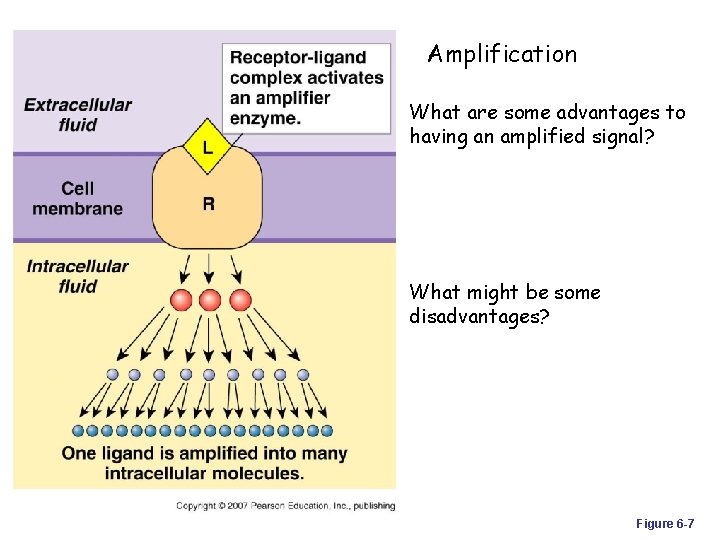
Amplification What are some advantages to having an amplified signal? What might be some disadvantages? Figure 6 -7
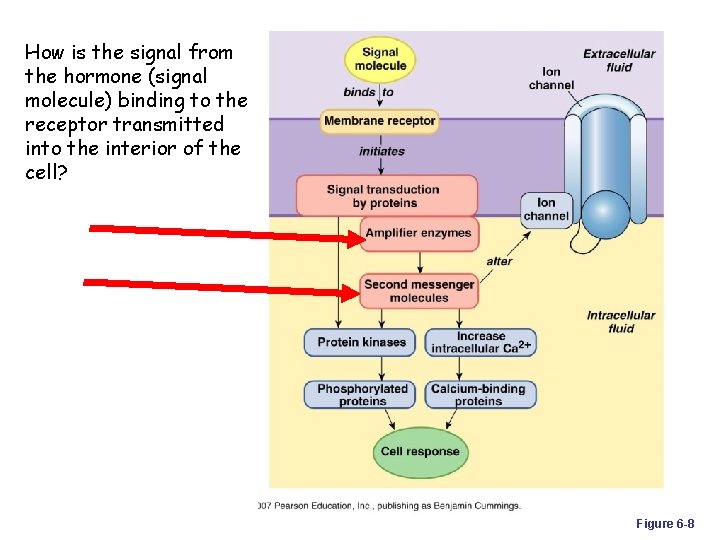
How is the signal from the hormone (signal molecule) binding to the receptor transmitted into the interior of the cell? Figure 6 -8
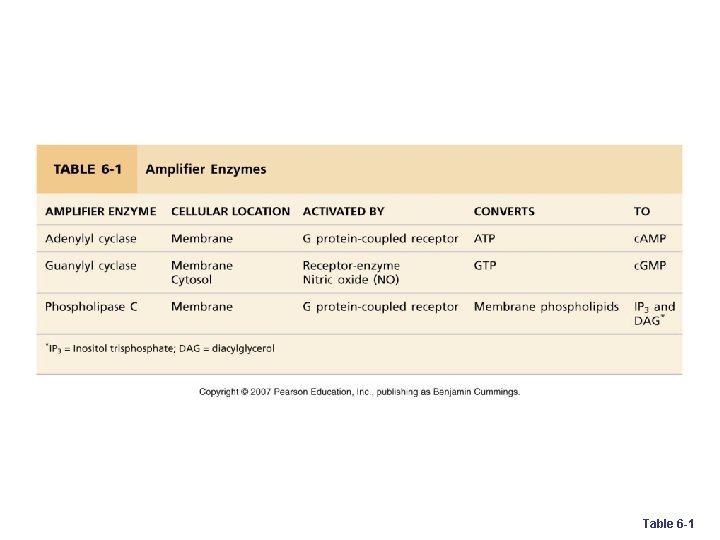
Table 6 -1
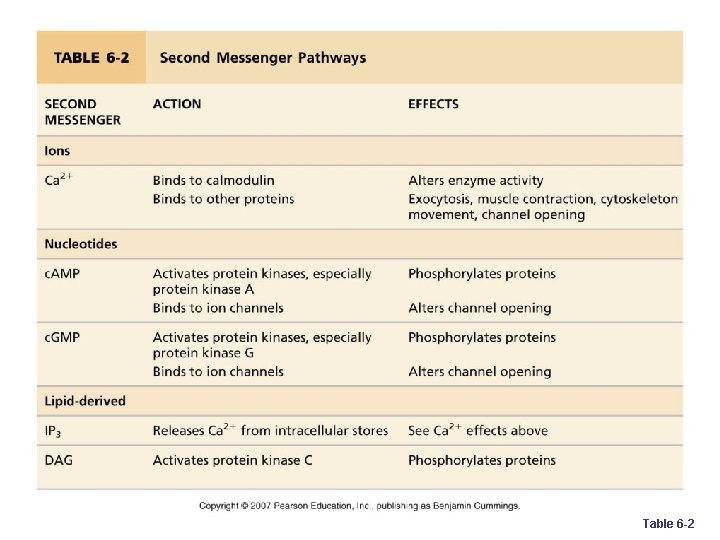
Table 6 -2
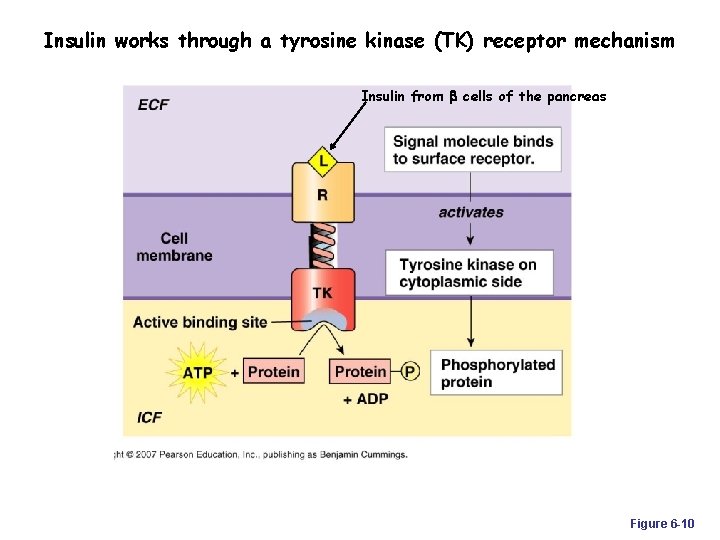
Insulin works through a tyrosine kinase (TK) receptor mechanism Insulin from b cells of the pancreas Figure 6 -10
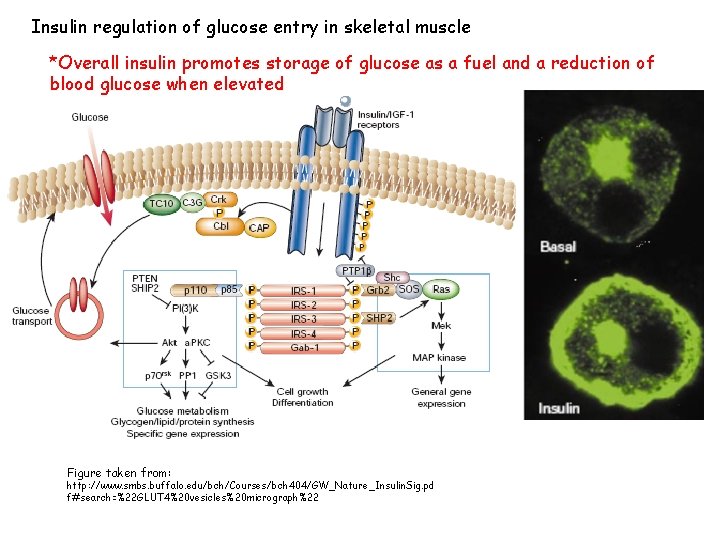
Insulin regulation of glucose entry in skeletal muscle *Overall insulin promotes storage of glucose as a fuel and a reduction of blood glucose when elevated Figure taken from: http: //www. smbs. buffalo. edu/bch/Courses/bch 404/GW_Nature_Insulin. Sig. pd f#search=%22 GLUT 4%20 vesicles%20 micrograph%22
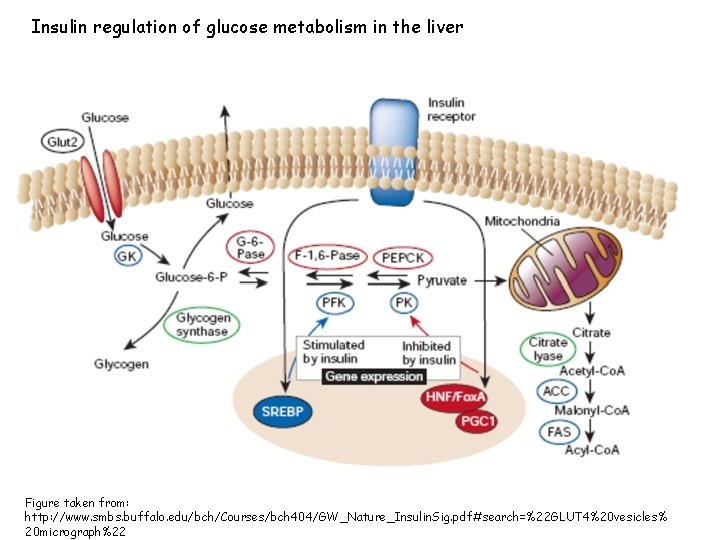
Insulin regulation of glucose metabolism in the liver Figure taken from: http: //www. smbs. buffalo. edu/bch/Courses/bch 404/GW_Nature_Insulin. Sig. pdf#search=%22 GLUT 4%20 vesicles% 20 micrograph%22
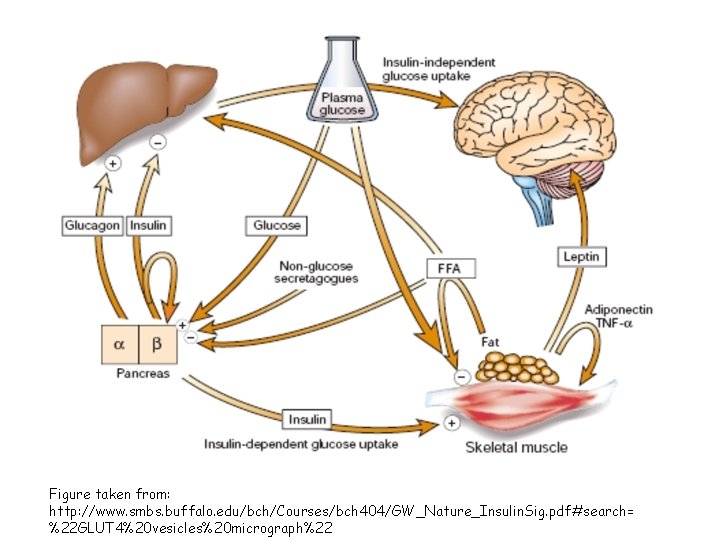
Figure taken from: http: //www. smbs. buffalo. edu/bch/Courses/bch 404/GW_Nature_Insulin. Sig. pdf#search= %22 GLUT 4%20 vesicles%20 micrograph%22
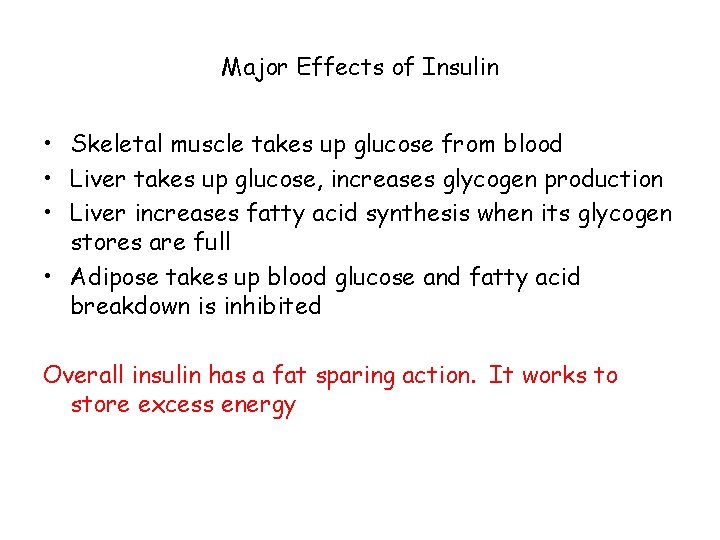
Major Effects of Insulin • Skeletal muscle takes up glucose from blood • Liver takes up glucose, increases glycogen production • Liver increases fatty acid synthesis when its glycogen stores are full • Adipose takes up blood glucose and fatty acid breakdown is inhibited Overall insulin has a fat sparing action. It works to store excess energy
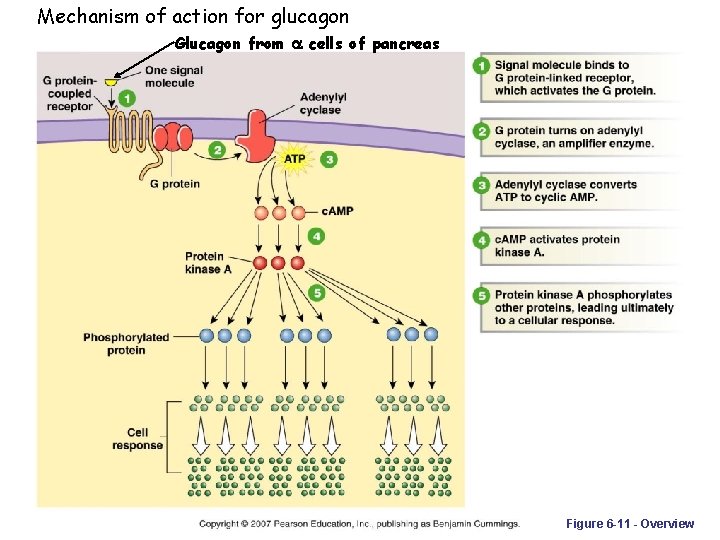
Mechanism of action for glucagon Glucagon from a cells of pancreas Figure 6 -11 - Overview
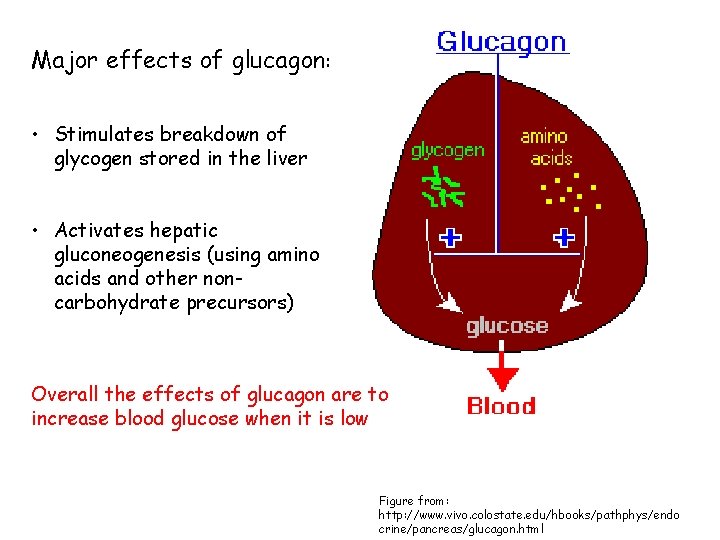
Major effects of glucagon: • Stimulates breakdown of glycogen stored in the liver • Activates hepatic gluconeogenesis (using amino acids and other noncarbohydrate precursors) Overall the effects of glucagon are to increase blood glucose when it is low Figure from: http: //www. vivo. colostate. edu/hbooks/pathphys/endo crine/pancreas/glucagon. html
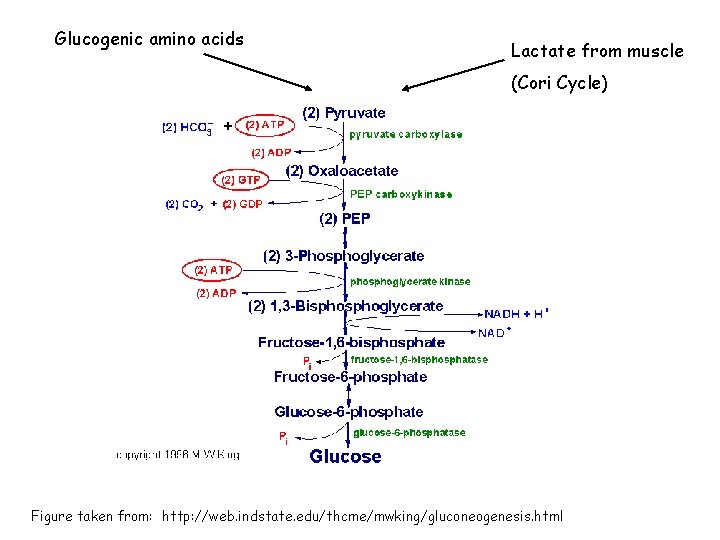
Glucogenic amino acids Lactate from muscle (Cori Cycle) Figure taken from: http: //web. indstate. edu/thcme/mwking/gluconeogenesis. html
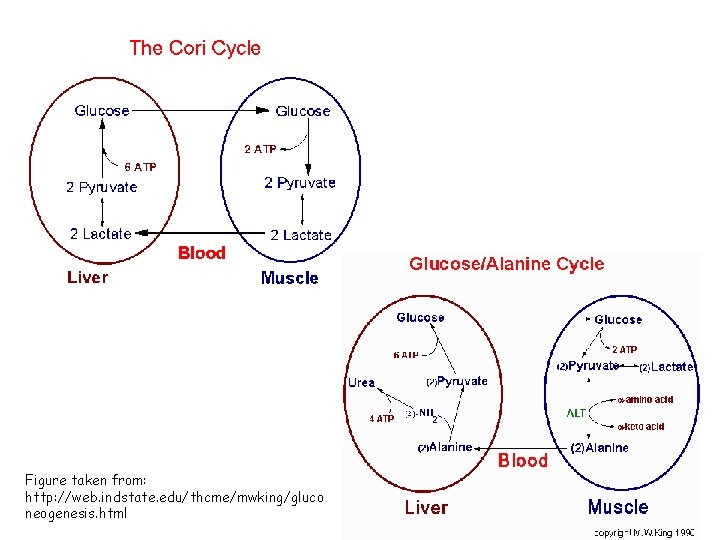
Figure taken from: http: //web. indstate. edu/thcme/mwking/gluco neogenesis. html
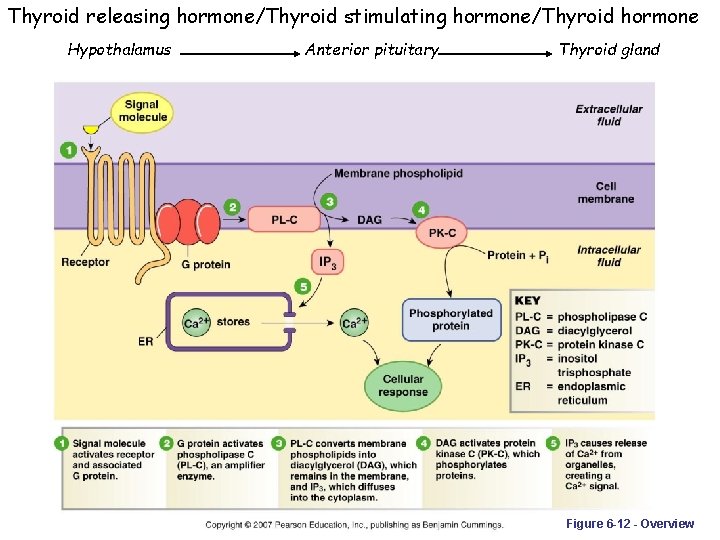
Thyroid releasing hormone/Thyroid stimulating hormone/Thyroid hormone Hypothalamus Anterior pituitary Thyroid gland Figure 6 -12 - Overview
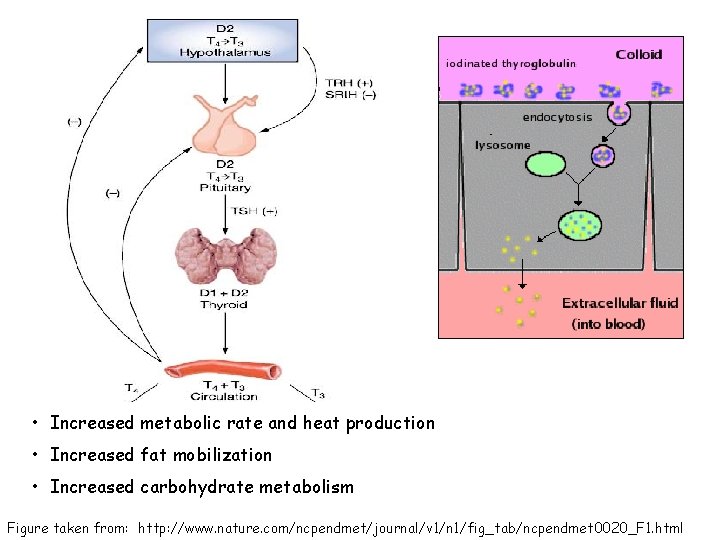
• Increased metabolic rate and heat production • Increased fat mobilization • Increased carbohydrate metabolism Figure taken from: http: //www. nature. com/ncpendmet/journal/v 1/n 1/fig_tab/ncpendmet 0020_F 1. html
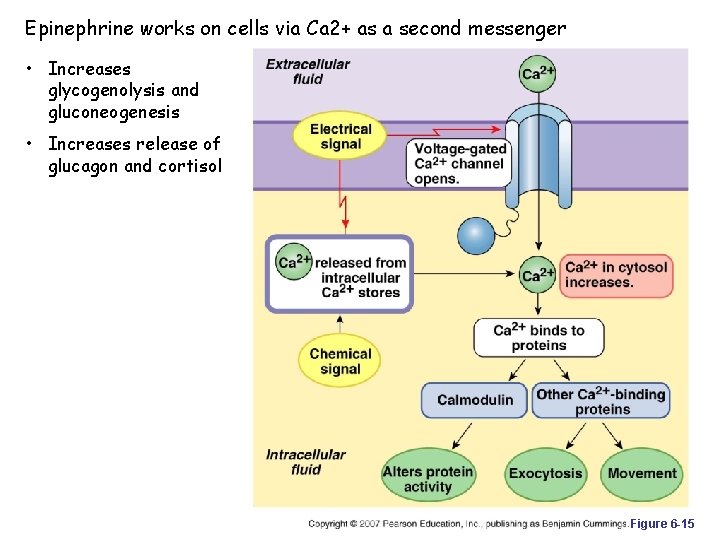
Epinephrine works on cells via Ca 2+ as a second messenger • Increases glycogenolysis and gluconeogenesis • Increases release of glucagon and cortisol Figure 6 -15
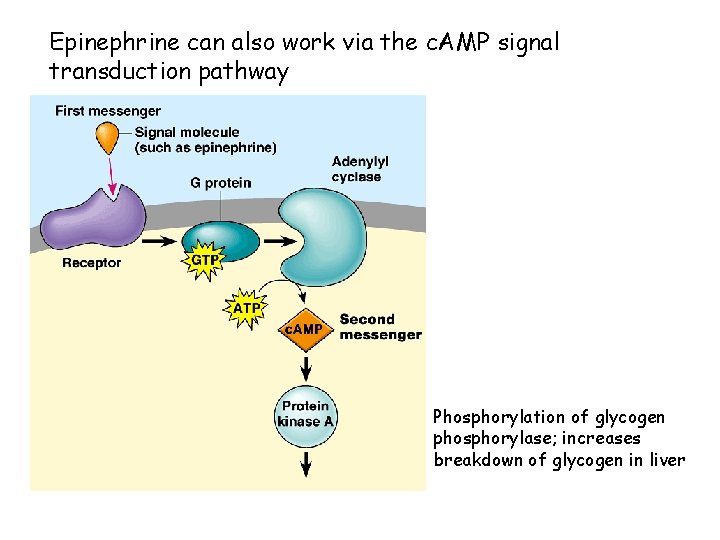
Epinephrine can also work via the c. AMP signal transduction pathway Phosphorylation of glycogen phosphorylase; increases breakdown of glycogen in liver
Test Your Knowledge • The major hormones that promote glucose release into the blood are: • The major hormones that promote storage of glucose are: • A hepatic cell has receptors for epinephrine, glucagon, and insulin. These hormones may or may not act in concert to produce a desired effect. How does the hepatocyte know what to do? • What are the major second messenger systems used by the hormones that regulate blood glucose? What is the end result of activation of these second messenger systems?
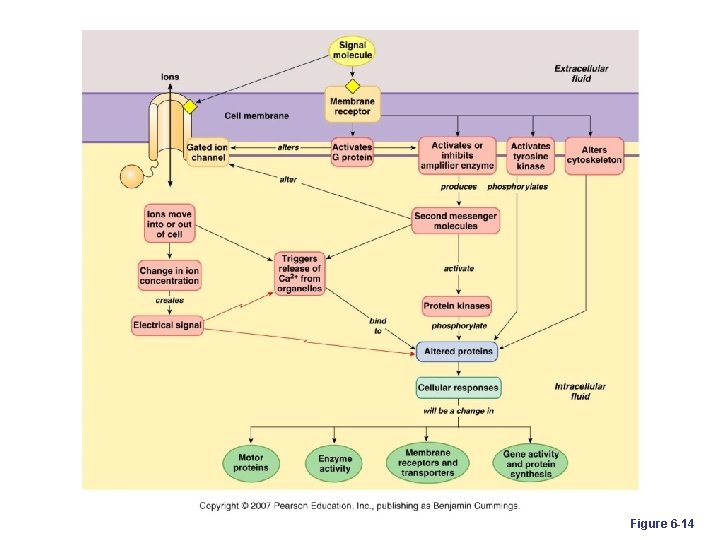
Figure 6 -14
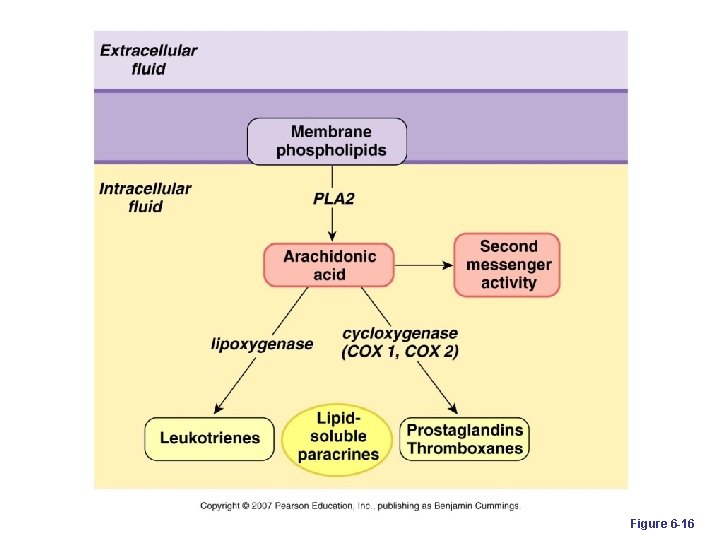
Figure 6 -16
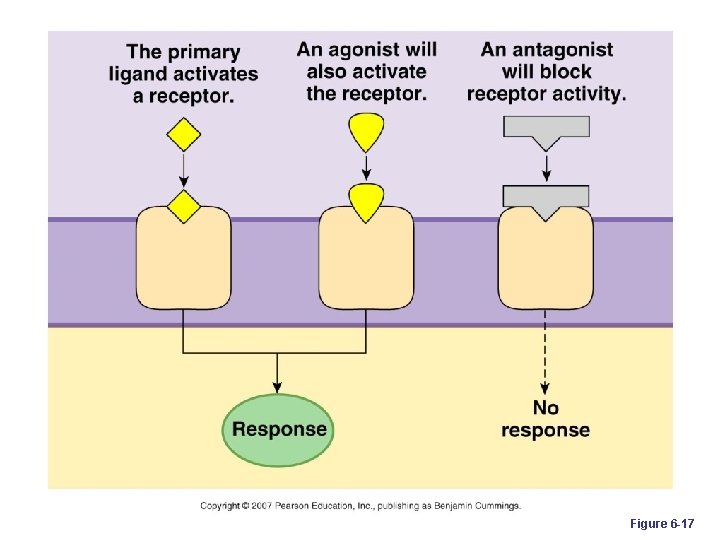
Figure 6 -17
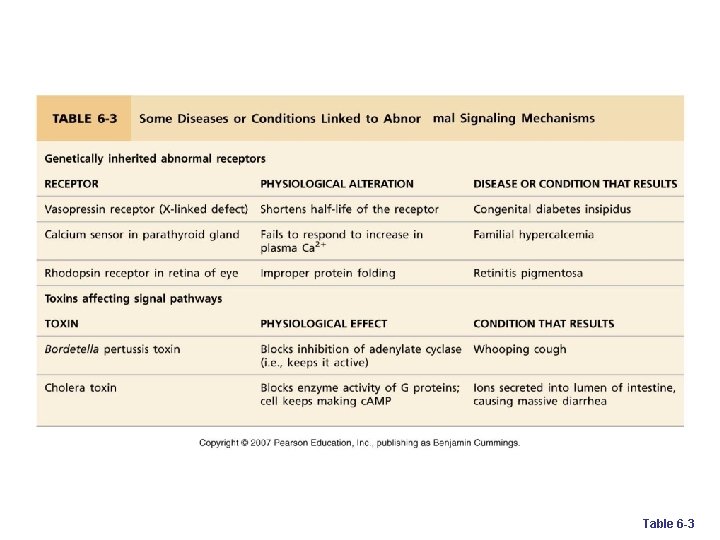
Table 6 -3
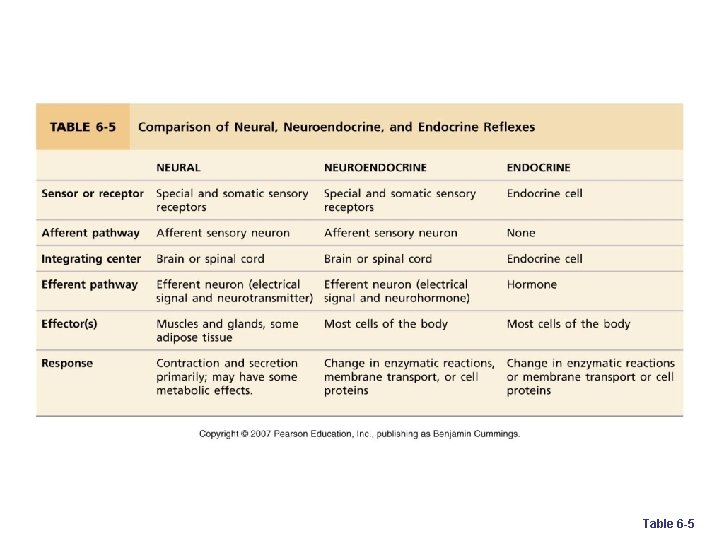
Table 6 -5
- Slides: 33