
Regulation of gene expression Haixu Tang School of
- Slides: 74
Regulation of gene expression Haixu Tang School of Informatics
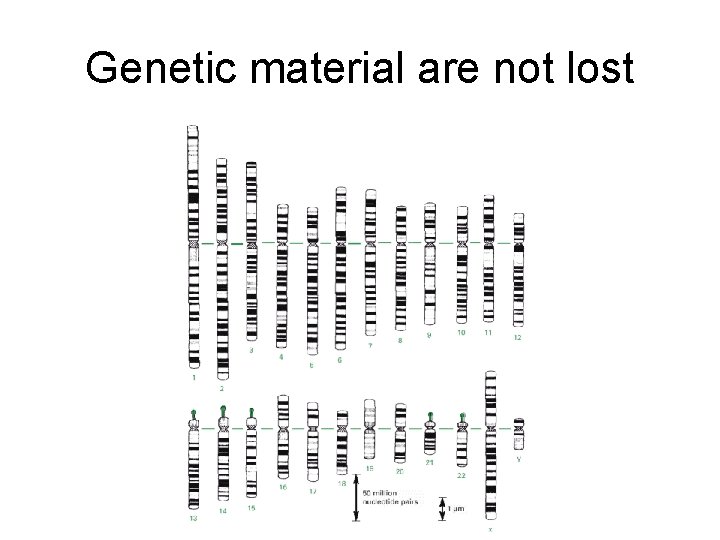
Genetic material are not lost
Different Cell Types Synthesize Different Sets of Proteins • Many processes are common to all cells, and any two cells in a single organism therefore have many proteins in common. • Some proteins are abundant in the specialized cells in which they function and cannot be detected elsewhere, even by sensitive tests. Hemoglobin, for example, can be detected only in red blood cells. • Studies of the number of different m. RNAs suggest that, at any one time, a typical human cell expresses approximately 10, 000 20, 000 of its approximately 30, 000 genes • Although the differences in m. RNAs among specialized cell types are striking, they nonetheless underestimate the full range of differences
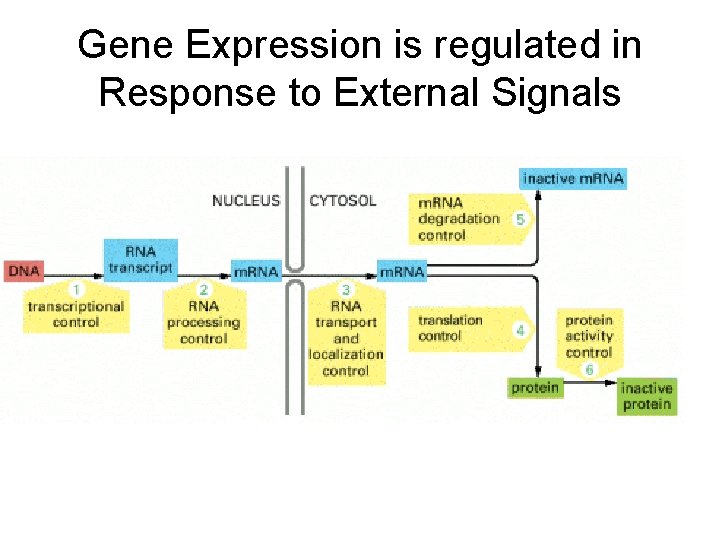
Gene Expression is regulated in Response to External Signals
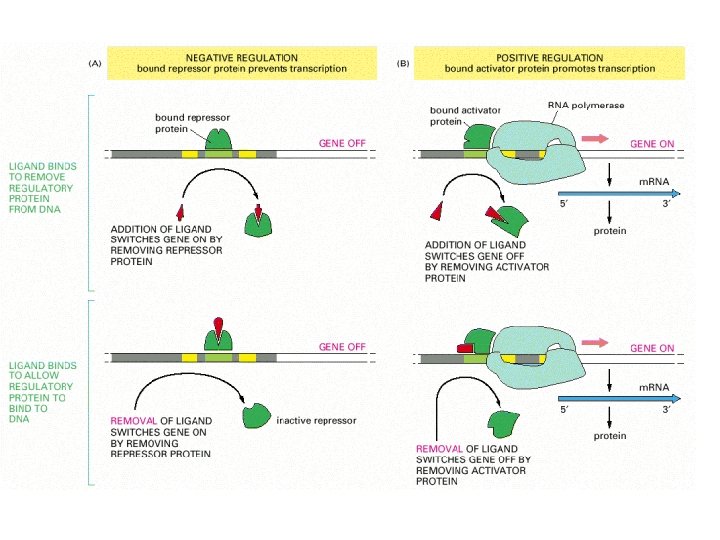
Switching devices for gene regulation • Short stretches of DNA of defined sequence (cis-elements) • gene regulatory proteins that recognize and bind to them (trans-factors)
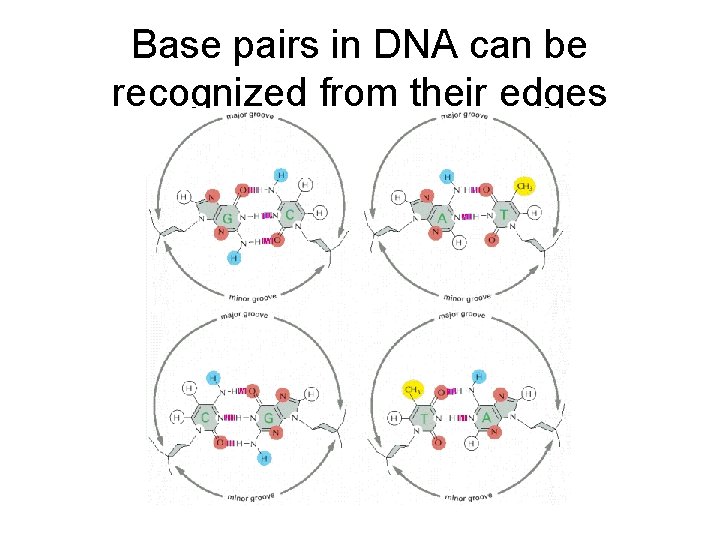
Base pairs in DNA can be recognized from their edges
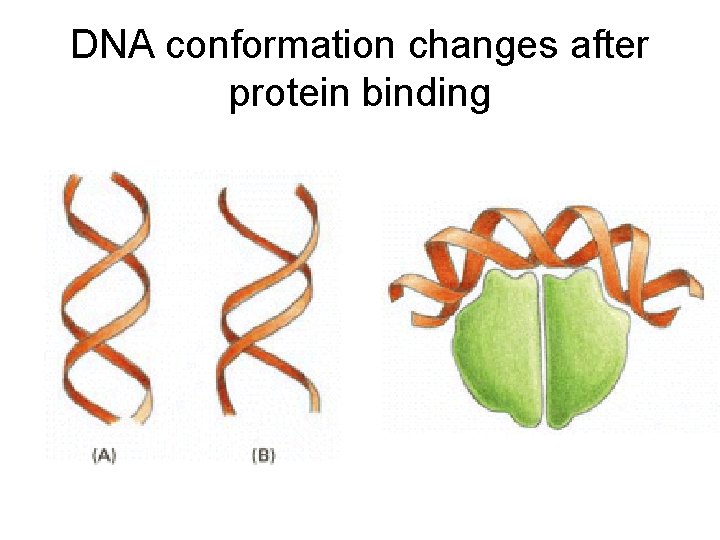
DNA conformation changes after protein binding
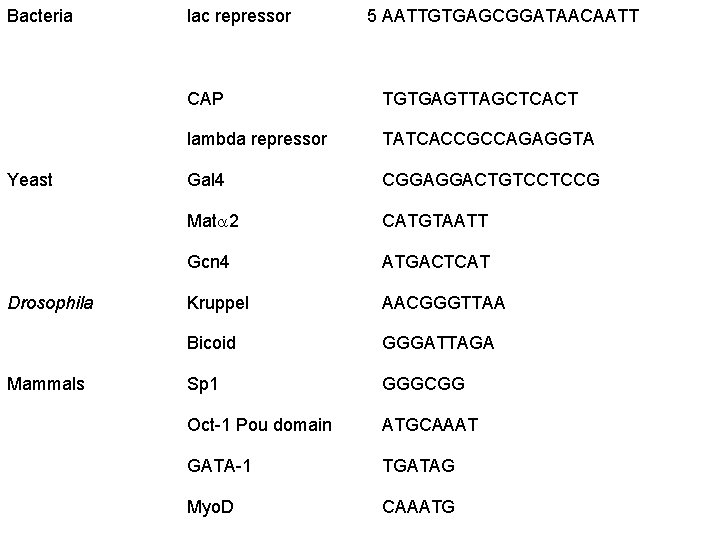
Bacteria Yeast Drosophila Mammals lac repressor 5 AATTGTGAGCGGATAACAATT CAP TGTGAGTTAGCTCACT lambda repressor TATCACCGCCAGAGGTA Gal 4 CGGAGGACTGTCCTCCG Mata 2 CATGTAATT Gcn 4 ATGACTCAT Kruppel AACGGGTTAA Bicoid GGGATTAGA Sp 1 GGGCGG Oct-1 Pou domain ATGCAAAT GATA-1 TGATAG Myo. D CAAATG
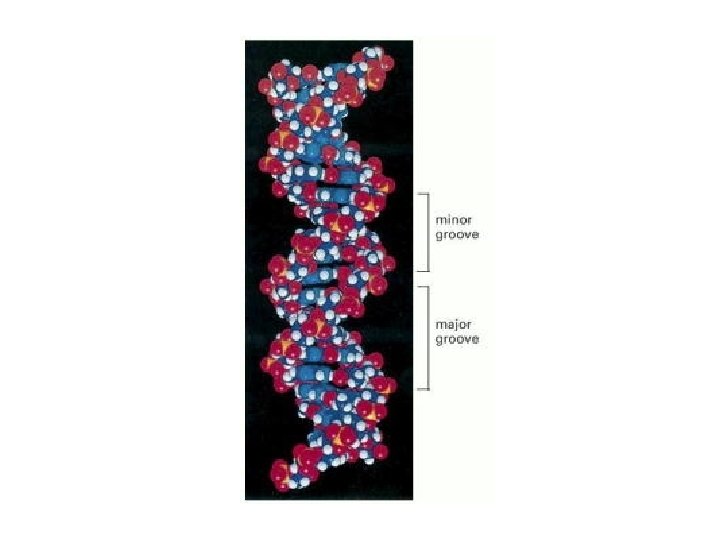
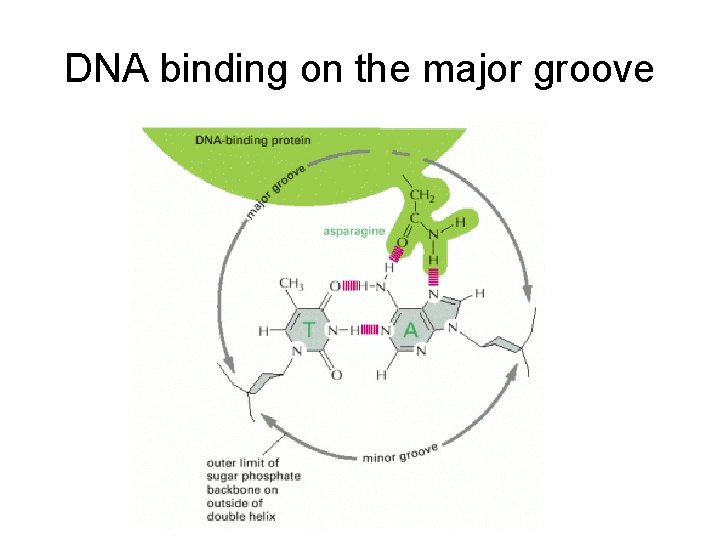
DNA binding on the major groove
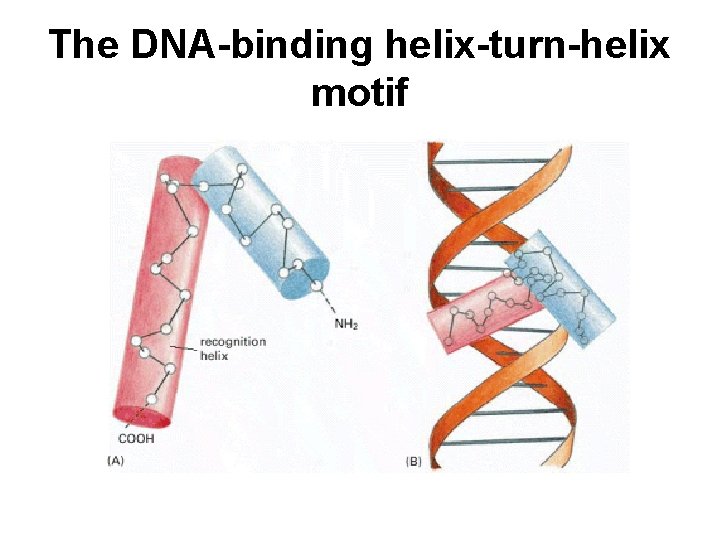
The DNA-binding helix-turn-helix motif
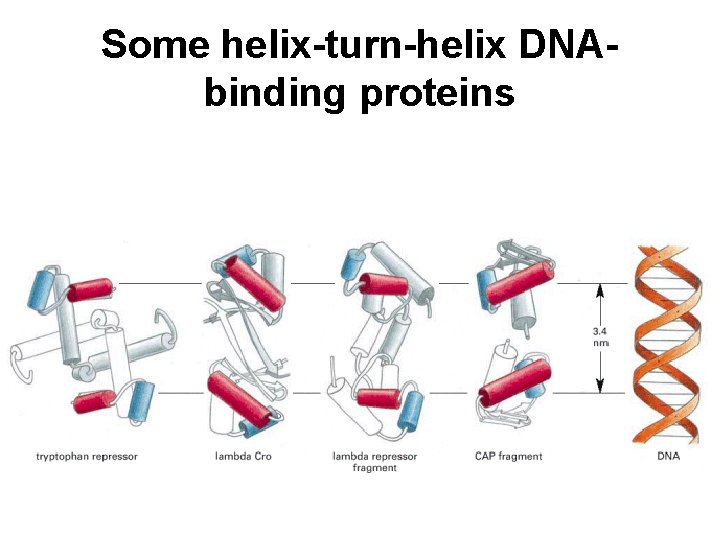
Some helix-turn-helix DNAbinding proteins
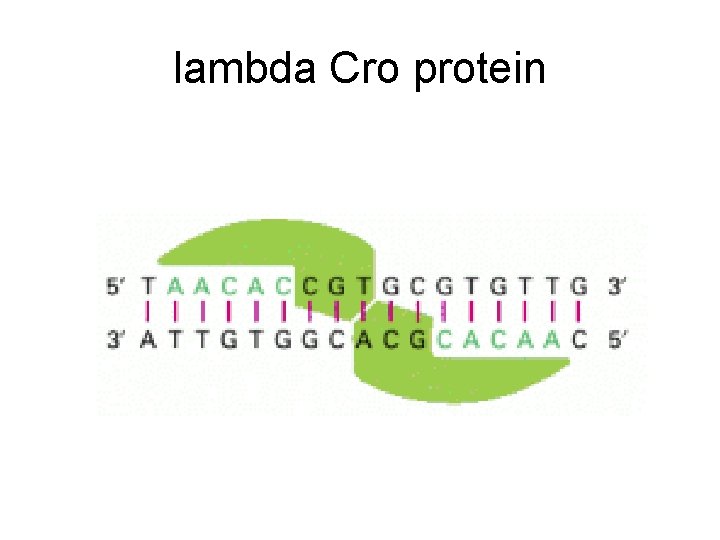
lambda Cro protein
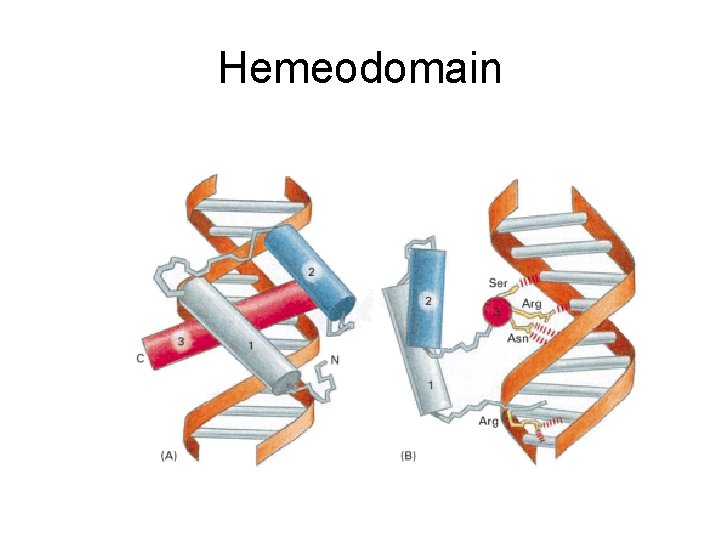
Hemeodomain
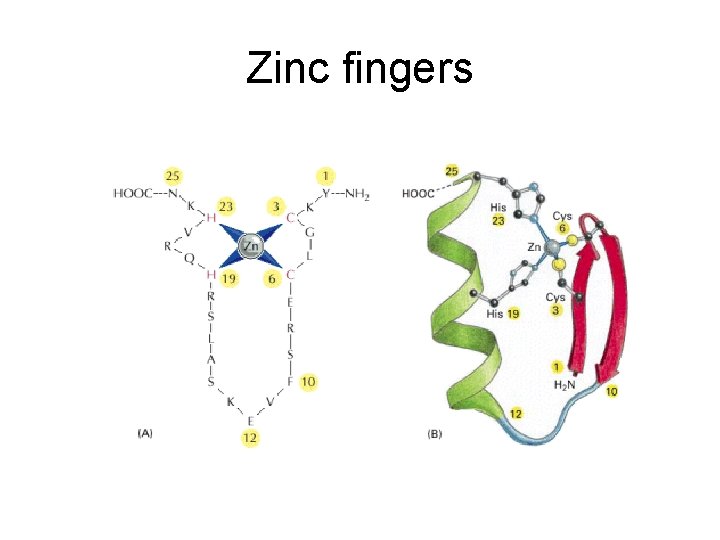
Zinc fingers
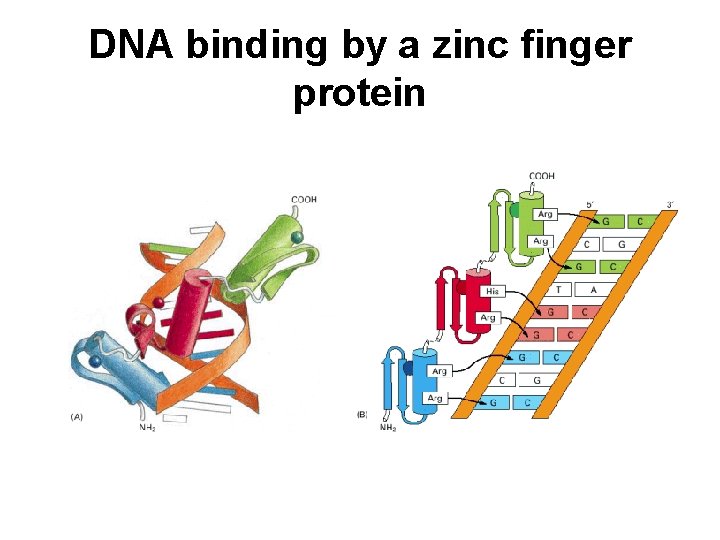
DNA binding by a zinc finger protein
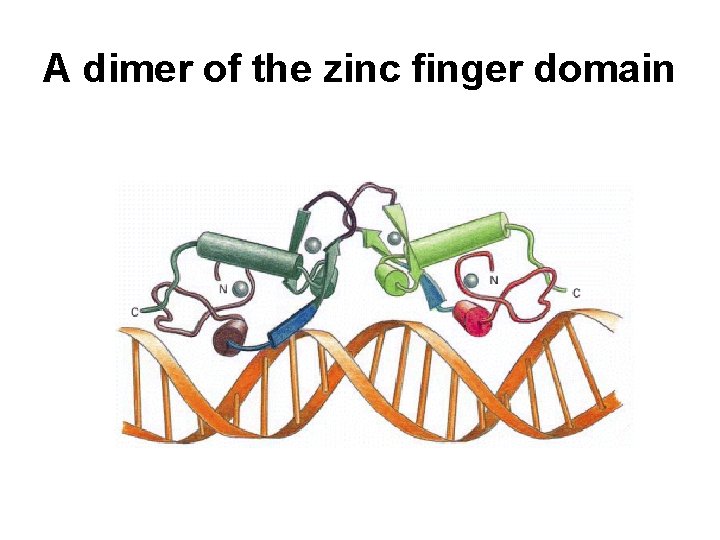
A dimer of the zinc finger domain
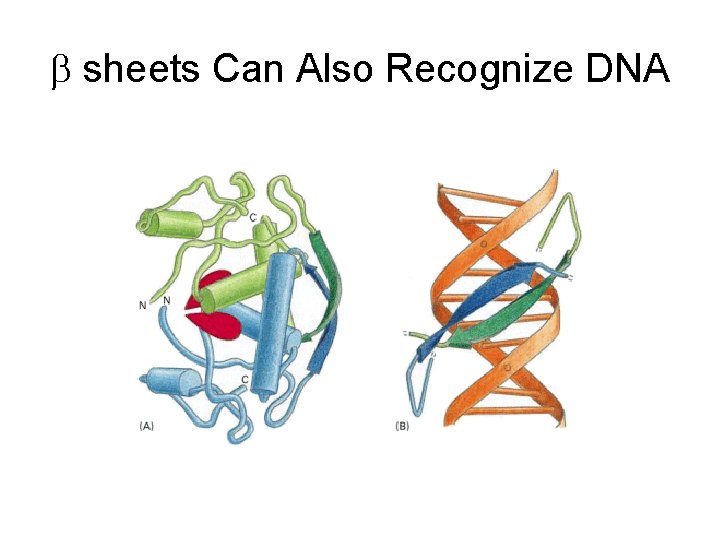
b sheets Can Also Recognize DNA
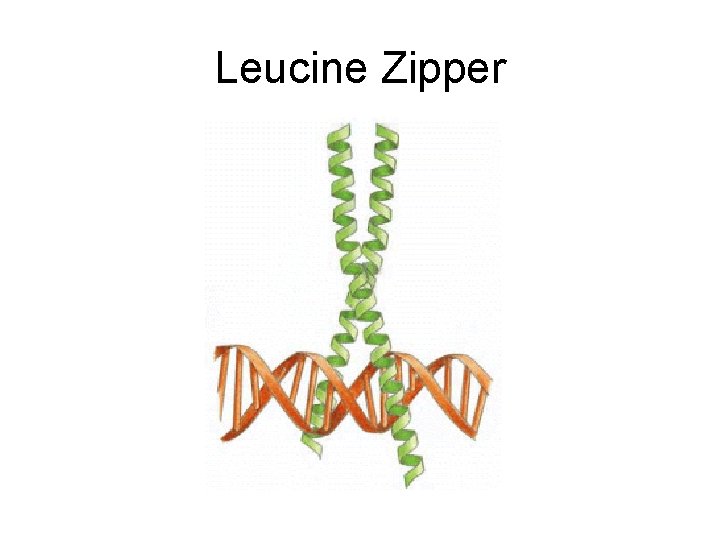
Leucine Zipper
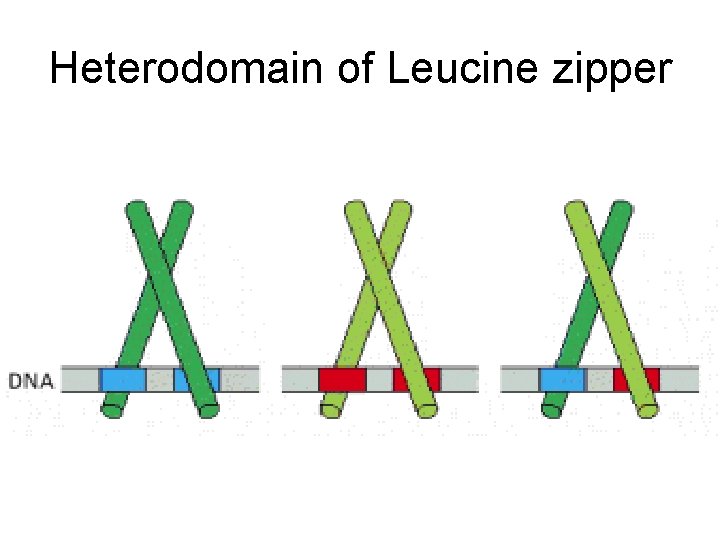
Heterodomain of Leucine zipper
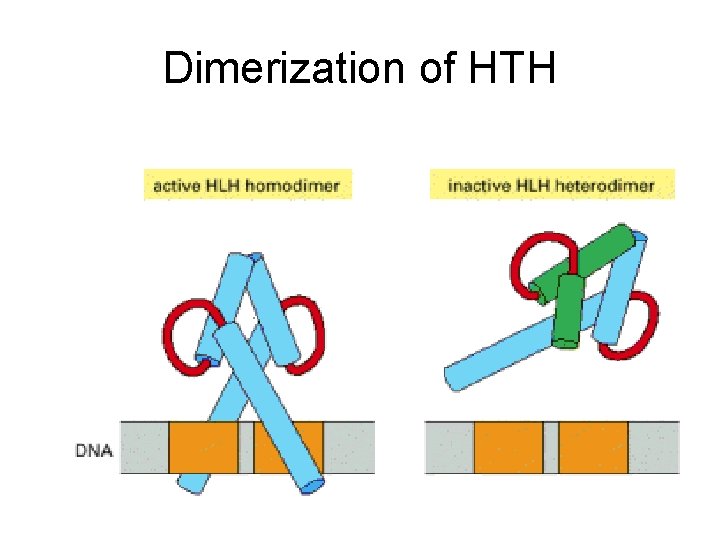
Dimerization of HTH
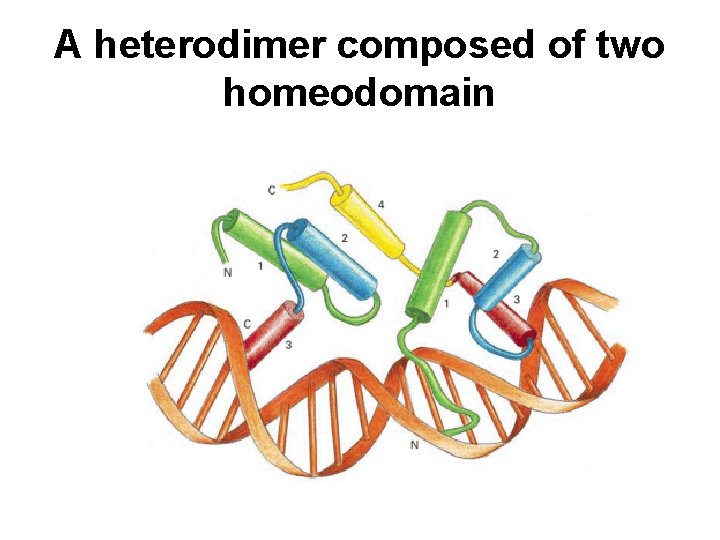
A heterodimer composed of two homeodomain
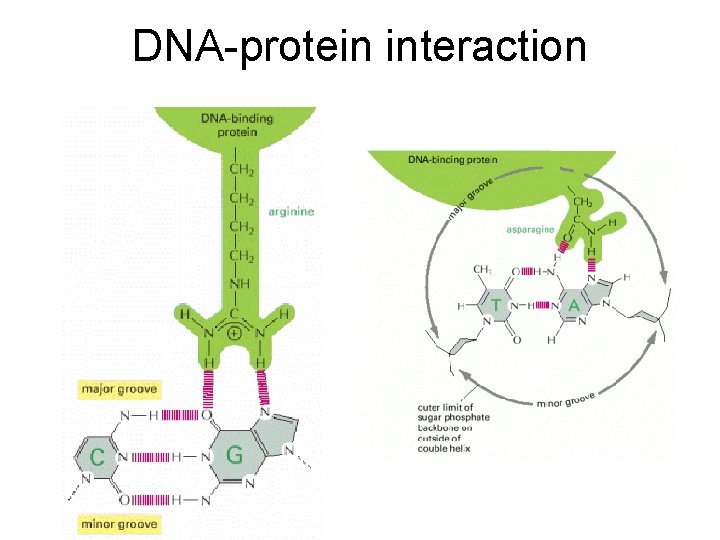
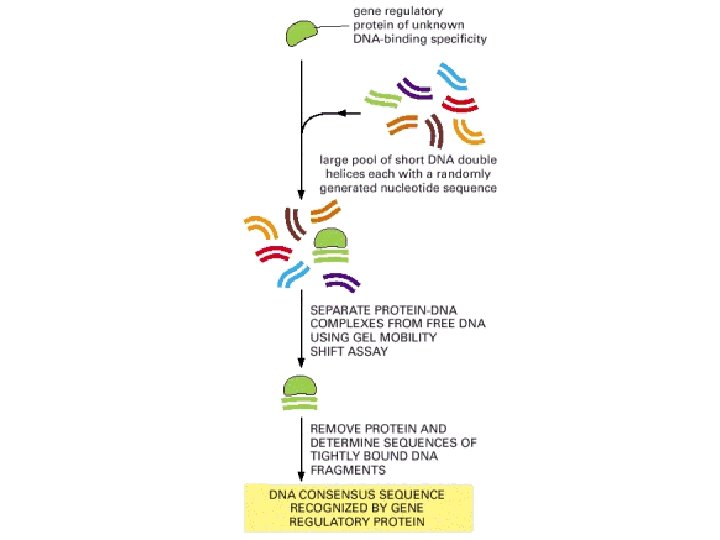
DNA-protein interaction
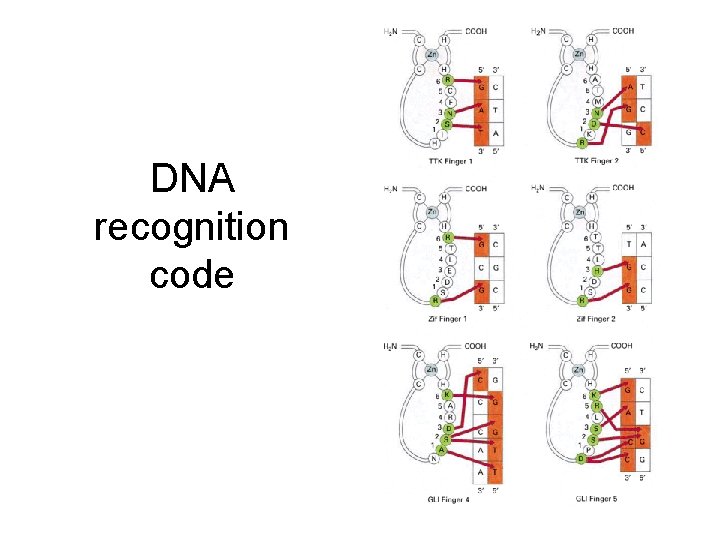
DNA recognition code
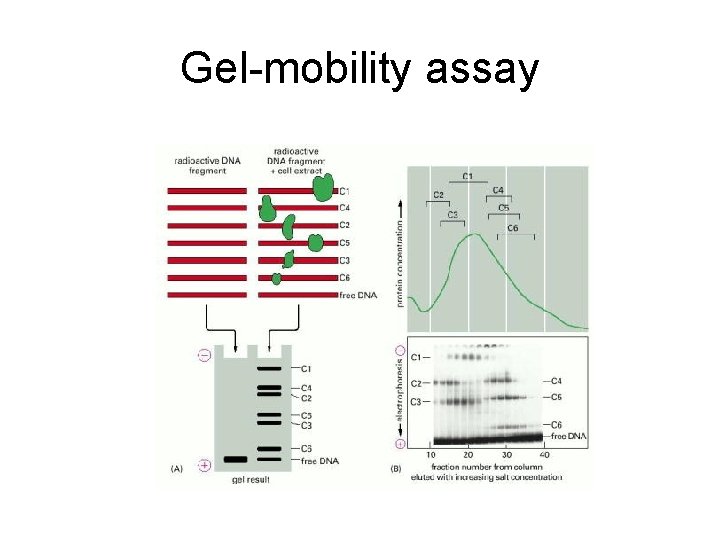
Gel-mobility assay
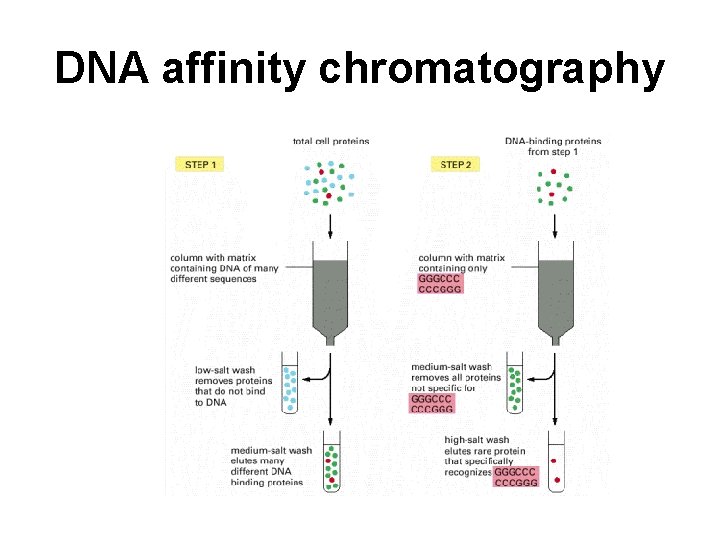
DNA affinity chromatography
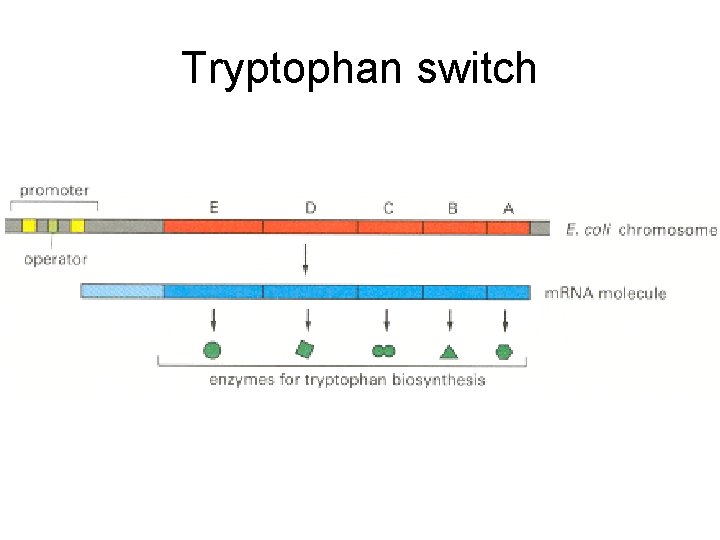
Tryptophan switch
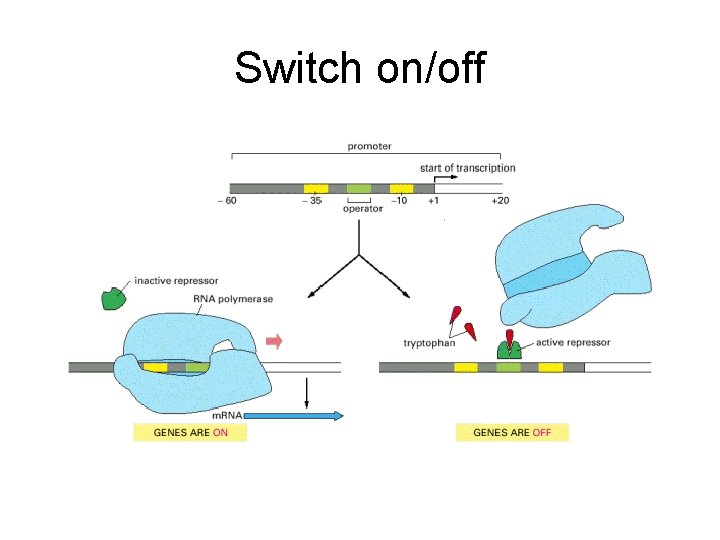
Switch on/off
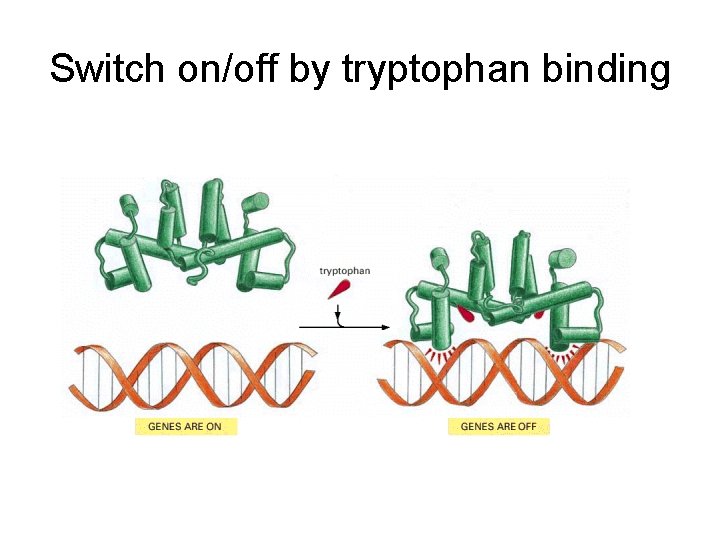
Switch on/off by tryptophan binding
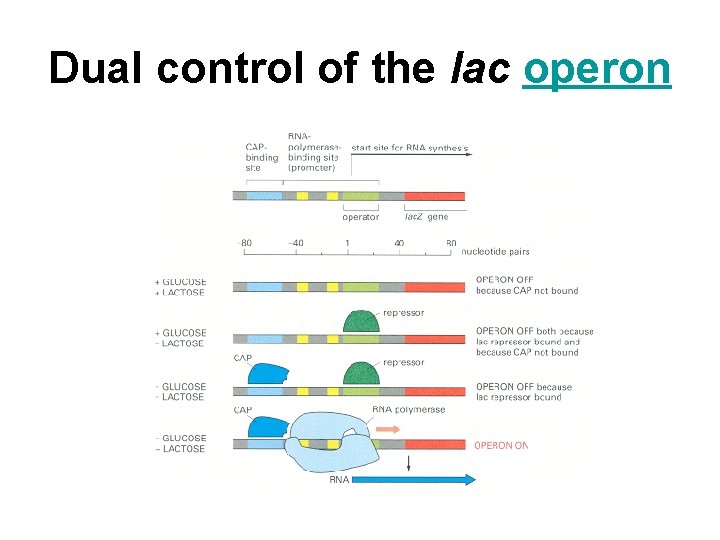
Dual control of the lac operon
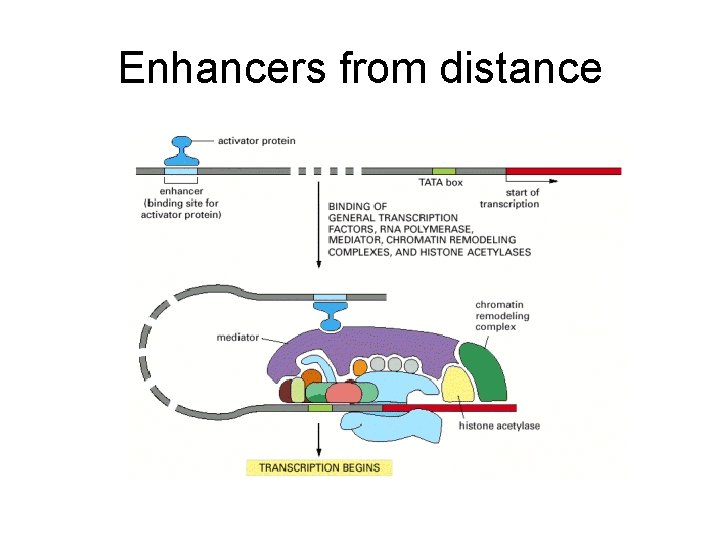
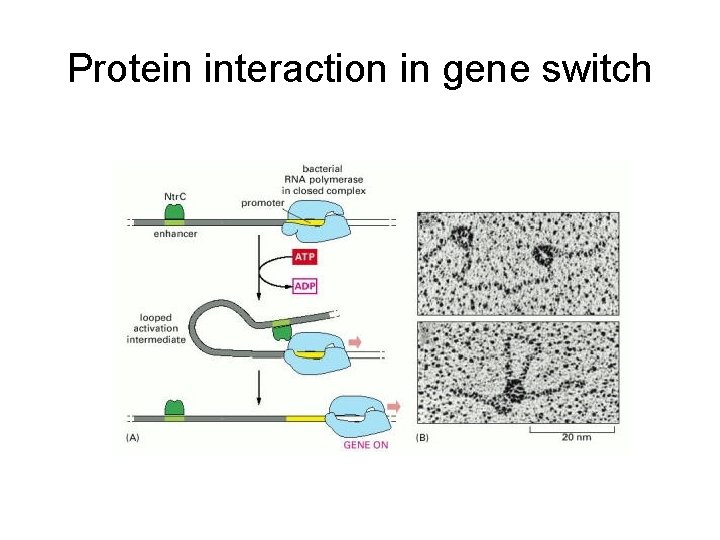
Enhancers from distance
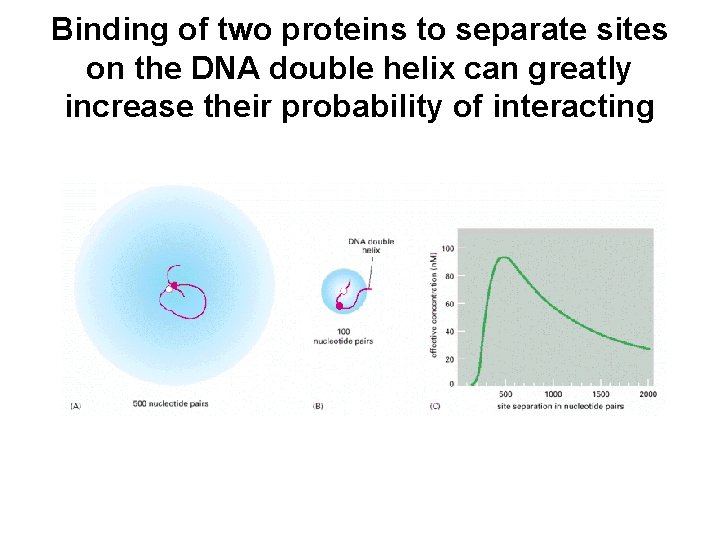
Binding of two proteins to separate sites on the DNA double helix can greatly increase their probability of interacting
Protein interaction in gene switch
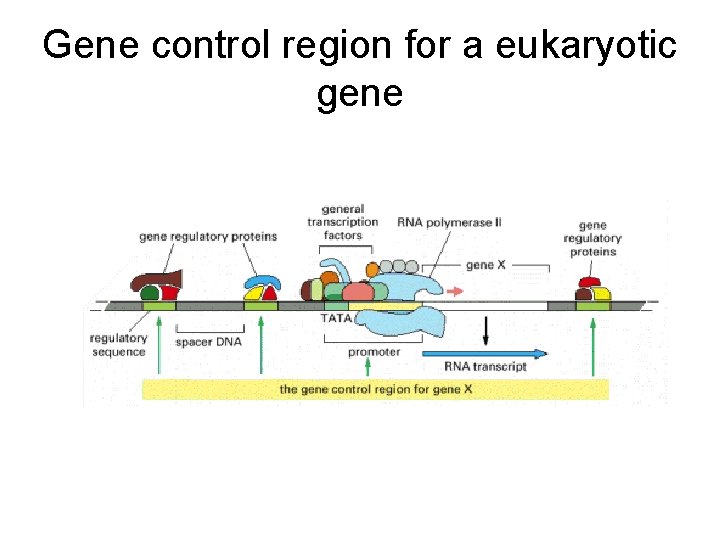
Gene control region for a eukaryotic gene
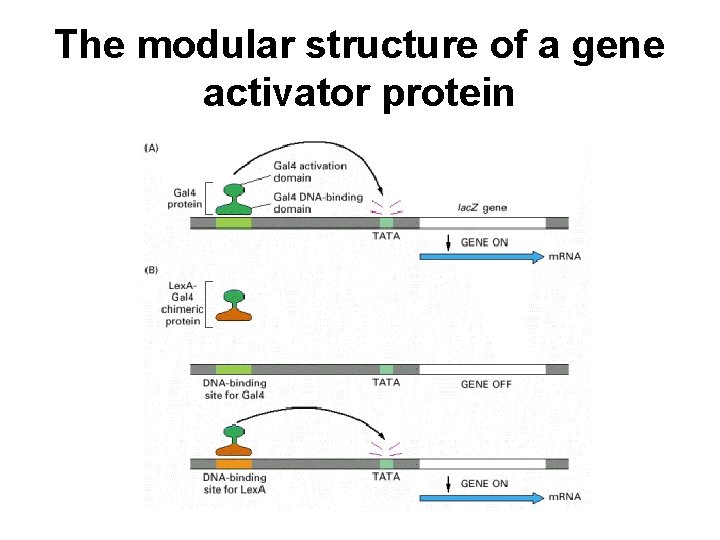
The modular structure of a gene activator protein
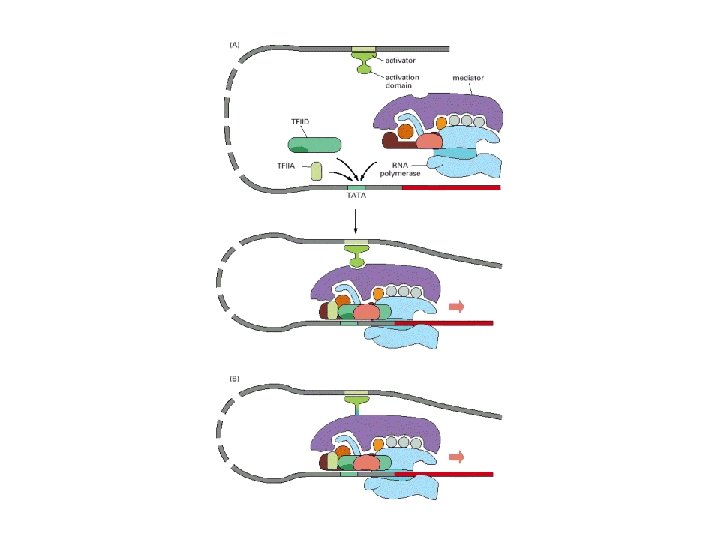
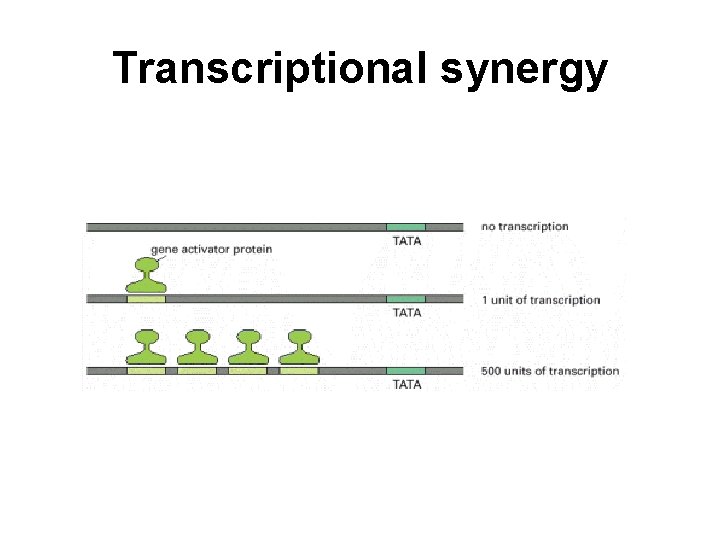
Transcriptional synergy
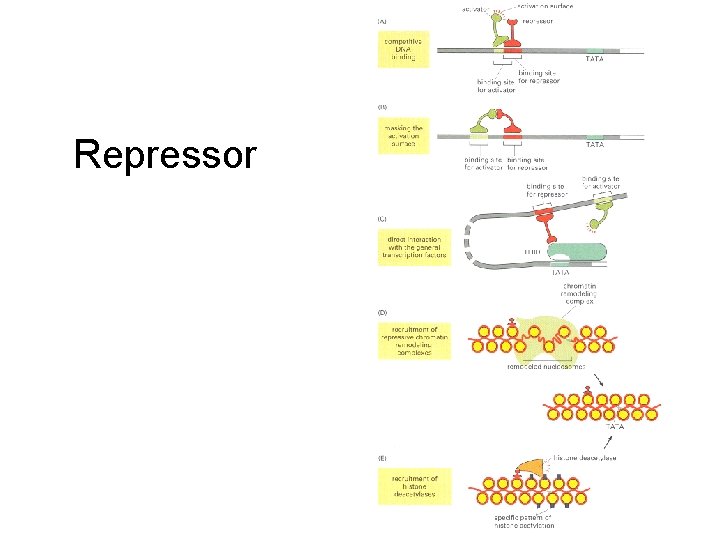
Repressor
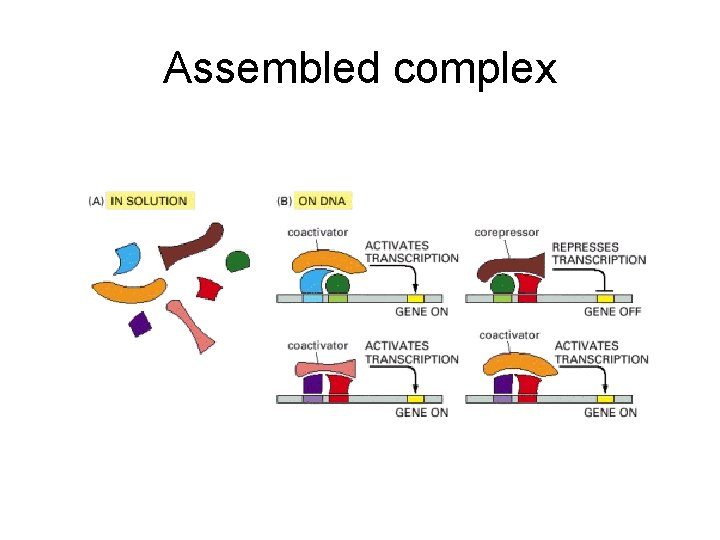
Assembled complex
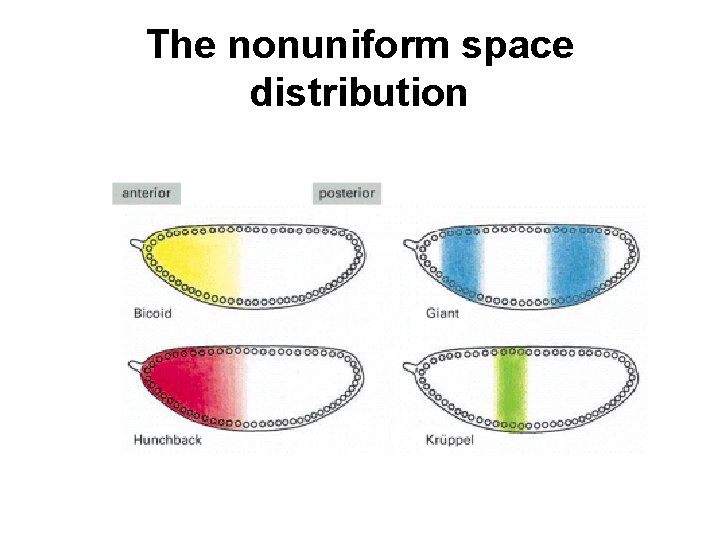
The nonuniform space distribution
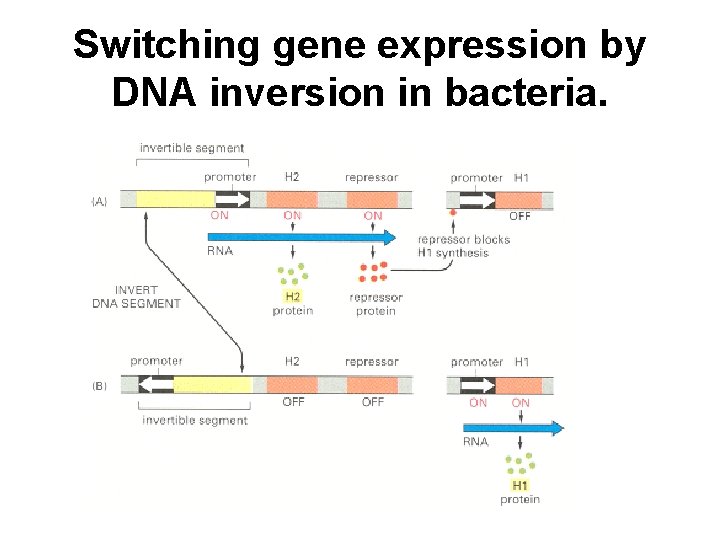
Switching gene expression by DNA inversion in bacteria.
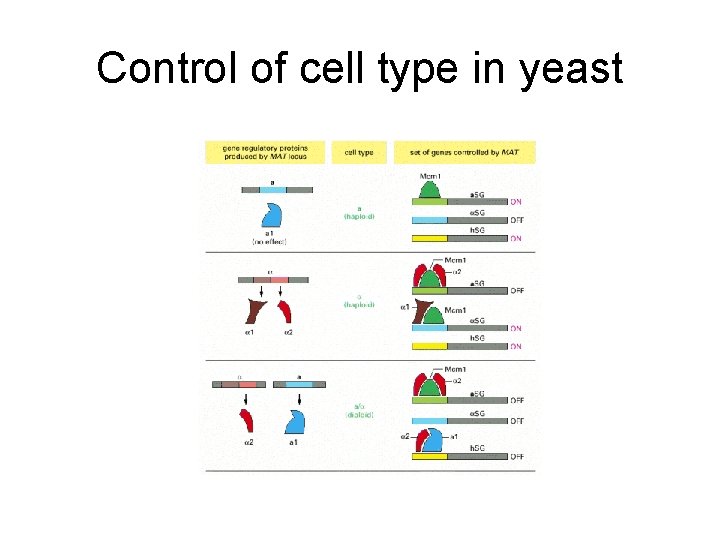
Control of cell type in yeast
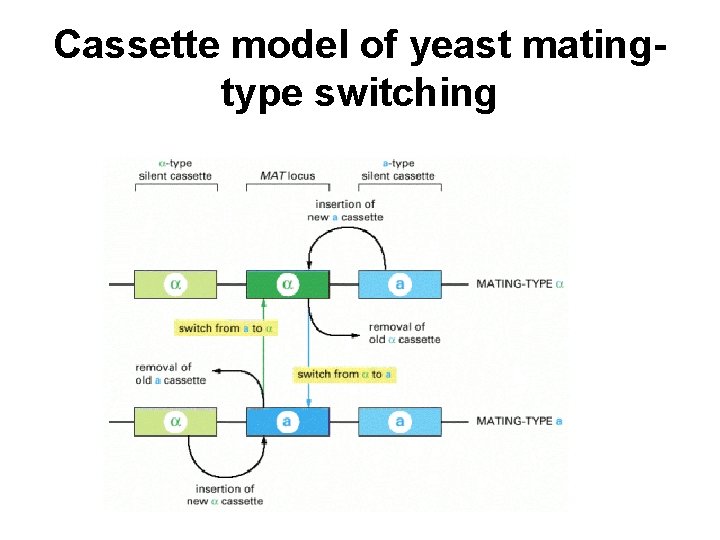
Cassette model of yeast matingtype switching
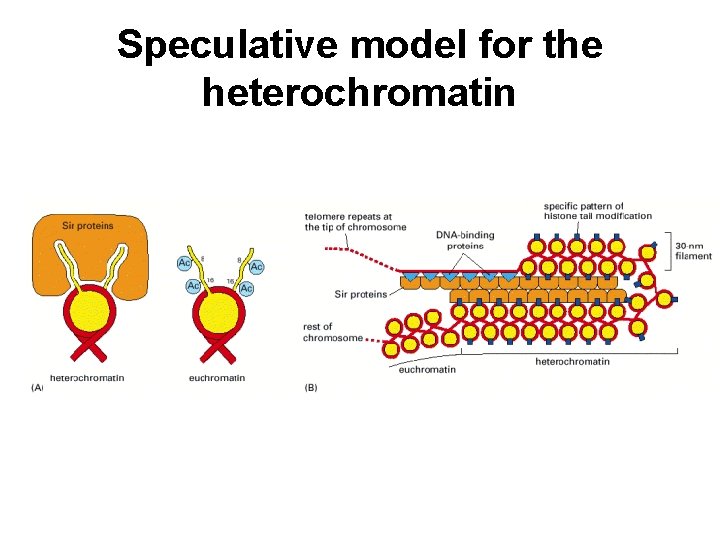
Speculative model for the heterochromatin
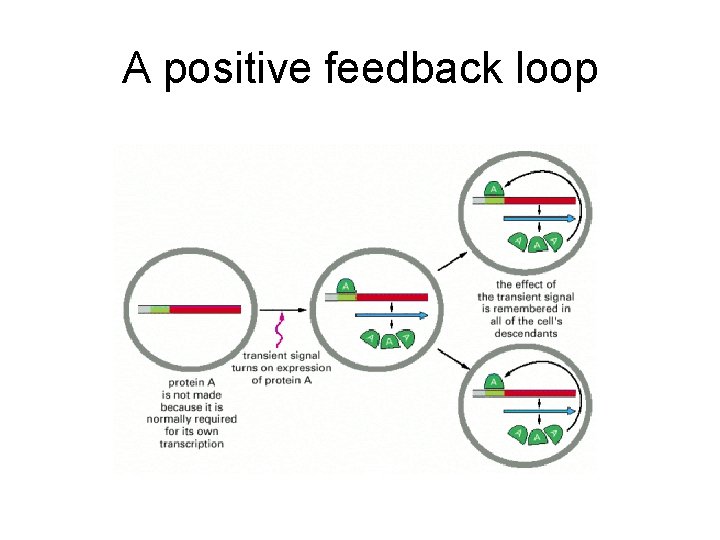
A positive feedback loop
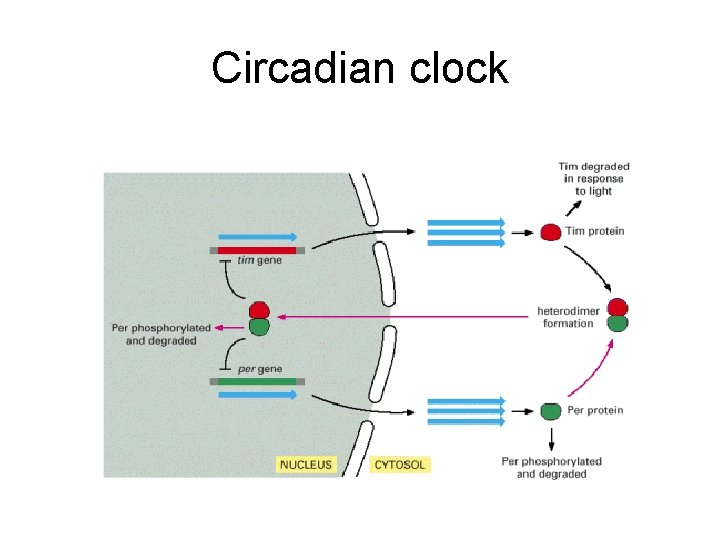
Circadian clock
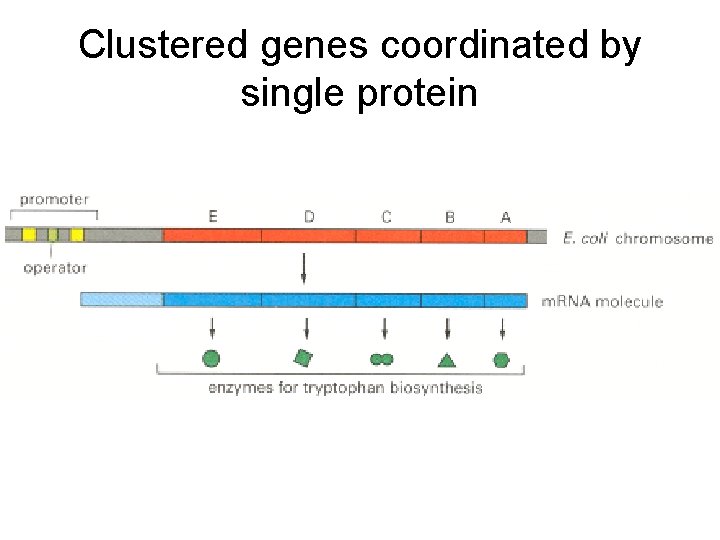
Clustered genes coordinated by single protein
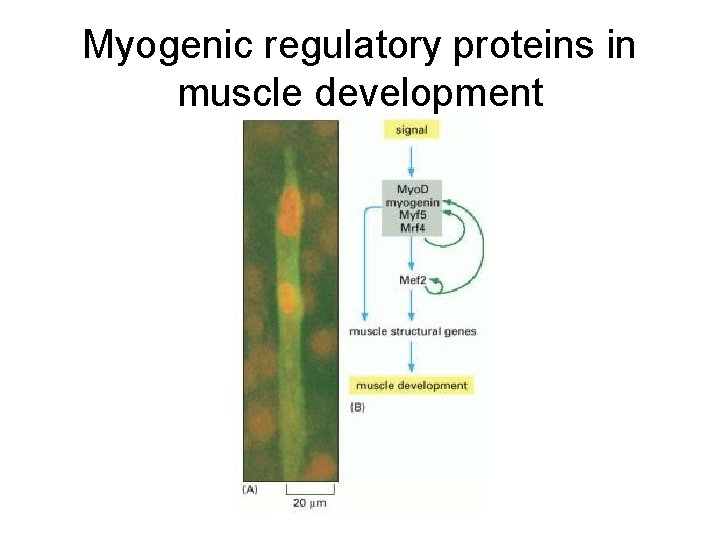
Myogenic regulatory proteins in muscle development
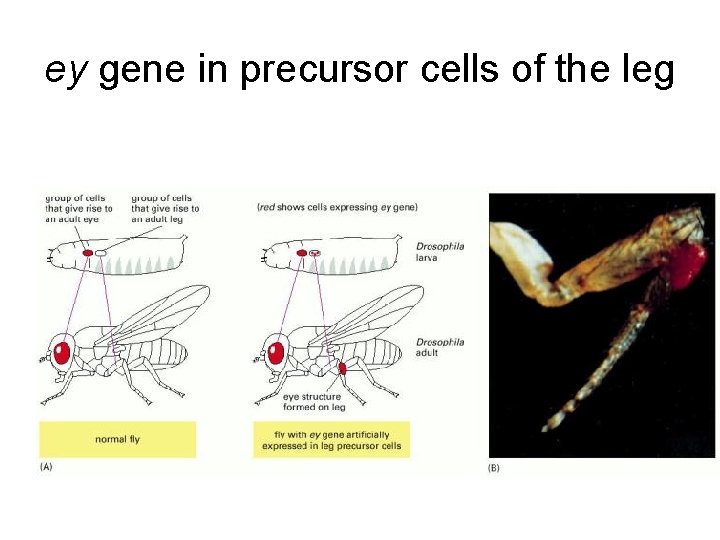
ey gene in precursor cells of the leg
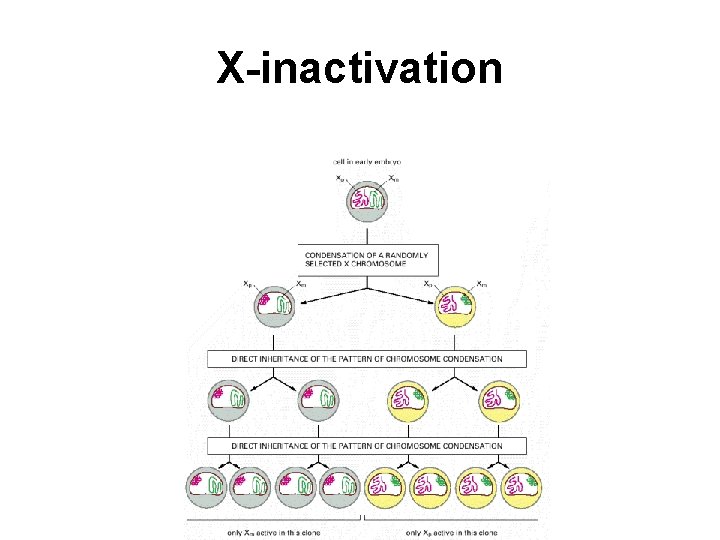
X-inactivation
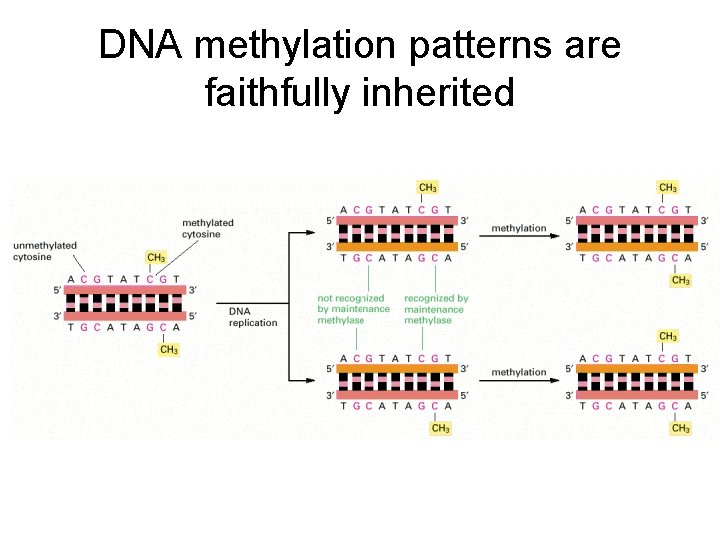
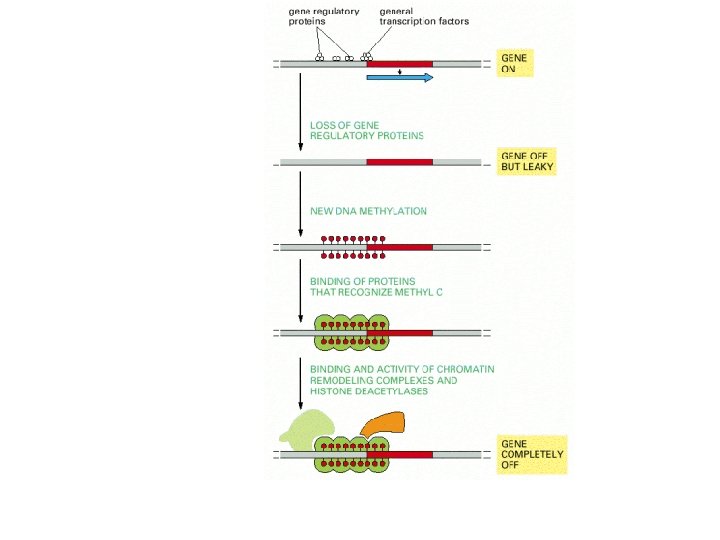
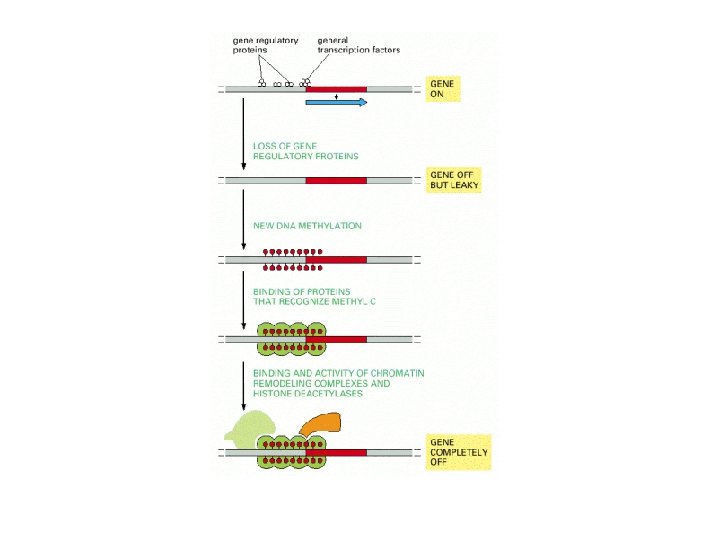
DNA methylation patterns are faithfully inherited
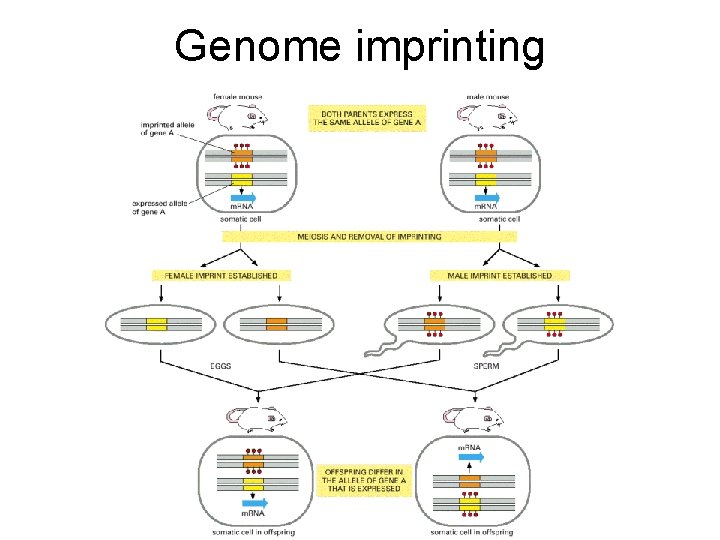
Genome imprinting
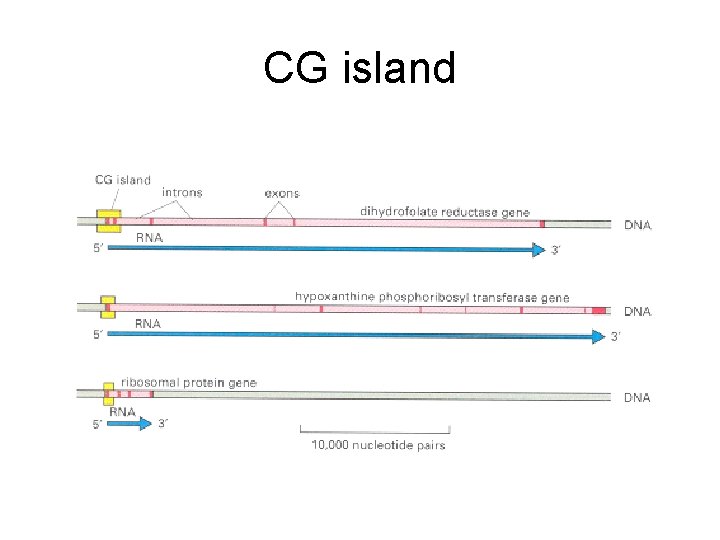
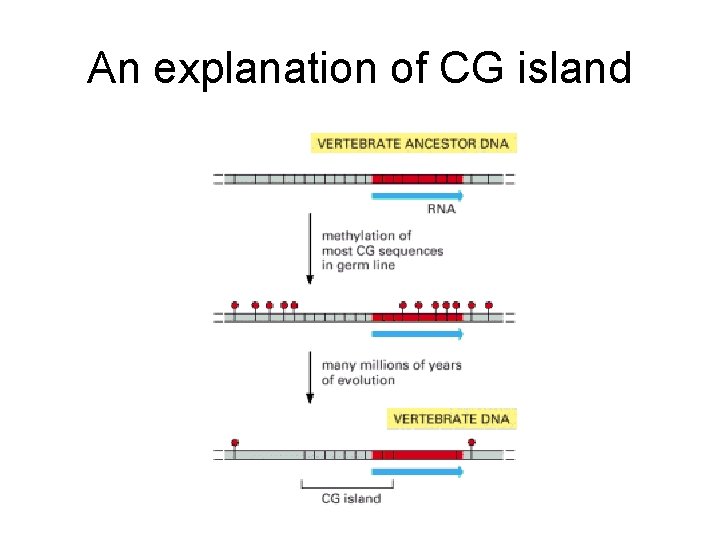
CG island
An explanation of CG island
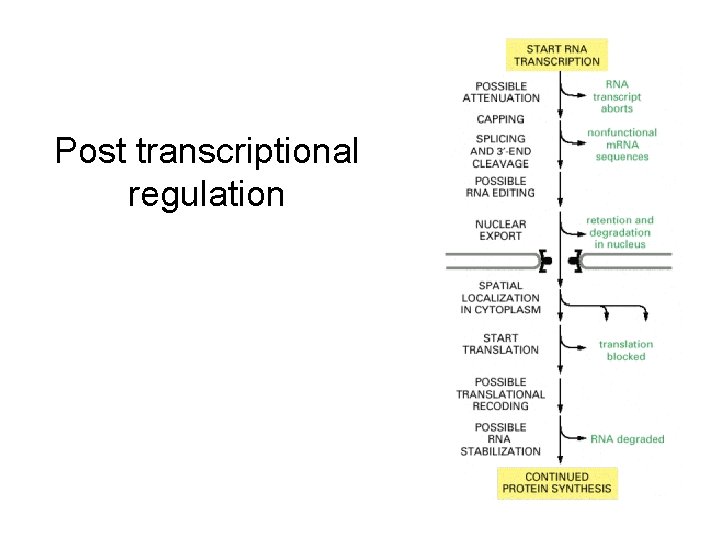
Post transcriptional regulation
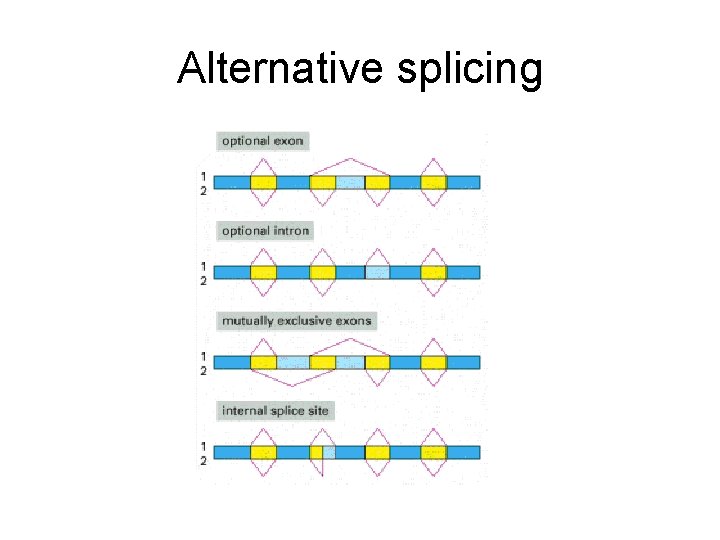
Alternative splicing
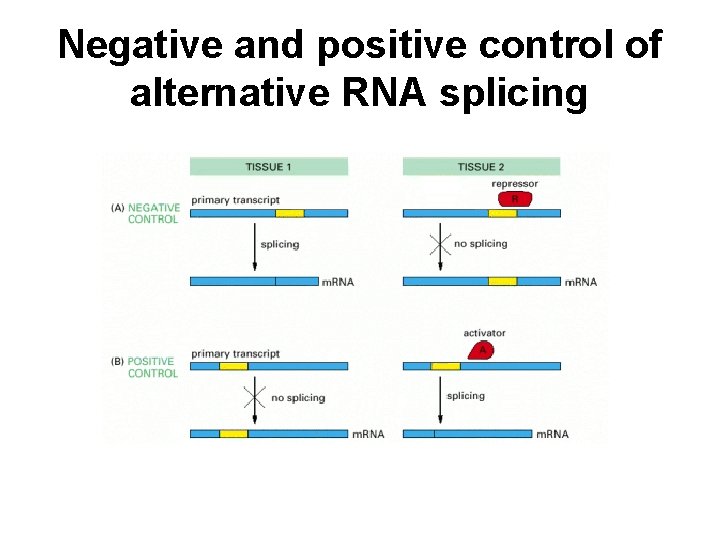
Negative and positive control of alternative RNA splicing
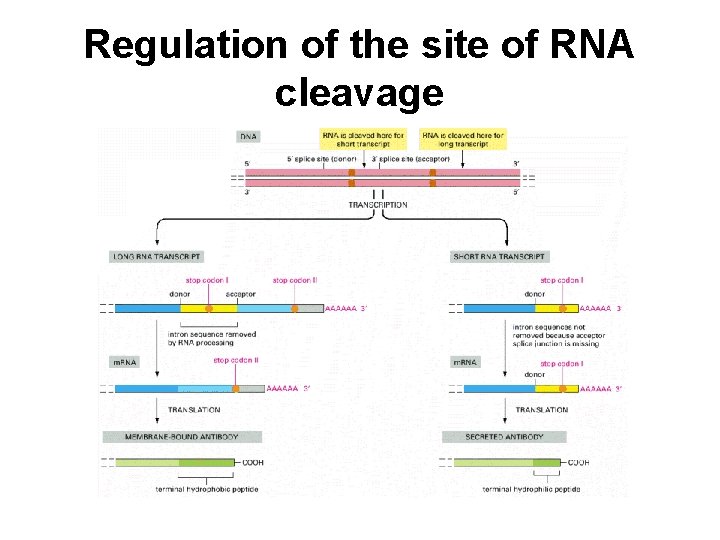
Regulation of the site of RNA cleavage
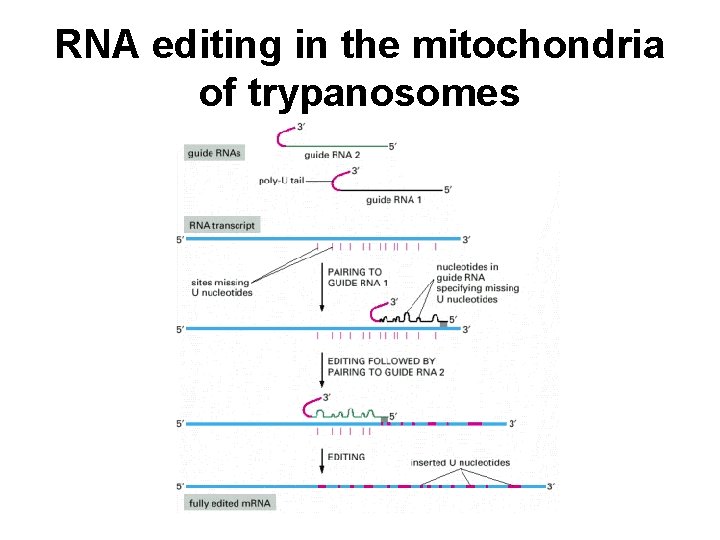
RNA editing in the mitochondria of trypanosomes
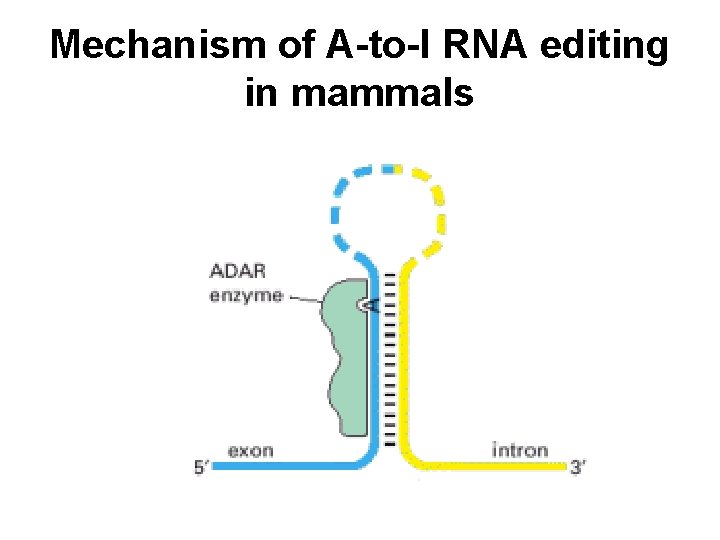
Mechanism of A-to-I RNA editing in mammals
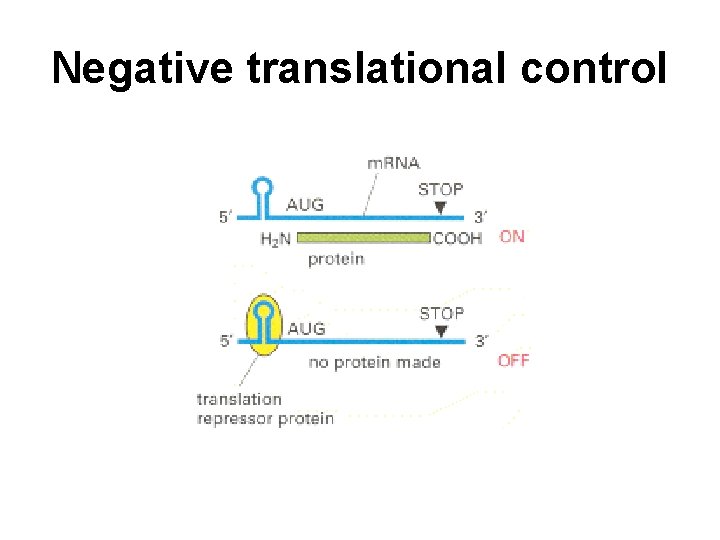
Negative translational control
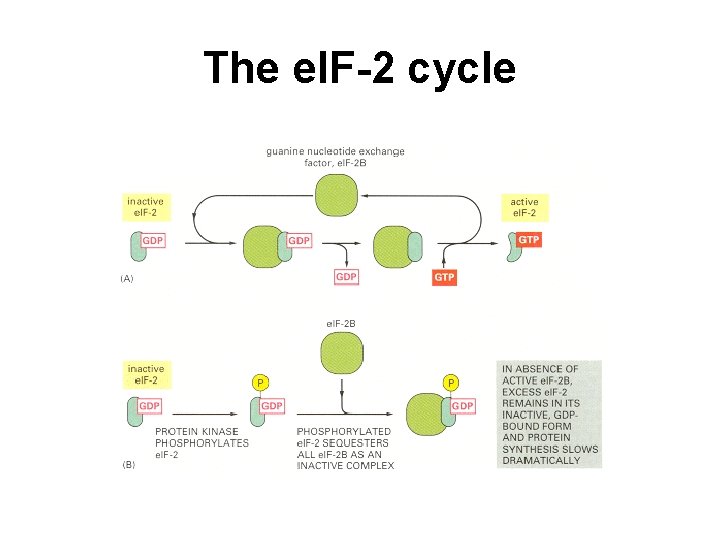
The el. F-2 cycle
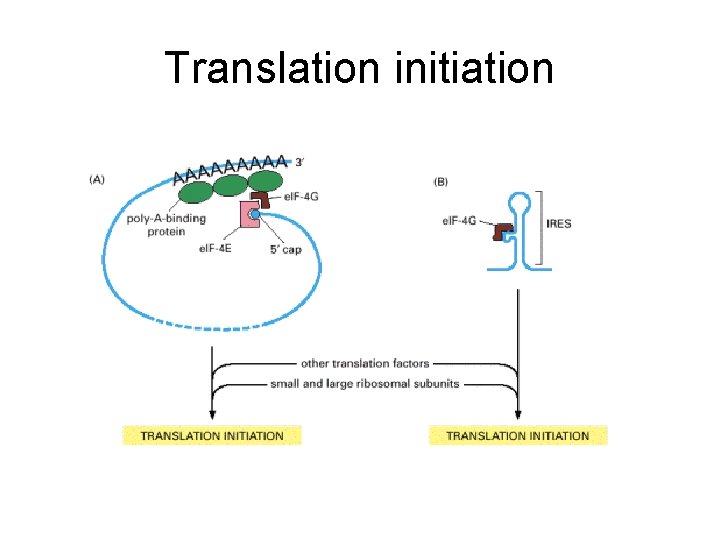
Translation initiation
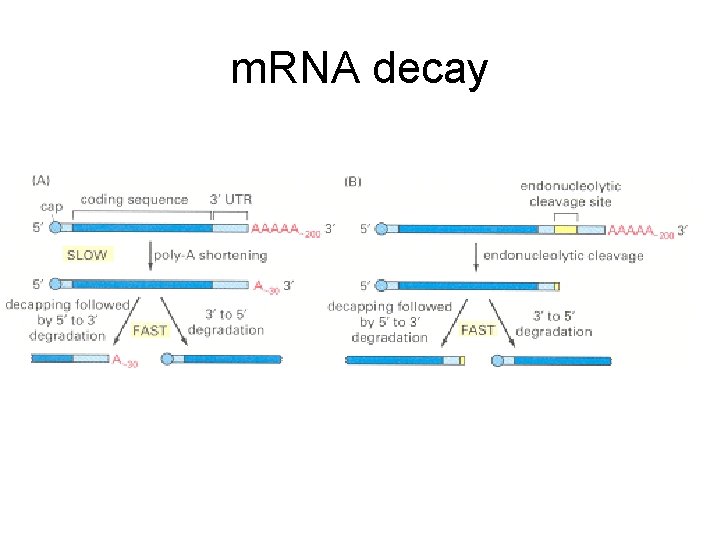
m. RNA decay
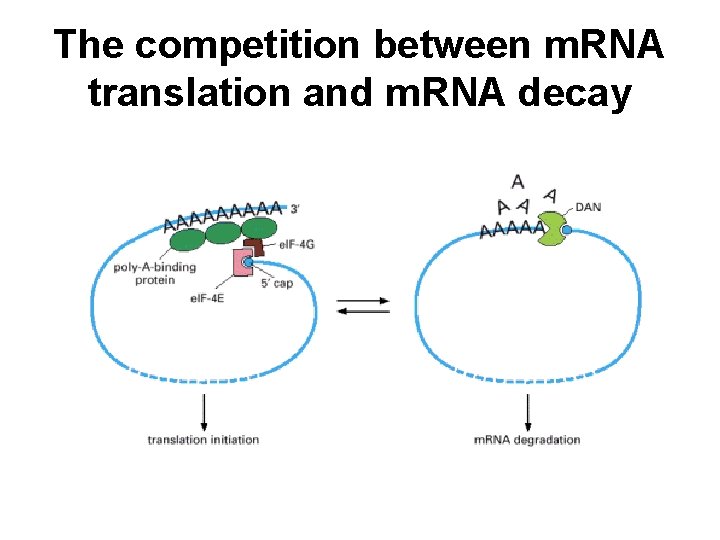
The competition between m. RNA translation and m. RNA decay
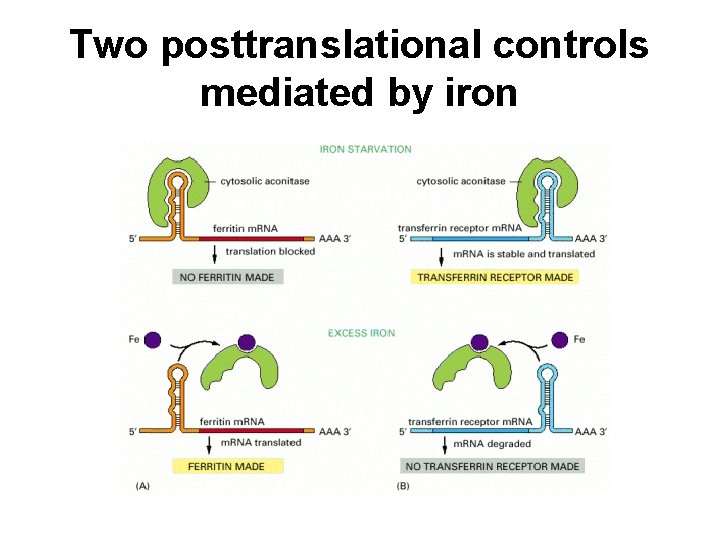
Two posttranslational controls mediated by iron
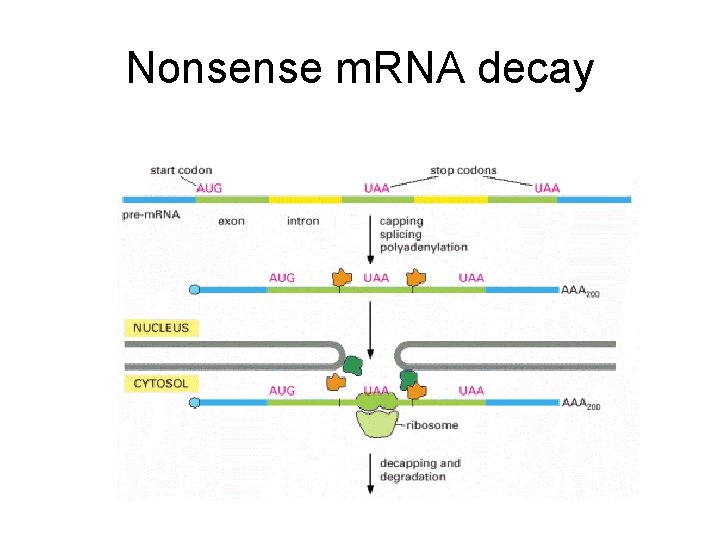
Nonsense m. RNA decay