
Regulation of Animal Biotechnology at FDA An Overview
Regulation of Animal Biotechnology at FDA: An Overview Eric Schulze, Ph. D Animal Biotechnology Interdisciplinary Group Center for Veterinary Medicine U. S. Food and Drug Administration
CVM-ABIG Presentations 1. Overview of Animal Biotechnology 2. Regulatory Process
1. • • • Overview of Animal Biotechnology Introduction - Animal Biotechnology Animal Cloning Genetically Engineered (GE) Animals
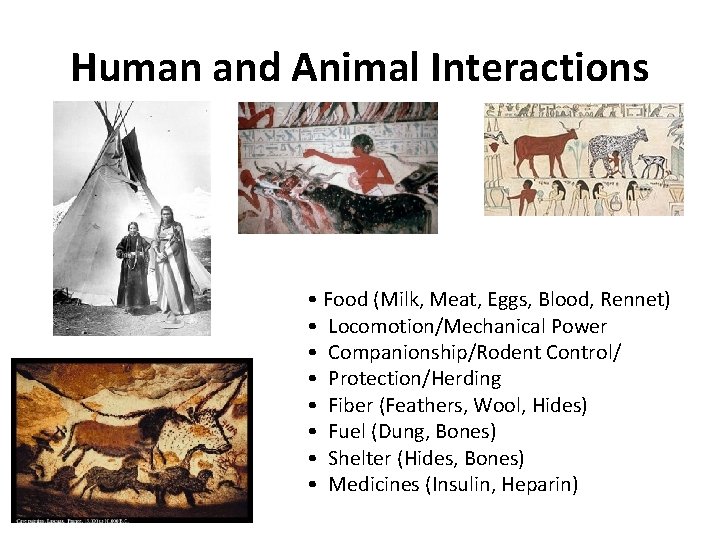
Human and Animal Interactions • Food (Milk, Meat, Eggs, Blood, Rennet) • Locomotion/Mechanical Power • Companionship/Rodent Control/ • Protection/Herding • Fiber (Feathers, Wool, Hides) • Fuel (Dung, Bones) • Shelter (Hides, Bones) • Medicines (Insulin, Heparin)
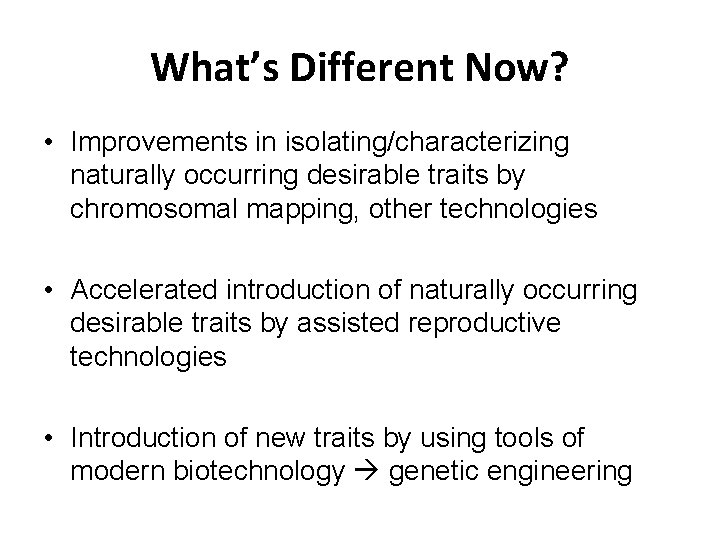
What’s Different Now? • Improvements in isolating/characterizing naturally occurring desirable traits by chromosomal mapping, other technologies • Accelerated introduction of naturally occurring desirable traits by assisted reproductive technologies • Introduction of new traits by using tools of modern biotechnology genetic engineering
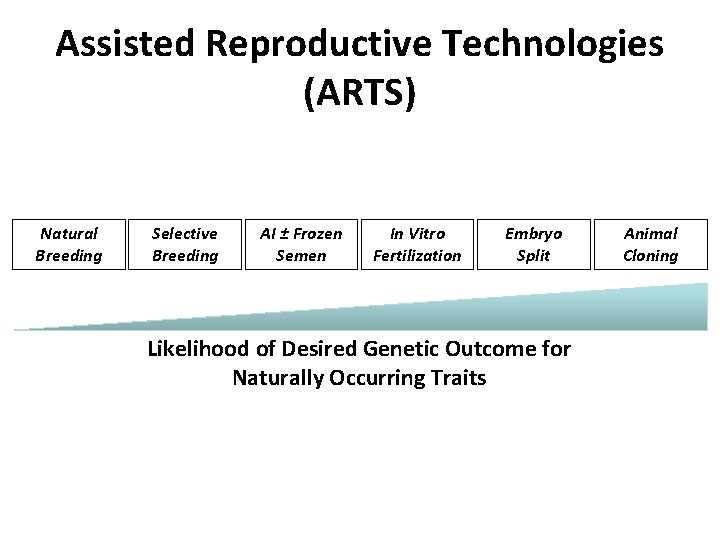
Assisted Reproductive Technologies (ARTS) Natural Breeding Selective Breeding AI ± Frozen Semen In Vitro Fertilization Embryo Split Likelihood of Desired Genetic Outcome for Naturally Occurring Traits Animal Cloning
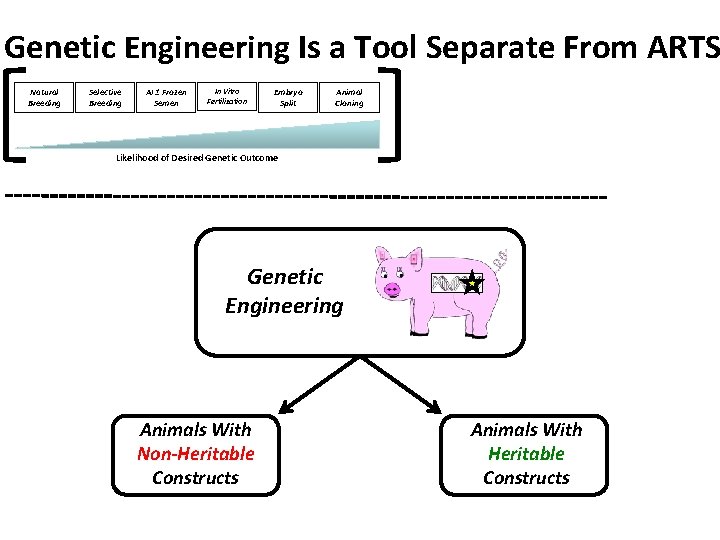
Genetic Engineering Is a Tool Separate From ARTS Natural Breeding Selective Breeding AI ± Frozen Semen In Vitro Fertilization Embryo Split Animal Cloning Likelihood of Desired Genetic Outcome Genetic Engineering Animals With Non-Heritable Constructs Animals With Heritable Constructs
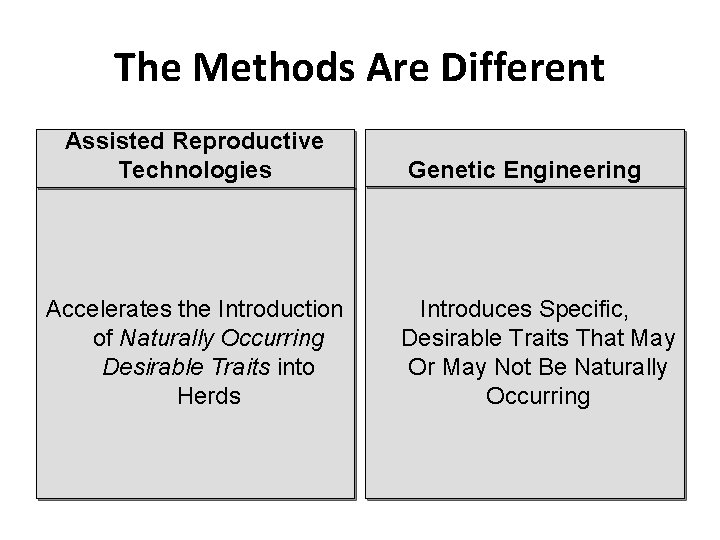
The Methods Are Different Assisted Reproductive Technologies Accelerates the Introduction of Naturally Occurring Desirable Traits into Herds Genetic Engineering Introduces Specific, Desirable Traits That May Or May Not Be Naturally Occurring
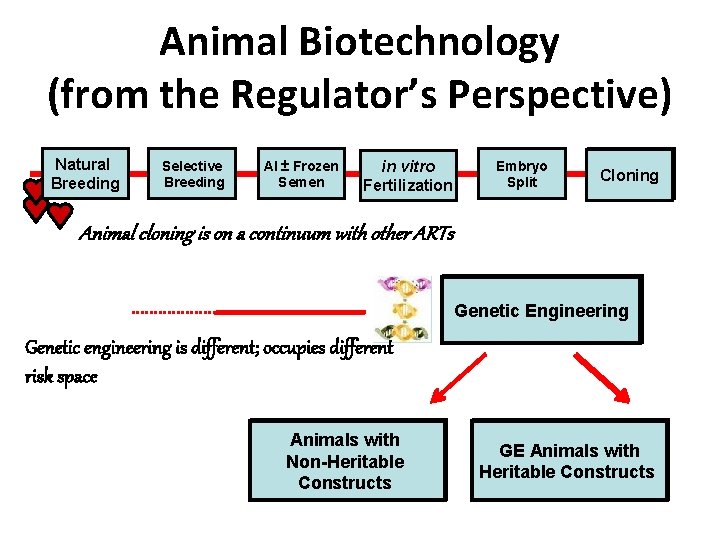
Animal Biotechnology (from the Regulator’s Perspective) Natural Breeding Selective Breeding AI ± Frozen Semen in vitro Fertilization Embryo Split Cloning Animal cloning is on a continuum with other ARTs Genetic Engineering Genetic engineering is different; occupies different risk space Animals with Non-Heritable Constructs GE Animals with Heritable Constructs
1. • • • Overview of Animal Biotechnology Introduction - Animal Biotechnology Animal Cloning Genetically Engineered (GE) Animals
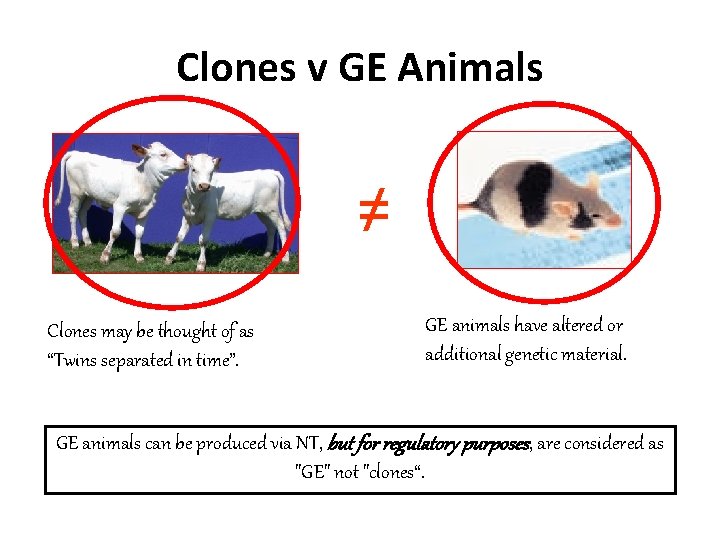
Clones v GE Animals ≠ Clones may be thought of as “Twins separated in time”. GE animals have altered or additional genetic material. GE animals can be produced via NT, but for regulatory purposes, are considered as "GE" not "clones“.
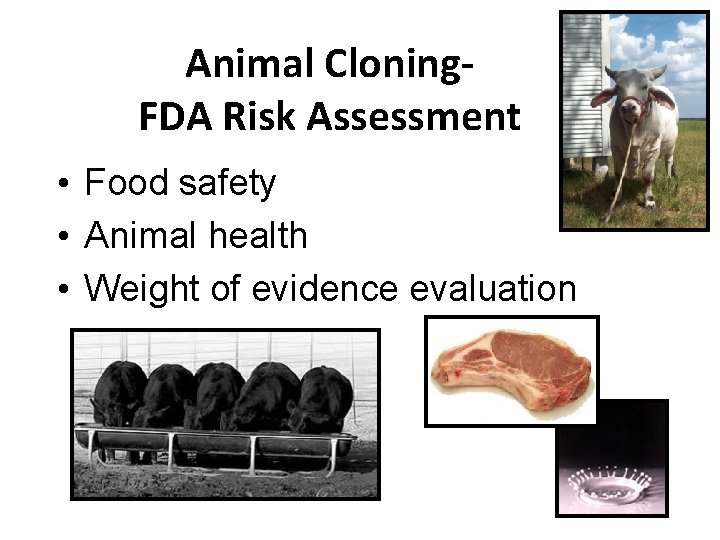
Animal Cloning. FDA Risk Assessment • Food safety • Animal health • Weight of evidence evaluation
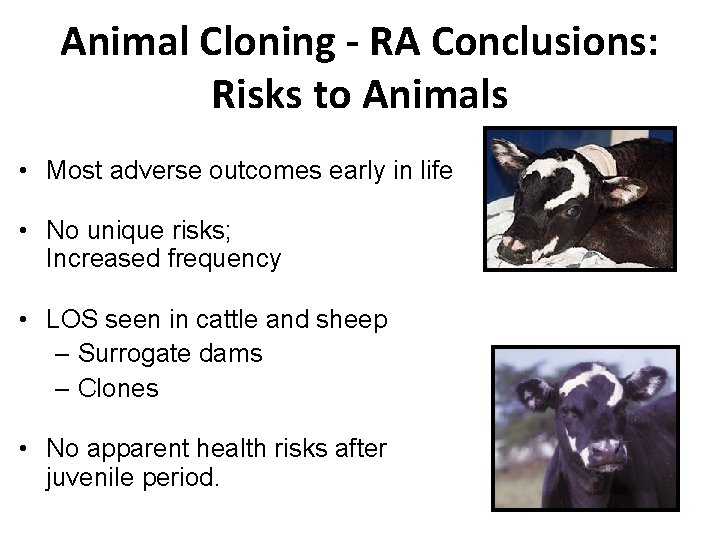
Animal Cloning - RA Conclusions: Risks to Animals • Most adverse outcomes early in life • No unique risks; Increased frequency • LOS seen in cattle and sheep – Surrogate dams – Clones • No apparent health risks after juvenile period.
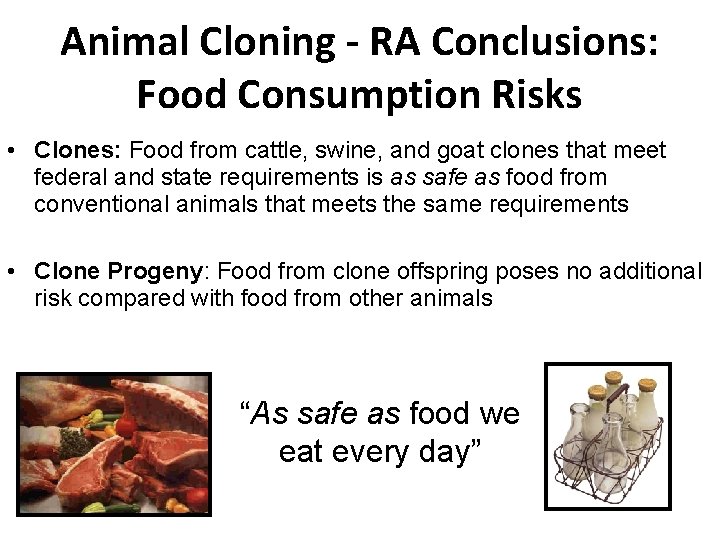
Animal Cloning - RA Conclusions: Food Consumption Risks • Clones: Food from cattle, swine, and goat clones that meet federal and state requirements is as safe as food from conventional animals that meets the same requirements • Clone Progeny: Food from clone offspring poses no additional risk compared with food from other animals “As safe as food we eat every day”
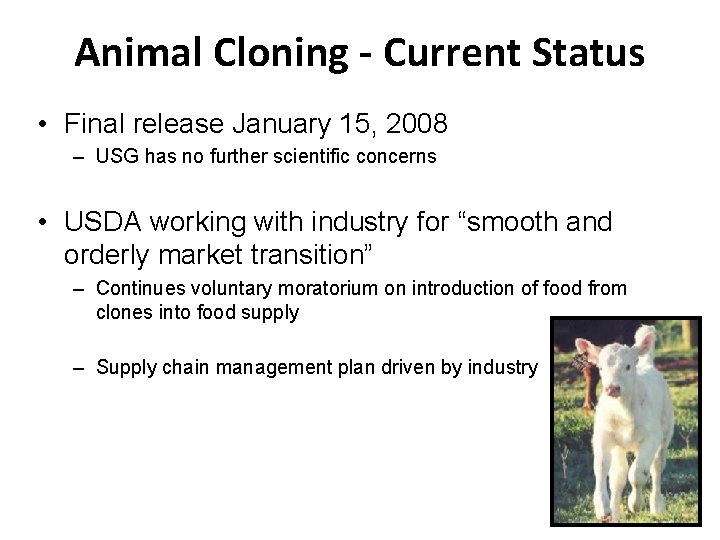
Animal Cloning - Current Status • Final release January 15, 2008 – USG has no further scientific concerns • USDA working with industry for “smooth and orderly market transition” – Continues voluntary moratorium on introduction of food from clones into food supply – Supply chain management plan driven by industry
1. • • • Overview of Animal Biotechnology Introduction - Animal Biotechnology Animal Cloning Genetically Engineered (GE) Animals
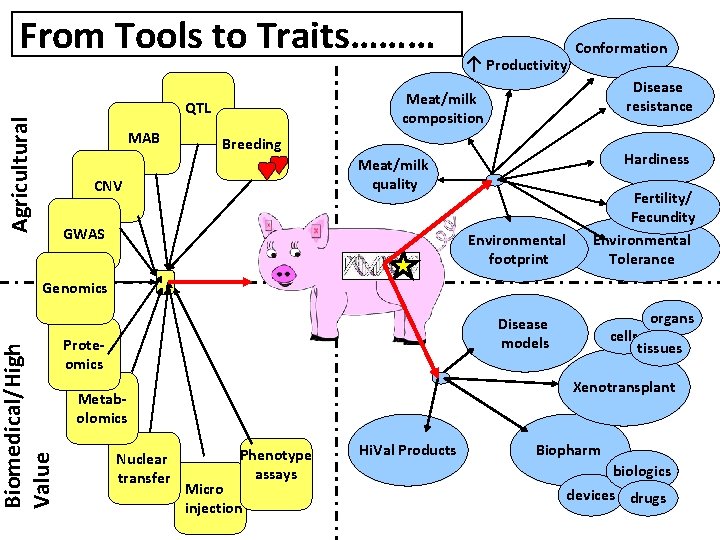
From Tools to Traits……… Agricultural Disease resistance Meat/milk composition QTL MAB ↑ Productivity Conformation Breeding Hardiness Meat/milk quality CNV GWAS Environmental footprint Fertility/ Fecundity Environmental Tolerance Biomedical/High Value Genomics organs Disease models Proteomics Xenotransplant Metabolomics Nuclear transfer cells tissues Phenotype assays Micro injection Hi. Val Products Biopharm biologics devices drugs
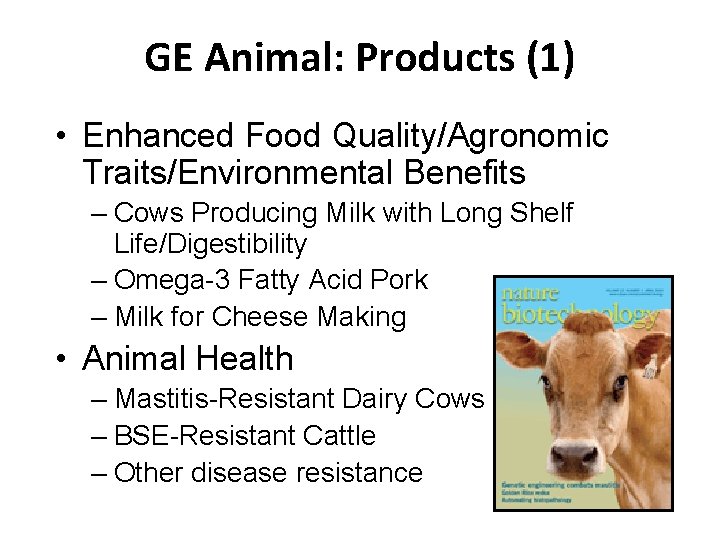
GE Animal: Products (1) • Enhanced Food Quality/Agronomic Traits/Environmental Benefits – Cows Producing Milk with Long Shelf Life/Digestibility – Omega-3 Fatty Acid Pork – Milk for Cheese Making • Animal Health – Mastitis-Resistant Dairy Cows – BSE-Resistant Cattle – Other disease resistance
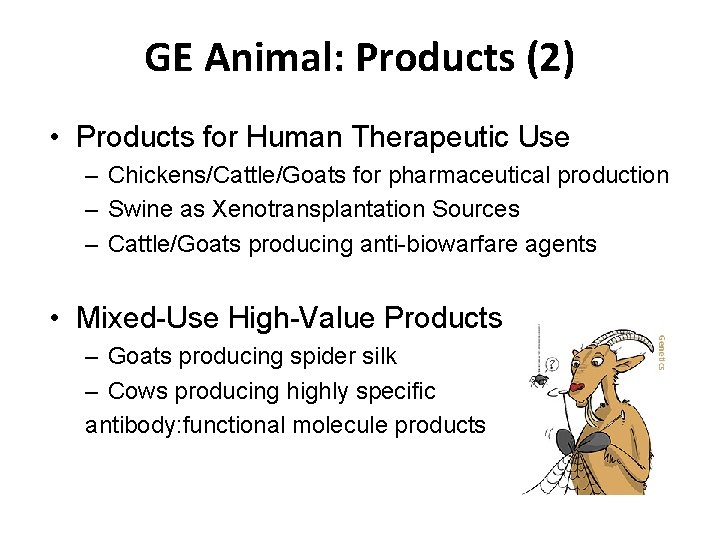
GE Animal: Products (2) • Products for Human Therapeutic Use – Chickens/Cattle/Goats for pharmaceutical production – Swine as Xenotransplantation Sources – Cattle/Goats producing anti-biowarfare agents • Mixed-Use High-Value Products – Goats producing spider silk – Cows producing highly specific antibody: functional molecule products
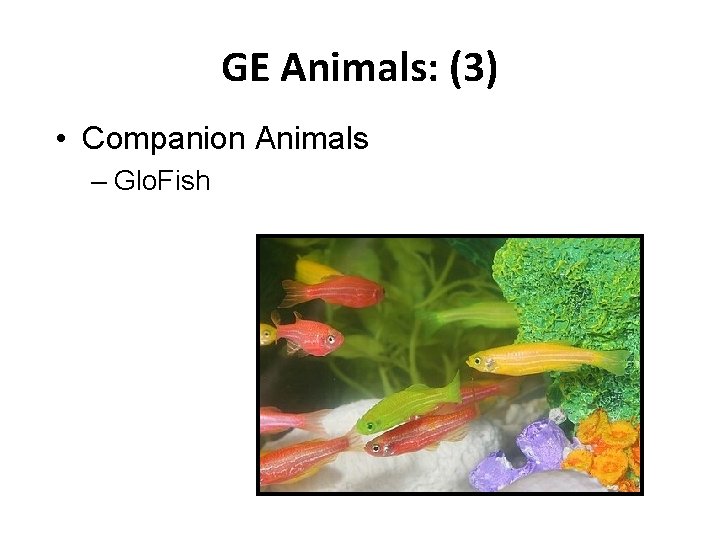
GE Animals: (3) • Companion Animals – Glo. Fish
Links to the Website • GE Animals http: //www. fda. gov/animalveterinary/developmentapprovalprocess/ geneticengineering/geneticallyengineeredanimals/default. htm • Cloning http: //www. fda. gov/Animal. Veterinary/Safety. Health/Animal. Cloning/default. htm
Contact Information Adrianne. Jacobs@fda. hhs. gov
Acronyms AI: Artificial Insemination ARTS: Assisted Reproductive Technologies BSE: Bovine Spongiform Encephalopathy CNV: Copy Number Variation GE: Genetically Engineered GWAS: Genome-Wide Association Studies LOS: Large Offspring Syndrome MAB: Marker Assisted Breeding NT: Nuclear Transfer QTL: Quantitative Trait Loci RA: Risk Assessment USDA: United States Department of Agriculture U. S. FDA: United States Food and Drug Administration USG: United States Government
- Slides: 23