
Region MOROGORO School Kilakala secondary school NAME JOYCE
- Slides: 11
• Region: MOROGORO • School: Kilakala secondary school • NAME: JOYCE NGONYANI • Subject: ENGLISH LANGUAGE • TOPIC: INTERPRETING LITERARY WORKS • SUB TOPIC: INTERPRETING SIMPLE STORIES • Time : 80 minutes. • DATE: 29/JULY/2020
OBJECTIVES q. By the end of the lesson students will be able to; v. Build their reading habit. v. Explain the message from simple stories read. v. Learn how to appreciate literary work. v. Learn important lessons in life. v. Make the problem solvers. v. Help them to reflect real life.
INTRODUCTION INTERPRETING SIMPLE STORIES; Simple stories are narrative works of art which use language creatively and characters with defined names to teach or entertain the society. .
Characters used in simple stories can be animals, people or any non-living things. Examples of simple stories; Mabala The Farmer, Hawa The Bus Driver, Kalulu The Hare, Fast Money, The Magic Garden, and the Pearl
INTRODUCTION… Interpreting Simple Stories This involves compehension and making summary while reading a class reader or a book by reading it intensively.
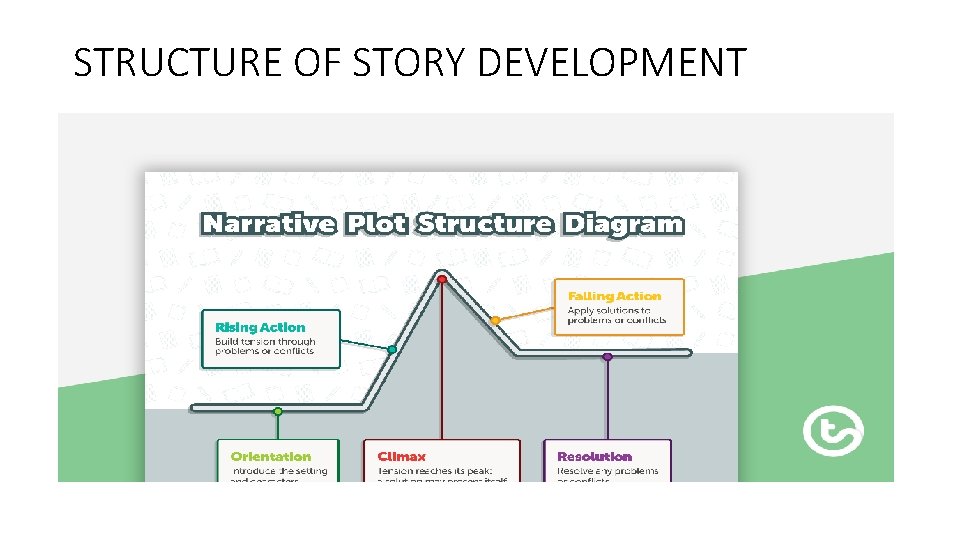
STRUCTURE OF STORY DEVELOPMENT
Interpreting Simple Stories The following activities should be done when reading a book; i. Understanding the writings and pictures on the front cover, usually the summary or give a piece of information of what is in the class reader ii. Tittle of the book, is a name for the work which is usually chosen by the author. To place it in context, to convey a minimal summary of its contents and to pique the reader’s curiosity
Continue…… iii. Author: A writer of book, article or document. Is a creator of any written work such as book or any artistic works. And is also considered as writer. iv. Setting: Is a particular place in which the story take place. For example, Kenya, Tanzania, Dar es Salaam or Nigeria.
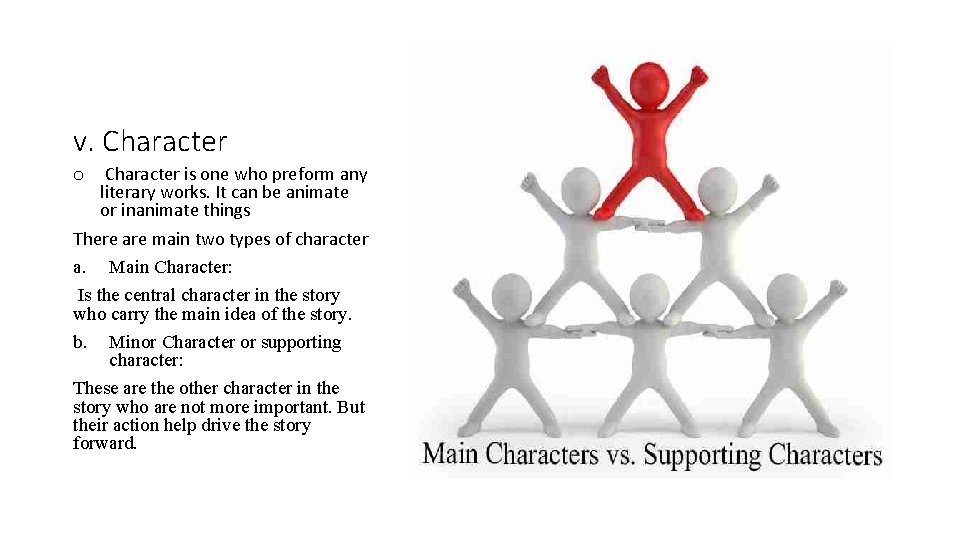
v. Character is one who preform any literary works. It can be animate or inanimate things There are main two types of character o a. Main Character: Is the central character in the story who carry the main idea of the story. b. Minor Character or supporting character: These are the other character in the story who are not more important. But their action help drive the story forward.
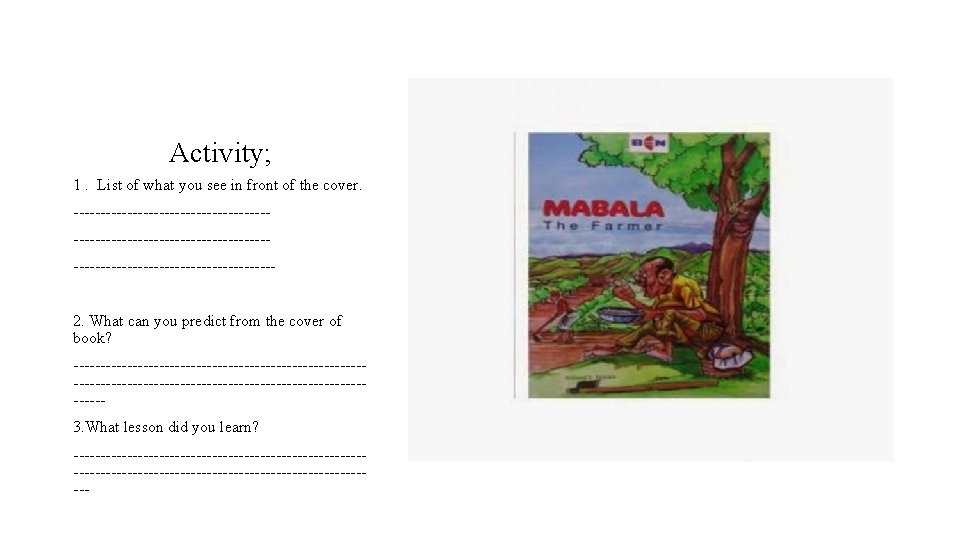
Activity; 1. List of what you see in front of the cover. -------------------------------------------------------2. What can you predict from the cover of book? ---------------------------------------------------------3. What lesson did you learn? --------------------------------------------------------
CONCLUSION • Reading is the habit that should be built by exercising reading regularly and to develop the habit of creating stories for the benefit of your own and society as well. • In interpreting of simple stories we have to consider on the form and structure of any literary.