
REGENTS Exam Topic Analysis Topic Scientific Method Inquiry

- Slides: 77
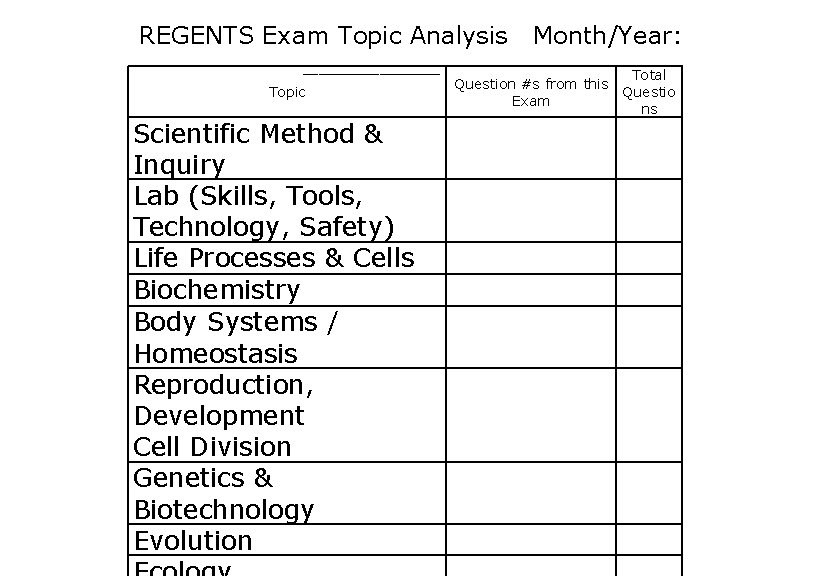
REGENTS Exam Topic Analysis _____ Topic Scientific Method & Inquiry Lab (Skills, Tools, Technology, Safety) Life Processes & Cells Biochemistry Body Systems / Homeostasis Reproduction, Development Cell Division Genetics & Biotechnology Evolution Month/Year: Question #s from this Exam Total Questio ns
Topic Review 1 Scientific Method Tools of the Biologist
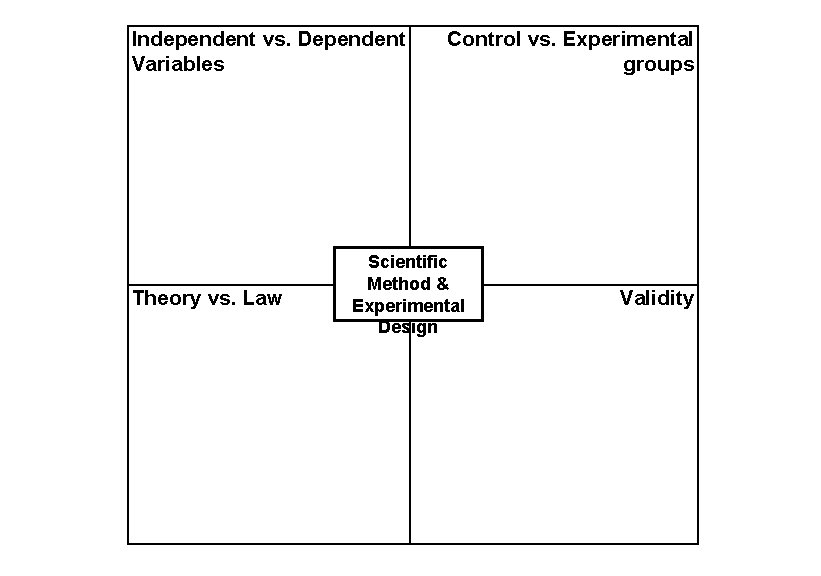
Independent vs. Dependent Variables Theory vs. Law Control vs. Experimental groups Scientific Method & Experimental Design Validity
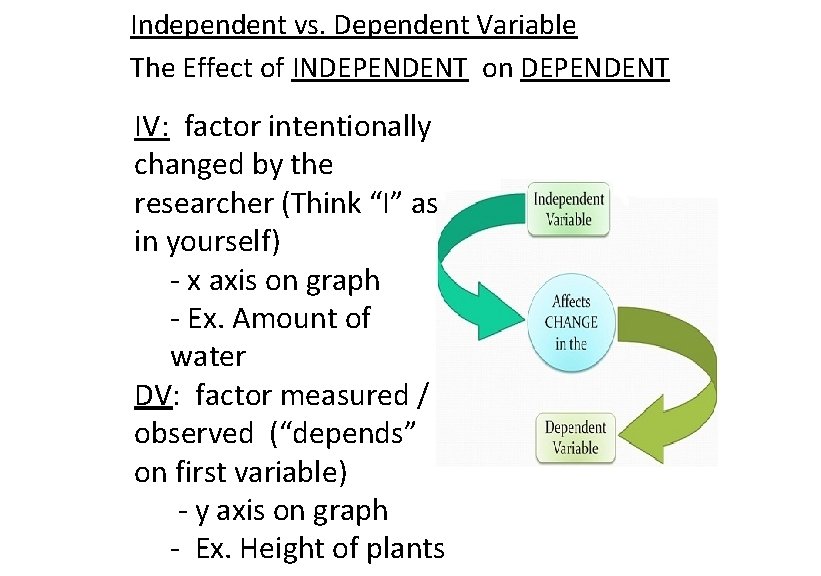
Independent vs. Dependent Variable The Effect of INDEPENDENT on DEPENDENT IV: factor intentionally changed by the researcher (Think “I” as in yourself) - x axis on graph - Ex. Amount of water DV: factor measured / observed (“depends” on first variable) - y axis on graph - Ex. Height of plants
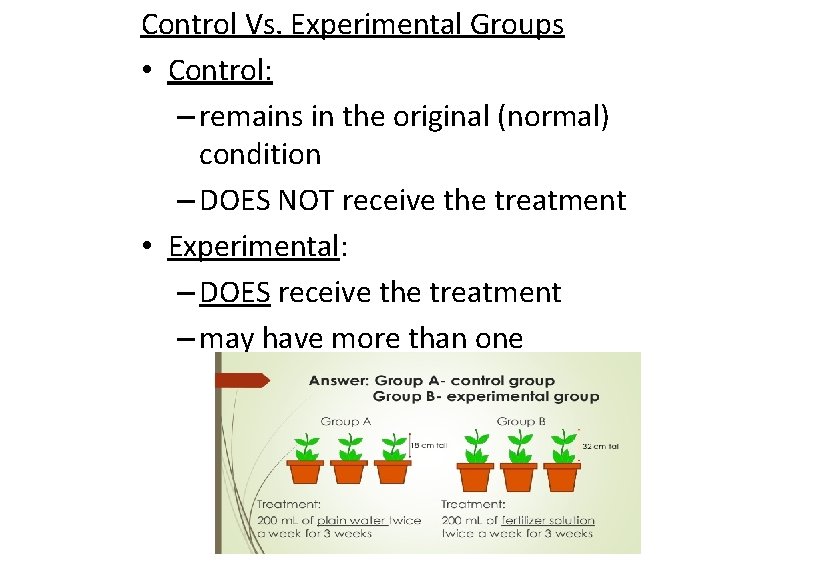
Control Vs. Experimental Groups • Control: – remains in the original (normal) condition – DOES NOT receive the treatment • Experimental: – DOES receive the treatment – may have more than one
Theory vs. Law • Theory: – summarizes a hypothesis/hypotheses – well supported with repeated testing – can be disproven with new research • Law: – generalizes a body of observations – cannot be disproven
Validity • Large Sample size, multiple trials more data • Only one independent variable is tested at a time • Other experimenters can repeat, yielding the same results!
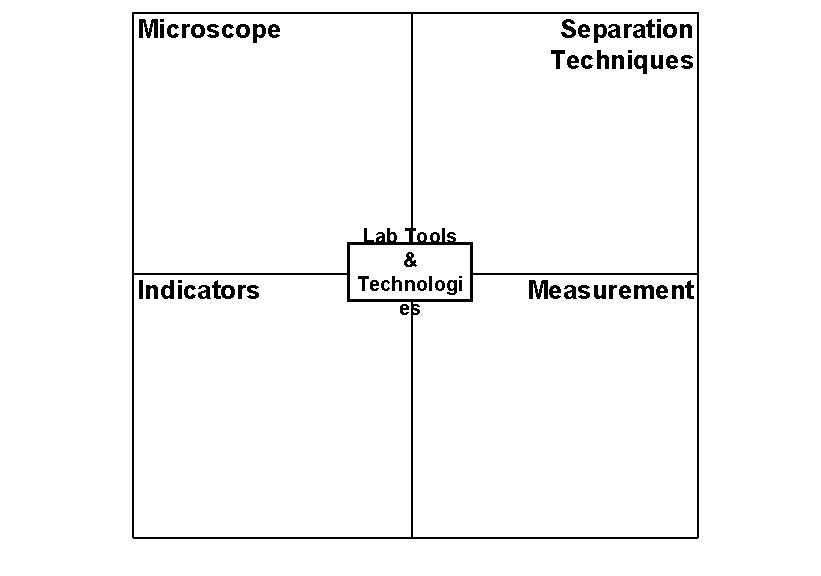
Microscope Indicators Separation Techniques Lab Tools & Technologi es Measurement
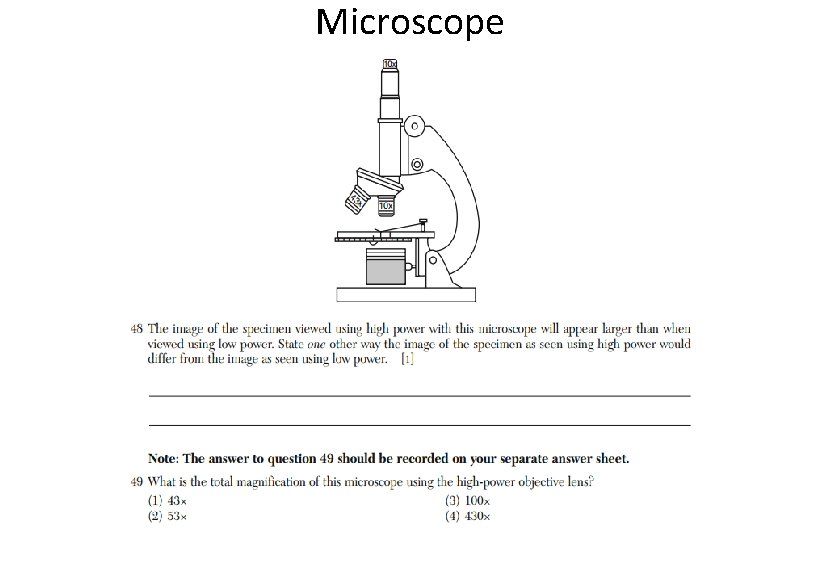
Microscope
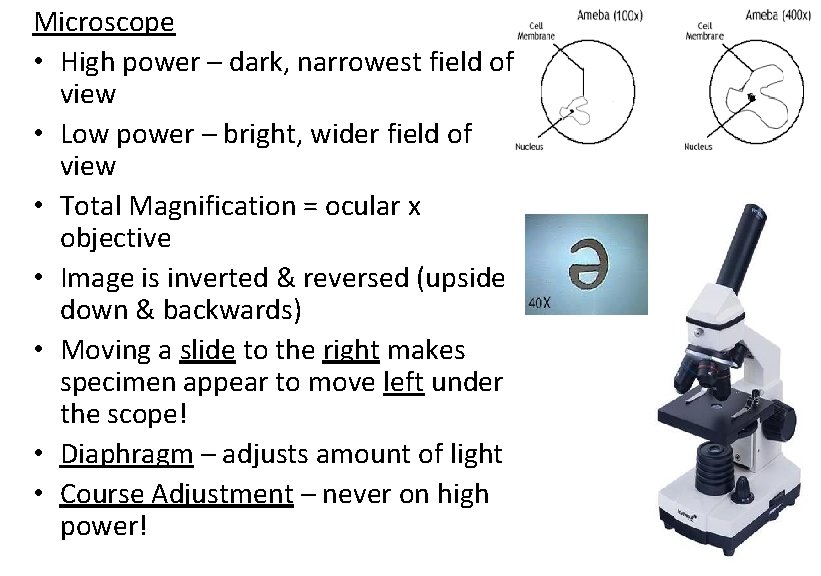
Microscope • High power – dark, narrowest field of view • Low power – bright, wider field of view • Total Magnification = ocular x objective • Image is inverted & reversed (upside down & backwards) • Moving a slide to the right makes specimen appear to move left under the scope! • Diaphragm – adjusts amount of light • Course Adjustment – never on high power!
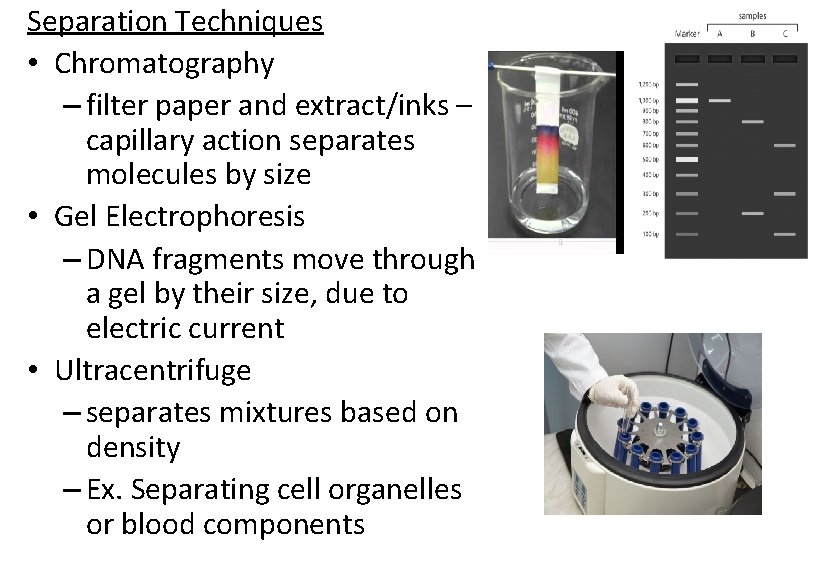
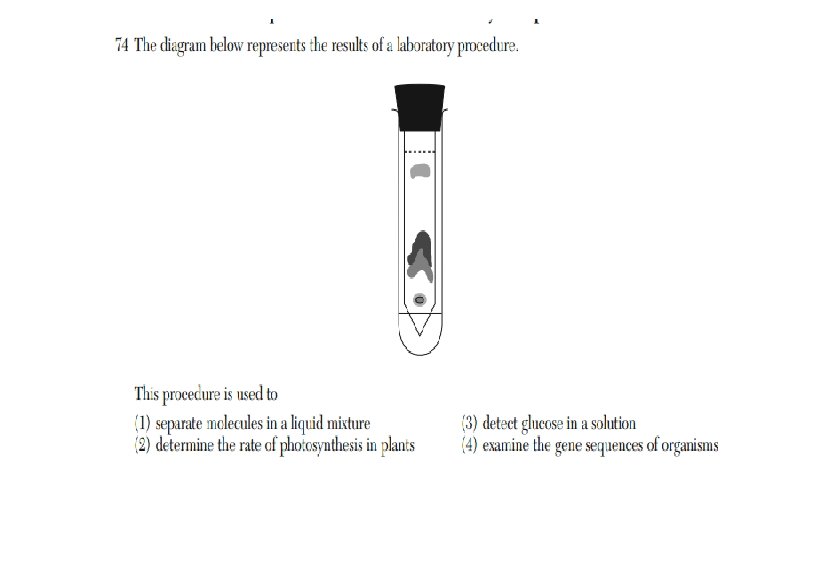
Separation Techniques • Chromatography – filter paper and extract/inks – capillary action separates molecules by size • Gel Electrophoresis – DNA fragments move through a gel by their size, due to electric current • Ultracentrifuge – separates mixtures based on density – Ex. Separating cell organelles or blood components
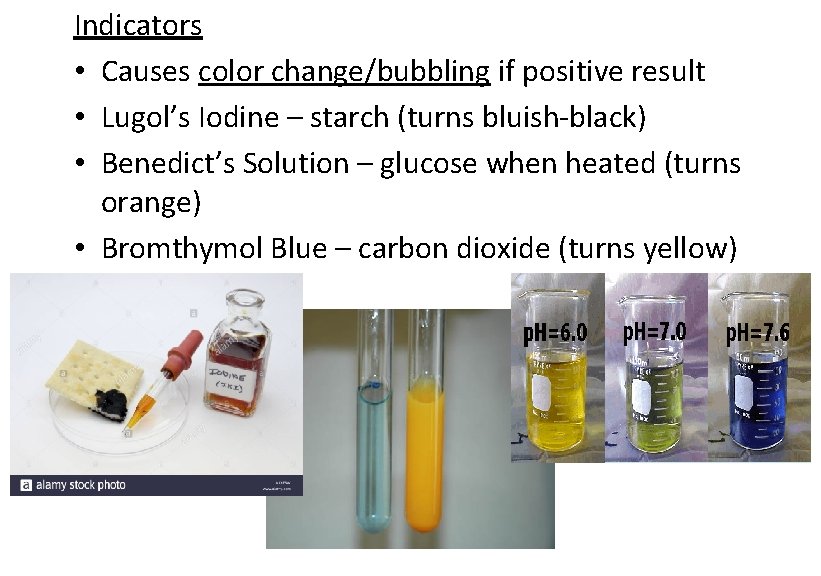
Indicators • Causes color change/bubbling if positive result • Lugol’s Iodine – starch (turns bluish-black) • Benedict’s Solution – glucose when heated (turns orange) • Bromthymol Blue – carbon dioxide (turns yellow)
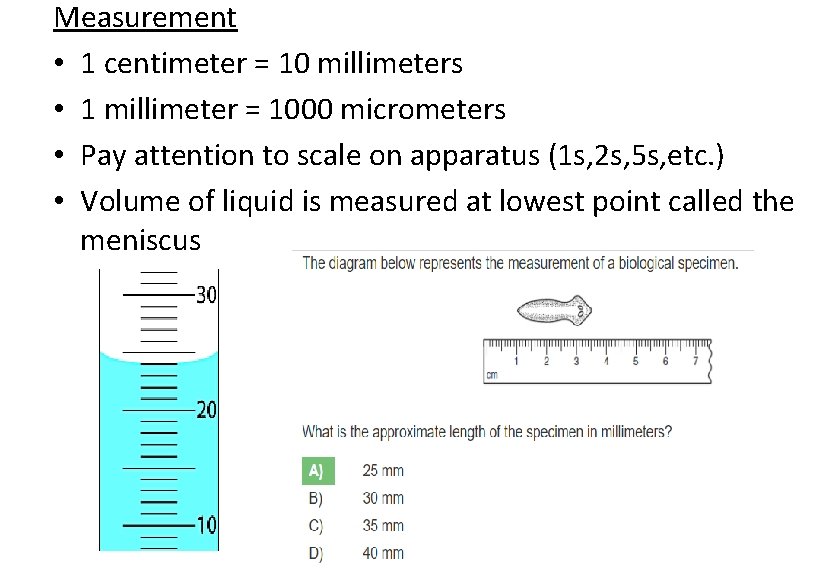
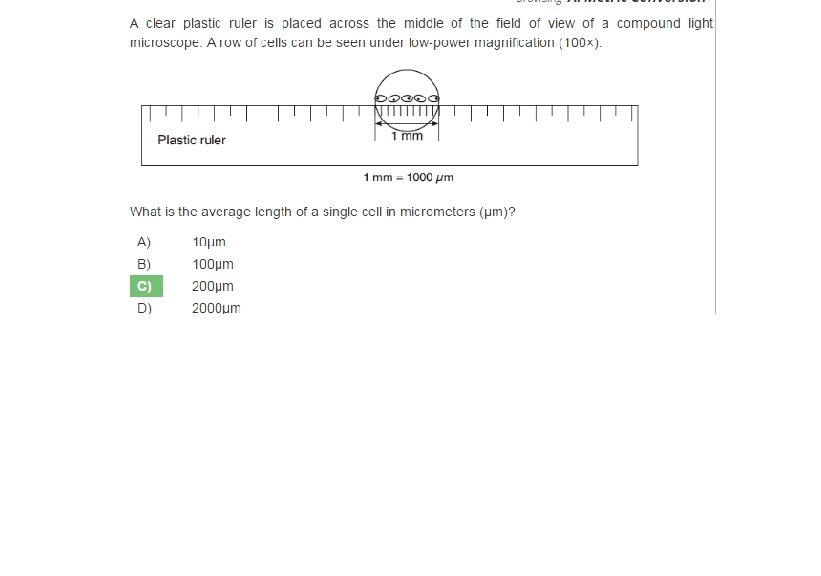
Measurement • 1 centimeter = 10 millimeters • 1 millimeter = 1000 micrometers • Pay attention to scale on apparatus (1 s, 2 s, 5 s, etc. ) • Volume of liquid is measured at lowest point called the meniscus
Topic Review 2 Life Processes Cells
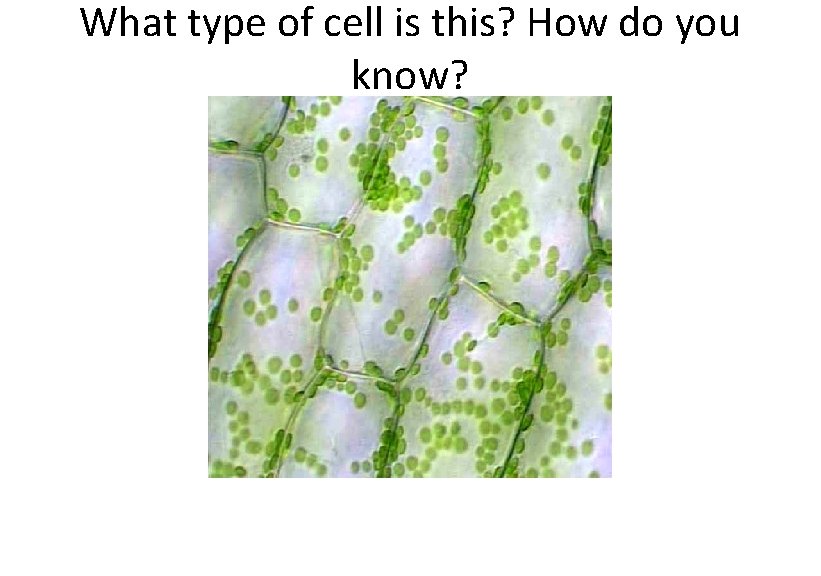
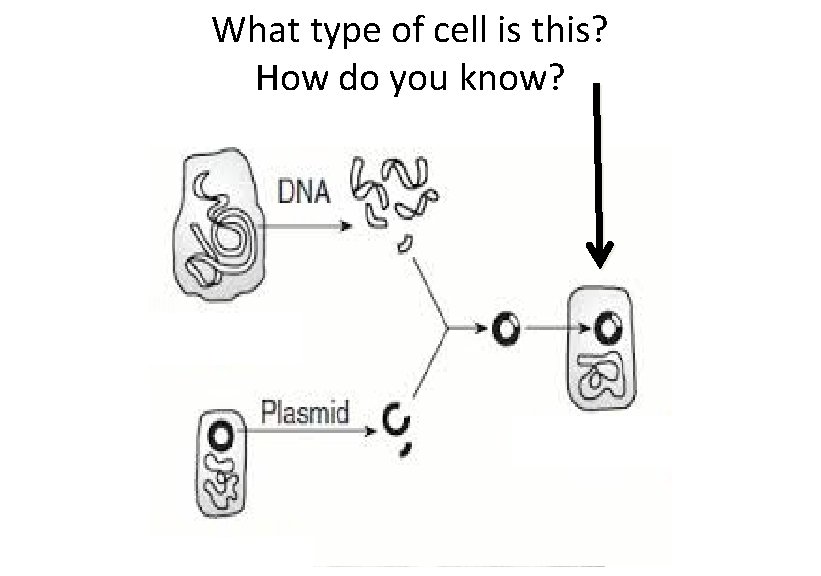
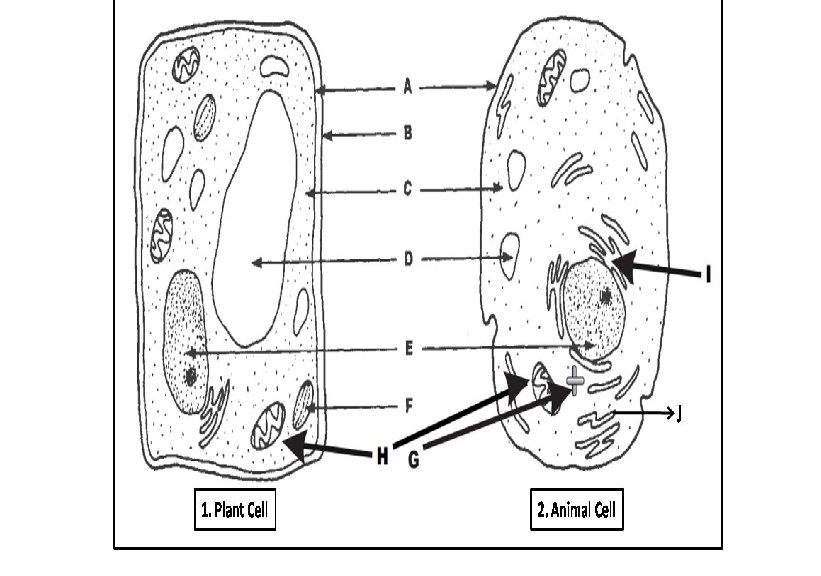
What type of cell is this? How do you know?
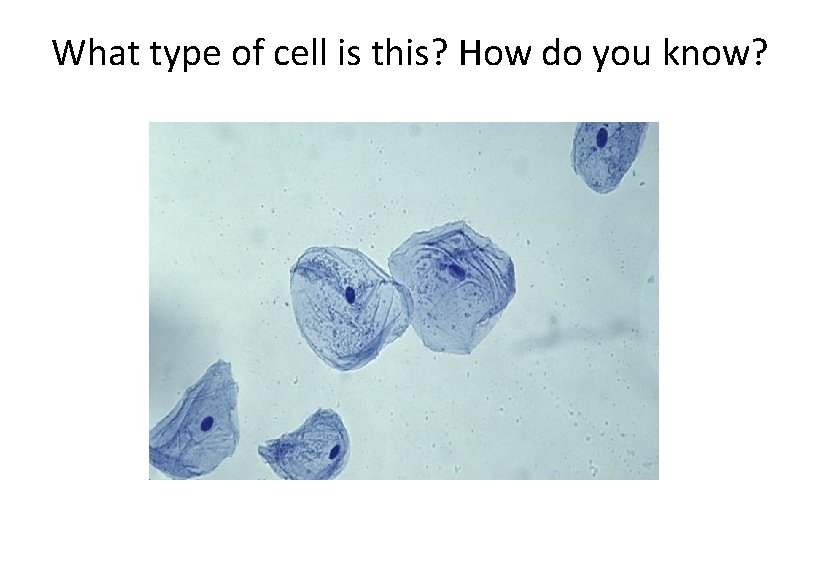
What type of cell is this? How do you know?
What type of cell is this? How do you know?
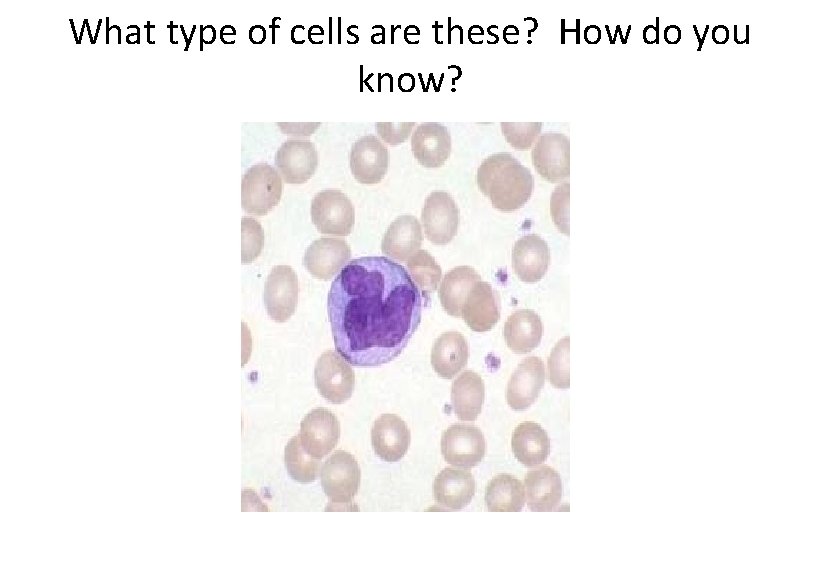
What type of cells are these? How do you know?
Life Processes & Cells Draw a picture or write symbols in this box to summarize the topic.
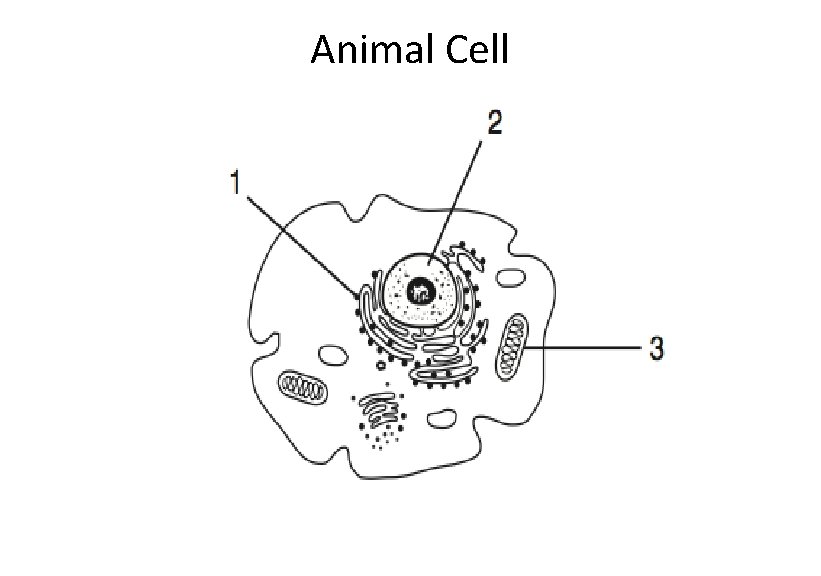
Animal Cell
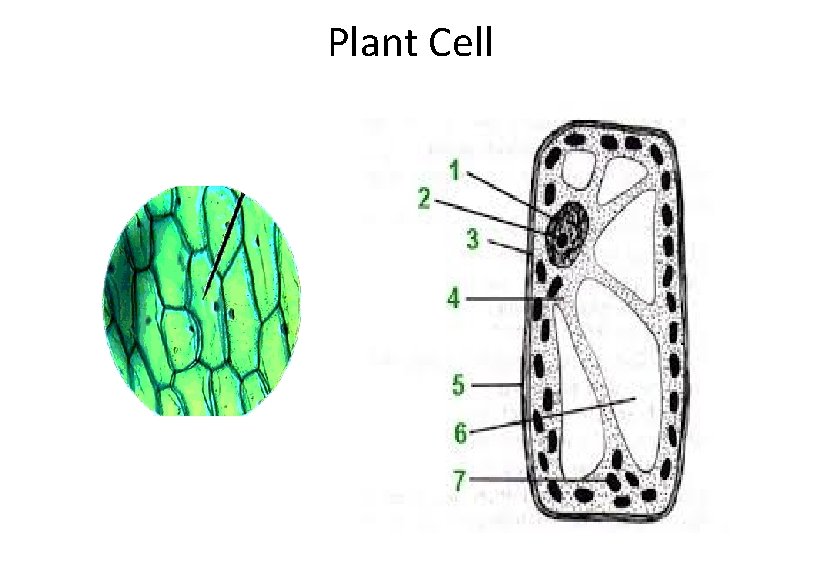
Plant Cell
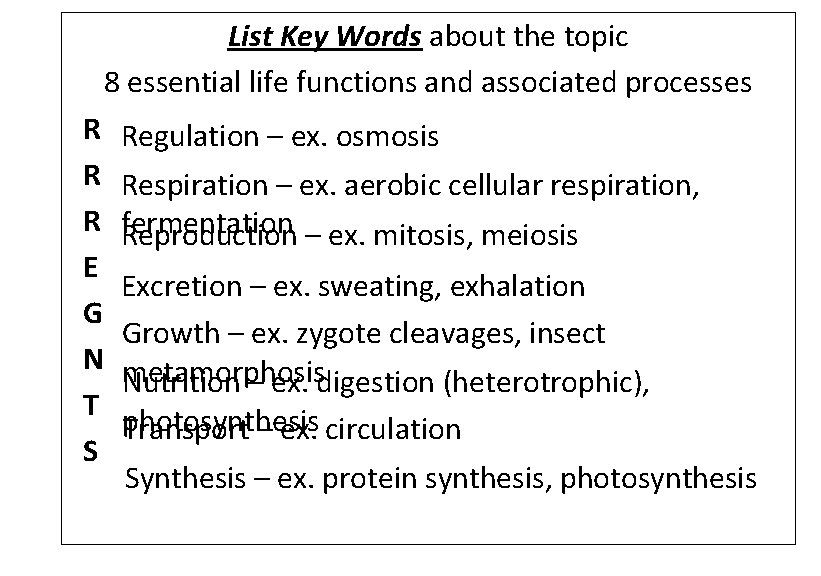
List Key Words about the topic 8 essential life functions and associated processes R R R E G N T S Regulation – ex. osmosis Respiration – ex. aerobic cellular respiration, fermentation Reproduction – ex. mitosis, meiosis Excretion – ex. sweating, exhalation Growth – ex. zygote cleavages, insect metamorphosis Nutrition – ex. digestion (heterotrophic), photosynthesis Transport – ex. circulation Synthesis – ex. protein synthesis, photosynthesis
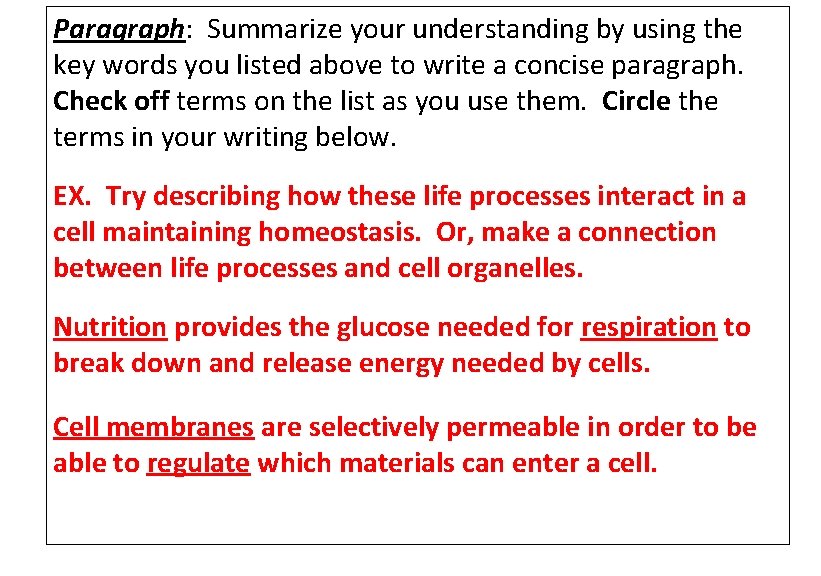
Paragraph: Summarize your understanding by using the key words you listed above to write a concise paragraph. Check off terms on the list as you use them. Circle the terms in your writing below. EX. Try describing how these life processes interact in a cell maintaining homeostasis. Or, make a connection between life processes and cell organelles. Nutrition provides the glucose needed for respiration to break down and release energy needed by cells. Cell membranes are selectively permeable in order to be able to regulate which materials can enter a cell.
Topic Review 3 Biochemistry
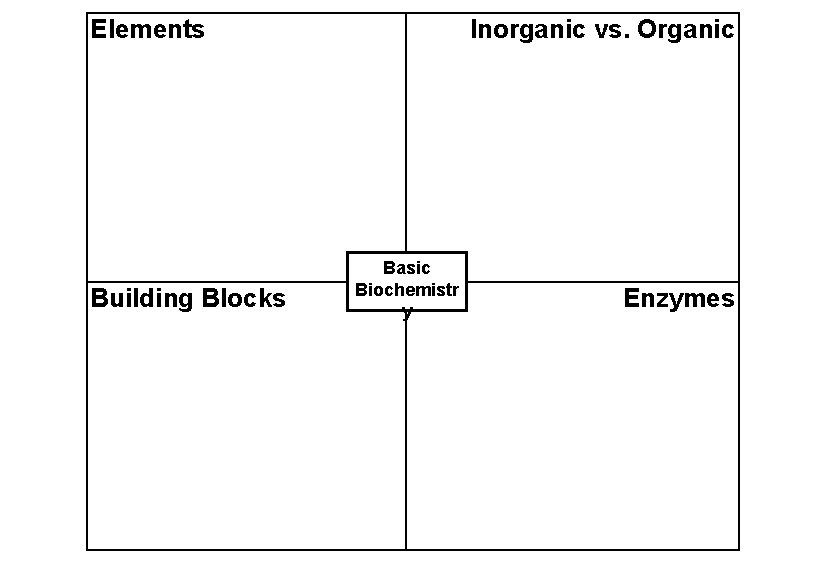
Elements Building Blocks Inorganic vs. Organic Basic Biochemistr y Enzymes
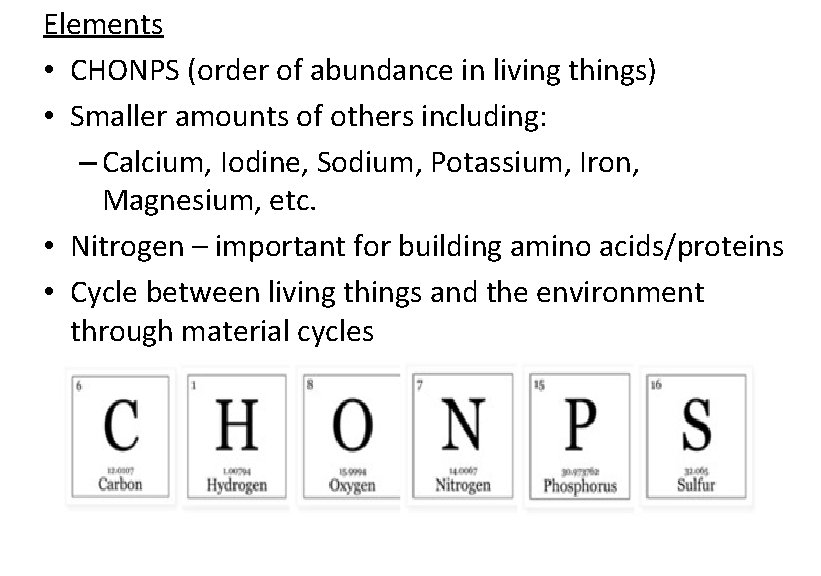
Elements • CHONPS (order of abundance in living things) • Smaller amounts of others including: – Calcium, Iodine, Sodium, Potassium, Iron, Magnesium, etc. • Nitrogen – important for building amino acids/proteins • Cycle between living things and the environment through material cycles
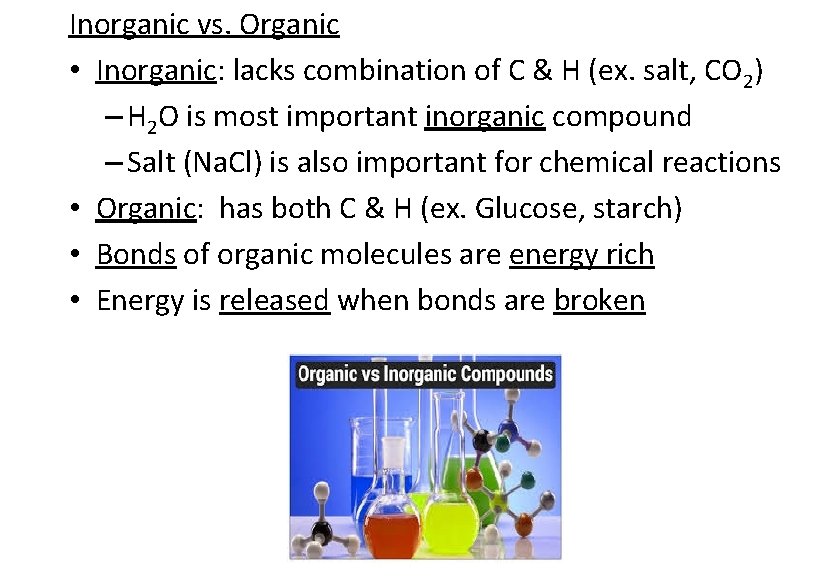
Inorganic vs. Organic • Inorganic: lacks combination of C & H (ex. salt, CO 2) – H 2 O is most important inorganic compound – Salt (Na. Cl) is also important for chemical reactions • Organic: has both C & H (ex. Glucose, starch) • Bonds of organic molecules are energy rich • Energy is released when bonds are broken
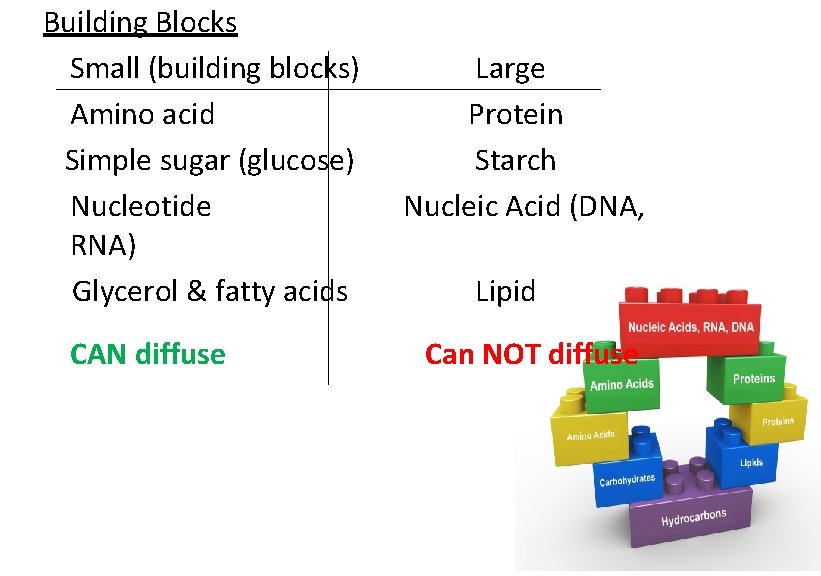
Building Blocks Small (building blocks) Amino acid Simple sugar (glucose) Nucleotide RNA) Glycerol & fatty acids CAN diffuse Large Protein Starch Nucleic Acid (DNA, Lipid Can NOT diffuse
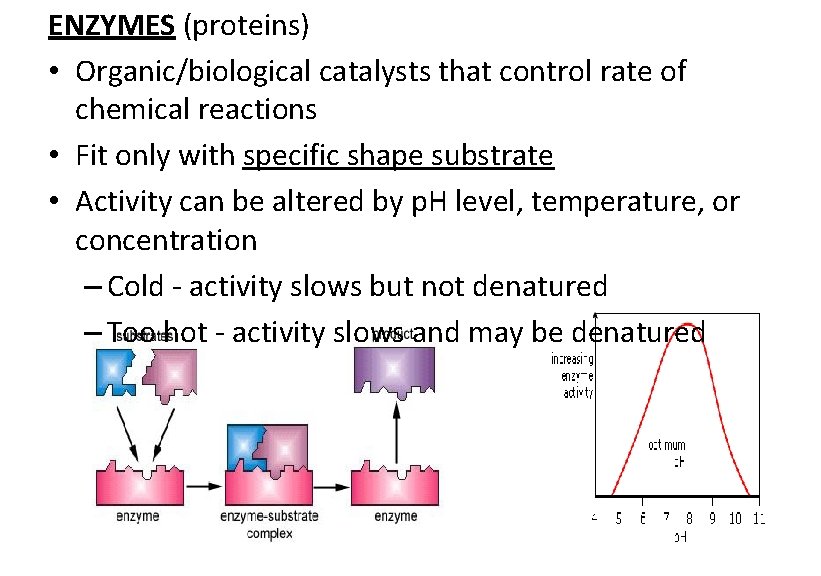
ENZYMES (proteins) • Organic/biological catalysts that control rate of chemical reactions • Fit only with specific shape substrate • Activity can be altered by p. H level, temperature, or concentration – Cold - activity slows but not denatured – Too hot - activity slows and may be denatured
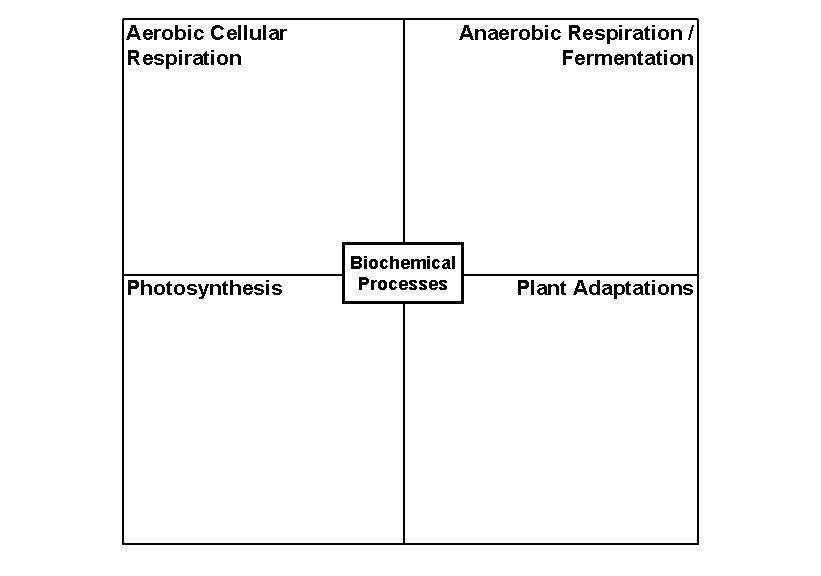
Aerobic Cellular Respiration Photosynthesis Anaerobic Respiration / Fermentation Biochemical Processes Plant Adaptations
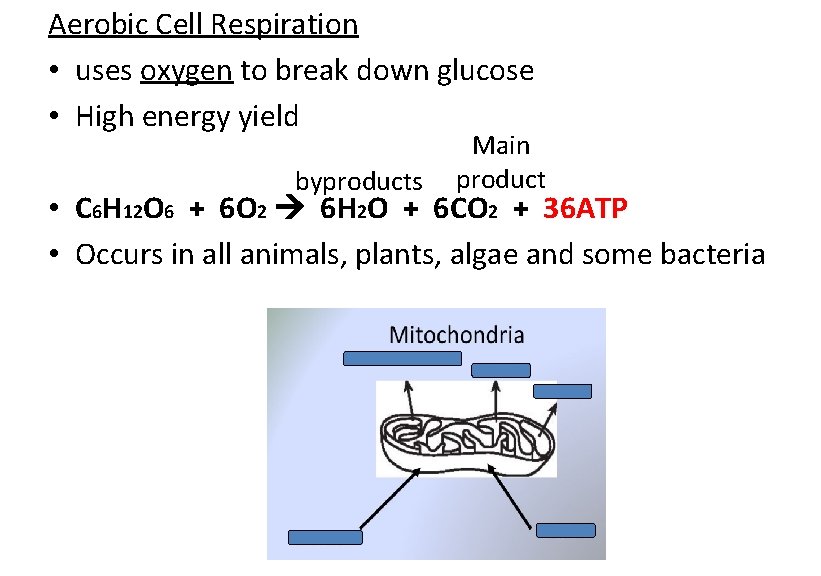
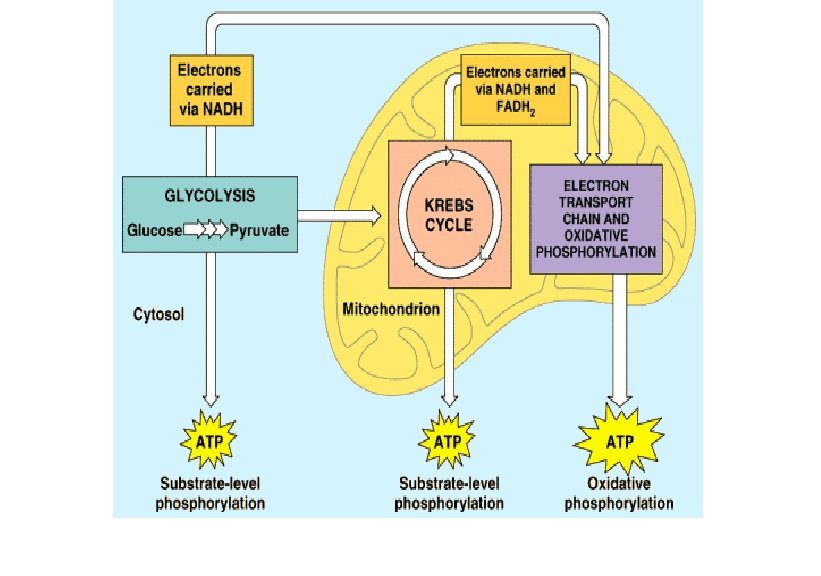
Aerobic Cell Respiration • uses oxygen to break down glucose • High energy yield byproducts Main product • C 6 H 12 O 6 + 6 O 2 6 H 2 O + 6 CO 2 + 36 ATP • Occurs in all animals, plants, algae and some bacteria
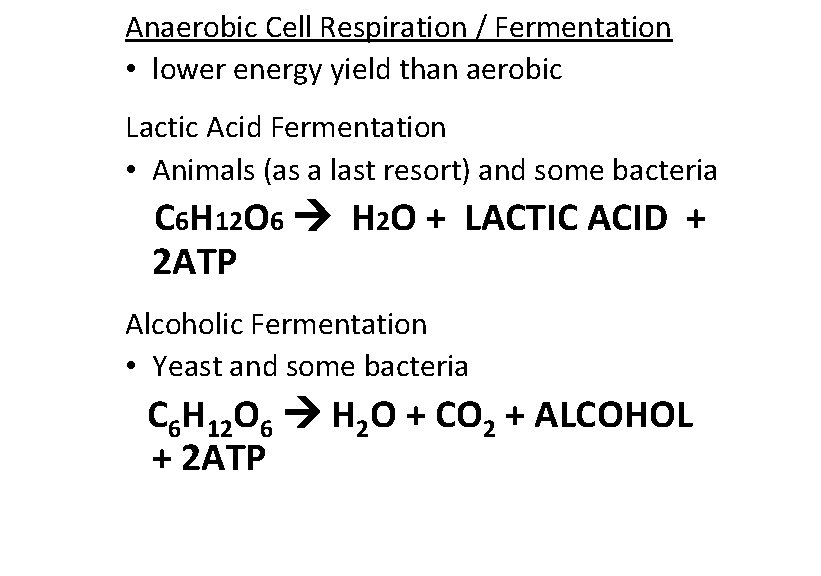
Anaerobic Cell Respiration / Fermentation • lower energy yield than aerobic Lactic Acid Fermentation • Animals (as a last resort) and some bacteria C 6 H 12 O 6 H 2 O + LACTIC ACID + 2 ATP Alcoholic Fermentation • Yeast and some bacteria C 6 H 12 O 6 H 2 O + CO 2 + ALCOHOL + 2 ATP
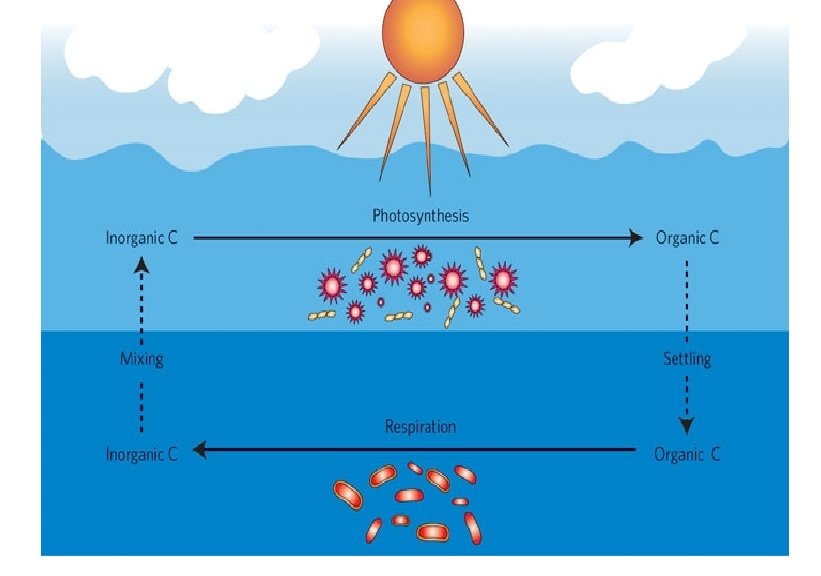
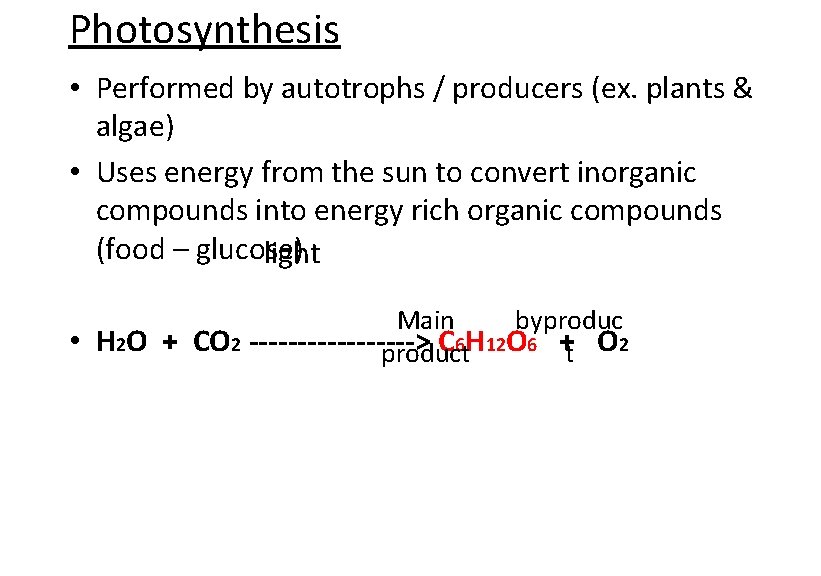
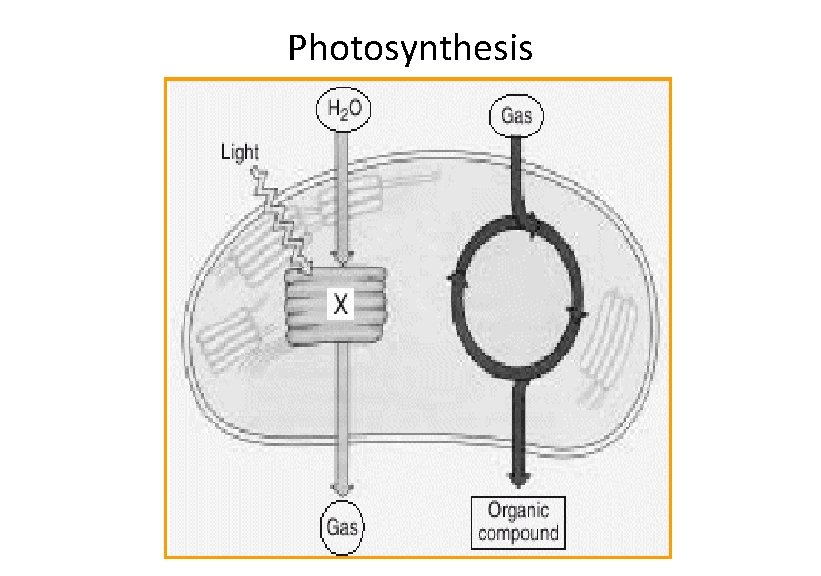
Photosynthesis • Performed by autotrophs / producers (ex. plants & algae) • Uses energy from the sun to convert inorganic compounds into energy rich organic compounds (food – glucose) light Main byproduc • H 2 O + CO 2 ---------> C 6 H 12 O 6 +t O 2 product
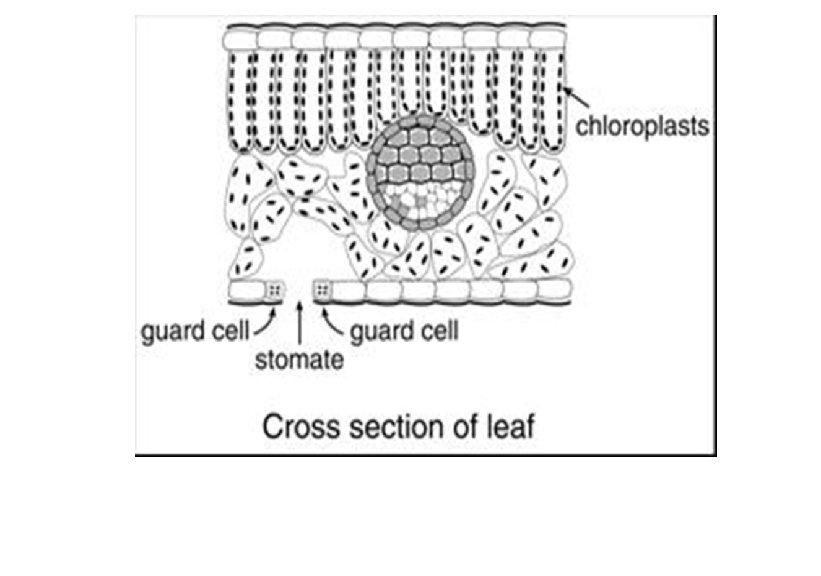
Photosynthesis
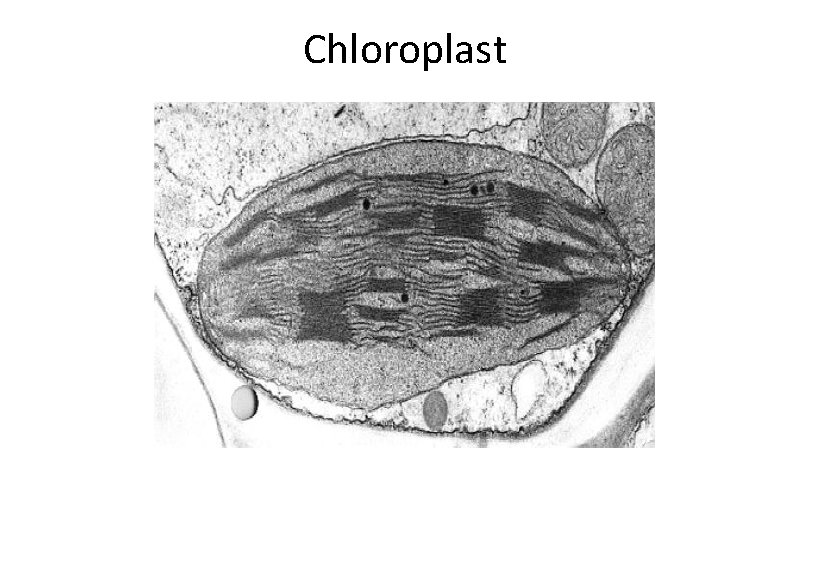
Chloroplast
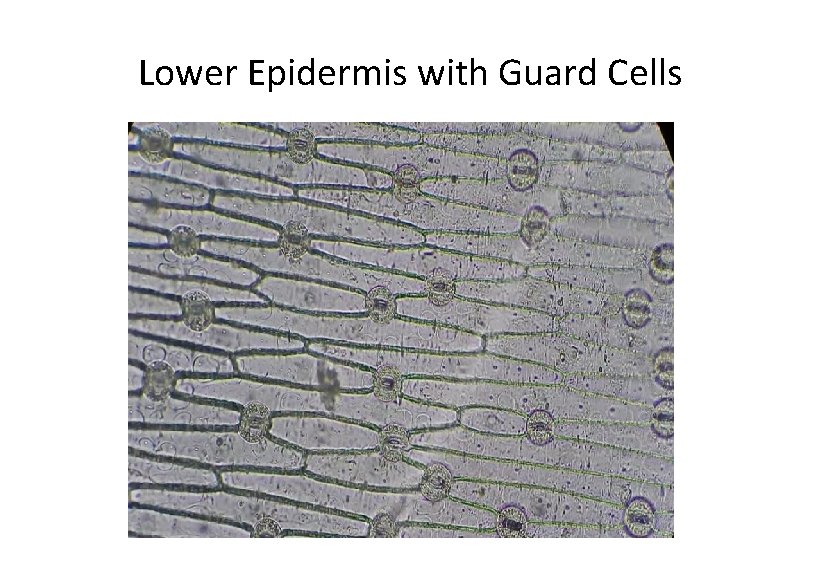
Lower Epidermis with Guard Cells
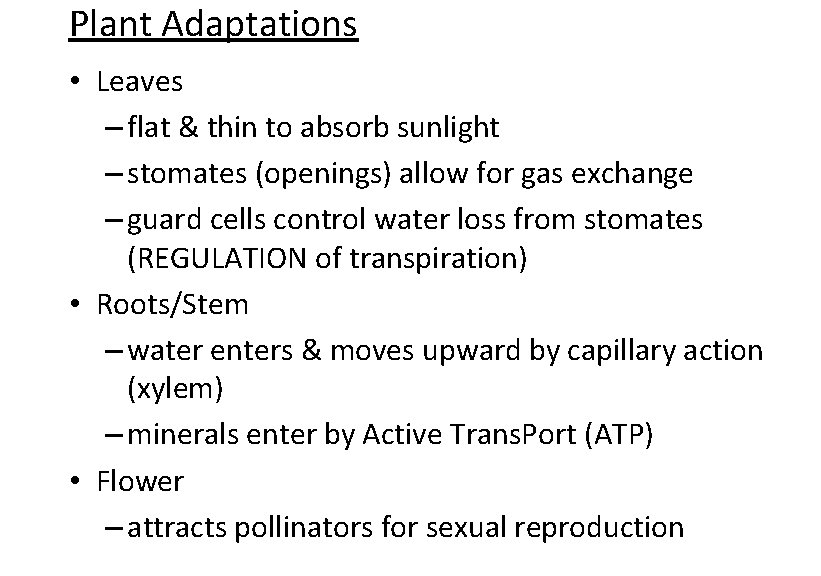
Plant Adaptations • Leaves – flat & thin to absorb sunlight – stomates (openings) allow for gas exchange – guard cells control water loss from stomates (REGULATION of transpiration) • Roots/Stem – water enters & moves upward by capillary action (xylem) – minerals enter by Active Trans. Port (ATP) • Flower – attracts pollinators for sexual reproduction
Topic Review 4 Homeostasis Body Systems
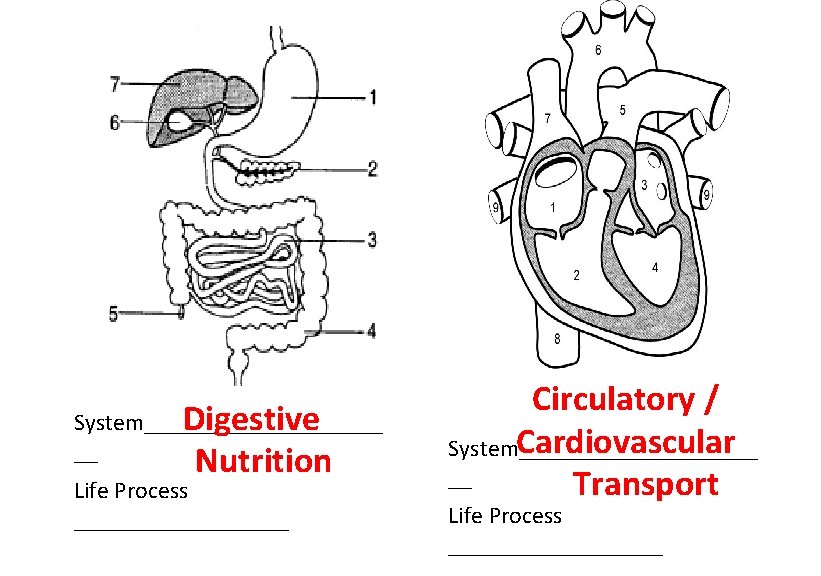
System__________ Digestive __ Nutrition Life Process _________ Circulatory / Cardiovascular System__________ __ Transport Life Process _________
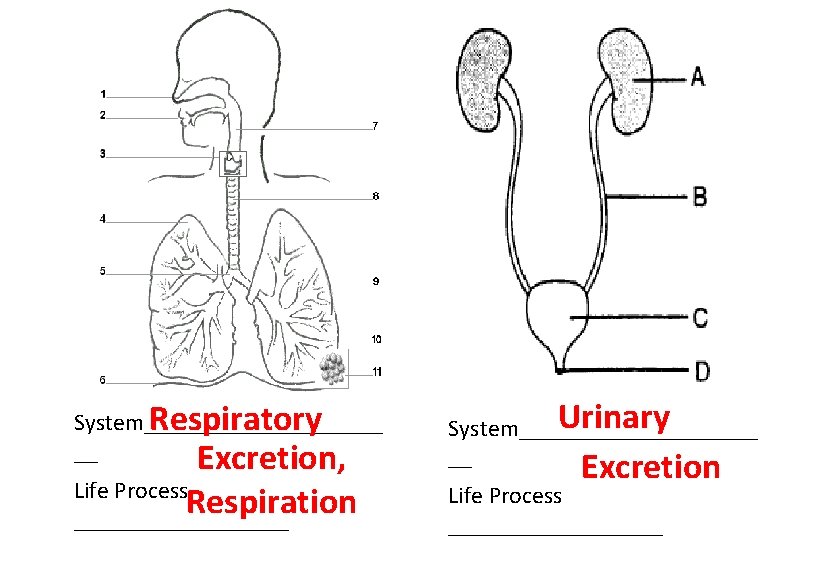
System__________ Respiratory __ Excretion, Life Process Respiration _________ Urinary System__________ __ Excretion Life Process _________
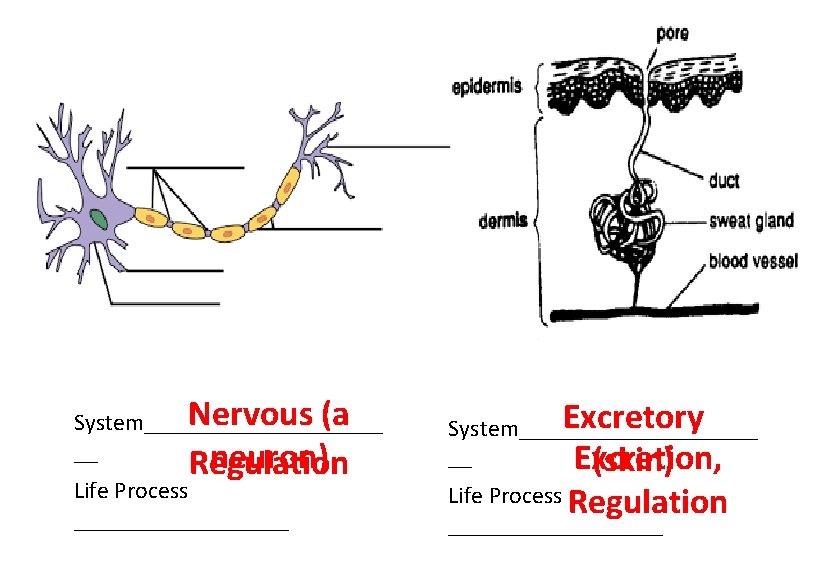
Nervous (a System__________ __ neuron) Regulation Life Process _________ Excretory System__________ __ Excretion, (skin) Life Process Regulation _________
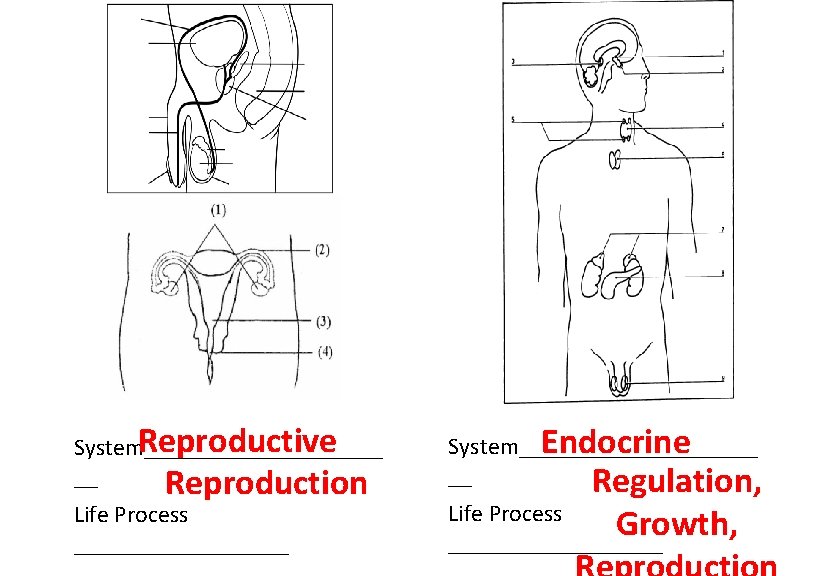
Reproductive System__________ __ Reproduction Life Process _________ Endocrine System__________ __ Regulation, Life Process Growth, _________
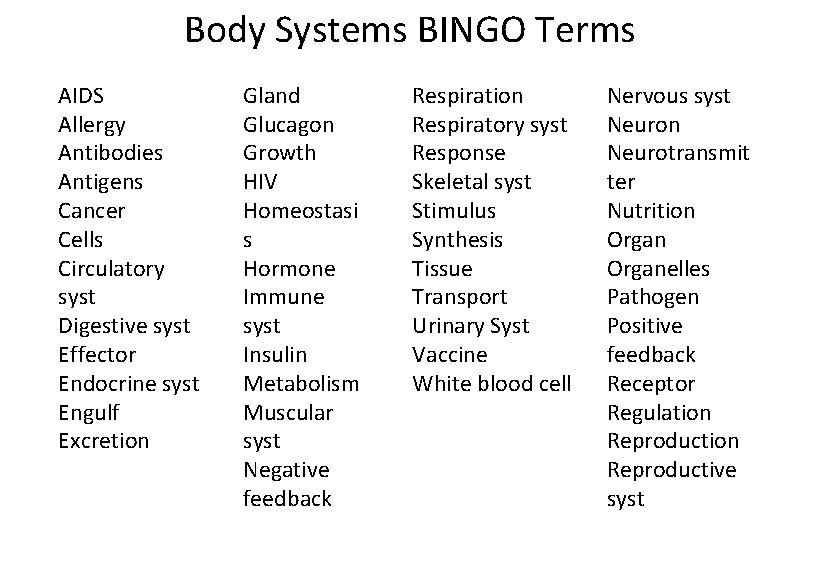
Body Systems BINGO Terms AIDS Allergy Antibodies Antigens Cancer Cells Circulatory syst Digestive syst Effector Endocrine syst Engulf Excretion Gland Glucagon Growth HIV Homeostasi s Hormone Immune syst Insulin Metabolism Muscular syst Negative feedback Respiration Respiratory syst Response Skeletal syst Stimulus Synthesis Tissue Transport Urinary Syst Vaccine White blood cell Nervous syst Neuron Neurotransmit ter Nutrition Organelles Pathogen Positive feedback Receptor Regulation Reproductive syst
Topic Review 5 Cell Division Reproduction
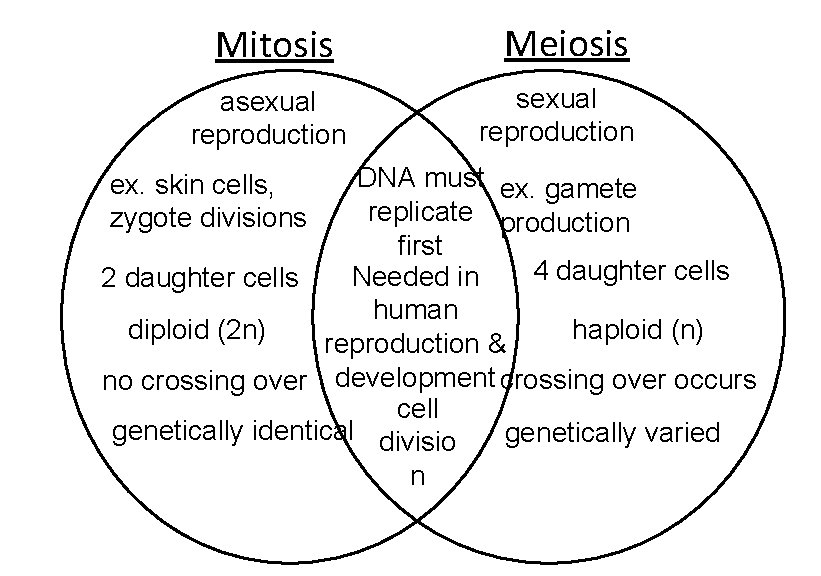
Mitosis asexual reproduction Meiosis sexual reproduction DNA must ex. gamete replicate production first 4 daughter cells Needed in 2 daughter cells human diploid (2 n) haploid (n) reproduction & no crossing over development crossing over occurs cell genetically identical divisio genetically varied n ex. skin cells, zygote divisions
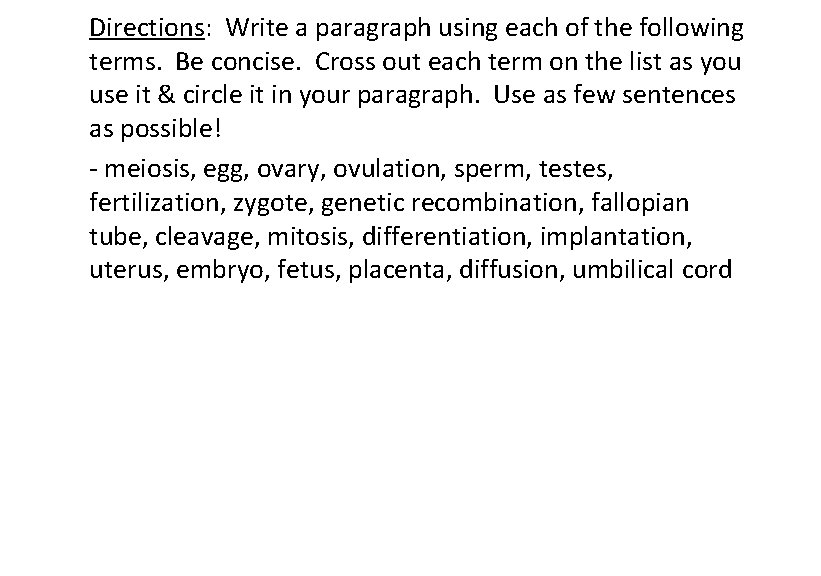
Directions: Write a paragraph using each of the following terms. Be concise. Cross out each term on the list as you use it & circle it in your paragraph. Use as few sentences as possible! - meiosis, egg, ovary, ovulation, sperm, testes, fertilization, zygote, genetic recombination, fallopian tube, cleavage, mitosis, differentiation, implantation, uterus, embryo, fetus, placenta, diffusion, umbilical cord
Meiosis produces gametes (egg & sperm). Sperm are made in the testes of a male and eggs are made in the ovary of a female. After ovulation, when the egg is released, the egg and sperm fuse in the fallopian tube during fertilization. This newly formed zygote has undergone genetic recombination receiving half of its DNA from each parent. The first mitotic cell divisions, called cleavage, allow the zygote to grow and make more cells. The embryo embeds itself into the nutrient rich uterus lining during implantation. The cells will become specialized forming nerve cells, blood cells, etc. during differentiation. After 8 weeks of development it is called a fetus. A placenta grows attached to the uterus at one end and the umbilical cord at the other end, allowing nutrients and wastes to pass between mother and fetus by diffusion across the capillary walls.
Topic Review 6 Genetics Biotechnology
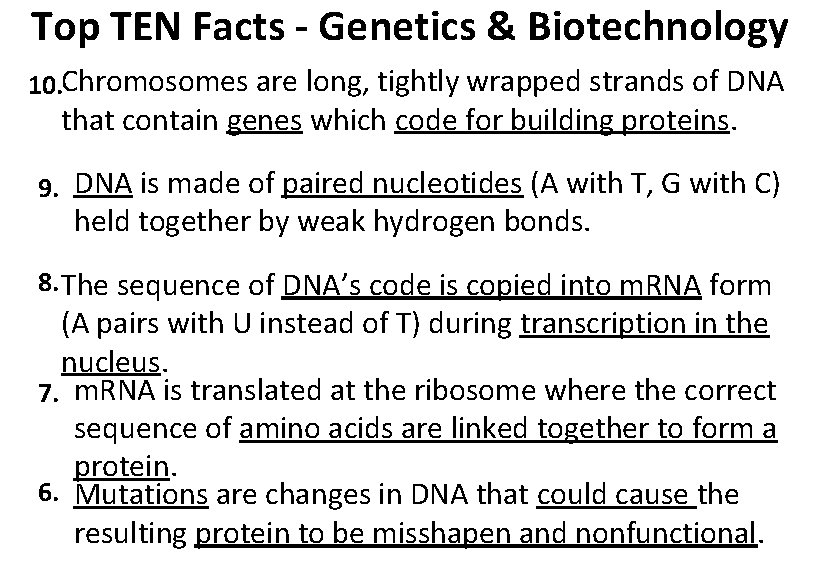
Top TEN Facts - Genetics & Biotechnology 10. Chromosomes are long, tightly wrapped strands of DNA that contain genes which code for building proteins. 9. DNA is made of paired nucleotides (A with T, G with C) held together by weak hydrogen bonds. 8. The sequence of DNA’s code is copied into m. RNA form (A pairs with U instead of T) during transcription in the nucleus. 7. m. RNA is translated at the ribosome where the correct sequence of amino acids are linked together to form a protein. 6. Mutations are changes in DNA that could cause the resulting protein to be misshapen and nonfunctional.
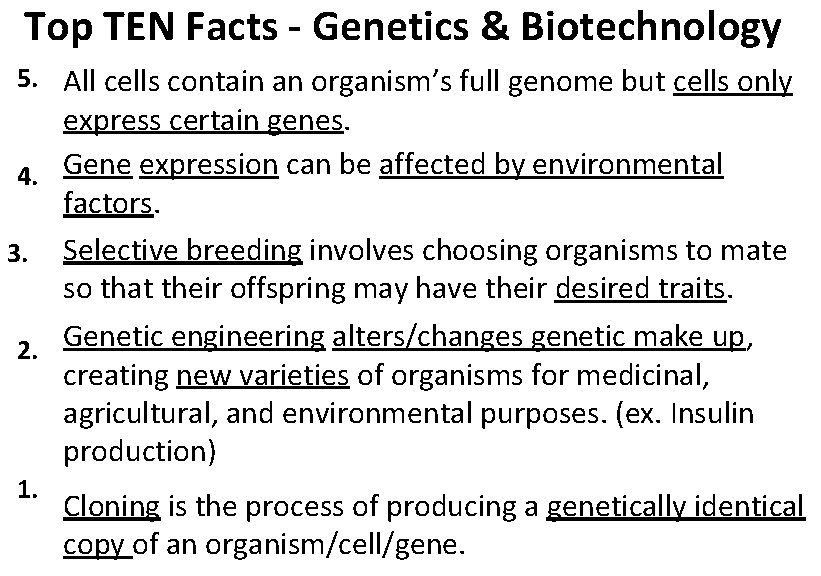
Top TEN Facts - Genetics & Biotechnology 5. All cells contain an organism’s full genome but cells only express certain genes. 4. Gene expression can be affected by environmental factors. 3. Selective breeding involves choosing organisms to mate so that their offspring may have their desired traits. 2. Genetic engineering alters/changes genetic make up, creating new varieties of organisms for medicinal, agricultural, and environmental purposes. (ex. Insulin production) 1. Cloning is the process of producing a genetically identical copy of an organism/cell/gene.
Topic Review 7 Evolution
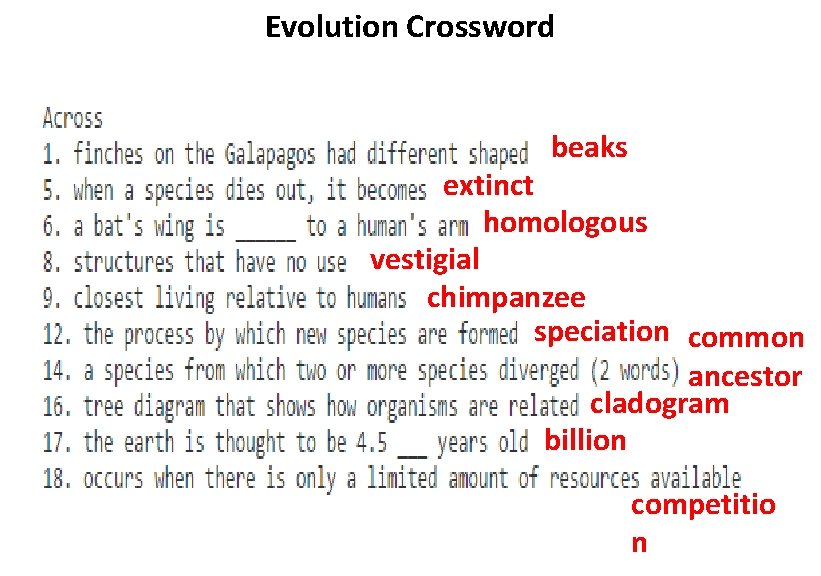
Evolution Crossword beaks extinct homologous vestigial chimpanzee speciation common ancestor cladogram billion competitio n
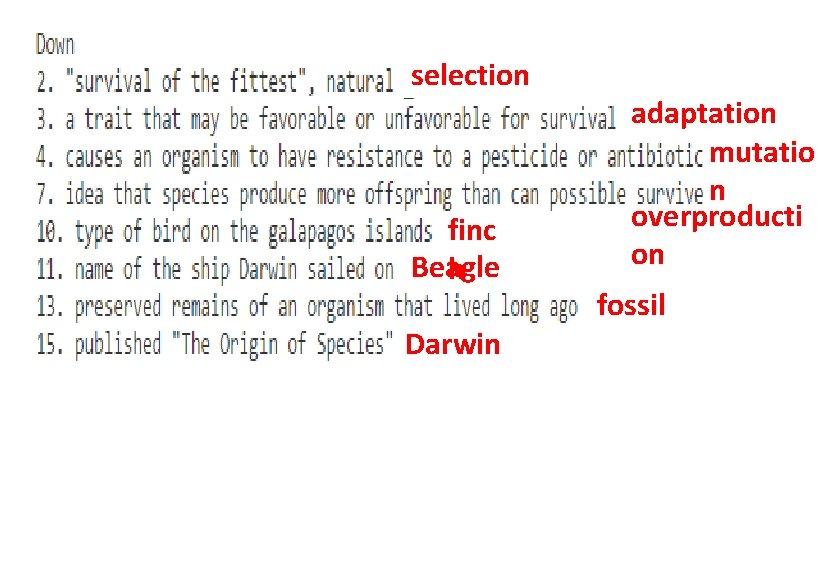
selection finc Beagle h Darwin adaptation mutatio n overproducti on fossil
Topic Review 8 Ecology Human Impact
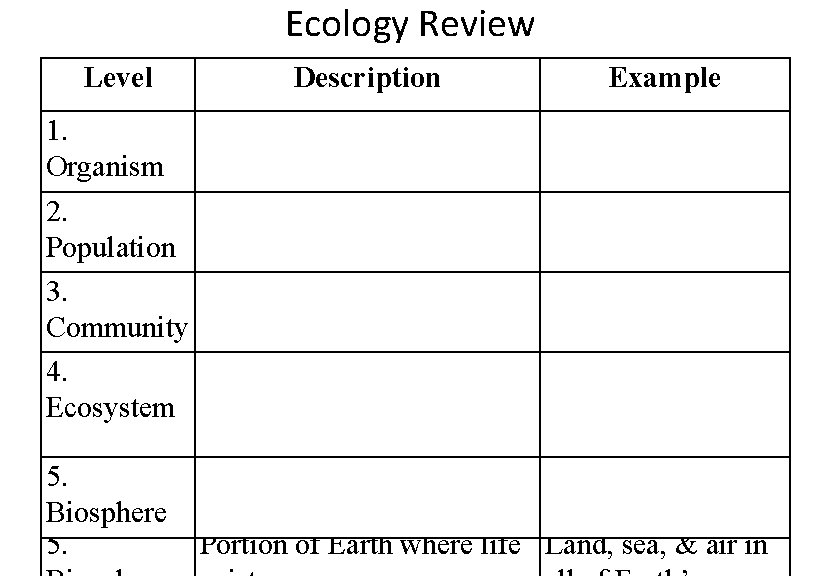
Ecology Review Level Description Example 1. Organism 2. Population 3. Community 4. 4. Ecosystem 5. Biosphere 5. an individual living thing one white tailed deer All the white tailed deer in a forest All the animals, plans, & microbes in the forest (including air, water, etc. & living things) Land, sea, & air in All members of 1 species in an area All living things in an area (many different species) Both the living and nonliving parts of a specific habitat Portion of Earth where life
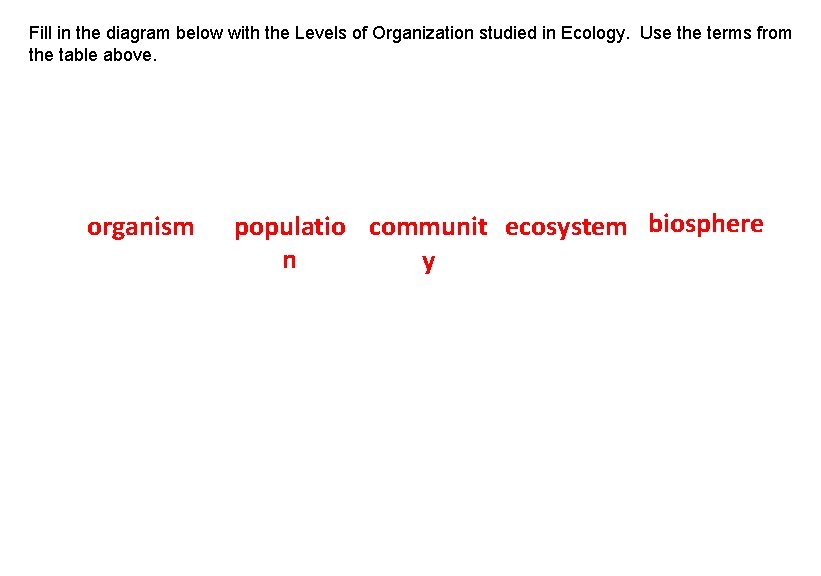
Fill in the diagram below with the Levels of Organization studied in Ecology. Use the terms from the table above. organism populatio communit ecosystem biosphere n y
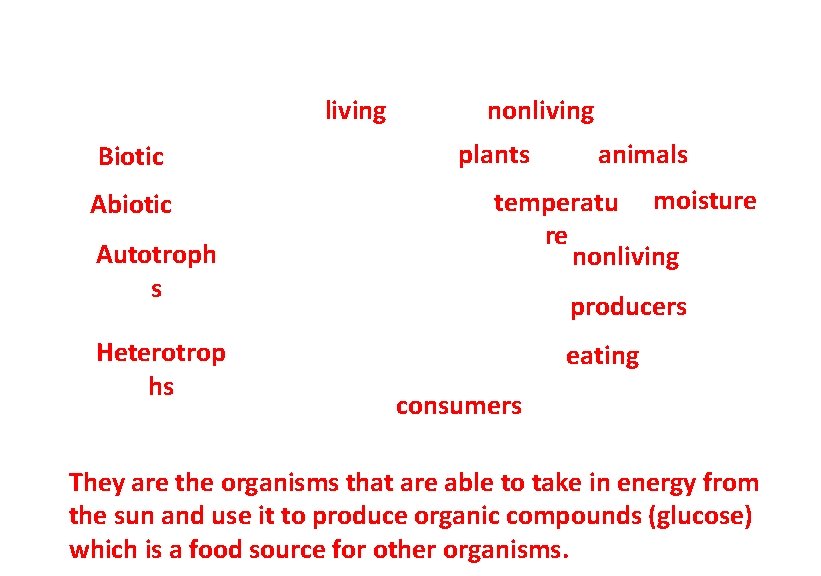
living Biotic Abiotic Autotroph s Heterotrop hs nonliving plants animals temperatu moisture re nonliving producers eating consumers They are the organisms that are able to take in energy from the sun and use it to produce organic compounds (glucose) which is a food source for other organisms.
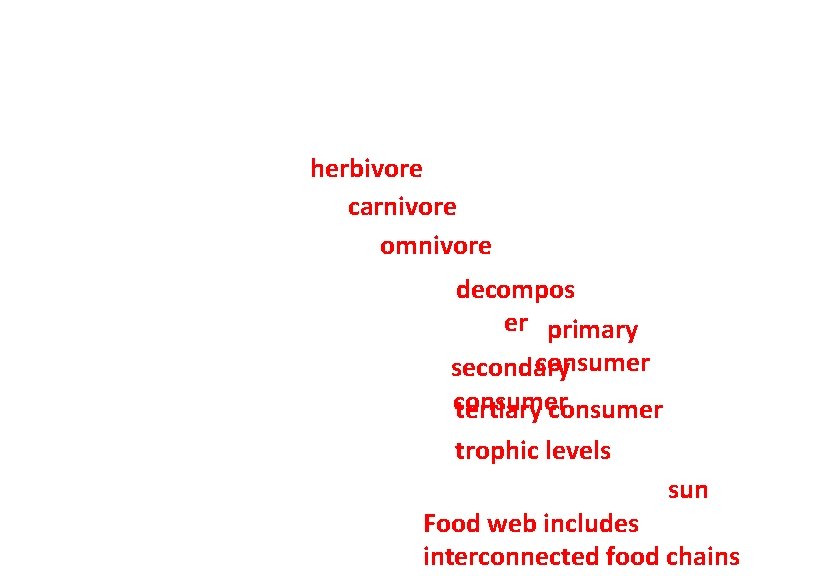
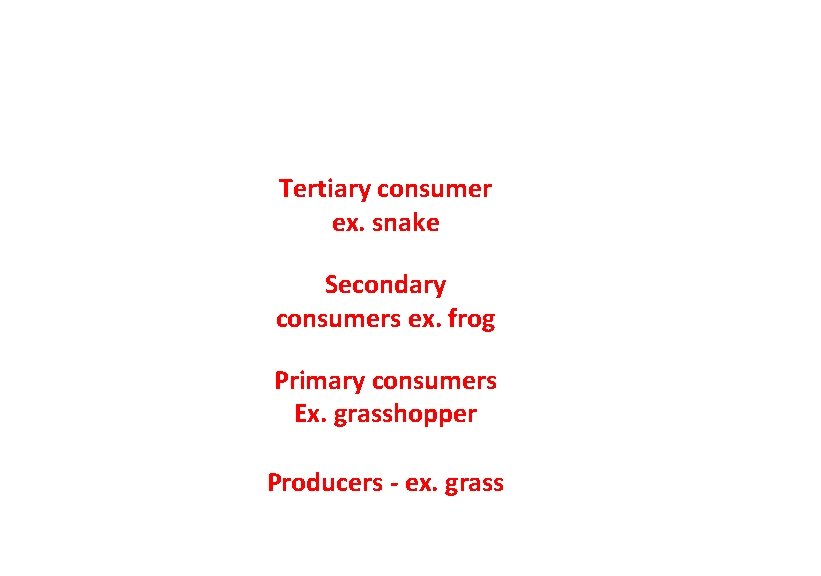
herbivore carnivore omnivore decompos er primary consumer secondary consumer tertiary consumer trophic levels sun Food web includes interconnected food chains
Tertiary consumer ex. snake Secondary consumers ex. frog Primary consumers Ex. grasshopper Producers - ex. grass
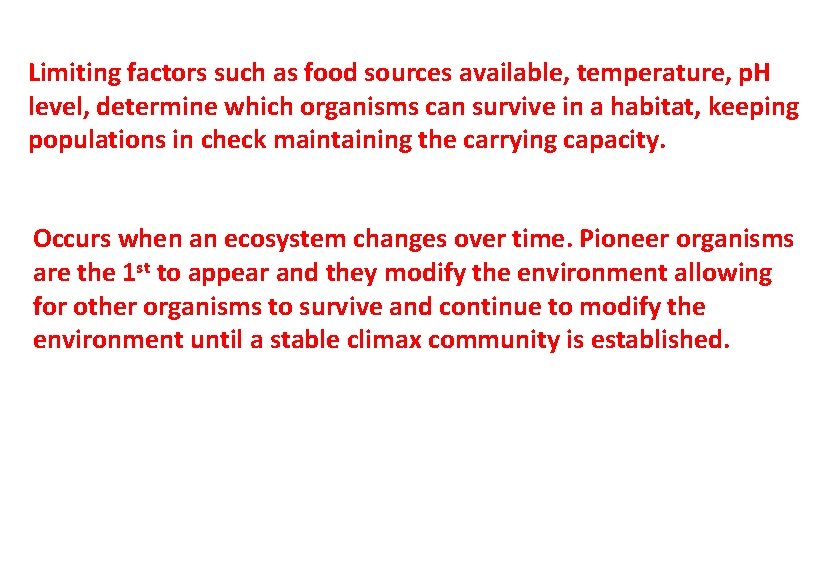
Limiting factors such as food sources available, temperature, p. H level, determine which organisms can survive in a habitat, keeping populations in check maintaining the carrying capacity. Occurs when an ecosystem changes over time. Pioneer organisms are the 1 st to appear and they modify the environment allowing for other organisms to survive and continue to modify the environment until a stable climax community is established.
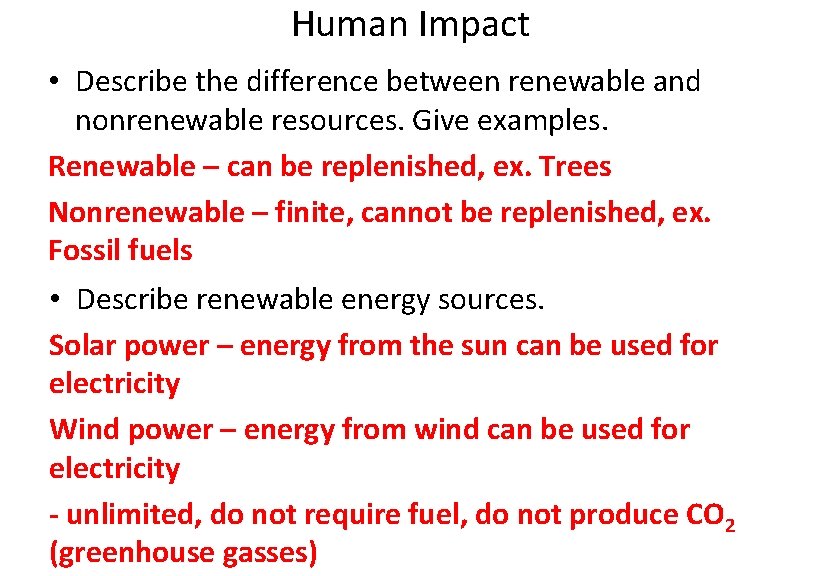
Human Impact • Describe the difference between renewable and nonrenewable resources. Give examples. Renewable – can be replenished, ex. Trees Nonrenewable – finite, cannot be replenished, ex. Fossil fuels • Describe renewable energy sources. Solar power – energy from the sun can be used for electricity Wind power – energy from wind can be used for electricity - unlimited, do not require fuel, do not produce CO 2 (greenhouse gasses)
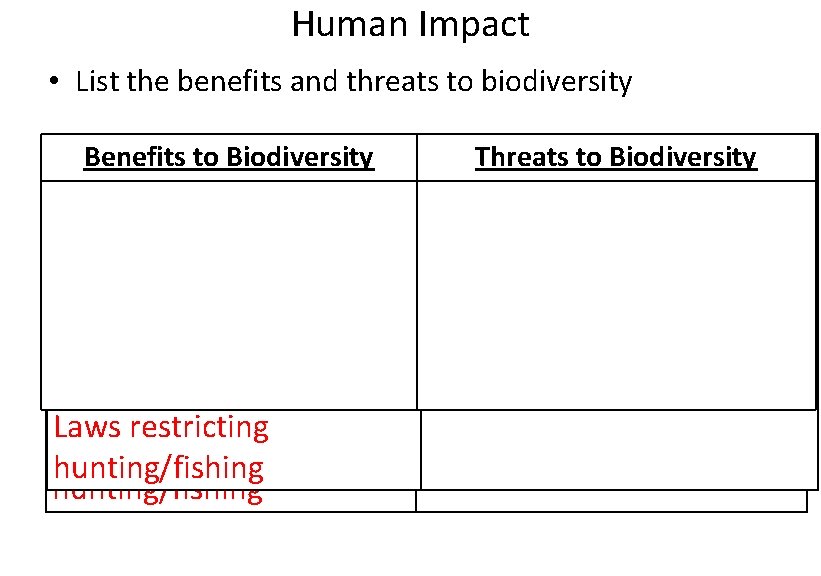
Human Impact • List the benefits and threats to biodiversity Benefits to to Biodiversity Threatsto to to. Biodiversity Conservation of Deforestation Conservation of resources Overhunting/overfishing Reforestation Use of biocides Shade farming/planting Global warming Wildlife & nature Deforestation/habitat preserves destruction Laws restricting hunting/fishing
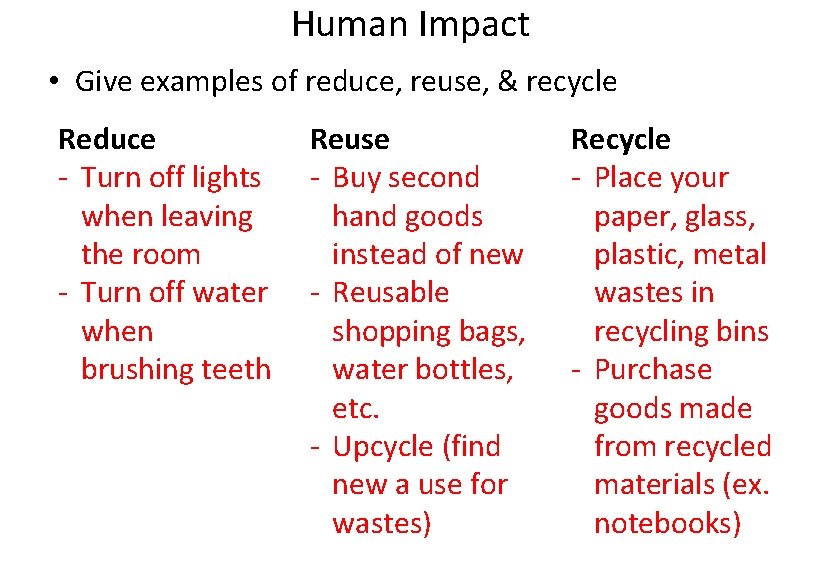
Human Impact • Give examples of reduce, reuse, & recycle Reduce - Turn off lights when leaving the room - Turn off water when brushing teeth Reuse - Buy second hand goods instead of new - Reusable shopping bags, water bottles, etc. - Upcycle (find new a use for wastes) Recycle - Place your paper, glass, plastic, metal wastes in recycling bins - Purchase goods made from recycled materials (ex. notebooks)
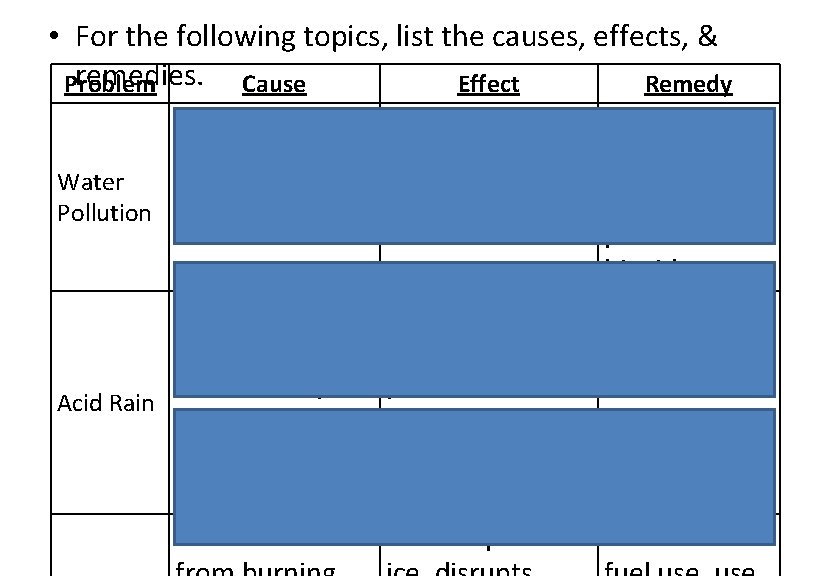
• For the following topics, list the causes, effects, & remedies. Cause Problem Effect Remedy Chemicals, sewage, oil, Water pesticides, hot Pollution water Reduces biodiversity, disrupts food chain Use alternate energy (not oil), natural predator not biocides Sulfur dioxide & Disrupts enzyme Pass laws nitrogen oxide function in restricting from factory plants and emission Acid Rain emissions aquatic life levels (burning fossil fuels) Excess CO 2 Inc. temp melts Reduce fossil
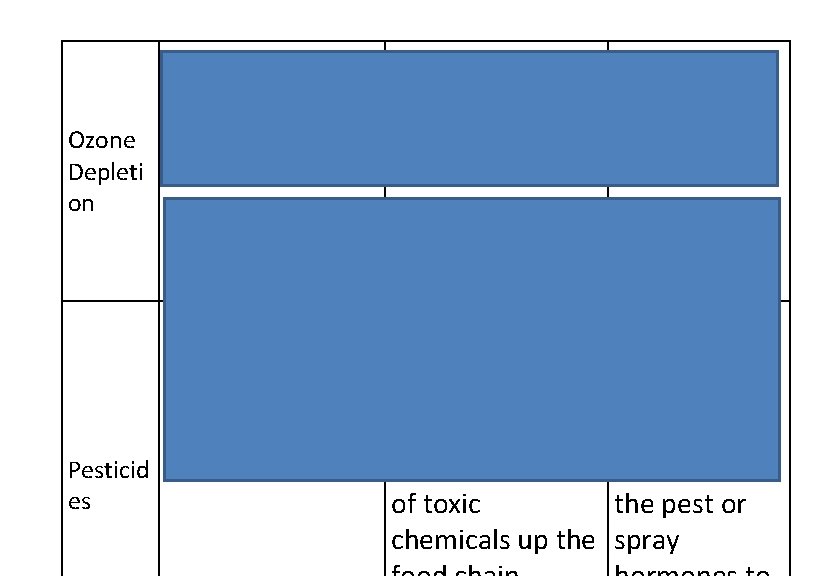
Chemicals called CFCs Ozone (chlorofluorocar Depleti bons) in on refrigeration & air conditioning units Crops are destroyed by pests (insects/rodents) Pesticid costing money es Increases UV radiation, mutations, skin cancer Banned use of CFCs Decreases biodiversity, pollutes water supply, bioaccumulation of toxic chemicals up the Use biological controls instead like a natural predator of the pest or spray
Lab Review State Labs Lab Skills