
Refresh 2 D Lattices Primitive Vectors are not
- Slides: 31
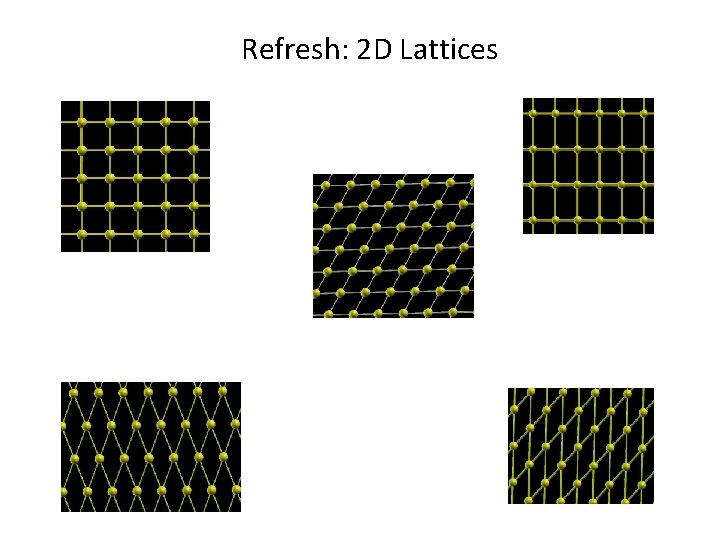
Refresh: 2 D Lattices
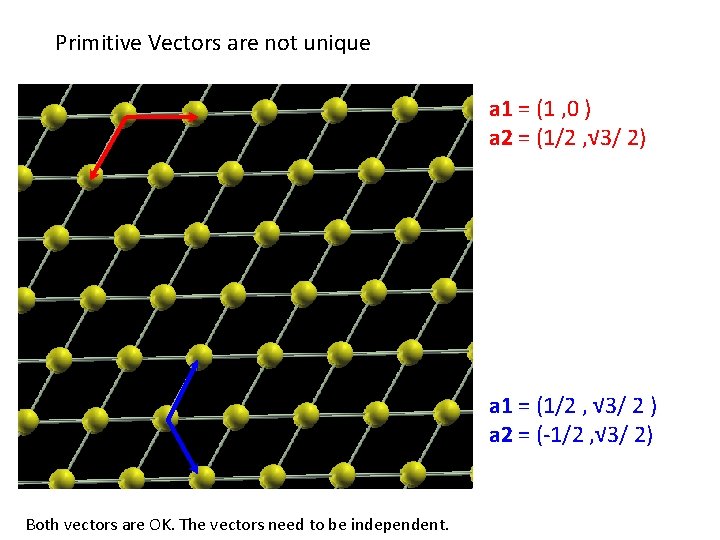
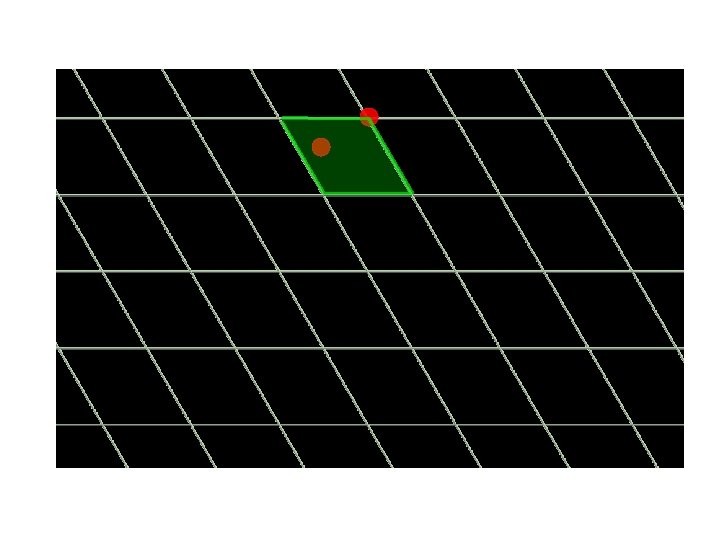
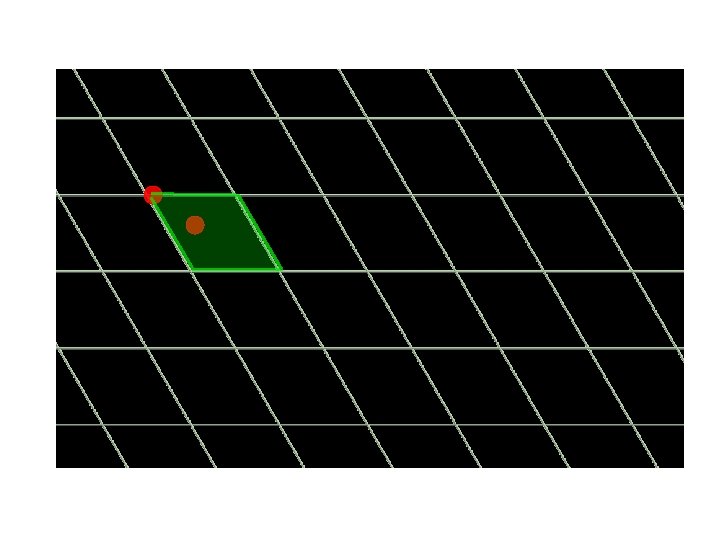
Primitive Vectors are not unique a 1 = (1 , 0 ) a 2 = (1/2 , √ 3/ 2) a 1 = (1/2 , √ 3/ 2 ) a 2 = (-1/2 , √ 3/ 2) Both vectors are OK. The vectors need to be independent.
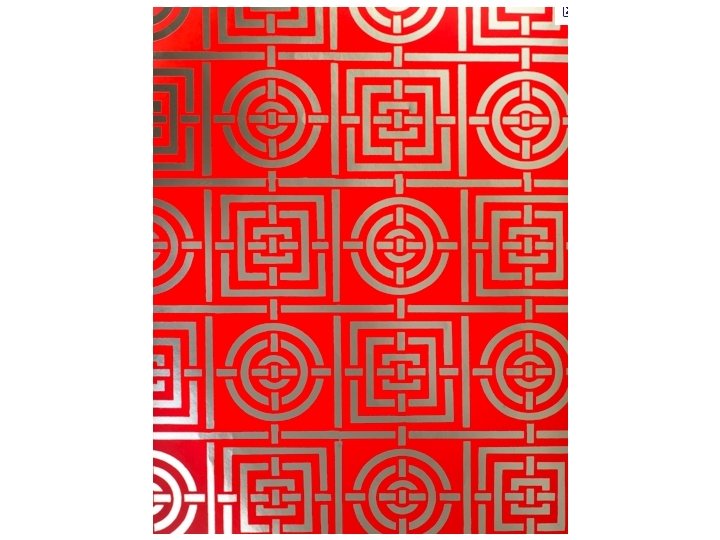
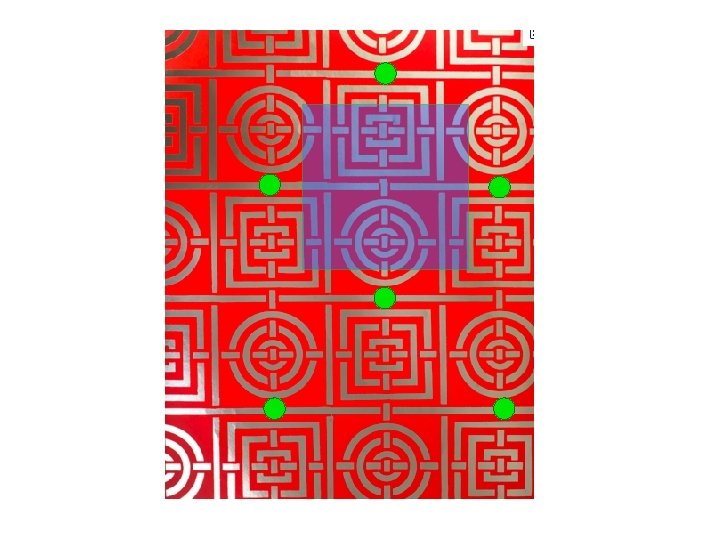
Let’s identify simple long-range patterns.
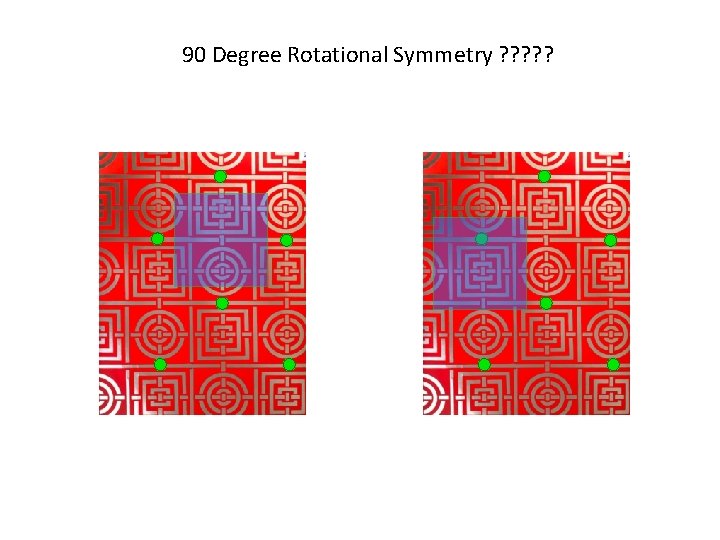
90 Degree Rotational Symmetry ? ? ?
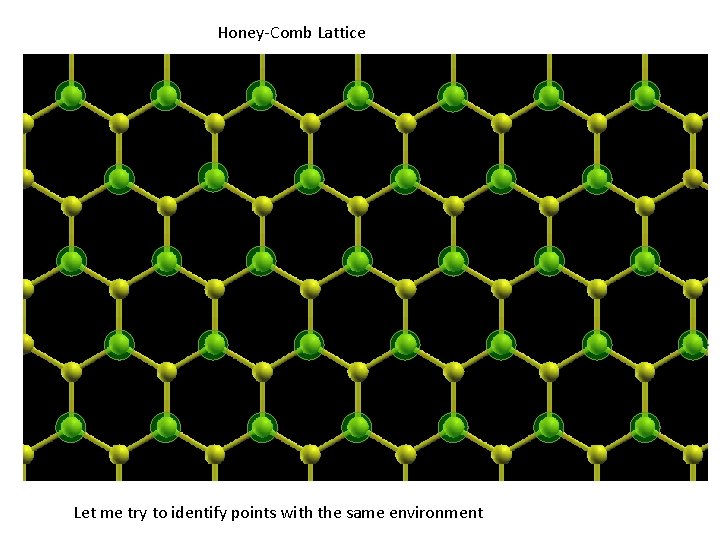
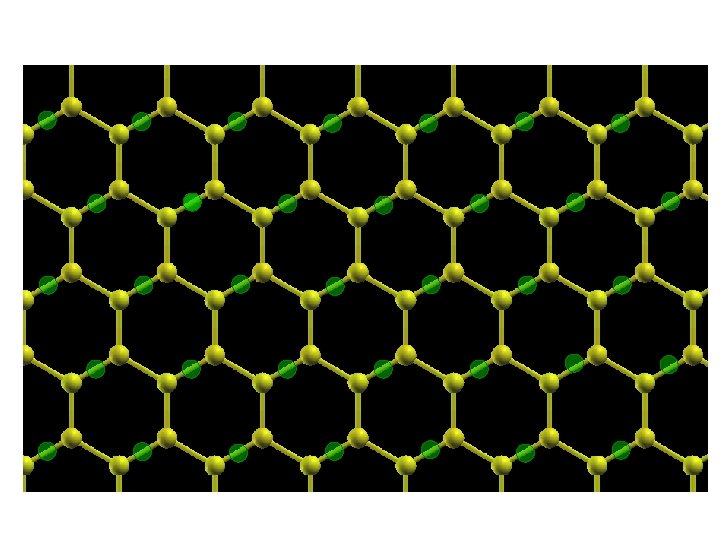
Honey-Comb Lattice Let me try to identify points with the same environment
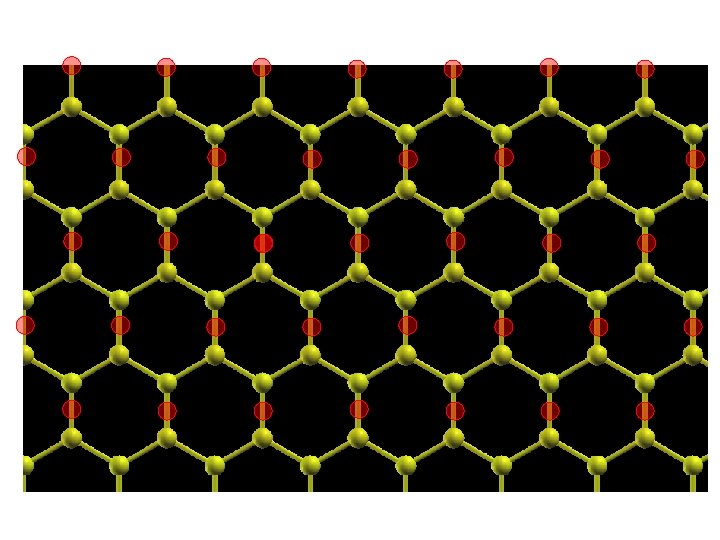
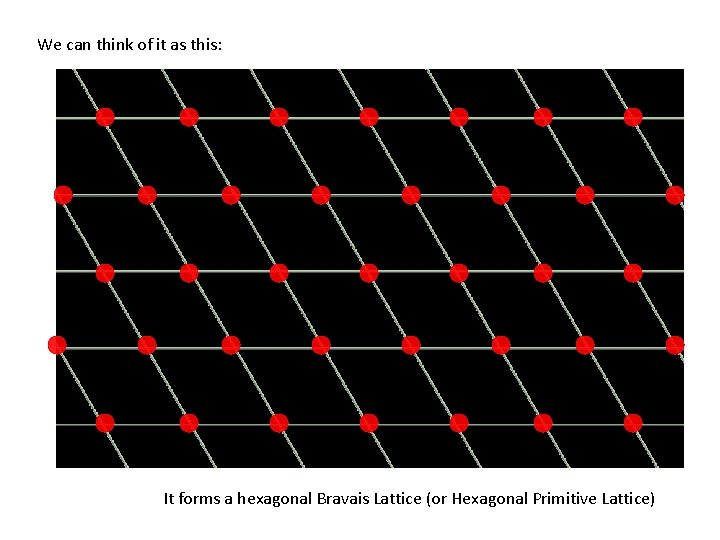
We can think of it as this: It forms a hexagonal Bravais Lattice (or Hexagonal Primitive Lattice)
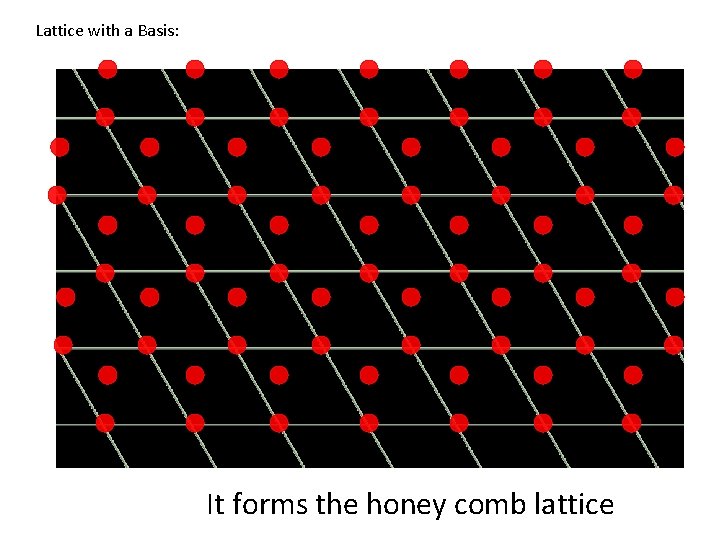
Lattice with a Basis: It forms the honey comb lattice
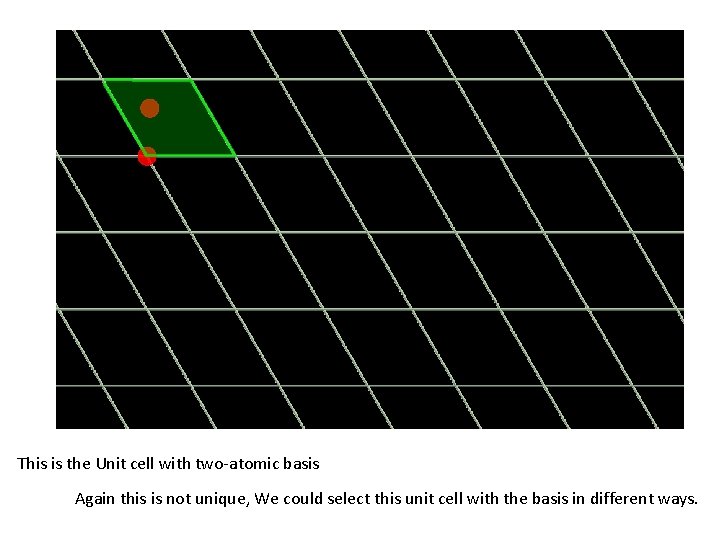
This is the Unit cell with two-atomic basis Again this is not unique, We could select this unit cell with the basis in different ways.
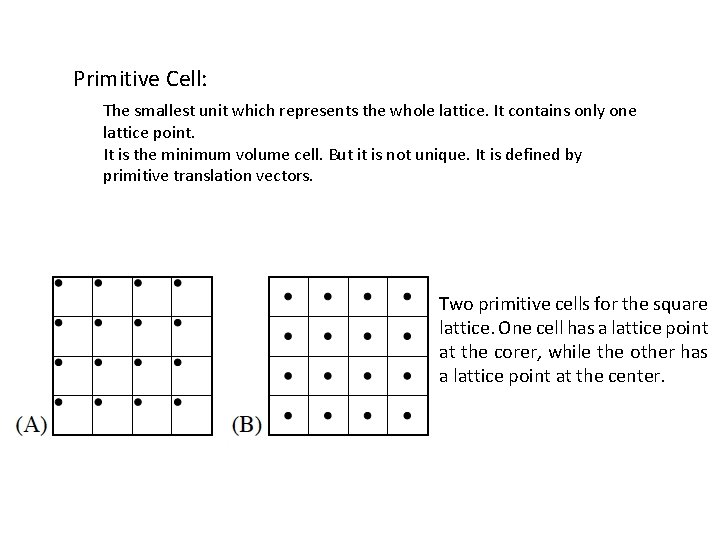
Primitive Cell: The smallest unit which represents the whole lattice. It contains only one lattice point. It is the minimum volume cell. But it is not unique. It is defined by primitive translation vectors. Two primitive cells for the square lattice. One cell has a lattice point at the corer, while the other has a lattice point at the center.
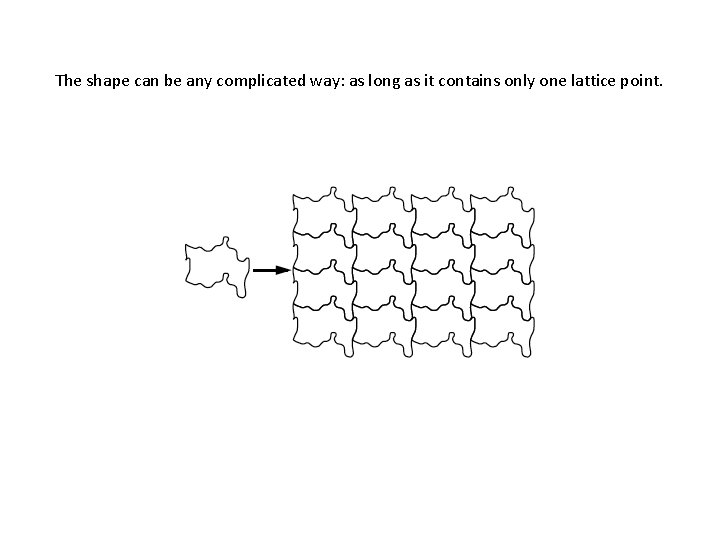
The shape can be any complicated way: as long as it contains only one lattice point.
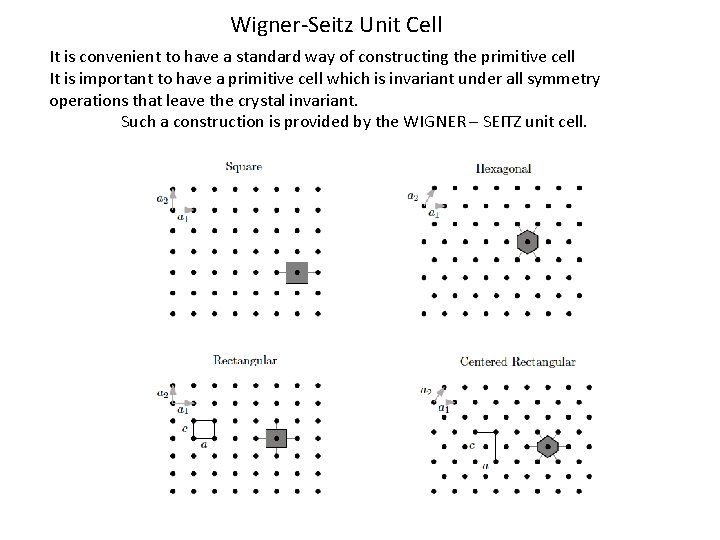
Wigner-Seitz Unit Cell It is convenient to have a standard way of constructing the primitive cell It is important to have a primitive cell which is invariant under all symmetry operations that leave the crystal invariant. Such a construction is provided by the WIGNER – SEITZ unit cell.
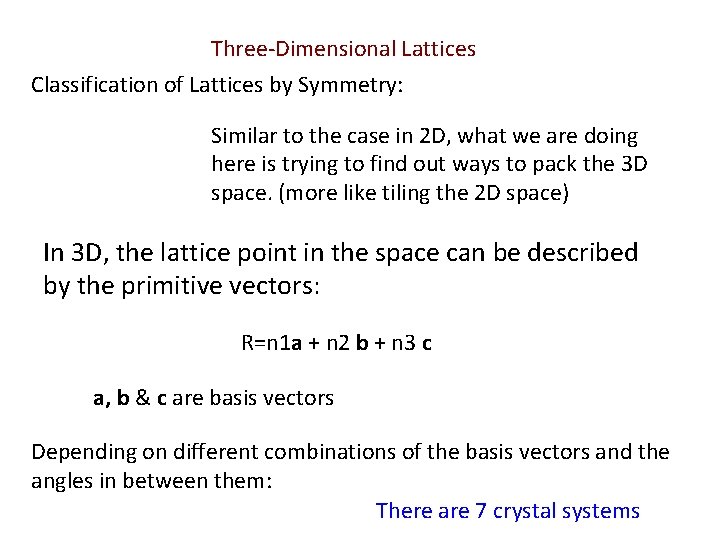
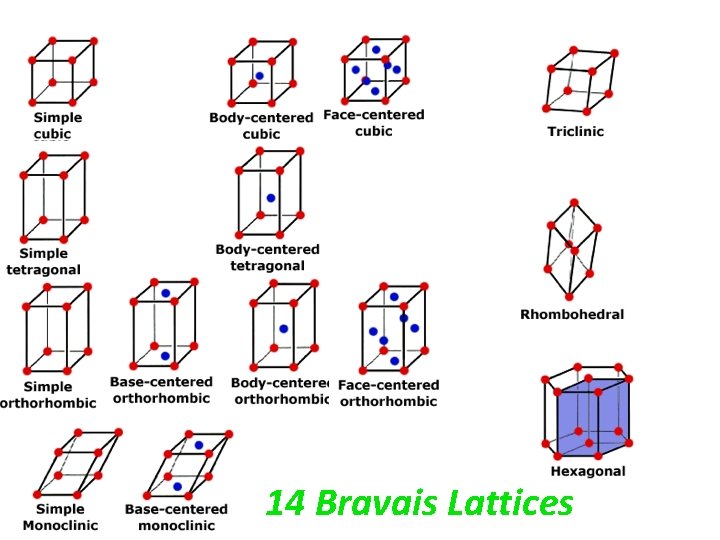
Three-Dimensional Lattices Classification of Lattices by Symmetry: Similar to the case in 2 D, what we are doing here is trying to find out ways to pack the 3 D space. (more like tiling the 2 D space) In 3 D, the lattice point in the space can be described by the primitive vectors: R=n 1 a + n 2 b + n 3 c a, b & c are basis vectors Depending on different combinations of the basis vectors and the angles in between them: There are 7 crystal systems
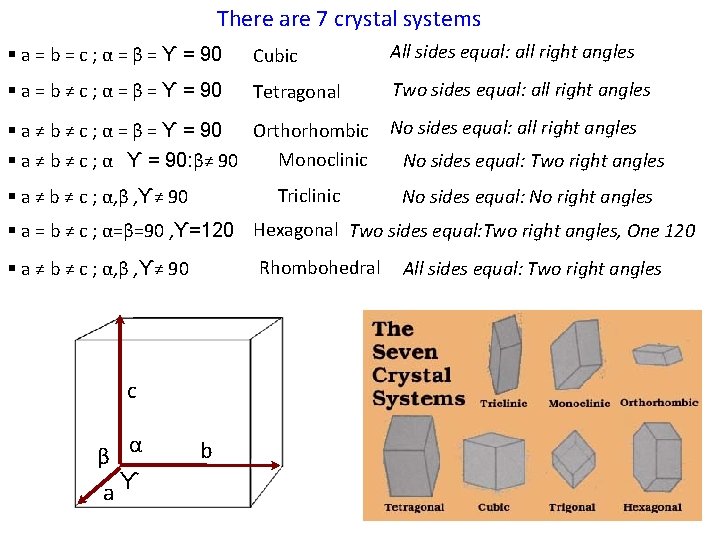
There are 7 crystal systems § a = b = c ; α = β = ϒ = 90 Cubic All sides equal: all right angles § a = b ≠ c ; α = β = ϒ = 90 Tetragonal Two sides equal: all right angles § a ≠ b ≠ c ; α = β = ϒ = 90 Orthorhombic Monoclinic § a ≠ b ≠ c ; α ϒ = 90: β≠ 90 Triclinic § a ≠ b ≠ c ; α, β , ϒ≠ 90 No sides equal: all right angles No sides equal: Two right angles No sides equal: No right angles § a = b ≠ c ; α=β=90 , ϒ=120 Hexagonal Two sides equal: Two right angles, One 120 Rhombohedral § a ≠ b ≠ c ; α, β , ϒ≠ 90 c α β aϒ b All sides equal: Two right angles
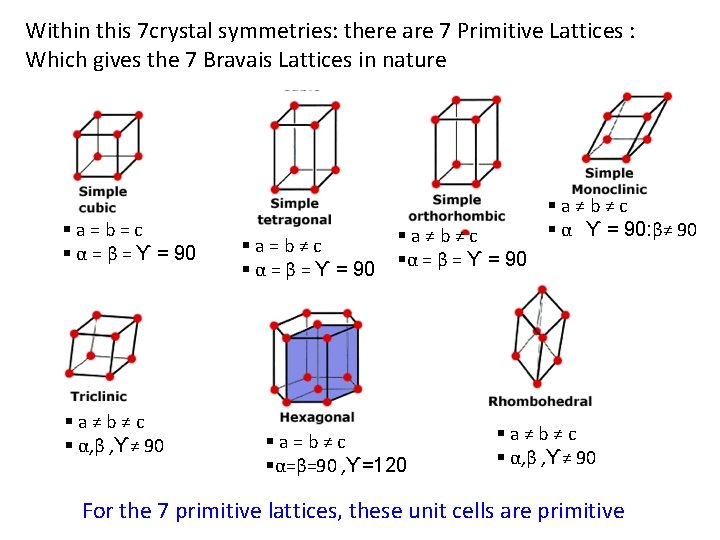
Within this 7 crystal symmetries: there are 7 Primitive Lattices : Which gives the 7 Bravais Lattices in nature §a=b=c § α = β = ϒ = 90 §a≠b≠c § α, β , ϒ≠ 90 §a=b≠c § α = β = ϒ = 90 §a≠b≠c §α = β = ϒ = 90 §a=b≠c §α=β=90 , ϒ=120 §a≠b≠c § α ϒ = 90: β≠ 90 §a≠b≠c § α, β , ϒ≠ 90 For the 7 primitive lattices, these unit cells are primitive
14 Bravais Lattices
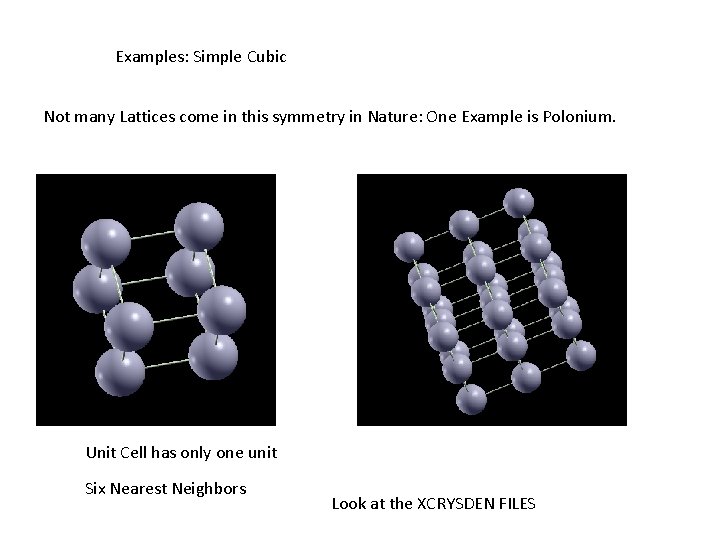
Examples: Simple Cubic Not many Lattices come in this symmetry in Nature: One Example is Polonium. Unit Cell has only one unit Six Nearest Neighbors Look at the XCRYSDEN FILES
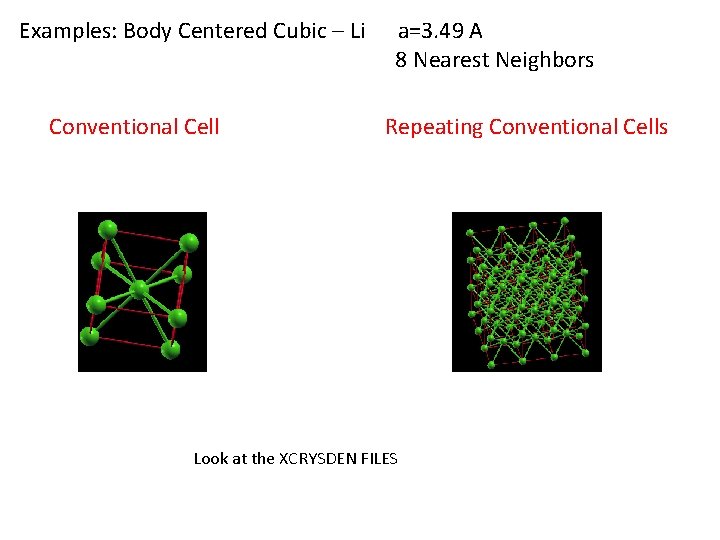
Examples: Body Centered Cubic – Li Conventional Cell a=3. 49 A 8 Nearest Neighbors Repeating Conventional Cells Look at the XCRYSDEN FILES
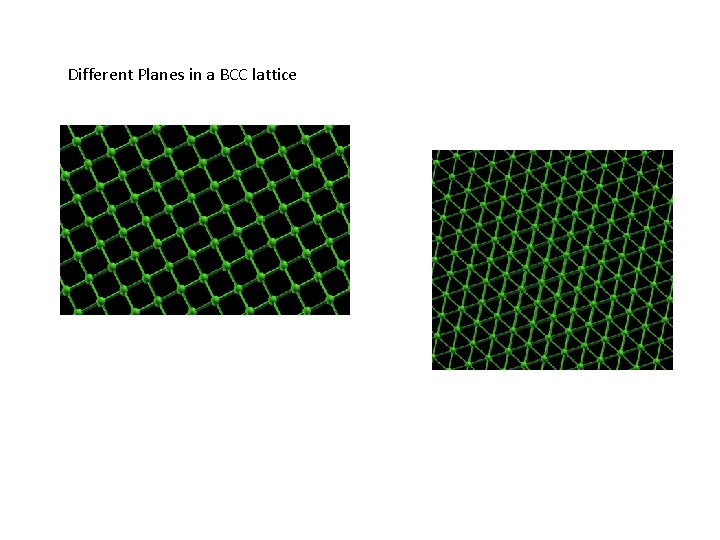
Different Planes in a BCC lattice
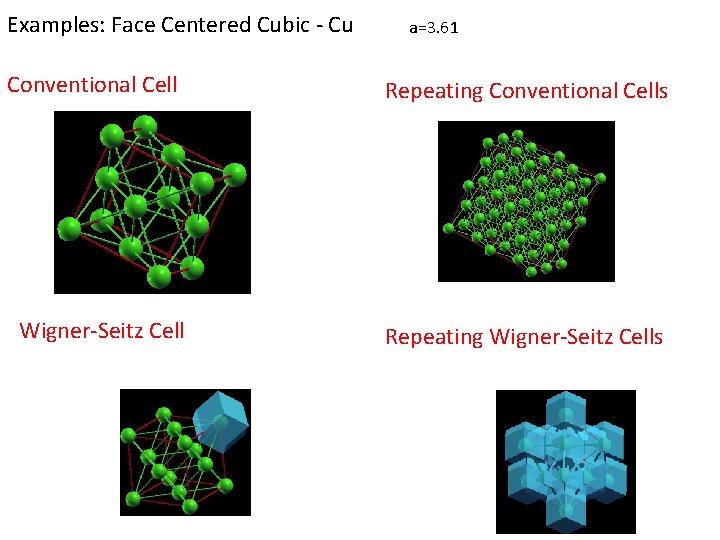
Examples: Face Centered Cubic - Cu a=3. 61 Conventional Cell Repeating Conventional Cells Wigner-Seitz Cell Repeating Wigner-Seitz Cells
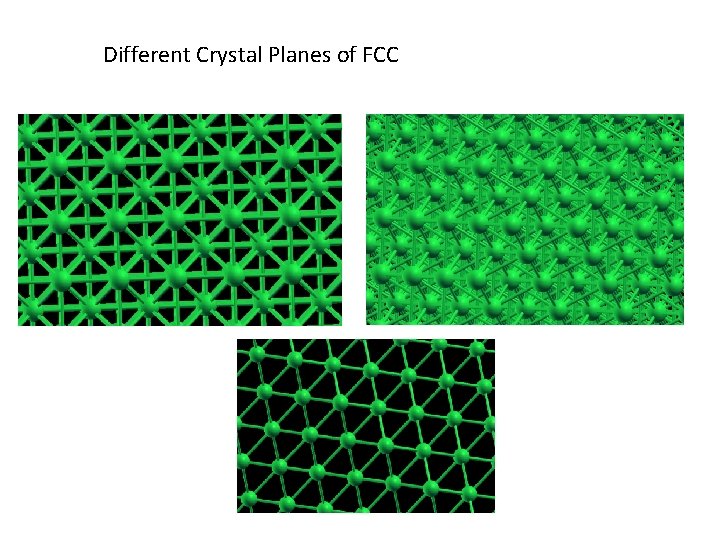
Different Crystal Planes of FCC
Lattice with Basis
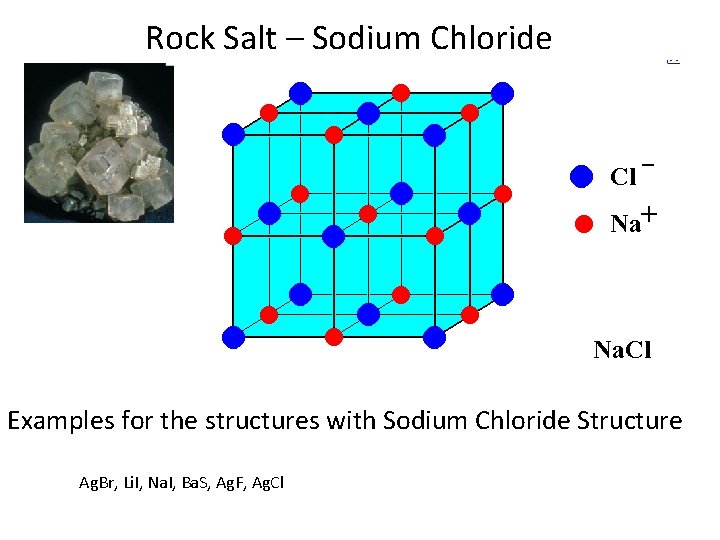
Rock Salt – Sodium Chloride Examples for the structures with Sodium Chloride Structure Ag. Br, Li. I, Na. I, Ba. S, Ag. F, Ag. Cl
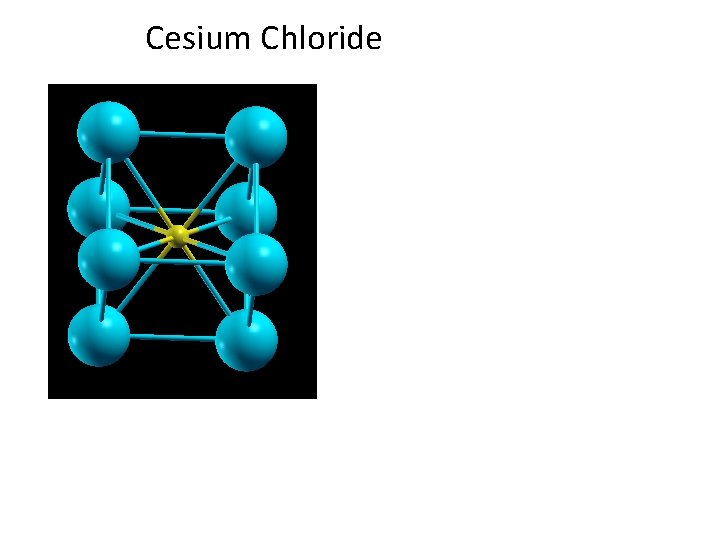
Cesium Chloride
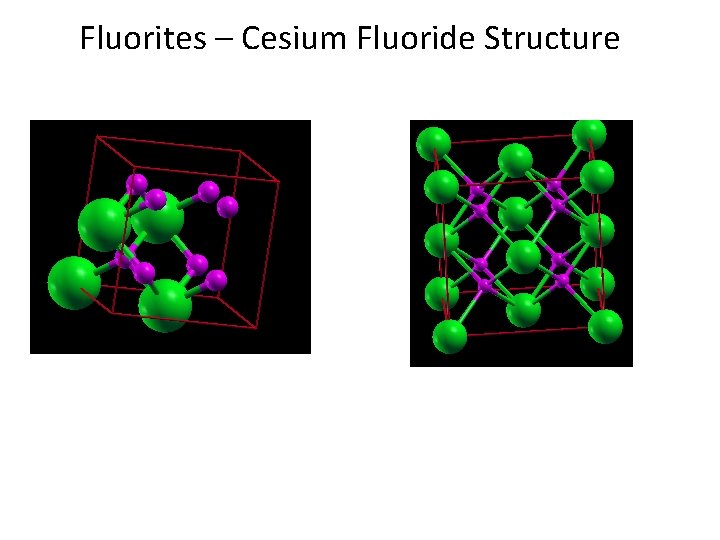
Fluorites – Cesium Fluoride Structure
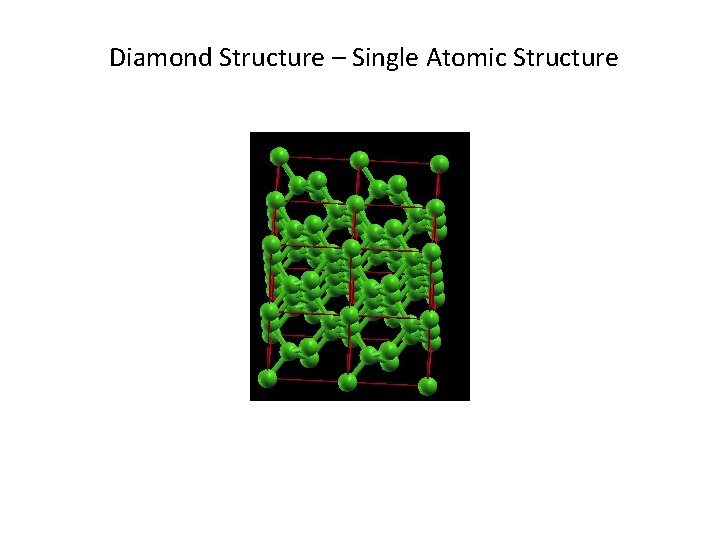
Diamond Structure – Single Atomic Structure