
Reframing Organizations 4 th ed Chapter 6 People
- Slides: 10
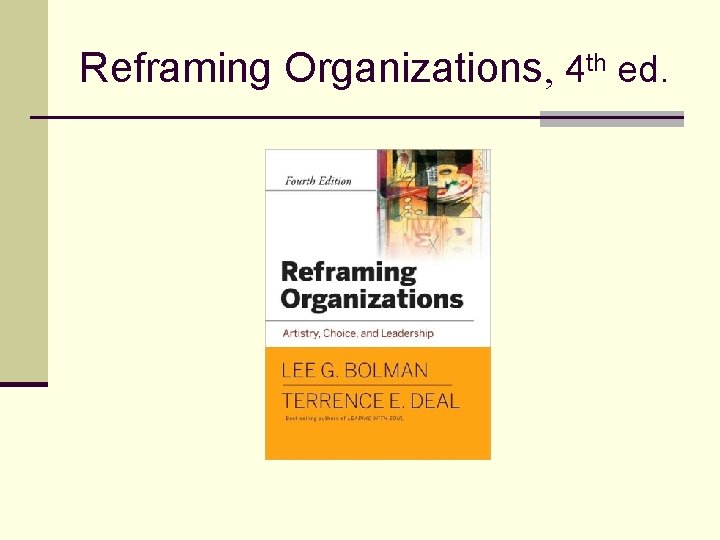
Reframing Organizations, 4 th ed.
Chapter 6 People and Organizations
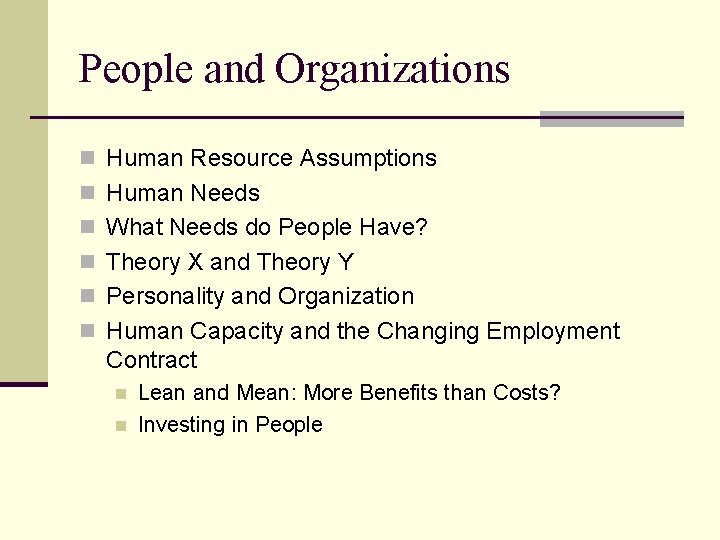
People and Organizations n Human Resource Assumptions n Human Needs n What Needs do People Have? n Theory X and Theory Y n Personality and Organization n Human Capacity and the Changing Employment Contract n n Lean and Mean: More Benefits than Costs? Investing in People
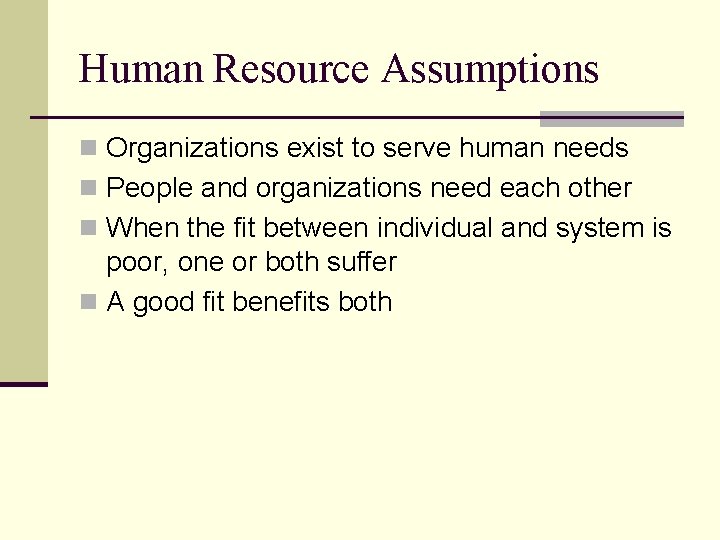
Human Resource Assumptions n Organizations exist to serve human needs n People and organizations need each other n When the fit between individual and system is poor, one or both suffer n A good fit benefits both
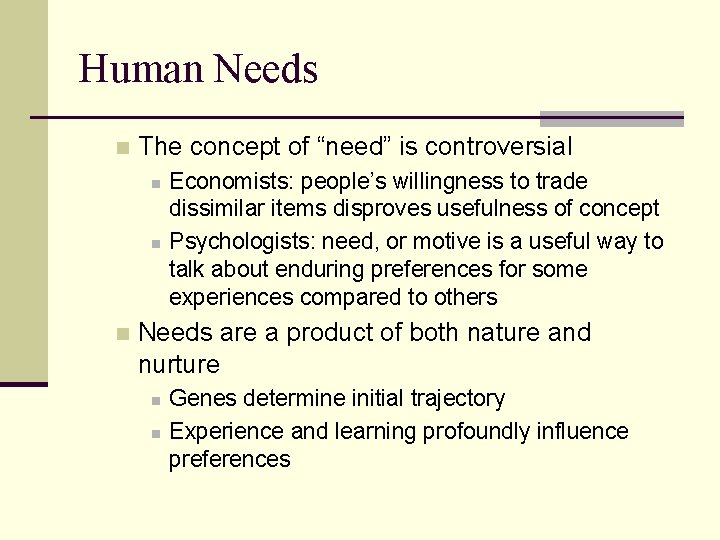
Human Needs n The concept of “need” is controversial n n n Economists: people’s willingness to trade dissimilar items disproves usefulness of concept Psychologists: need, or motive is a useful way to talk about enduring preferences for some experiences compared to others Needs are a product of both nature and nurture n n Genes determine initial trajectory Experience and learning profoundly influence preferences
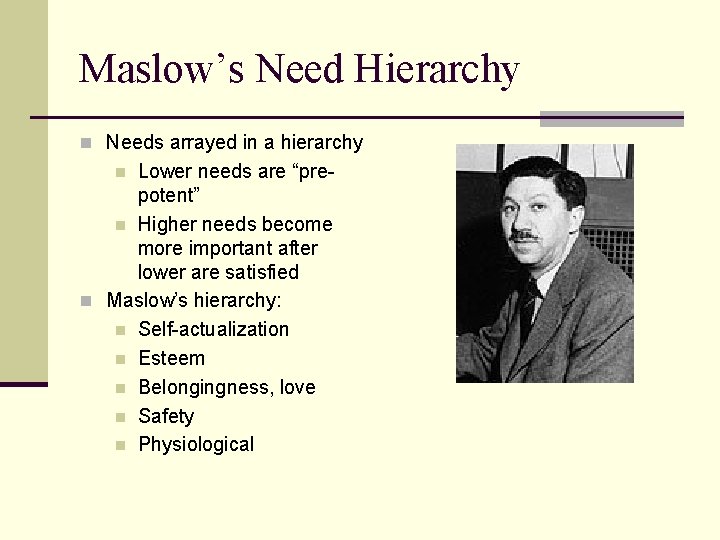
Maslow’s Need Hierarchy n Needs arrayed in a hierarchy Lower needs are “prepotent” n Higher needs become more important after lower are satisfied n Maslow’s hierarchy: n Self-actualization n Esteem n Belongingness, love n Safety n Physiological n
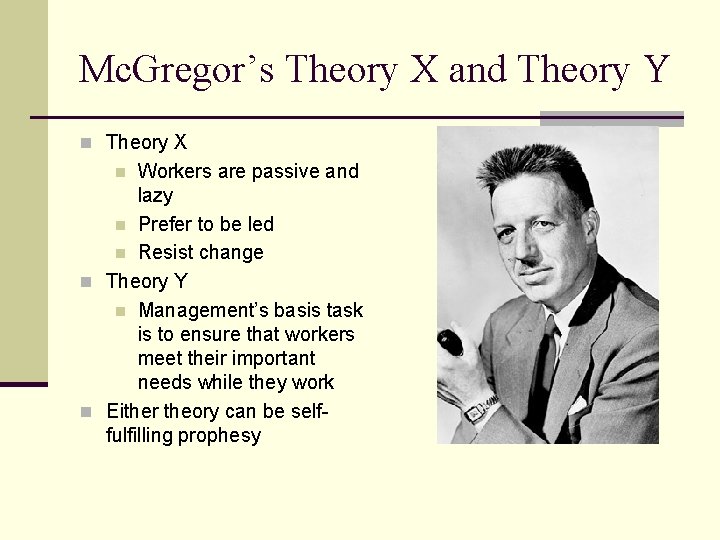
Mc. Gregor’s Theory X and Theory Y n Theory X Workers are passive and lazy n Prefer to be led n Resist change n Theory Y n Management’s basis task is to ensure that workers meet their important needs while they work n Either theory can be selffulfilling prophesy n
Argyris: Personality and Organization n Traditional management principles produce conflict between people and organizations n n Task specialization produces narrow, boring jobs that require few skills Directive leadership makes workers dependent and treats them like children n Workers adapt to frustration: n Withdraw – absenteeism or quitting n Become passive, apathetic n Resist top-down control through deception, featherbedding, or sabotage n Climb the hierarchy n Form groups (such as labor unions) n Train children to believe work is unrewarding
Human Capacity and the Changing Employment Contract n Handy – Shamrock form n Core group of managers n Basic workforce – part-time or on shifts to increase organization’s flexibility n Contractual fringe – temps, independent contractors n Lean and mean (win by cutting costs): downsize, outsource, hire temps and contractors n Invest in people (win with talent): build competent, well-trained work force n Shift from production economy to information economy produces skill gaps
Conclusion n Organizations need people and people need organizations, but the trick is to align their needs n Dilemma: lean and mean vs. invest in people