
Refractive Correction for Age Related Vision Problems Dr

Refractive Correction for Age Related Vision Problems Dr. Julian Tagal FRCOphthalmologist, Sarawak General Hospital Visiting Ophthalmologist and LASIK Surgeon, Borneo Medical Centre
Financial Disclosure • NONE
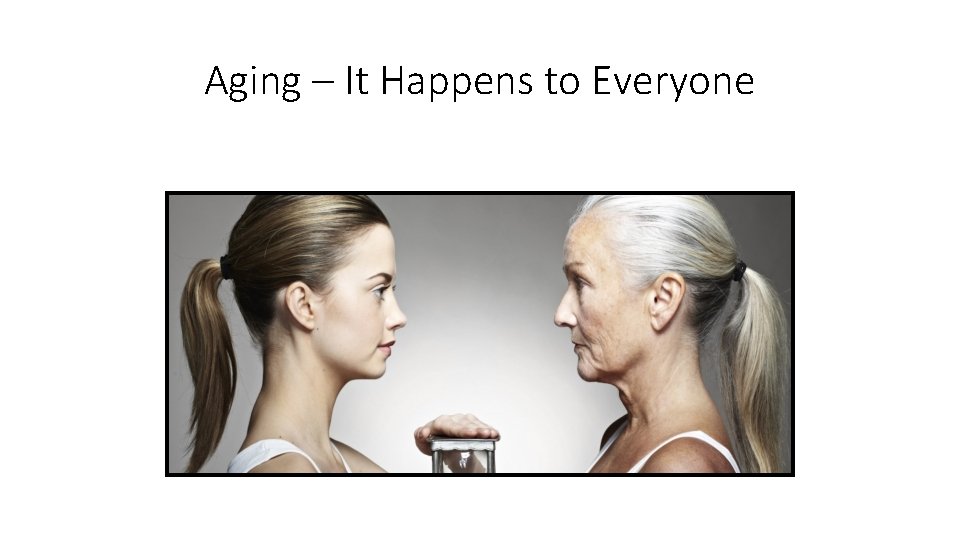
Aging – It Happens to Everyone
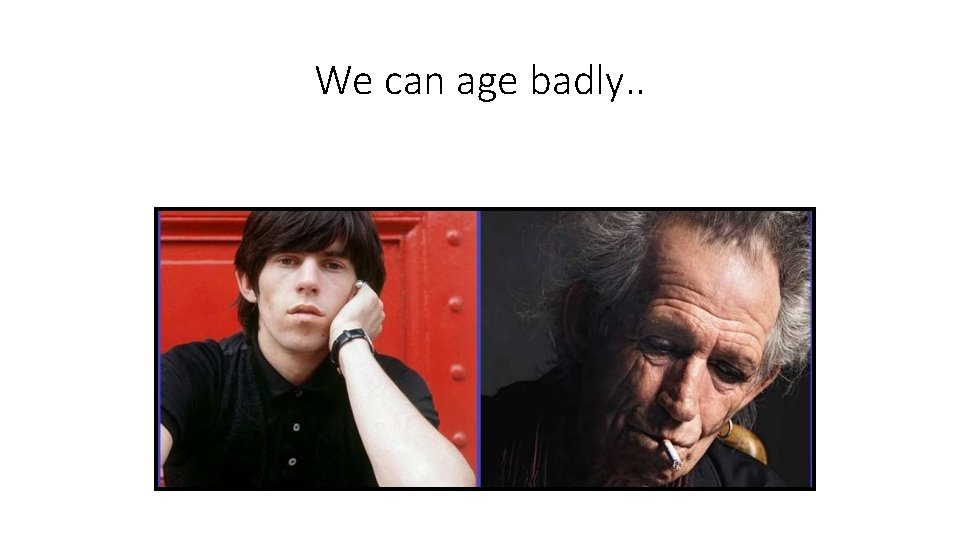
We can age badly. .
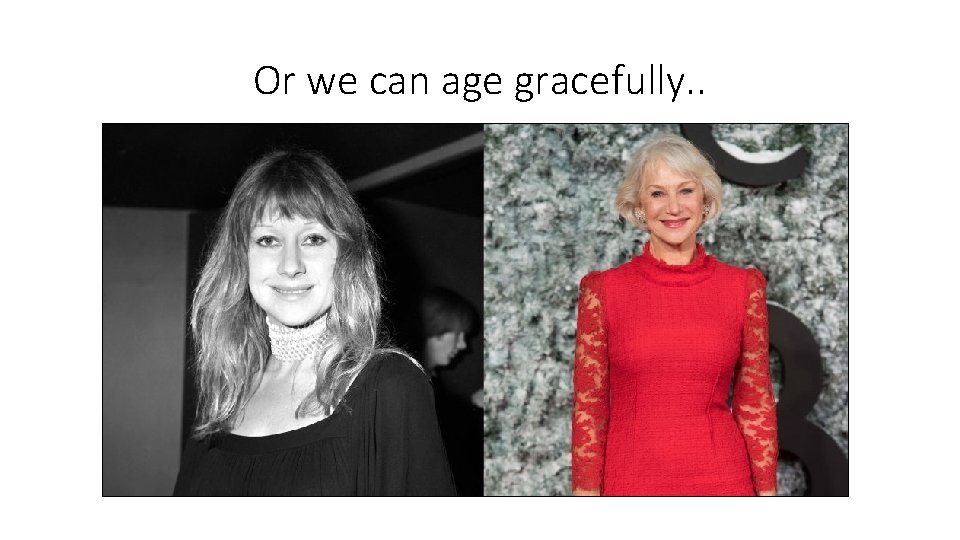
Or we can age gracefully. .
• The choice is often up to us. .
We are unable to disrupt aging…
• But what we can do, is learn how to age well…
• And that means, understanding your body. .
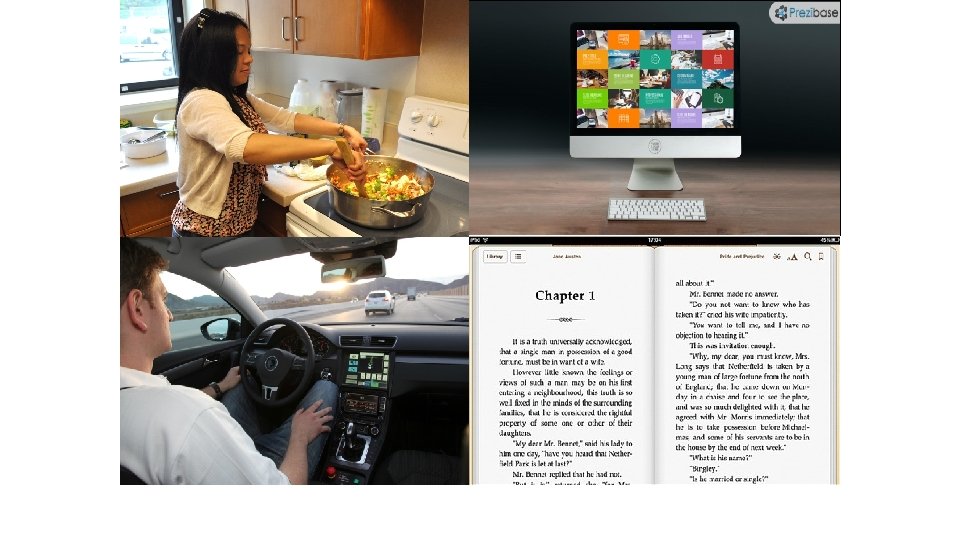
• It’s very important to take care of your eyesight as you age. .
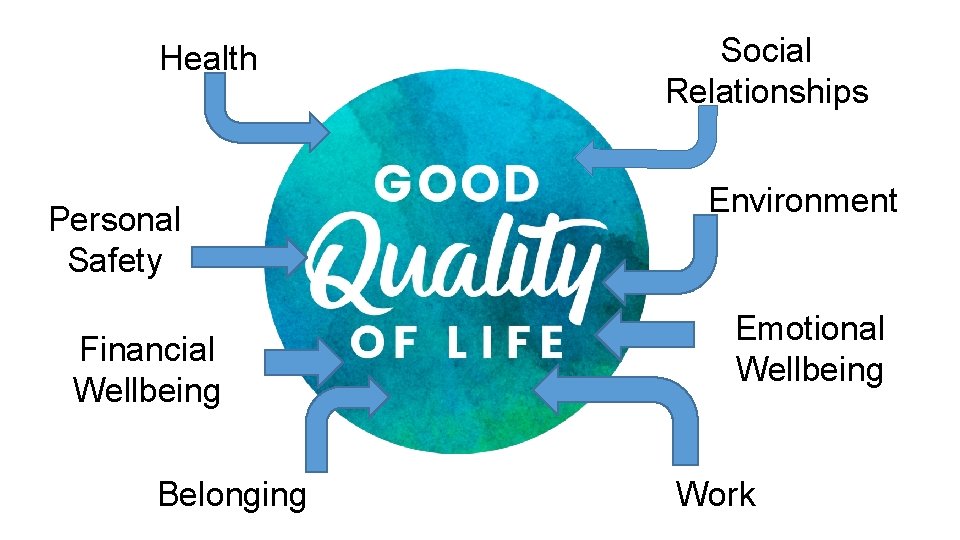
Health Personal Safety Financial Wellbeing Belonging Social Relationships Environment Emotional Wellbeing Work
• So what does refraction have to do with our quality of life? • Refraction is the process by which the eye focuses light to form clear images
Contents • 1. What is Refraction? • 2. Functional Ocular Anatomy and how does it relate to refraction • 3. Refractive Disorders • 4. Non Surgical Options for Refractive Correction • 5. Surgical Options for Refractive Correction
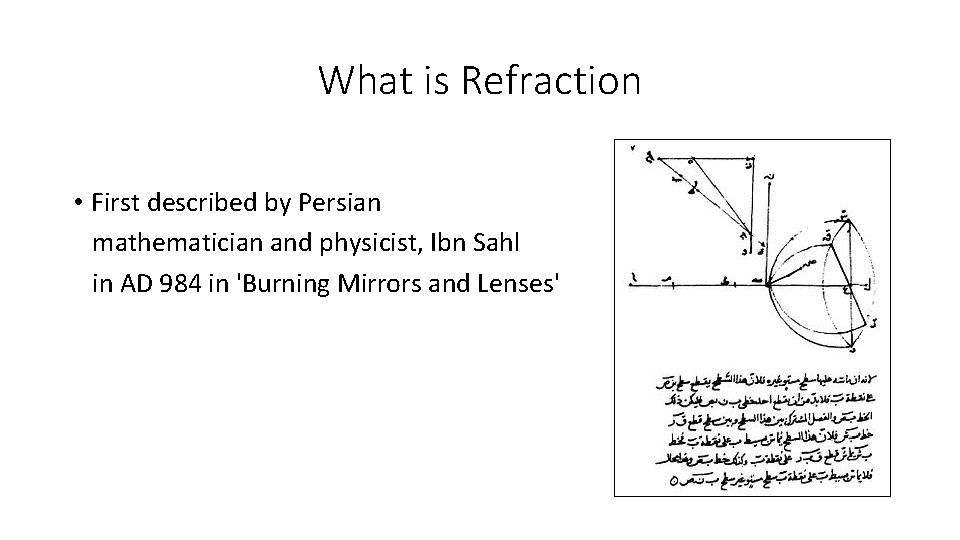
What is Refraction • First described by Persian mathematician and physicist, Ibn Sahl in AD 984 in 'Burning Mirrors and Lenses'
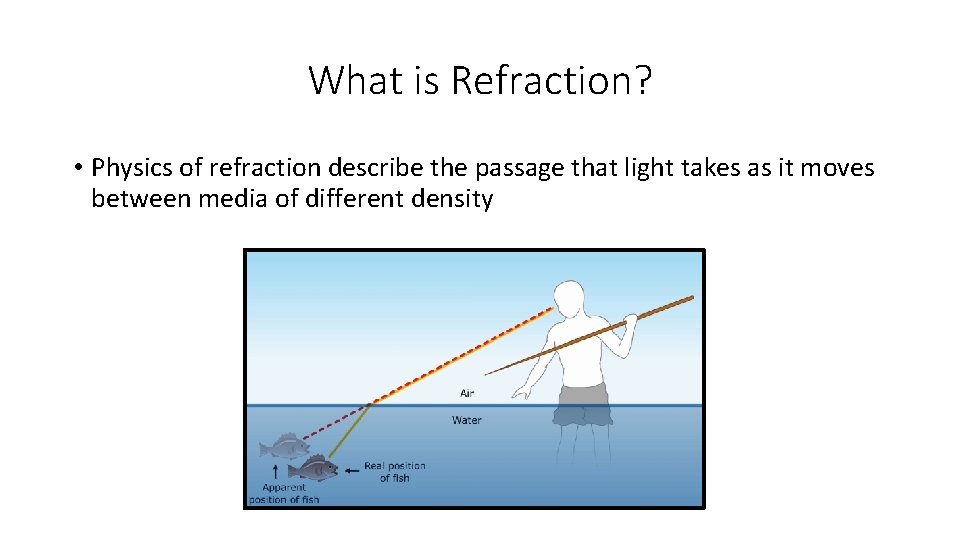
What is Refraction? • Physics of refraction describe the passage that light takes as it moves between media of different density
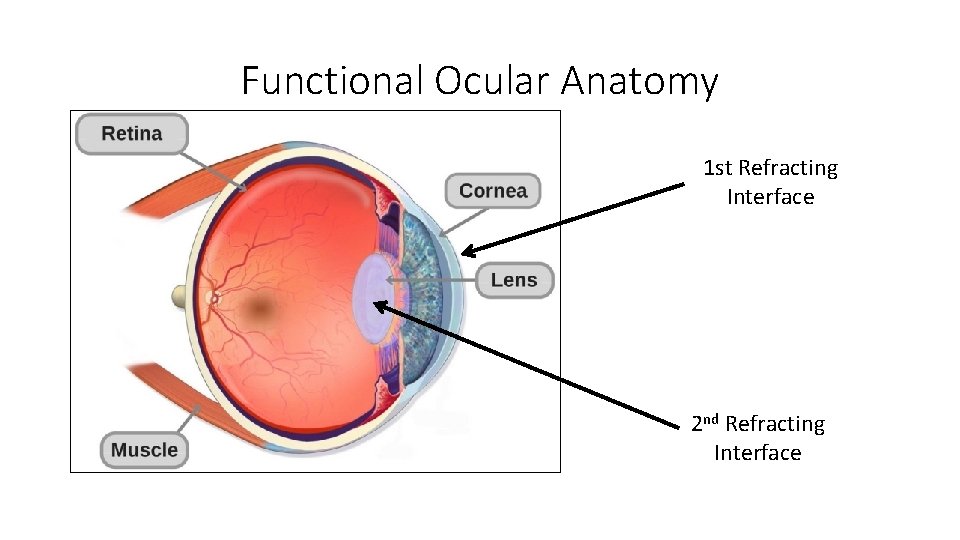
Functional Ocular Anatomy • f 1 st Refracting Interface 2 nd Refracting Interface
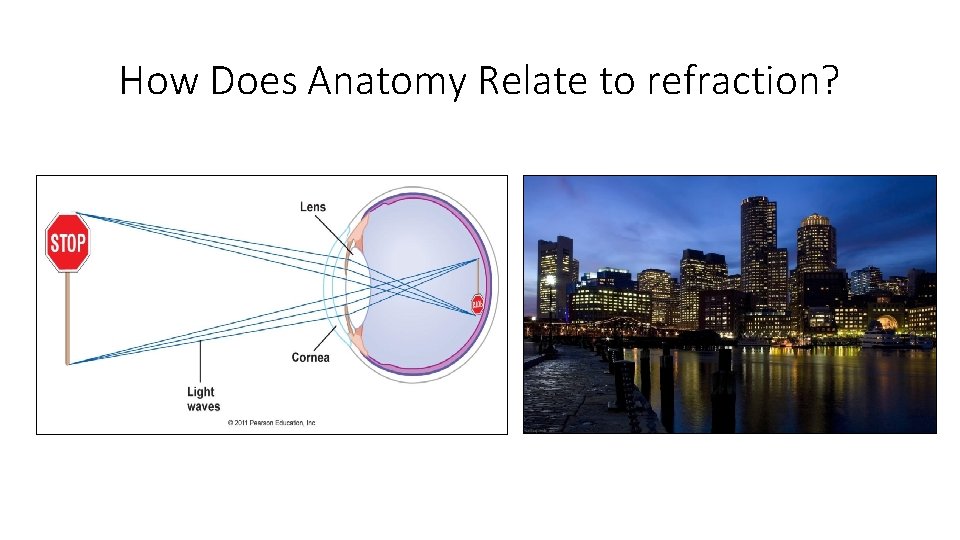
How Does Anatomy Relate to refraction?
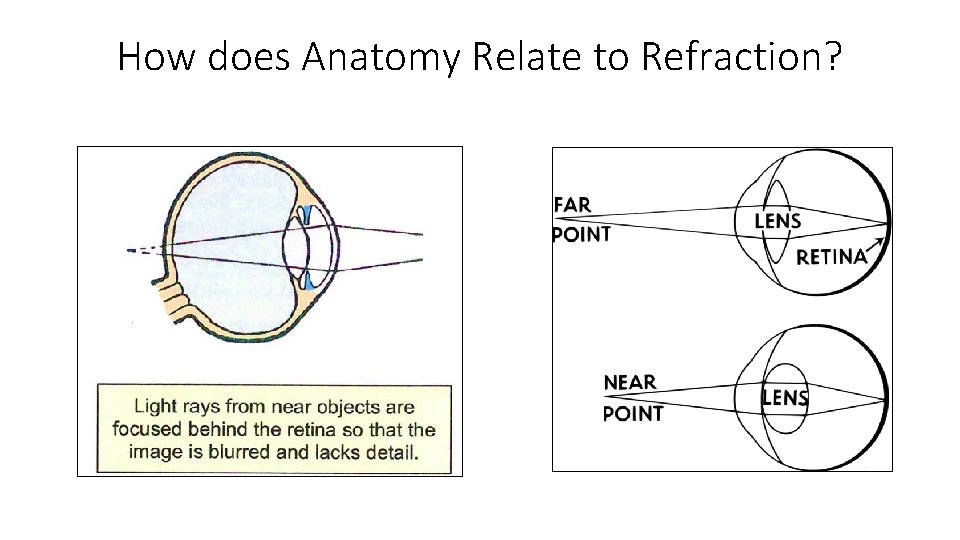
How does Anatomy Relate to Refraction?
How does Anatomy Relate to Refraction? • The CORNEA and LENS are the refracting surfaces • Help to focus light on to the RETINA to produce clear images • The process of ACCOMMODATION allows objects at near distances to remain in focus
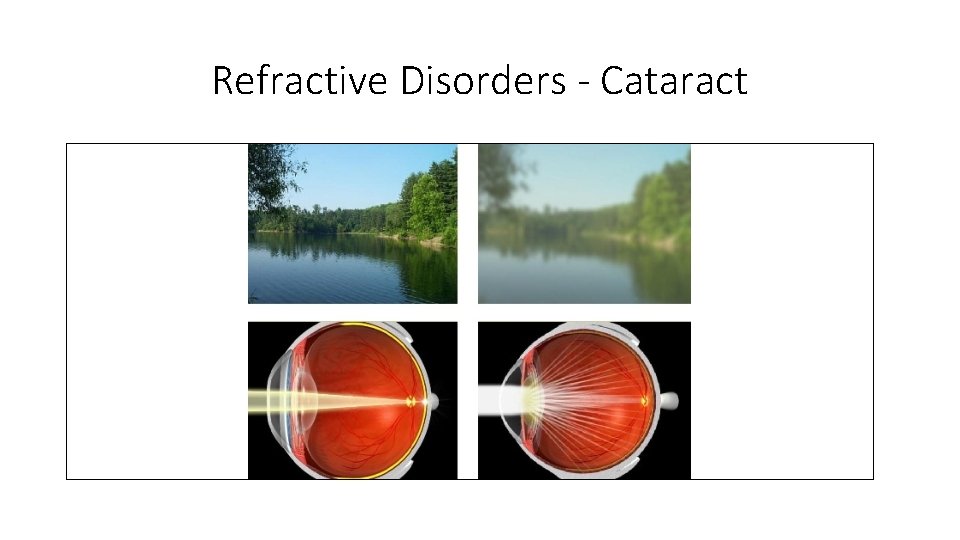
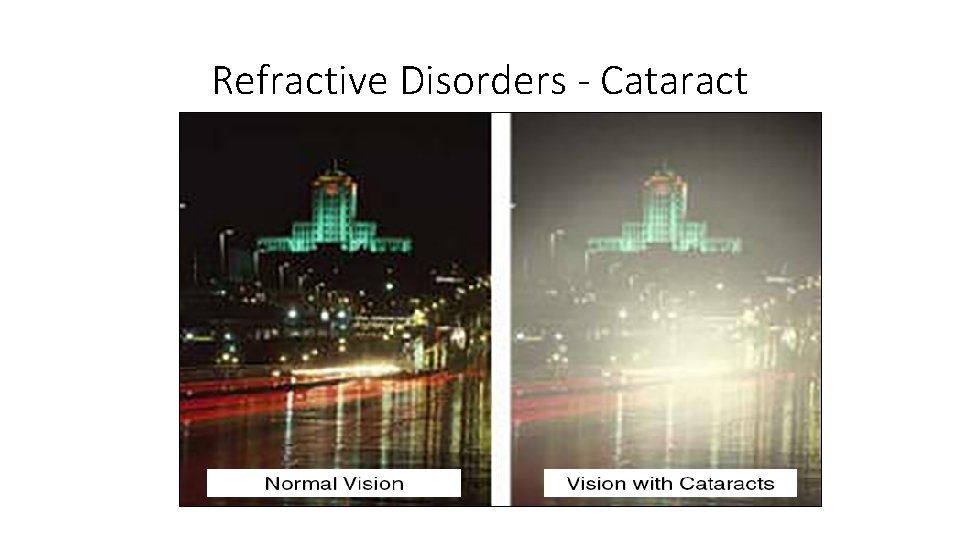
Refractive Disorders • Refractive disorders are disorders of focus • 1. Myopia (Short Sightedness) • 2. Astigmatism • 3. Presbyopia • 4. Cataracts
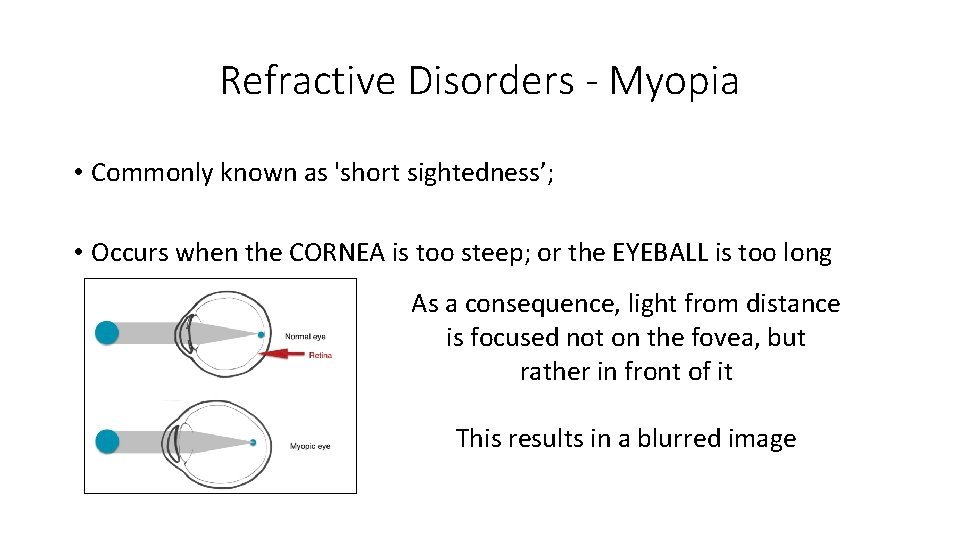
Refractive Disorders - Myopia • Commonly known as 'short sightedness’; • Occurs when the CORNEA is too steep; or the EYEBALL is too long As a consequence, light from distance is focused not on the fovea, but rather in front of it This results in a blurred image
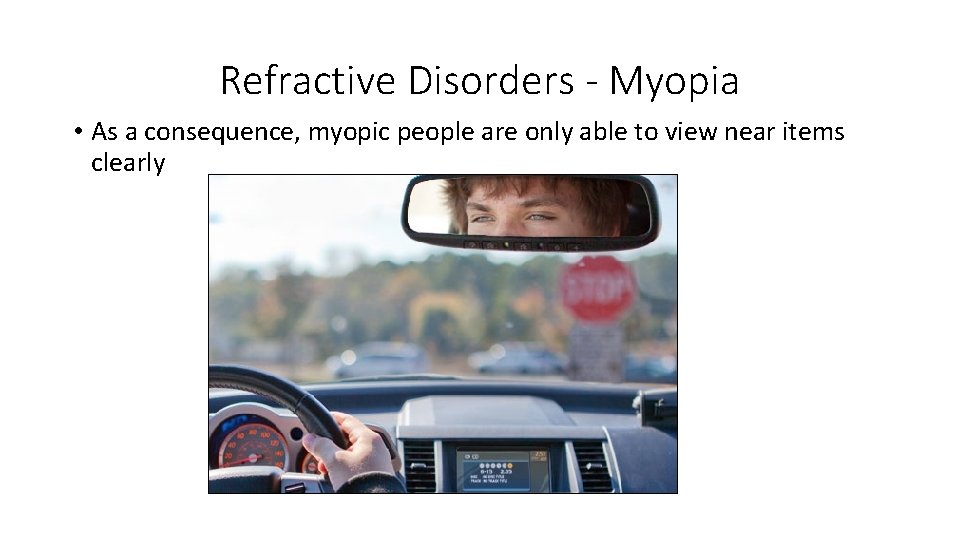
Refractive Disorders - Myopia • As a consequence, myopic people are only able to view near items clearly
Refractive Disorders – Myopia • Most Common Refractive Disorder • In the Asian context, suggested to be highest amongst urban chinese, prevalence suggested to be as high as 39% amongst 40 -79 year olds 1 • Wong TY, Foster PJ, Hee J, Ng TP, Tielsch JM, Chew SJ et al. Prevalence and risk factors for refractive errors in adult Chinese in Singapore. Invest Ophthalmol Vis Sci 2000; 41: 2486– 2494. | Pub. Med | ISI | Chem. Port |
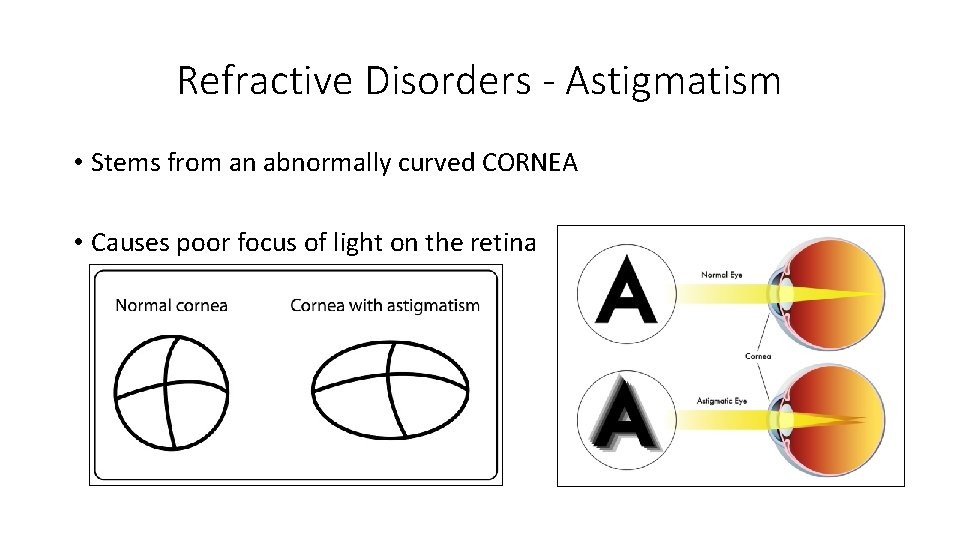
Refractive Disorders - Astigmatism • Stems from an abnormally curved CORNEA • Causes poor focus of light on the retina
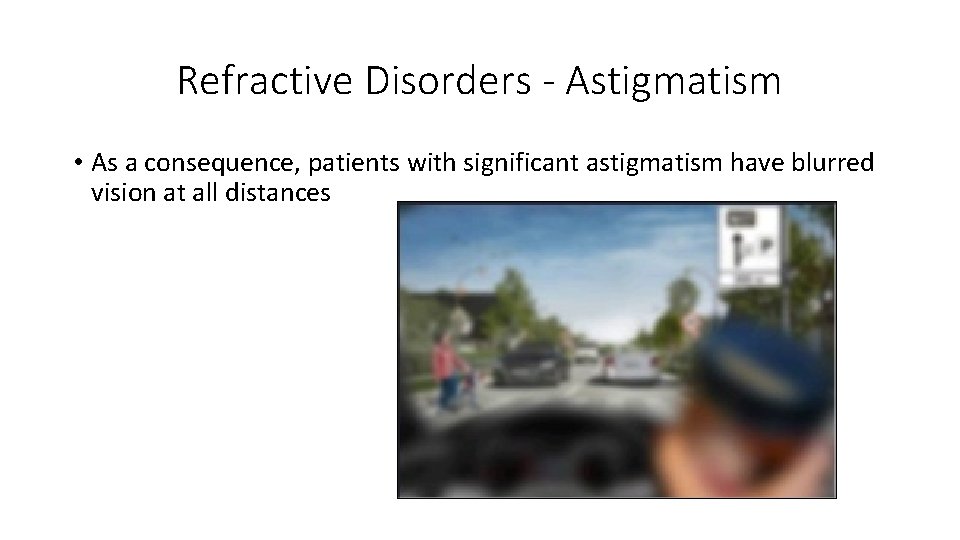
Refractive Disorders - Astigmatism • As a consequence, patients with significant astigmatism have blurred vision at all distances
Refractive Disorders - Presbyopia • Also known as 'age related diffficulty in reading' • Caused by failure of the natural lens to accommodate • May result in eyestrain, and discomfort during near tasks • Occurs later in myopic people
Refractive Disorders - Cataract
Refractive Disorders - Cataract
Refractive Disorders • Different Refractive Disorders Can Exist in the same eye • Methods of correction should ideally aim to correct everything simultaneously
Non Surgical Correction • 1. Leaving it alone • 2. Spectacles • 3. Contact Lenses
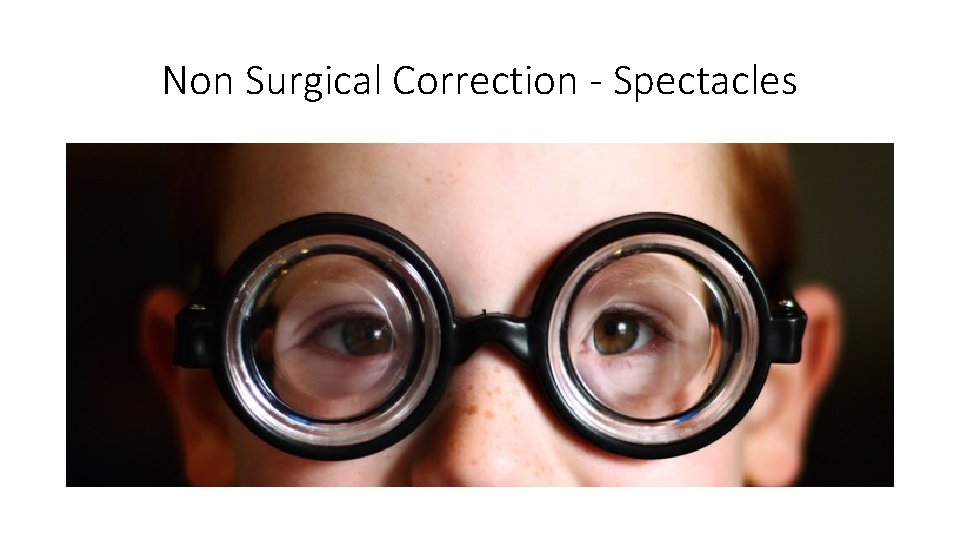
Non Surgical Correction - Spectacles • Available widely and affordable/little maintenance compared to contact lenses • Available in monofocal options (Distance/Near or even Task specific) • Available in multifocal/varifocal options correcting everything • Unable to correct errors due to cataracts • May be unnecessarily heavy; hinders sports and outdoor activities
Non Surgical Correction - Spectacles
Non Surgical Correction – Contact Lenses • Available in Monofocal or Multifocal options • Allows correction of myopia/hyperopia/astigmatism and presbyopia simultaneously • Requires care and motivation in order to use safely • More expensive and requires more maintenance compared to spectacles • Unable to correct errors due to cataracts
Surgical Correction • 1. LASIK • 2. Intraocular Lenses
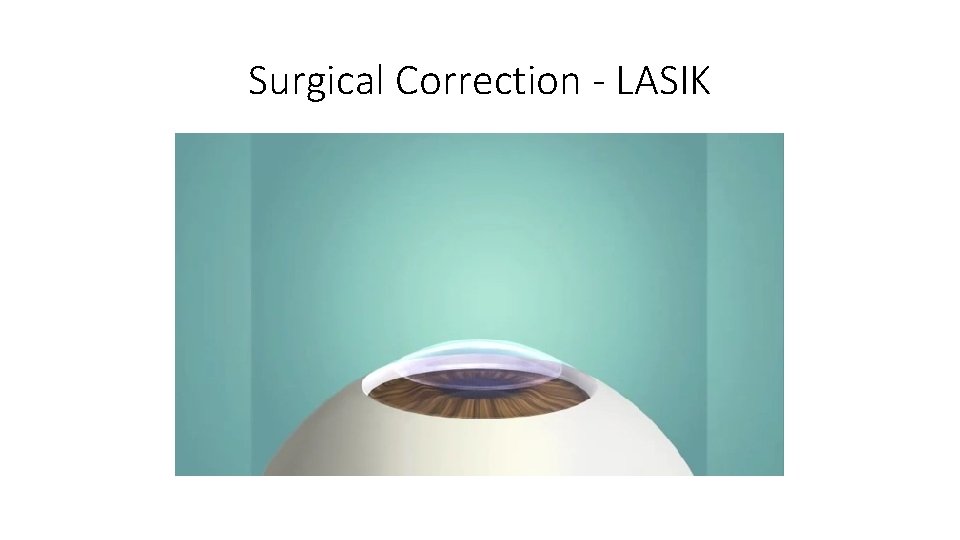
Surgical Correction - LASIK • Laser In-Situ Keratomileusis • Surgical Reshaping of the cornea to correct refractive errors • Able to correct significant Myopia/Astigmatism/Presbyopia • Unable to correct errors due to cataract • Advantages – Glasses/Contact Lens Free; extremely safe, quick procedure
Surgical Correction - LASIK • In myopia, the curve of the cornea is often too STEEP or the eyeball is too LONG • In astigmatism, the curve of the cornea is UNEVEN • LASIK is able to correct these errors simultaneously
Surgical Correction - LASIK
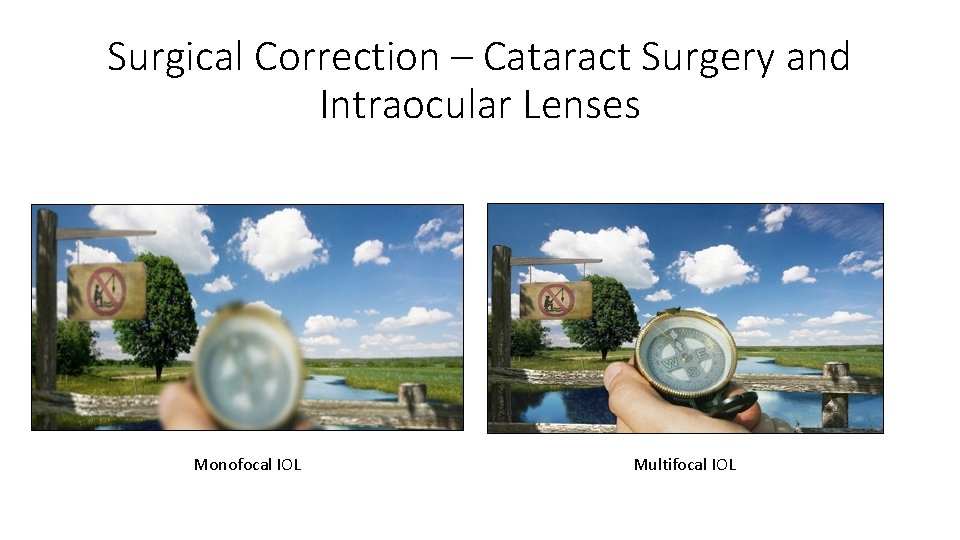
Surgical Correction – Intraocular Lenses • Preferred choice to LASIK when a person has cataract (in addition to other refractive errors) • Monofocal or Multifocal lenses • Monofocal lenses usually correct for distance vision, requiring reading glasses for near tasks • Multifocal lenses allow for clear near and intermediate vision in addition to distance vision
Surgical Correction – Cataract Surgery and Intraocular Lenses Monofocal IOL Multifocal IOL
Surgical Correction – Cataract Surgery and Intraocular Lenses
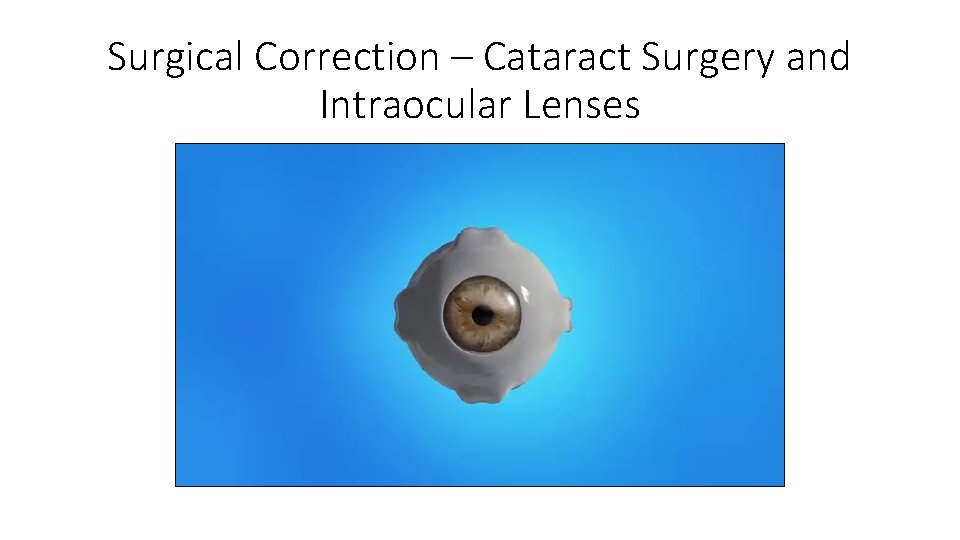
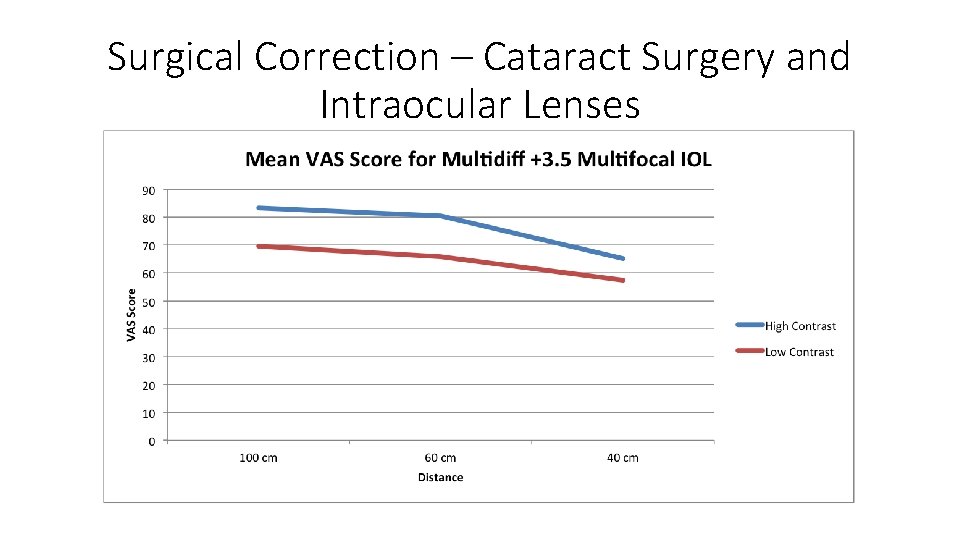
Surgical Correction – Cataract Surgery and Intraocular Lenses • Results are often excellent and well tolerated as long as care is taken to select appropriate patients • Many options in the market • Various options grant varying degrees of spectacle/CL freedom at different distances and lighting
Surgical Correction – Cataract Surgery and Intraocular Lenses
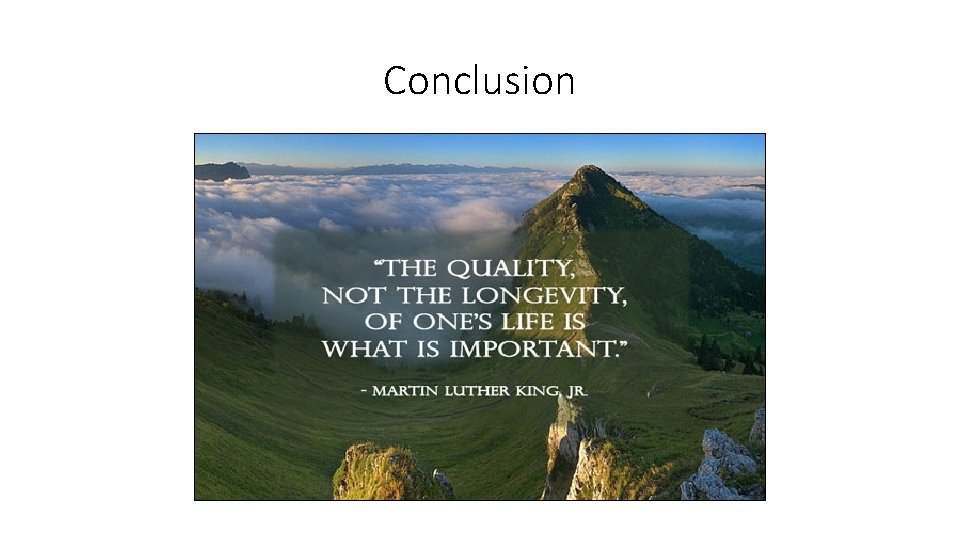
Conclusion • Refractive Disorders (with rare exceptions) are easily manageable • Surgical Options are widely available, safe and reliable • Excellent investment in advancing age, because all we want in our older years is -
Conclusion
Thank You.
- Slides: 46