
Refraction of light through a Convex Lens Lens
- Slides: 159
Refraction of light through a Convex Lens
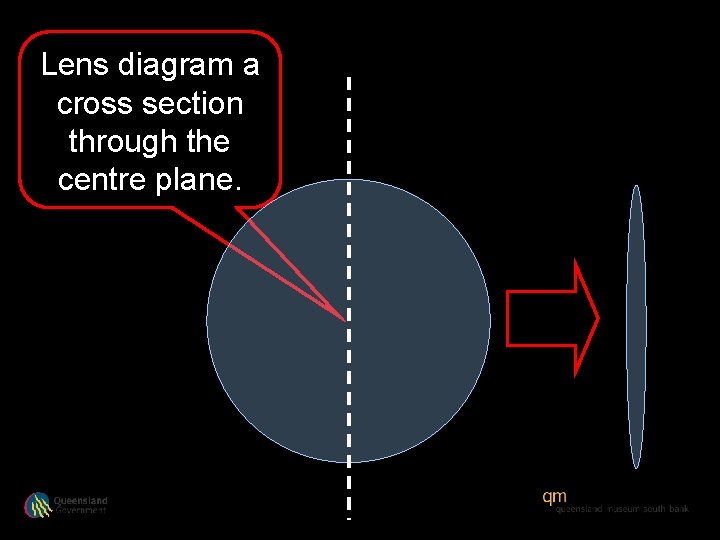
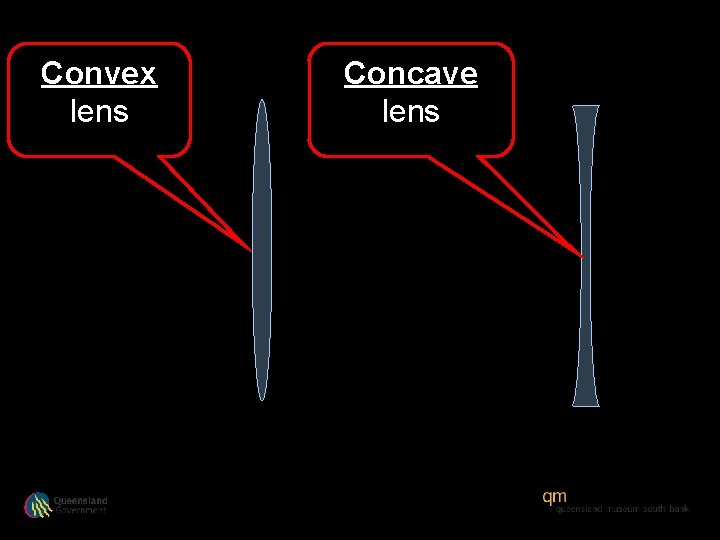
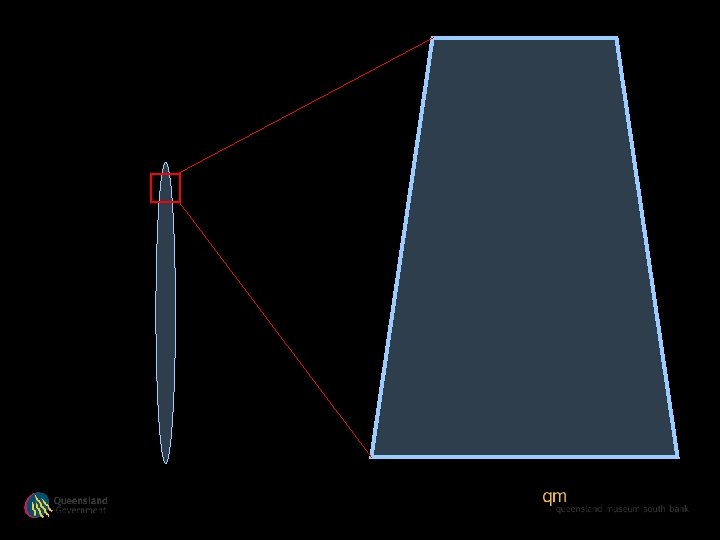
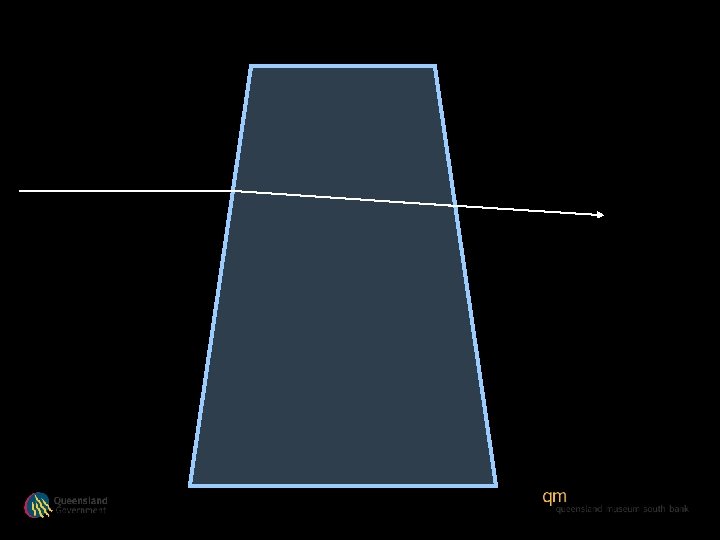
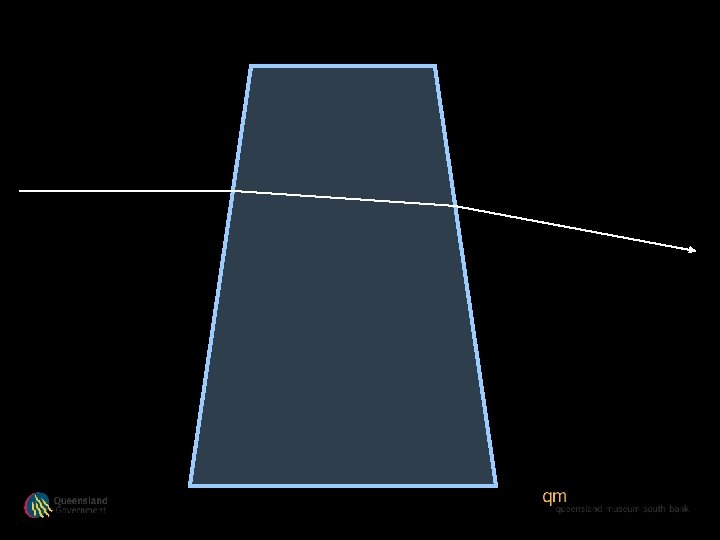
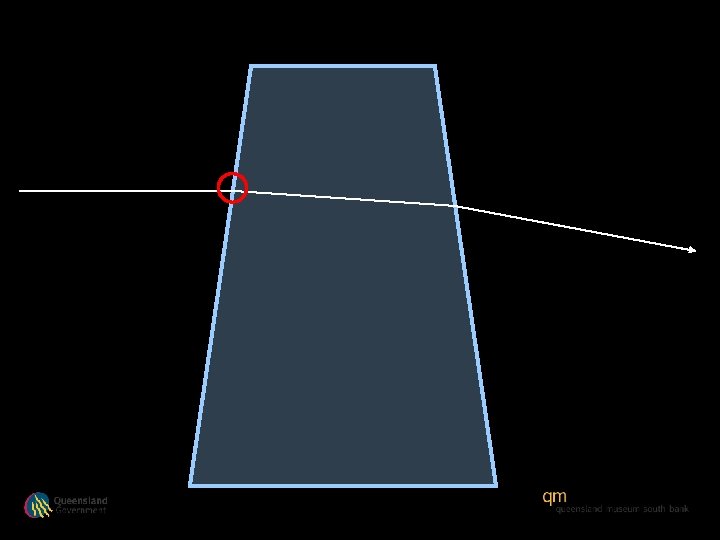
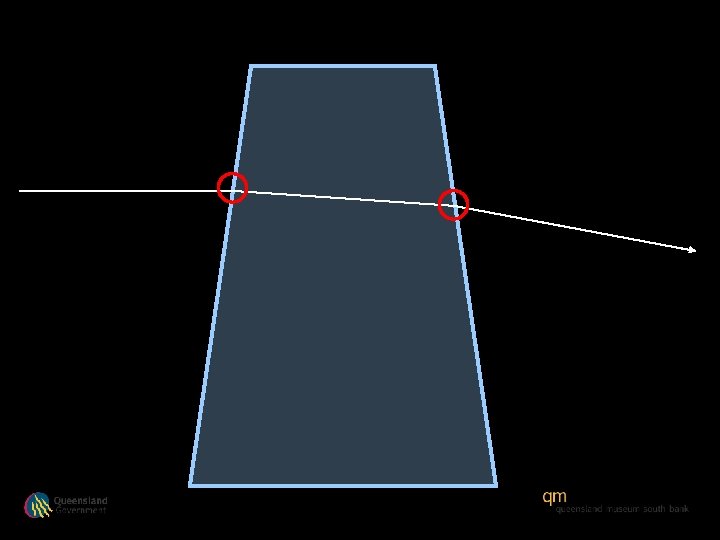
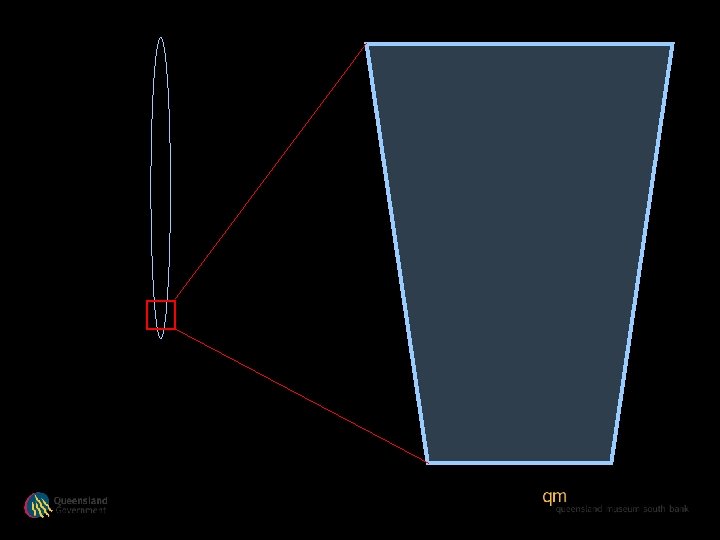
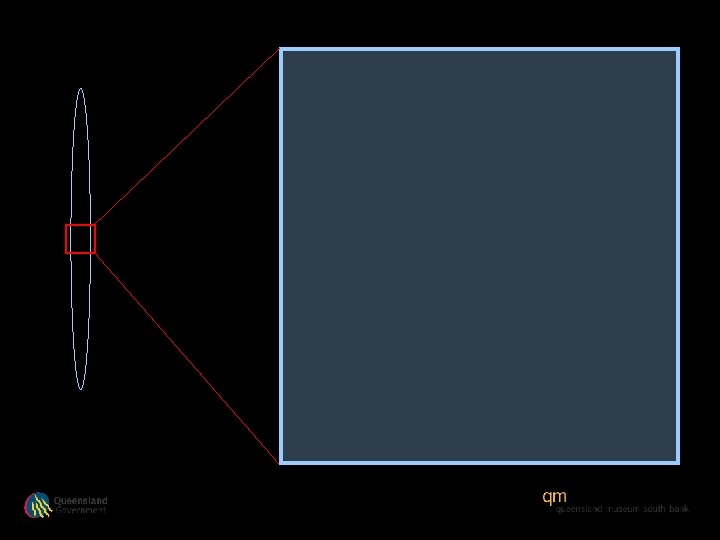
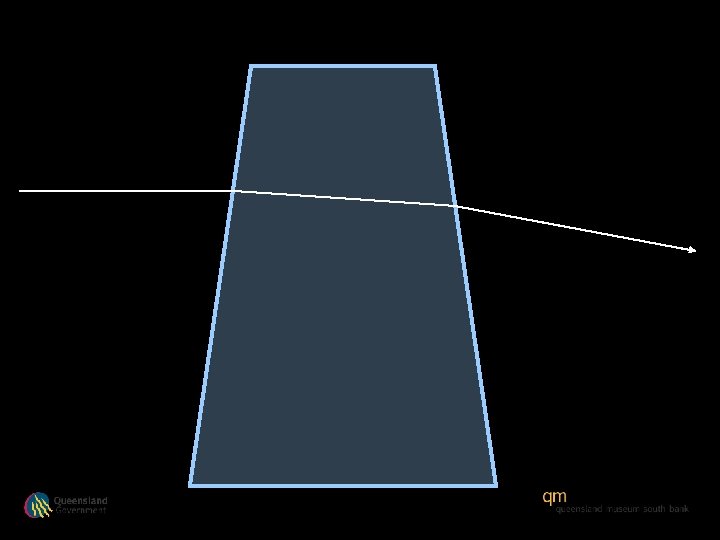
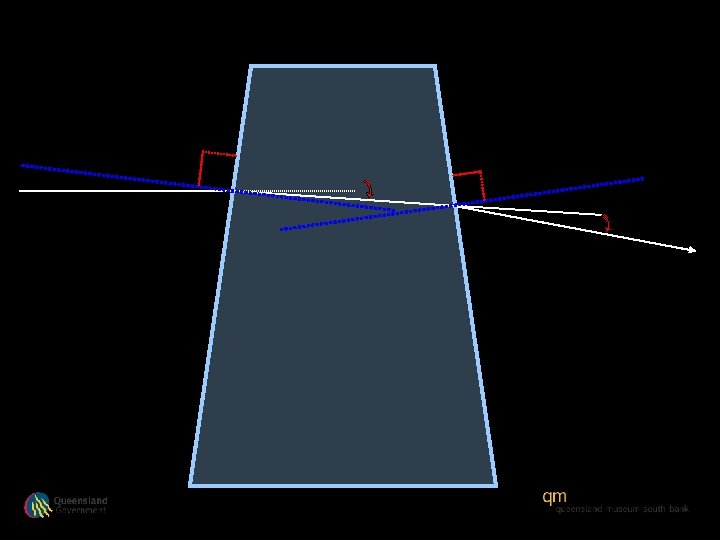
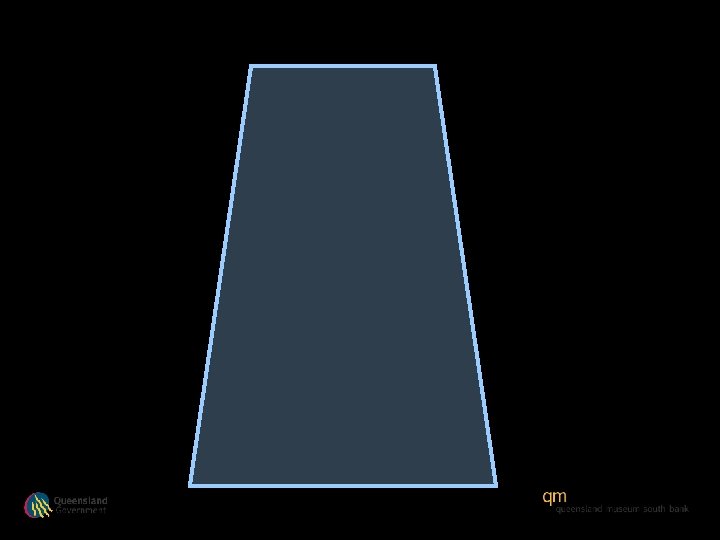
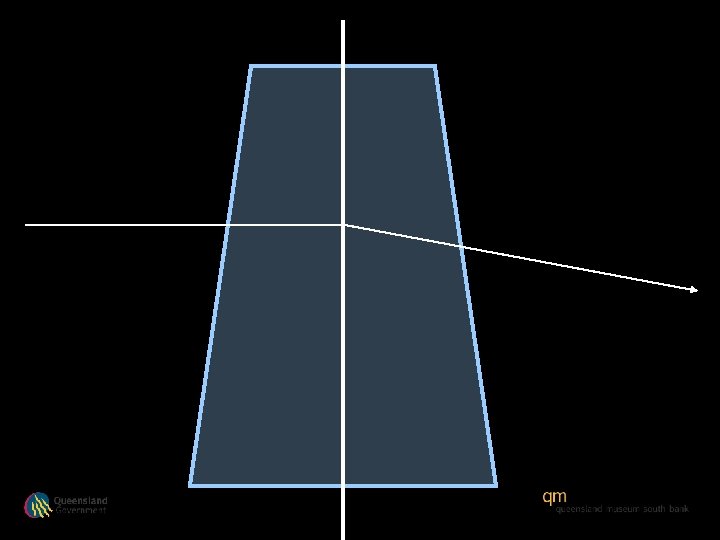
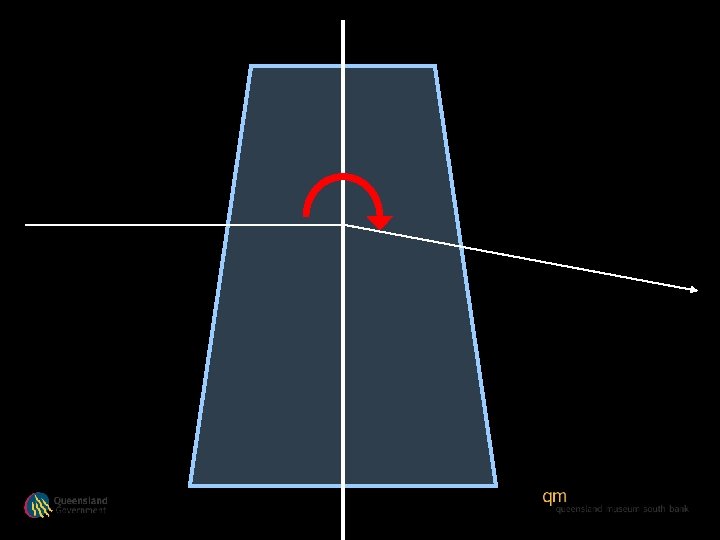
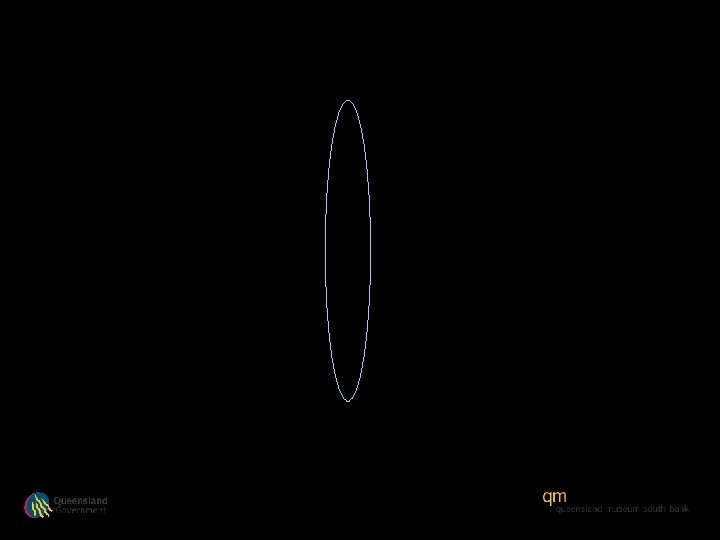
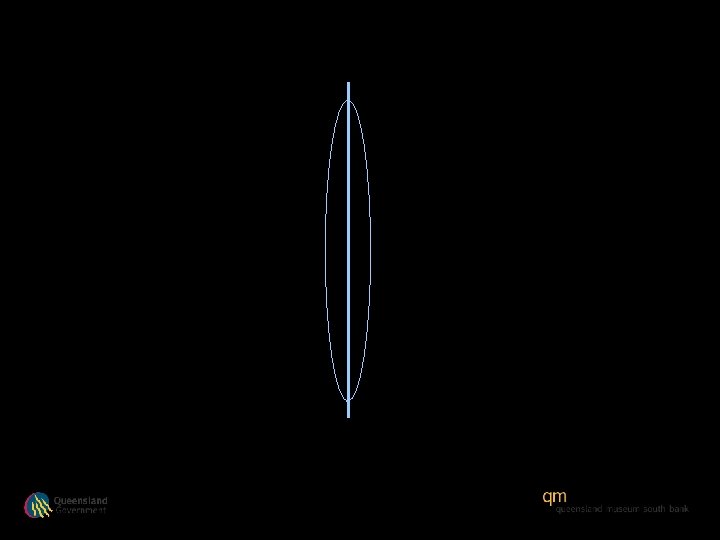
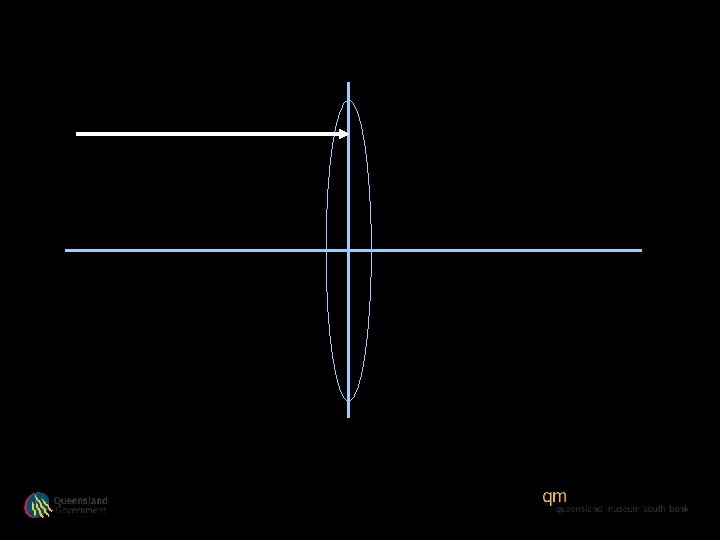
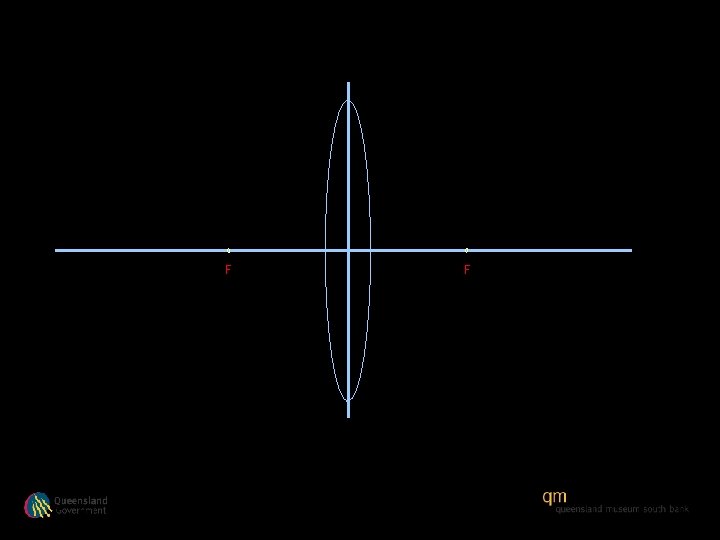
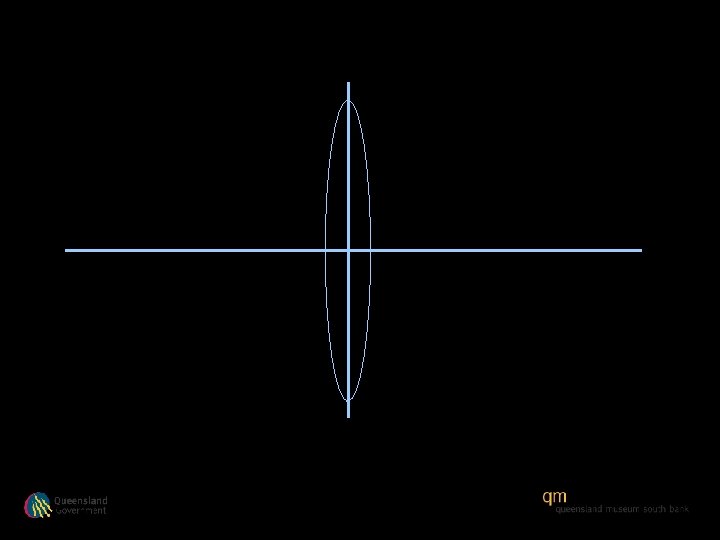
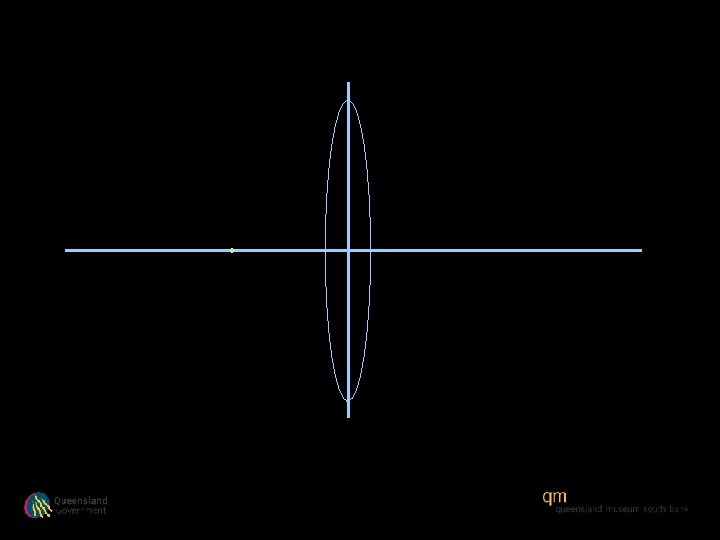
Lens diagram a cross section through the centre plane.
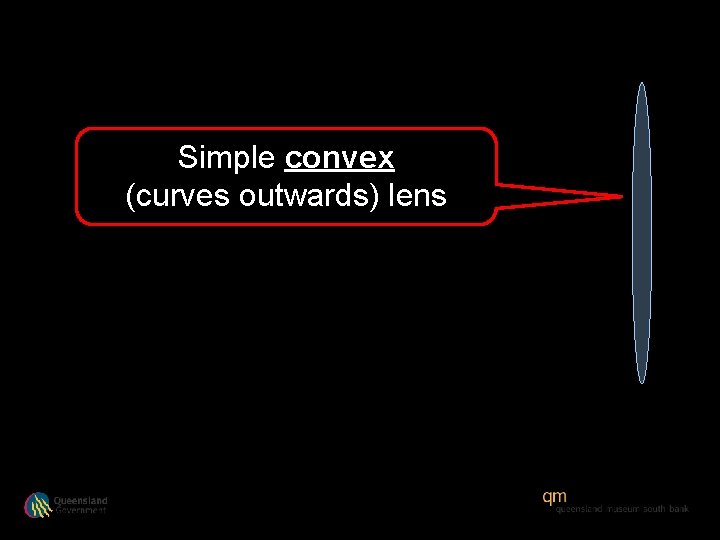
Simple convex (curves outwards) lens
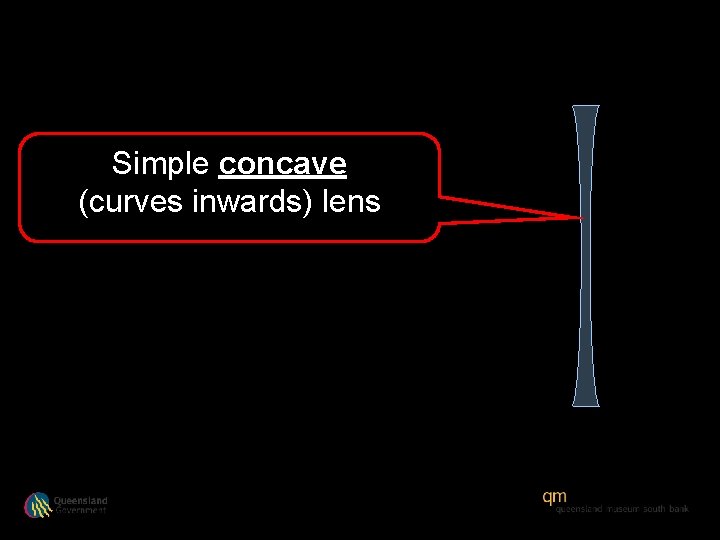
Simple concave (curves inwards) lens
Convex lens Concave lens
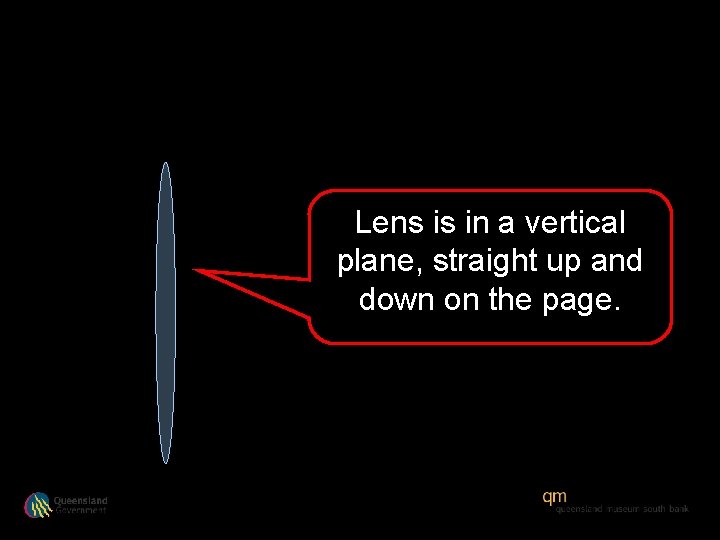
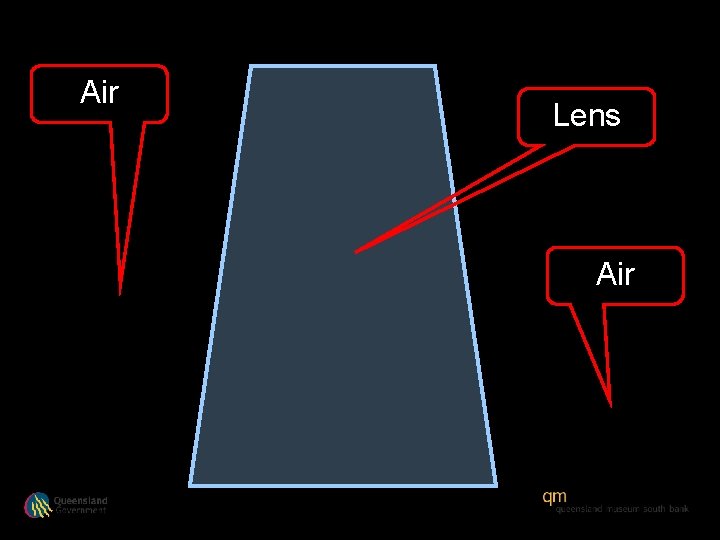
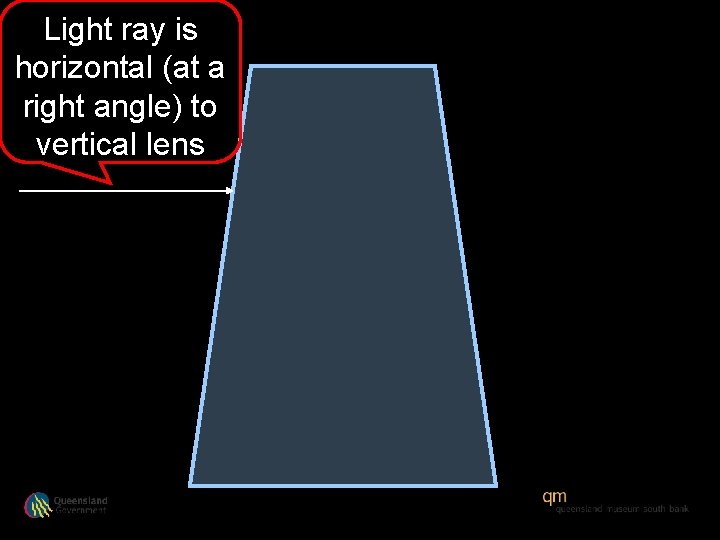
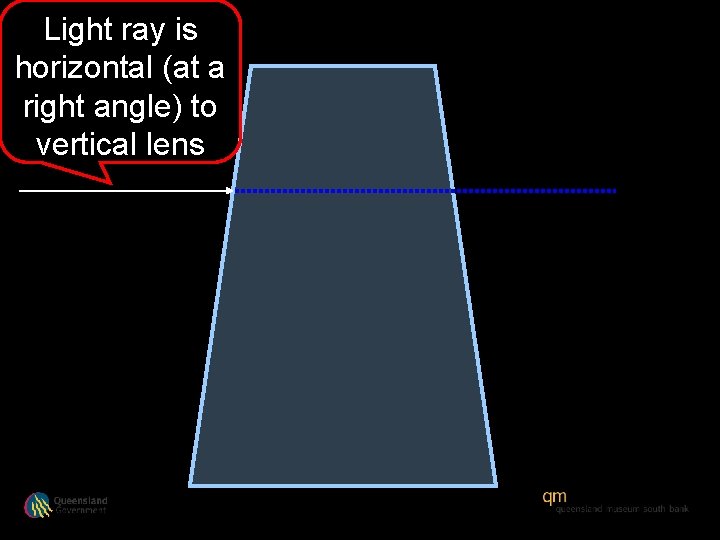
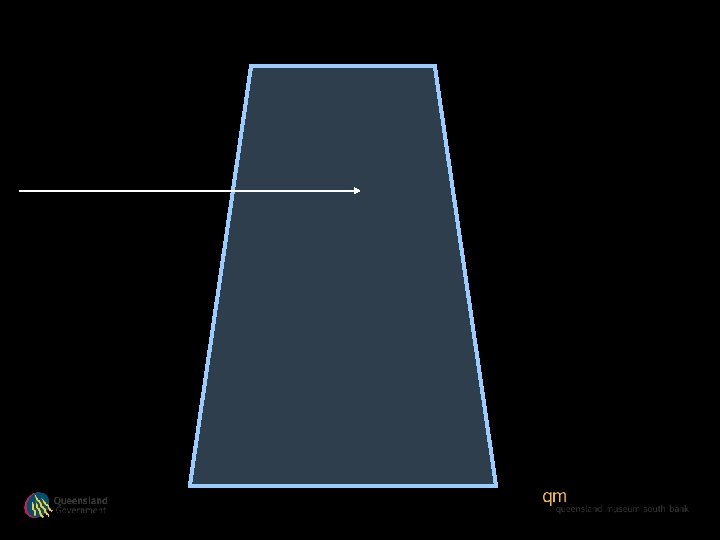
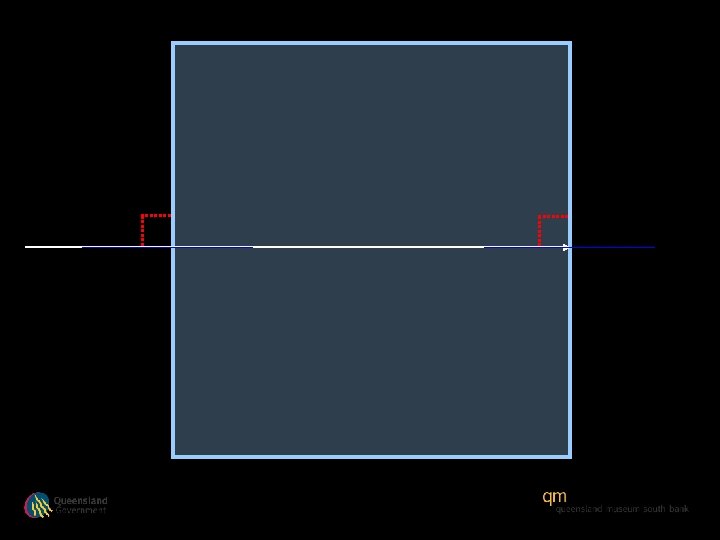
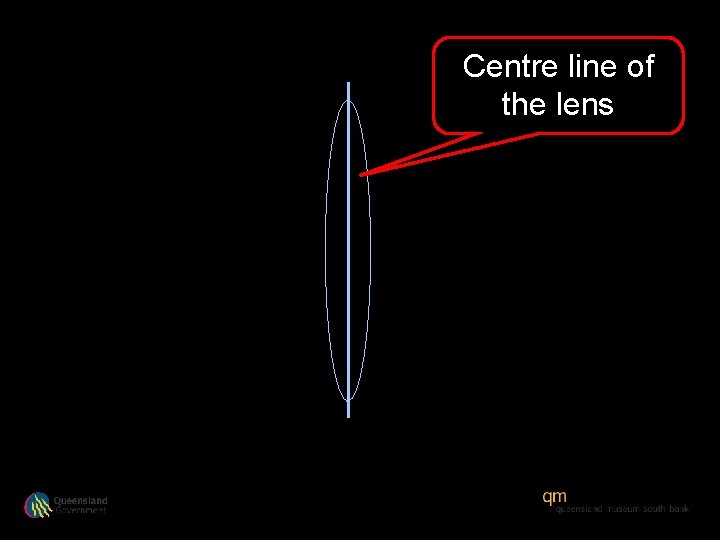
Lens is in a vertical plane, straight up and down on the page.
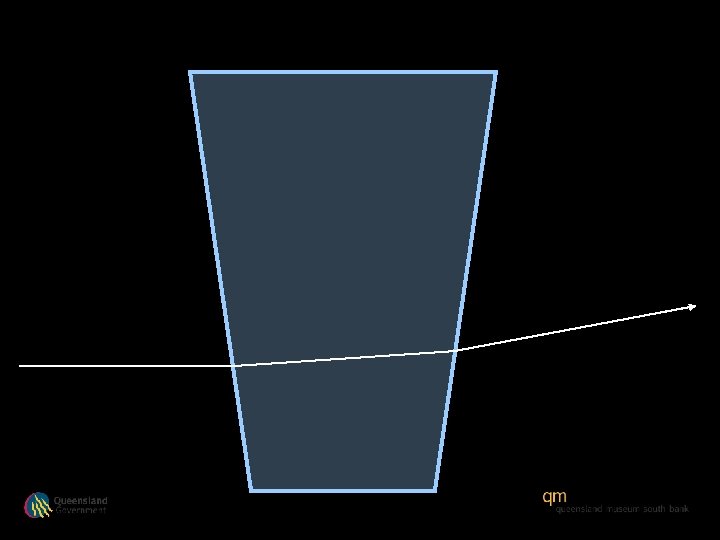
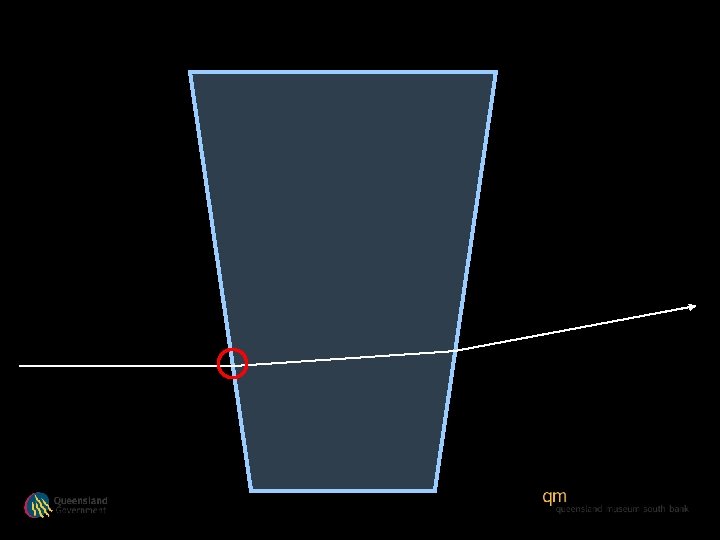
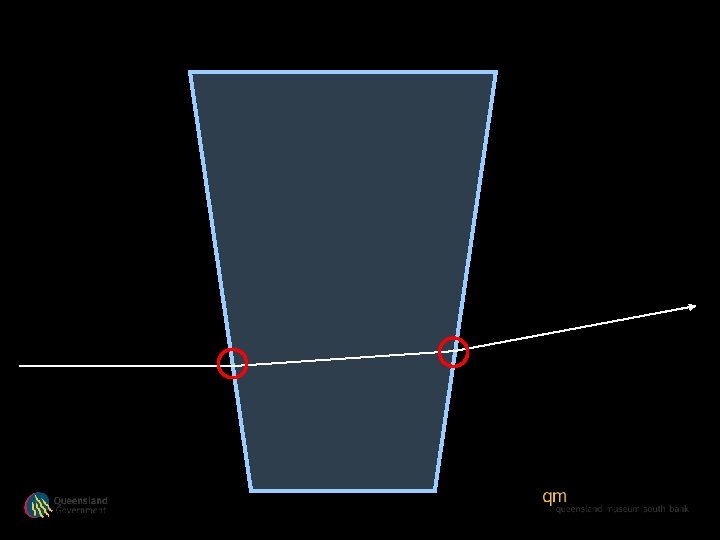
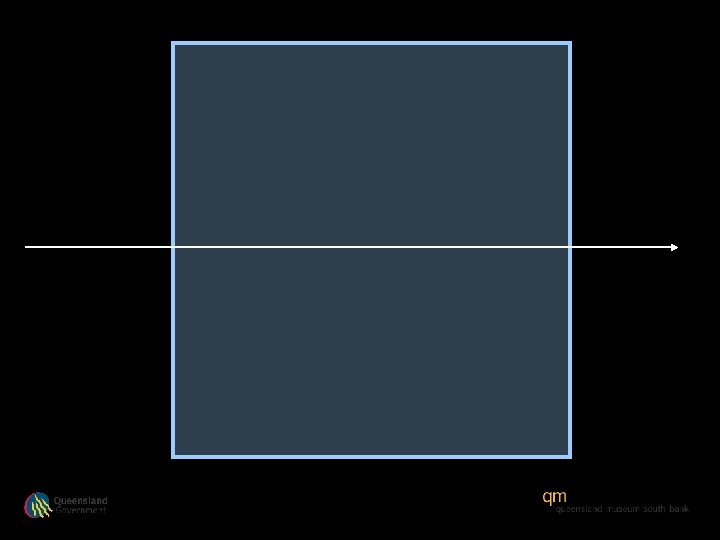
Air Lens Air
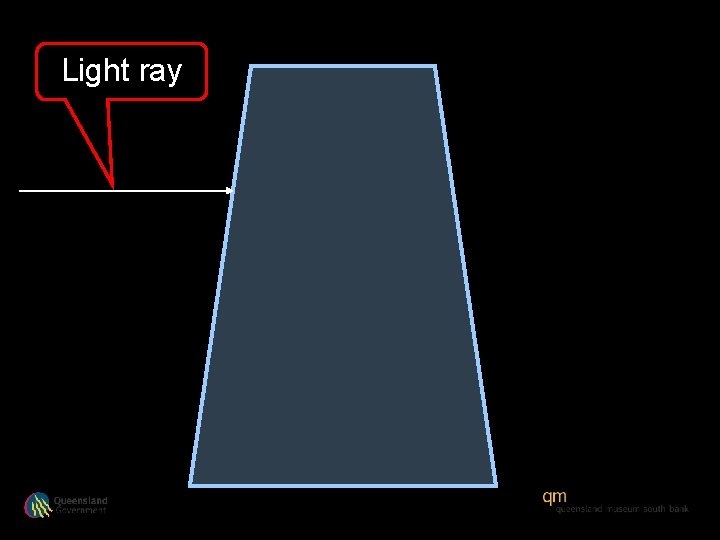
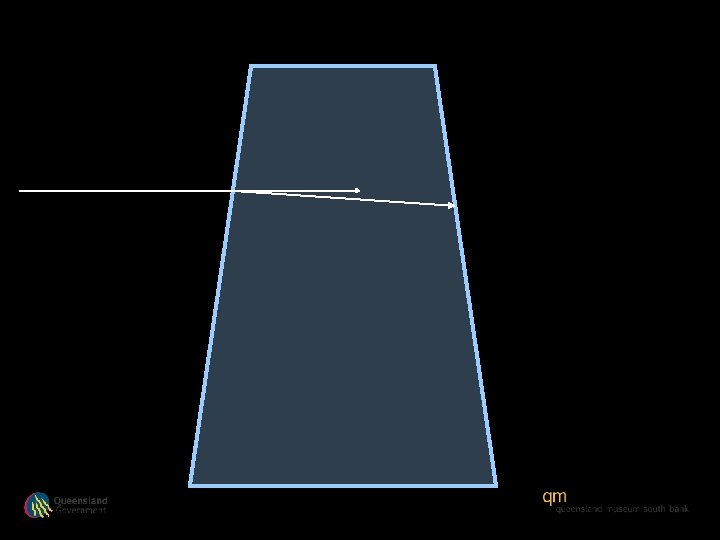
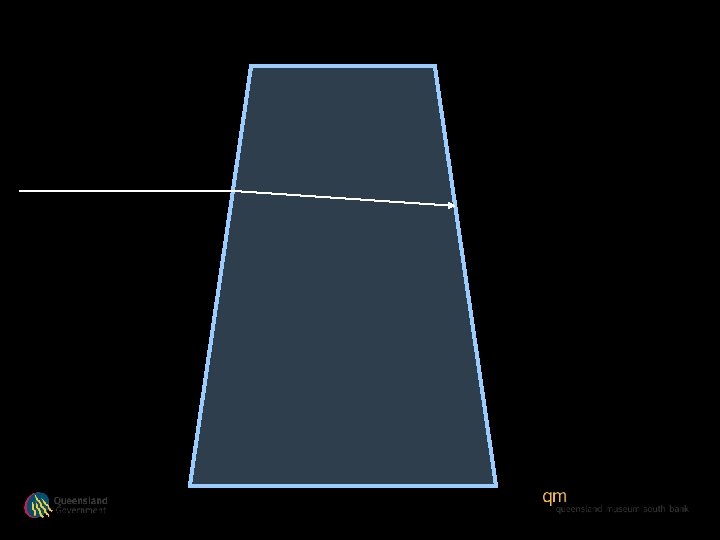
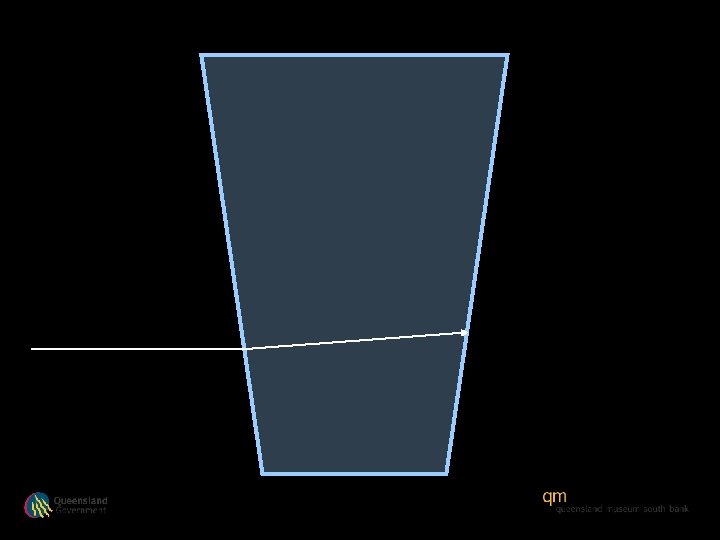
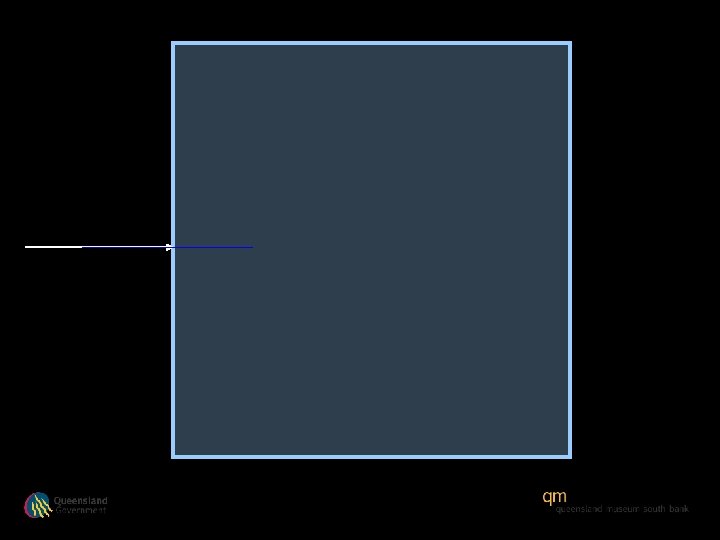
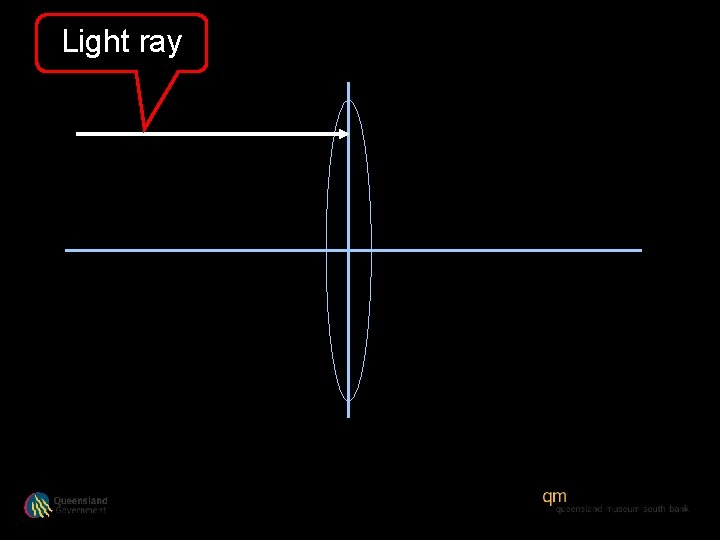
Light ray
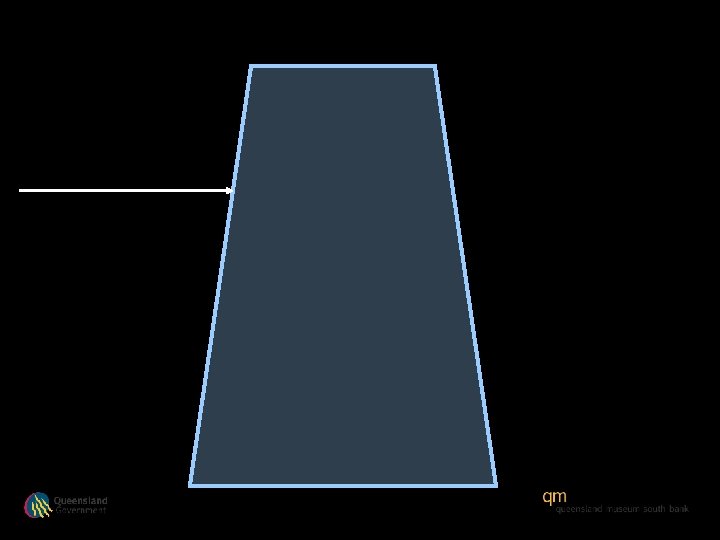
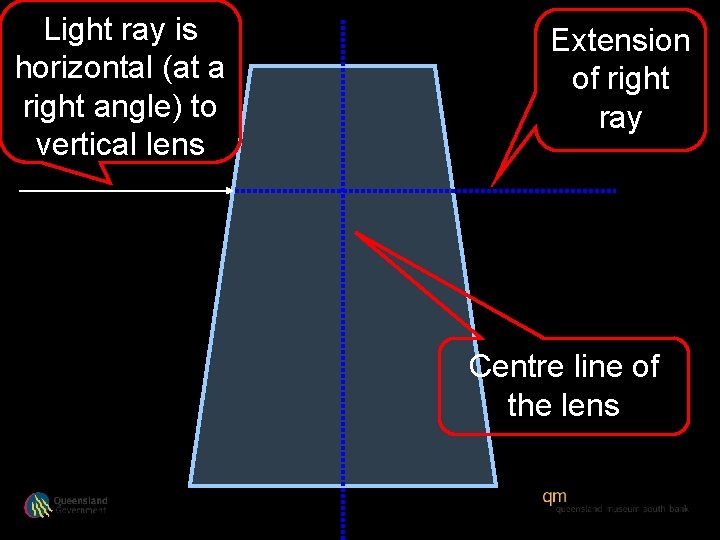
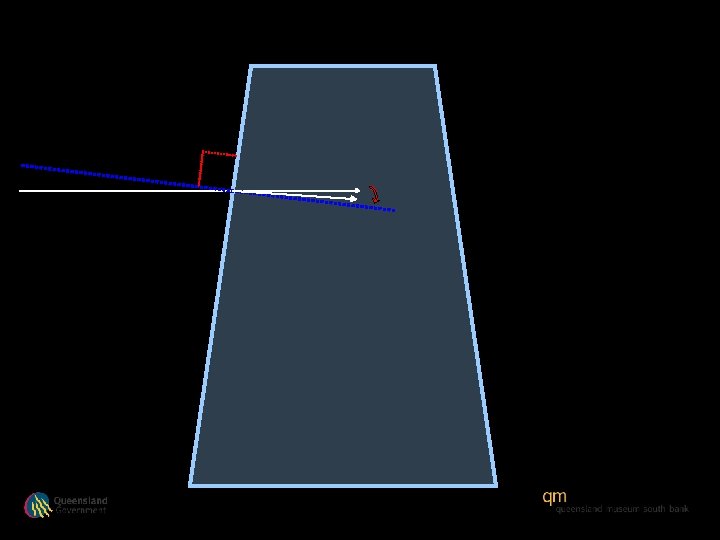
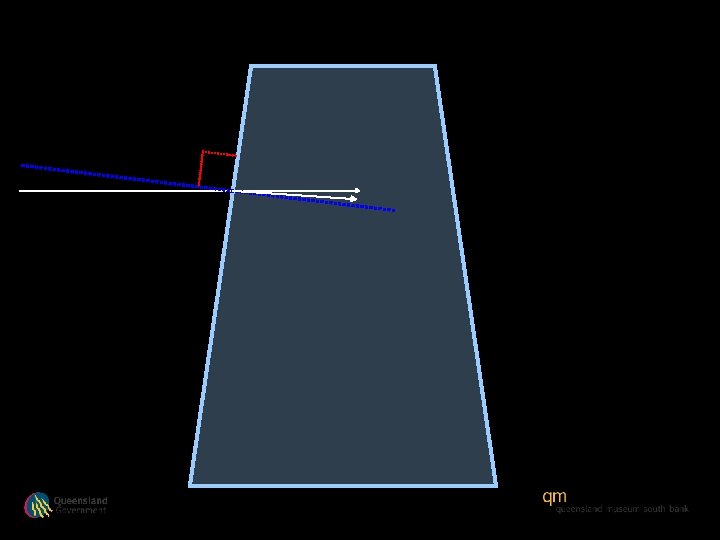
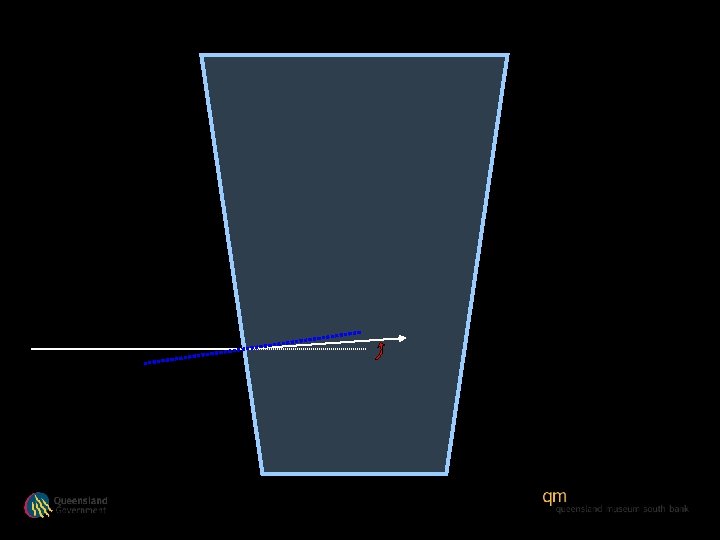
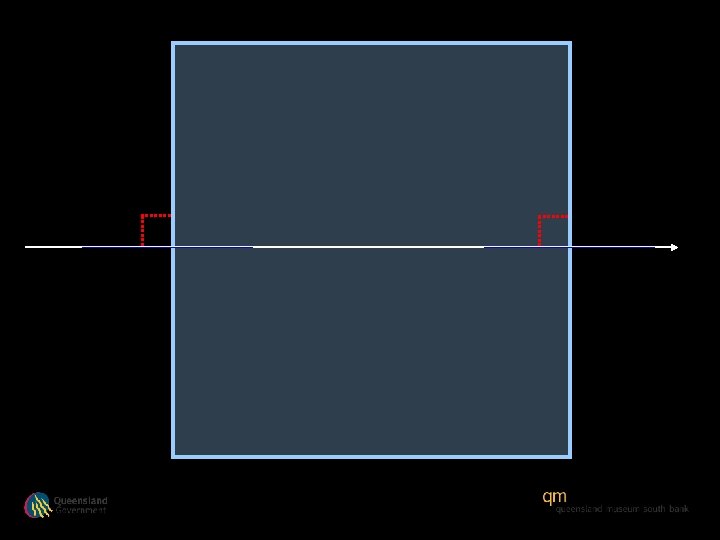
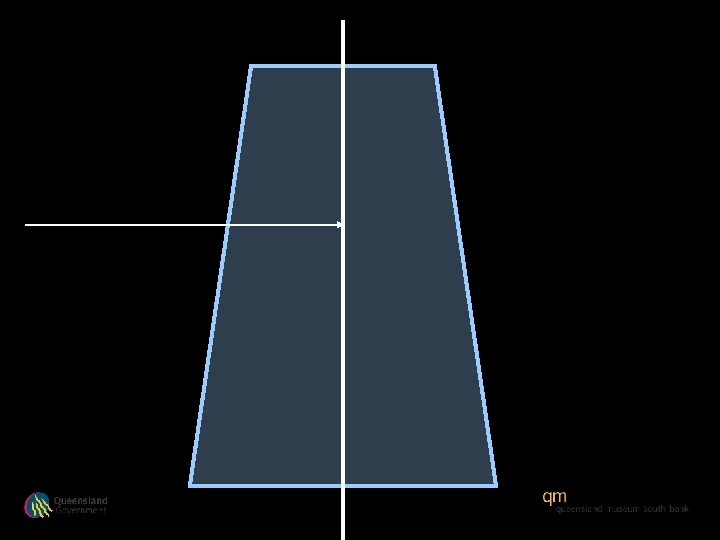
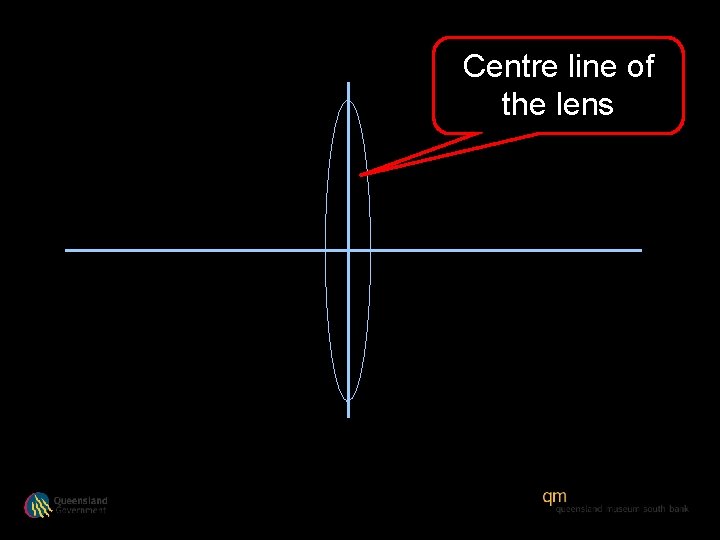
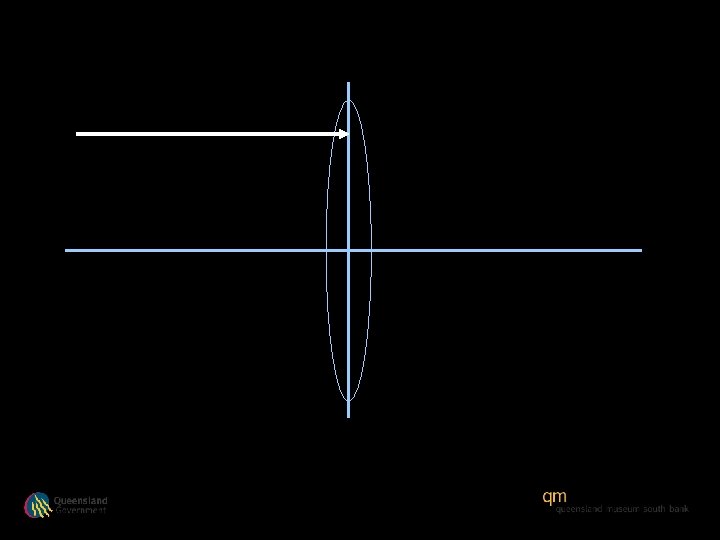
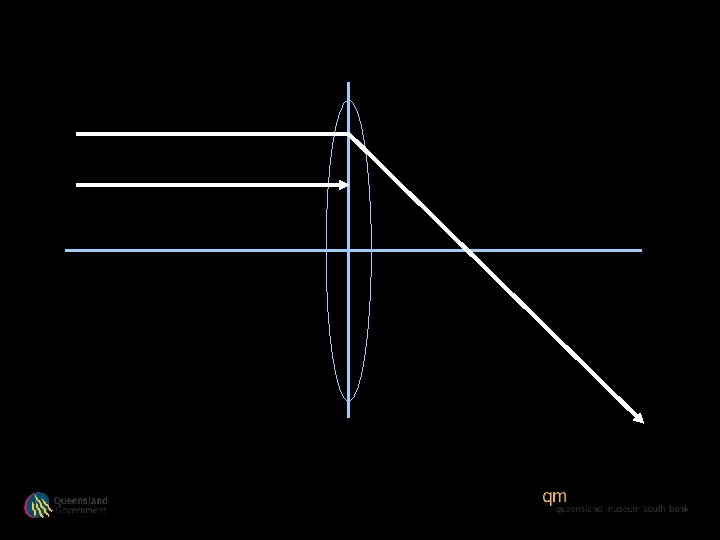
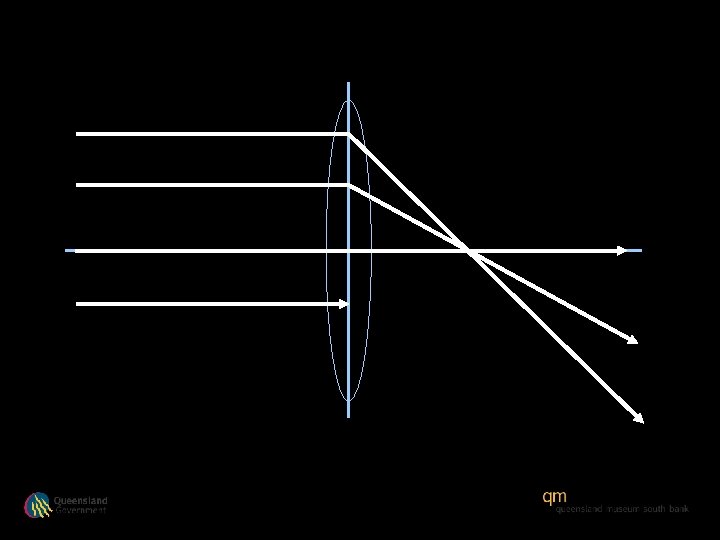
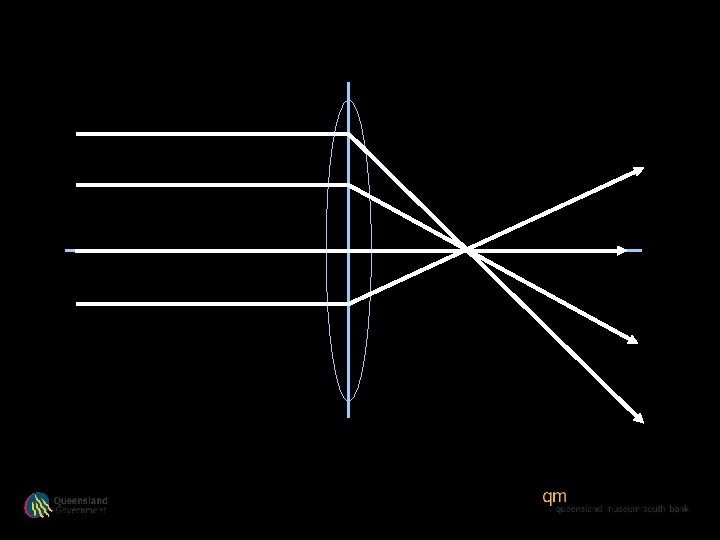
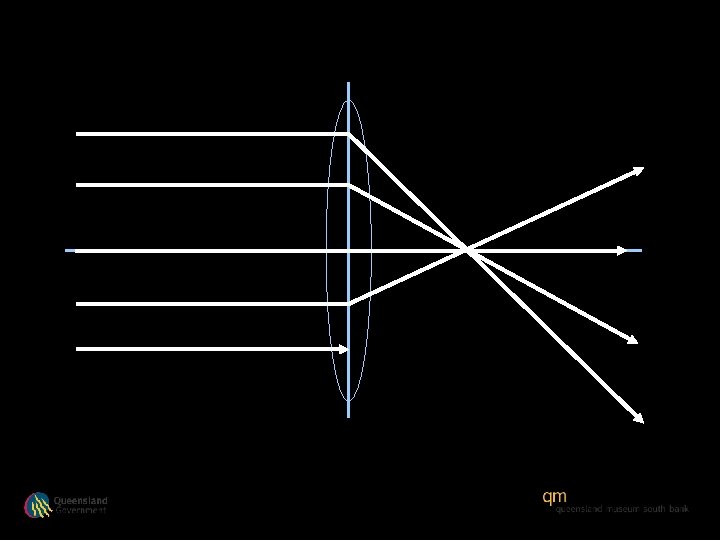
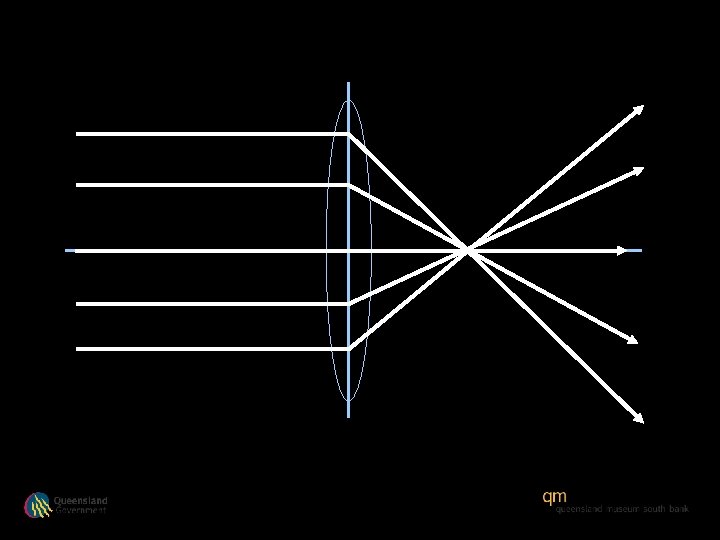
Light ray is horizontal (at a right angle) to vertical lens
Light ray is horizontal (at a right angle) to vertical lens
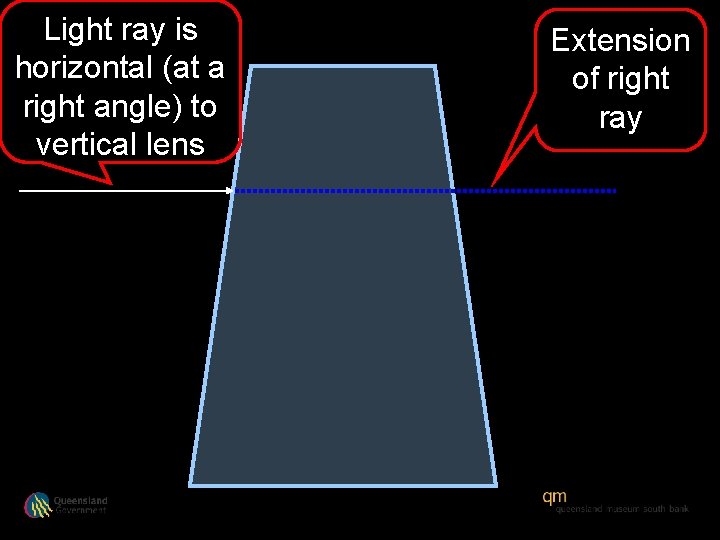
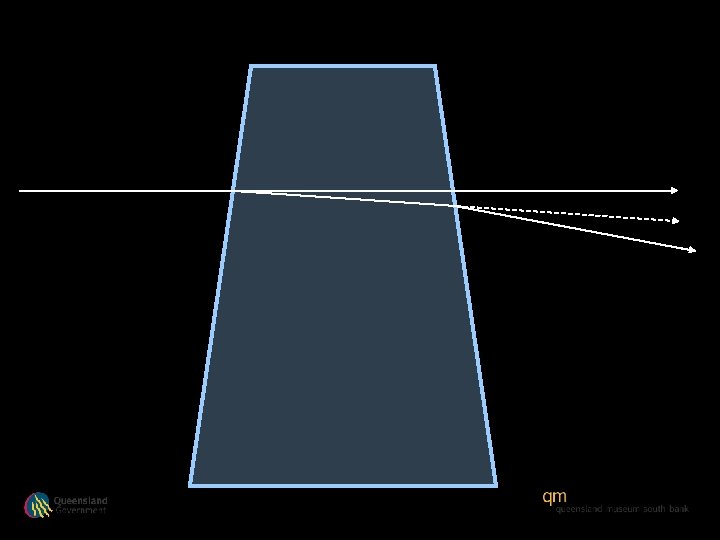
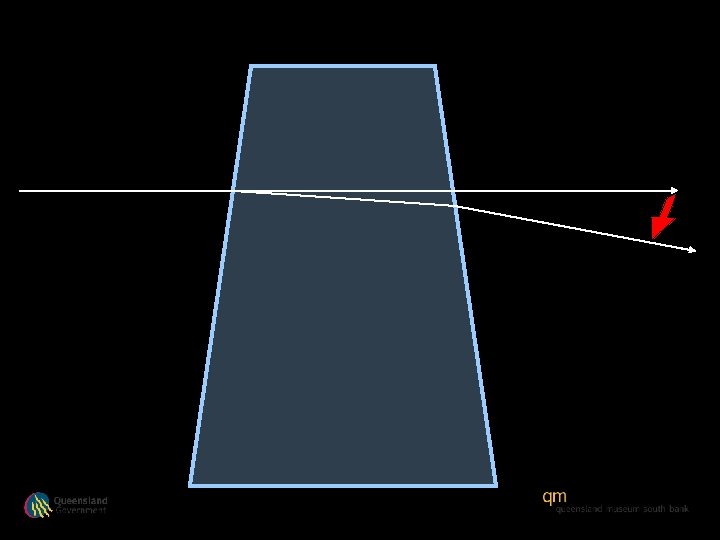
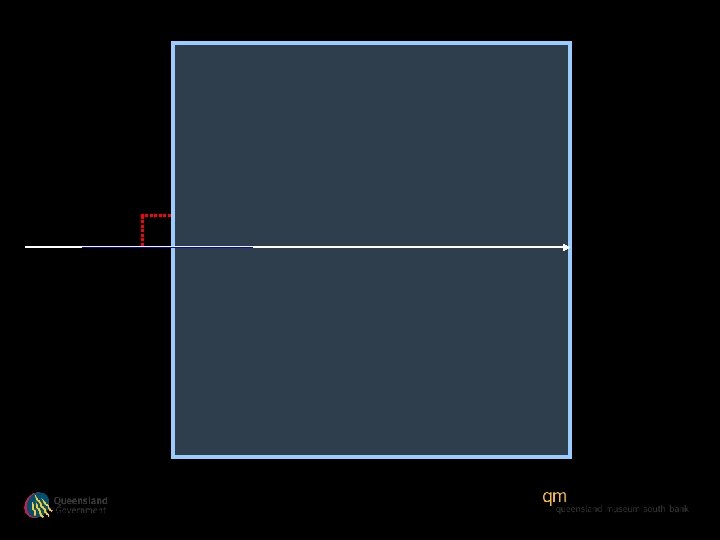
Light ray is horizontal (at a right angle) to vertical lens Extension of right ray
Light ray is horizontal (at a right angle) to vertical lens Extension of right ray
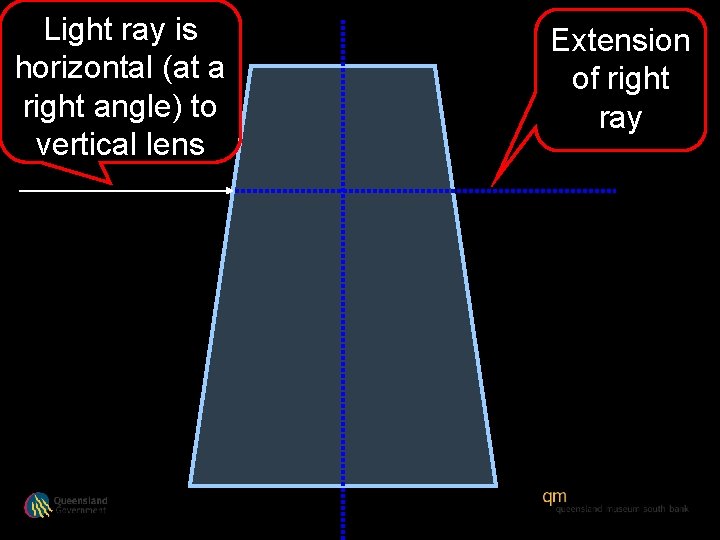
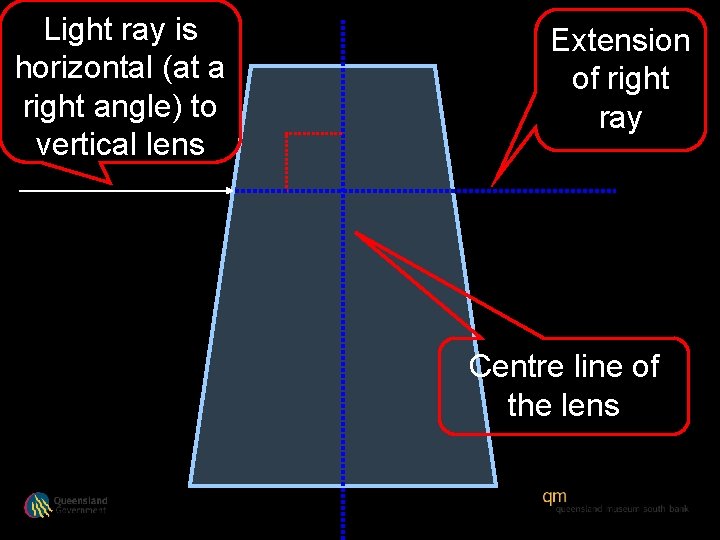
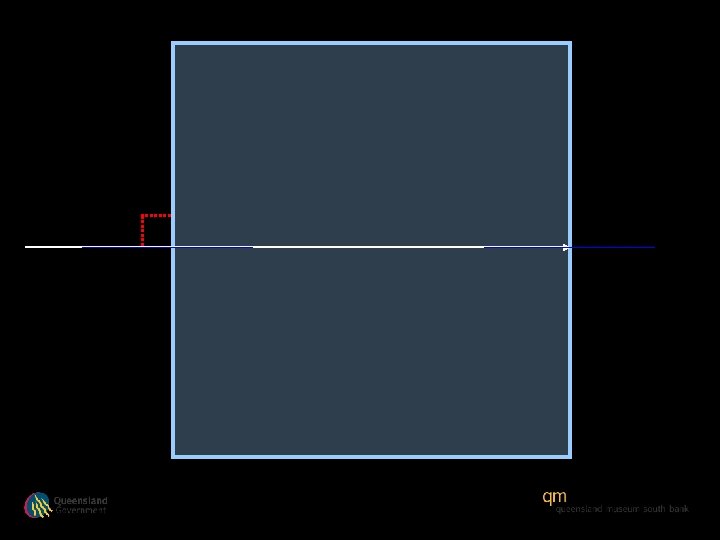
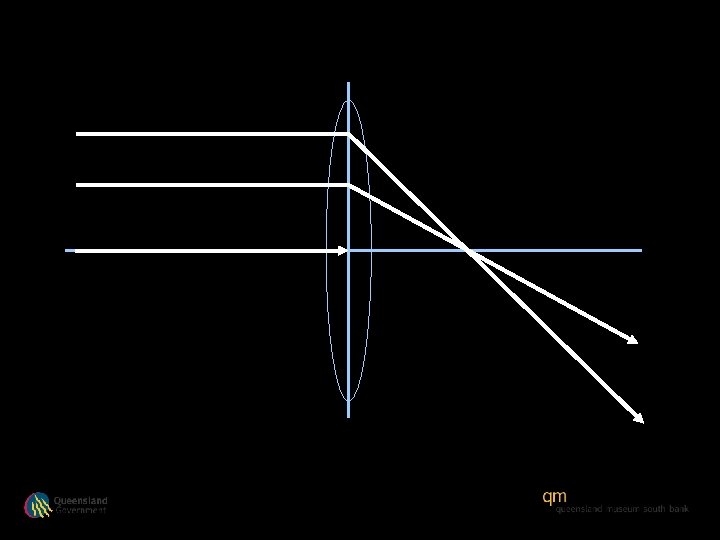
Light ray is horizontal (at a right angle) to vertical lens Extension of right ray Centre line of the lens
Light ray is horizontal (at a right angle) to vertical lens Extension of right ray Centre line of the lens
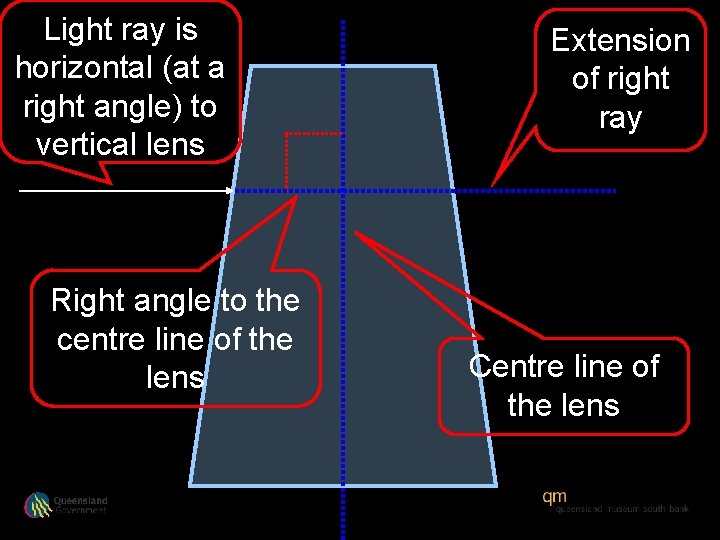
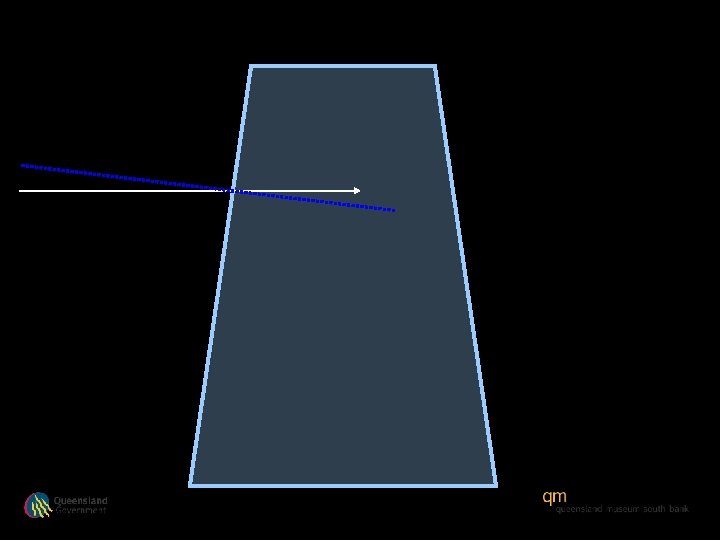
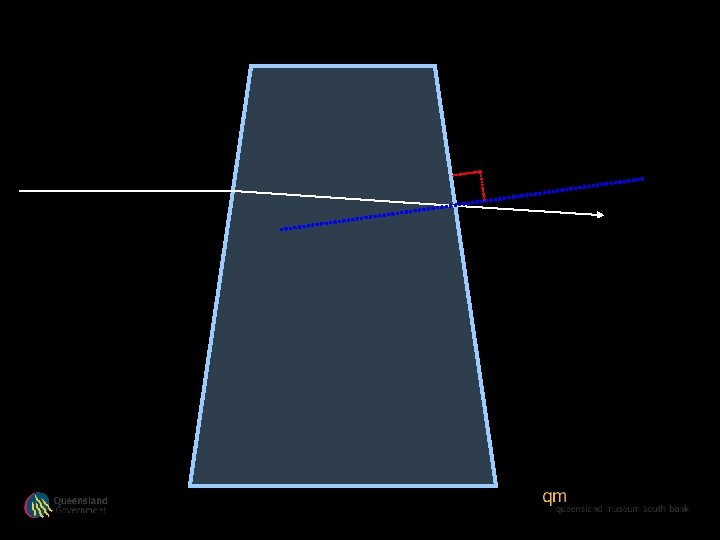
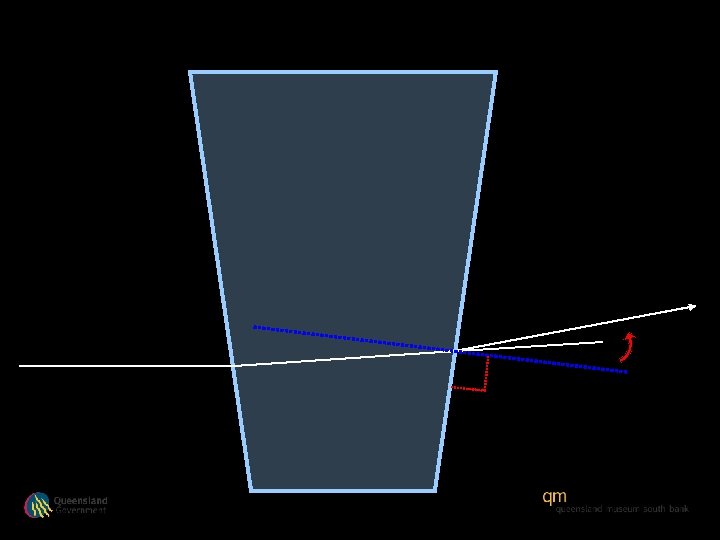
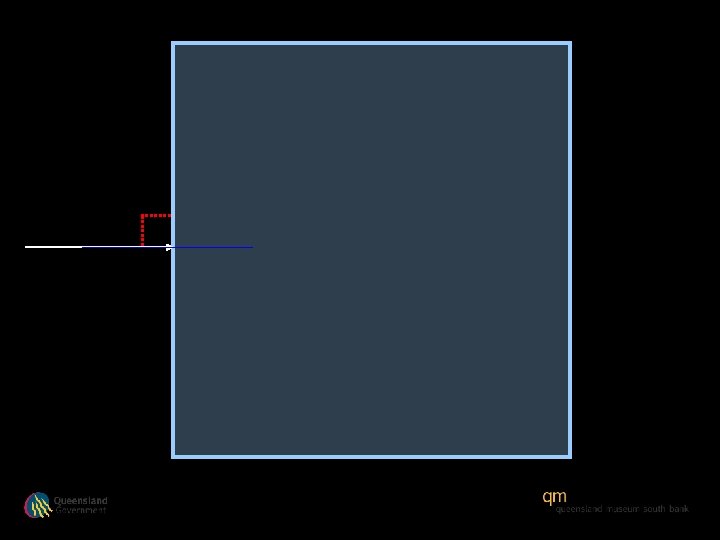
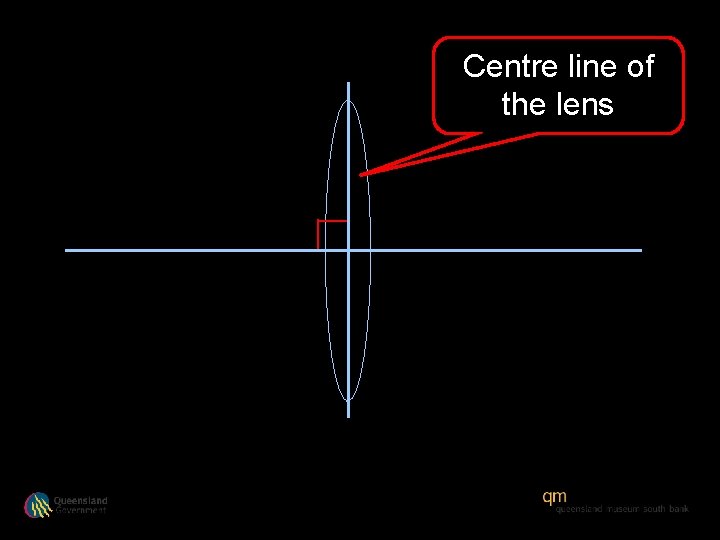
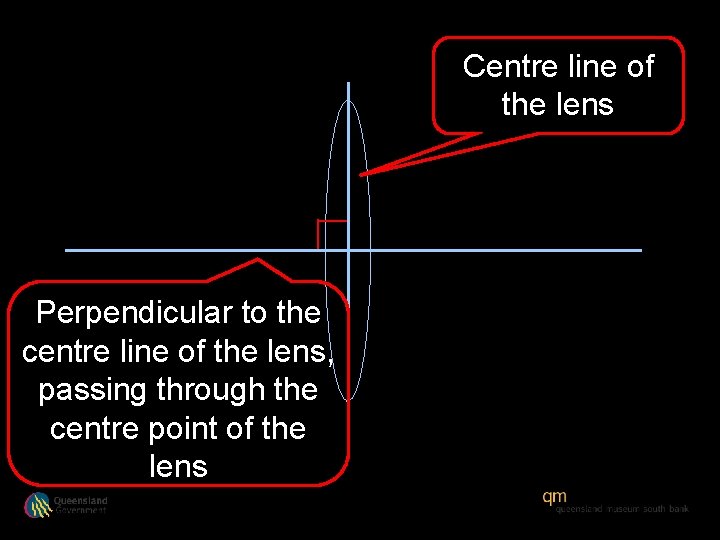
Light ray is horizontal (at a right angle) to vertical lens Right angle to the centre line of the lens Extension of right ray Centre line of the lens
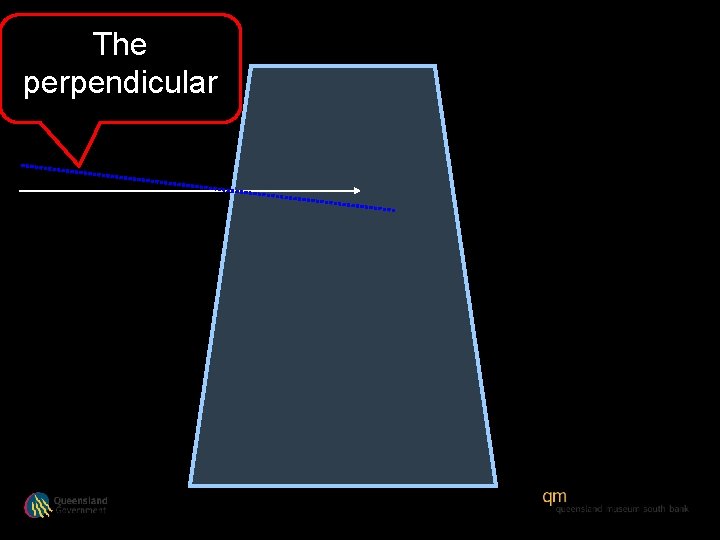
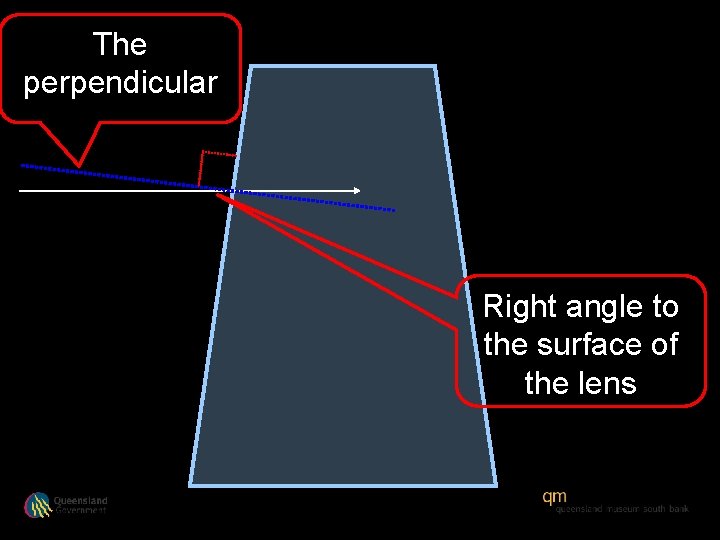
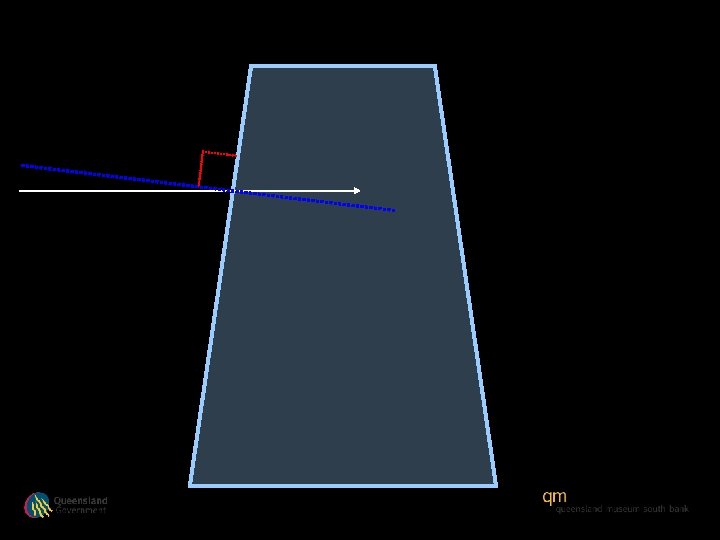
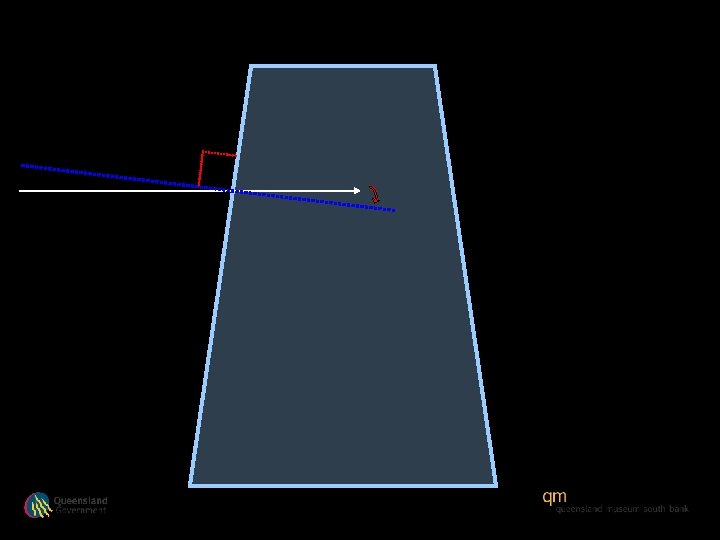
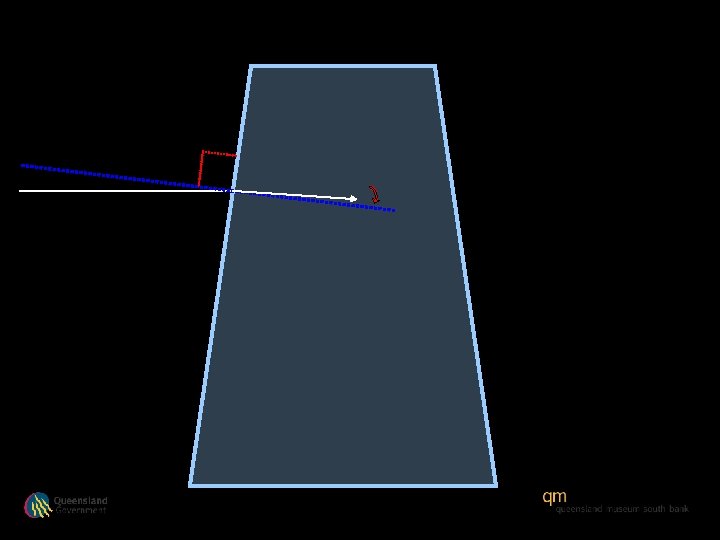
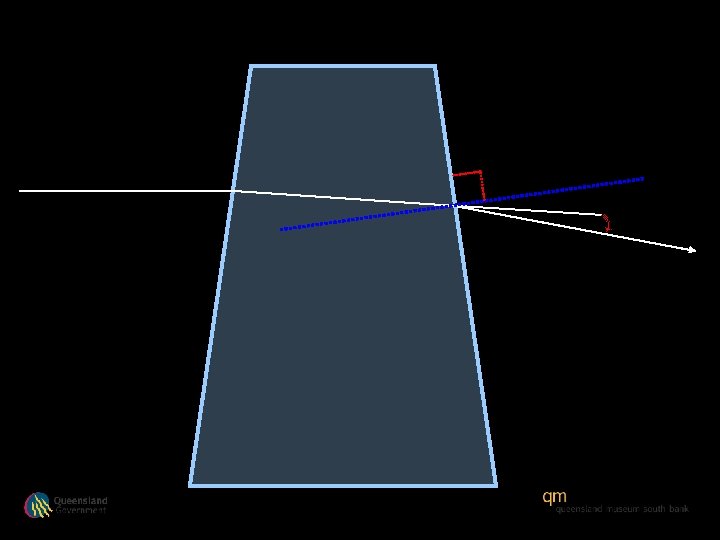
The perpendicular
The perpendicular
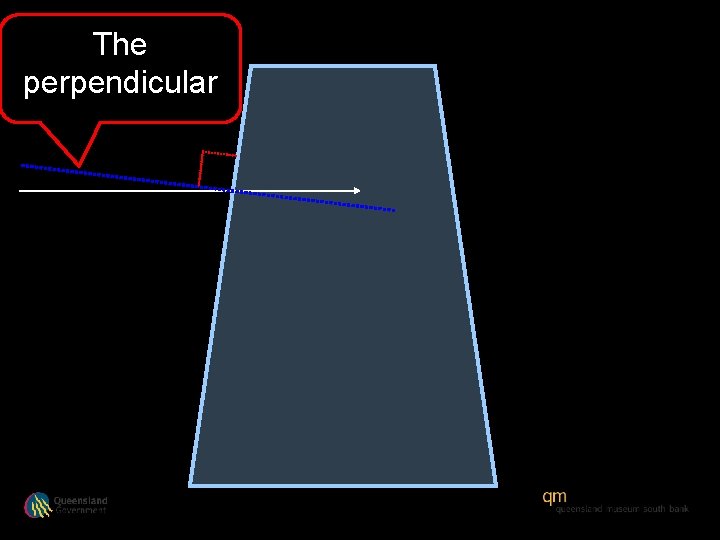
The perpendicular Right angle to the surface of the lens
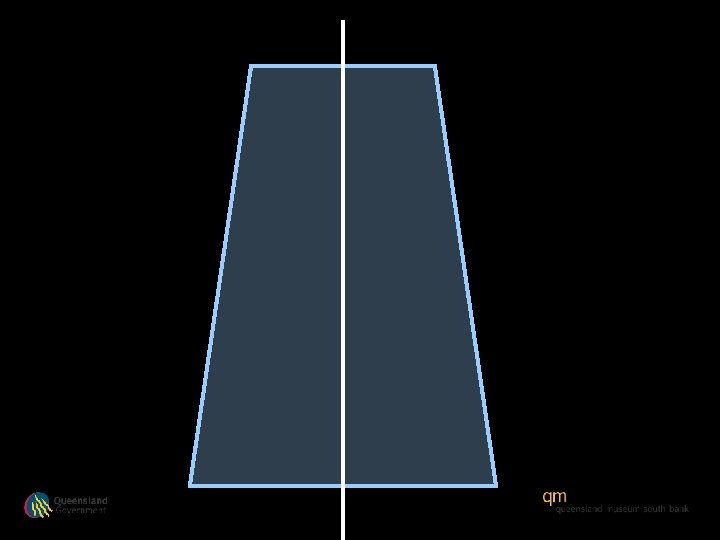
Centre line of the lens
Centre line of the lens
Centre line of the lens
Centre line of the lens Perpendicular to the centre line of the lens, passing through the centre point of the lens
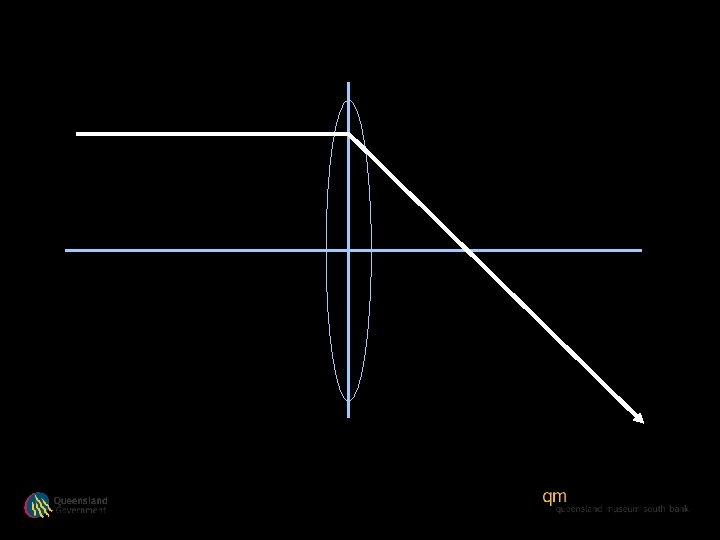
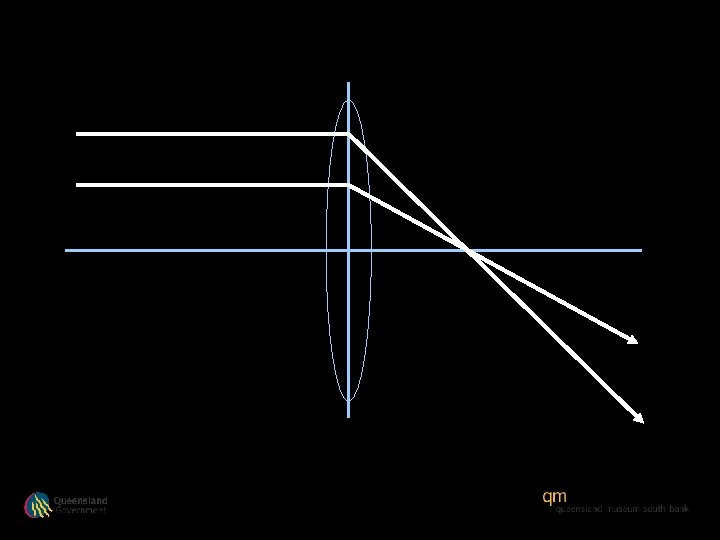
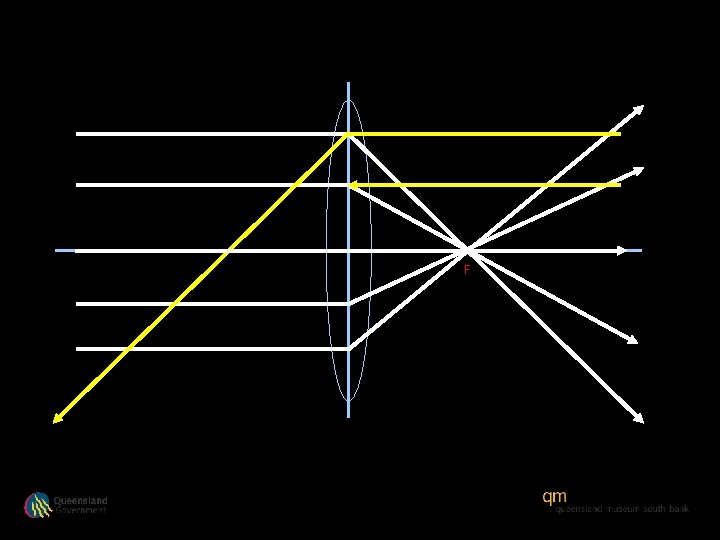
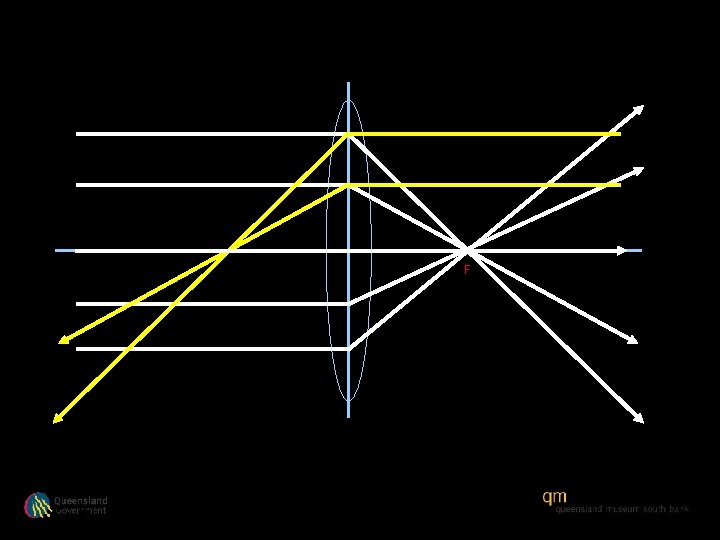
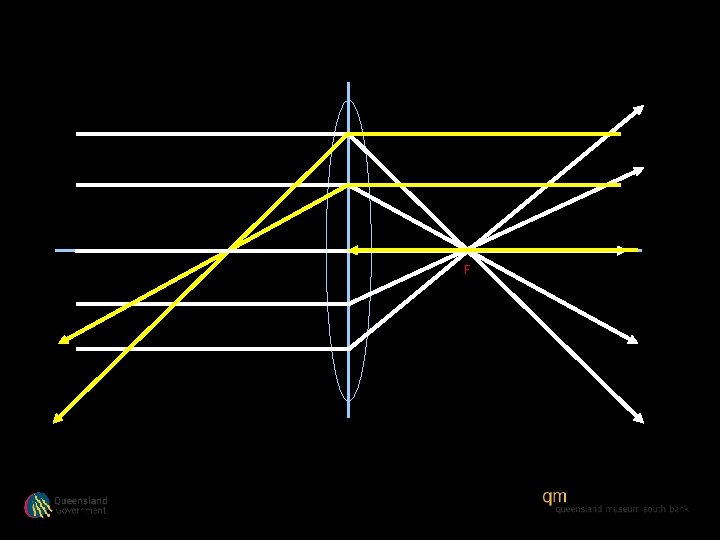
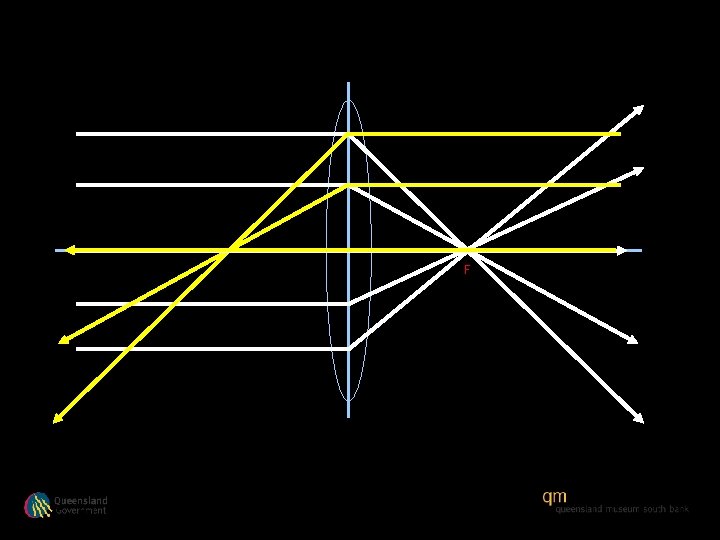
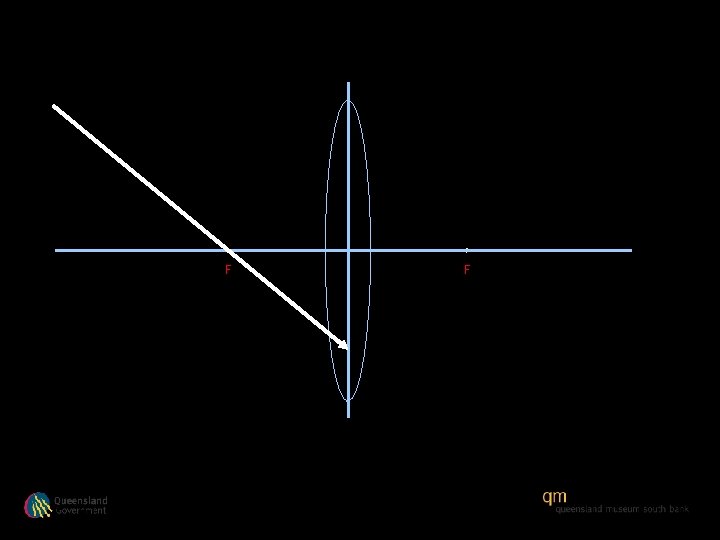
Light ray
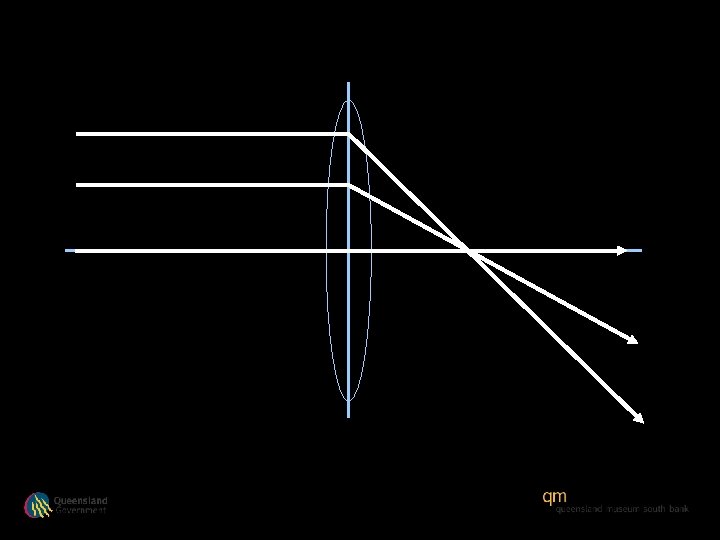
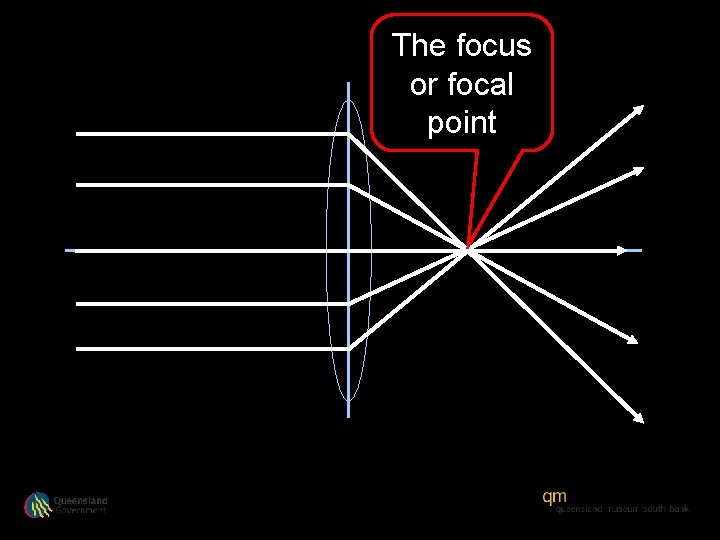
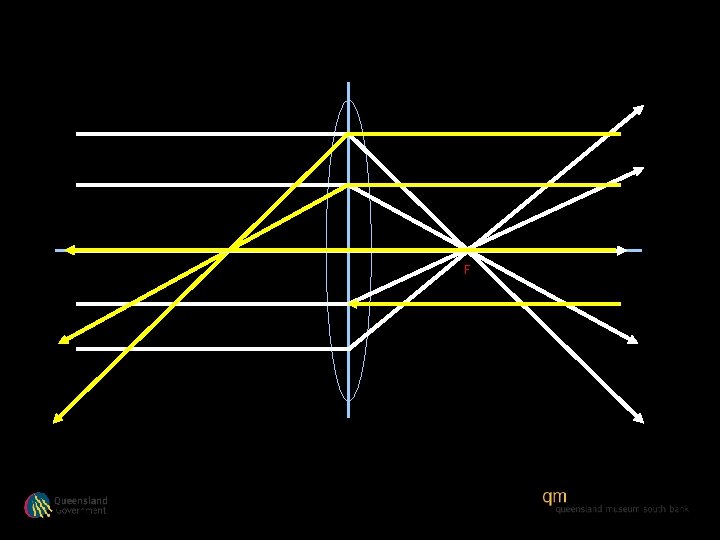
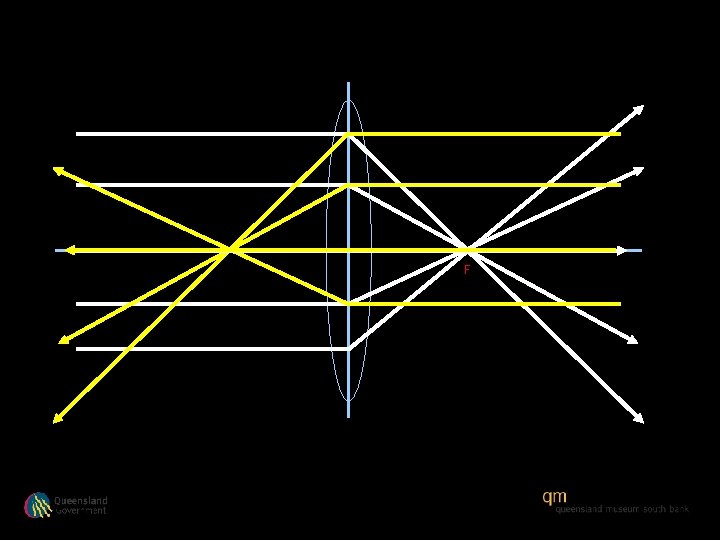
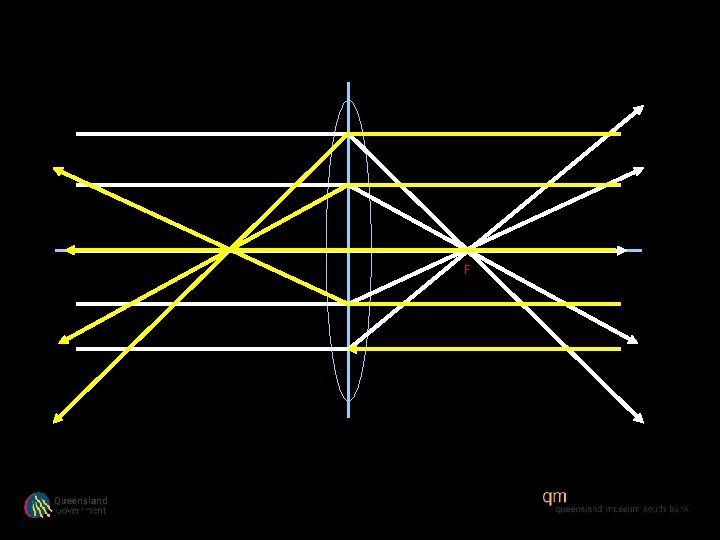
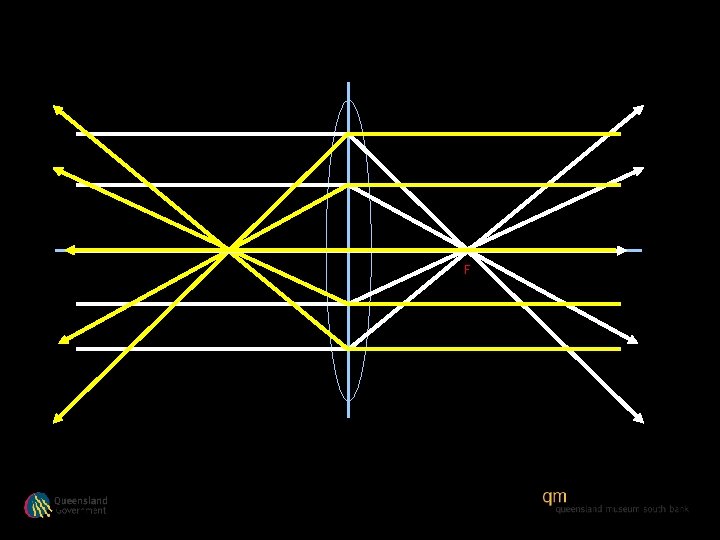
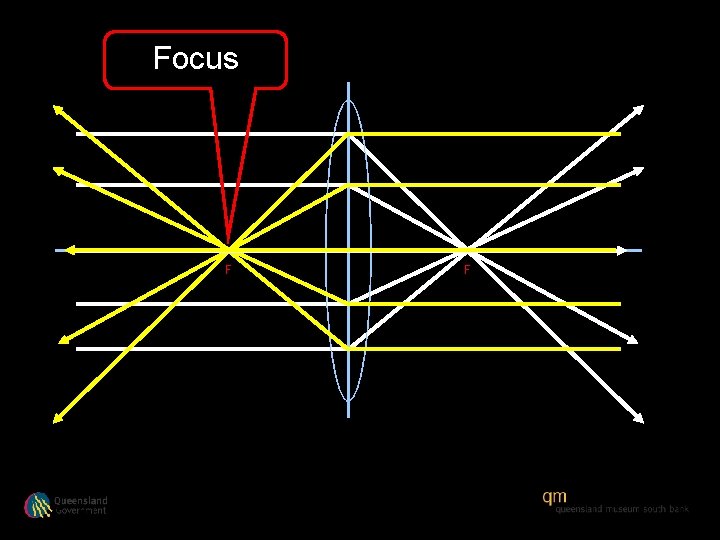
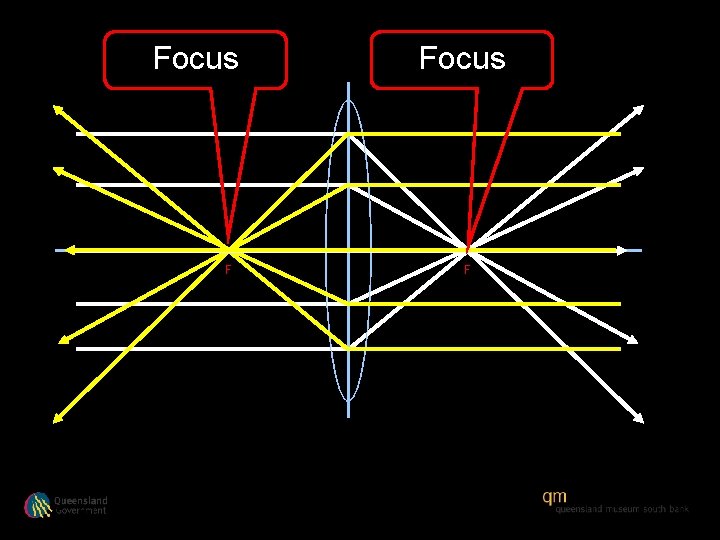
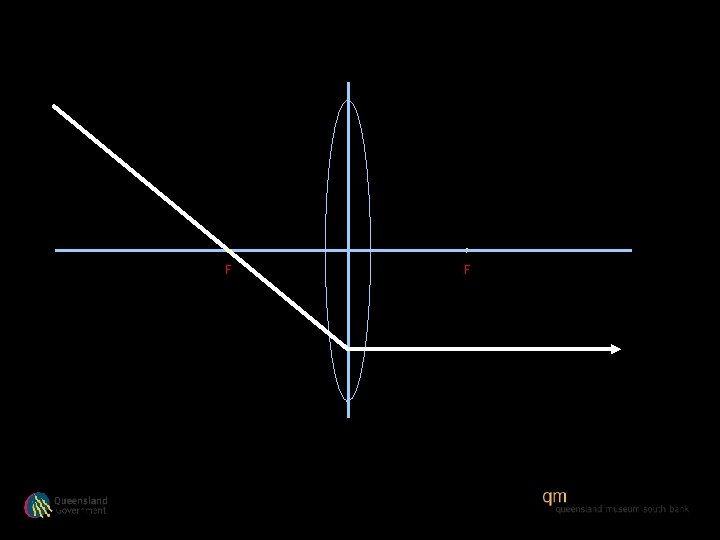
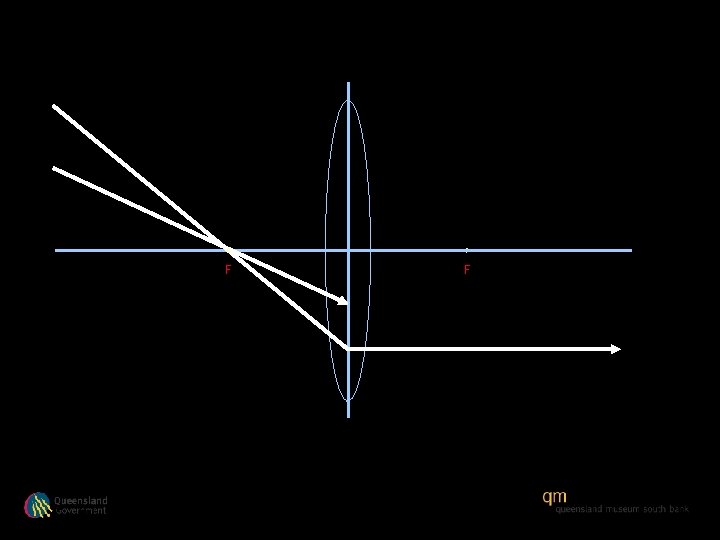
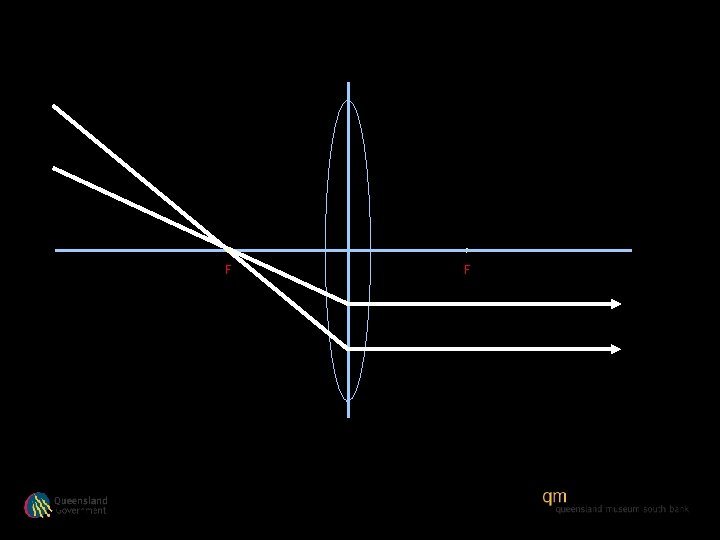
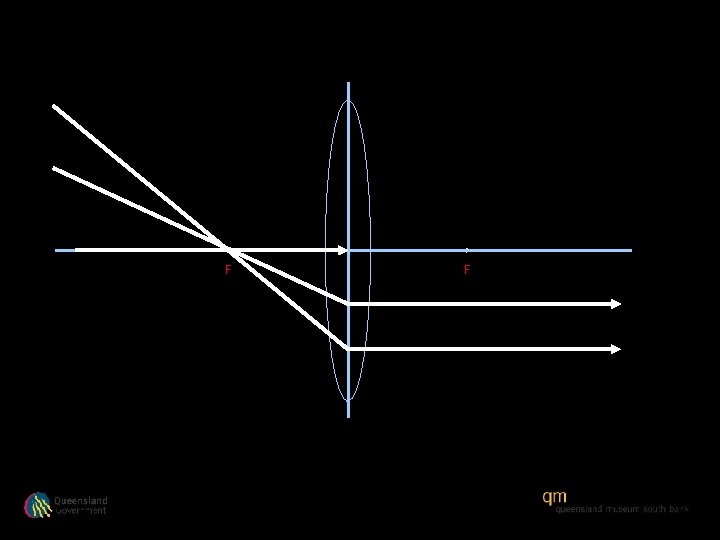
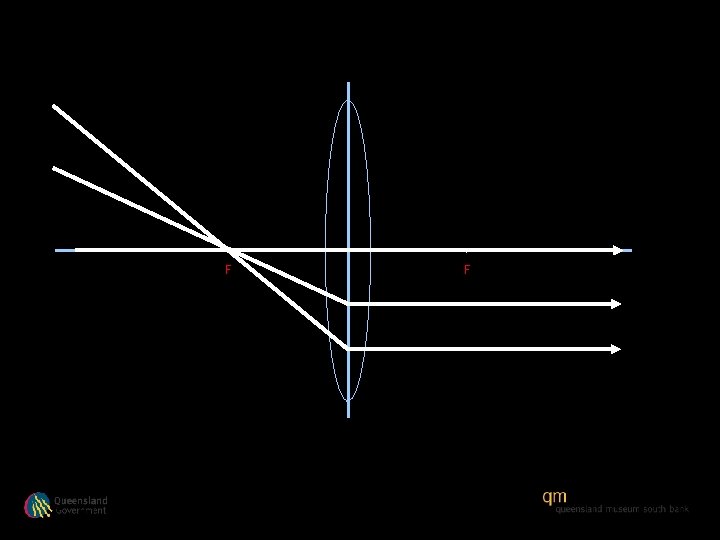
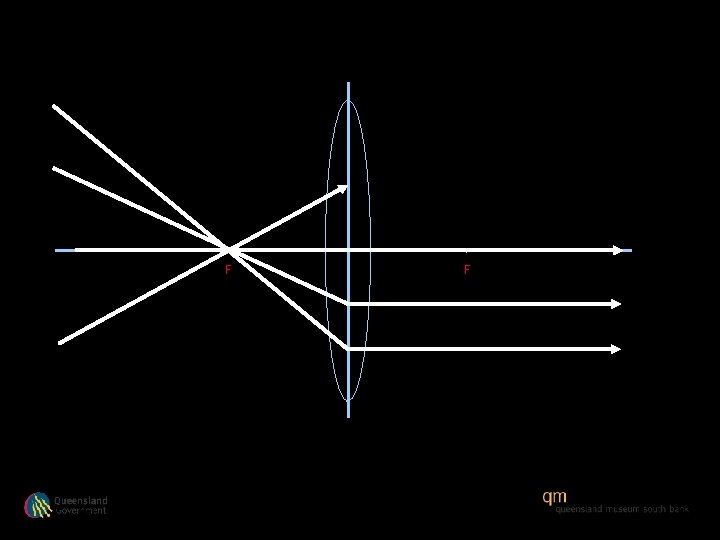
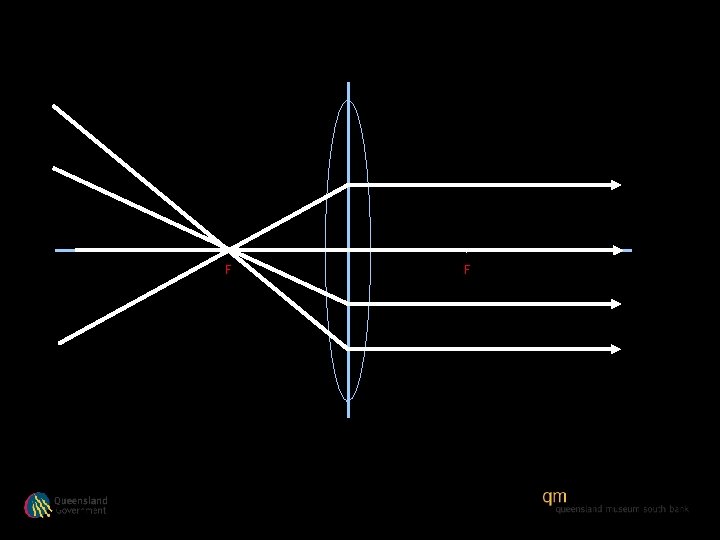
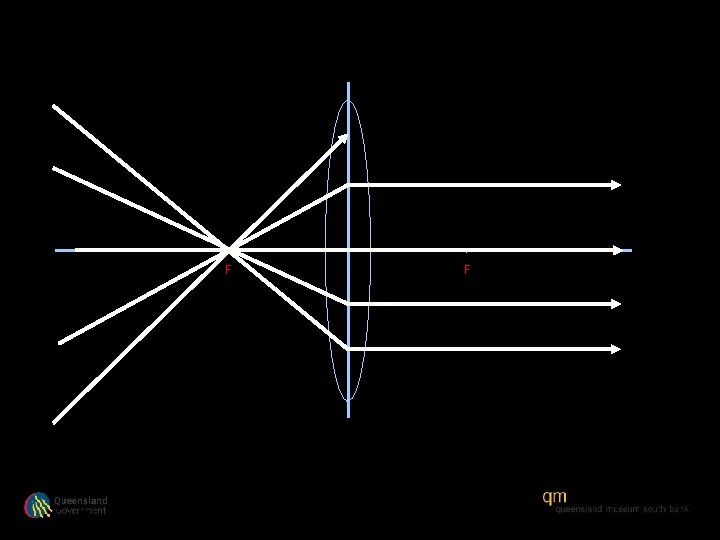
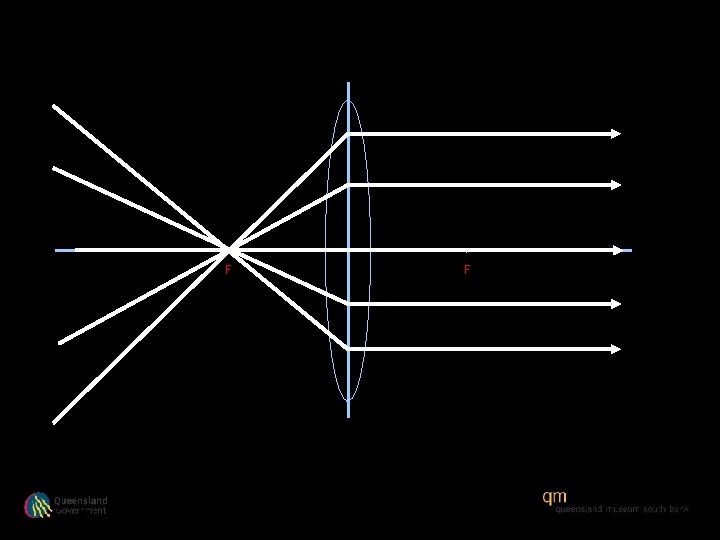
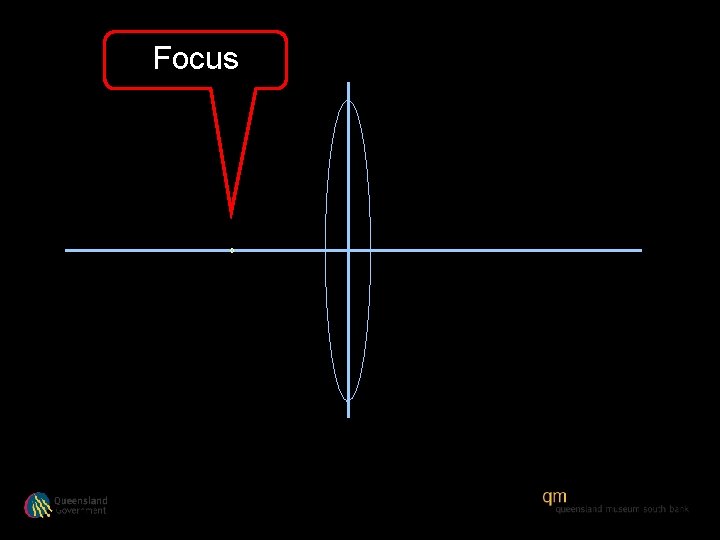
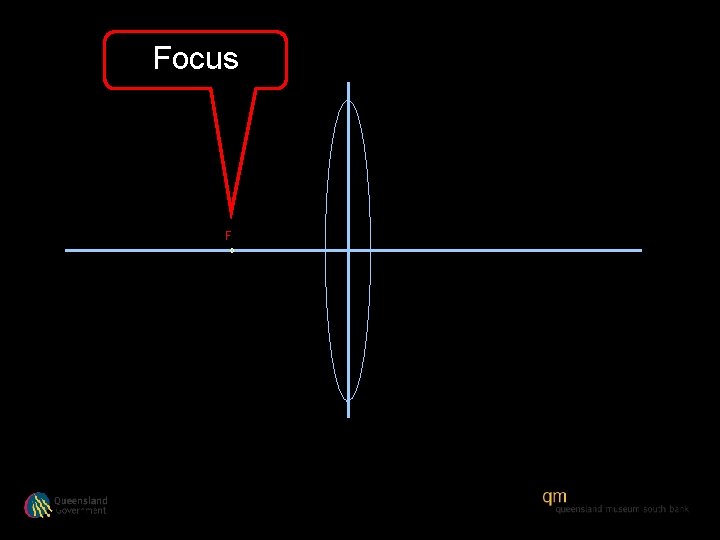
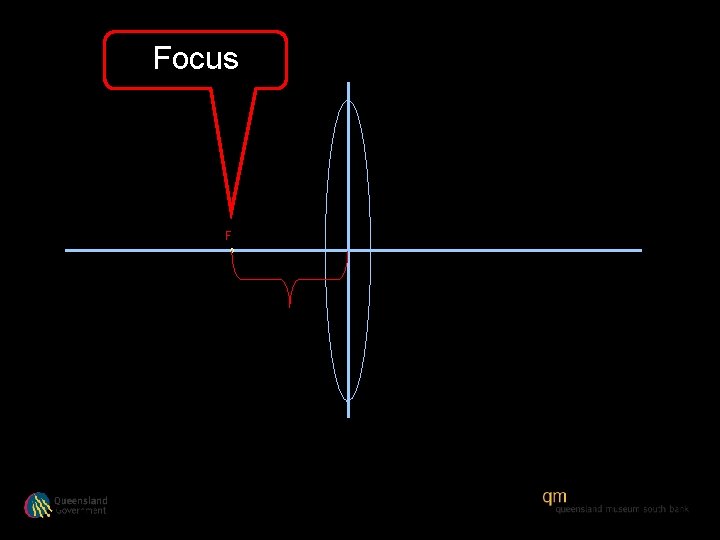
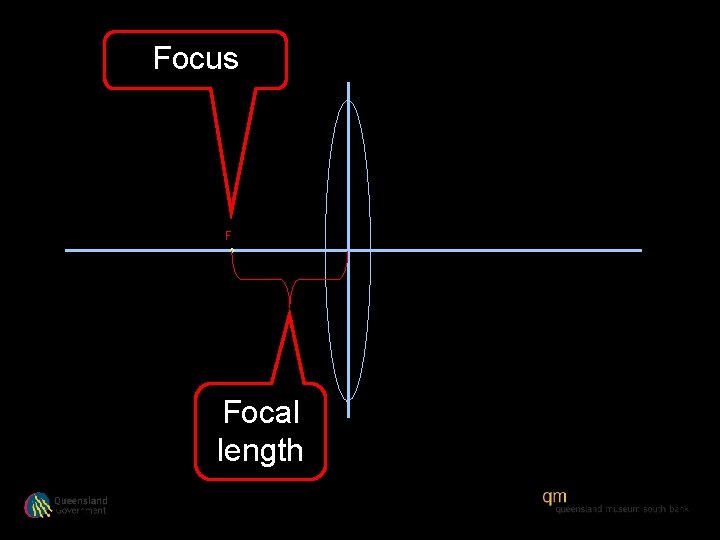
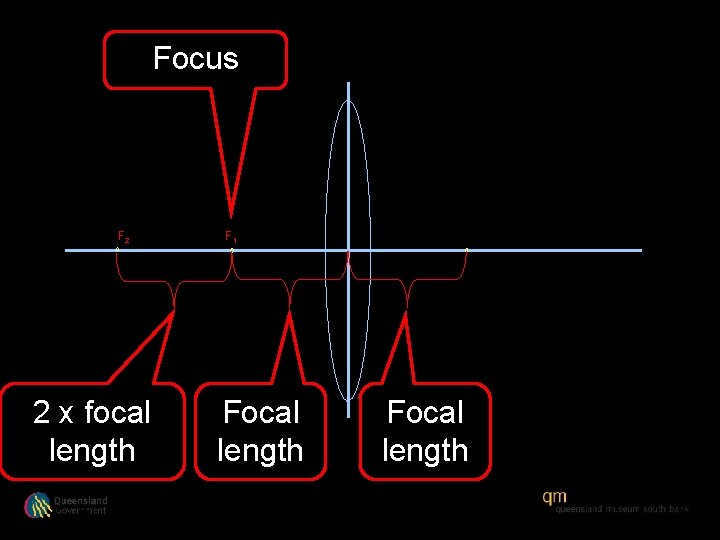
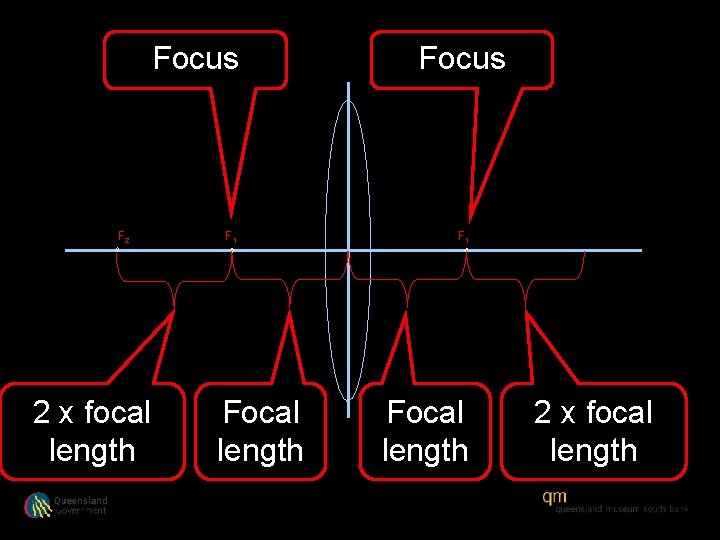
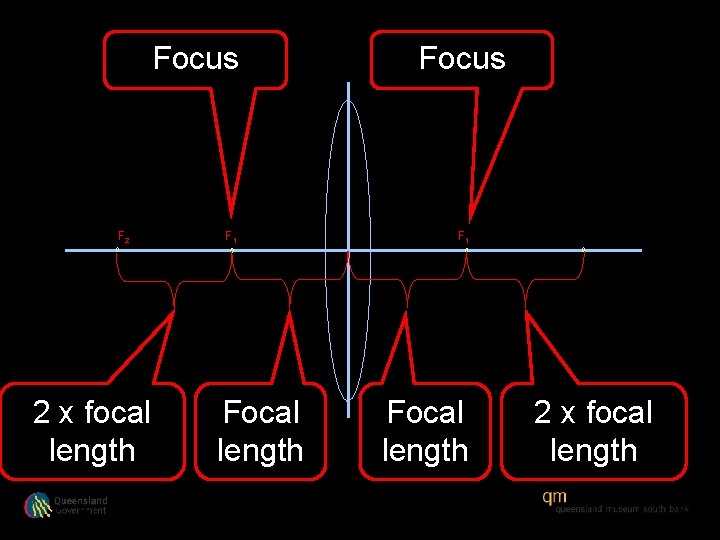
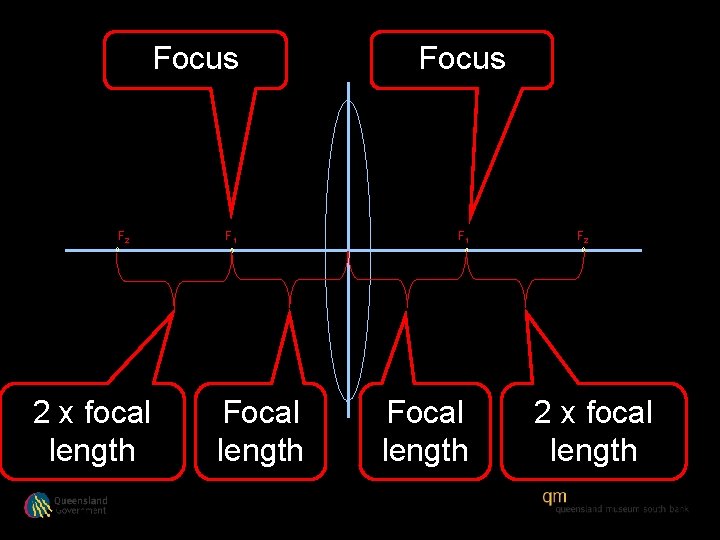
The focus or focal point
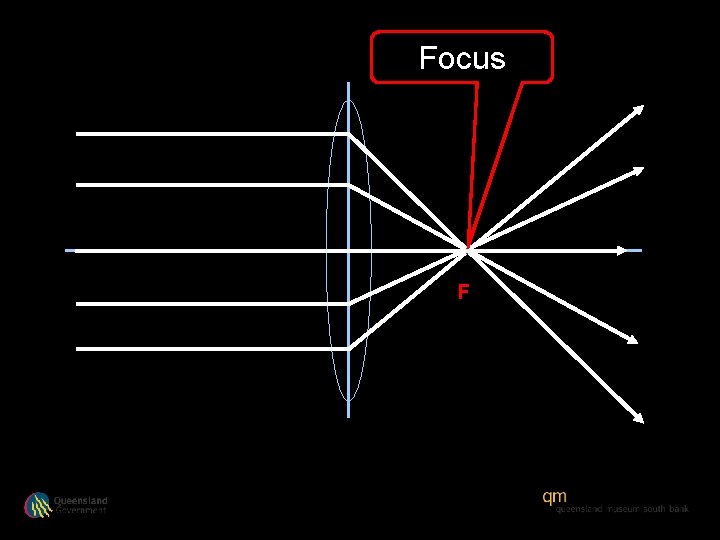
Focus F
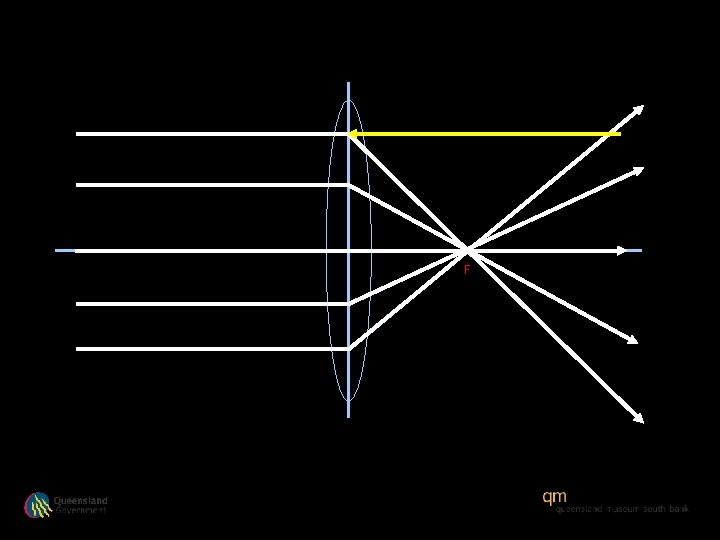
F
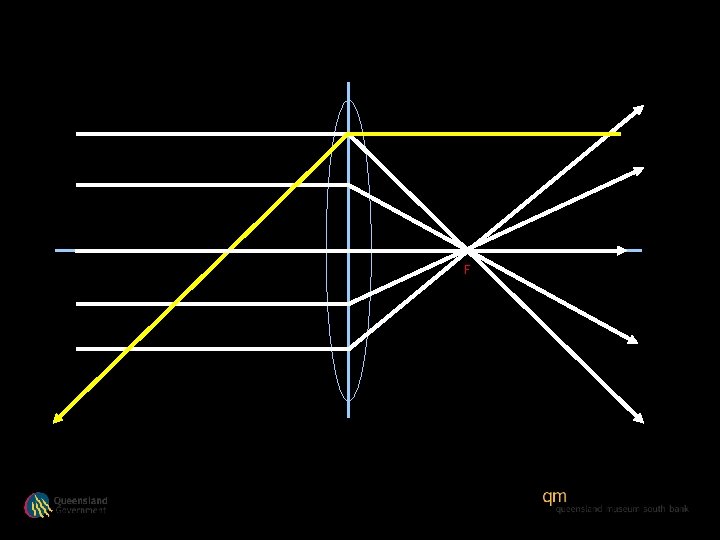
F
F
F
F
F
F
F
F
F
Focus F F
Focus F
F F
F F
F F
F F
F F
F F
F F
F F
F F
F F
F F
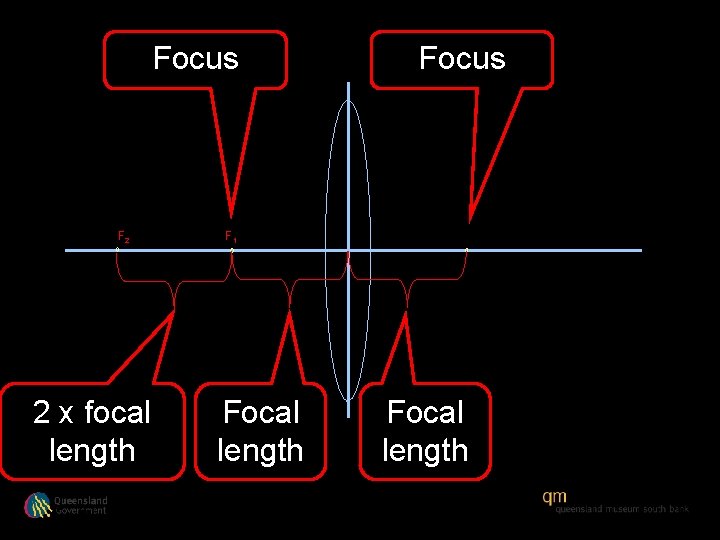
Focus
Focus F
Focus F
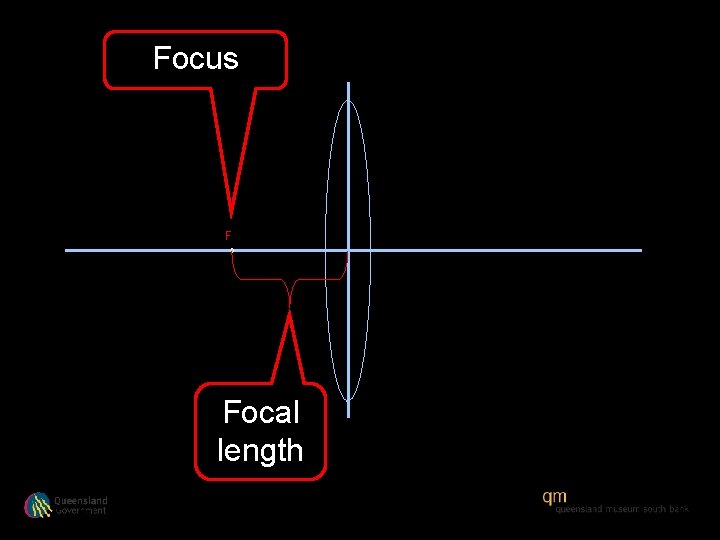
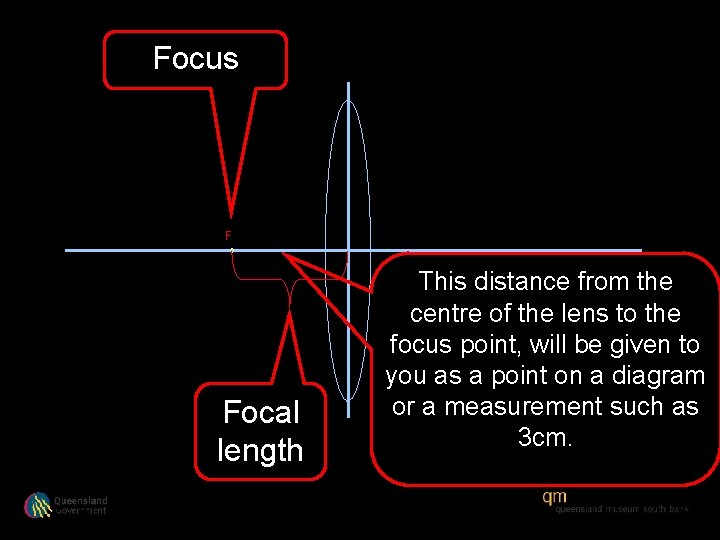
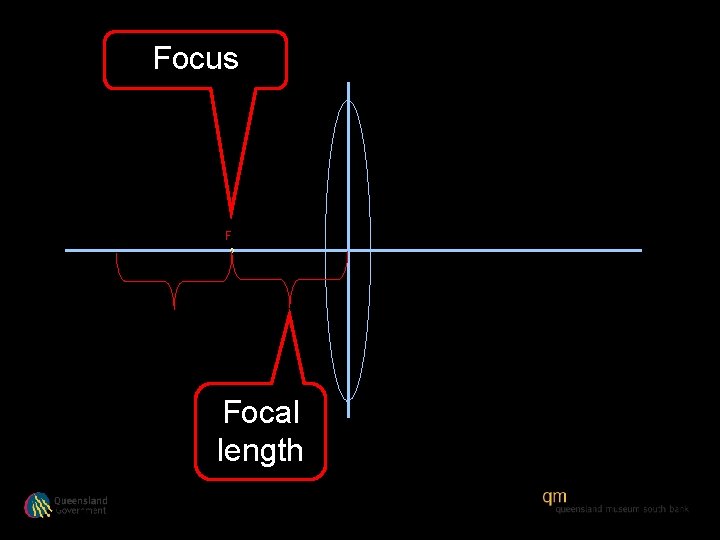
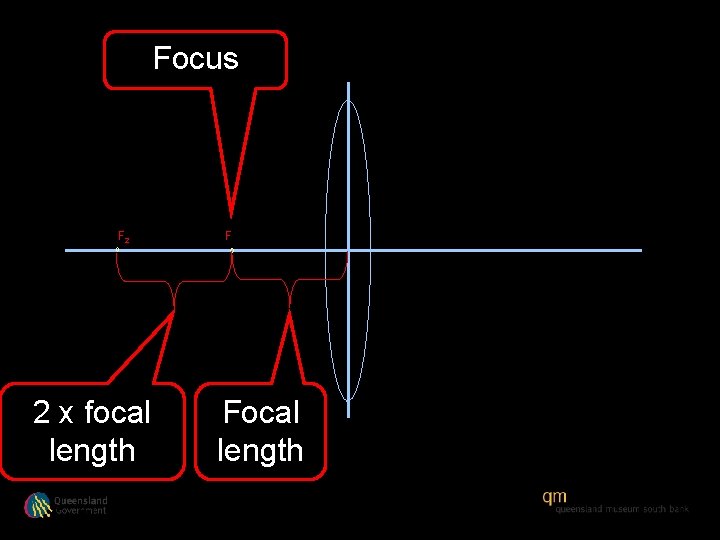
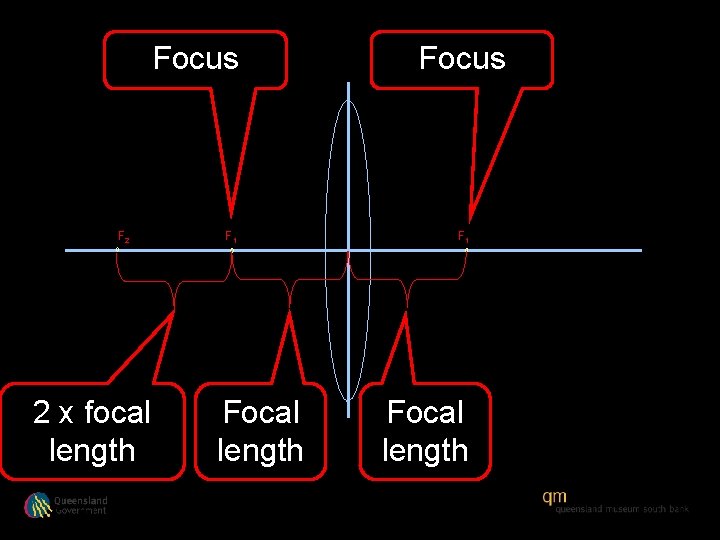
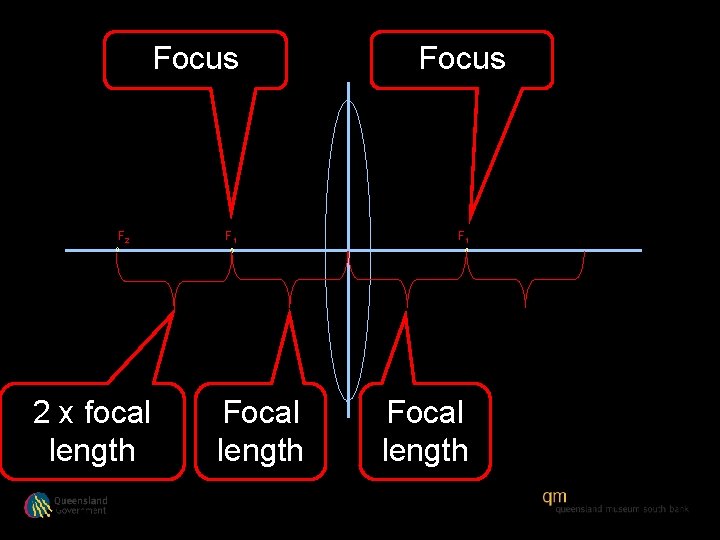
Focus F Focal length
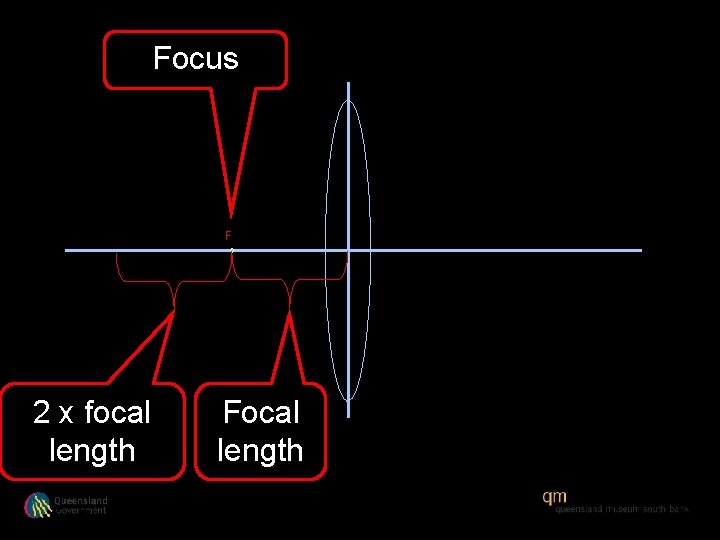
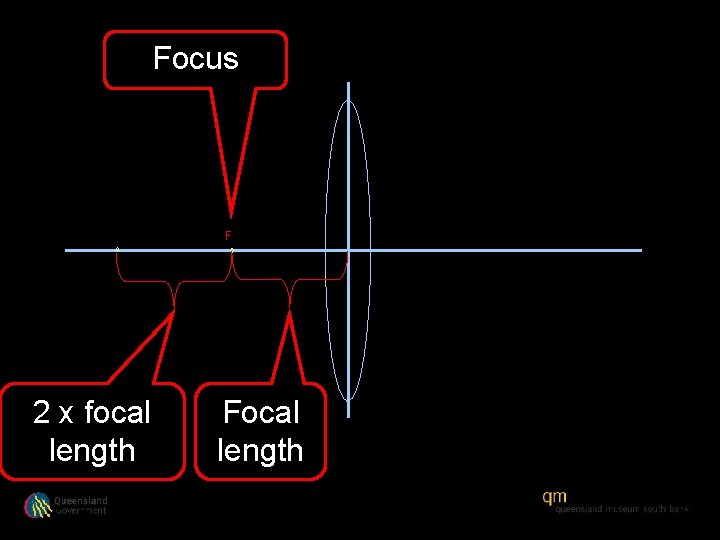
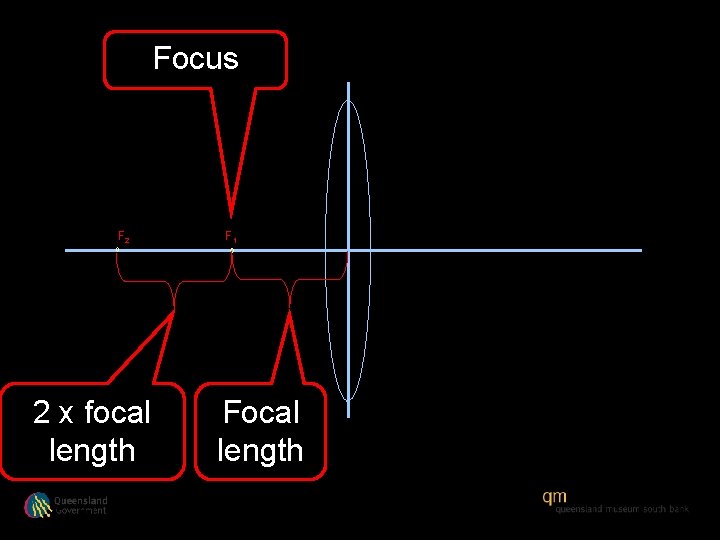
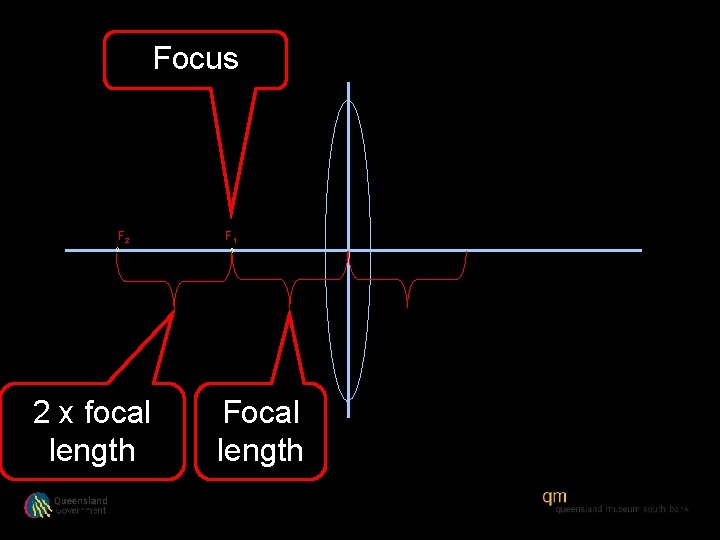
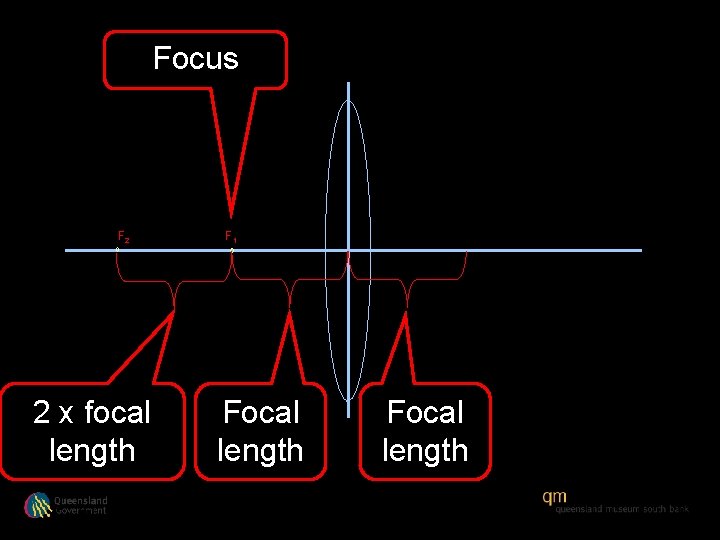
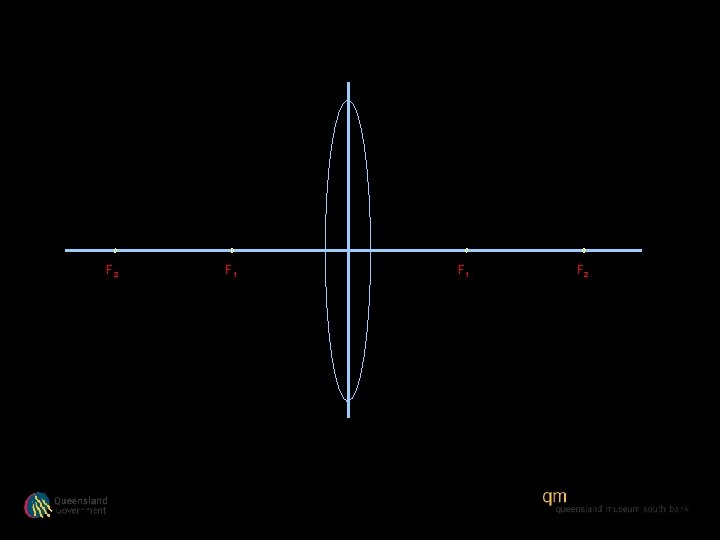
Focus F Focal length This distance from the centre of the lens to the focus point, will be given to you as a point on a diagram or a measurement such as 3 cm.
Focus F Focal length
Focus F Focal length
Focus F 2 x focal length Focal length
Focus F 2 x focal length Focal length
Focus F 2 2 x focal length F Focal length
Focus F 2 2 x focal length F 1 Focal length
Focus F 2 2 x focal length F 1 Focal length
Focus F 2 2 x focal length F 1 Focal length
Focus F 2 2 x focal length F 1 Focal length
Focus F 2 2 x focal length Focus F 1 Focal length
Focus F 2 2 x focal length F 1 Focal length Focus F 1 Focal length
Focus F 2 2 x focal length F 1 Focal length Focus F 1 Focal length
Focus F 2 2 x focal length F 1 Focal length Focus F 1 Focal length 2 x focal length
Focus F 2 2 x focal length F 1 Focal length Focus F 1 Focal length 2 x focal length
Focus F 2 2 x focal length F 1 Focal length Focus F 1 Focal length F 2 2 x focal length
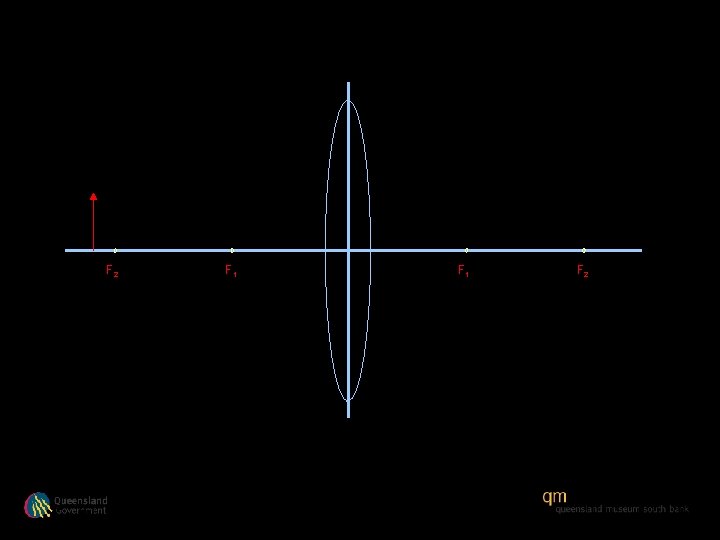
F 2 F 1 F 2
F 2 F 1 F 2
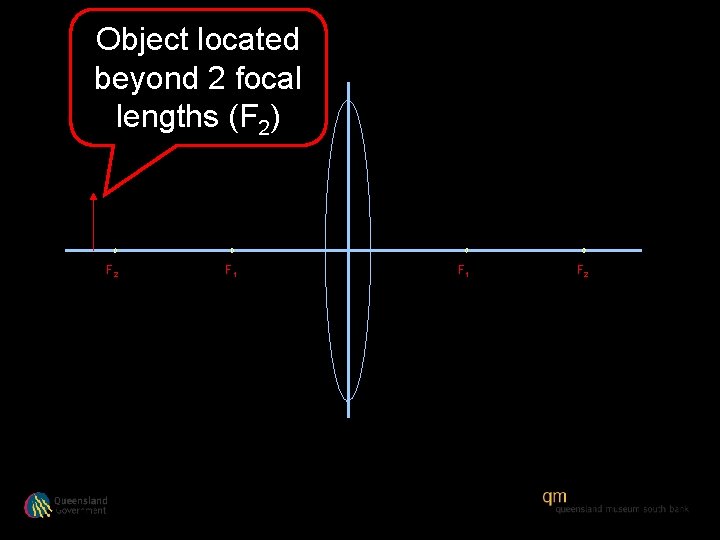
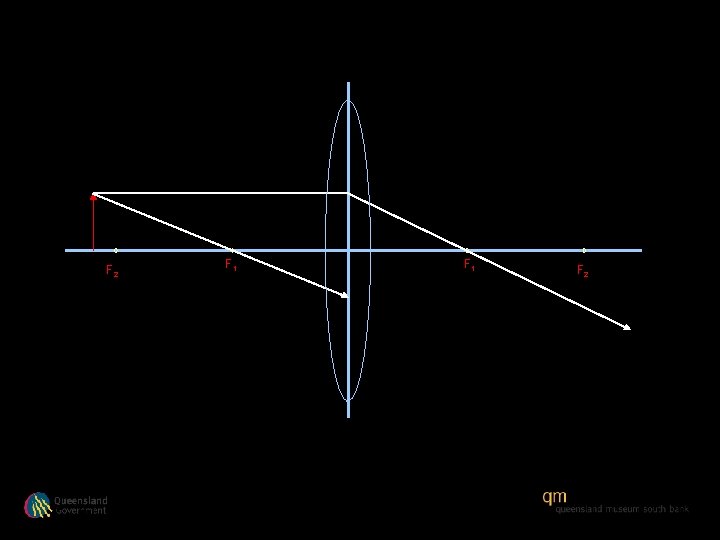
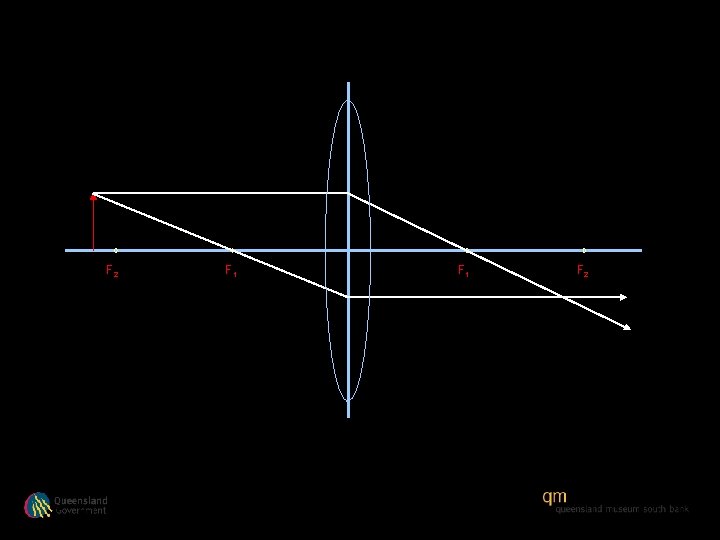
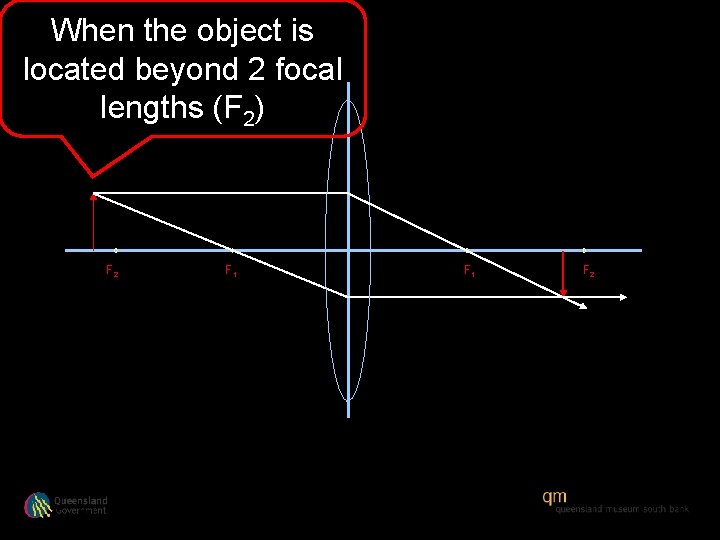
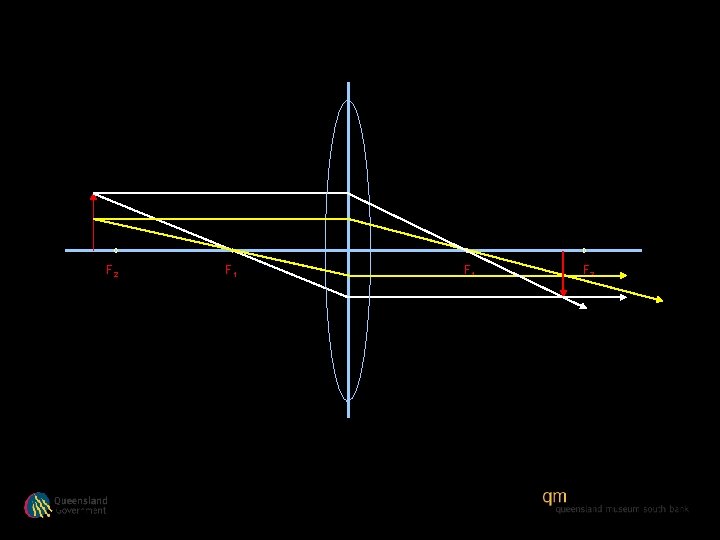
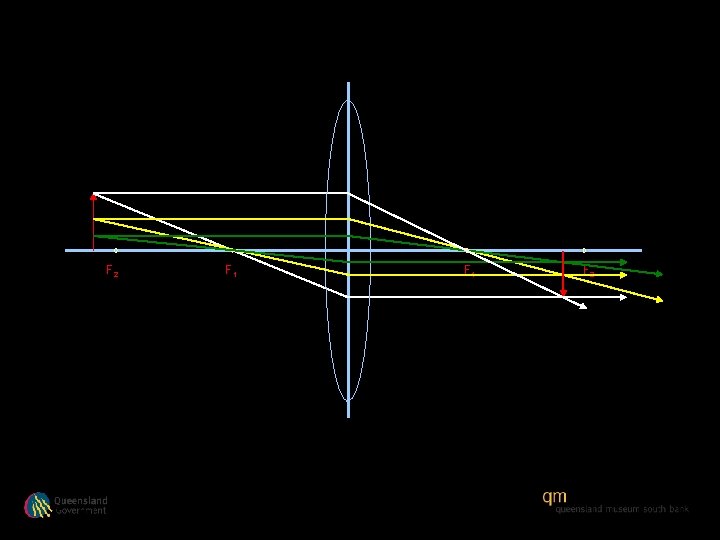
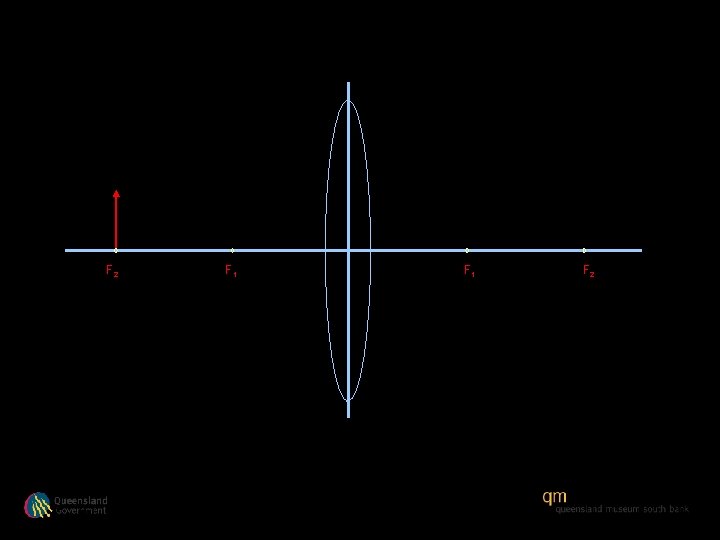
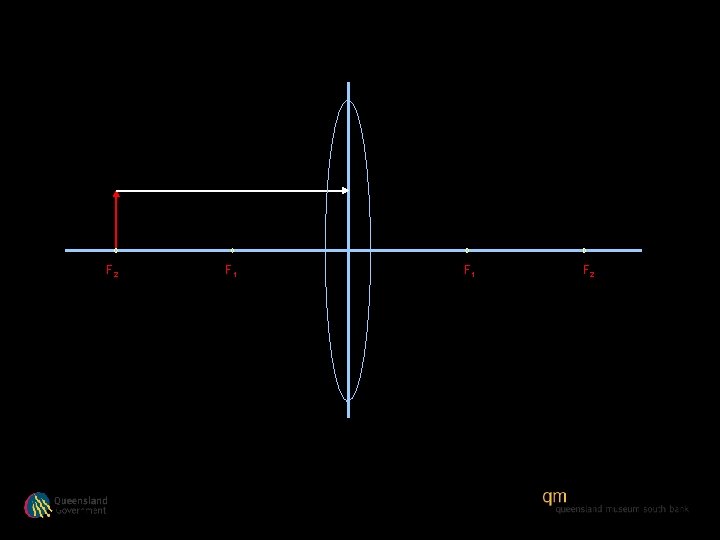
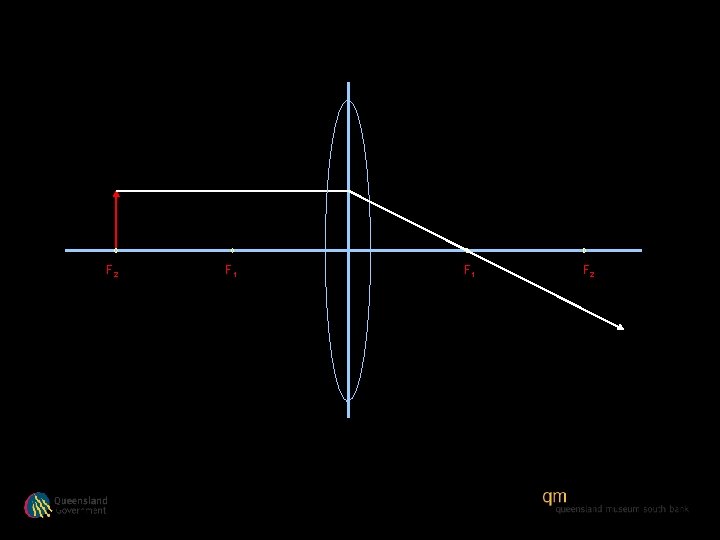
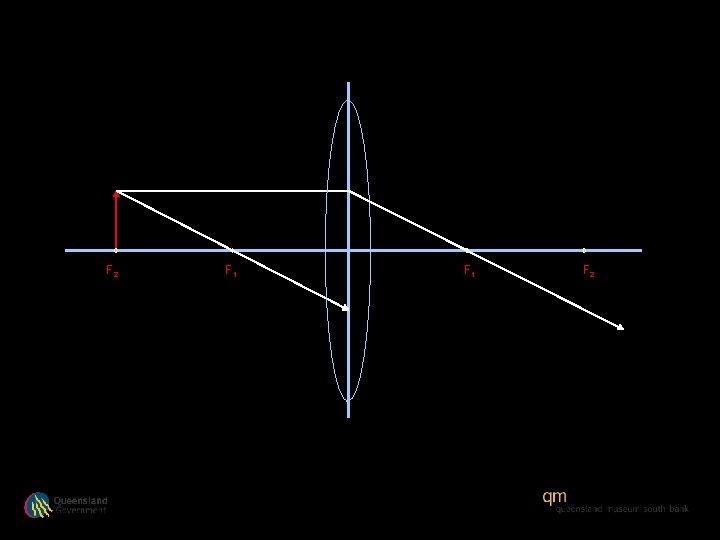
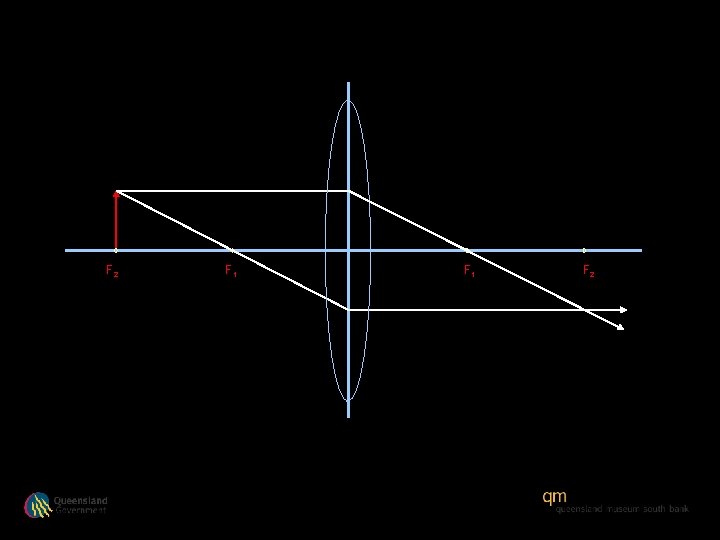
Object located beyond 2 focal lengths (F 2) F 2 F 1 F 2
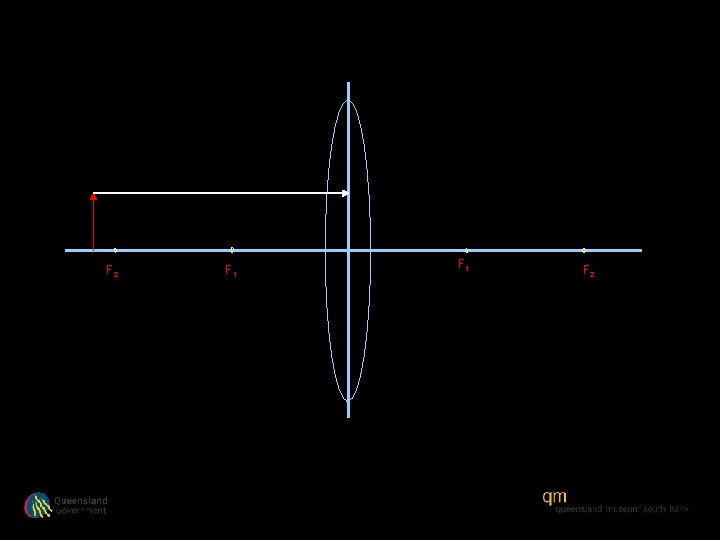
F 2 F 1 F 2
F 2 F 1 F 2
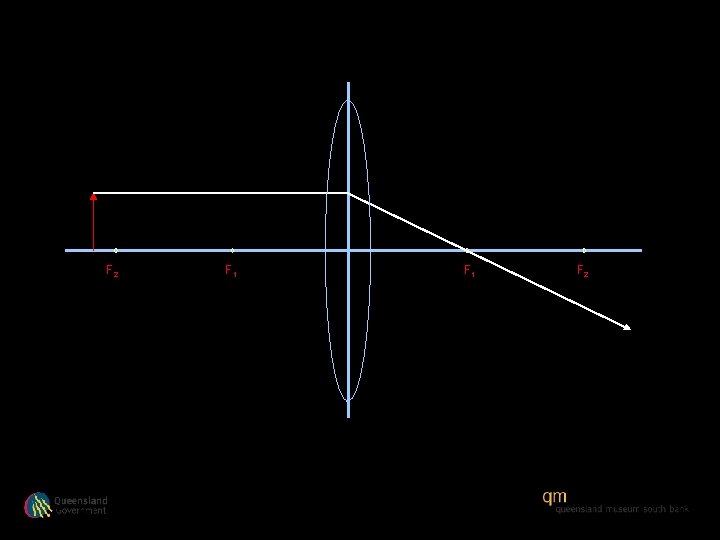
F 2 F 1 F 2
F 2 F 1 F 2
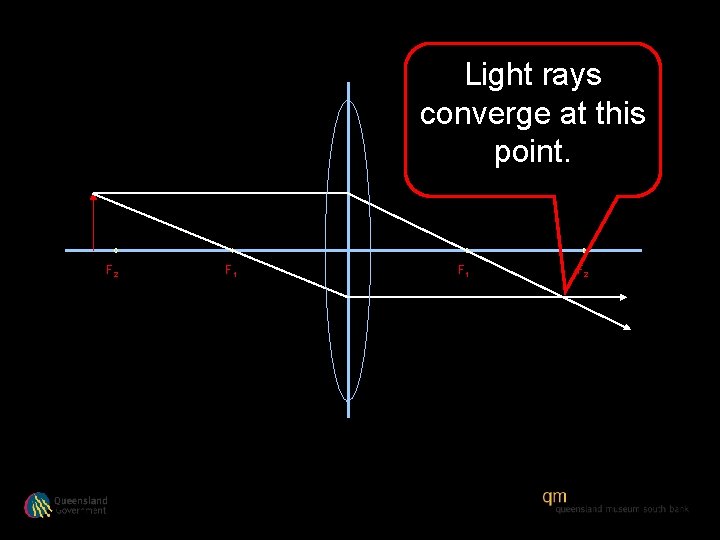
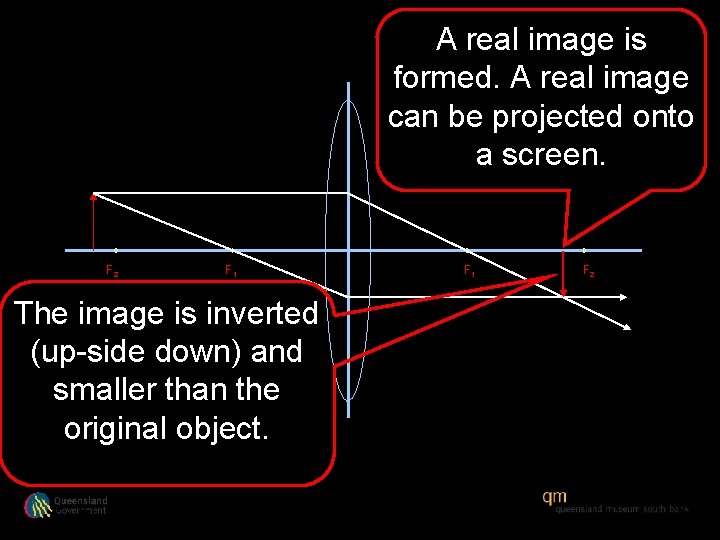
Light rays converge at this point. F 2 F 1 F 2
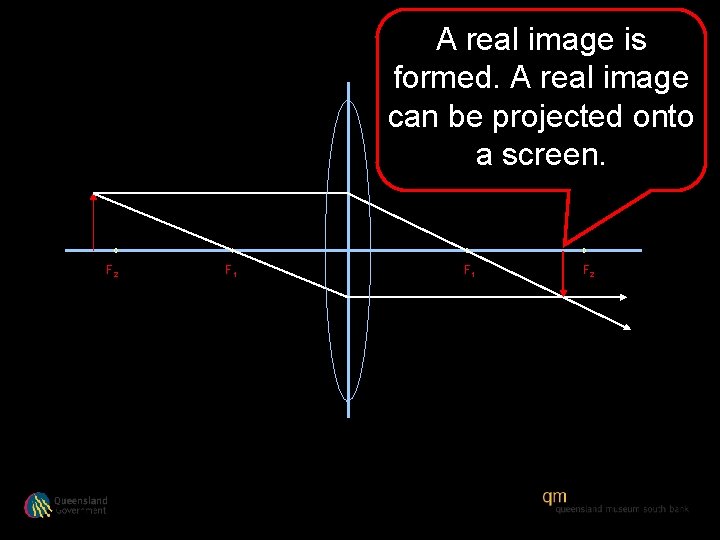
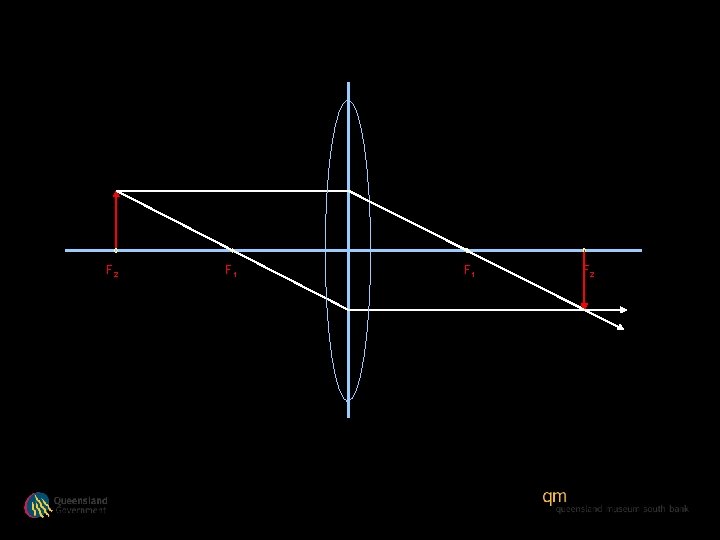
A real image is formed. A real image can be projected onto a screen. F 2 F 1 F 2
A real image is formed. A real image can be projected onto a screen. F 2 F 1 The image is inverted (up-side down) and smaller than the original object. F 1 F 2
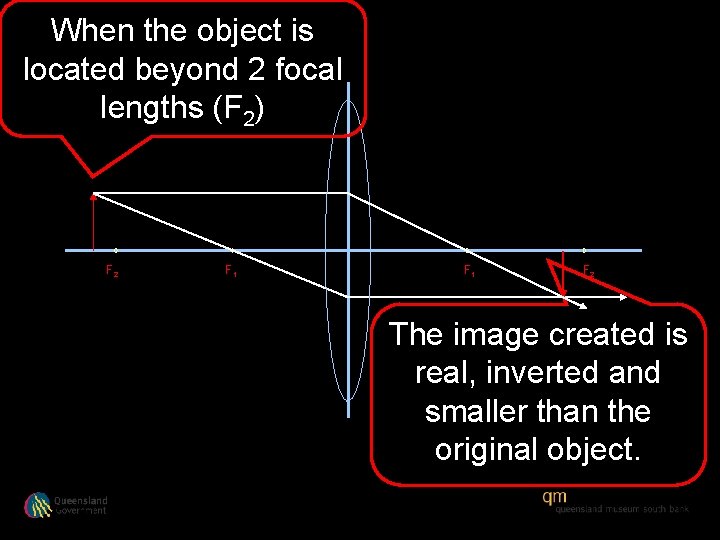
When the object is located beyond 2 focal lengths (F 2) F 2 F 1 F 2
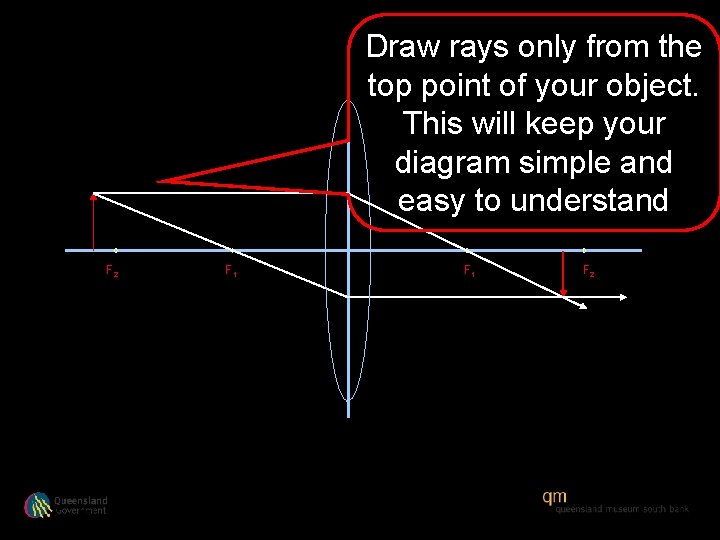
When the object is located beyond 2 focal lengths (F 2) F 2 F 1 F 2 The image created is real, inverted and smaller than the original object.
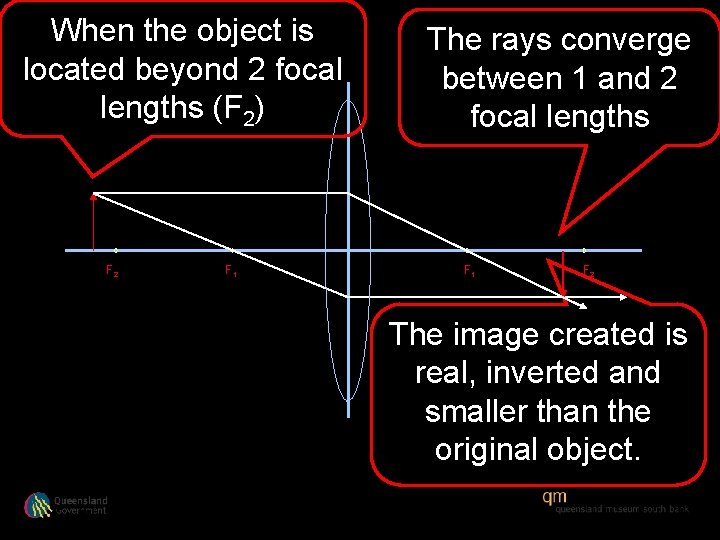
When the object is located beyond 2 focal lengths (F 2) F 2 F 1 The rays converge between 1 and 2 focal lengths F 1 F 2 The image created is real, inverted and smaller than the original object.
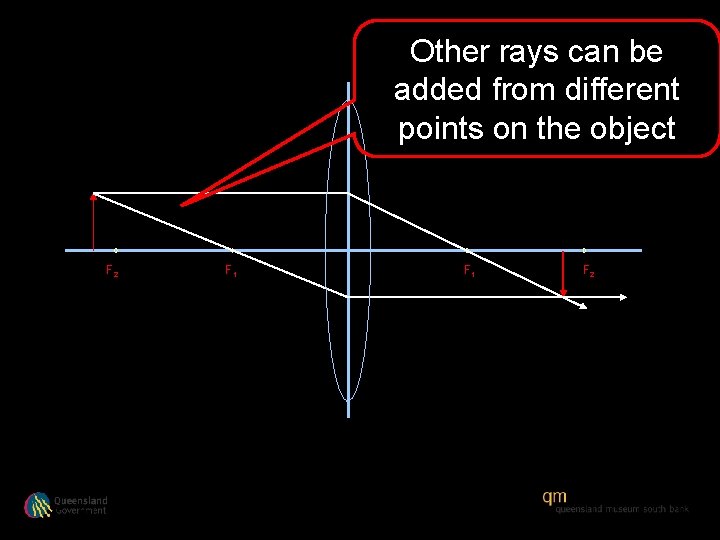
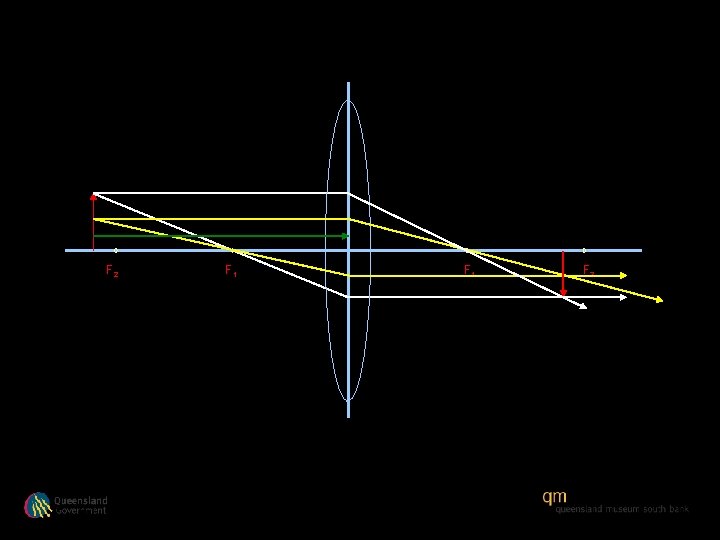
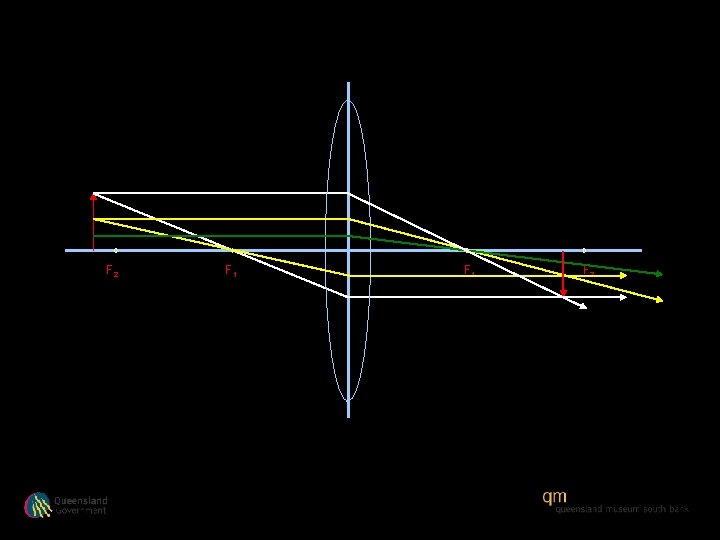
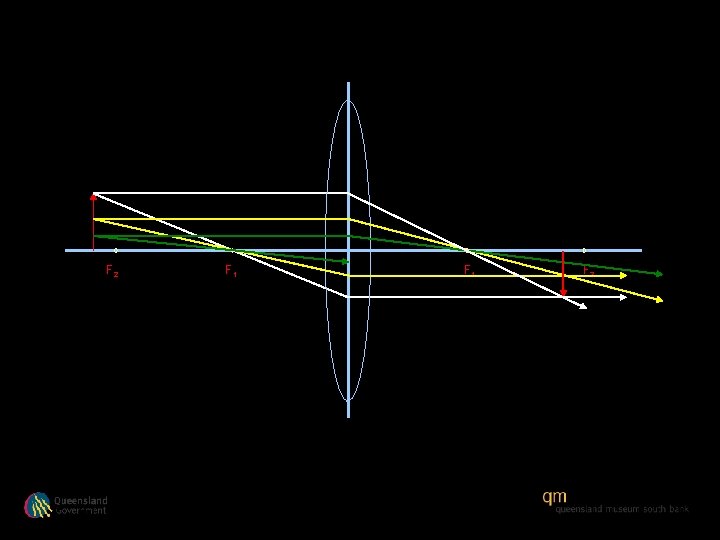
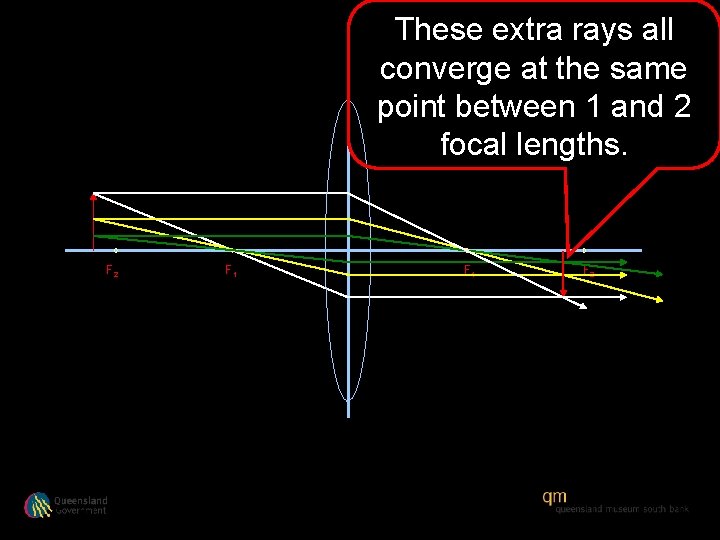
Other rays can be added from different points on the object F 2 F 1 F 2
F 2 F 1 F 2
F 2 F 1 F 2
F 2 F 1 F 2
F 2 F 1 F 2
F 2 F 1 F 2
F 2 F 1 F 2
F 2 F 1 F 2
F 2 F 1 F 2
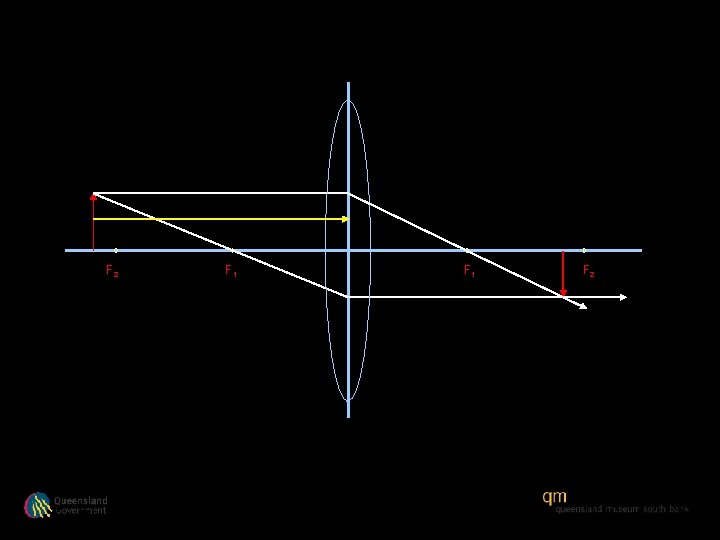
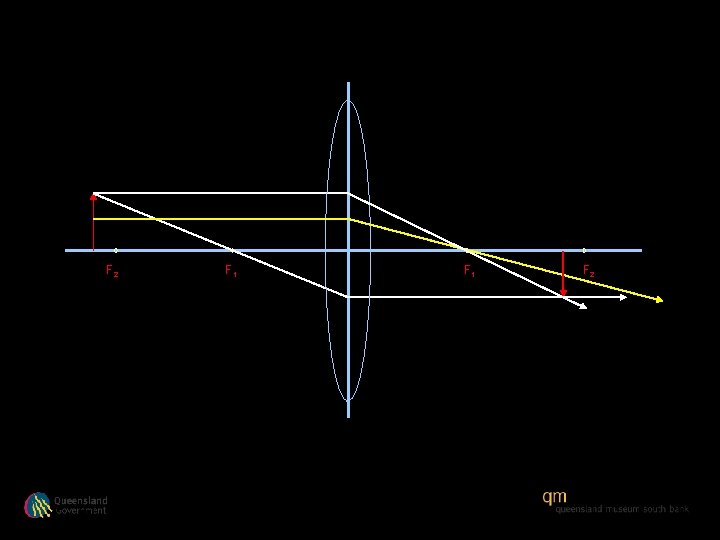
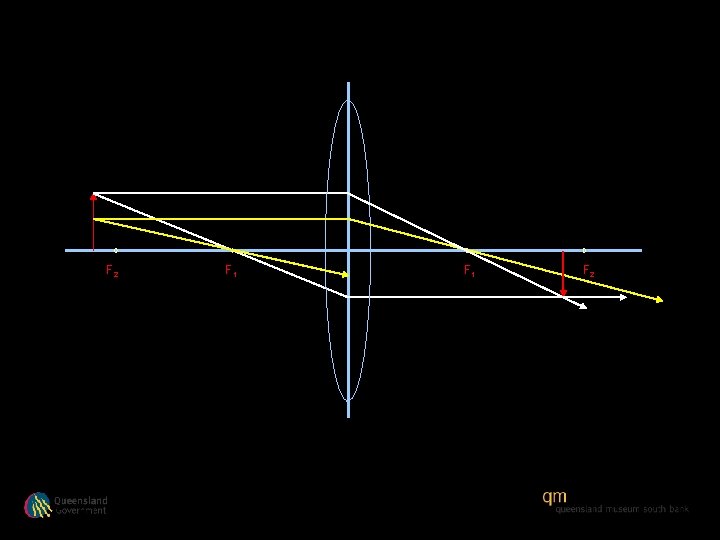
These extra rays all converge at the same point between 1 and 2 focal lengths. F 2 F 1 F 2
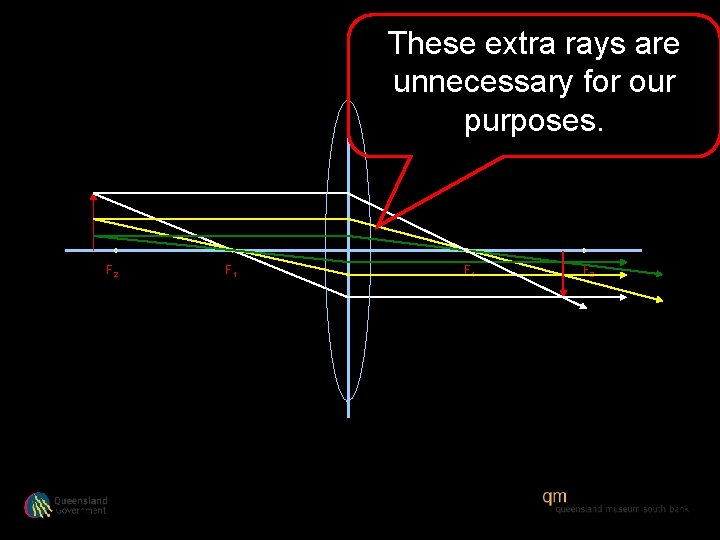
These extra rays are unnecessary for our purposes. F 2 F 1 F 2
Draw rays only from the top point of your object. This will keep your diagram simple and easy to understand F 2 F 1 F 2
F 2 F 1 F 2
F 2 F 1 F 2
F 2 F 1 F 2
F 2 F 1 F 2
F 2 F 1 F 2
F 2 F 1 F 2