
Reform Movements in America Reform to change Suffrage
- Slides: 27
Reform Movements in America Reform: to change
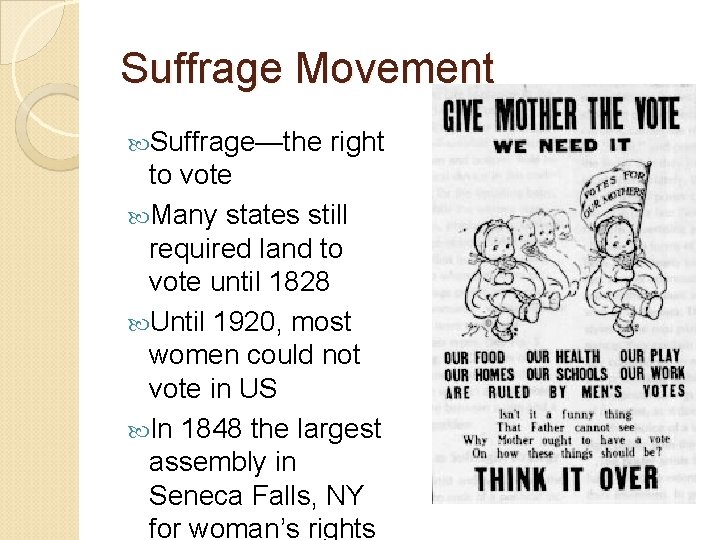
Suffrage Movement Suffrage—the right to vote Many states still required land to vote until 1828 Until 1920, most women could not vote in US In 1848 the largest assembly in Seneca Falls, NY for woman’s rights
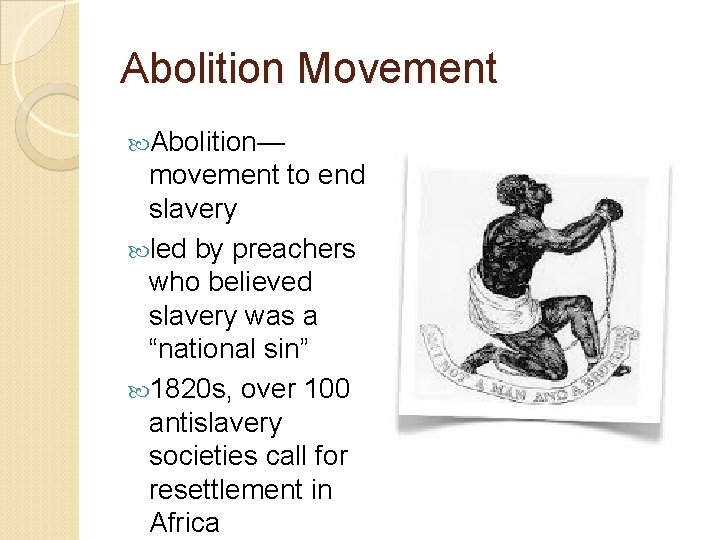
Abolition Movement Abolition— movement to end slavery led by preachers who believed slavery was a “national sin” 1820 s, over 100 antislavery societies call for resettlement in Africa
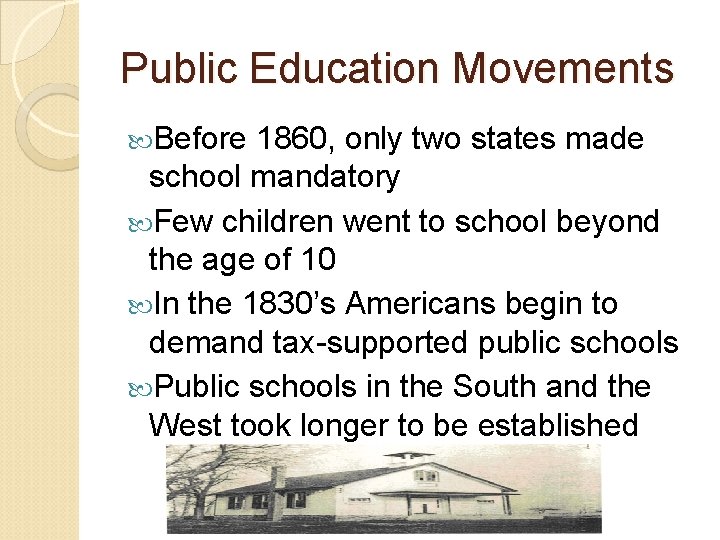
Public Education Movements Before 1860, only two states made school mandatory Few children went to school beyond the age of 10 In the 1830’s Americans begin to demand tax-supported public schools Public schools in the South and the West took longer to be established
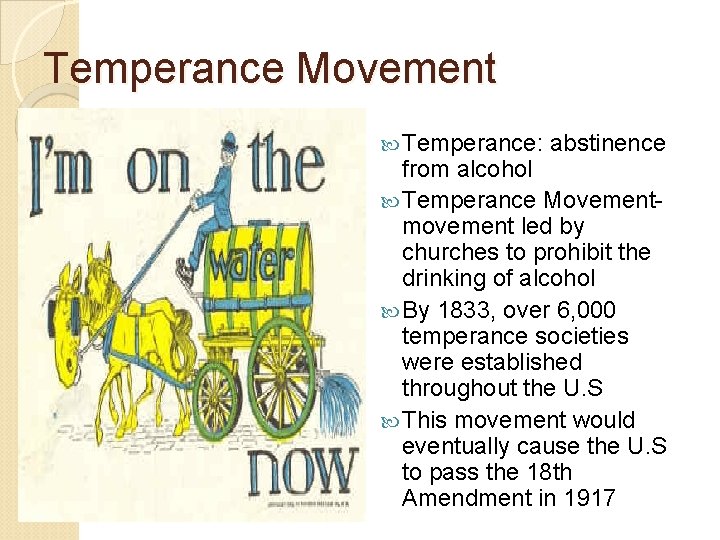
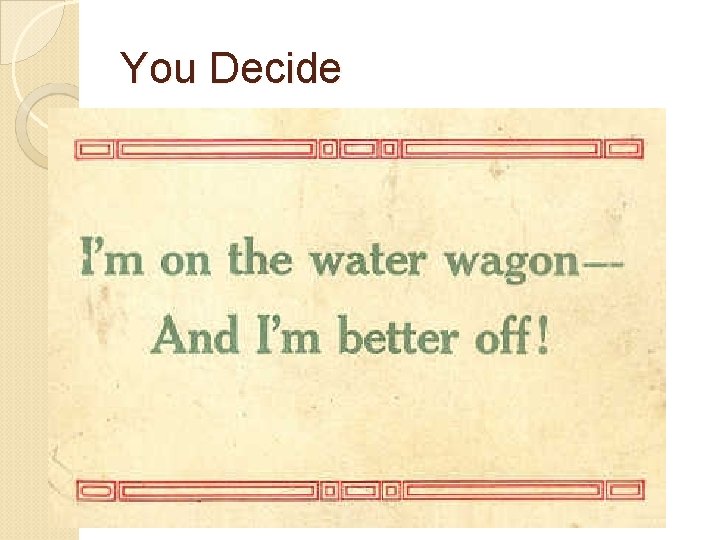
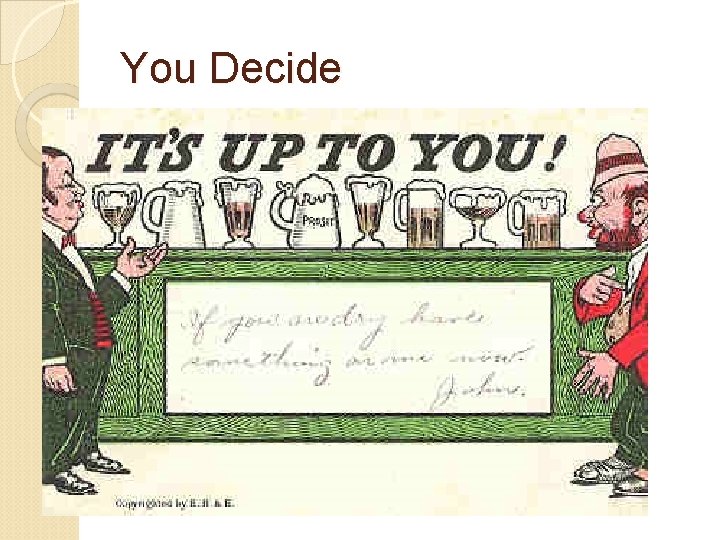
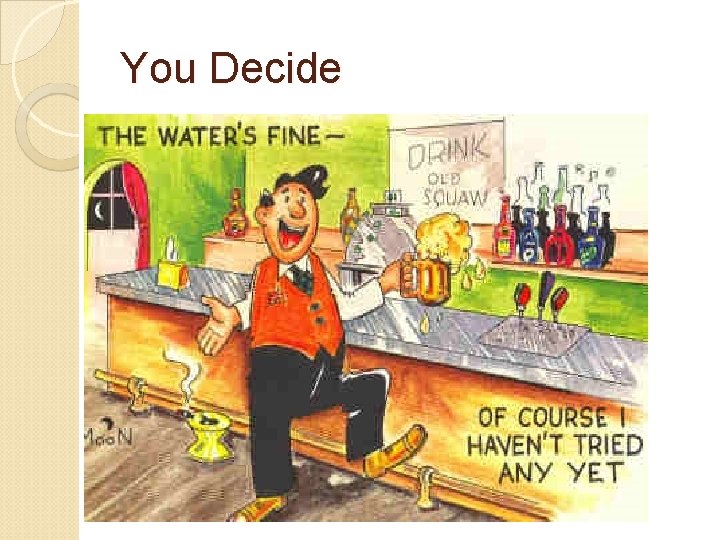
Temperance Movement Temperance: abstinence from alcohol Temperance Movementmovement led by churches to prohibit the drinking of alcohol By 1833, over 6, 000 temperance societies were established throughout the U. S This movement would eventually cause the U. S to pass the 18 th Amendment in 1917
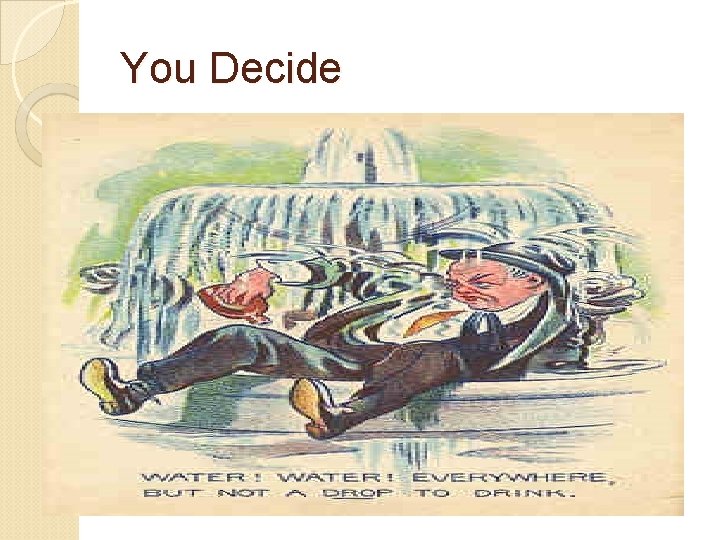
You Decide
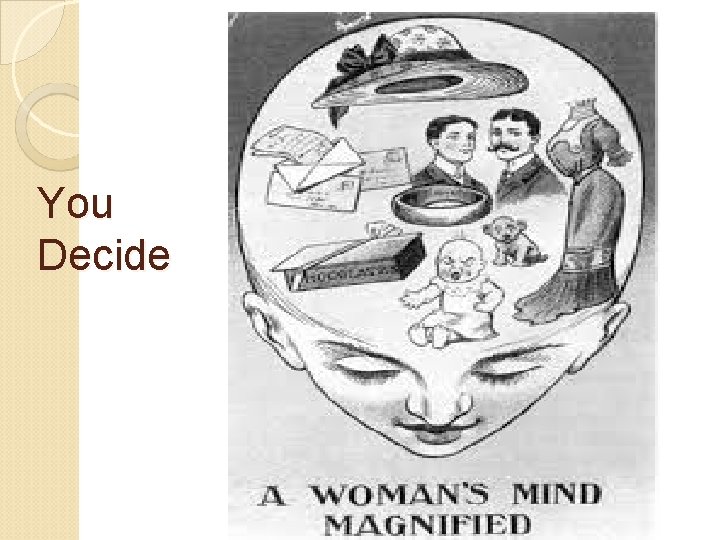
You Decide
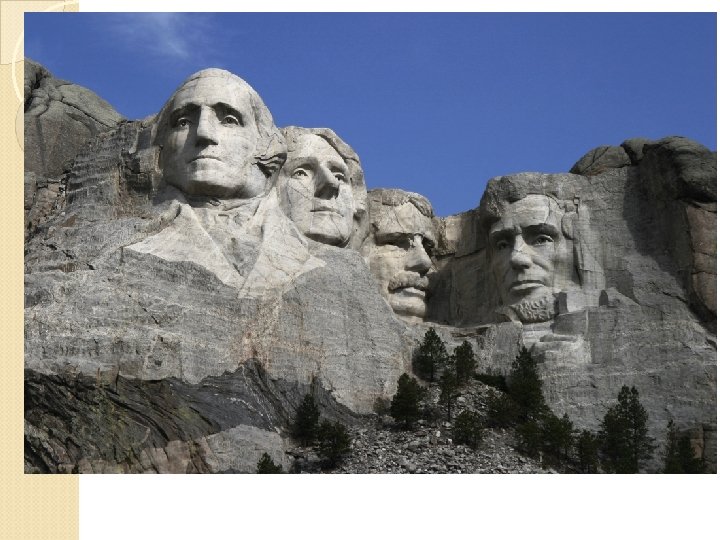
Mount Reform Read the profile sheet for each reformer Complete the yellow sheet ◦ Reform and issue ◦ Decided/debate as a group who was most important
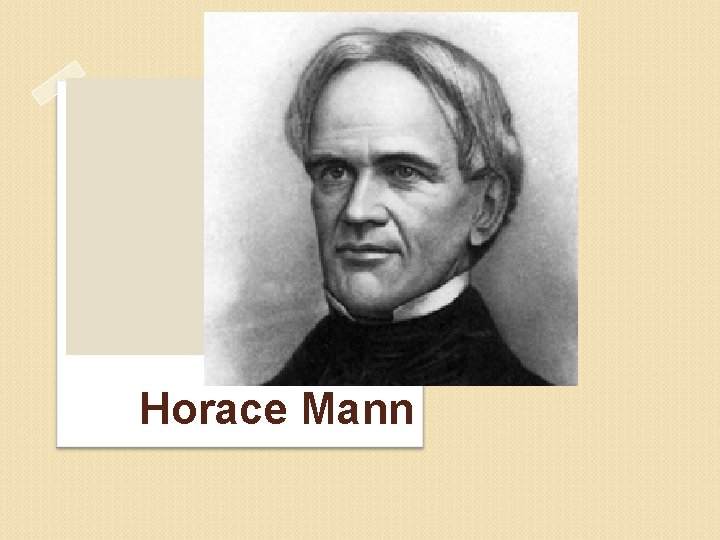
an educator of Massachusetts Created public schools that were state funded and mandatory Established teacher training programs Helped to doubled the money that his state spent on schools Believed in temperance, abolition, and women’s rights
Horace Mann
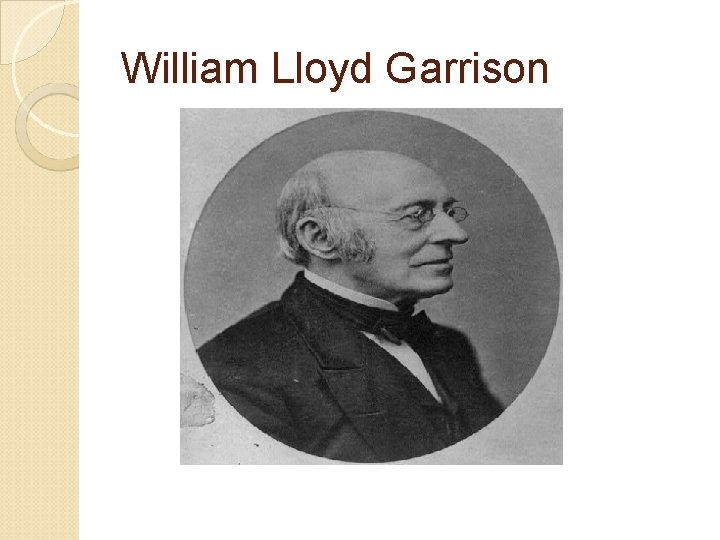
William Lloyd Garrison, white abolitionist Publishes The Liberator in Boston demands immediate emancipationthe freeing of slaves with no payment to slave holders
William Lloyd Garrison
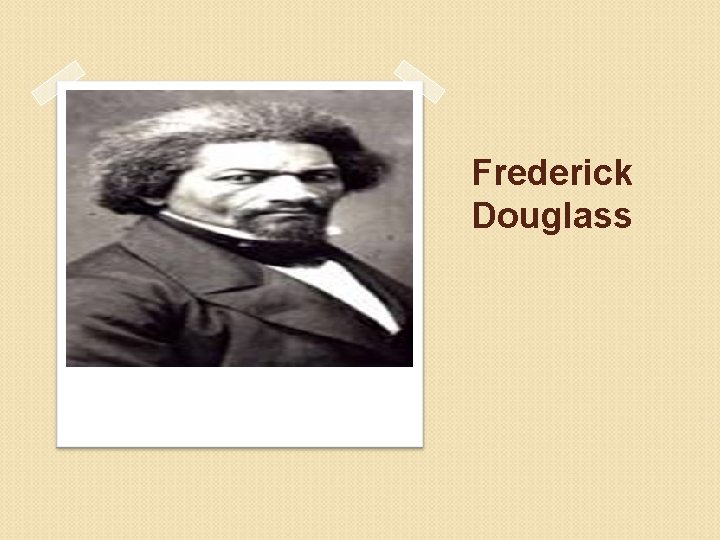
Frederick Douglass, former slave, speaks out on slavery Begins his own antislavery newspaper, The North Star supported women's rights because he thought everyone should be treated equally first black citizen to hold a high U. S. government rank
Frederick Douglass
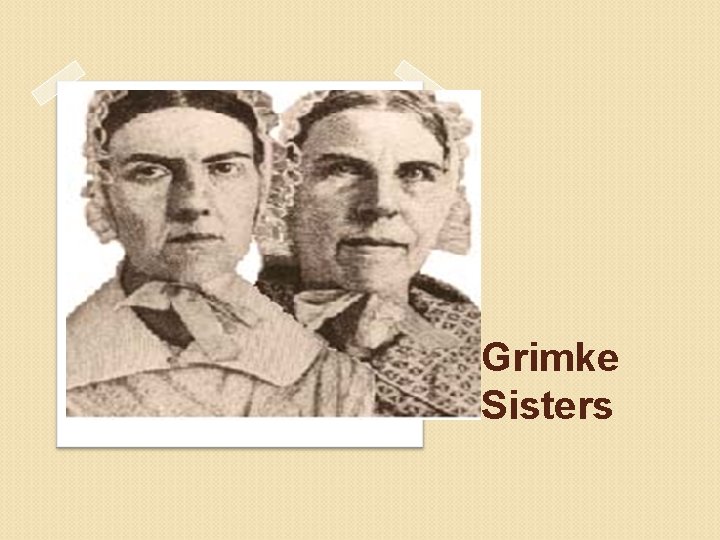
Sarah and Angela Grimke Grew up on a plantation in South Carolina (family owned slaves) These women spoke out against slavery Want women’s rights and gender inequality Ran school for women
Grimke Sisters
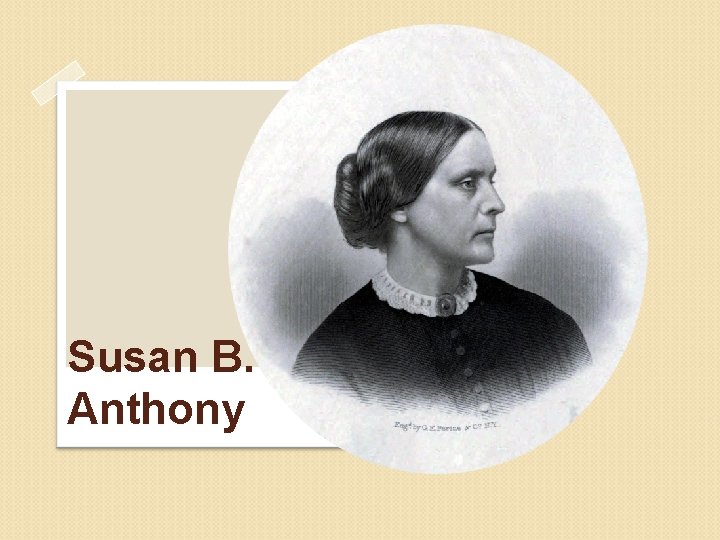
Played a pivotal role in the women's suffrage movement. Born into a Quaker family committed to social equality. Collected anti-slavery petitions at the age of 17—New York state agent for the American Anti-Slavery Society. Prevented from speaking at a temperance conference because she was a woman
Susan B. Anthony
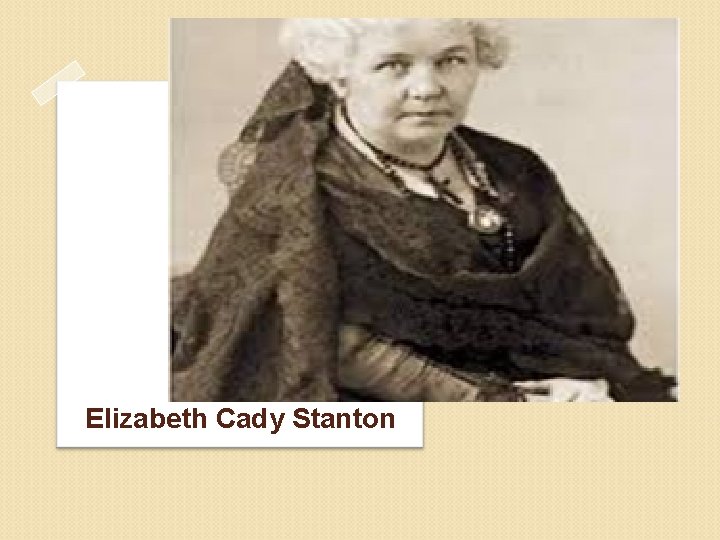
Against the “Cult of Domesticity”- idea that housework and childcare were the only proper activities for married women Elizabeth Cady Stanton and Lucretia Mott call women’s rights convention Organized the first women’s rights convention in 1848— Seneca Falls Convention Stanton wrote the Declaration of Sentiments using model of the Declaration of Independence 68 women and 32 men sign and approve at the convention
Elizabeth Cady Stanton
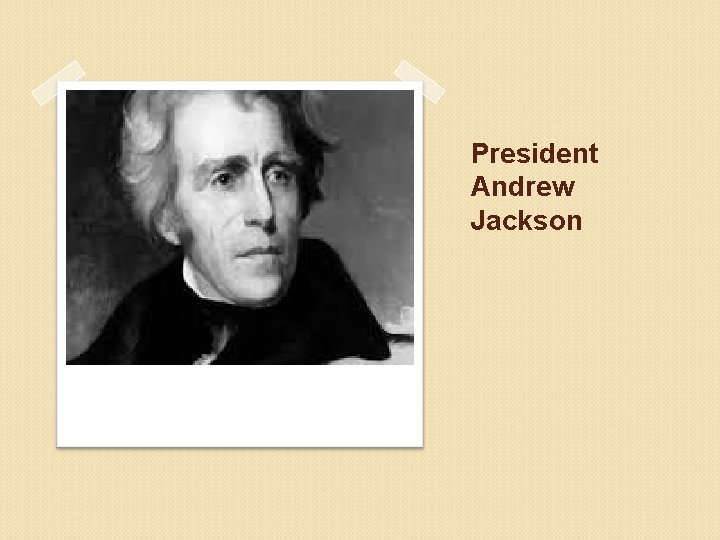
Expanded suffrage for white men: some states still had property qualifications for voting the voting population was enlarged Supported by the common people Jacksonian democracy—focused on the idea of political power for all classes (poor to rich) Spoils systempolitical supporters of the president get jobs based on political loyalty, campaign donations and support during election years
President Andrew Jackson
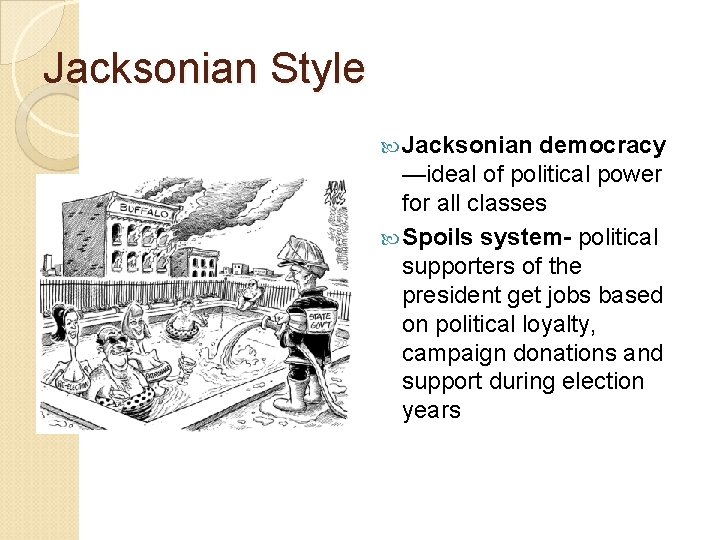
Jacksonian Style Jacksonian democracy —ideal of political power for all classes Spoils system- political supporters of the president get jobs based on political loyalty, campaign donations and support during election years
You Decide
You Decide
You Decide