
Reflection from curved mirrors Chapter 3 Parts of
- Slides: 22
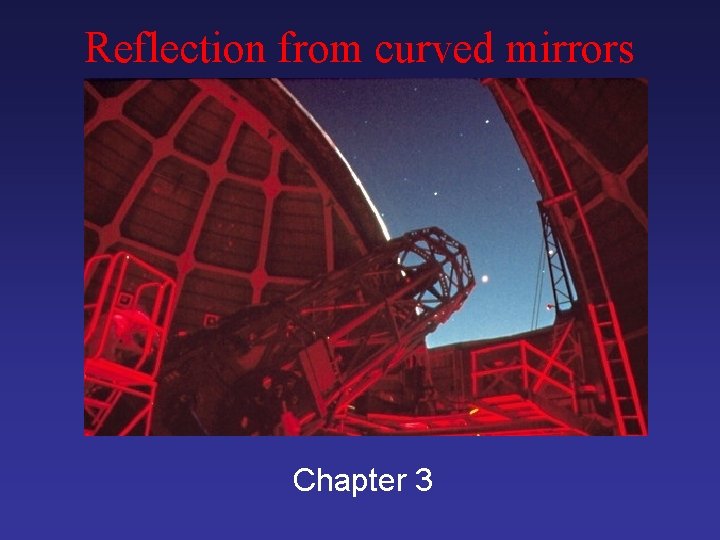
Reflection from curved mirrors Chapter 3
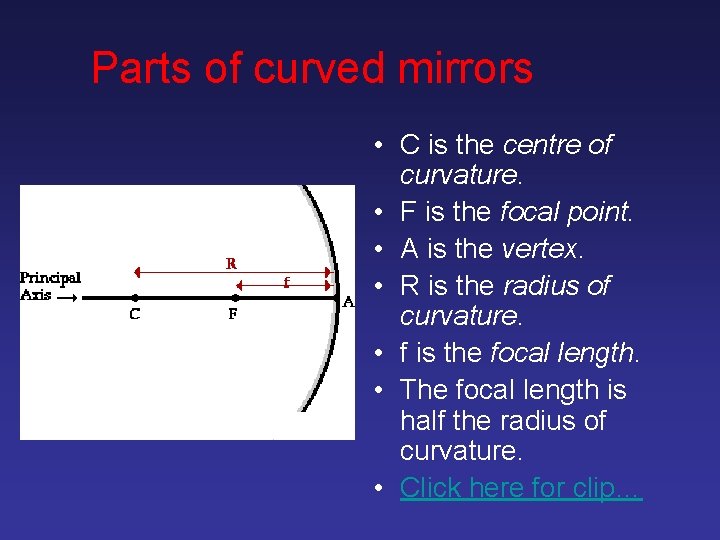
Parts of curved mirrors • C is the centre of curvature. • F is the focal point. • A is the vertex. • R is the radius of curvature. • f is the focal length. • The focal length is half the radius of curvature. • Click here for clip…
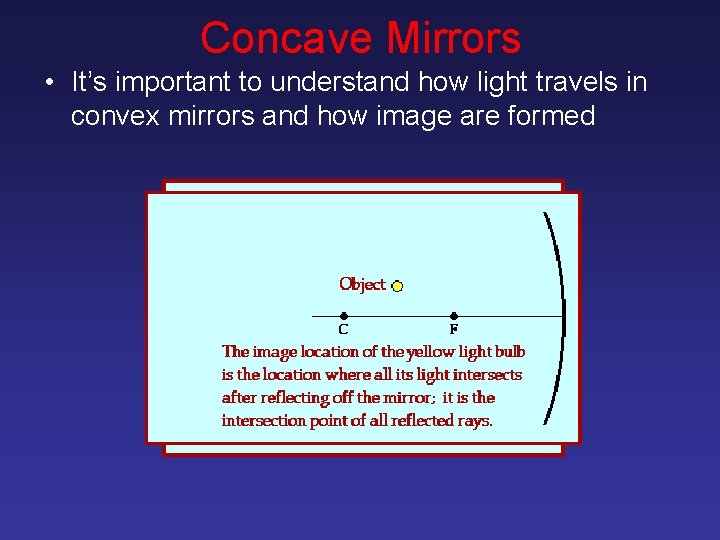
Concave Mirrors • It’s important to understand how light travels in convex mirrors and how image are formed
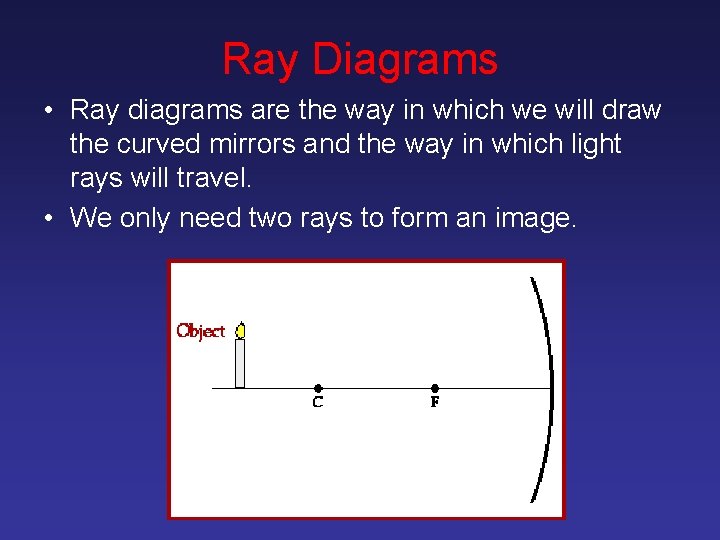
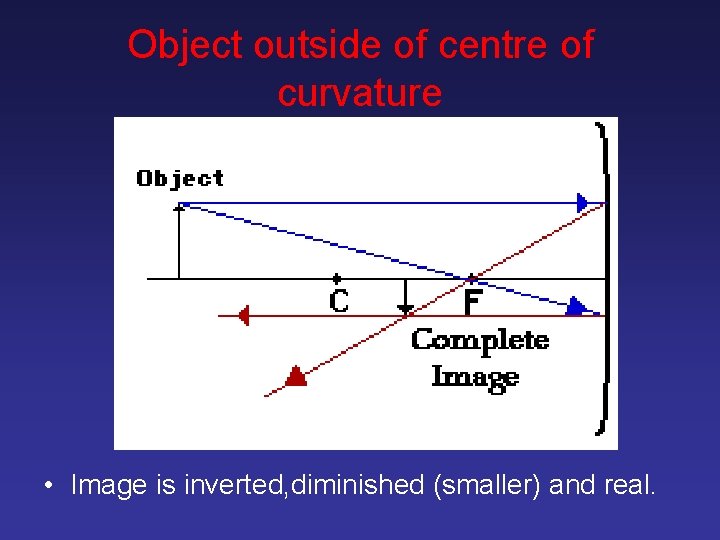
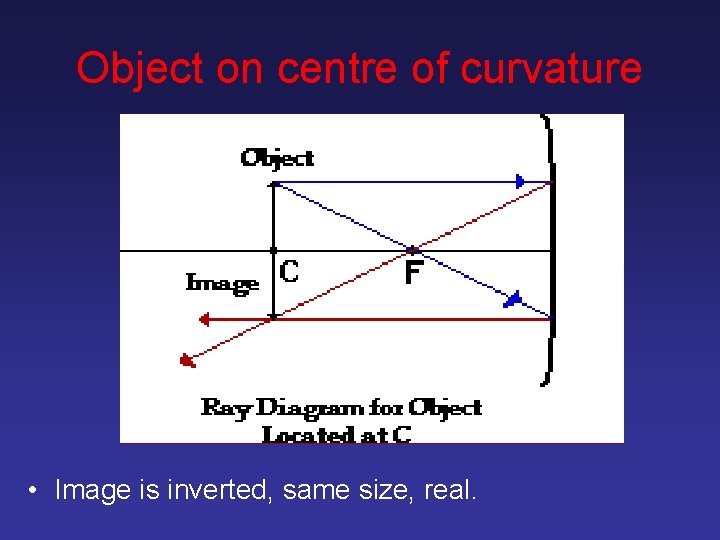
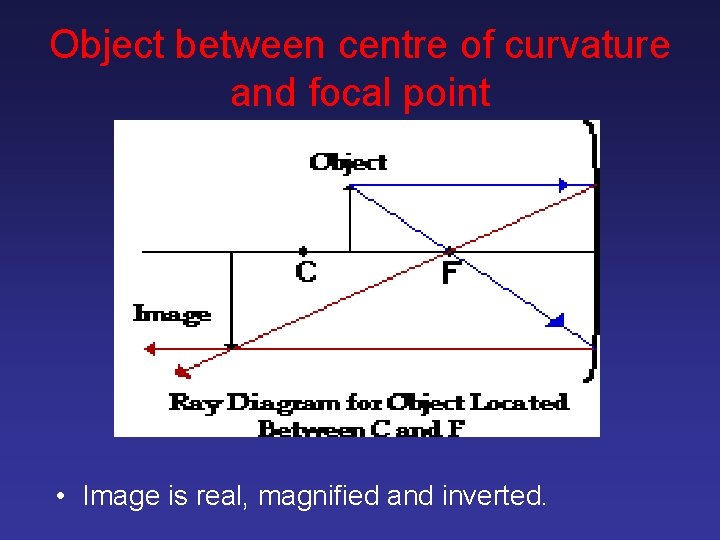
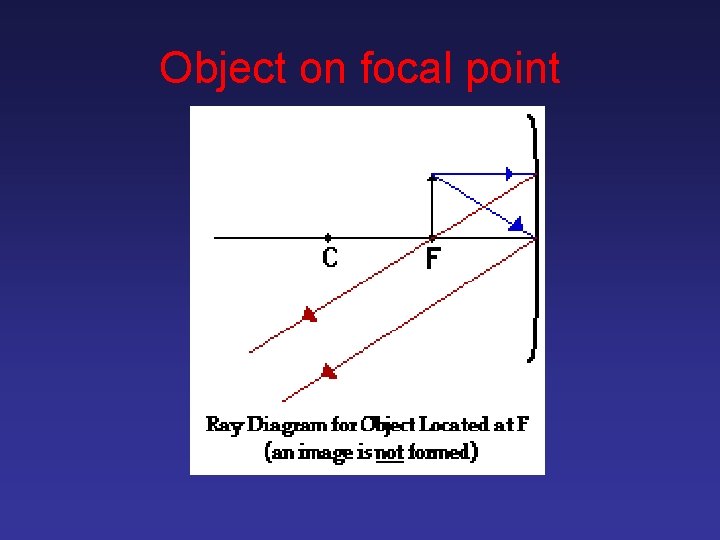
Ray Diagrams • Ray diagrams are the way in which we will draw the curved mirrors and the way in which light rays will travel. • We only need two rays to form an image.
Object outside of centre of curvature • Image is inverted, diminished (smaller) and real.
Object on centre of curvature • Image is inverted, same size, real.
Object between centre of curvature and focal point • Image is real, magnified and inverted.
Object on focal point
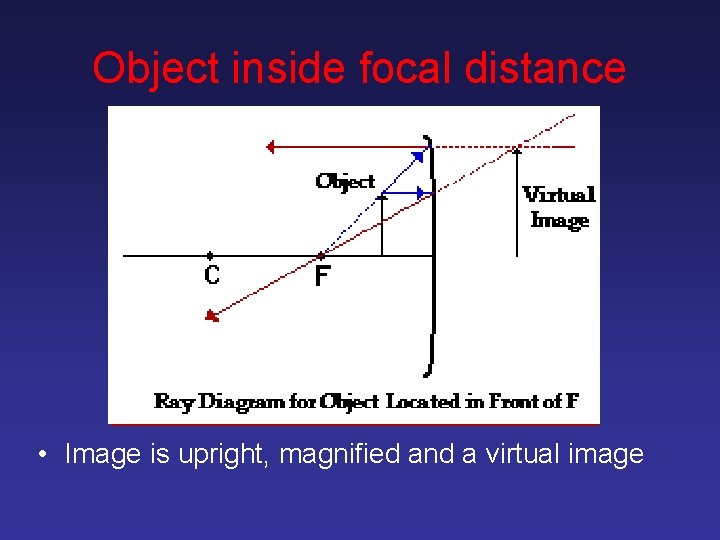
Object inside focal distance • Image is upright, magnified and a virtual image
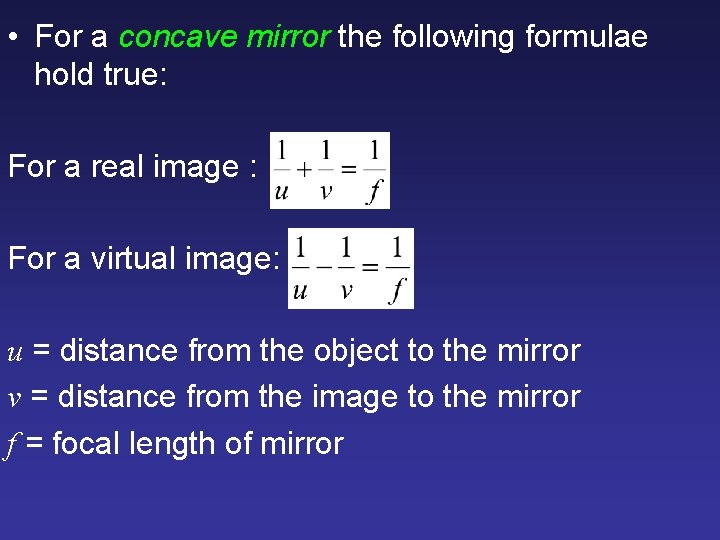
• For a concave mirror the following formulae hold true: For a real image : For a virtual image: u = distance from the object to the mirror v = distance from the image to the mirror f = focal length of mirror
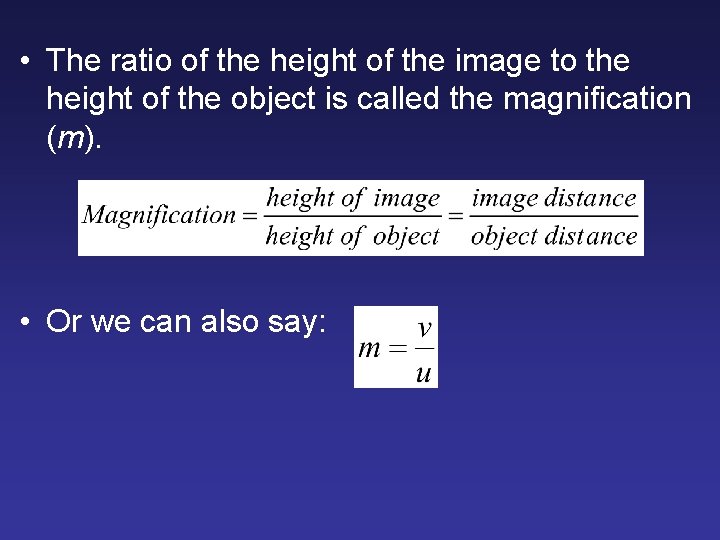
• The ratio of the height of the image to the height of the object is called the magnification (m). • Or we can also say:
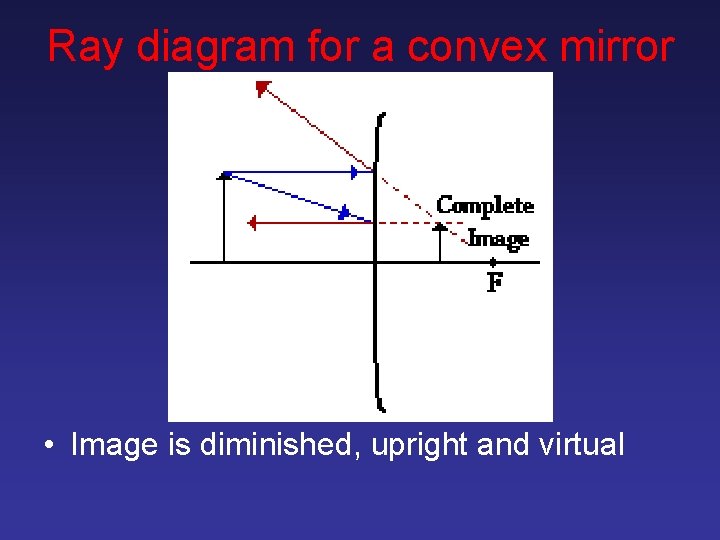
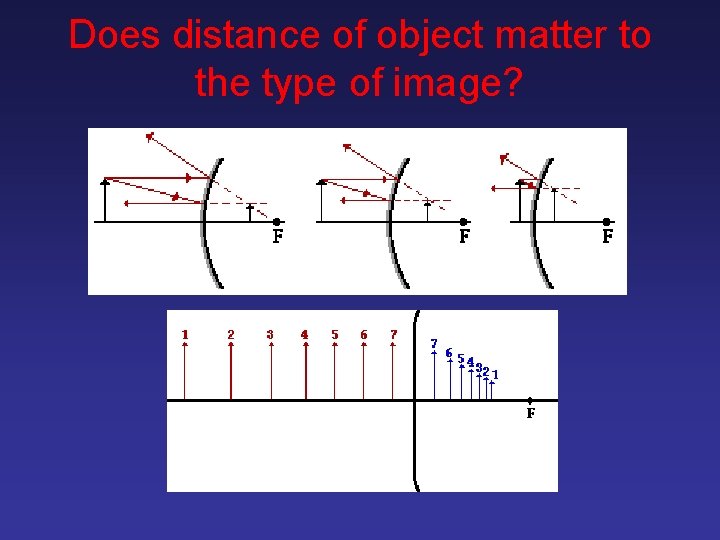
Ray diagram for a convex mirror • Image is diminished, upright and virtual
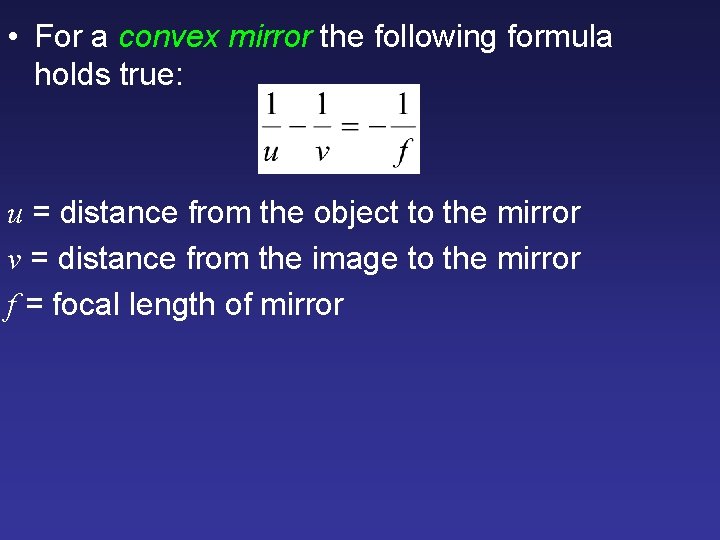
• For a convex mirror the following formula holds true: u = distance from the object to the mirror v = distance from the image to the mirror f = focal length of mirror
Does distance of object matter to the type of image?
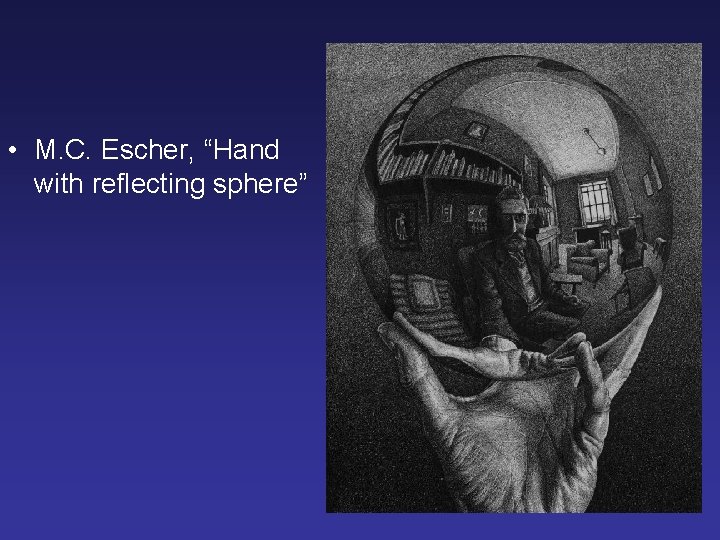
• M. C. Escher, “Hand with reflecting sphere”
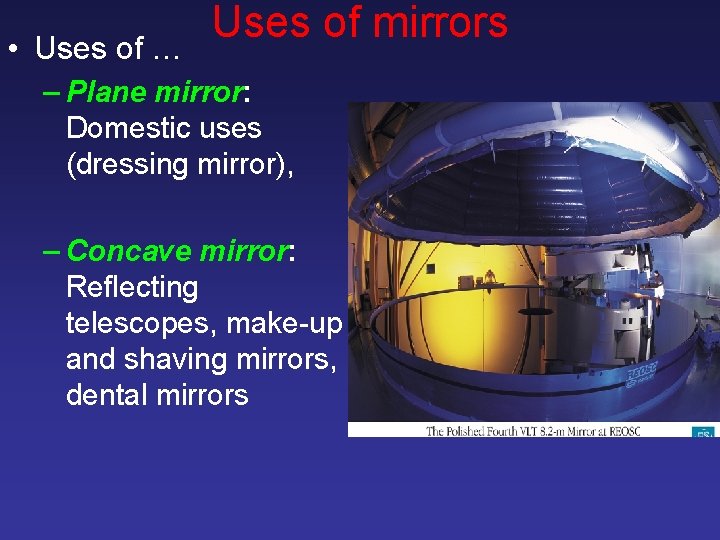
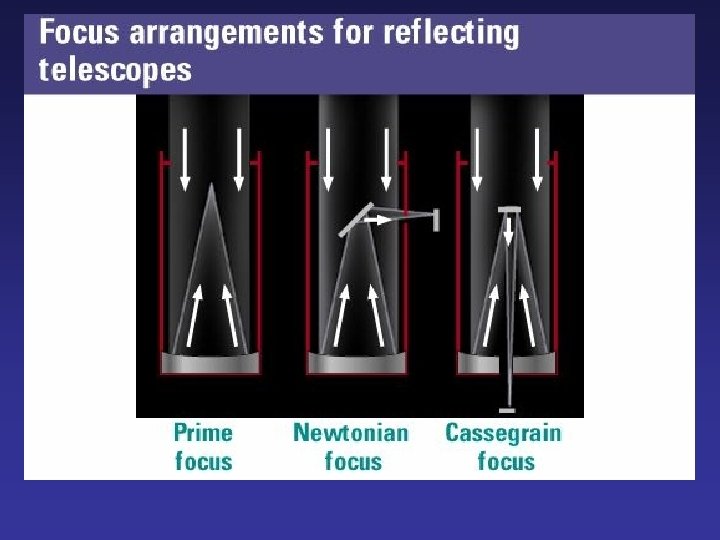
• Uses of … Uses of mirrors – Plane mirror: Domestic uses (dressing mirror), – Concave mirror: Reflecting telescopes, make-up and shaving mirrors, dental mirrors
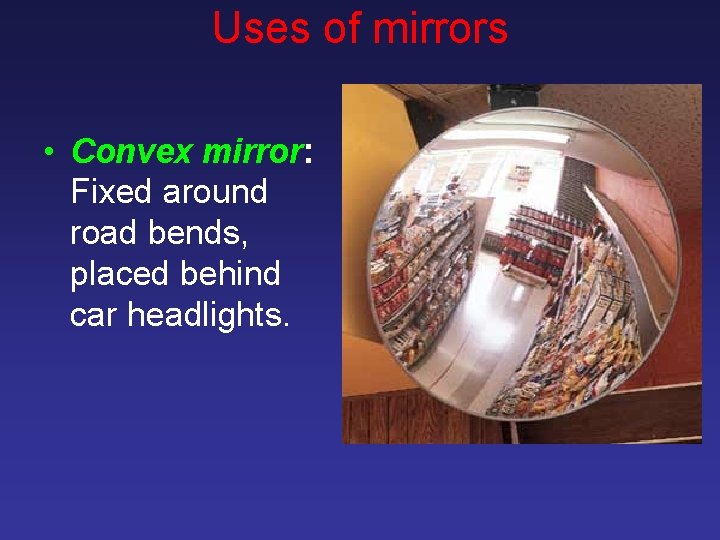
Uses of mirrors • Convex mirror: Fixed around road bends, placed behind car headlights.
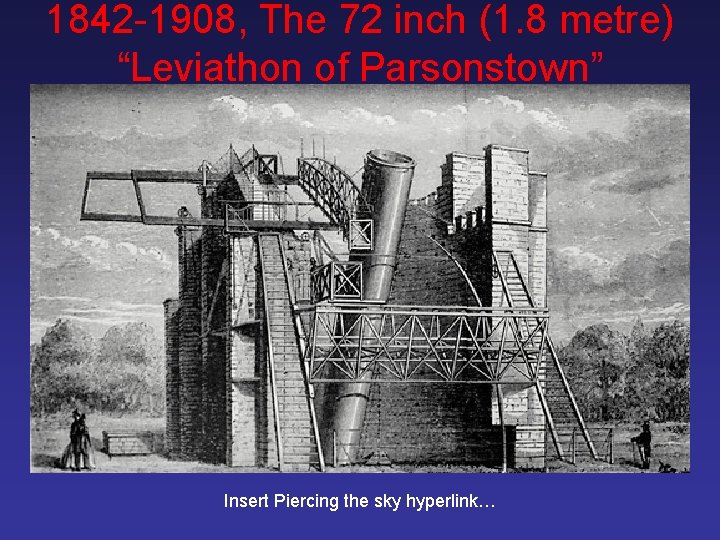
1842 -1908, The 72 inch (1. 8 metre) “Leviathon of Parsonstown” Insert Piercing the sky hyperlink…
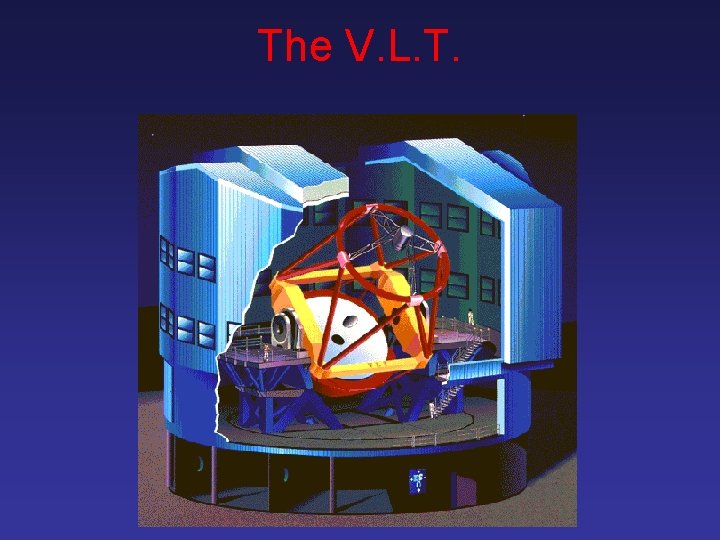
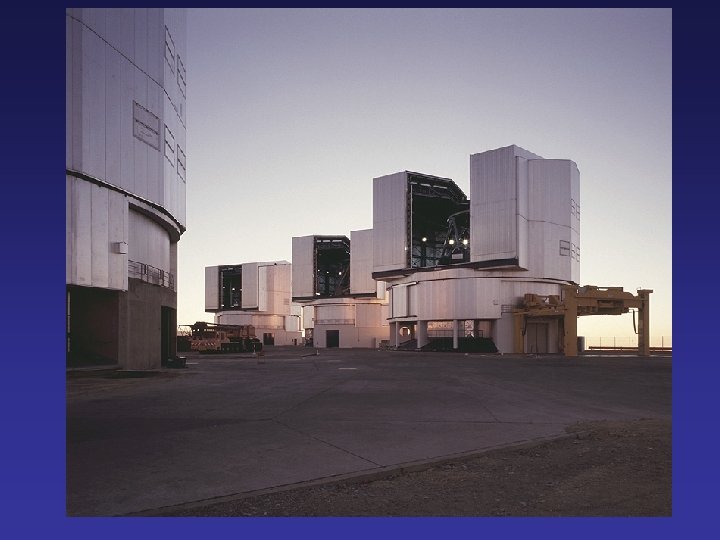
The V. L. T.
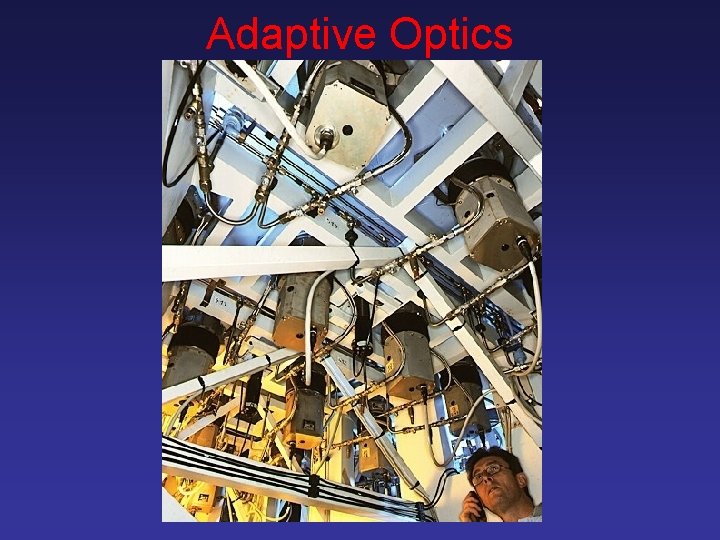
Adaptive Optics