
Reducing Pesticide Use Through Spatial Mapping and Precision

- Slides: 44
Reducing Pesticide Use Through Spatial Mapping and Precision Targeting Jeffrey A. Weier Sprague Pest Solutions
Expectations for New Technology • • Computer Modeling, “Killing Pests With Information” Increase Efficiency Decrease Pesticide Risk Proactive and Preventative
Using Spatial Analysis • • Locate source of infestation Determine magnitude of activity Precision targeting of control efforts Document changes in pest activity Document results of control efforts Locate immigration points Separate sources of multiple infestations
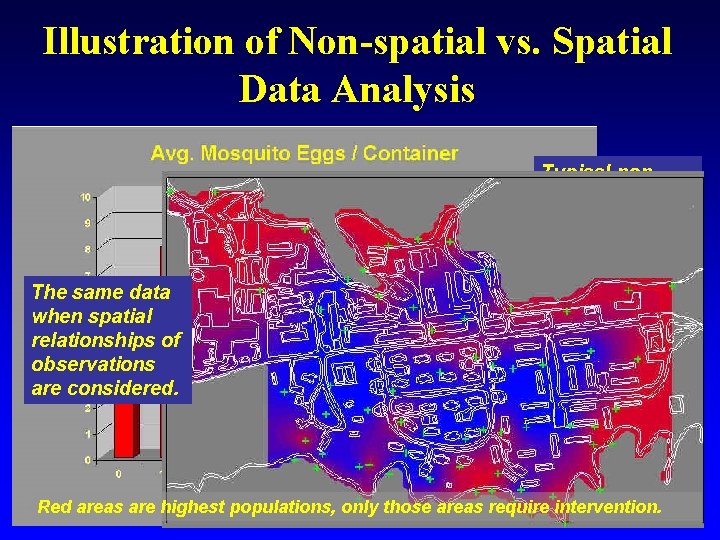
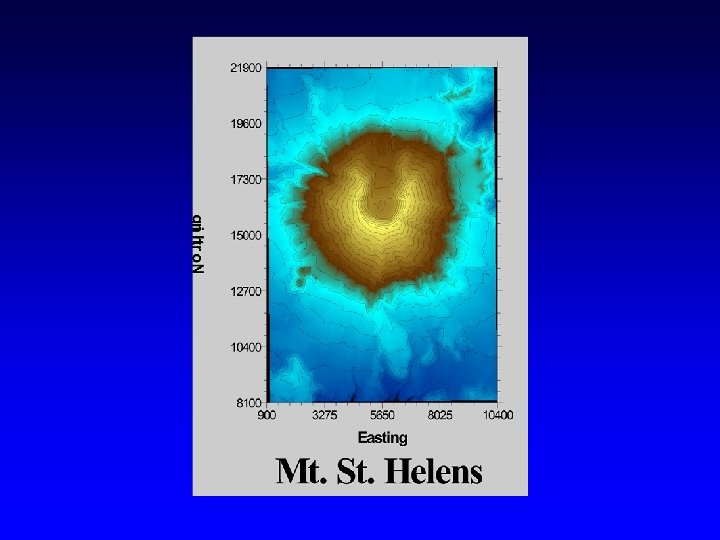
Illustration of Non-spatial vs. Spatial Data Analysis The same data when spatial relationships of observations are considered. Typical nonspatial analysis of egg counts in 54 locations at a naval communication base in Hawaii Red areas are highest populations, only those areas require intervention.
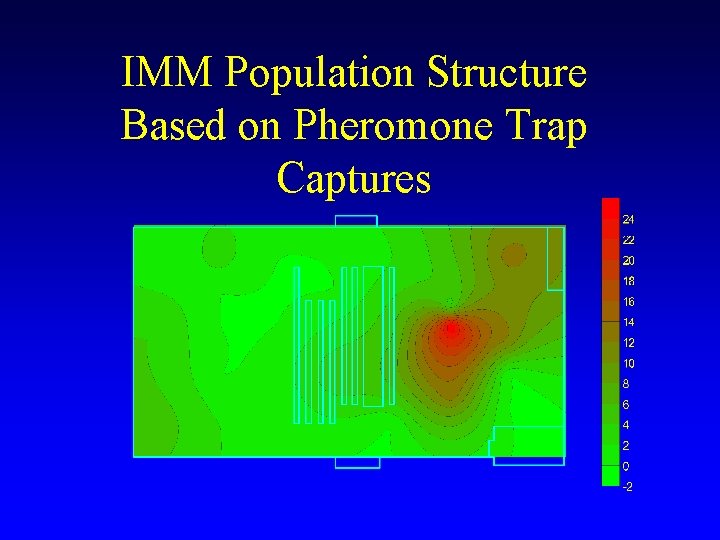
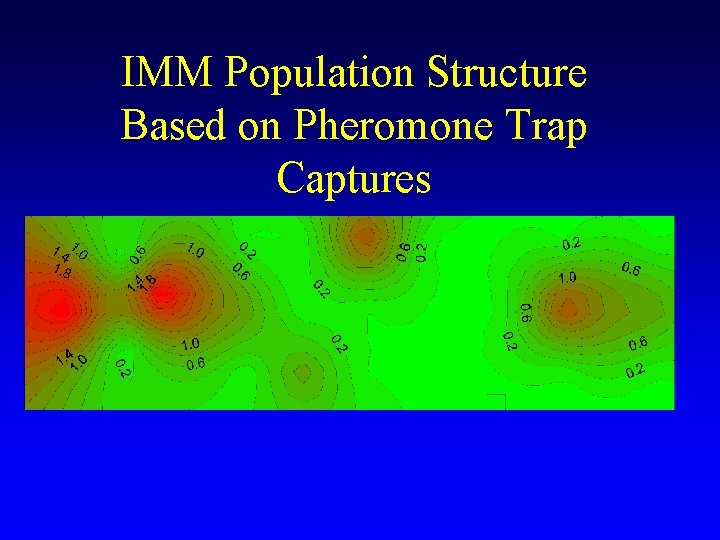
IMM Population Structure Based on Pheromone Trap Captures
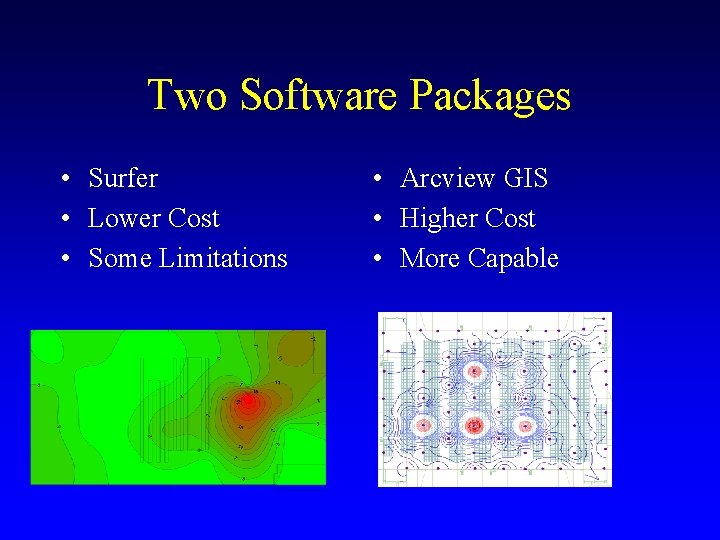
Two Software Packages • Surfer • Lower Cost • Some Limitations • Arcview GIS • Higher Cost • More Capable
Constructing Maps in Surfer
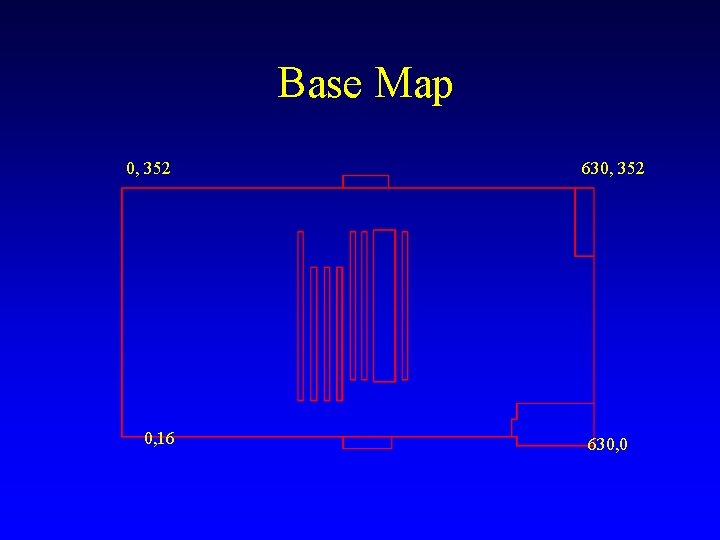
Base Map 0, 352 0, 16 630, 352 630, 0
Types of Data • Sticky Traps (Number of Insects or Rodents Captured) • Pheromone Traps (Number of Insects Captured) • Light Traps (Weights or Numbers of Insects Captured) • Rodent Traps or Baits (Consumption or Number Captured)
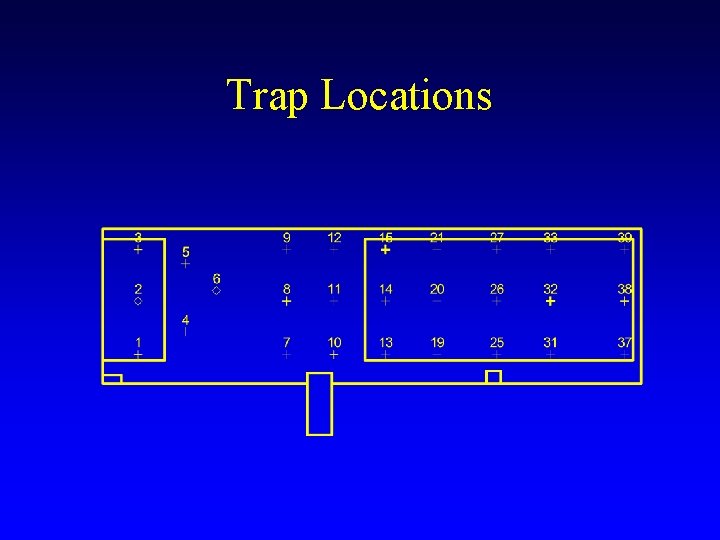
Trap Locations
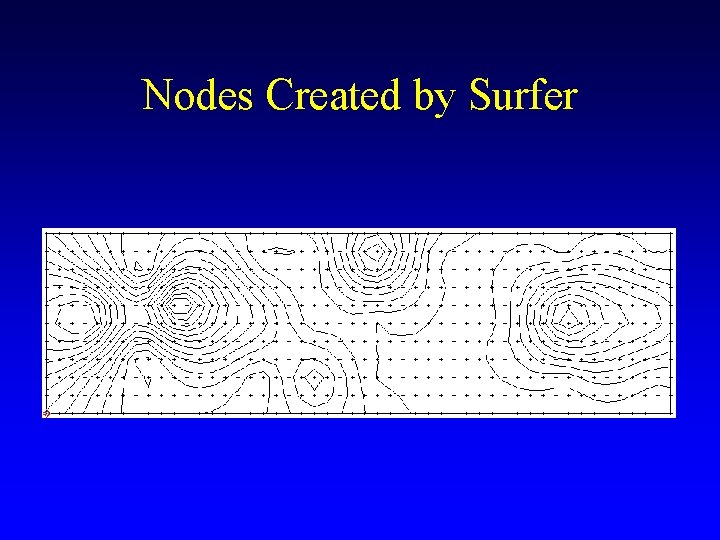
Contour Map Generation • Computer software calculates grid nodes for the contour map (actual trap capture numbers are not used to generate contour map) • Software created a 49 x 10 node grid • Nodes with identical values are connected by smooth curves • Spaces between contour curve are filled in with different colors
Nodes Created by Surfer
IMM Population Structure Based on Pheromone Trap Captures
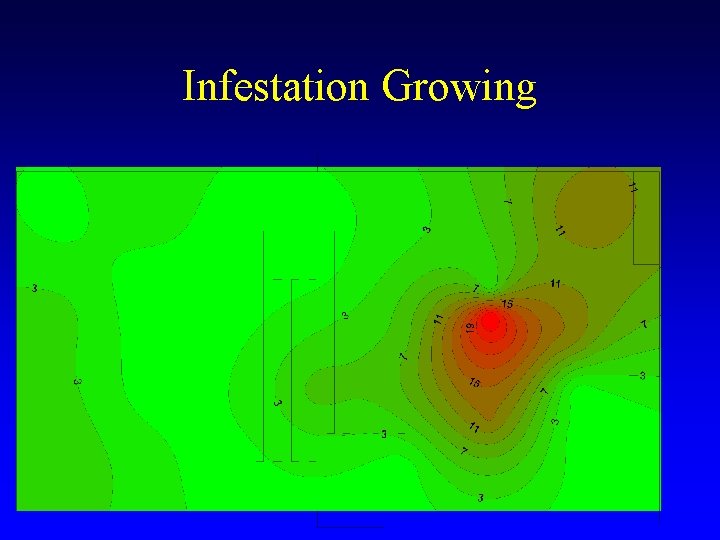
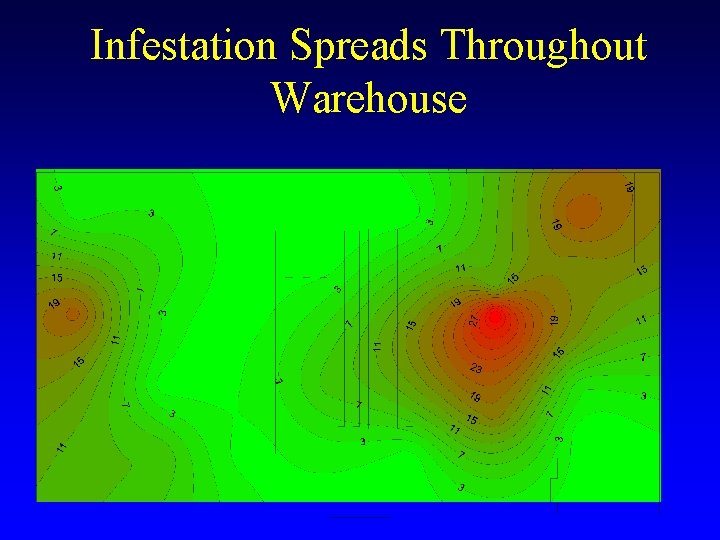
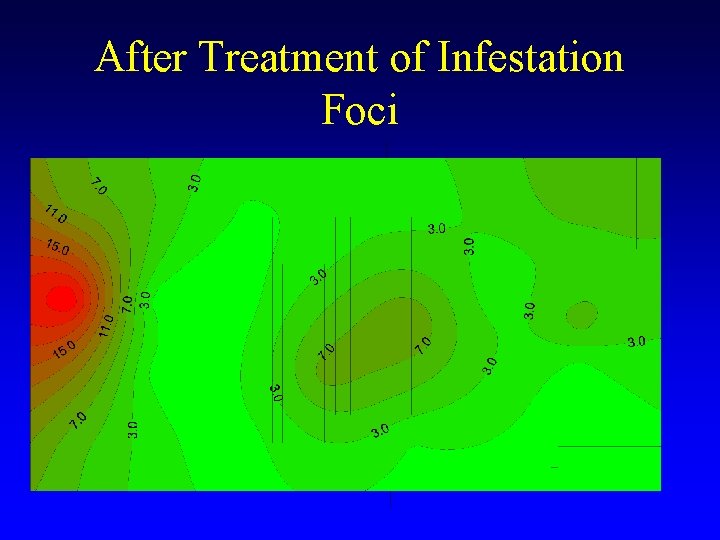
Using Contour Maps • • • Locate source of infestation Determine magnitude of activity Locate immigration points Document changes in activity Document results of control efforts Separate sources of multiple infestations
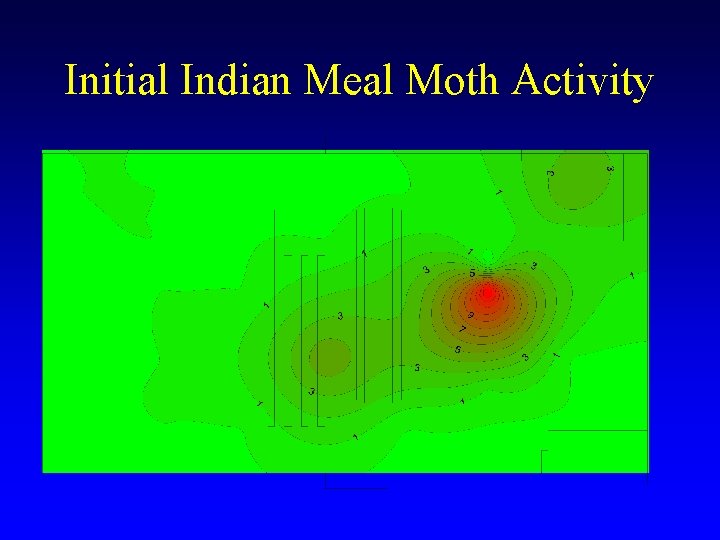
Initial Indian Meal Moth Activity
Infestation Growing
Infestation Spreads Throughout Warehouse
After Treatment of Infestation Foci
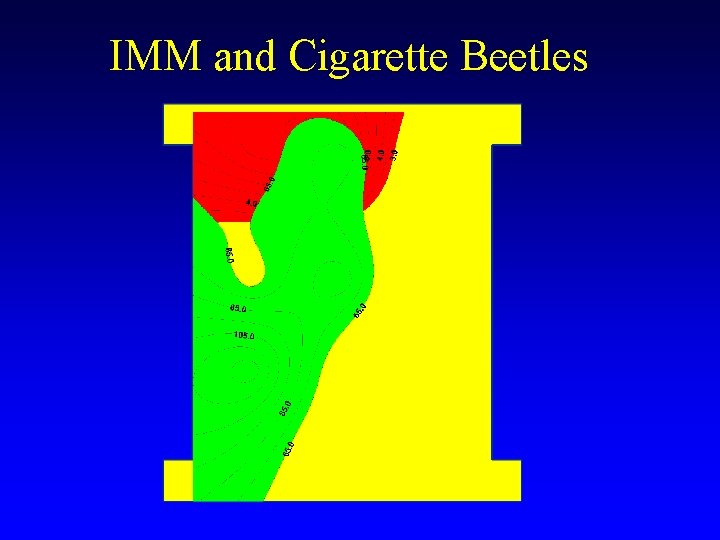
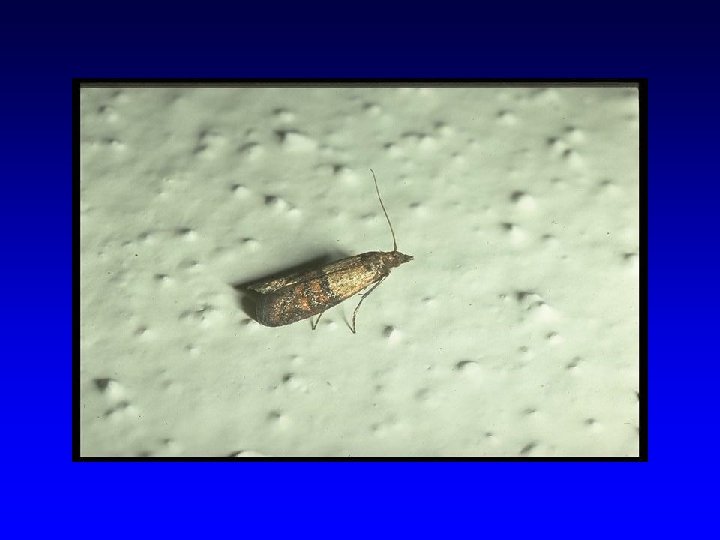
IMM and Cigarette Beetles
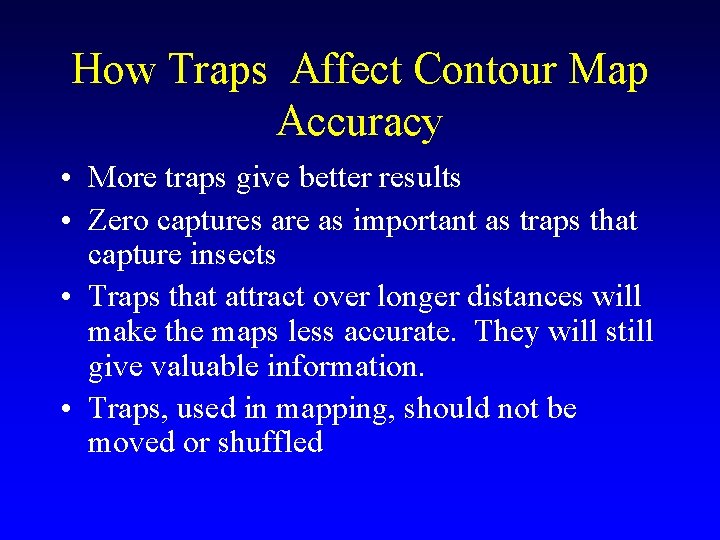
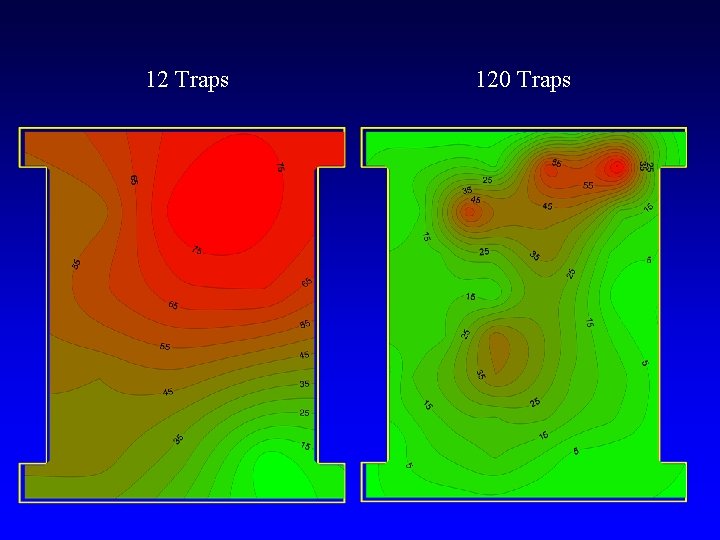
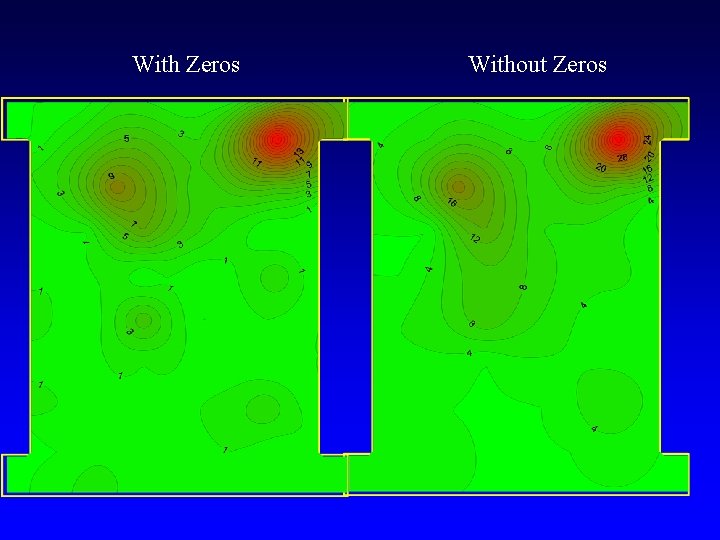
How Traps Affect Contour Map Accuracy • More traps give better results • Zero captures are as important as traps that capture insects • Traps that attract over longer distances will make the maps less accurate. They will still give valuable information. • Traps, used in mapping, should not be moved or shuffled
12 Traps 120 Traps
With Zeros Without Zeros
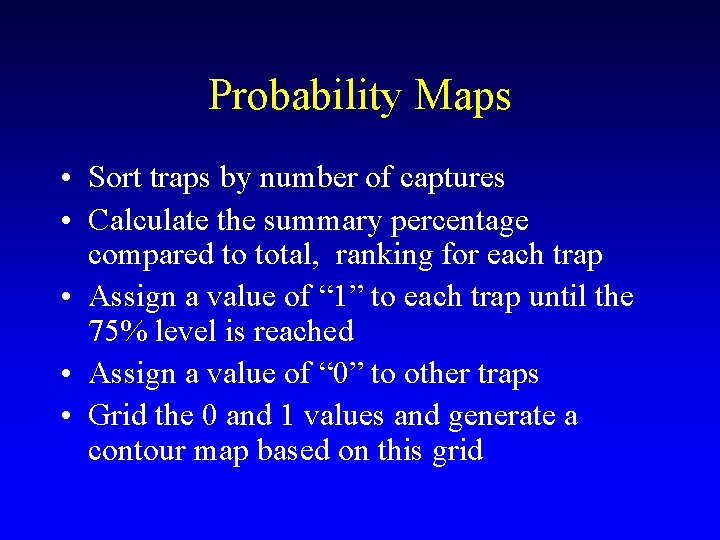
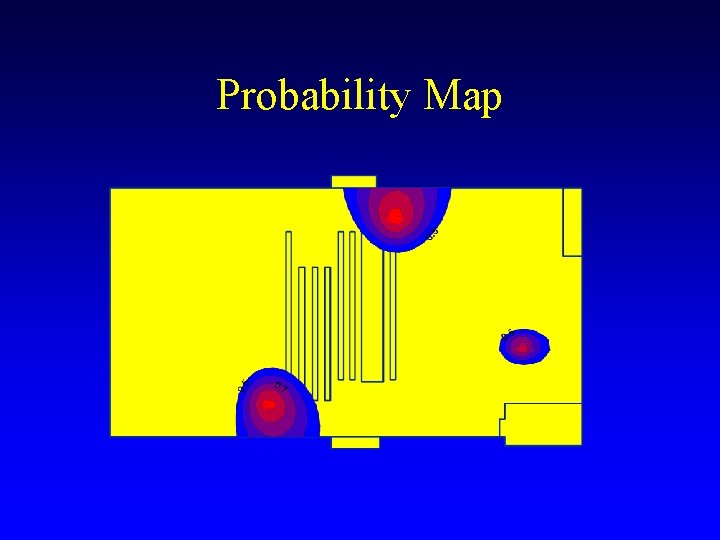
Probability Maps • Sort traps by number of captures • Calculate the summary percentage compared to total, ranking for each trap • Assign a value of “ 1” to each trap until the 75% level is reached • Assign a value of “ 0” to other traps • Grid the 0 and 1 values and generate a contour map based on this grid
Probability Maps • Actual number of insects captured by the trap at the 75% cumulative level is the threshold value • Contour lines represent probability of capturing a number of insects greater than the threshold value.
Probability Map
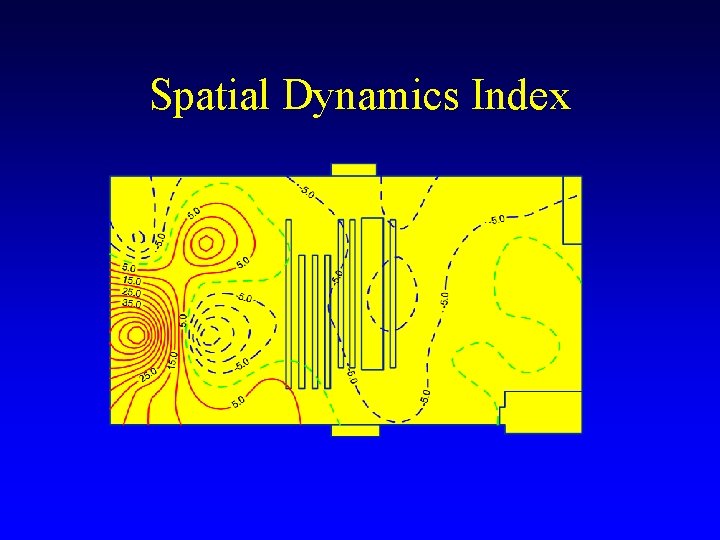
Spatial Dynamics Index • Subtracts consecutive probability values to create a new grid. • Compares pest populations from one service to the next. • Negative values indicate population decrease; positive values equal population increase; Zero values indicate no change • Because values represent probabilities the magnitude of number has no meaning
Spatial Dynamics Index
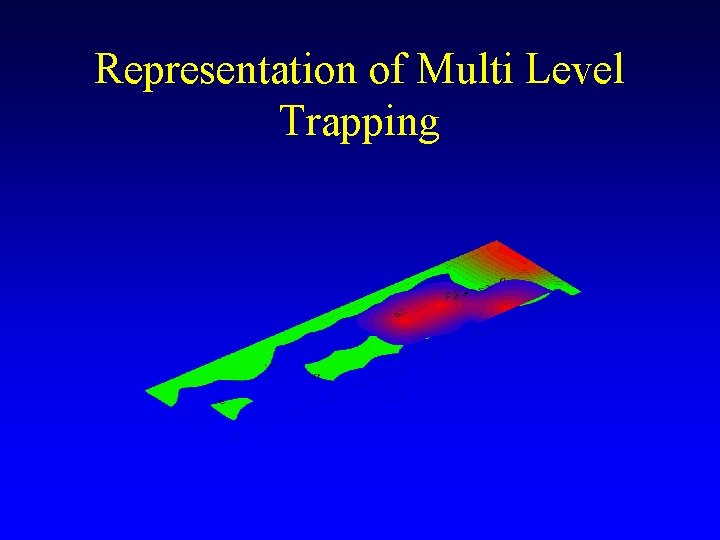
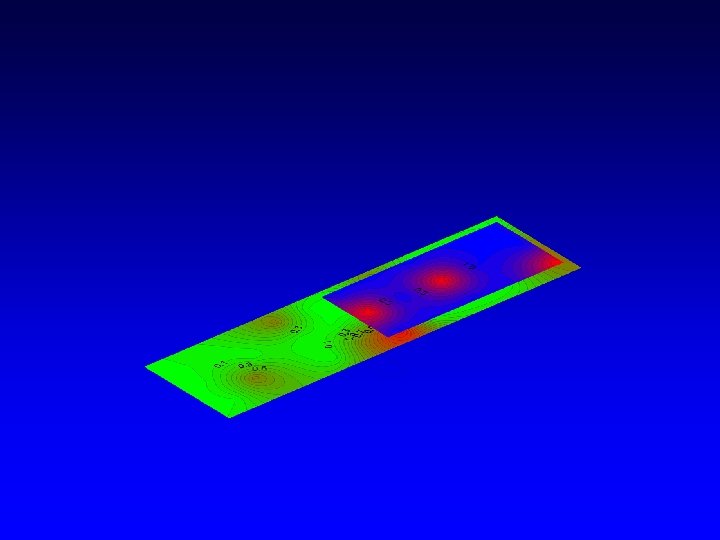
Representation of Multi Level Trapping
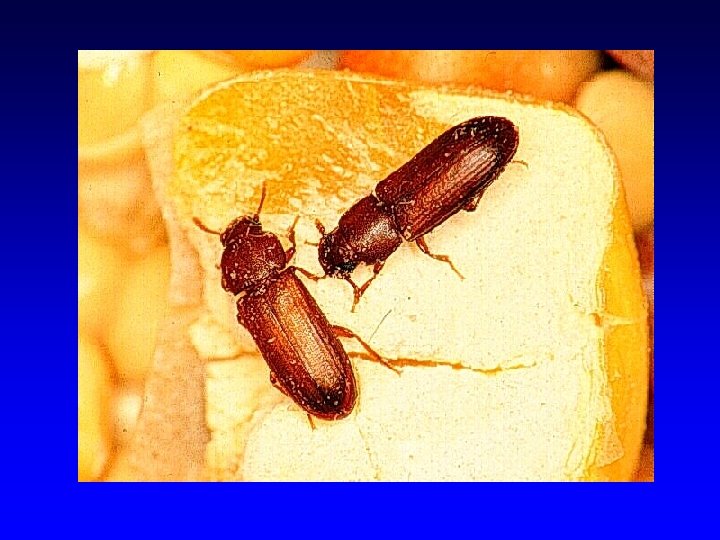
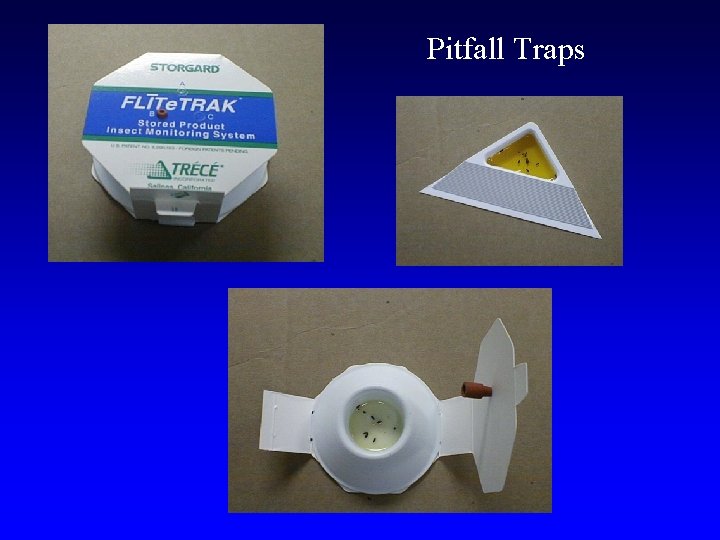
Red and Confused Flour Beetles • Short range attraction; place close together near suspect product • Must use a food attractant in combination with pheromone • Use pitfall trap (Flitetrak M 2) or Pantry Patrol • Not practical for routine monitoring of entire facility; use near susceptible or suspect product
Where to Use Flour Beetle Traps • • • Small rooms Specific products Before inspections Susceptible product in long term storage Suspect product
Pitfall Traps
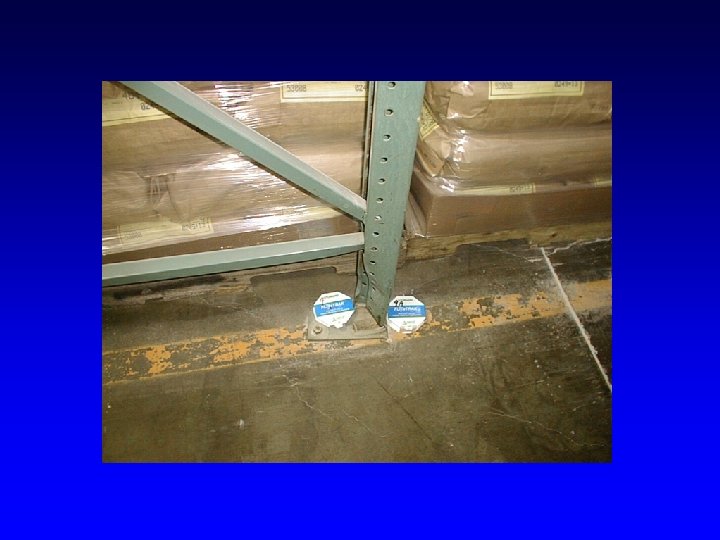
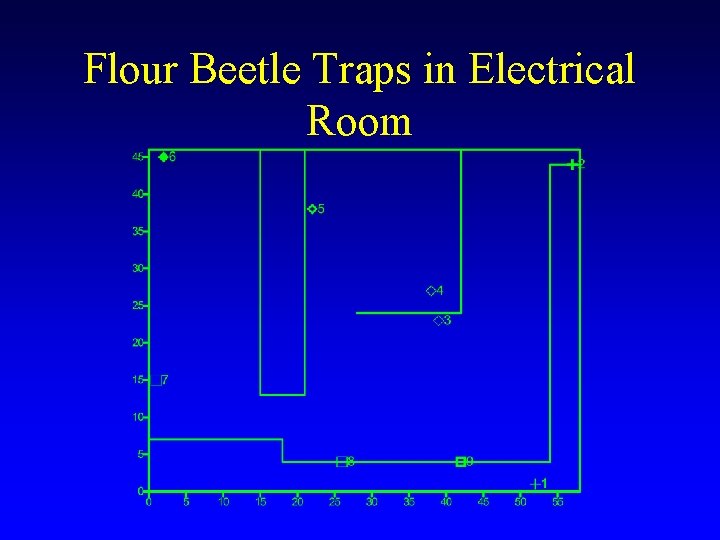
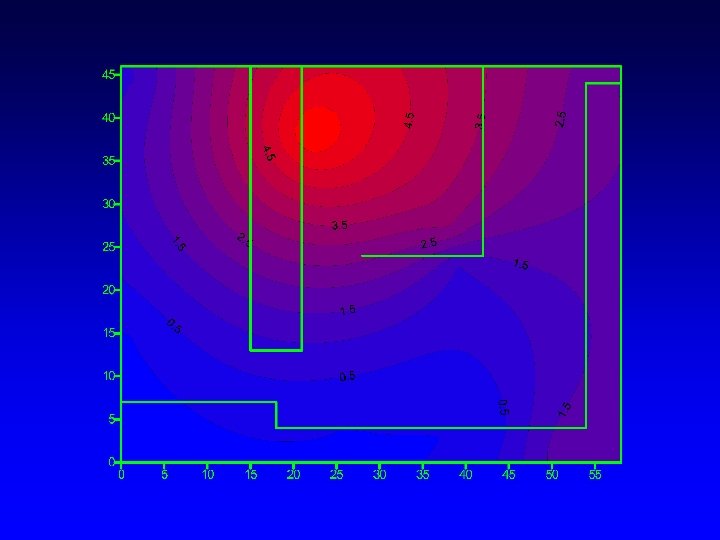
Flour Beetle Traps in Electrical Room
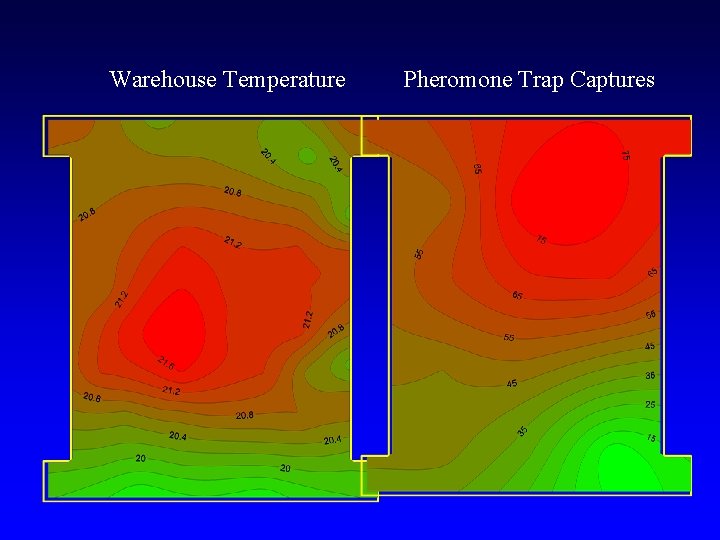
Environmental Effects
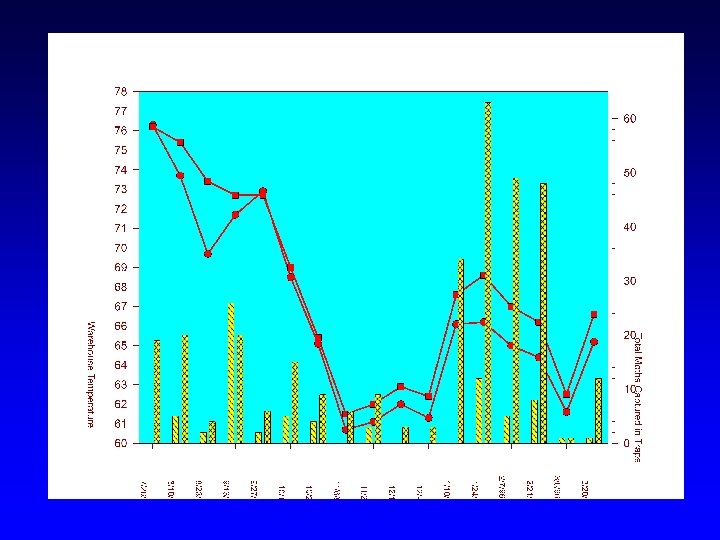
Warehouse Temperature Pheromone Trap Captures
Summary • Contour maps help focus control measures • Contour mapping can detect the source of lowlevel activity • Mapping of environmental factors can help predict activity • Spatial dynamics index can quantify changes in populations • Contour maps can help pinpoint sources of immigration • Contour maps can track efficacy of treatments
Want to Know More? Edward H. Isaaks and R. Mohan Srivastava. Applied Geostatistics, New York: Oxford University Press, 1989. Richard J. Brenner, Dana A. Focks, Richard T. Arbogast, David K. Weaver, and Dennis Shuman. Practical Use of Spatial Analysis in Precision Targeting for Integrated Pest Management. Anonymous. American Entomologist 44(2): 79 -101, 1998. R. T. Arbogast, P. E. Kendra, R. W. Mankin, and J. E. Mc. Govern. Monitoring insect pests in retail stores by trapping and spatial analysis. Anonymous. Journal of Economic Entomology 93(5): 1531 -1542, 2000.