
Redis experiment on Spontaneous Generation Development of a

- Slides: 13
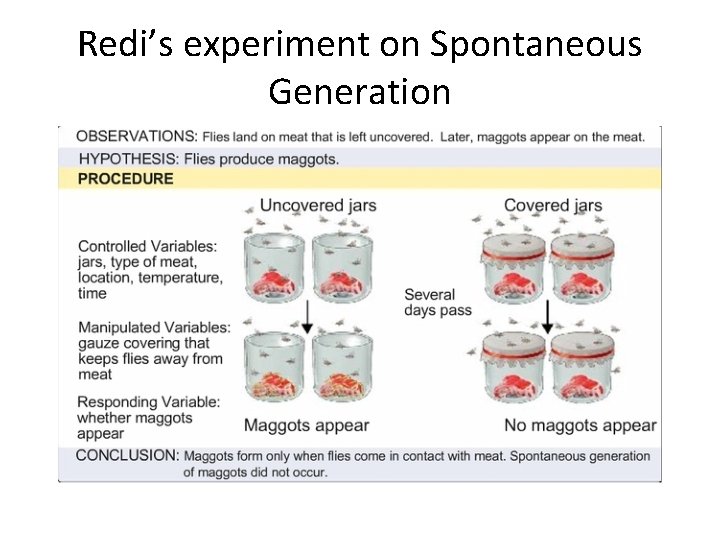
Redi’s experiment on Spontaneous Generation
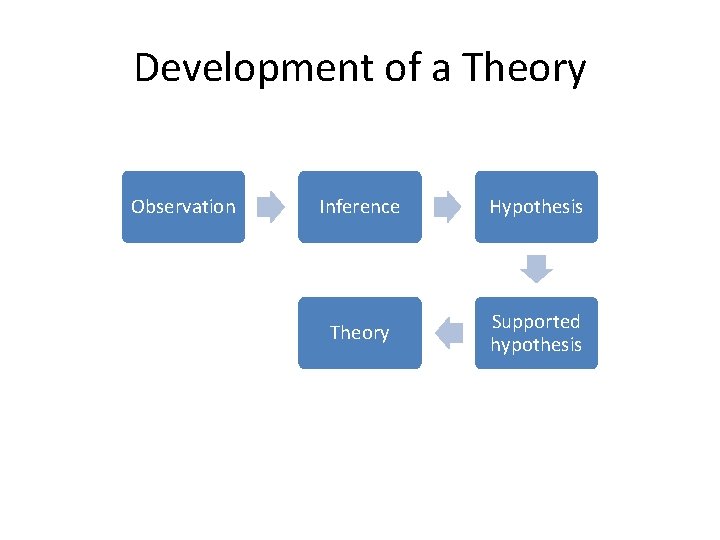
Development of a Theory Observation Inference Hypothesis Theory Supported hypothesis
Chapter 1 Section 3: Studying Life • Describe some characteristics of living things • Explain how life can be studied at different levels.
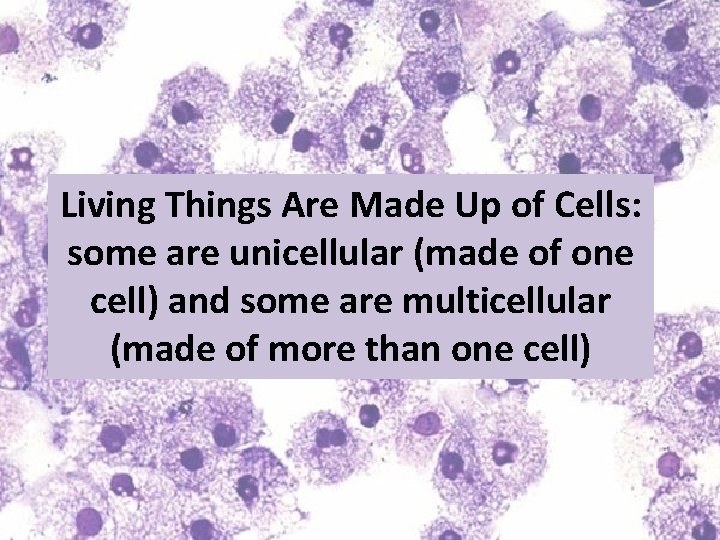
Living Things Are Made Up of Cells: some are unicellular (made of one cell) and some are multicellular (made of more than one cell)
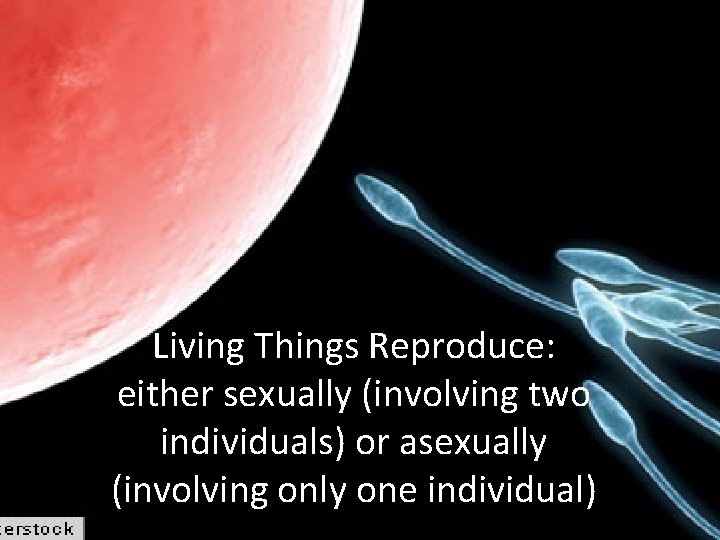
Living Things Reproduce: either sexually (involving two individuals) or asexually (involving only one individual)
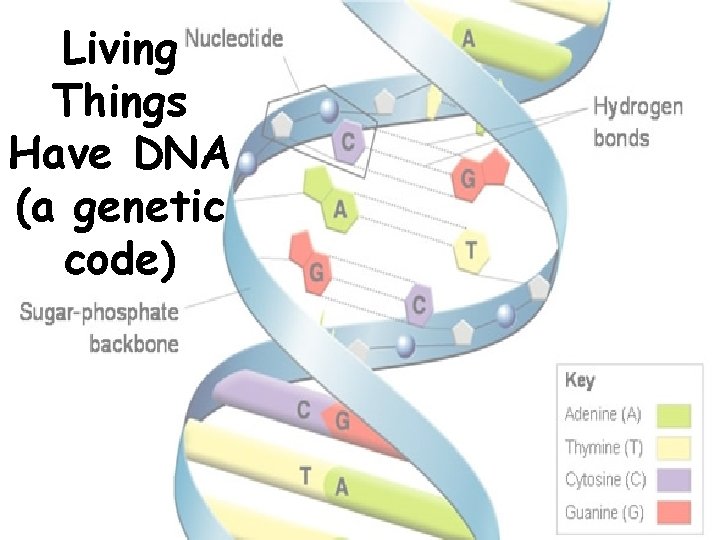
Living Things Have DNA (a genetic code)
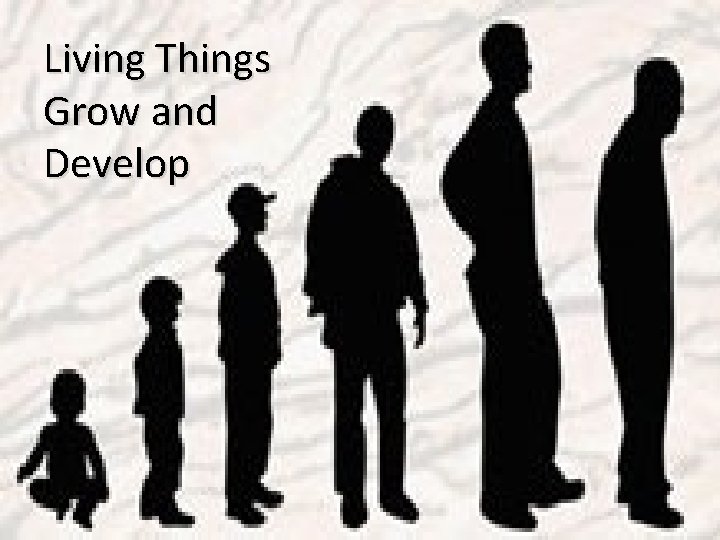
Living Things Grow and Develop
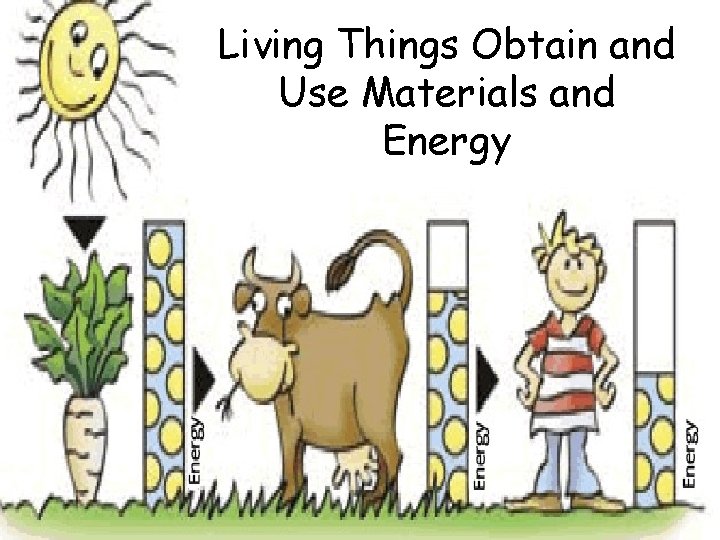
Living Things Obtain and Use Materials and Energy
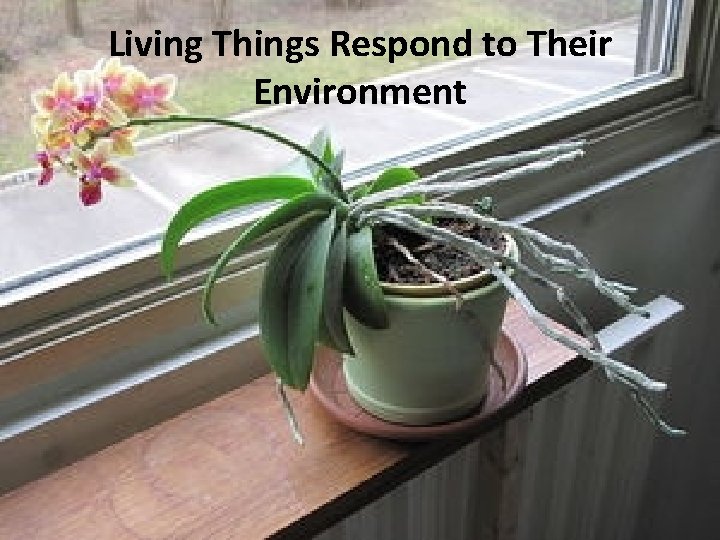
Living Things Respond to Their Environment
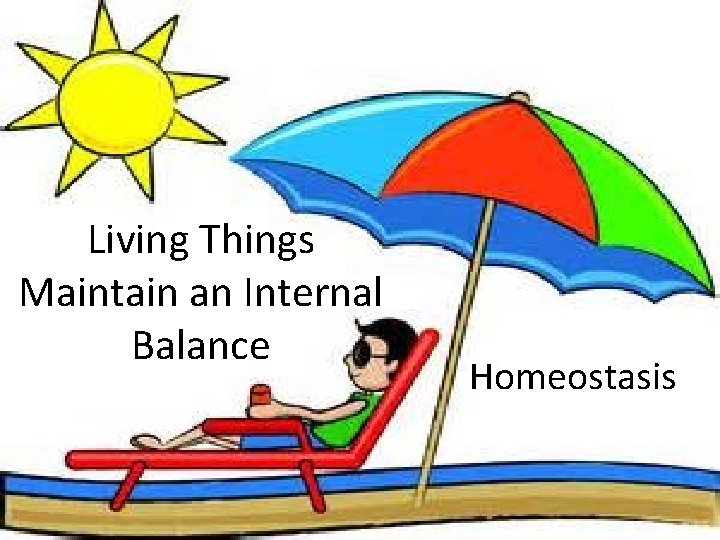
Living Things Maintain an Internal Balance Homeostasis
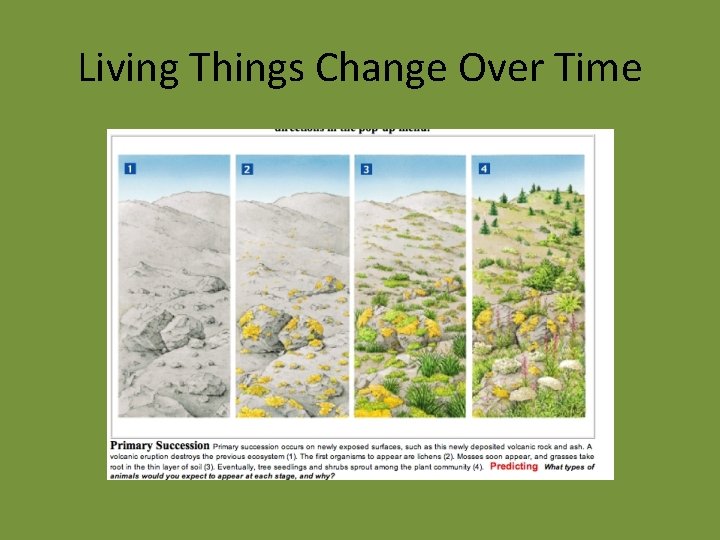
Living Things Change Over Time
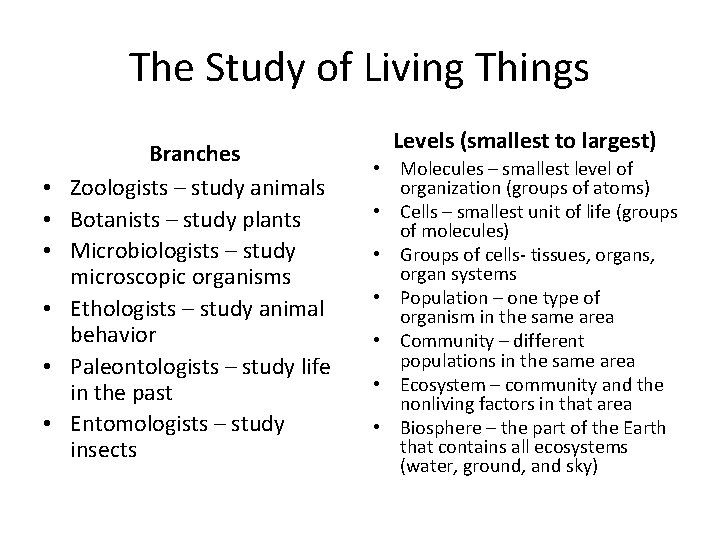
The Study of Living Things • • • Branches Zoologists – study animals Botanists – study plants Microbiologists – study microscopic organisms Ethologists – study animal behavior Paleontologists – study life in the past Entomologists – study insects Levels (smallest to largest) • Molecules – smallest level of organization (groups of atoms) • Cells – smallest unit of life (groups of molecules) • Groups of cells- tissues, organ systems • Population – one type of organism in the same area • Community – different populations in the same area • Ecosystem – community and the nonliving factors in that area • Biosphere – the part of the Earth that contains all ecosystems (water, ground, and sky)