
Recurrent pregnancy loss What is the causes RPL



- Slides: 30
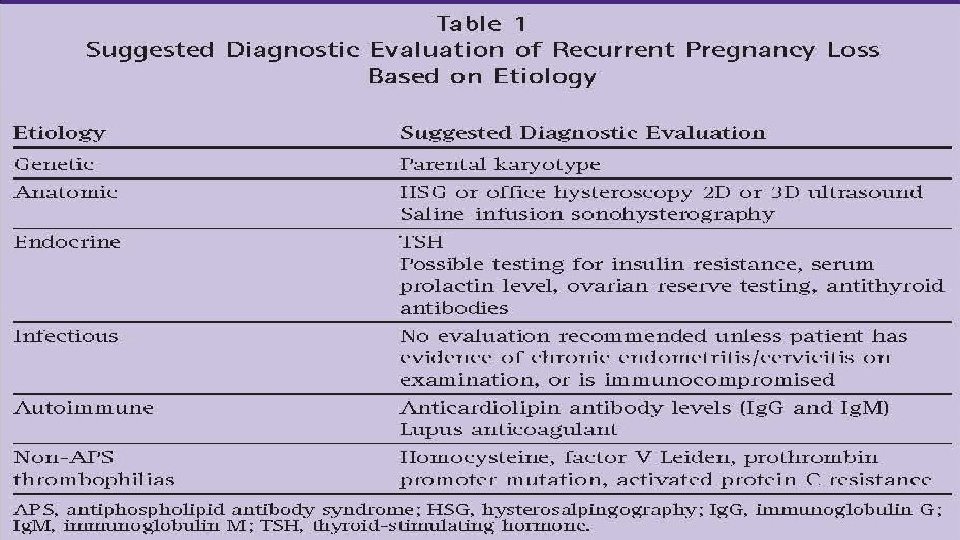
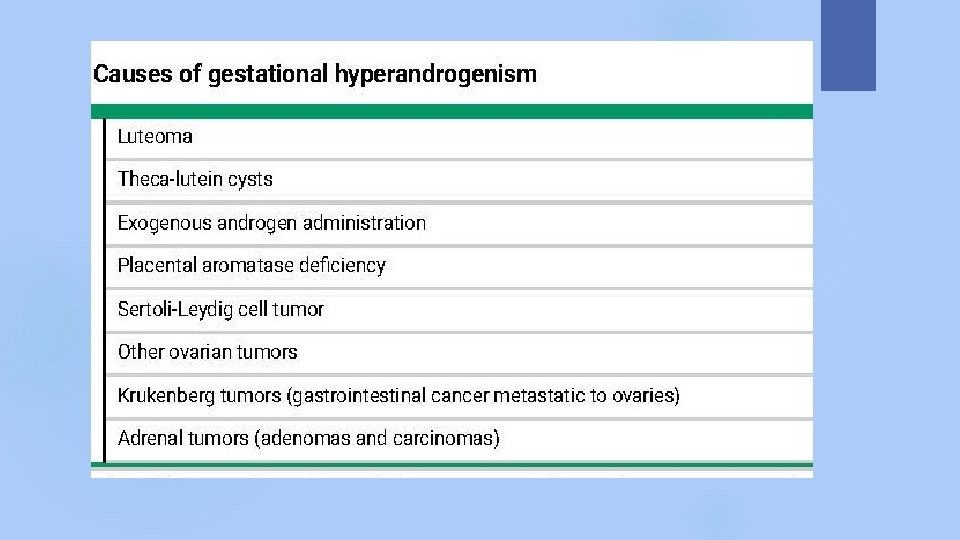
Recurrent pregnancy loss What is the causes RPL What do you do for RPL What is the causes gestational hyperand. Dose PCOS cause RPL
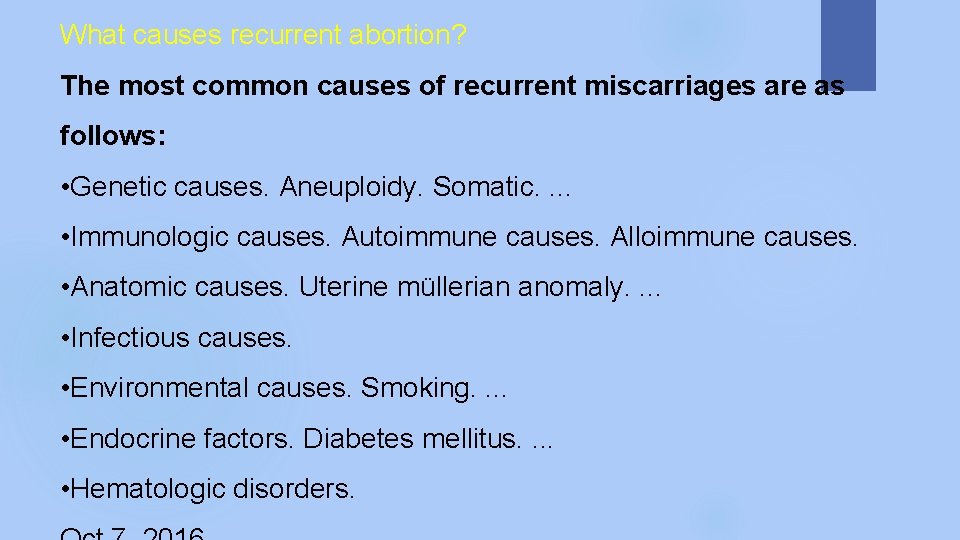
What causes recurrent abortion? The most common causes of recurrent miscarriages are as follows: • Genetic causes. Aneuploidy. Somatic. . • Immunologic causes. Autoimmune causes. Alloimmune causes. • Anatomic causes. Uterine müllerian anomaly. . • Infectious causes. • Environmental causes. Smoking. . • Endocrine factors. Diabetes mellitus. . • Hematologic disorders.
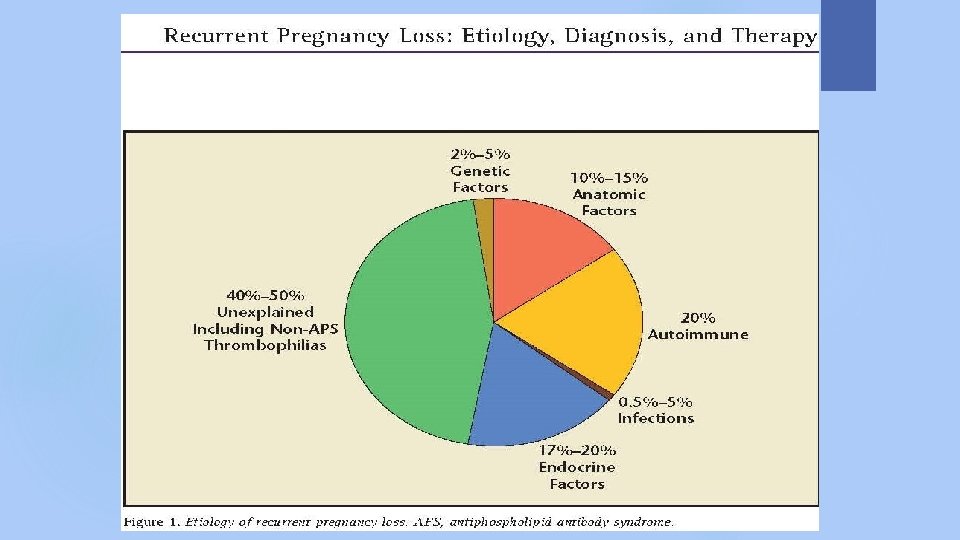
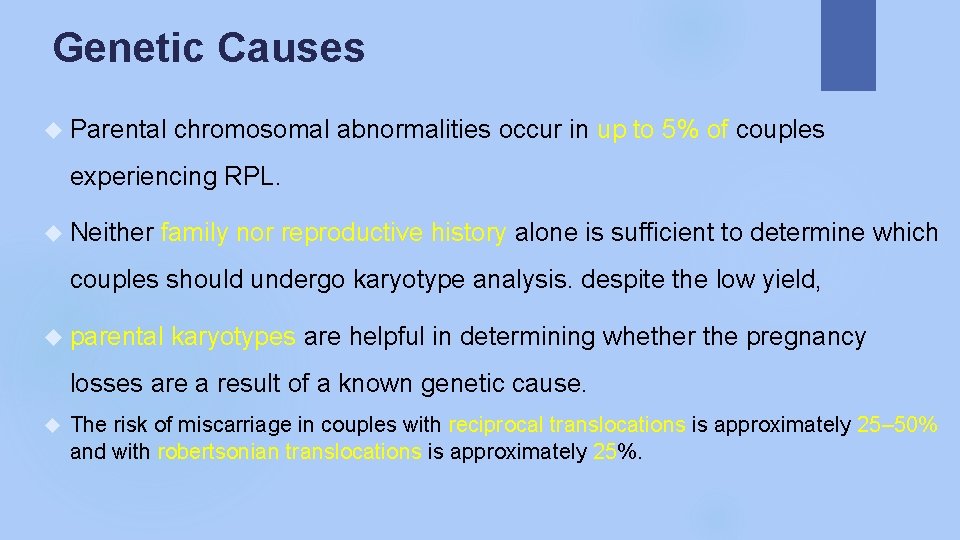
Genetic Causes Parental chromosomal abnormalities occur in up to 5% of couples experiencing RPL. Neither family nor reproductive history alone is sufficient to determine which couples should undergo karyotype analysis. despite the low yield, parental karyotypes are helpful in determining whether the pregnancy losses are a result of a known genetic cause. The risk of miscarriage in couples with reciprocal translocations is approximately 25– 50% and with robertsonian translocations is approximately 25%.
Hormonal and Metabolic Disorders Luteal phase defect (LPD) is a controversial cause of RPL. It is well known that progesterone is necessary for successful implantation and the maintenance of early pregnant. some investigators consider progesterone deficiency during the luteal phase to be a common cause of RPL, accounting for approximately 25 to 40% of cases. However, properly controlled trials proving that LPD is a cause of RPL are lacking. In addition, there are no convincing studies to show that treatment of LPD improves pregnancy outcome in women with RPL.
Uterine Anatomic Abnormalities Approximately 10– 15% of women with recurrent first-trimester losses have congenital uterine abnormalities. The most common uterine malformations associated with RPL are: 1 -variations of the double uterus (i. e. , bicornuate, septate, didelphys). 2 -Severe uterine synechiae (Asherman’s syndrome). 3 -Utero exposure to diethylstilbestrol (DES) The most common congenital uterine abnormalities in women with RPL are septate and bicornuate uteruses, accounting for at least 50% of uterine abnormalities in these women. Pregnancy loss rates vary greatly in women with septate uteruses, ranging from 25% to >90%.
Infectious Causes Although certain infections are associated with spontaneous abortion, no infectious agent has been clearly proved to cause RPL. Ureaplasma urealyticum
Autoimmune Causes Antiphospholipid syndrome (APS) is an autoimmune disorder characterized by the presence of significant levels of antiphospholipid antibodies and one or more clinical features including: RPL Unexplained fetal death Thrombosis APS can occur in women without autoimmune disease (primary. APS).
Thrombophilic Disorders Hypercoagulable states, hyperhomocysteinemia, and deficiencies in activated factor XII (Hageman factor) have been linked to RPL. deficiencies of protein C, and antithrombin. III, proteinein S were associated with a higher percentage of both first-trimester miscarriages and fetal deaths; and the factor V Leiden mutation increased the risk of late but not early pregnancy loss. The association of thrombophilia and pregnancy loss was confirmed prospectively in a very large cohort of women (n = 843) with either the factor V Leiden mutation or antithrombin III, protein C, or protein S deficiencies.
Endocrine Etiologies Luteal phase defect (LPD), polycystic ovarian syndrome (PCOS), diabetes mellitus, thyroid disease, and hyperprolactinemia are among the endocrinologic disorders implicated in approximately 17% to 20% of RPL.
Unexplained Recurrent Pregnancy Loss More than 50% of couples with RPL have no determined etiology despite an extensive evaluation including parental karyotypes, hysterosalpingography or hysteroscopy, endometrial biopsy, and antiphospholipid antibody testing.
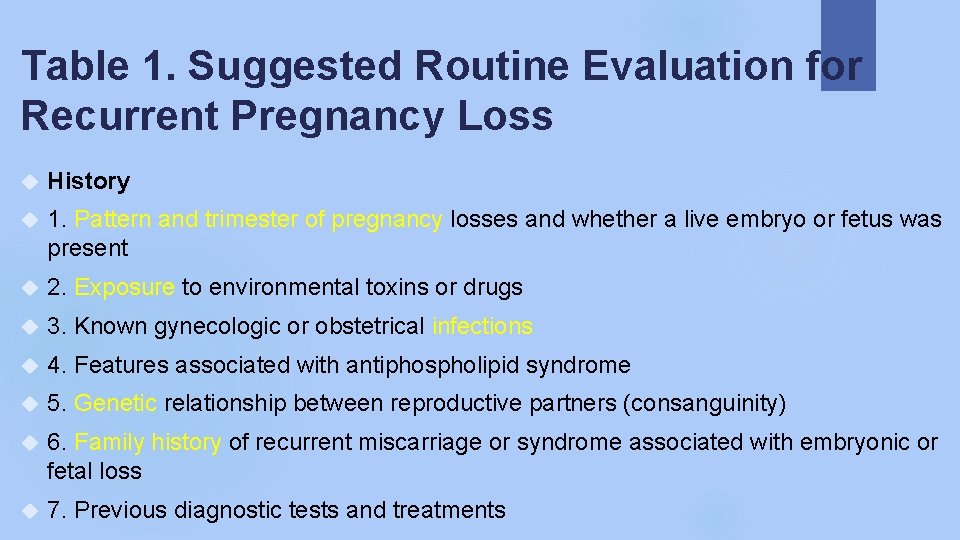
Table 1. Suggested Routine Evaluation for Recurrent Pregnancy Loss History 1. Pattern and trimester of pregnancy losses and whether a live embryo or fetus was present 2. Exposure to environmental toxins or drugs 3. Known gynecologic or obstetrical infections 4. Features associated with antiphospholipid syndrome 5. Genetic relationship between reproductive partners (consanguinity) 6. Family history of recurrent miscarriage or syndrome associated with embryonic or fetal loss 7. Previous diagnostic tests and treatments
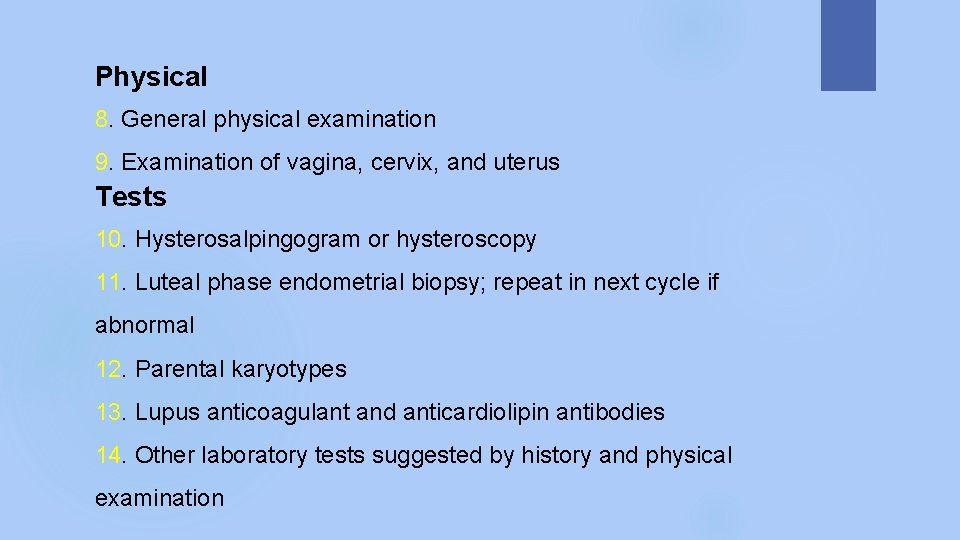
Physical 8. General physical examination 9. Examination of vagina, cervix, and uterus Tests 10. Hysterosalpingogram or hysteroscopy 11. Luteal phase endometrial biopsy; repeat in next cycle if abnormal 12. Parental karyotypes 13. Lupus anticoagulant and anticardiolipin antibodies 14. Other laboratory tests suggested by history and physical examination
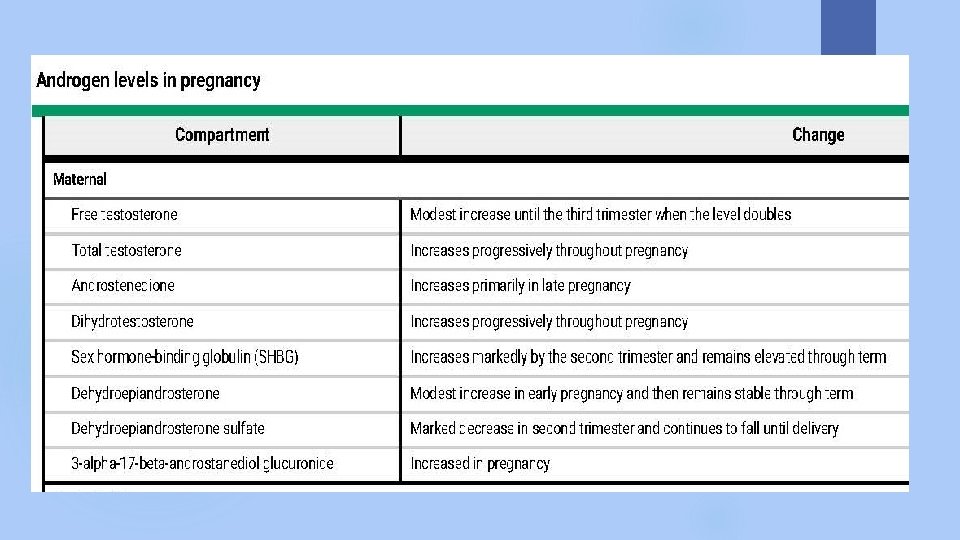
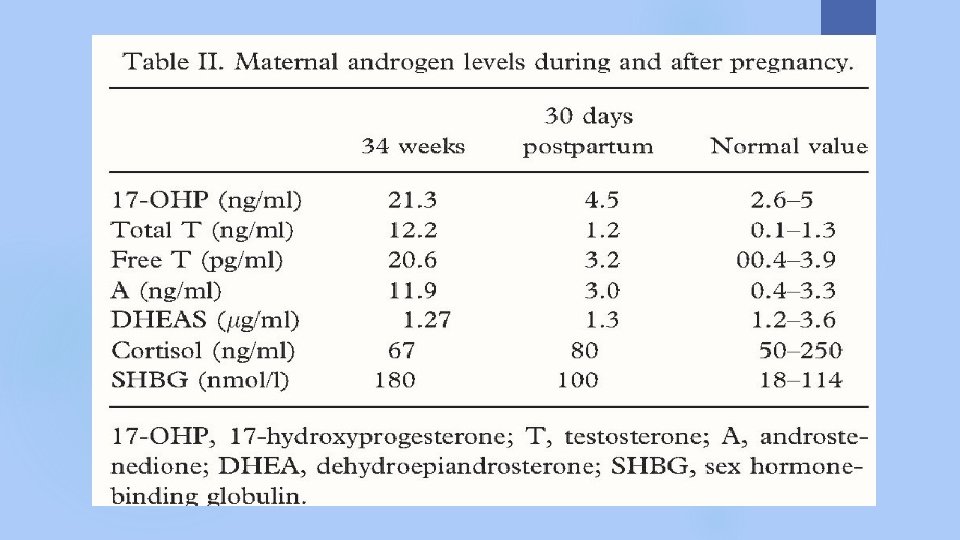
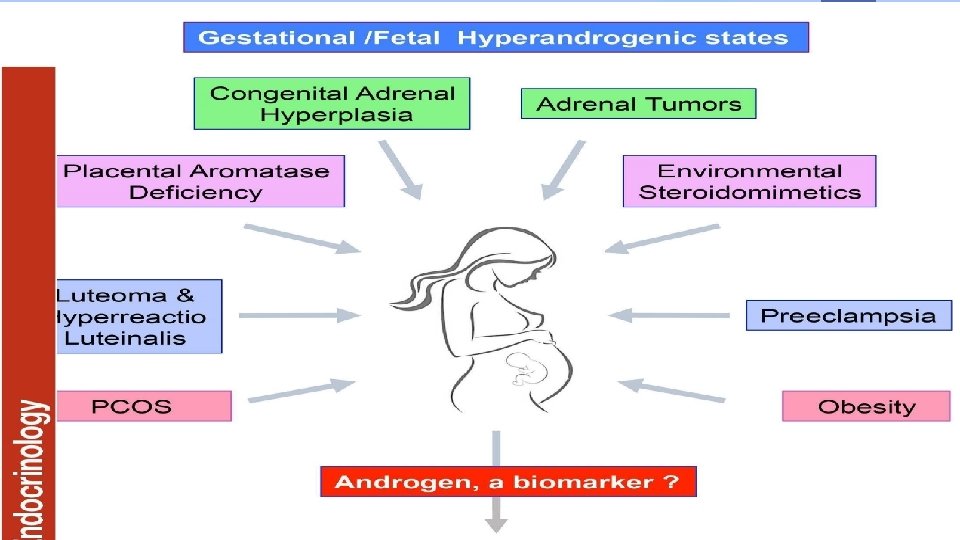
Despite increases in both total and free testosterone during normal pregnancy, women and their female infants appear unaffected. First, an increase in sex hormone-binding globulin is able to bind testosterone and di hydrotestosterone , reducing free androgen exposure. Second, placental aromatase cytochrome P 450 plays a critical role in counteracting the effects of excess testosterone and DHEAS in maternal and fetal adrenal glands
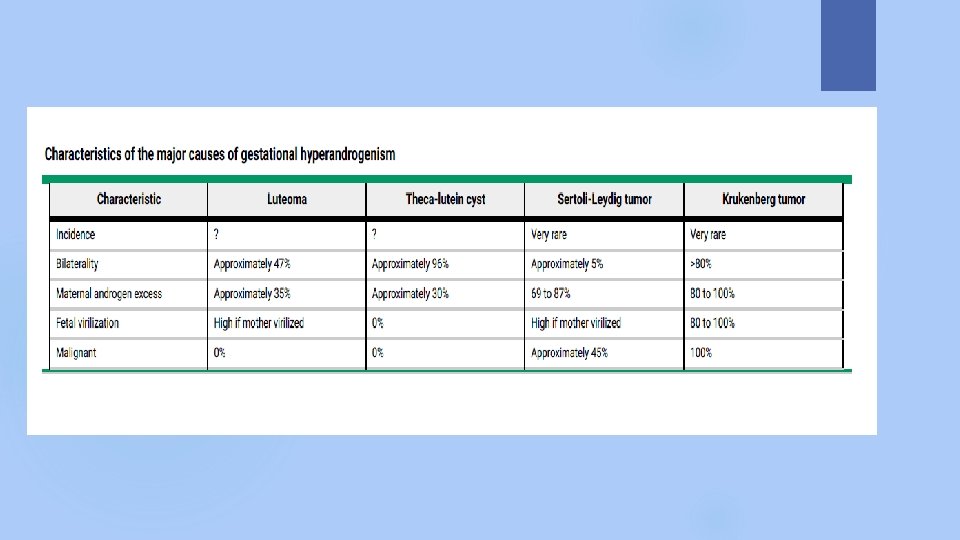
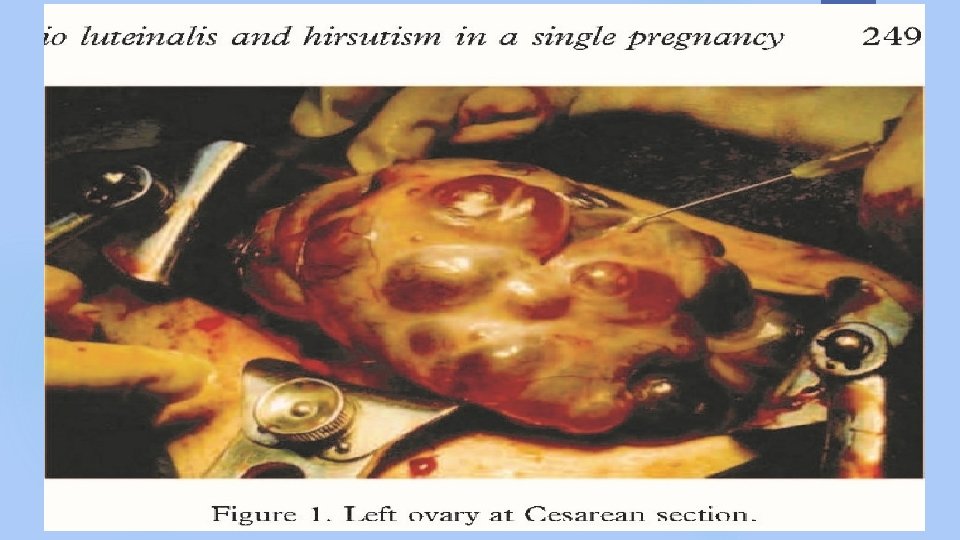
Luteoma and Hyperreactio Luteinalis (theca-lutein cysts of ovaries) Two of the most common causes of gestational hyperandrogenism. A luteoma is a benign tumor of the ovary during pregnancy, which often goes unnoticed. A majority of cases report luteomas as small and/or non-virilizing which regress in the post-partum period Excess androgen production is evident in a third of all luteomas, which corresponds to virilization in 25 -35% of mothers. The female fetus is afflicted with virilization in two-thirds of virilized mothers
Placental Aromatase Deficiency Aromatase deficiency is an autosomal recessive disorder due to mutations in the CYP 19 A 1 gene. Clinical features include: maternal virilization during pregnancy, fetal virilization of external genitalia, and symptoms of ovarian cysts in childhood. aromatase expression in the placenta protects the mother from the potentially androgenizing effects of fetal adrenal androgens during pregnancy.
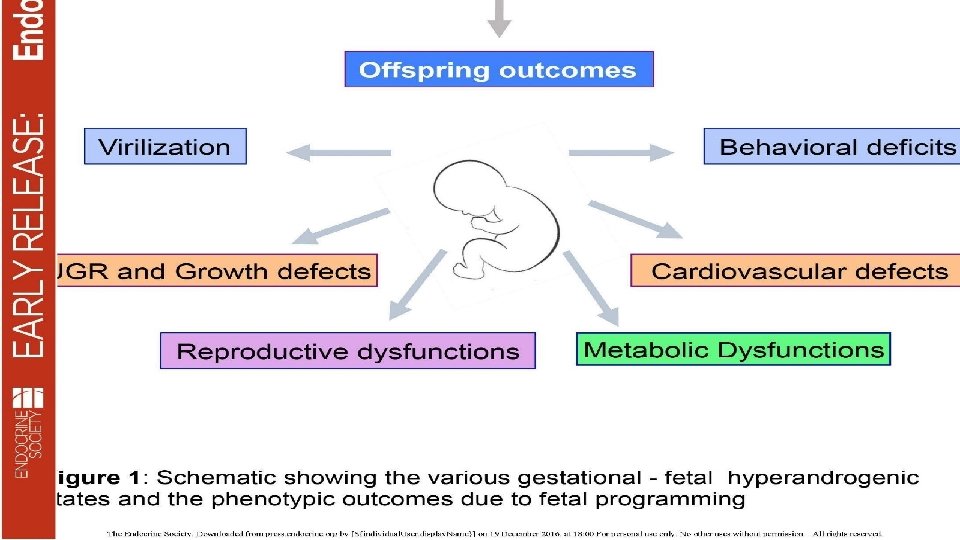
Polycystic Ovarian Syndrome PCOS is the most common endocrine disorder in women of reproductive age. characterized by hyperandrogenism and reproductive abnormalities. obesity, insulin resistance, increased risk of type 2 diabetes, dyslipidemia, and cardiovascular disease. classical 21 -hydroxylase deficiency exhibit features that closely mimic those found in PCOS (anovulation, ovarian hyperandrogenism, LH hyper-secretion, etc. ), suggesting that androgen excess early in life may provide a possible mechanism for the development of PCOs
Does PCOS cause abortion? Pregnancy complications related to PCOS include: Miscarriage or early loss of pregnancy. Women with PCOS are three times as likely to miscarry in the early months of pregnancy as are women without PCOS. Some research shows that metformin may reduce the risk of miscarriage in pregnant women with PCOS has also been found in approximately 40% to 80% of women with recurrent miscarriages (Palomba et al, 2009)
Abstract Polycystic ovary syndrome (PCOS) is a common endocrine disorder that is associated with recurrent miscarriage. Despite the many studies that have investigated the prevalence of PCOS in recurrent miscarriage, the extent to which PCOS contributes remains highly uncertain. The majority of these studies have used the polycystic ovary morphology alone to define PCOS and the results are extremely variable due to a variety of diagnostic and selection criteria used. Only a very small number of studies have investigated the prevalence of hypeandrogenaemia in recurrent miscarriage. Most crucially, to the authors’ knowledge, there is not yet a single publication which has investigated the true prevalence of the complete syndrome of PCOS in recurrent miscarriage using the Rotterdam criteria. Hence there is an urgent need to reappraise the prevalence of PCOS in recurrent miscarriage using the Rotterdam criteria. The possible mechanisms by which PCOS could cause recurrent miscarriage are considered: hyperandrogenaemi, obesity and hyperinsulinaemia are the most likely candidates,