
Reconstruction and Westward Expansion Outcome End of Reconstruction
- Slides: 15
Reconstruction and Westward Expansion Outcome: End of Reconstruction
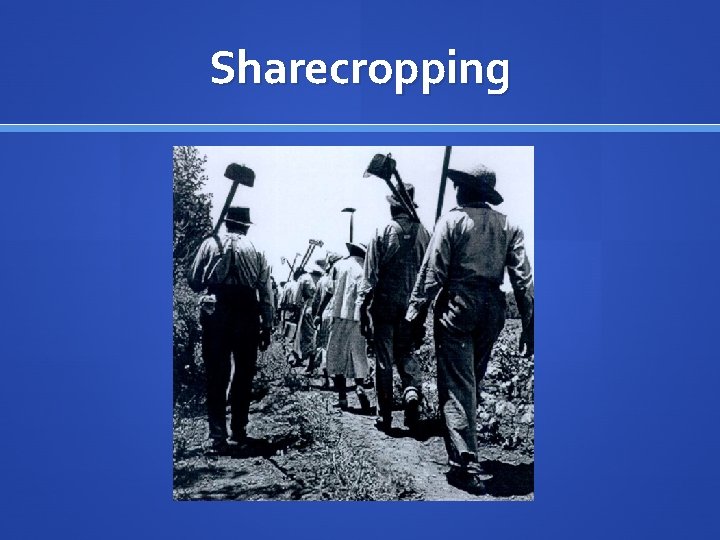
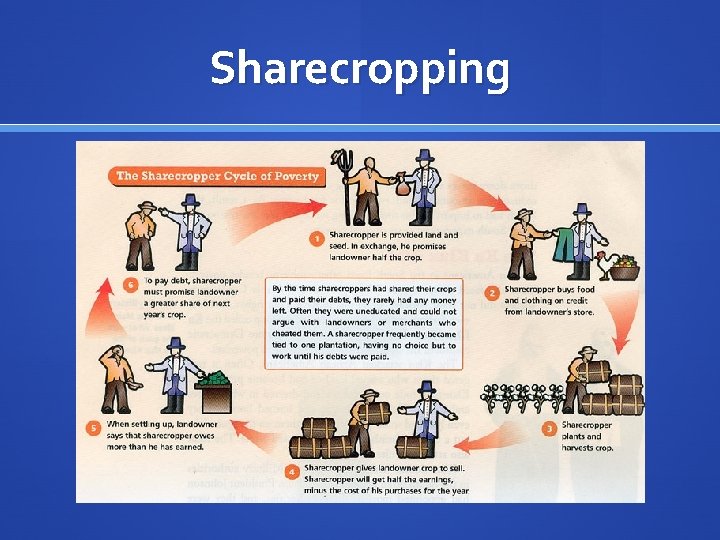
End of Reconstruction 1. End of Reconstruction a. How did Reconstruction affect the people? i. Many African Americans and poor white farmers became sharecroppers Sharecropping: system where landowners divided their land assigned households a few acres to work the land keep a small share of the crops grown iii. Blacks win federal and state political office iv. Public schools and universities grow ii. v. Reconstruction ended with breakdown in Republican Party unity and a five year economic depression that began in 1873
Sharecropping
Sharecropping
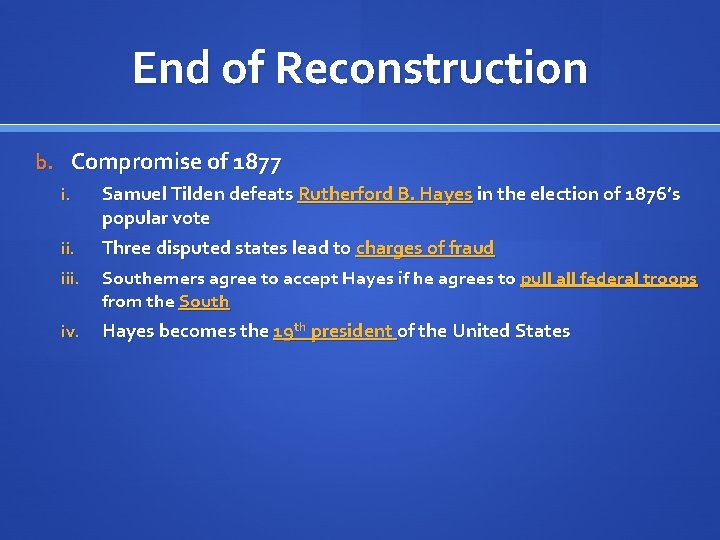
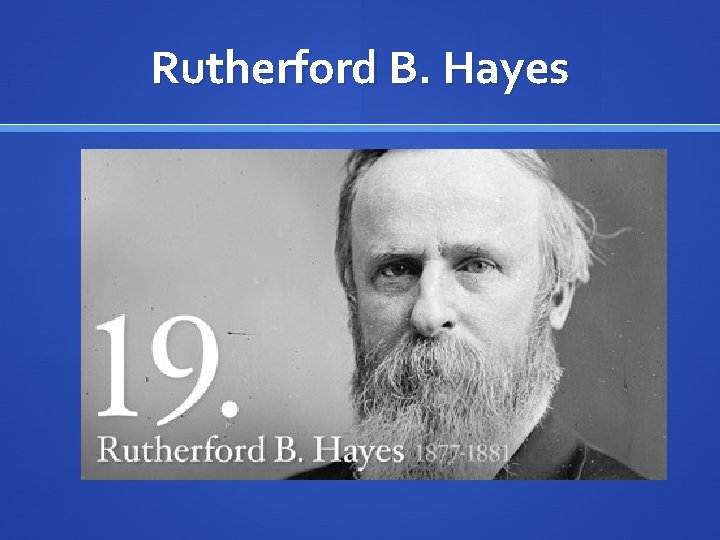
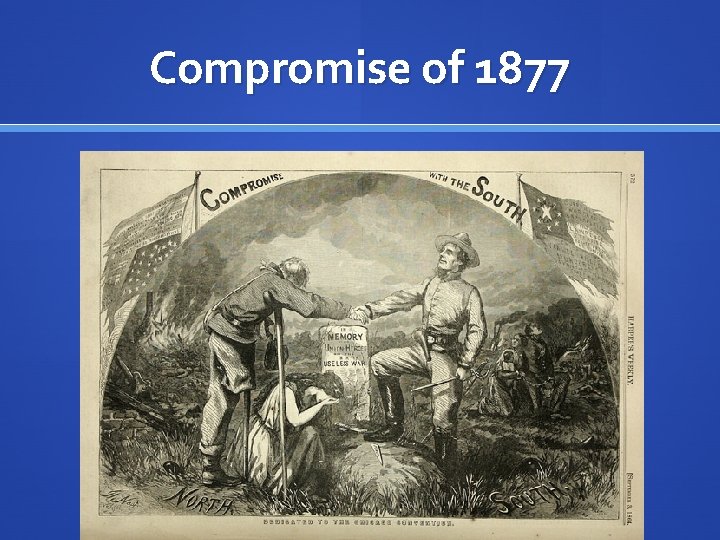
End of Reconstruction b. Compromise of 1877 i. iii. iv. Samuel Tilden defeats Rutherford B. Hayes in the election of 1876’s popular vote Three disputed states lead to charges of fraud Southerners agree to accept Hayes if he agrees to pull all federal troops from the South Hayes becomes the 19 th president of the United States
Rutherford B. Hayes
Compromise of 1877
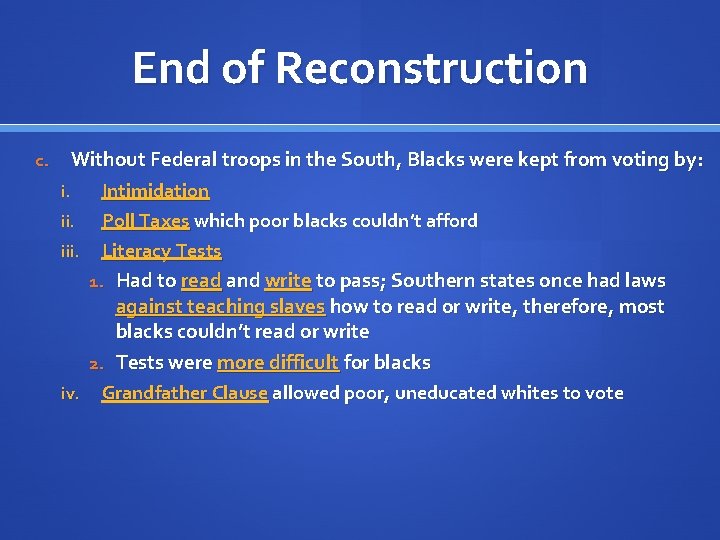
End of Reconstruction c. Without Federal troops in the South, Blacks were kept from voting by: i. Intimidation ii. Poll Taxes which poor blacks couldn’t afford iii. Literacy Tests 1. Had to read and write to pass; Southern states once had laws against teaching slaves how to read or write, therefore, most blacks couldn’t read or write 2. Tests were more difficult for blacks iv. Grandfather Clause allowed poor, uneducated whites to vote
End of Reconstruction d. The Civil Rights Cases & Plessy v. Ferguson i. Civil Rights Cases of 1883 1. Southern business owners were refusing public services to blacks 2. US Supreme Court struck down the Civil Rights Act of 1875, saying that the 14 th Amendment applied only to the states; Private citizens could now legally discriminate based on race
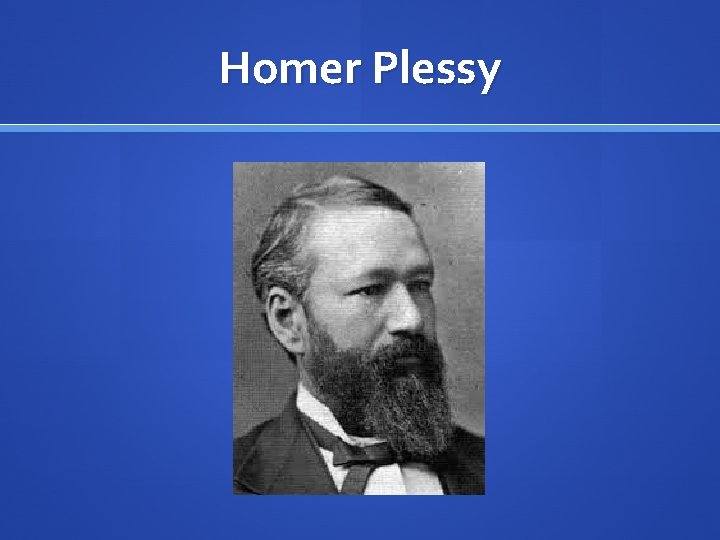
Homer Plessy
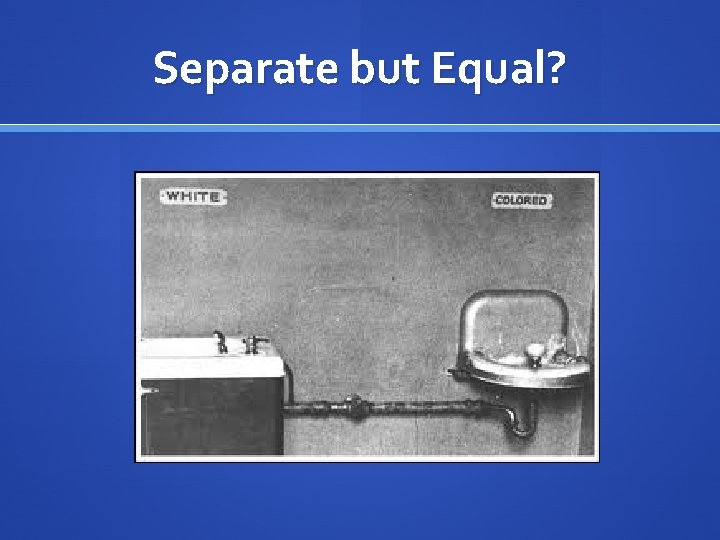
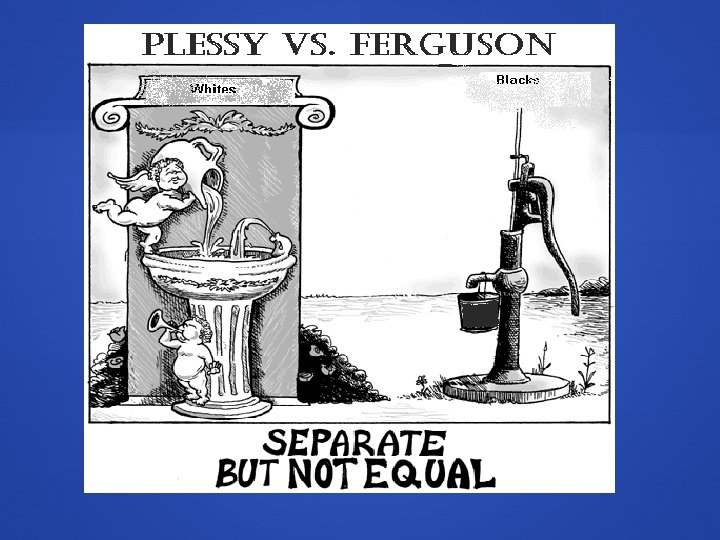
End of Reconstruction Plessy v. Ferguson Homer Plessy was 1/8 th black and tried to sit in the white section of a train car; was arrested US Supreme Court ruled that facilities could be separate as long as they were equal, thus establishing the “Separate but Equal” clause which allowed for legal segregation in the South
Separate but Equal?
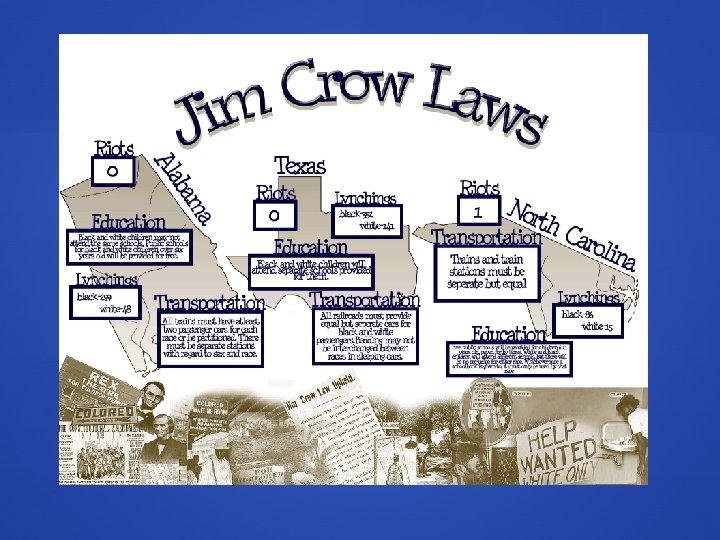
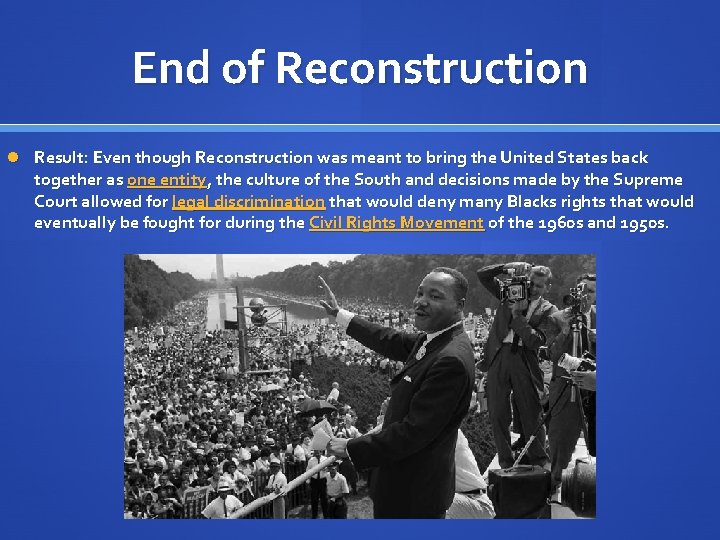
End of Reconstruction Result: Even though Reconstruction was meant to bring the United States back together as one entity, the culture of the South and decisions made by the Supreme Court allowed for legal discrimination that would deny many Blacks rights that would eventually be fought for during the Civil Rights Movement of the 1960 s and 1950 s.