
Recombinant DNA Technology and Protein Expression Dr Hilal
Recombinant DNA Technology and Protein Expression Dr. Hilal AY
Recombinant DNA Technology and Protein Expression
Recombinant DNA Technology and Protein Expression • To study the structure of any protein successfully it is necessary to purify the molecule of interest. • This is often a formidable task especially when some proteins are present within cells at low concentration, perhaps as few as 10 molecules per cell. • Frequently, this involves purifying a single protein from a cell paste containing over 10, 000 different proteins. • The ideal objective is to obtain a single protein retaining most, if not all, of its native (in vivo) properties.
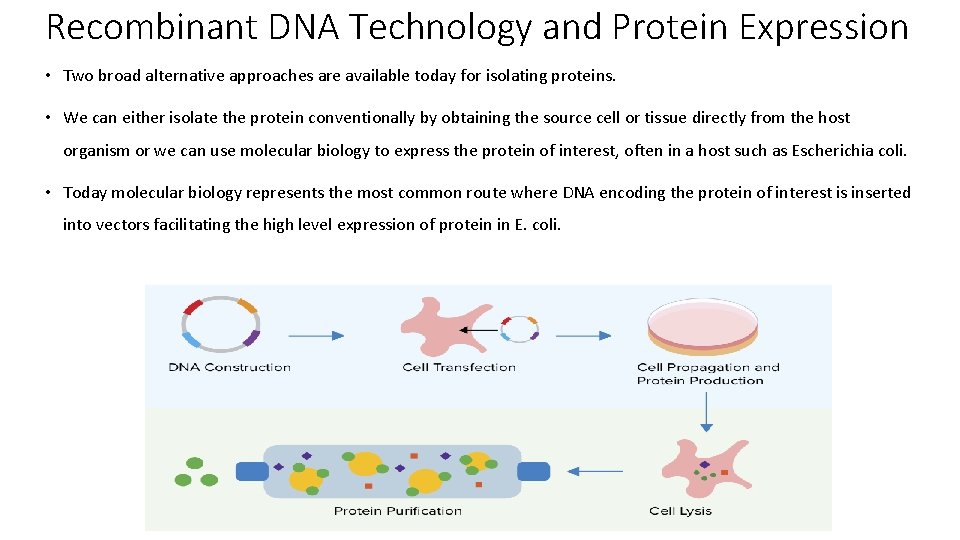
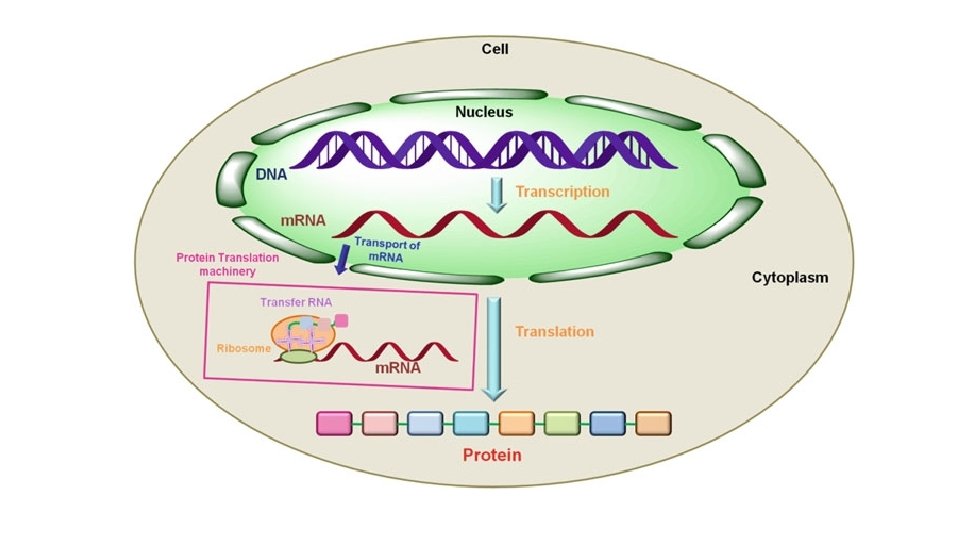
Recombinant DNA Technology and Protein Expression • Two broad alternative approaches are available today for isolating proteins. • We can either isolate the protein conventionally by obtaining the source cell or tissue directly from the host organism or we can use molecular biology to express the protein of interest, often in a host such as Escherichia coli. • Today molecular biology represents the most common route where DNA encoding the protein of interest is inserted into vectors facilitating the high level expression of protein in E. coli.
Enzymes for DNA Manipulation
Enzymes for DNA Manipulation
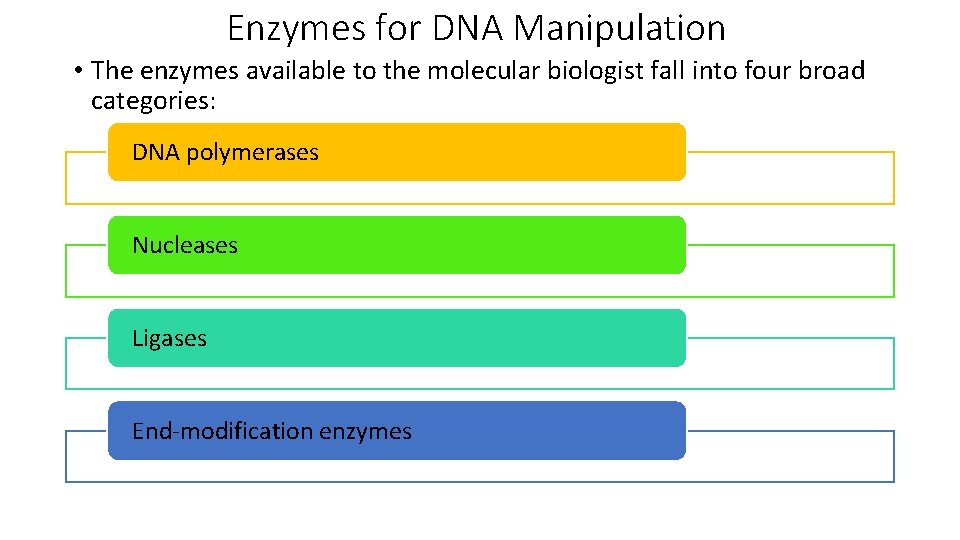
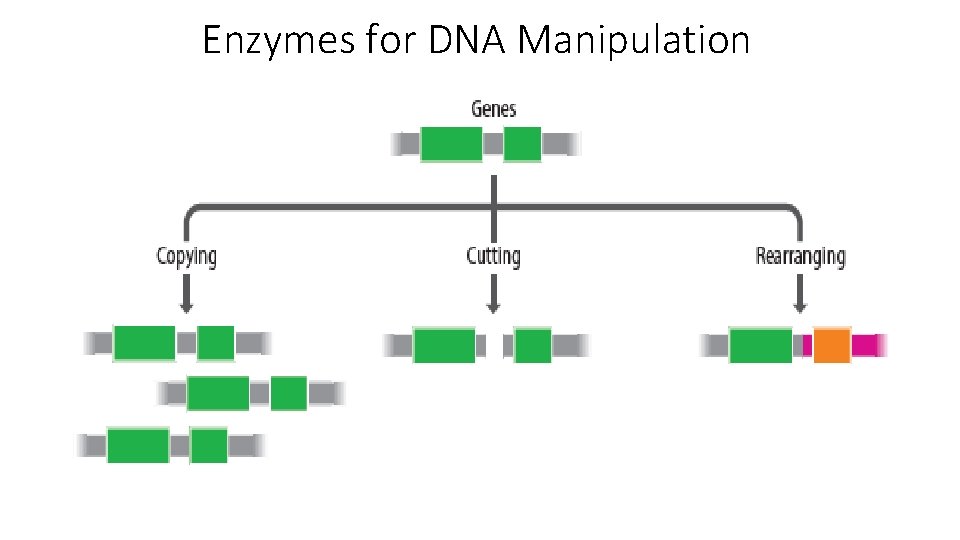
Enzymes for DNA Manipulation • The enzymes available to the molecular biologist fall into four broad categories: DNA polymerases Nucleases Ligases End-modification enzymes
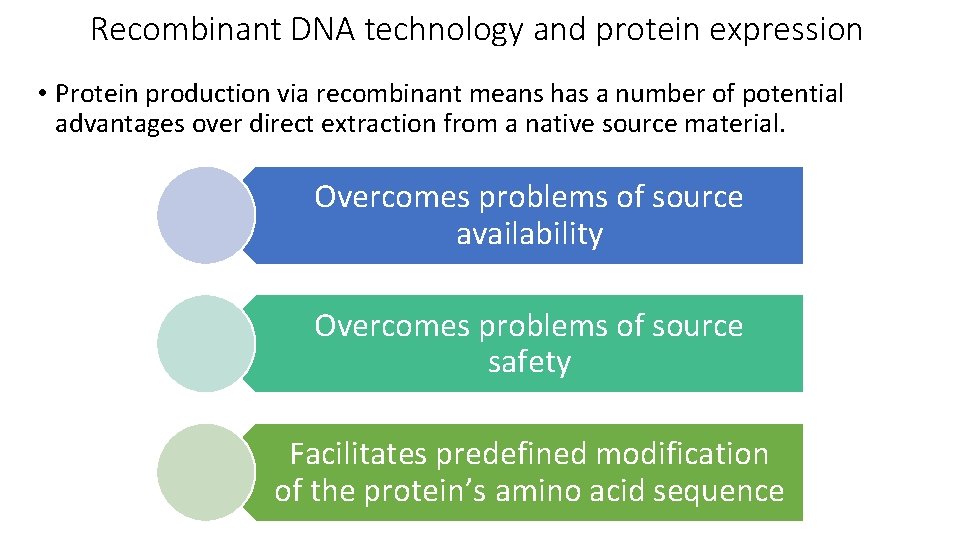
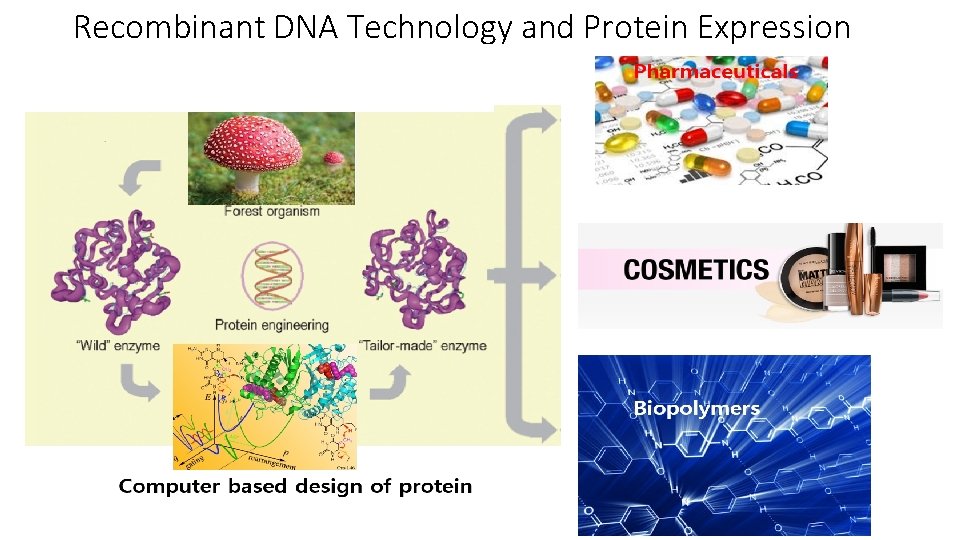
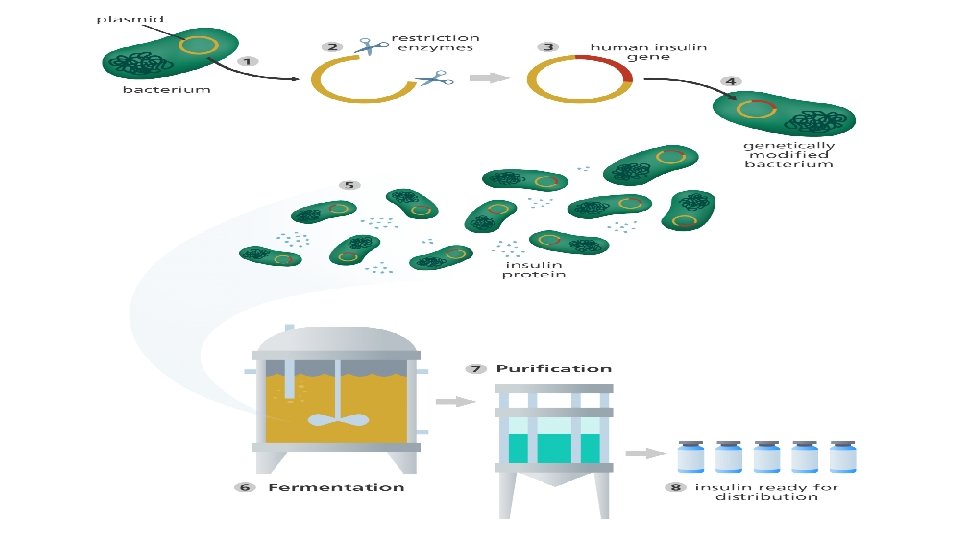
Recombinant DNA technology and protein expression • Protein production via recombinant means has a number of potential advantages over direct extraction from a native source material. Overcomes problems of source availability Overcomes problems of source safety Facilitates predefined modification of the protein’s amino acid sequence
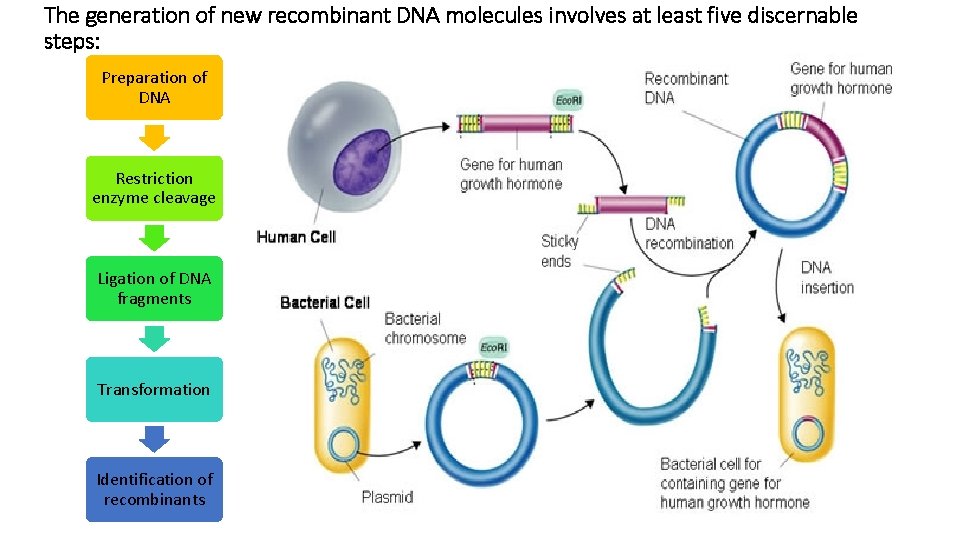
The generation of new recombinant DNA molecules involves at least five discernable steps: Preparation of DNA Restriction enzyme cleavage Ligation of DNA fragments Transformation Identification of recombinants
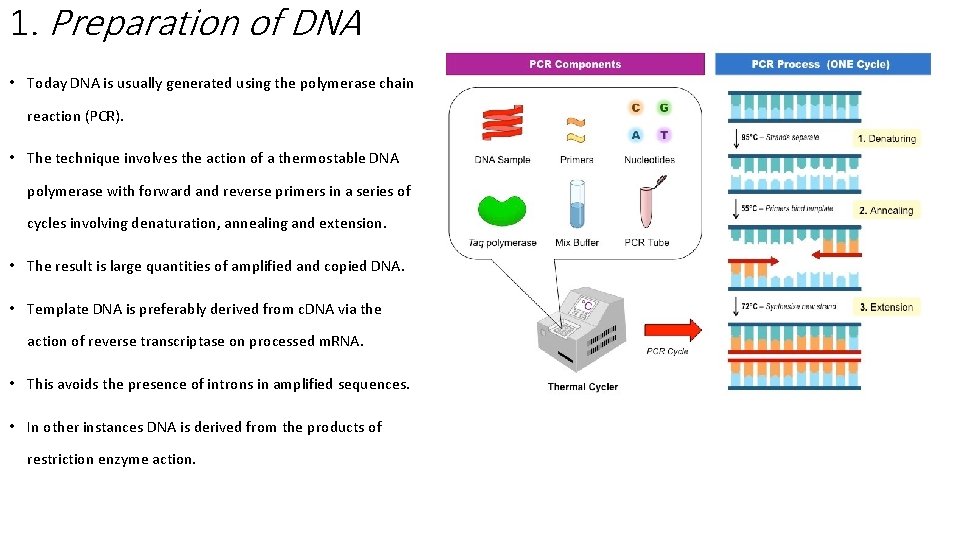
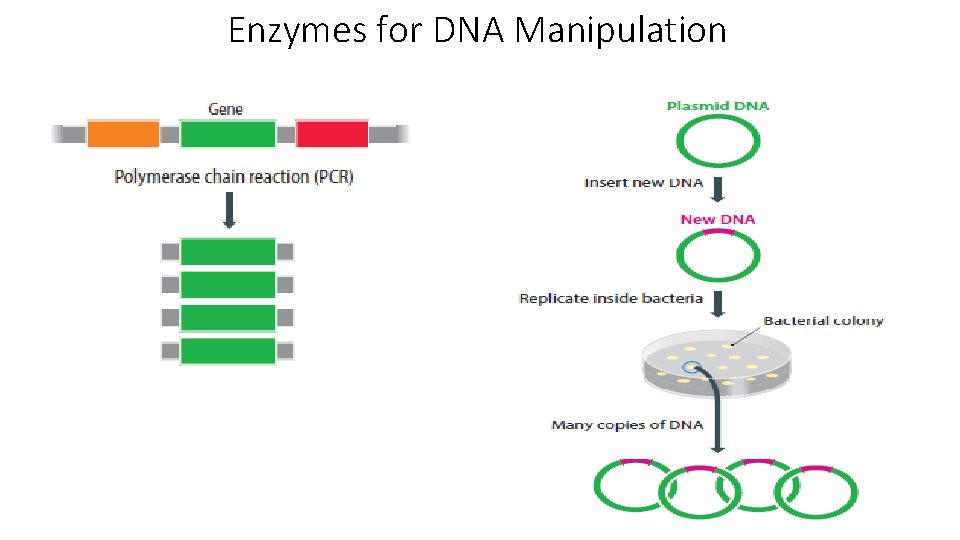
1. Preparation of DNA • Today DNA is usually generated using the polymerase chain reaction (PCR). • The technique involves the action of a thermostable DNA polymerase with forward and reverse primers in a series of cycles involving denaturation, annealing and extension. • The result is large quantities of amplified and copied DNA. • Template DNA is preferably derived from c. DNA via the action of reverse transcriptase on processed m. RNA. • This avoids the presence of introns in amplified sequences. • In other instances DNA is derived from the products of restriction enzyme action.

How does PCR work? • https: //www. jove. com/science-education/10819/pcr
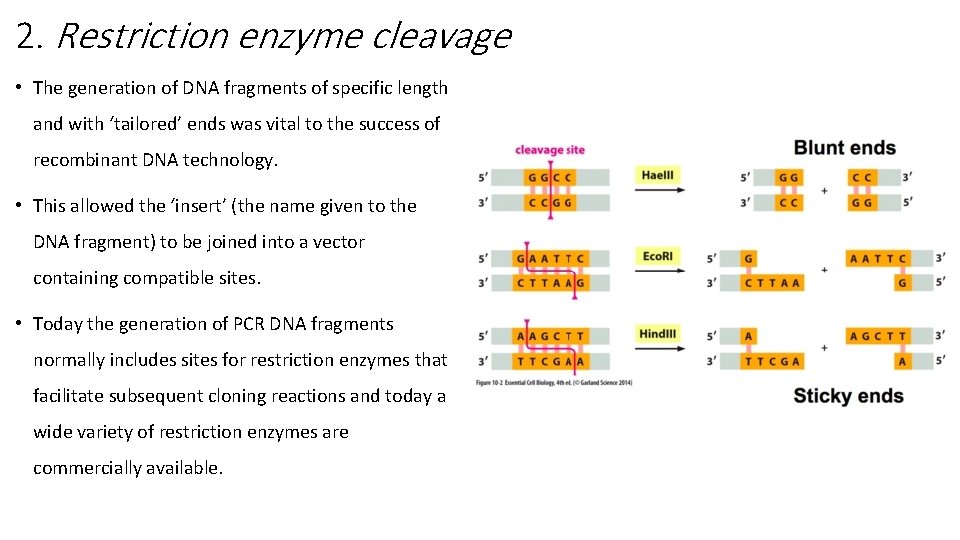
2. Restriction enzyme cleavage • The generation of DNA fragments of specific length and with ‘tailored’ ends was vital to the success of recombinant DNA technology. • This allowed the ‘insert’ (the name given to the DNA fragment) to be joined into a vector containing compatible sites. • Today the generation of PCR DNA fragments normally includes sites for restriction enzymes that facilitate subsequent cloning reactions and today a wide variety of restriction enzymes are commercially available.
Restriction Enzyme Digests • https: //www. jove. com/v/5070/restriction-enzyme-digests
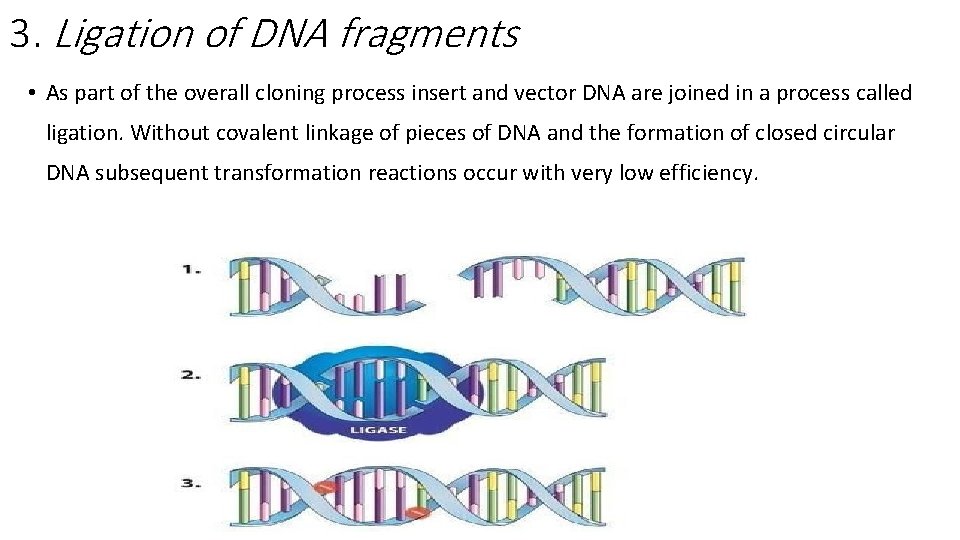
3. Ligation of DNA fragments • As part of the overall cloning process insert and vector DNA are joined in a process called ligation. Without covalent linkage of pieces of DNA and the formation of closed circular DNA subsequent transformation reactions occur with very low efficiency.
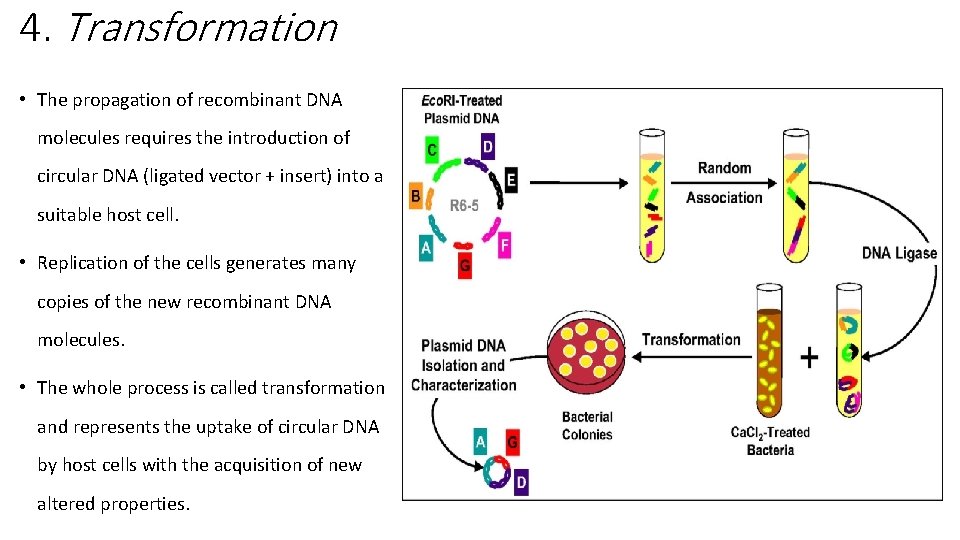
4. Transformation • The propagation of recombinant DNA molecules requires the introduction of circular DNA (ligated vector + insert) into a suitable host cell. • Replication of the cells generates many copies of the new recombinant DNA molecules. • The whole process is called transformation and represents the uptake of circular DNA by host cells with the acquisition of new altered properties.
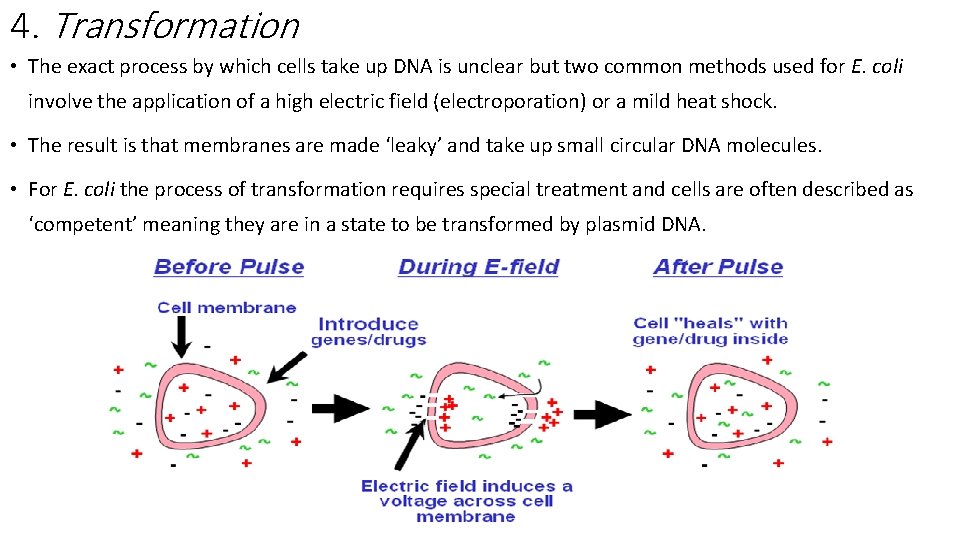
4. Transformation • The exact process by which cells take up DNA is unclear but two common methods used for E. coli involve the application of a high electric field (electroporation) or a mild heat shock. • The result is that membranes are made ‘leaky’ and take up small circular DNA molecules. • For E. coli the process of transformation requires special treatment and cells are often described as ‘competent’ meaning they are in a state to be transformed by plasmid DNA.
Bacterial Transformation Methods • https: //www. jove. com/v/5059/bacterial-transformation-the-heatshock-method • https: //www. jove. com/v/5060/bacterial-transformationelectroporation
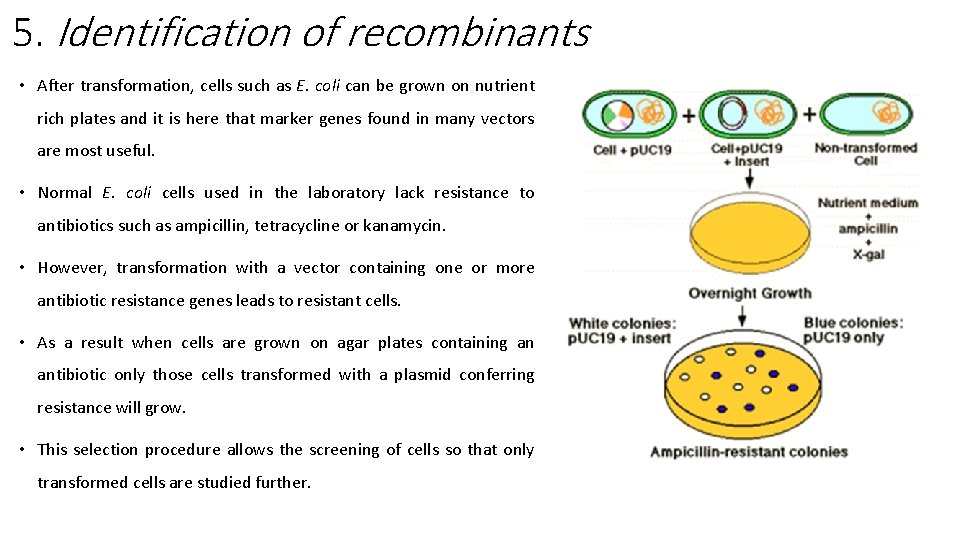
5. Identification of recombinants • After transformation, cells such as E. coli can be grown on nutrient rich plates and it is here that marker genes found in many vectors are most useful. • Normal E. coli cells used in the laboratory lack resistance to antibiotics such as ampicillin, tetracycline or kanamycin. • However, transformation with a vector containing one or more antibiotic resistance genes leads to resistant cells. • As a result when cells are grown on agar plates containing an antibiotic only those cells transformed with a plasmid conferring resistance will grow. • This selection procedure allows the screening of cells so that only transformed cells are studied further.
Identification of recombinants • https: //www. jove. com/science-education/10807/antibiotic-selection
- Slides: 21