
Reception Reading and Handwriting Meeting 2017 18 Areas

- Slides: 51
Reception Reading and Handwriting Meeting 2017 -18
Areas of Learning: • Personal, Social and Emotional development. • Communication and Language • Physical Development • Literacy • Mathematics • Understanding the World • Expressive Arts and Design
Communication and Language This area of learning is broken into 3 strands: - Listening and Attention - Understanding - Speaking
Literacy This area is broken down into two strands: 1. Reading 2. Writing
Pre - reading skills • Developing language skills • Taking turns in conversation. • Learning to listen. • Enjoy looking at books and telling stories. • Retelling stories, putting events in the correct order. • Tell the story from the pictures. • Focus on details and notice similarities and differences.
Your children are already readers! Print is all around us!
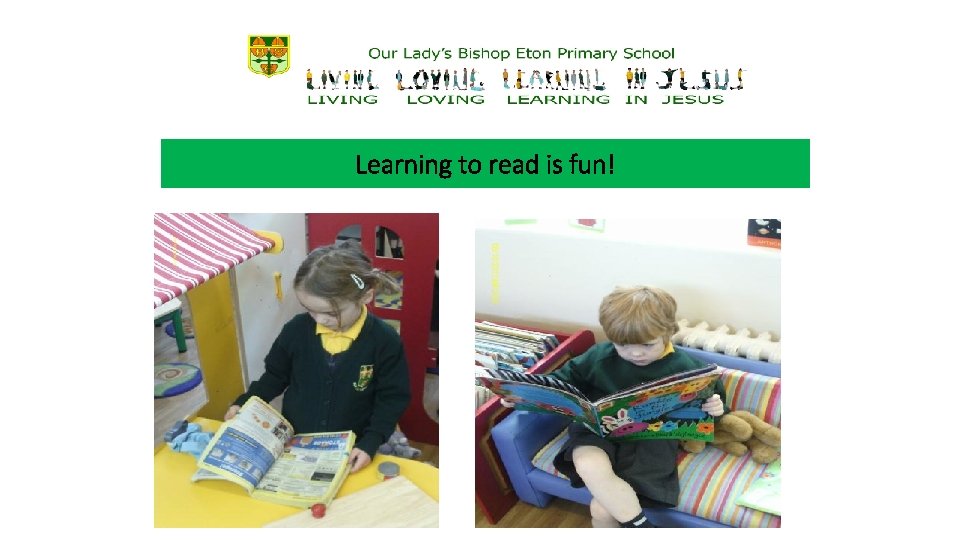
Learning to read is fun!
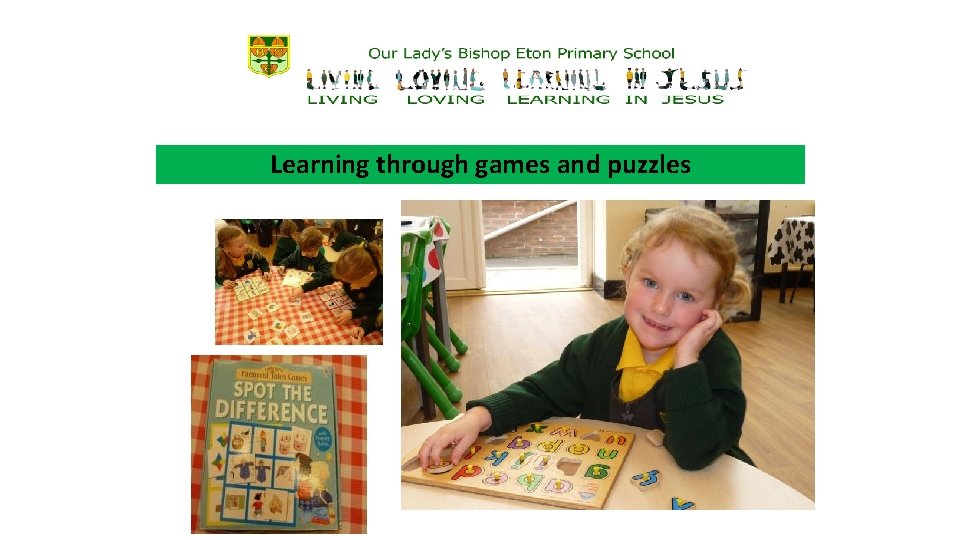
Learning through games and puzzles
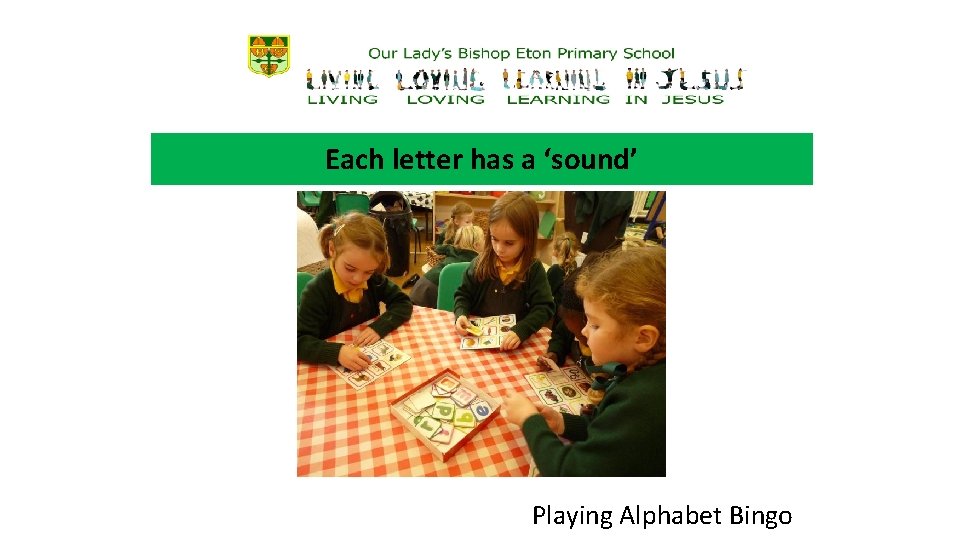
Each letter has a ‘sound’ Playing Alphabet Bingo
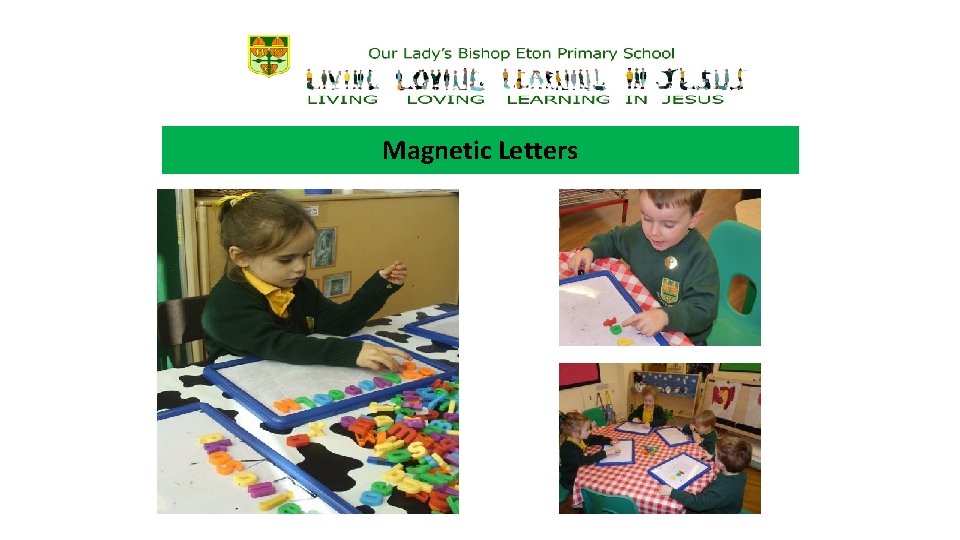
Magnetic Letters
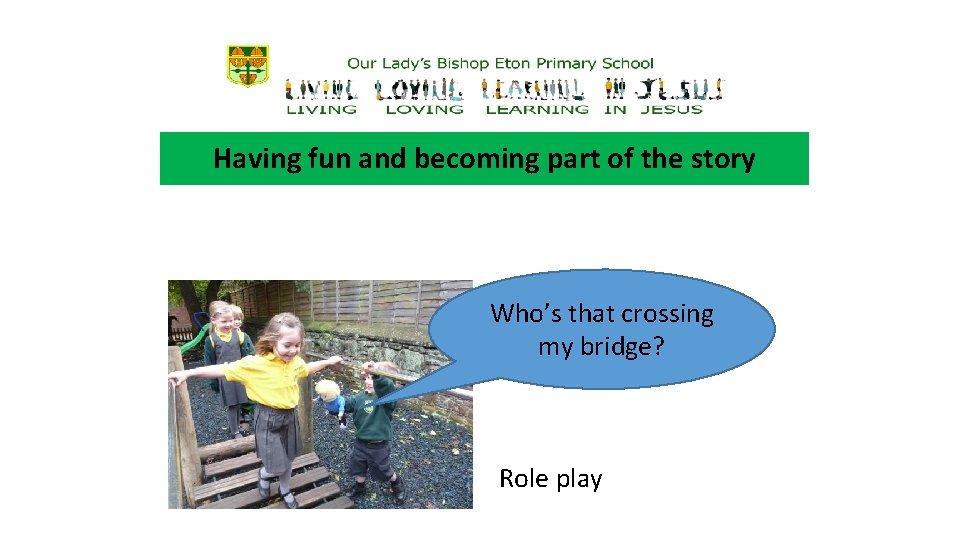
Having fun and becoming part of the story Who’s that crossing my bridge? Role play
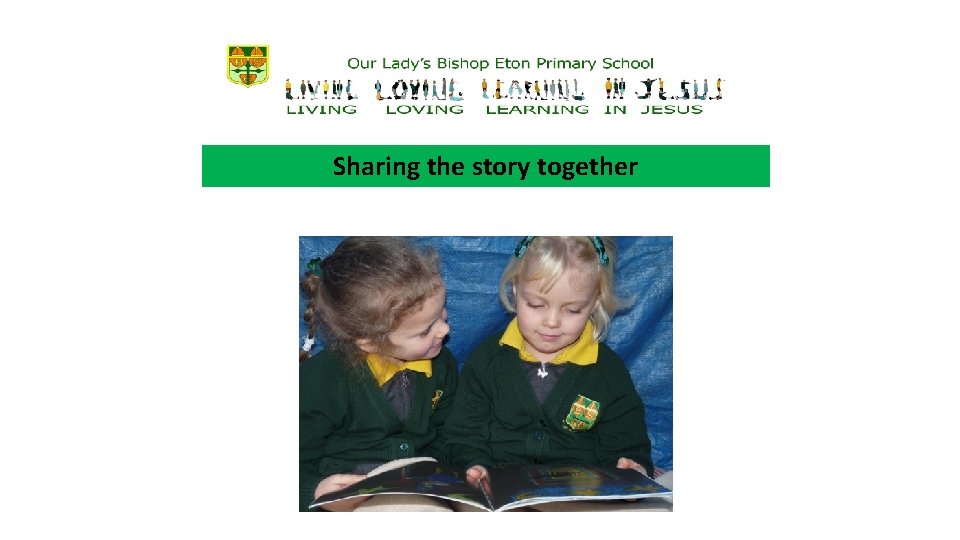
Sharing the story together
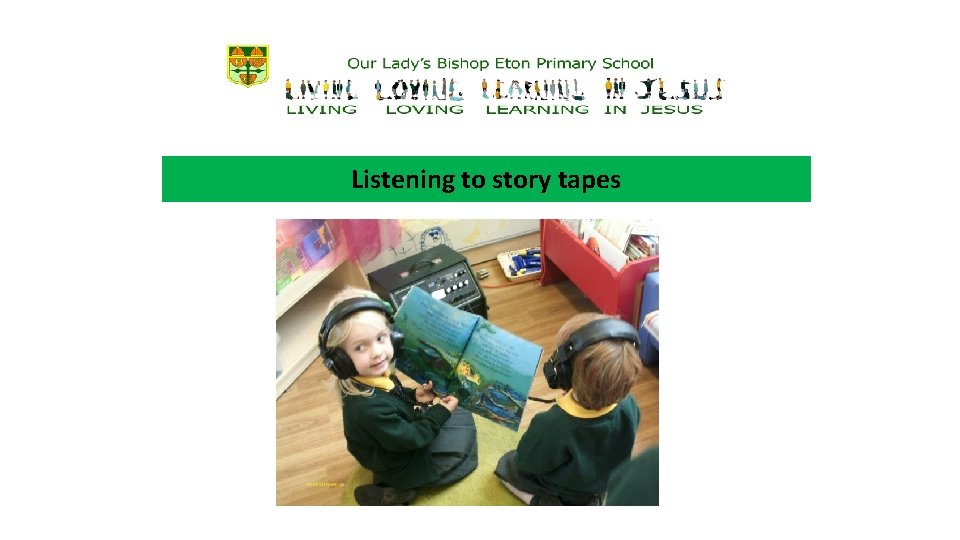
Listening to story tapes
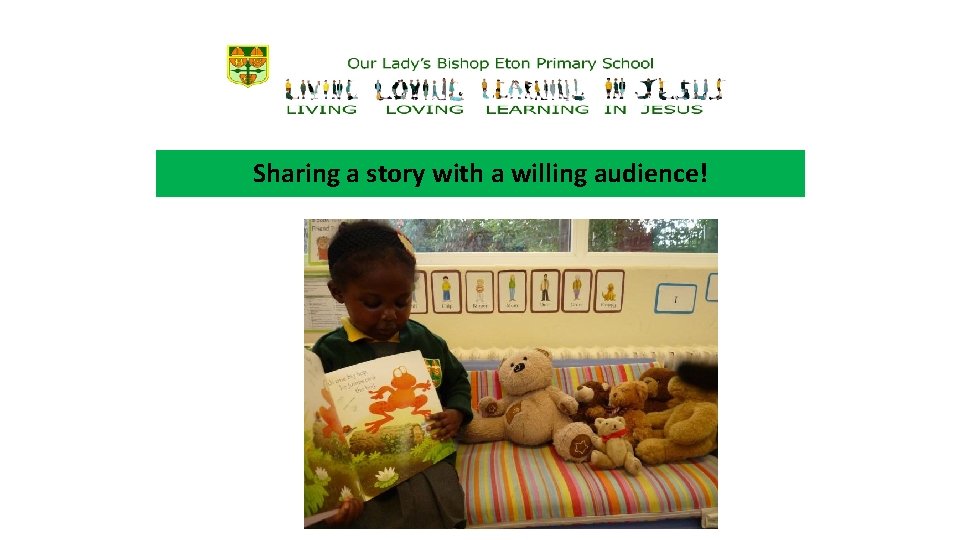
Sharing a story with a willing audience!
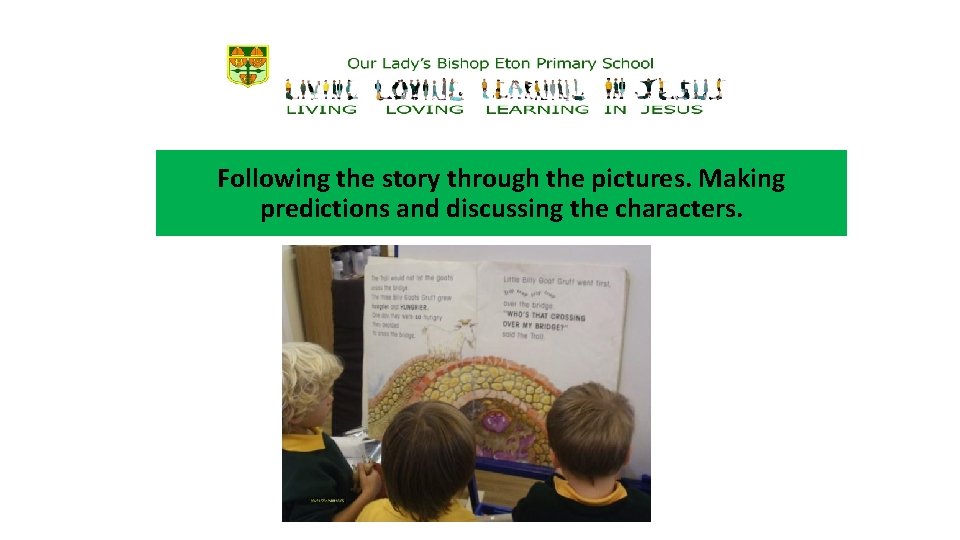
Following the story through the pictures. Making predictions and discussing the characters.
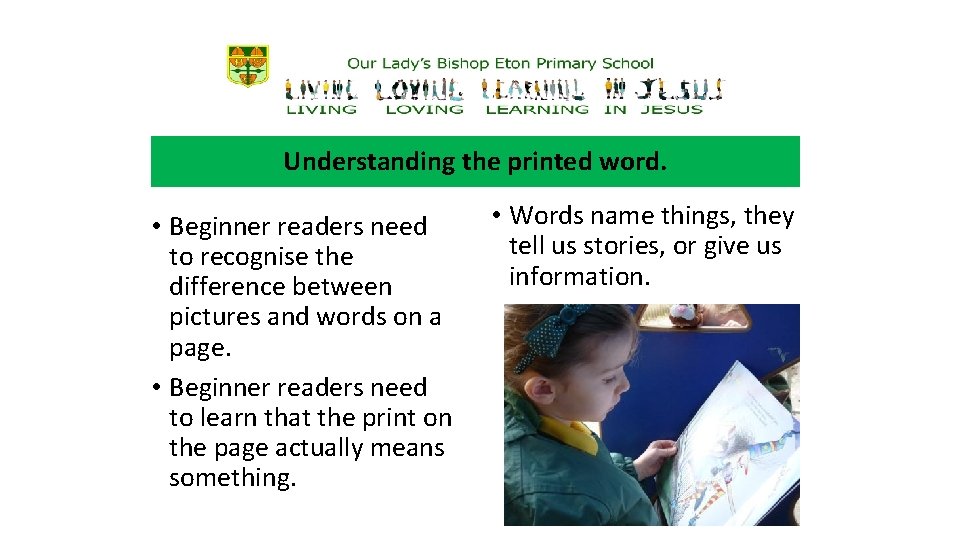
Understanding the printed word. • Beginner readers need to recognise the difference between pictures and words on a page. • Beginner readers need to learn that the print on the page actually means something. • Words name things, they tell us stories, or give us information.
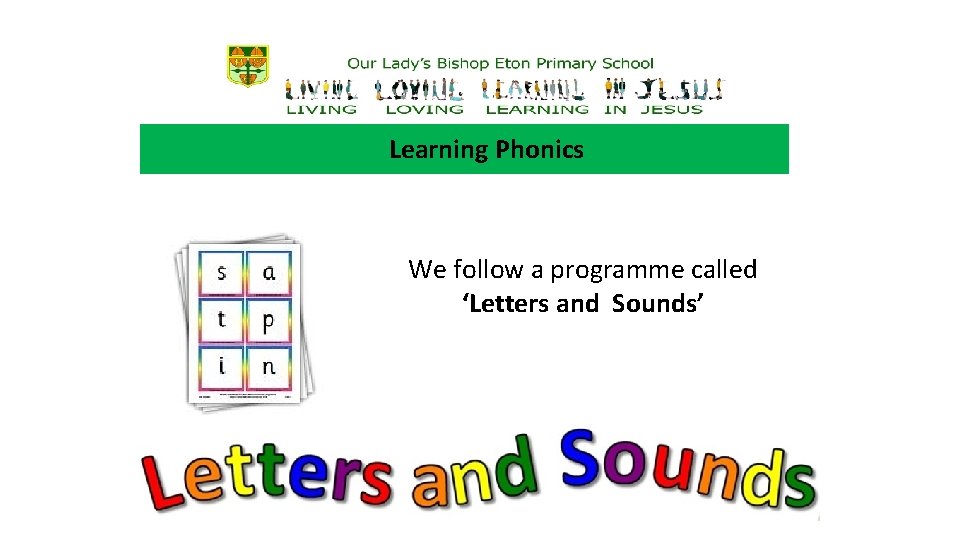
Learning Phonics We follow a programme called ‘Letters and Sounds’
Phonics • • Follow DFES letters and sounds programme Use Jolly Phonics songs to support 4 whole class lessons per week Small group phonic based activities in other areas
Letters and Sounds Programme • Nursery - Phase 1: Auditory discriminations, music making, nursery rhymes • Reception - Phase 2, 3 and 4 • Year 1 – (Revisit Phase 4) Year 1 Phonics • Year 2 – Year 2 Phonics
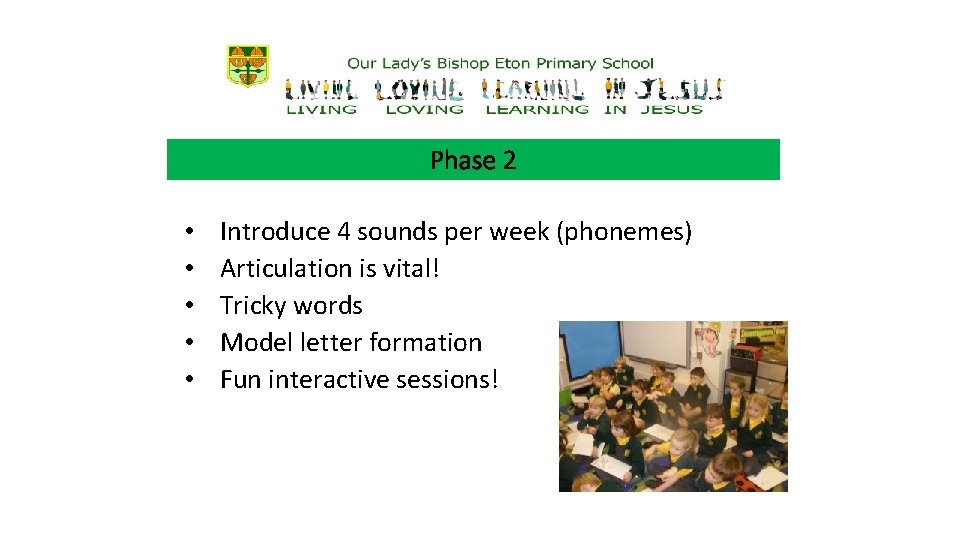
Phase 2 • • • Introduce 4 sounds per week (phonemes) Articulation is vital! Tricky words Model letter formation Fun interactive sessions!
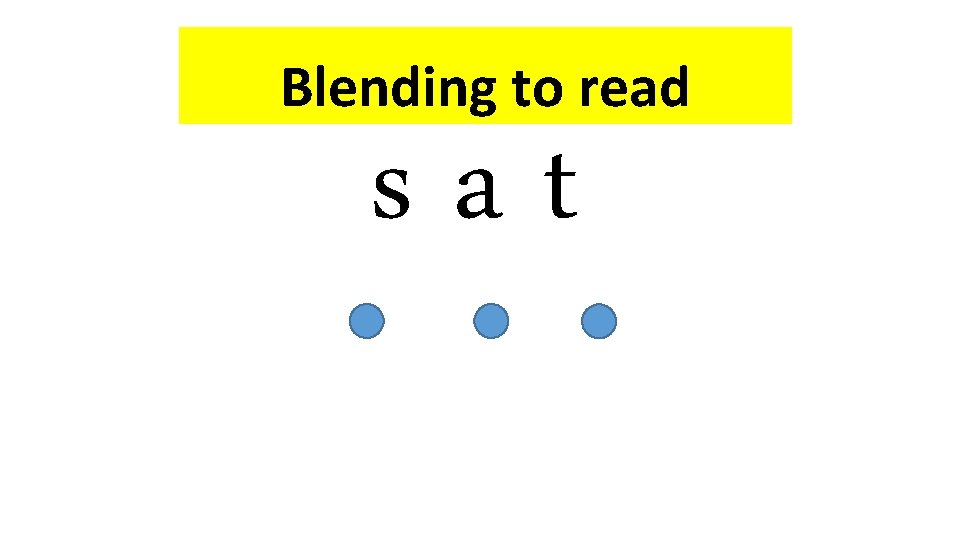
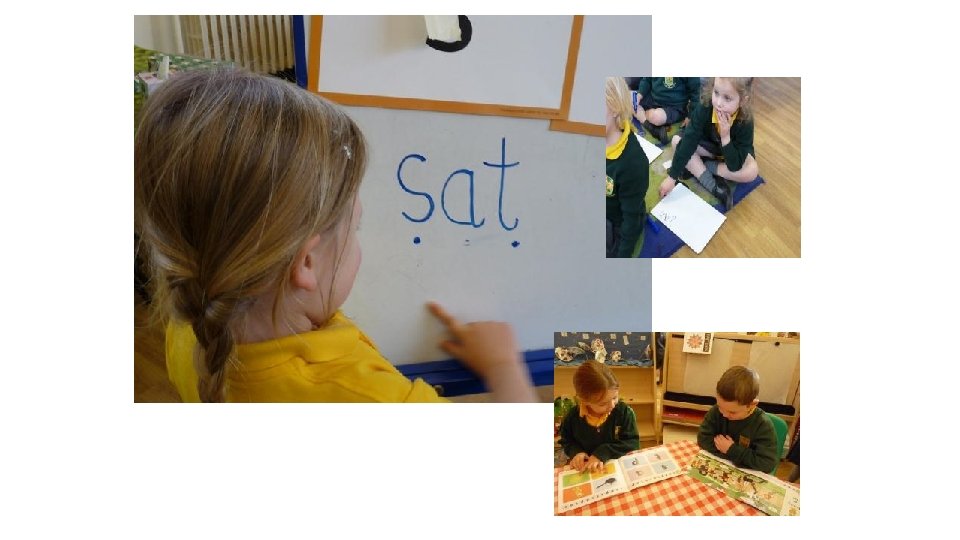
Blending to read sat
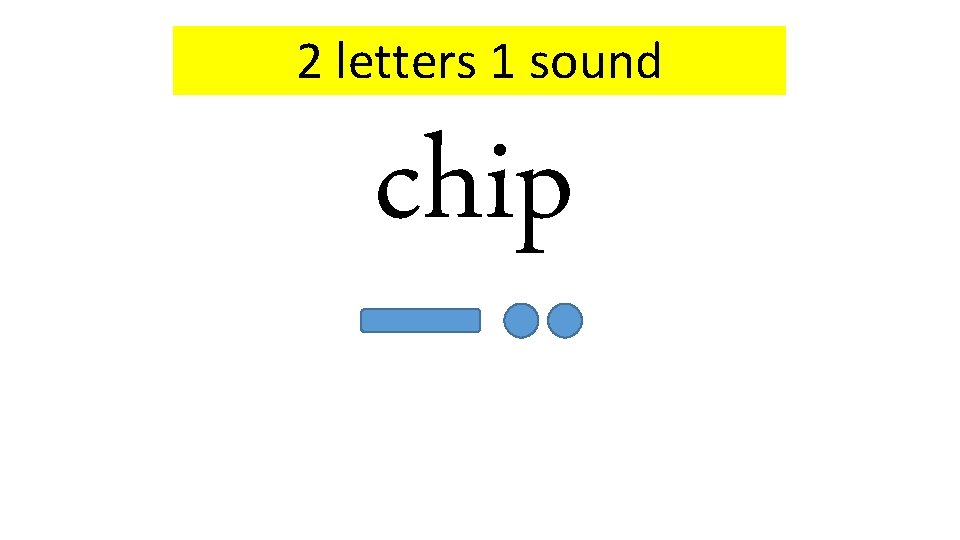
2 letters 1 sound chip
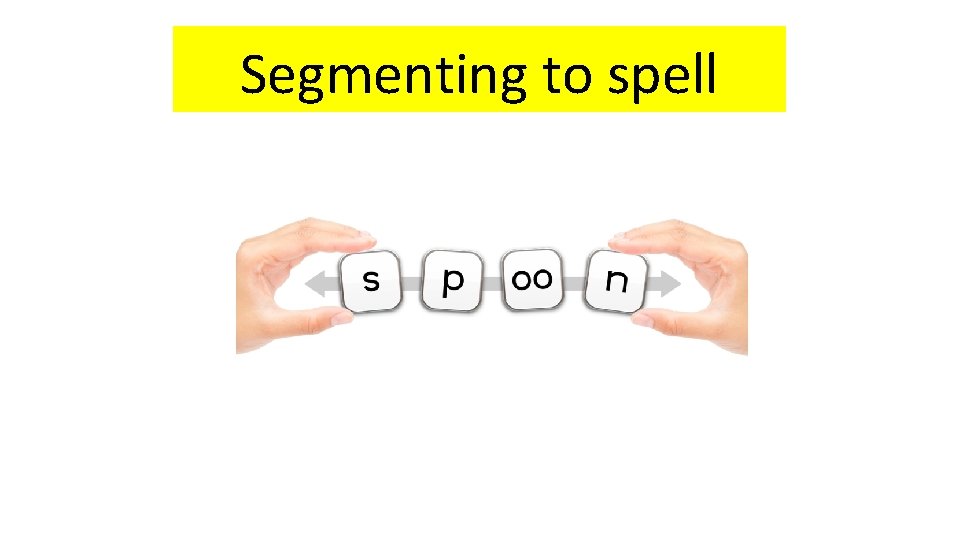
Segmenting to spell
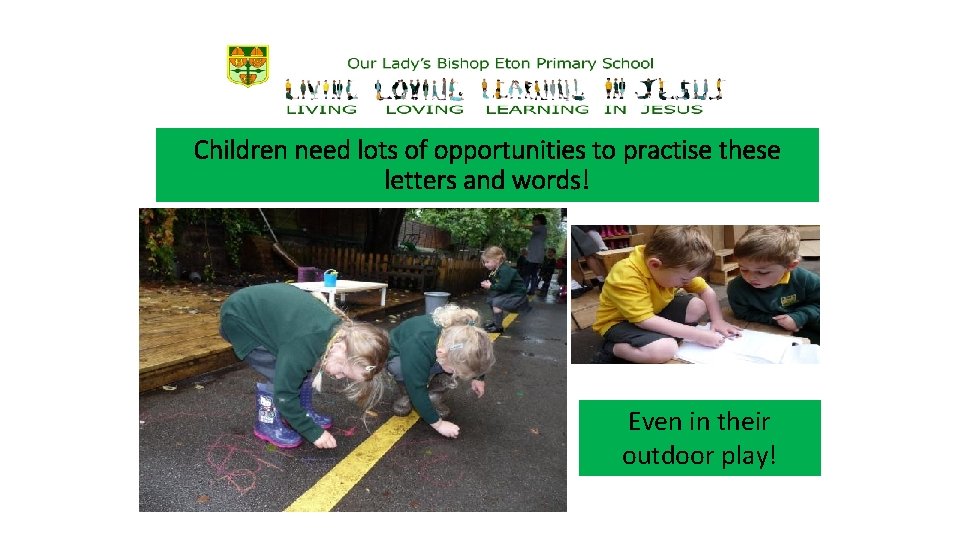
Children need lots of opportunities to practise these letters and words! Even in their outdoor play!
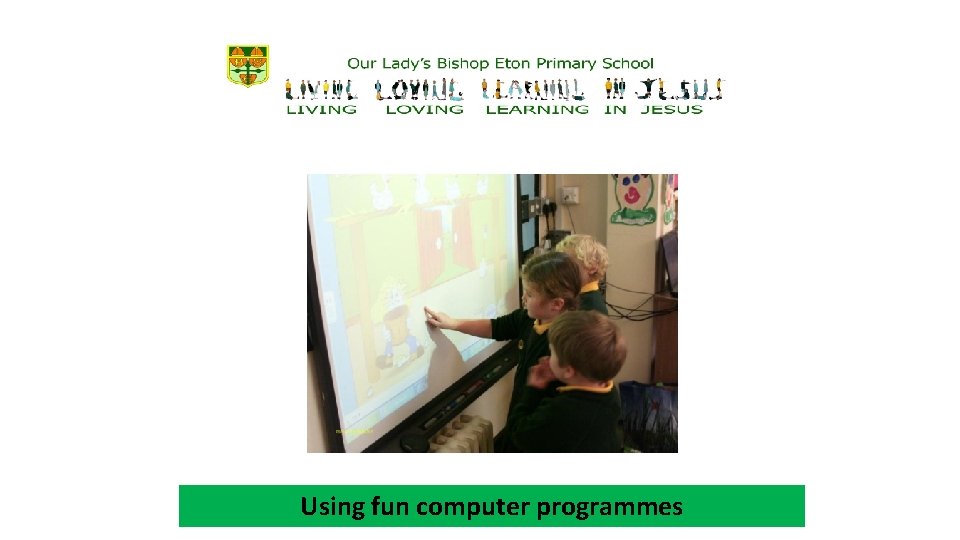
Using fun computer programmes
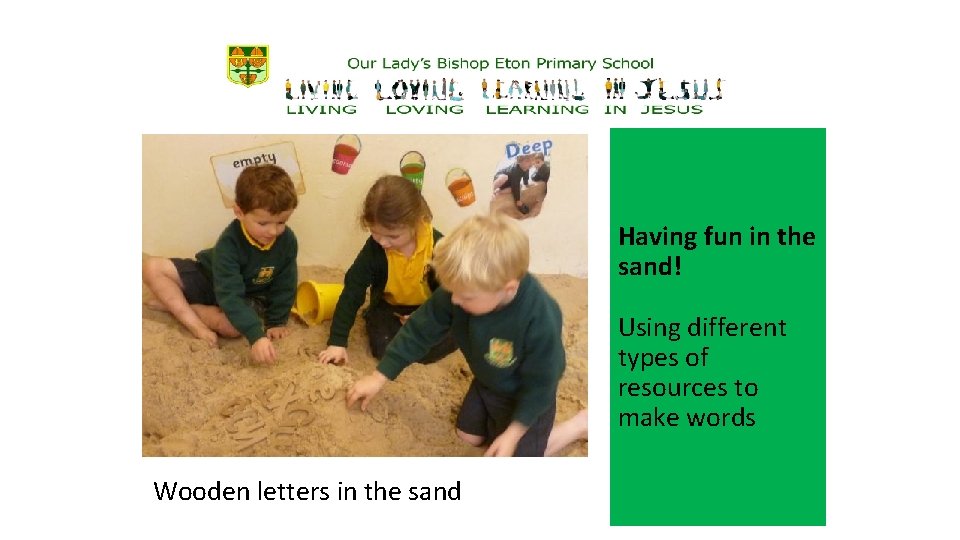
Having fun in the sand! Using different types of resources to make words Wooden letters in the sand
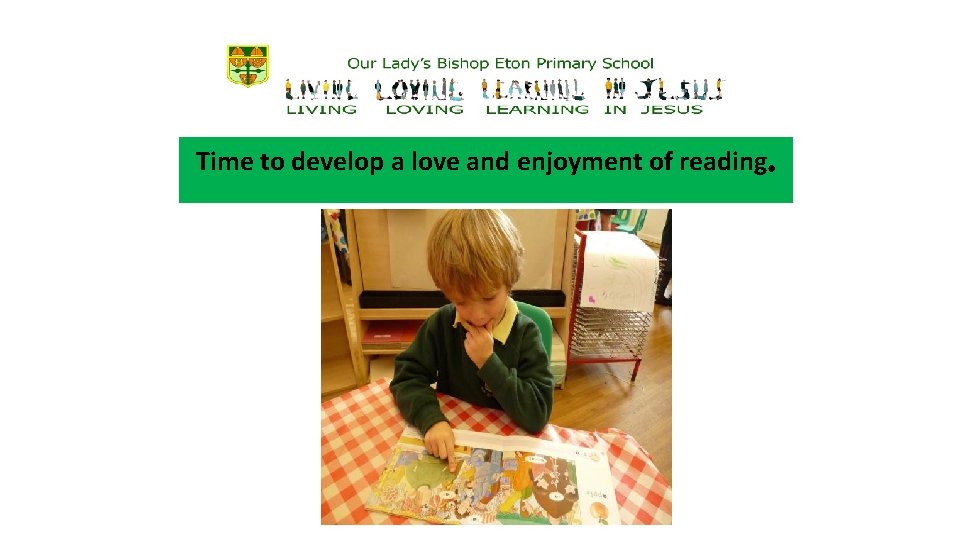
Time to develop a love and enjoyment of reading .
Reading Homework Your child will read in a group twice each week in school. Please ensure your child has their reading book and reading record in their bag every day. Please add a comment in your child’s reading record every time you hear them read. Please listen to your child read every night.
Learning to read is a very complex process, that takes a long time to master
Any questions?
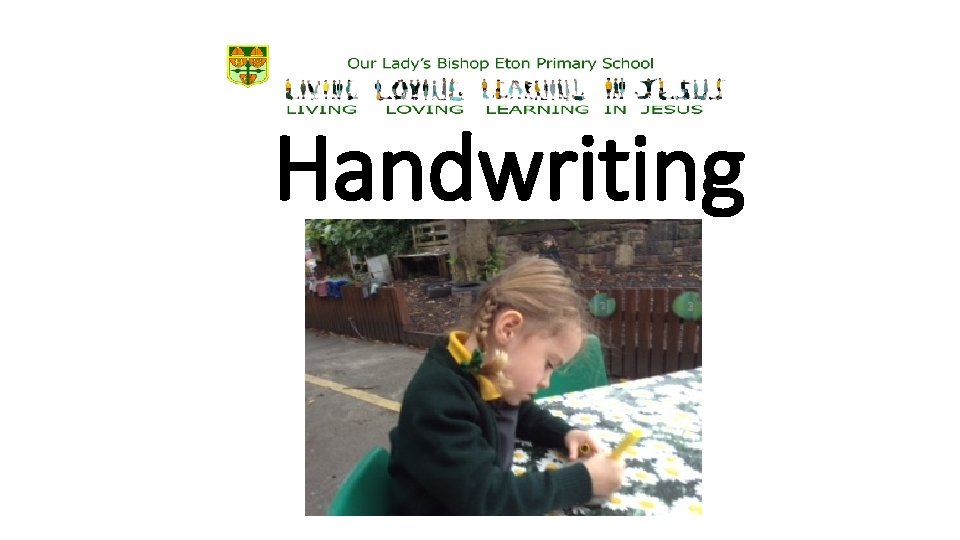
Handwriting
Early Years Curriculum Physical Development 40 -60 Months -Begins to use anticlockwise movement and retrace vertical lines. - Uses a pencil and holds it effectively to form recognisable letters, most of which are correctly formed.
Early Learning Goal: Physical Development Moving and Handling Children show good control and co‑ordination in large and small movements. They move confidently in a range of ways, safely negotiating space. They handle equipment and tools effectively, including pencils for writing.
Expected Standard at the end of Key Stage 1 (Year 2) - Use the diagonal and horizontal strokes needed to join letters in some of their writing - Writing capital letters and digits of the correct size, orientation and relationship to one another and to lower-case letters - Using spacing between words that reflects the size of the letters.
Working Towards the Expected Standard at the end of Key Stage 2 (Year 6) - producing legible joined handwriting maintaining legibility, fluency and speed in handwriting joining some letters
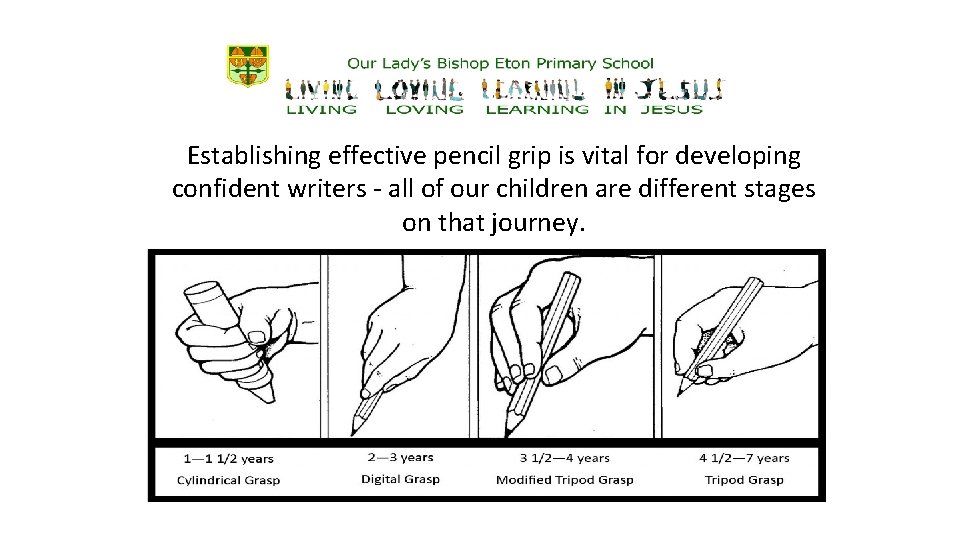
Establishing effective pencil grip is vital for developing confident writers - all of our children are different stages on that journey.
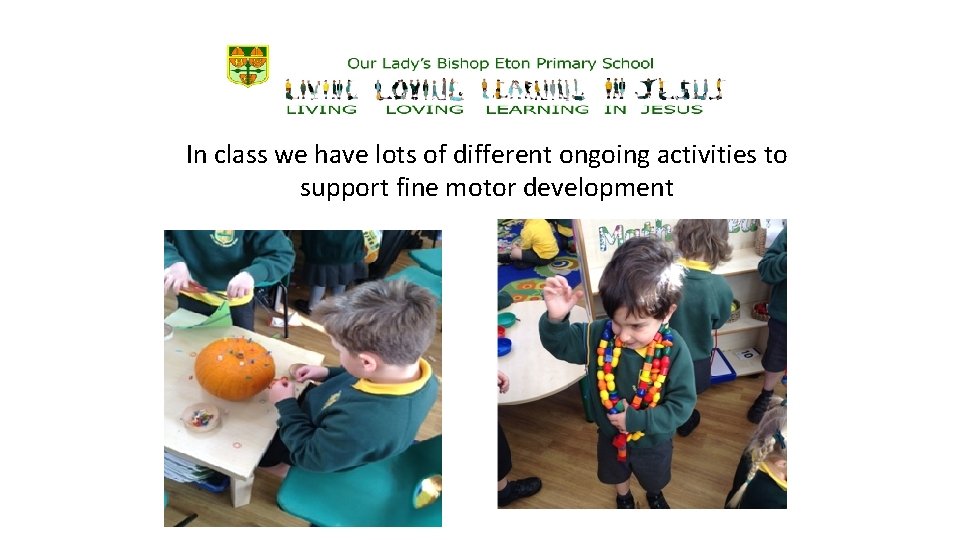
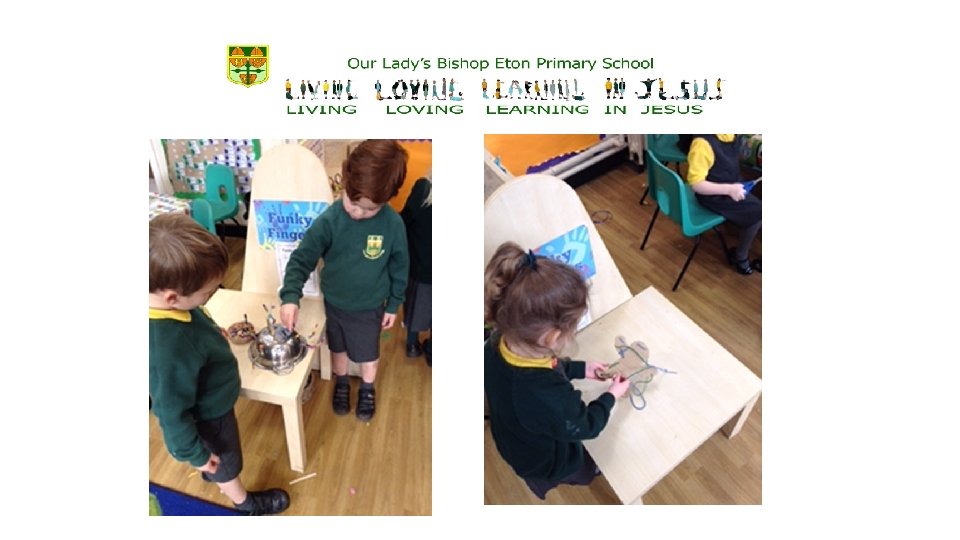
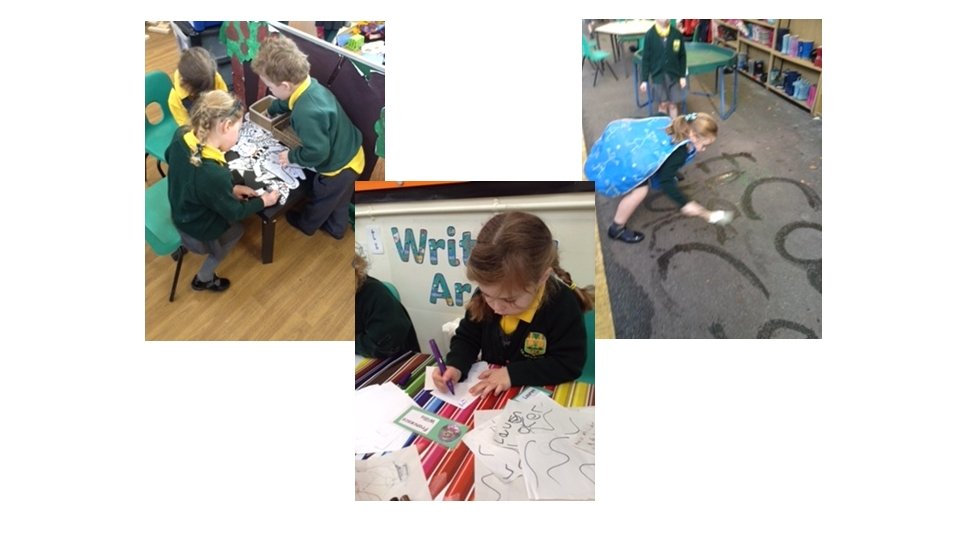
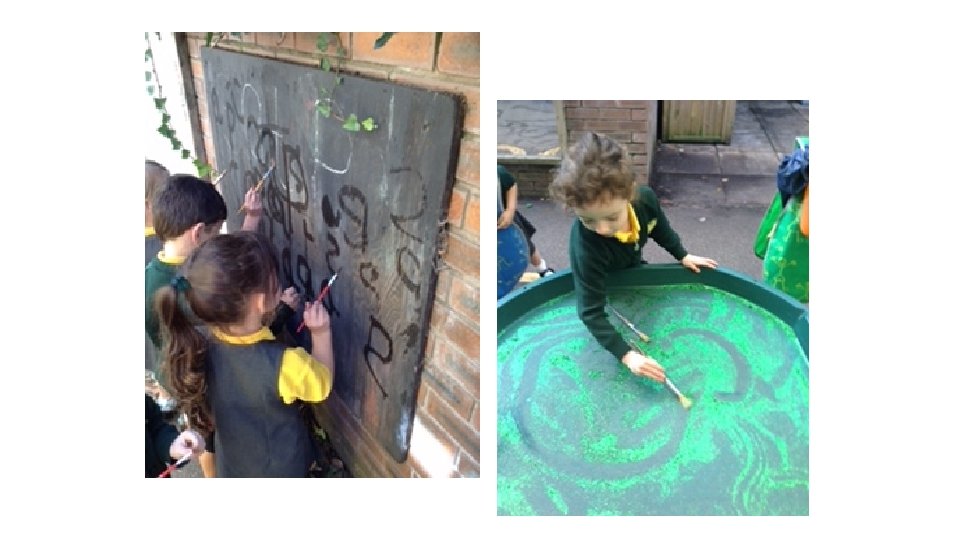
In class we have lots of different ongoing activities to support fine motor development
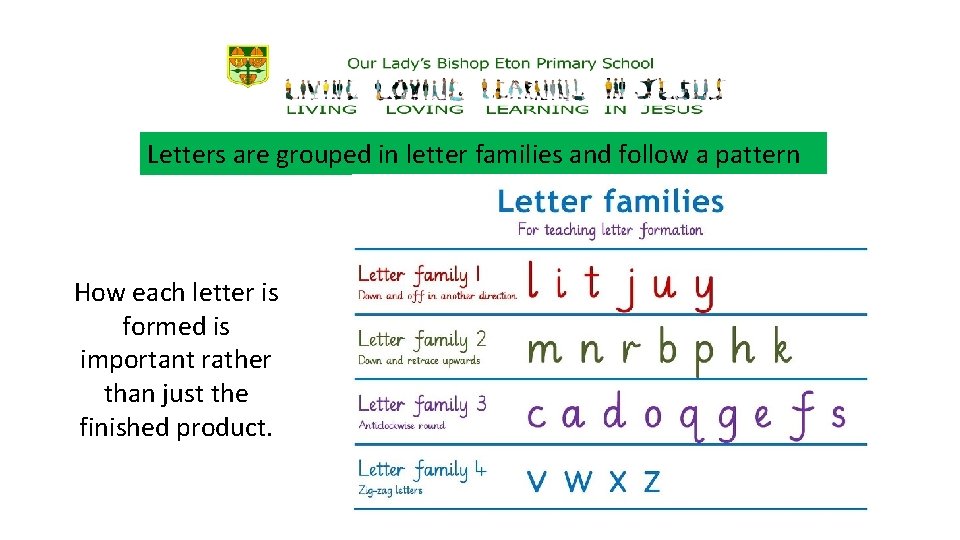
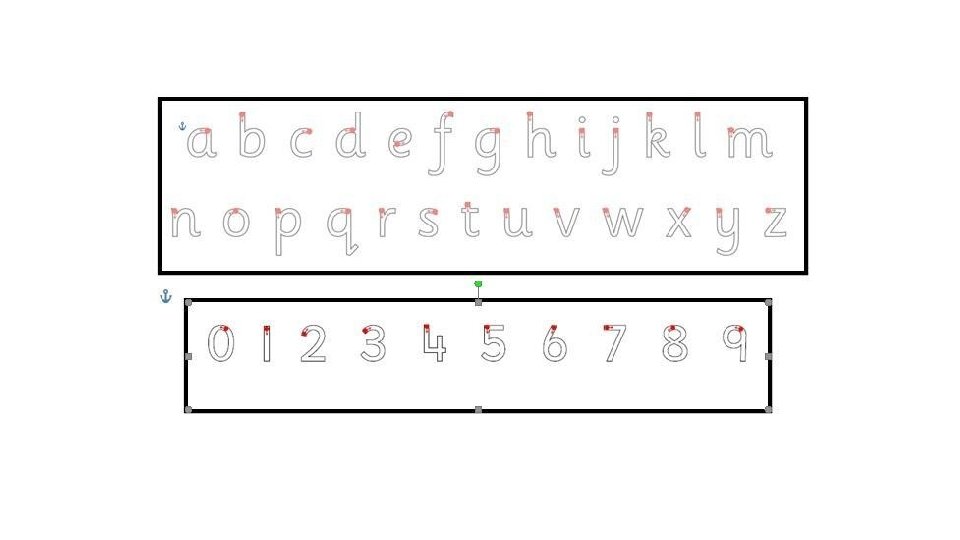
Letters are grouped in letter families and follow a pattern How each letter is formed is important rather than just the finished product.
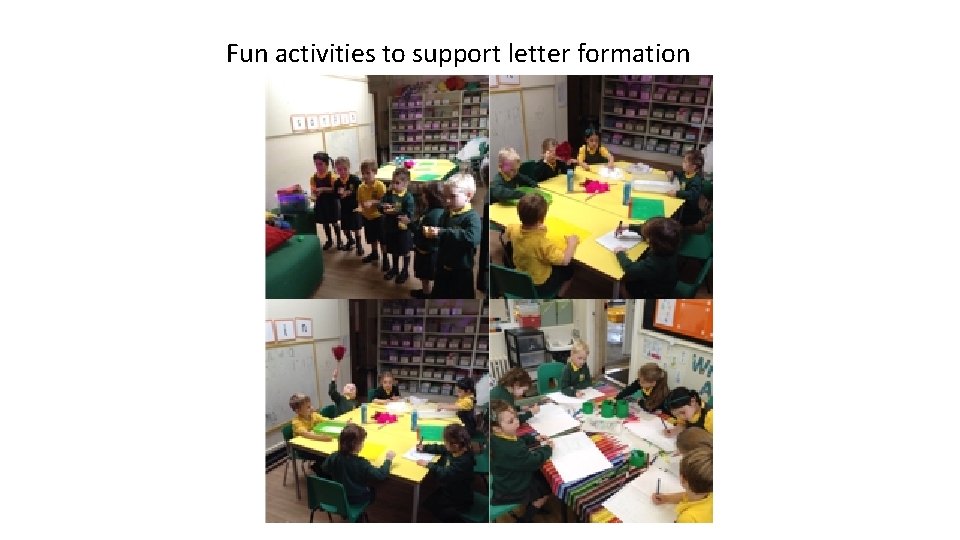
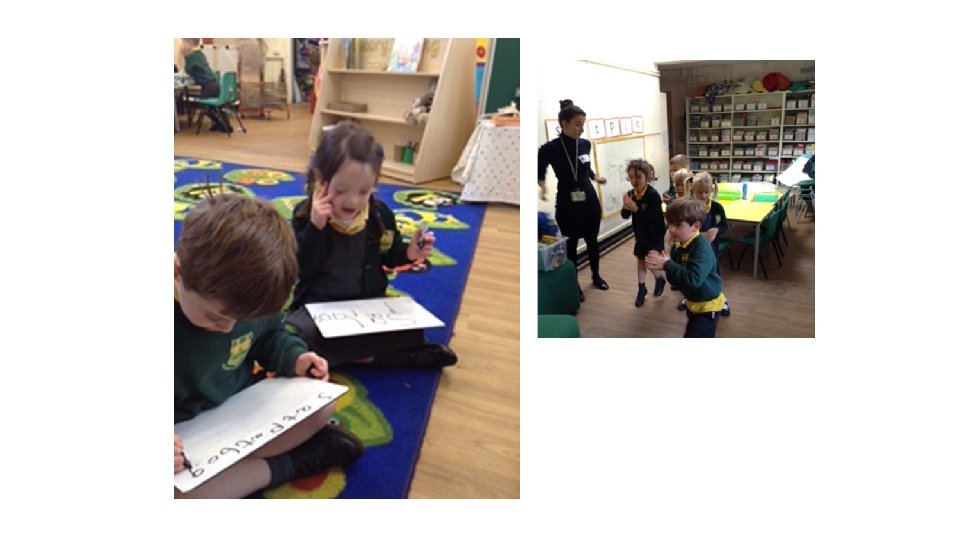
Fun activities to support letter formation
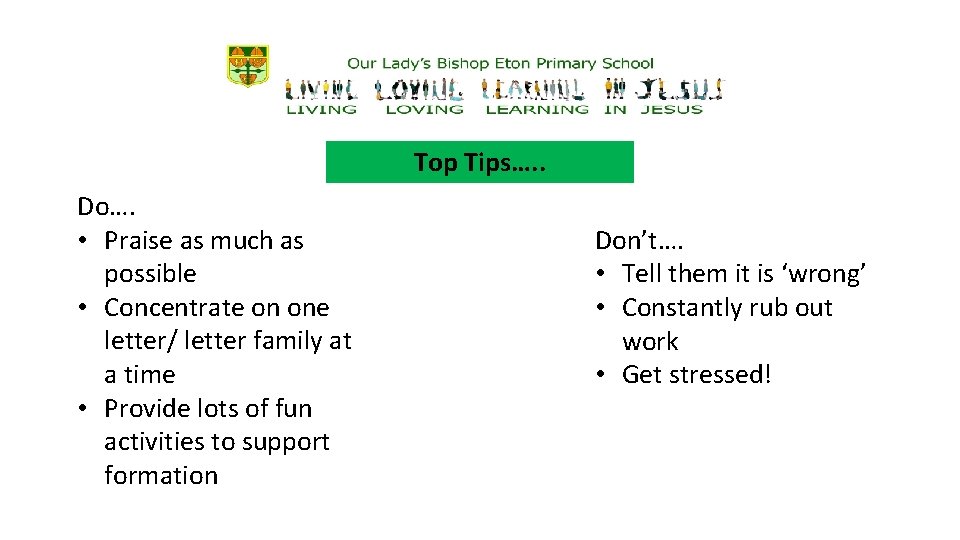
Top Tips…. . Do…. • Praise as much as possible • Concentrate on one letter/ letter family at a time • Provide lots of fun activities to support formation Don’t…. • Tell them it is ‘wrong’ • Constantly rub out work • Get stressed!
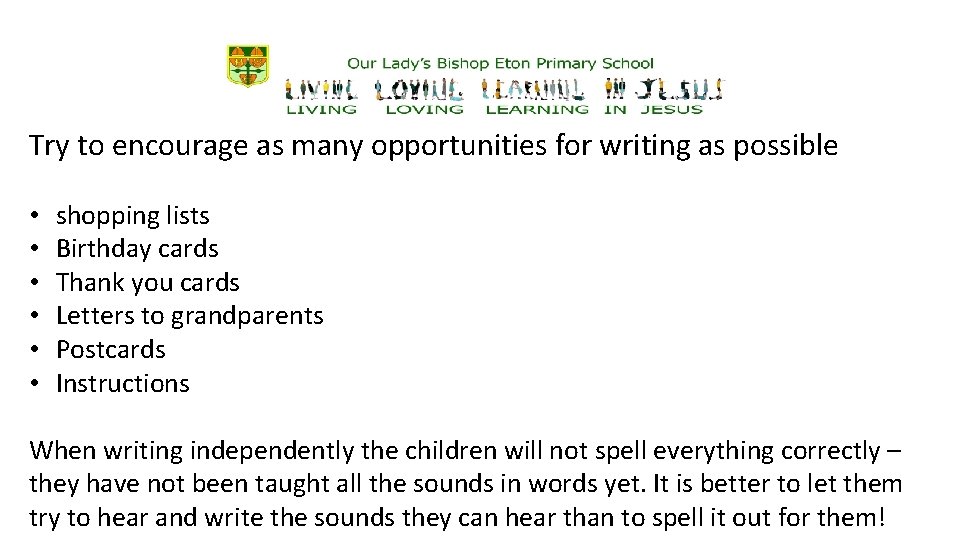
Try to encourage as many opportunities for writing as possible • • • shopping lists Birthday cards Thank you cards Letters to grandparents Postcards Instructions When writing independently the children will not spell everything correctly – they have not been taught all the sounds in words yet. It is better to let them try to hear and write the sounds they can hear than to spell it out for them!
Please share your home learning with us in school – we love it Send in your child’s work Take a photo and tweet us @bishopeton. FS Email us at info@2 buildaprofile. com
Happy Writing!