
Reception Homework Meeting Welcome Why are we here

- Slides: 27
Reception Homework Meeting Welcome
Why are we here today? • How school teaches your child to read. • Additional homework • What you can do to help.
How do children learn to read? • • Phonics Tricky words Picture cues Internal understanding of how sentences are structured.
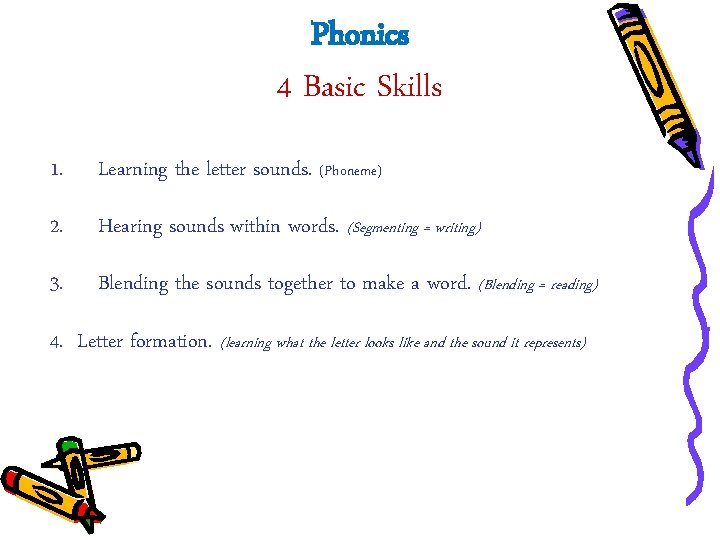
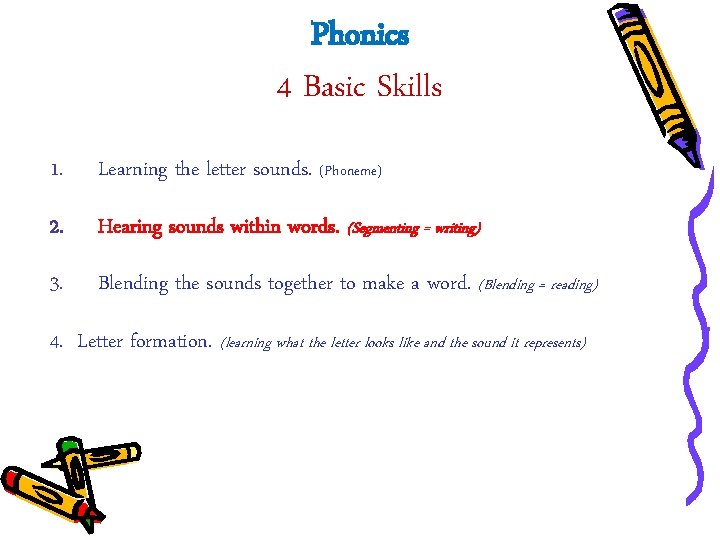
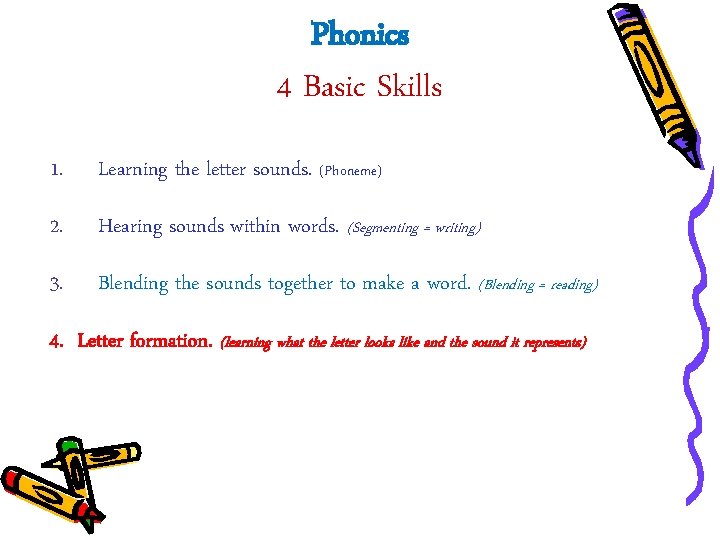
Phonics 4 Basic Skills 1. Learning the letter sounds. (Phoneme) 2. Hearing sounds within words. (Segmenting = writing) 3. Blending the sounds together to make a word. (Blending = reading) 4. Letter formation. (learning what the letter looks like and the sound it represents)
How do we teach phonics within school?
Phonemes • The smallest unit of sound in a word. • Important to understand – it’s the sound, not its letter name. Where can I go to get help with what the phonemes sounds like? http: //www. youtube. com/watch? v=ksbl. Mili. A 8
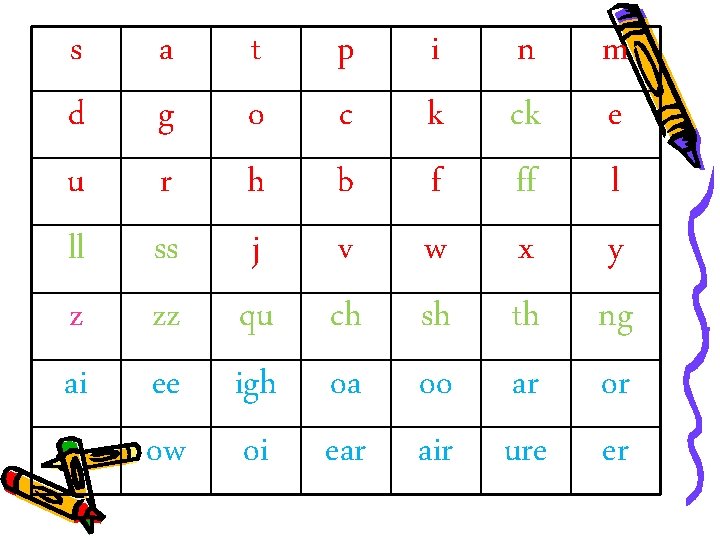
s d u ll z ai a g r ss zz ee ow t o h j qu igh oi p c b v ch oa ear i k f w sh oo air n ck ff x th ar ure m e l y ng or er
Phonics 4 Basic Skills 1. Learning the letter sounds. (Phoneme) 2. Hearing sounds within words. (Segmenting = writing) 3. Blending the sounds together to make a word. (Blending = reading) 4. Letter formation. (learning what the letter looks like and the sound it represents)
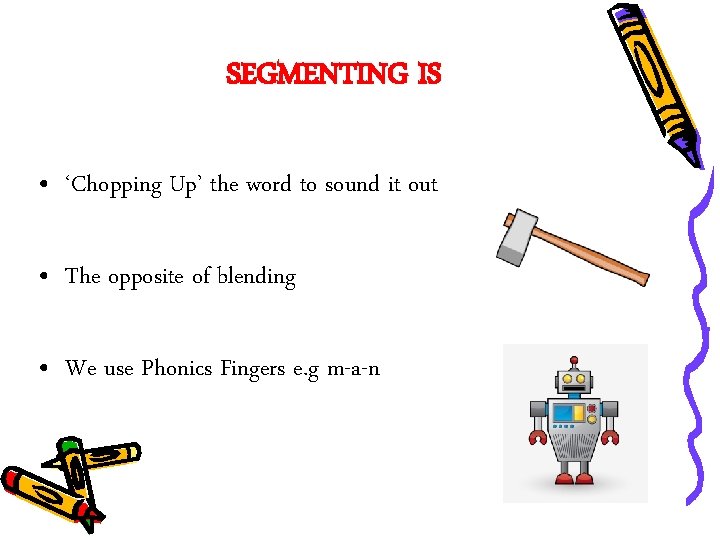
SEGMENTING IS • ‘Chopping Up’ the word to sound it out • The opposite of blending • We use Phonics Fingers e. g m-a-n
Phonics 4 Basic Skills 1. Learning the letter sounds. (Phoneme) 2. Hearing sounds within words. (Segmenting = writing) 3. Blending the sounds together to make a word. (Blending = reading) 4. Letter formation. (learning what the letter looks like and the sound it represents)
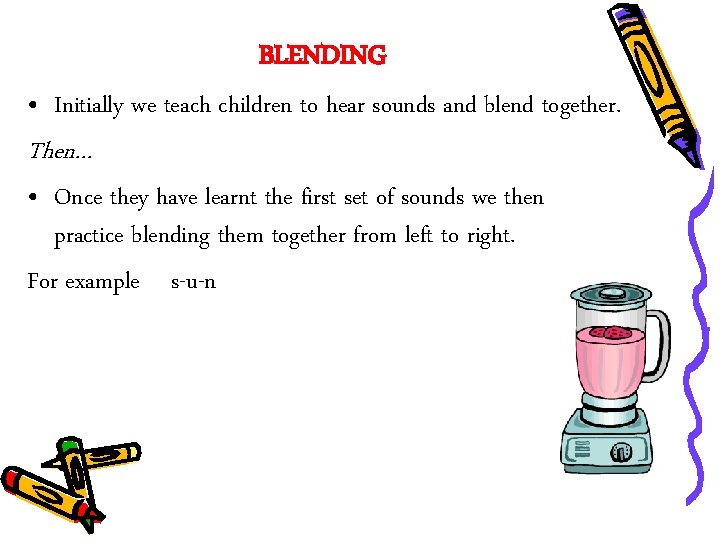
BLENDING • Initially we teach children to hear sounds and blend together. Then… • Once they have learnt the first set of sounds we then practice blending them together from left to right. For example s-u-n
Phonics 4 Basic Skills 1. Learning the letter sounds. (Phoneme) 2. Hearing sounds within words. (Segmenting = writing) 3. Blending the sounds together to make a word. (Blending = reading) 4. Letter formation. (learning what the letter looks like and the sound it represents)
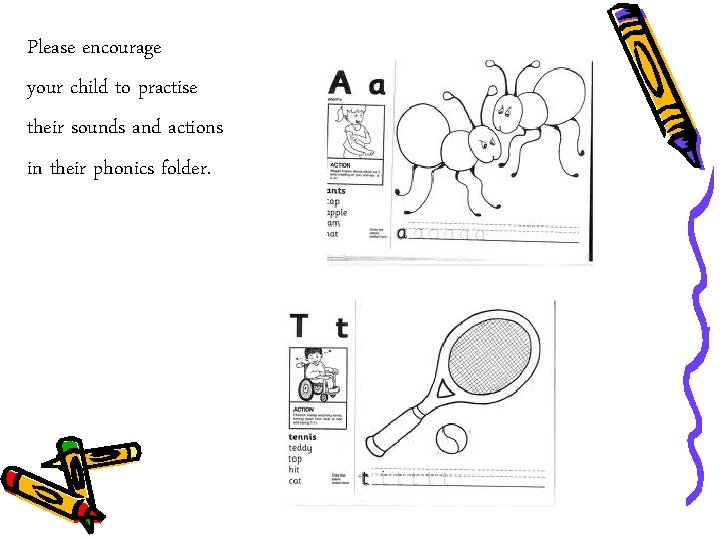
Please encourage your child to practise their sounds and actions in their phonics folder.
How do children learn to read? • Phonics • Tricky words • Picture cues
TRICKY WORDS • Words that you can not use phonics to help you work them out. • e. g. was, the • Your child will be sent home a tricky word bookmark.
How do children learn to read? • Phonics • Tricky words • Picture cues
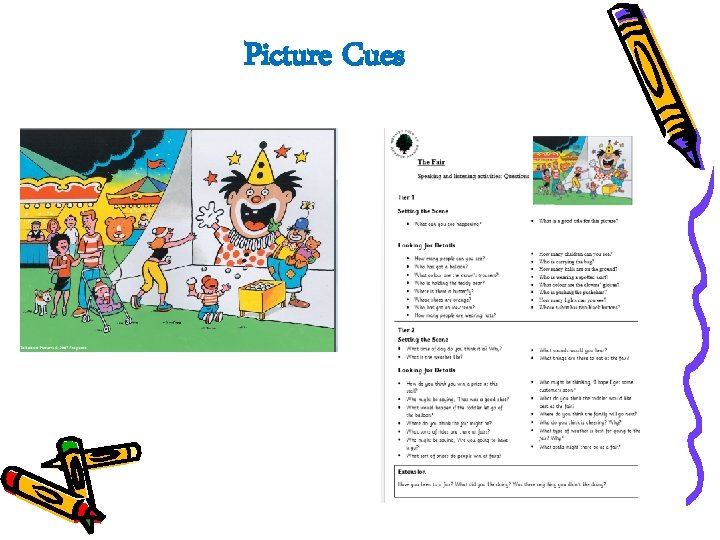
Picture Cues
How do children learn to read? • • Phonics Tricky words Picture cues Internal understanding of how sentences are structured.
Reading Books • Bring reading book bag to school every day. • Please sign or make a comment in reading record each time you listen to them read (at least three times a week). • Bedtime Readers- changed weekly but can keep or revisit the same book.
How you can help at home
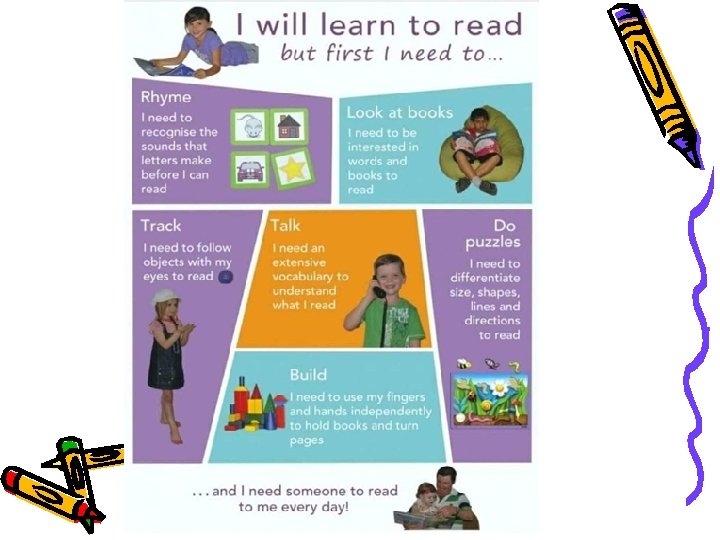
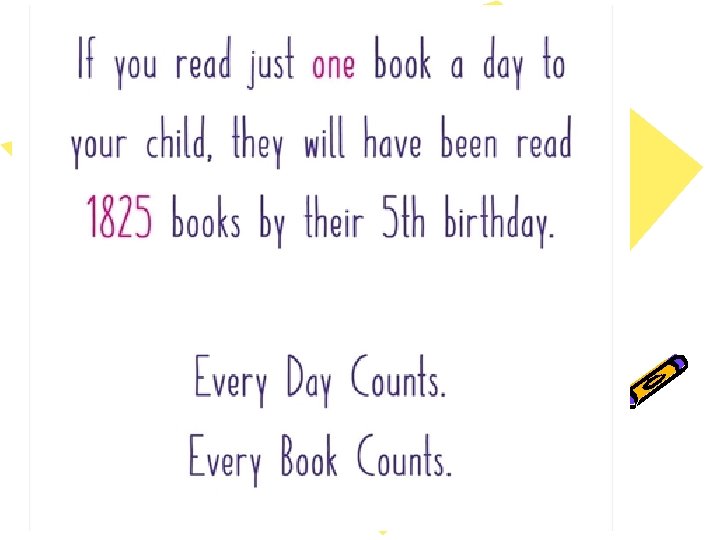
• • • Talking and listening. Reading with and to your child (100 Book Challenge) Singing songs and rhymes Playing listening games such as I spy and oral blending (phonic fingers) c-a-t No i. PADS unless it is educational!
Where can I find resources to help? • Internet games - www. phonicsplay. co. uk www. bbc. co. uk/cbeebies (Alphablocks or youtube – jollyphonics) • Online books- www. oxfordowl. co. uk. • School Website - www. wensleyfold. co. uk Check out our Reception Class Page • Youtube – Geraldine the Giraffe or • Listen to • the sounds • using this link. http: //www. youtube. com/watch? v=ksbl. Mili. A 8
Additional Homework • Personal Challenges • Maths - practical ideas!!
Any questions? Thank you very much for coming.