
Recent advances in Infertility Diagnostic Modalities SIG Endocrinology

- Slides: 33
Recent advances in Infertility Diagnostic Modalities SIG Endocrinology 2019 Chairperson – Madhuri Patil
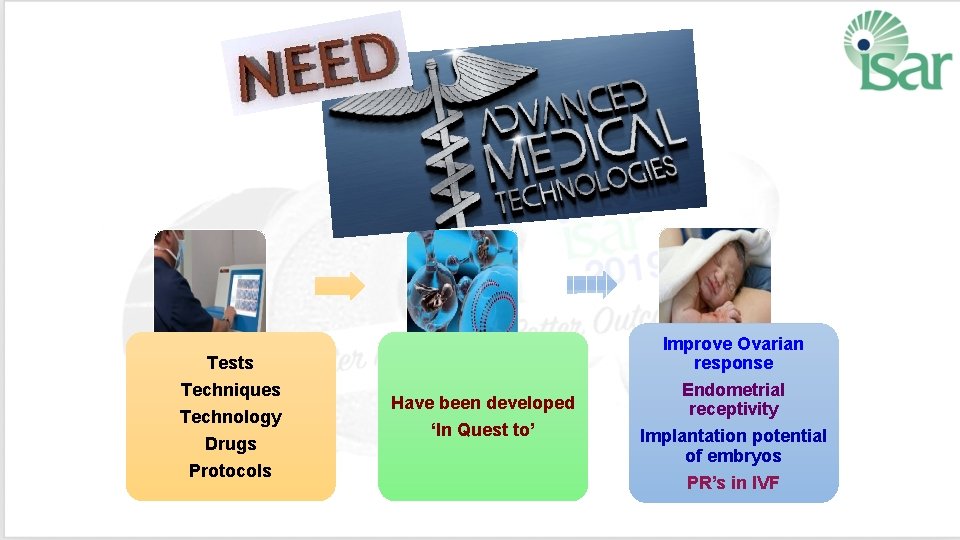
Tests Techniques Technology Drugs Protocols Have been developed ‘In Quest to’ Improve Ovarian response Endometrial receptivity Implantation potential of embryos PR’s in IVF
When implementing advanced tests and technology in ART As Effectiveness Safety Side effects not validated
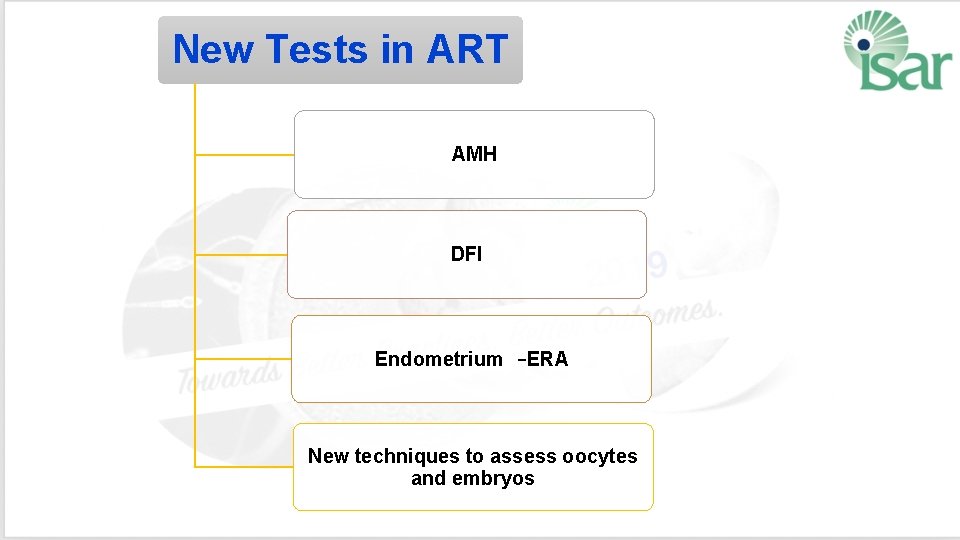
New Tests in ART AMH DFI Endometrium –ERA New techniques to assess oocytes and embryos
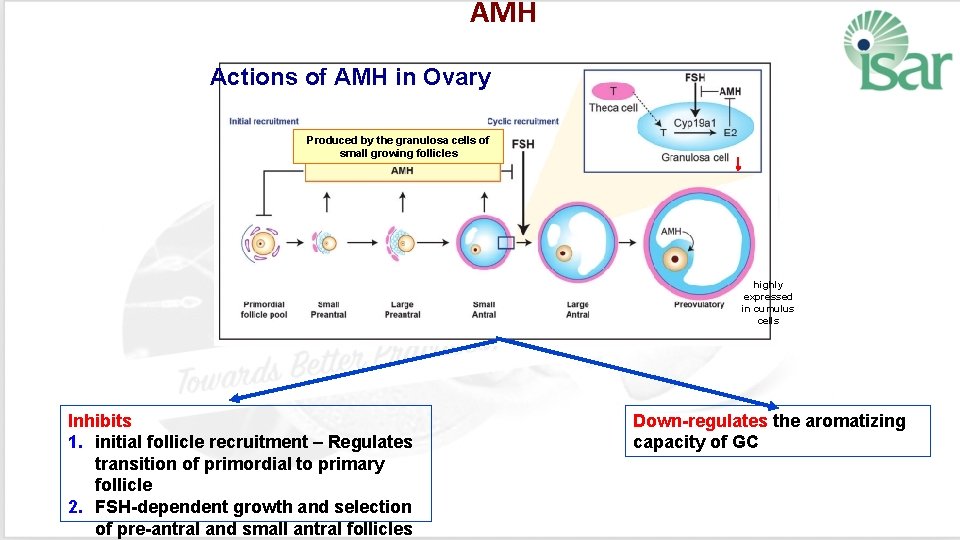
AMH Actions of AMH in Ovary Produced by the granulosa cells of small growing follicles highly expressed in cumulus cells Inhibits 1. initial follicle recruitment – Regulates transition of primordial to primary follicle 2. FSH-dependent growth and selection of pre-antral and small antral follicles Down-regulates the aromatizing capacity of GC
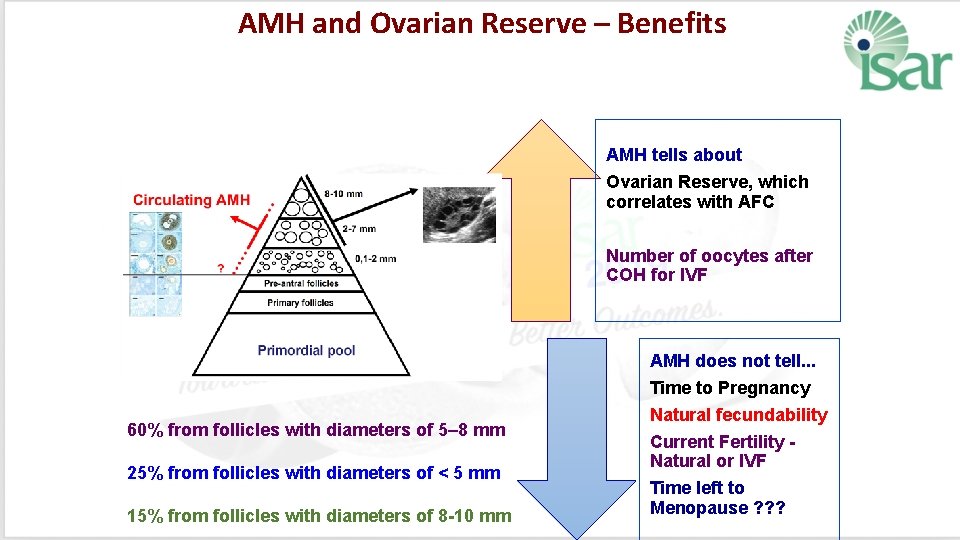
AMH and Ovarian Reserve – Benefits AMH tells about Ovarian Reserve, which correlates with AFC Number of oocytes after COH for IVF AMH does not tell. . . 60% from follicles with diameters of 5– 8 mm 25% from follicles with diameters of < 5 mm 15% from follicles with diameters of 8 -10 mm Time to Pregnancy Natural fecundability Current Fertility - Natural or IVF Time left to Menopause ? ? ?
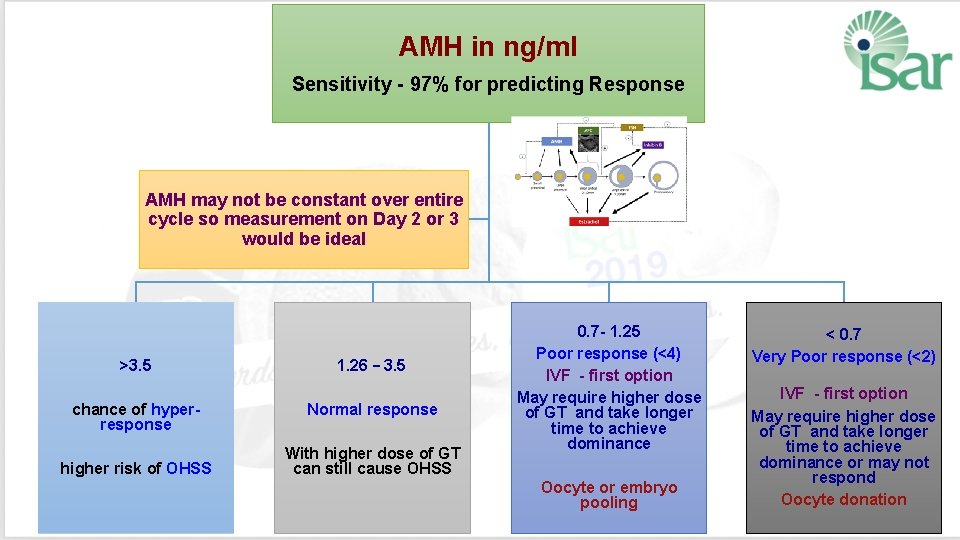
AMH in ng/ml Sensitivity - 97% for predicting Response AMH may not be constant over entire cycle so measurement on Day 2 or 3 would be ideal >3. 5 chance of hyperresponse higher risk of OHSS 1. 26 – 3. 5 Normal response With higher dose of GT can still cause OHSS 0. 7 - 1. 25 < 0. 7 Poor response (<4) Very Poor response (<2) IVF - first option IVF - first option May require higher dose of GT and take longer May require higher dose time to achieve of GT and take longer dominance time to achieve dominance or may not respond Oocyte or embryo Oocyte donation pooling
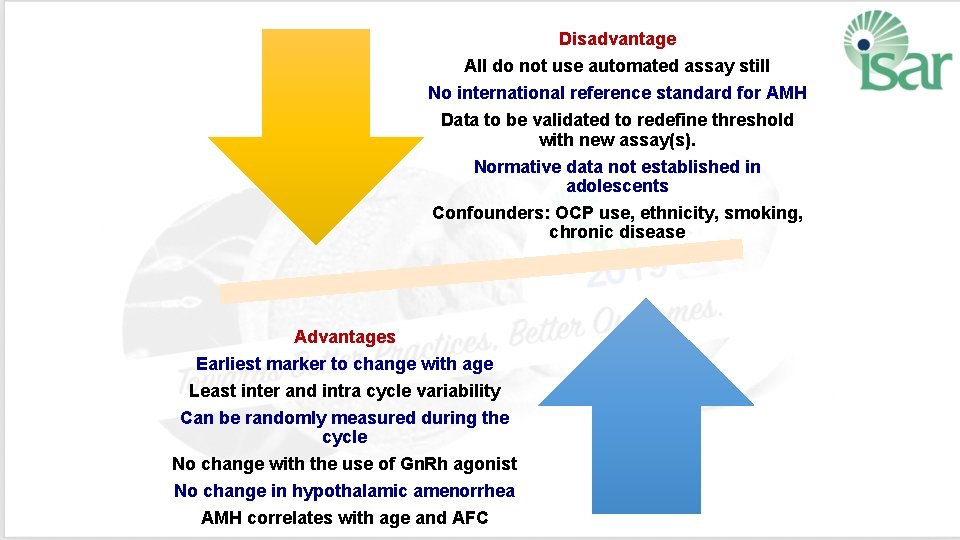
Disadvantage All do not use automated assay still No international reference standard for AMH Data to be validated to redefine threshold with new assay(s). Normative data not established in adolescents Confounders: OCP use, ethnicity, smoking, chronic disease Advantages Earliest marker to change with age Least inter and intra cycle variability Can be randomly measured during the cycle No change with the use of Gn. Rh agonist No change in hypothalamic amenorrhea AMH correlates with age and AFC
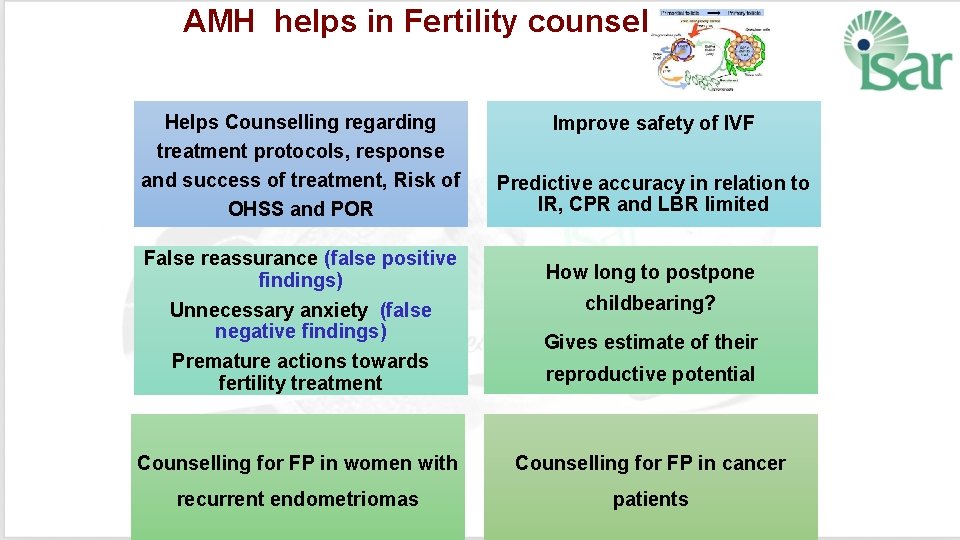
AMH helps in Fertility counseling Helps Counselling regarding treatment protocols, response and success of treatment, Risk of OHSS and POR False reassurance (false positive findings) Unnecessary anxiety (false negative findings) Premature actions towards fertility treatment Improve safety of IVF Predictive accuracy in relation to IR, CPR and LBR limited How long to postpone childbearing? Gives estimate of their reproductive potential Counselling for FP in women with Counselling for FP in cancer recurrent endometriomas patients
Sperm DNA Fragmentation Evaluation ❡ Basic Semen Analysis – Information about the messenger ❡ Sperm DNA integrity tests – Reveal information about the message
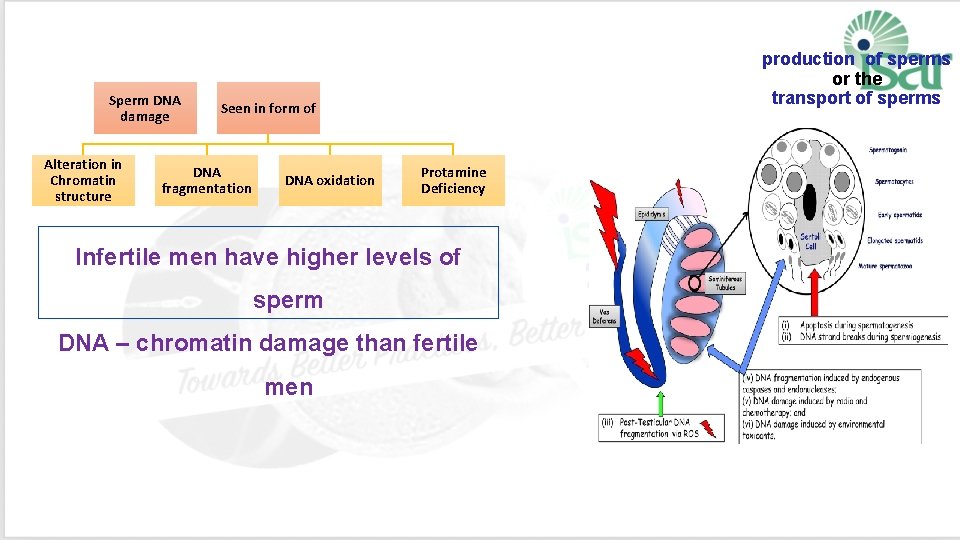
Sperm DNA damage Alteration in Chromatin structure production of sperms or the transport of sperms Seen in form of DNA fragmentation DNA oxidation Protamine Deficiency Infertile men have higher levels of sperm DNA – chromatin damage than fertile men
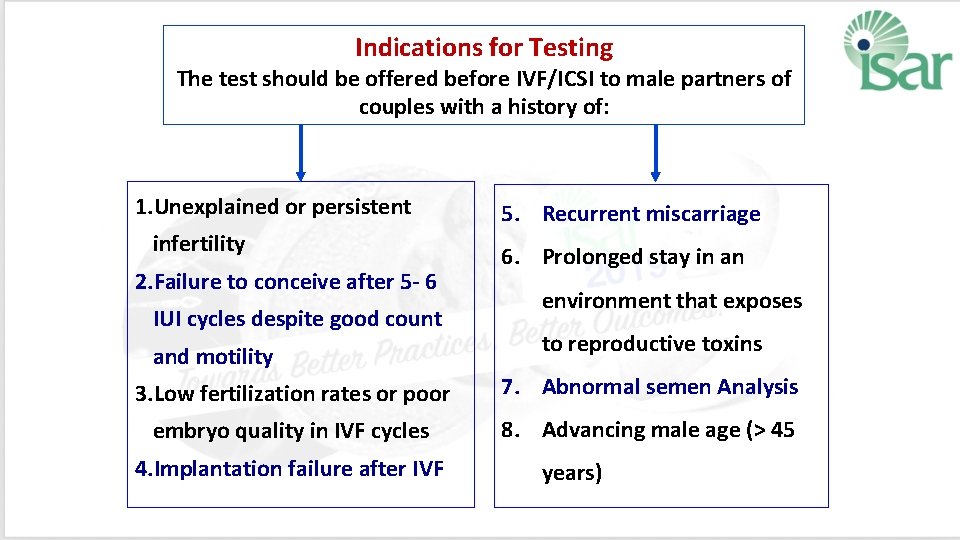
Indications for Testing The test should be offered before IVF/ICSI to male partners of couples with a history of: 1. Unexplained or persistent infertility 2. Failure to conceive after 5 - 6 IUI cycles despite good count and motility 5. Recurrent miscarriage 6. Prolonged stay in an environment that exposes to reproductive toxins 3. Low fertilization rates or poor 7. Abnormal semen Analysis embryo quality in IVF cycles 8. Advancing male age (> 45 4. Implantation failure after IVF years)
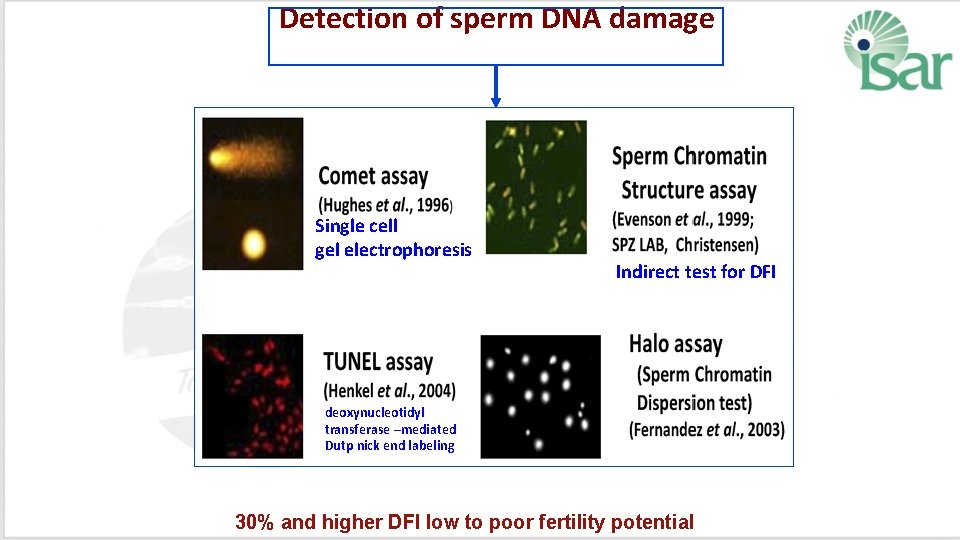
Detection of sperm DNA damage Single cell gel electrophoresis Indirect test for DFI deoxynucleotidyl transferase –mediated Dutp nick end labeling 30% and higher DFI low to poor fertility potential
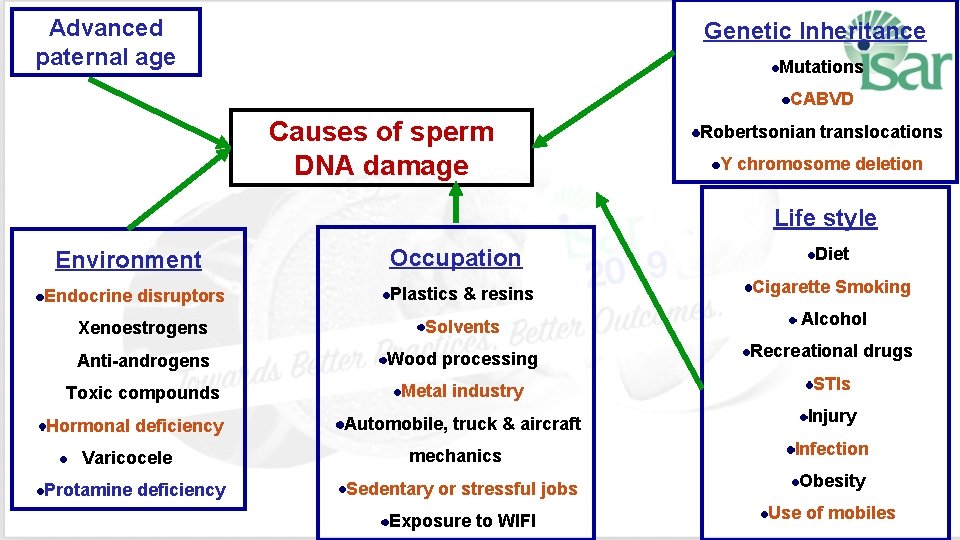
Advanced paternal age Genetic Inheritance Mutations CABVD Causes of sperm DNA damage Robertsonian translocations Y chromosome deletion Life style Environment Occupation Diet Plastics & resins Cigarette Smoking Xenoestrogens Solvents Alcohol Anti-androgens Wood processing Recreational drugs Toxic compounds Metal industry STIs Automobile, truck & aircraft Injury Endocrine disruptors Hormonal deficiency Varicocele Protamine deficiency mechanics Infection Sedentary or stressful jobs Obesity Exposure to WIFI Use of mobiles
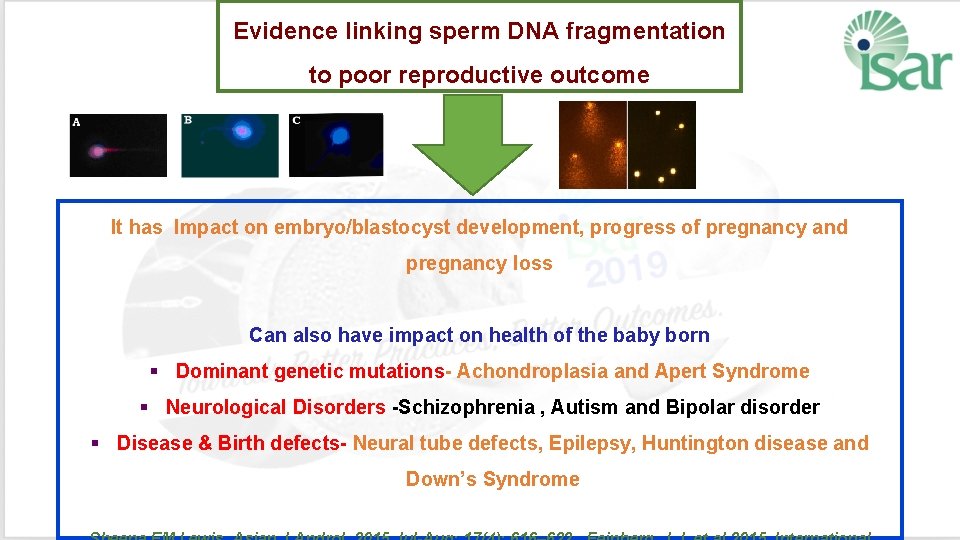
Evidence linking sperm DNA fragmentation to poor reproductive outcome It has Impact on embryo/blastocyst development, progress of pregnancy and pregnancy loss Can also have impact on health of the baby born § Dominant genetic mutations- Achondroplasia and Apert Syndrome § Neurological Disorders -Schizophrenia , Autism and Bipolar disorder § Disease & Birth defects- Neural tube defects, Epilepsy, Huntington disease and Down’s Syndrome
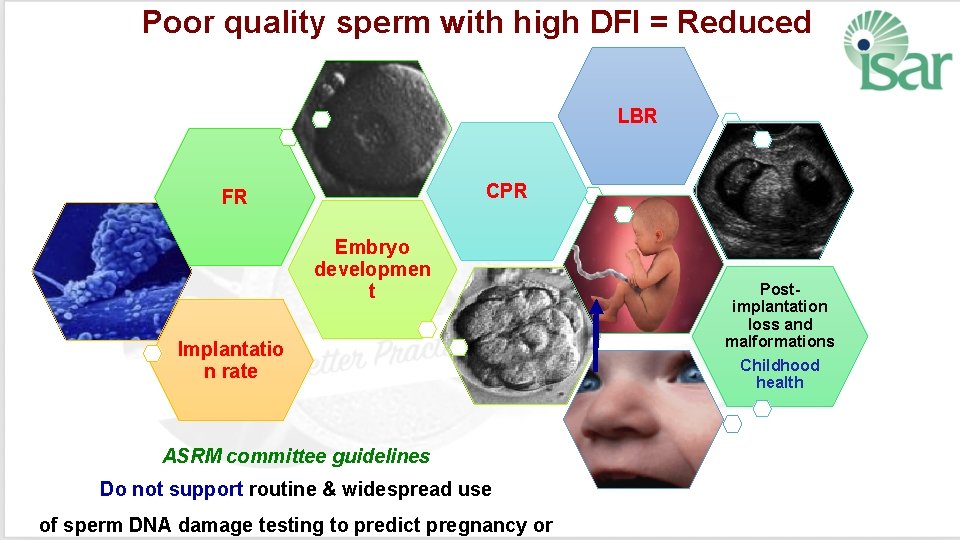
Poor quality sperm with high DFI = Reduced LBR CPR FR Embryo developmen t Implantatio n rate ASRM committee guidelines Do not support routine & widespread use of sperm DNA damage testing to predict pregnancy or Postimplantation loss and malformations Childhood health
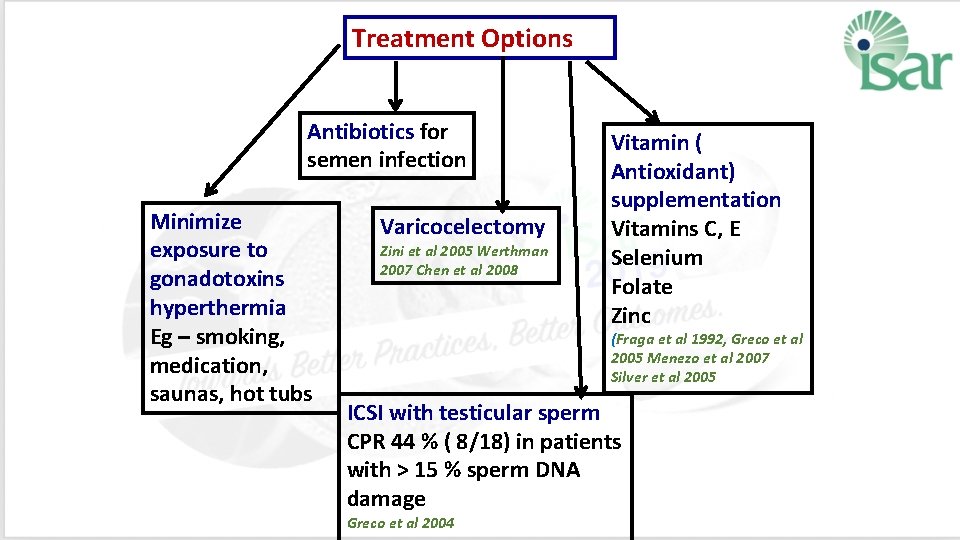
Treatment Options Antibiotics for semen infection Minimize exposure to gonadotoxins hyperthermia Eg – smoking, medication, saunas, hot tubs Varicocelectomy Zini et al 2005 Werthman 2007 Chen et al 2008 Vitamin ( Antioxidant) supplementation Vitamins C, E Selenium Folate Zinc (Fraga et al 1992, Greco et al 2005 Menezo et al 2007 Silver et al 2005 ICSI with testicular sperm CPR 44 % ( 8/18) in patients with > 15 % sperm DNA damage Greco et al 2004
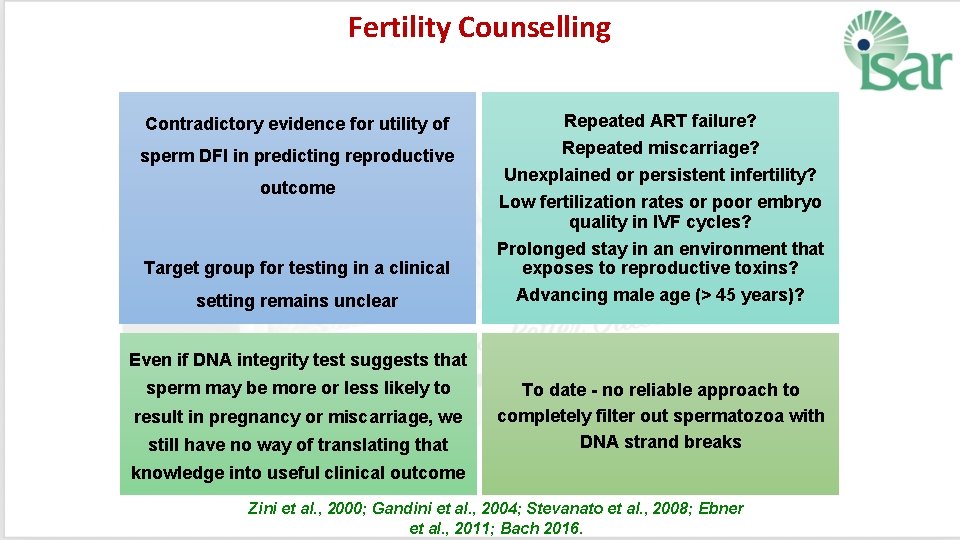
Fertility Counselling Contradictory evidence for utility of Repeated ART failure? sperm DFI in predicting reproductive Repeated miscarriage? Unexplained or persistent infertility? Low fertilization rates or poor embryo quality in IVF cycles? Prolonged stay in an environment that exposes to reproductive toxins? Advancing male age (> 45 years)? outcome Target group for testing in a clinical setting remains unclear Even if DNA integrity test suggests that sperm may be more or less likely to result in pregnancy or miscarriage, we still have no way of translating that To date - no reliable approach to completely filter out spermatozoa with DNA strand breaks knowledge into useful clinical outcome Zini et al. , 2000; Gandini et al. , 2004; Stevanato et al. , 2008; Ebner et al. , 2011; Bach 2016.
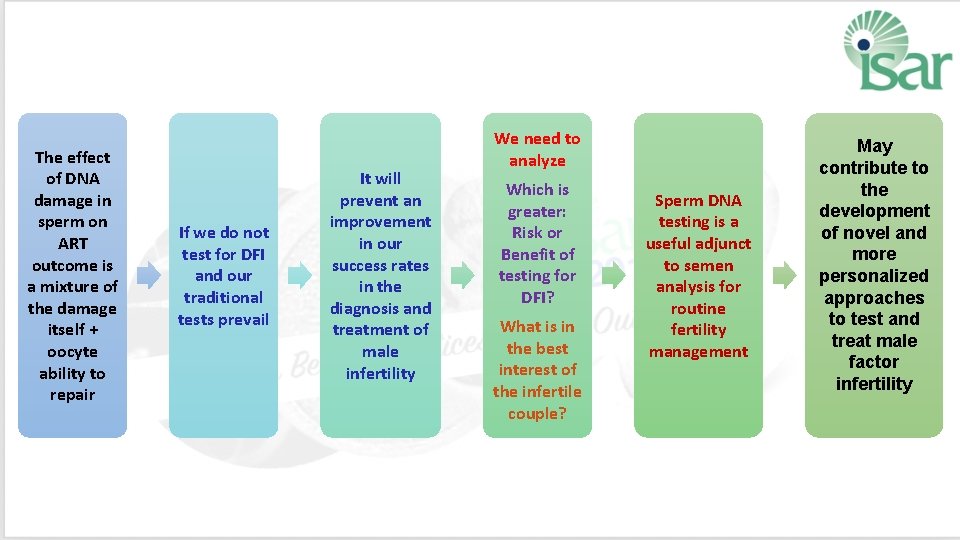
The effect of DNA damage in sperm on ART outcome is a mixture of the damage itself + oocyte ability to repair If we do not test for DFI and our traditional tests prevail It will prevent an improvement in our success rates in the diagnosis and treatment of male infertility We need to analyze Which is greater: Risk or Benefit of testing for DFI? What is in the best interest of the infertile couple? Sperm DNA testing is a useful adjunct to semen analysis for routine fertility management May contribute to the development of novel and more personalized approaches to test and treat male factor infertility
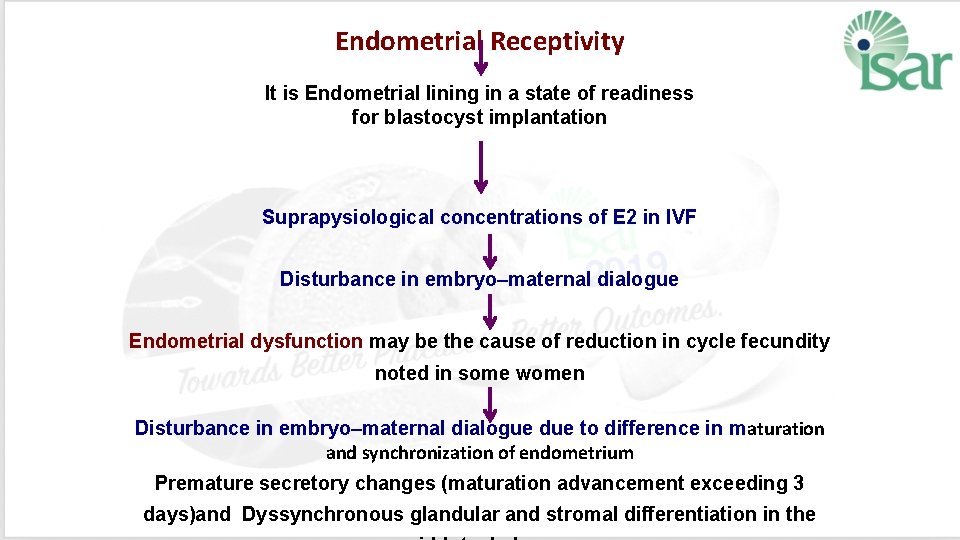
Endometrial Receptivity It is Endometrial lining in a state of readiness for blastocyst implantation Suprapysiological concentrations of E 2 in IVF Disturbance in embryo–maternal dialogue Endometrial dysfunction may be the cause of reduction in cycle fecundity noted in some women Disturbance in embryo–maternal dialogue due to difference in maturation and synchronization of endometrium Premature secretory changes (maturation advancement exceeding 3 days)and Dyssynchronous glandular and stromal differentiation in the
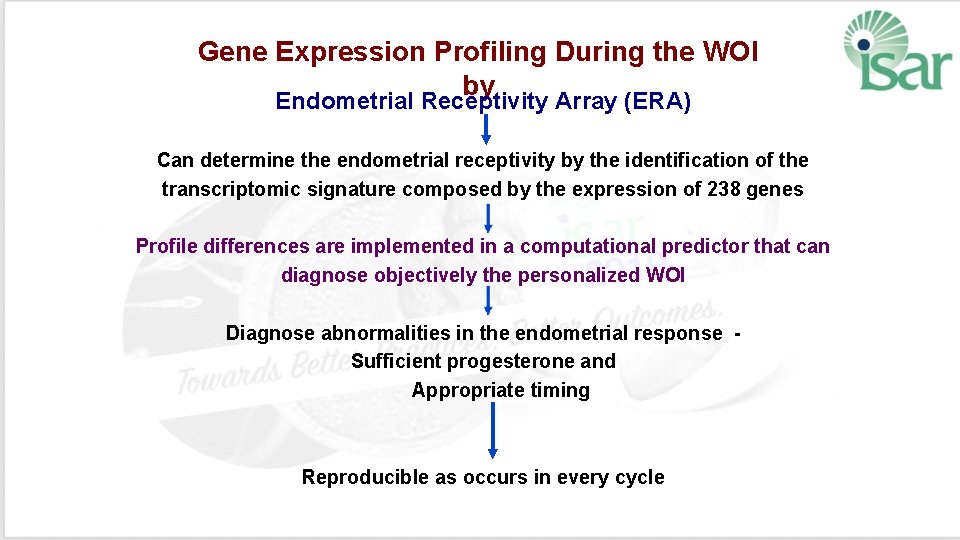
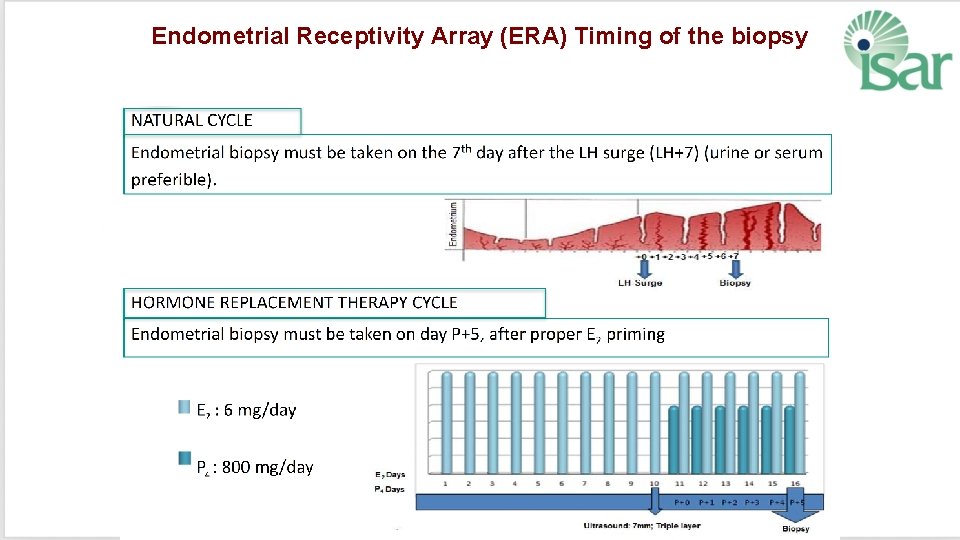
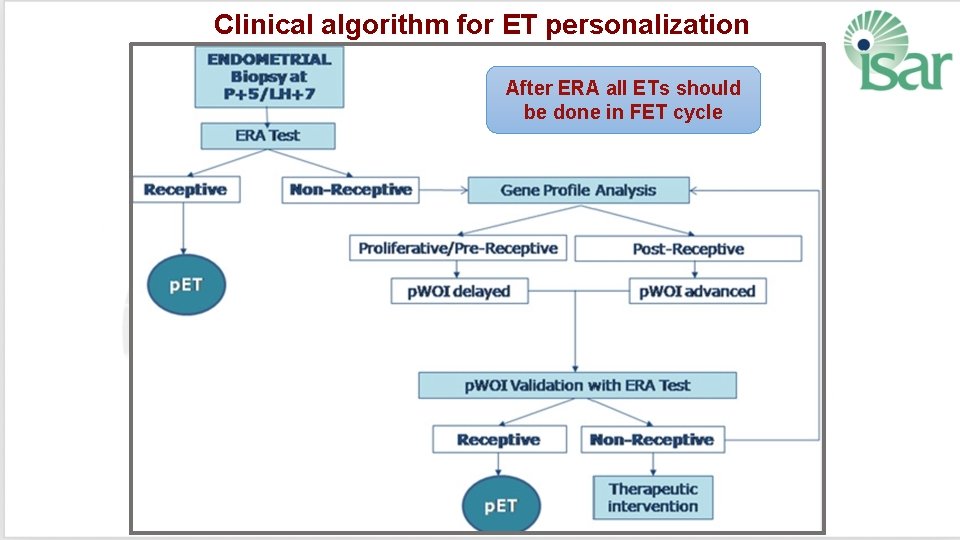
Gene Expression Profiling During the WOI by Endometrial Receptivity Array (ERA) Can determine the endometrial receptivity by the identification of the transcriptomic signature composed by the expression of 238 genes Profile differences are implemented in a computational predictor that can diagnose objectively the personalized WOI Diagnose abnormalities in the endometrial response - Sufficient progesterone and Appropriate timing Reproducible as occurs in every cycle
Endometrial Receptivity Array (ERA) Timing of the biopsy
Clinical algorithm for ET personalization After ERA all ETs should be done in FET cycle
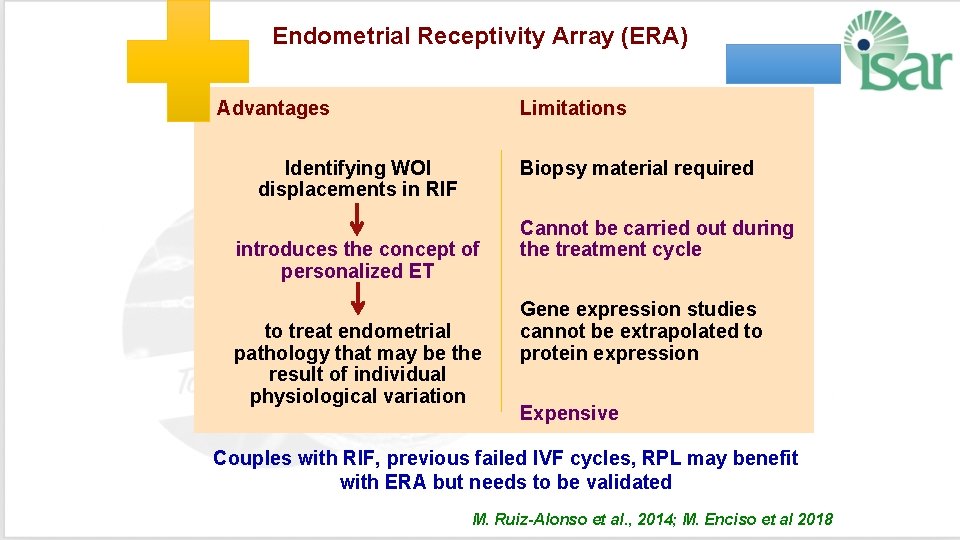
Endometrial Receptivity Array (ERA) Advantages Limitations Identifying WOI displacements in RIF Biopsy material required introduces the concept of personalized ET to treat endometrial pathology that may be the result of individual physiological variation Cannot be carried out during the treatment cycle Gene expression studies cannot be extrapolated to protein expression Expensive Couples with RIF, previous failed IVF cycles, RPL may benefit with ERA but needs to be validated M. Ruiz-Alonso et al. , 2014; M. Enciso et al 2018
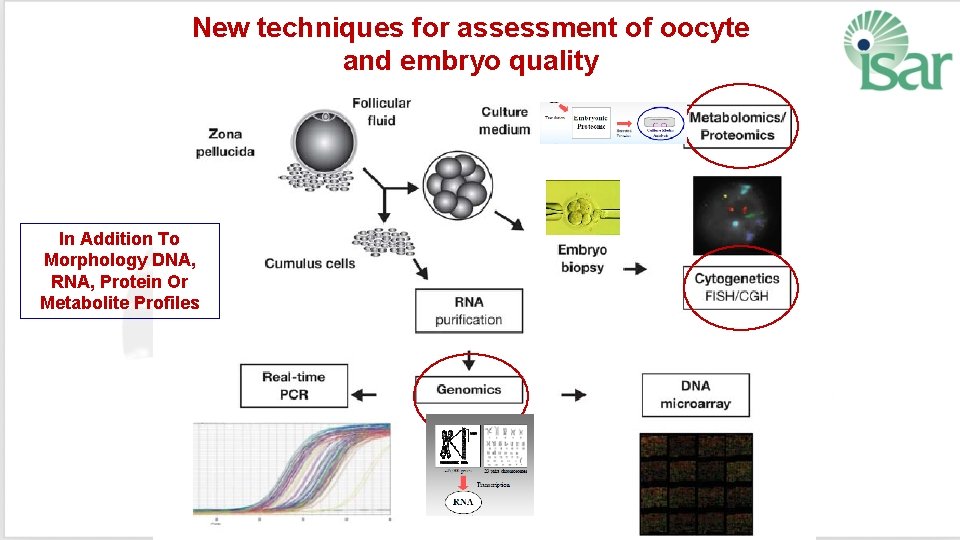
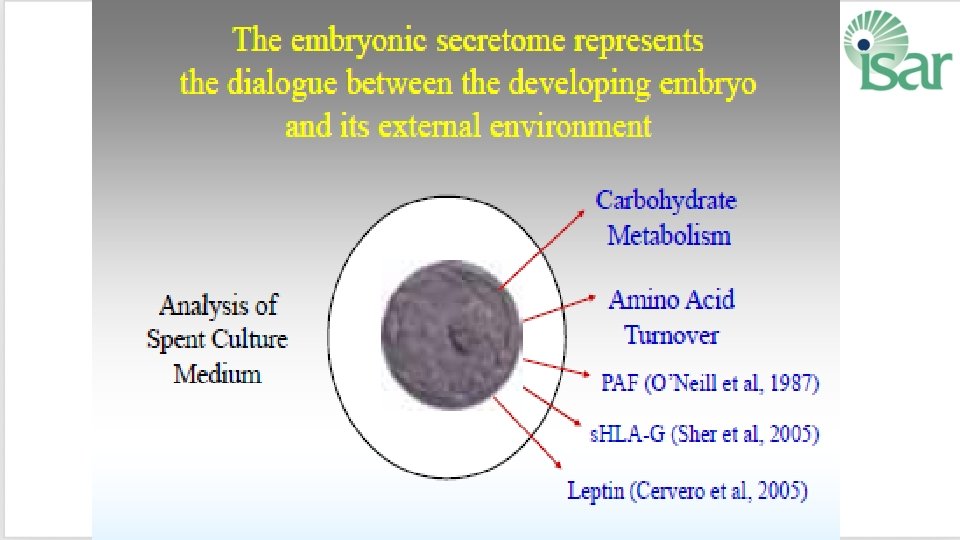
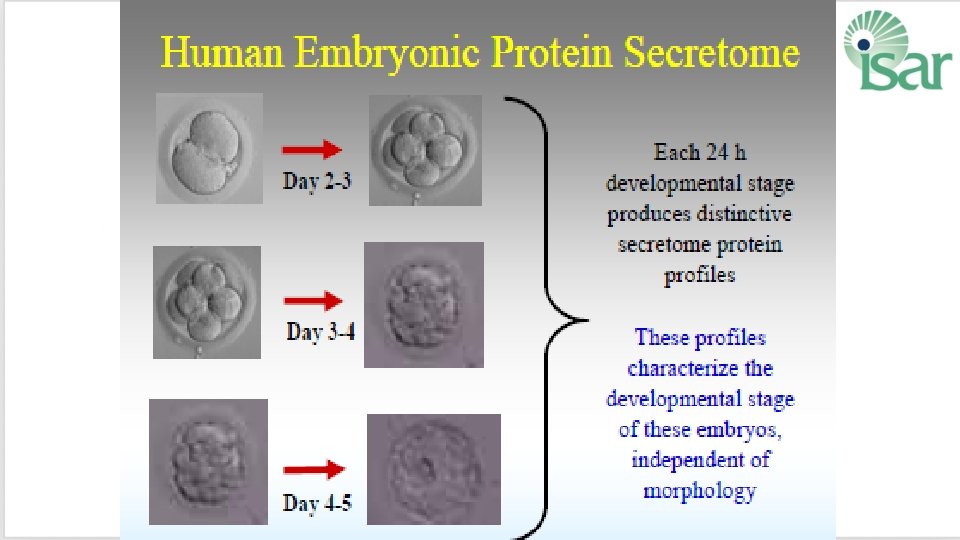
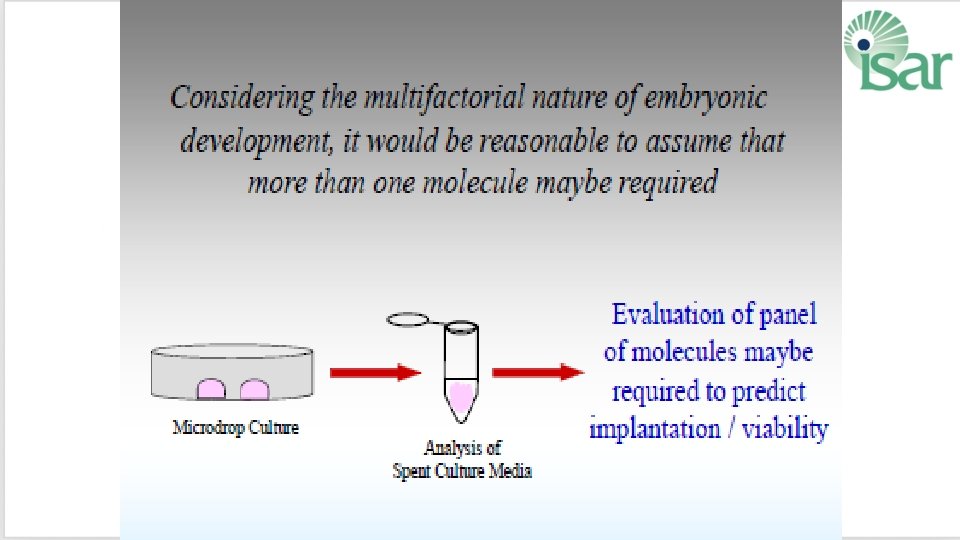
New techniques for assessment of oocyte and embryo quality In Addition To Morphology DNA, RNA, Protein Or Metabolite Profiles
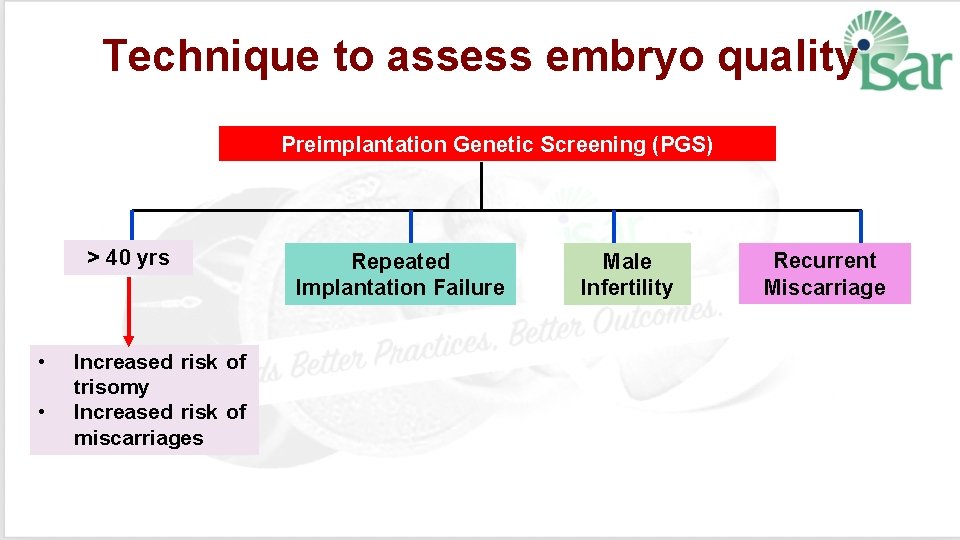
Technique to assess embryo quality Preimplantation Genetic Screening (PGS) > 40 yrs • • Increased risk of trisomy Increased risk of miscarriages Repeated Implantation Failure Male Infertility Recurrent Miscarriage
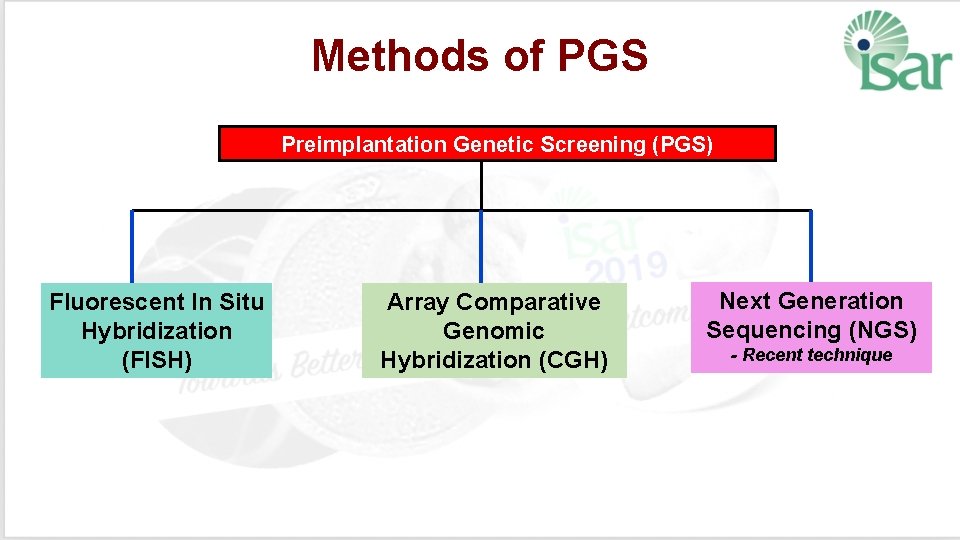
Methods of PGS Preimplantation Genetic Screening (PGS) Fluorescent In Situ Hybridization (FISH) Array Comparative Genomic Hybridization (CGH) Next Generation Sequencing (NGS) - Recent technique
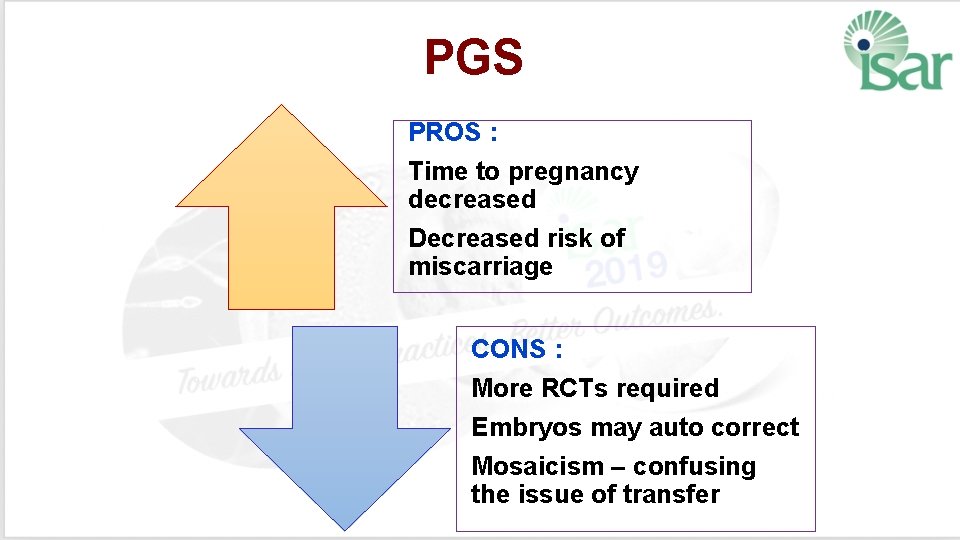
PGS PROS : Time to pregnancy decreased Decreased risk of miscarriage CONS : More RCTs required Embryos may auto correct Mosaicism – confusing the issue of transfer
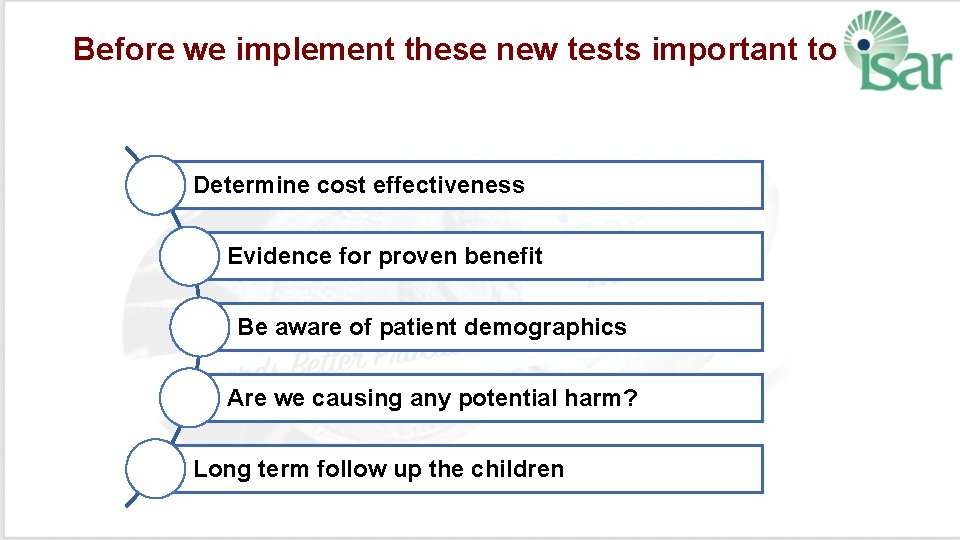
Before we implement these new tests important to Determine cost effectiveness Evidence for proven benefit Be aware of patient demographics Are we causing any potential harm? Long term follow up the children
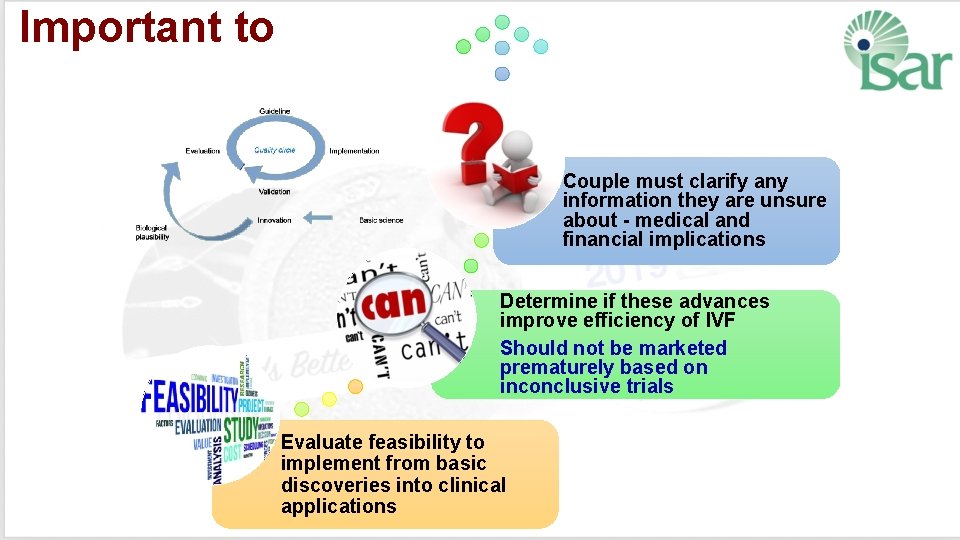
Important to Couple must clarify any information they are unsure about - medical and financial implications Determine if these advances improve efficiency of IVF Should not be marketed prematurely based on inconclusive trials Evaluate feasibility to implement from basic discoveries into clinical applications