
Real vs Diagram Exercise 1 1 1 What
- Slides: 16
Real vs. Diagram Exercise 1. 1 1
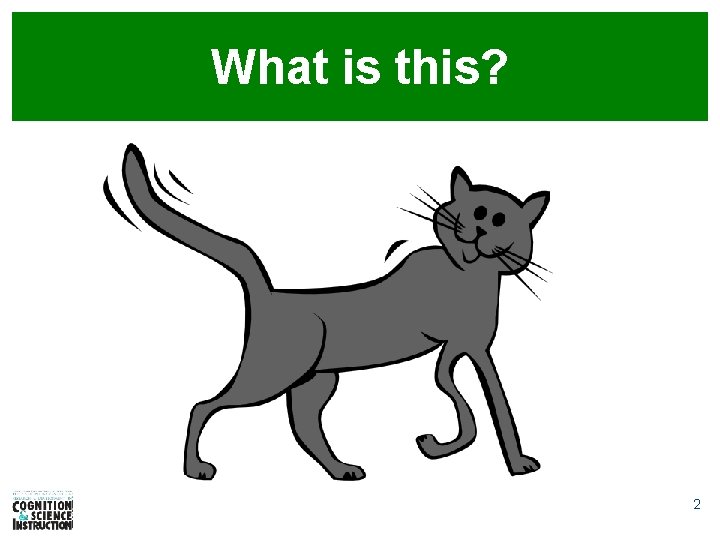
What is this? 2
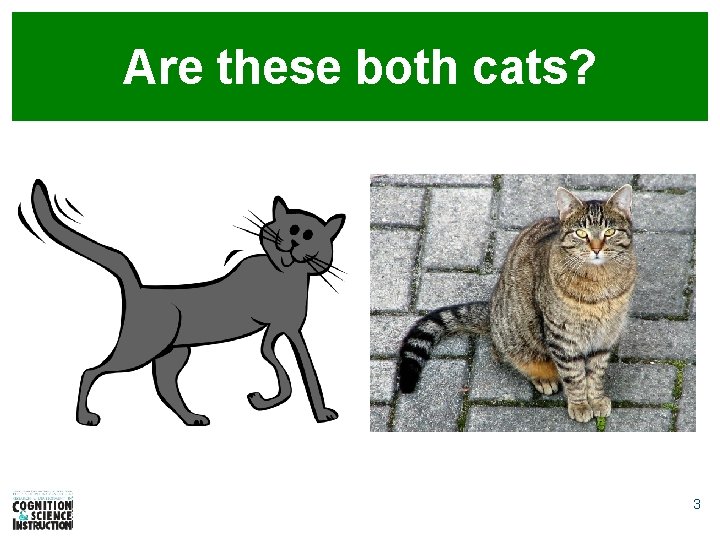
Are these both cats? 3
Explanatory Labels and Captions Visualization Exercise 1. 2 4
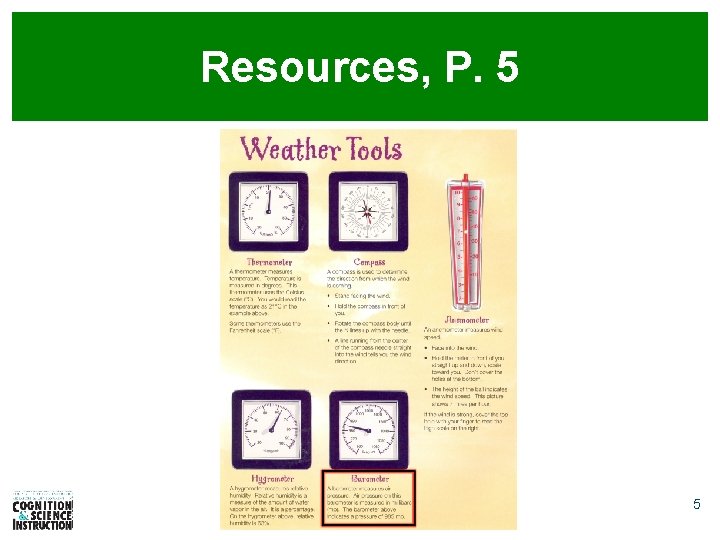
Resources, P. 5 5
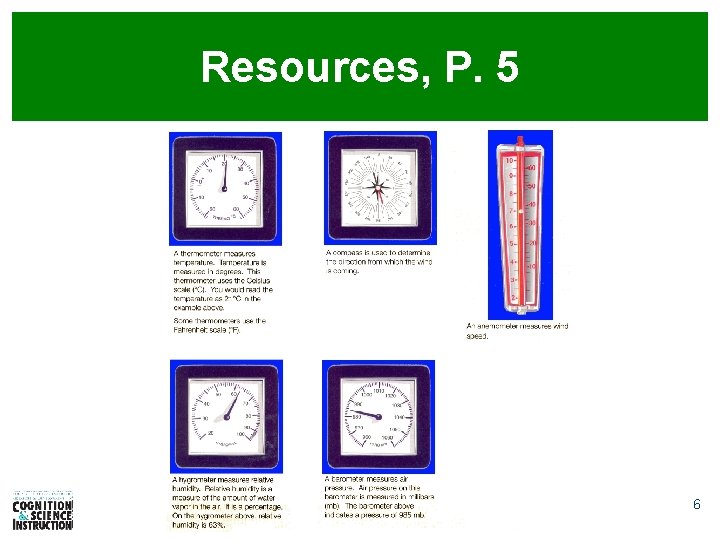
Resources, P. 5 6
Compare Particle Models Contrasting Case Activity 2 FOSS Weather & Water, Investigation 2 7
Introduction In this activity, you will compare two models of the particles that make up solids, liquids, and gases. What’s a model? a drawing or diagram that shows what something is like, how it works, etc. What are particles? tiny bits of matter; atoms & molecules 8
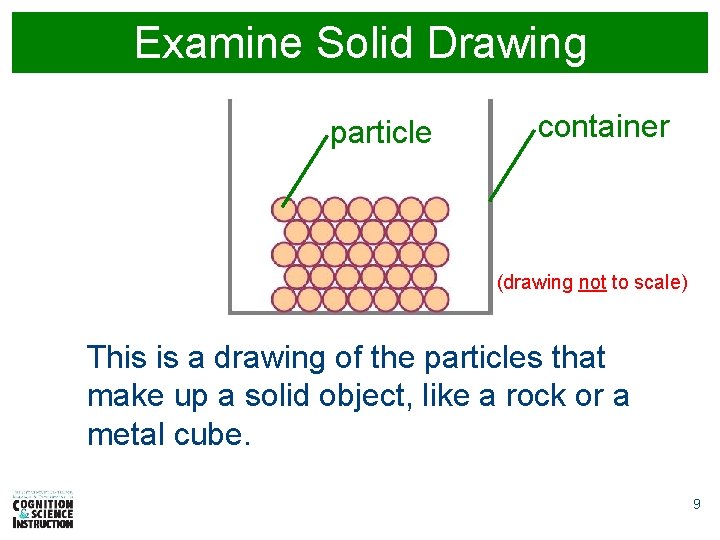
Examine Solid Drawing particle container (drawing not to scale) This is a drawing of the particles that make up a solid object, like a rock or a metal cube. 9
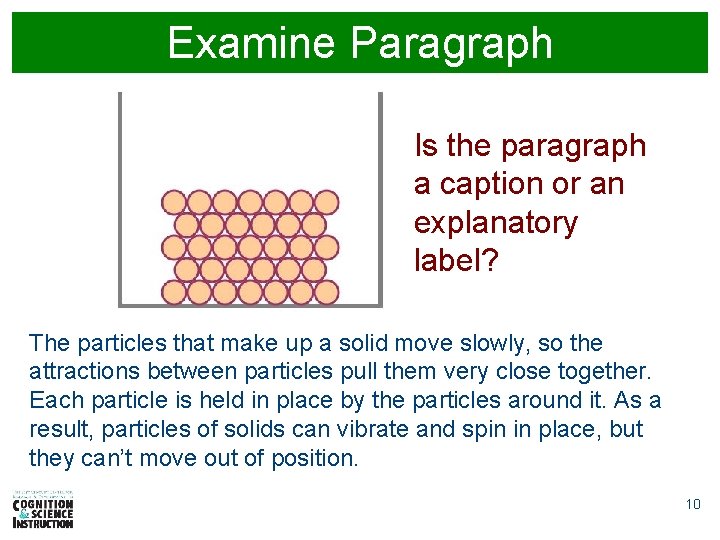
Examine Paragraph Is the paragraph a caption or an explanatory label? The particles that make up a solid move slowly, so the attractions between particles pull them very close together. Each particle is held in place by the particles around it. As a result, particles of solids can vibrate and spin in place, but they can’t move out of position. 10
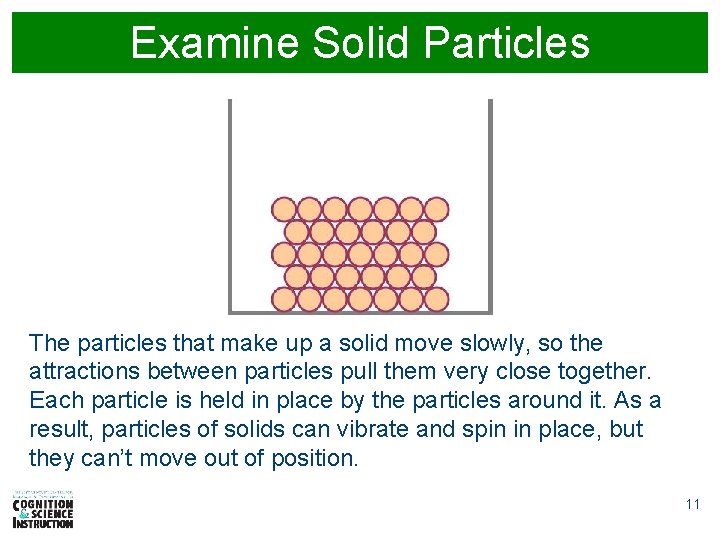
Examine Solid Particles The particles that make up a solid move slowly, so the attractions between particles pull them very close together. Each particle is held in place by the particles around it. As a result, particles of solids can vibrate and spin in place, but they can’t move out of position. 11
Student Model – Solid Particles 1. Stand very close together, with almost no empty space between particles. 2. Without moving your feet, sway slowly back-and-forth and side-to-side. 3. Every once in a while, turn slowly to the left or right. You can pivot your feet to do this, but make sure you stay in the same place. 12
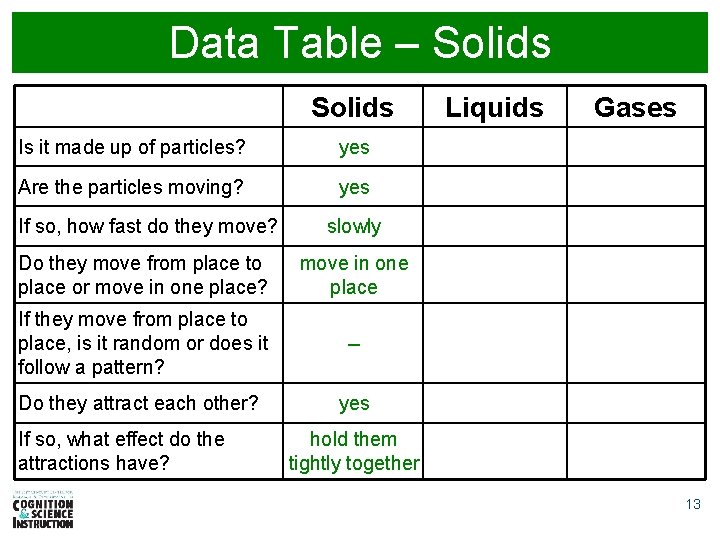
Data Table – Solids Is it made up of particles? yes Are the particles moving? yes If so, how fast do they move? slowly Do they move from place to place or move in one place? move in one place If they move from place to place, is it random or does it follow a pattern? -- Do they attract each other? yes If so, what effect do the attractions have? Liquids Gases hold them tightly together 13
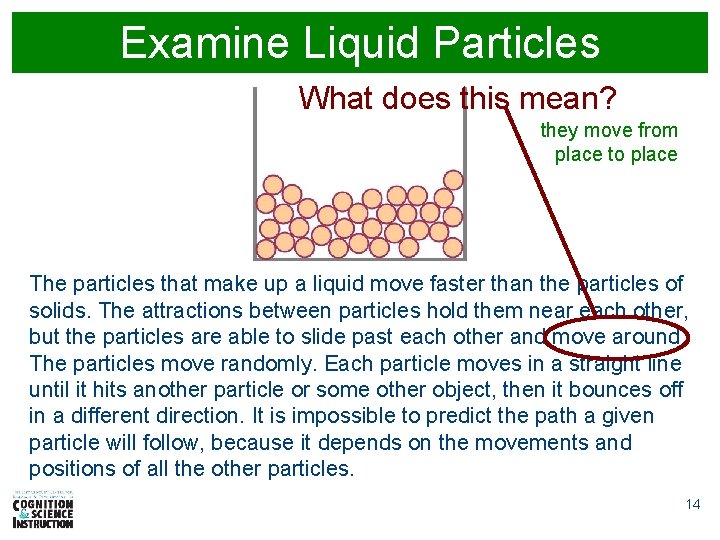
Examine Liquid Particles What does this mean? they move from place to place The particles that make up a liquid move faster than the particles of solids. The attractions between particles hold them near each other, but the particles are able to slide past each other and move around. The particles move randomly. Each particle moves in a straight line until it hits another particle or some other object, then it bounces off in a different direction. It is impossible to predict the path a given particle will follow, because it depends on the movements and positions of all the other particles. 14
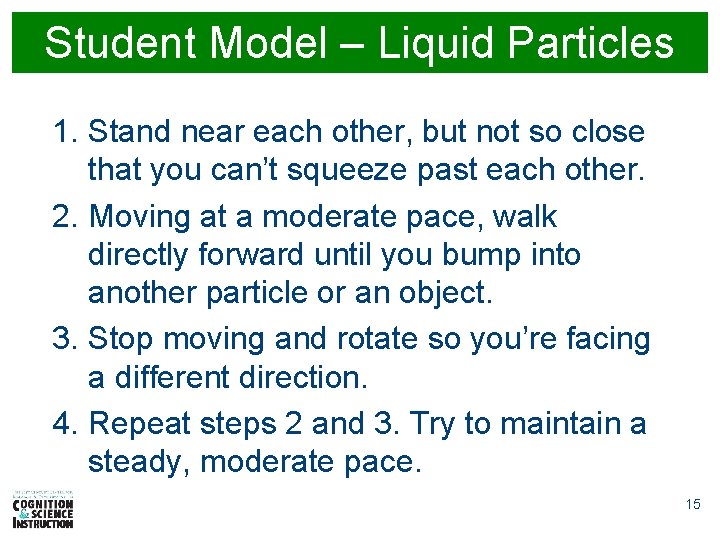
Student Model – Liquid Particles 1. Stand near each other, but not so close that you can’t squeeze past each other. 2. Moving at a moderate pace, walk directly forward until you bump into another particle or an object. 3. Stop moving and rotate so you’re facing a different direction. 4. Repeat steps 2 and 3. Try to maintain a steady, moderate pace. 15
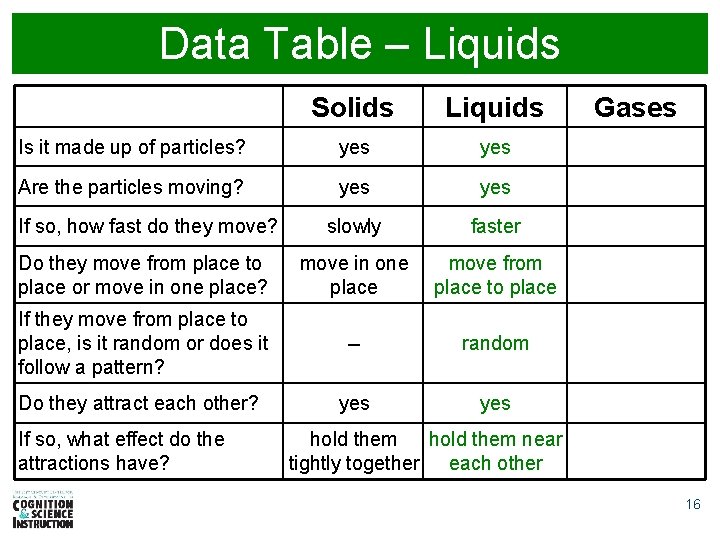
Data Table – Liquids Solids Liquids Is it made up of particles? yes Are the particles moving? yes If so, how fast do they move? slowly faster Do they move from place to place or move in one place? move in one place move from place to place If they move from place to place, is it random or does it follow a pattern? -- random Do they attract each other? yes If so, what effect do the attractions have? Gases hold them near tightly together each other 16