
Reading and writing in Reception By the end
Reading and writing in Reception
By the end of Reception children need to: … in Reading - Children read and understand simple sentences. They use phonic knowledge to decode regular words and read them aloud accurately. They also read some common irregular words. They demonstrate understanding when talking with others about what they have read. … in Writing - Children use their phonic knowledge to write words in ways which match their spoken sounds. They also write some irregular common words. They write simple sentences which can be read by themselves and others. Some words are spelt correctly and others are phonetically plausible.
Why is it important to encourage children to read and write? Develops the oral language Helps children to become more confident readers and writers Develops It’s fun! their imagination
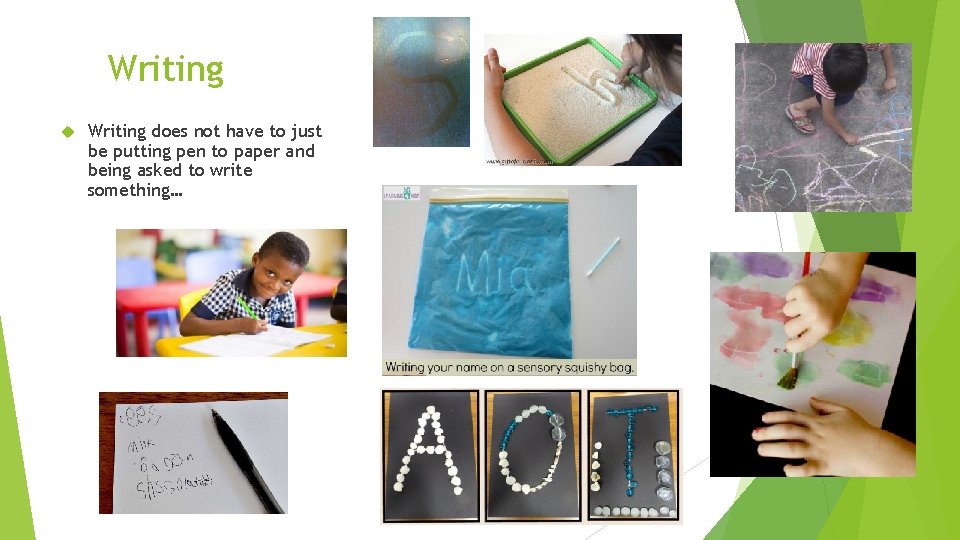
Writing does not have to just be putting pen to paper and being asked to write something…
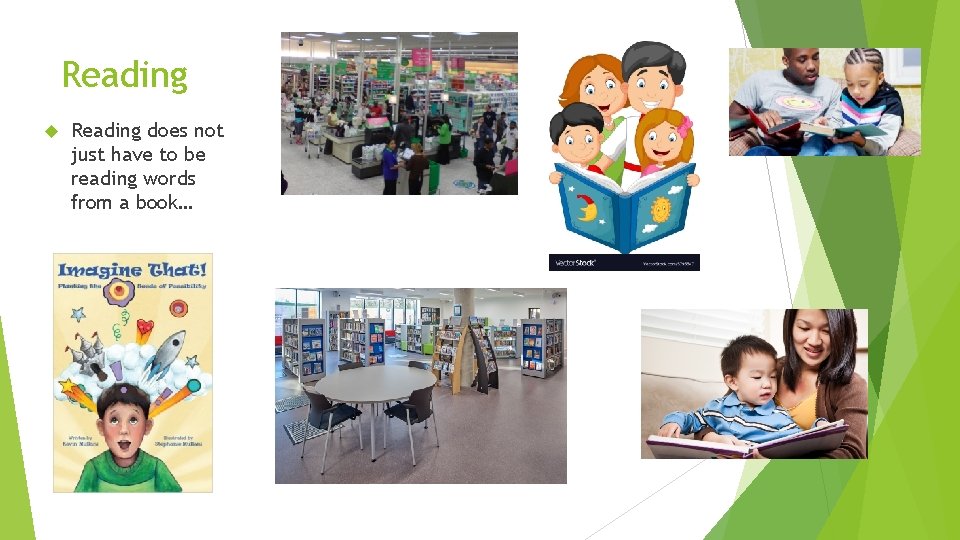
Reading does not just have to be reading words from a book…
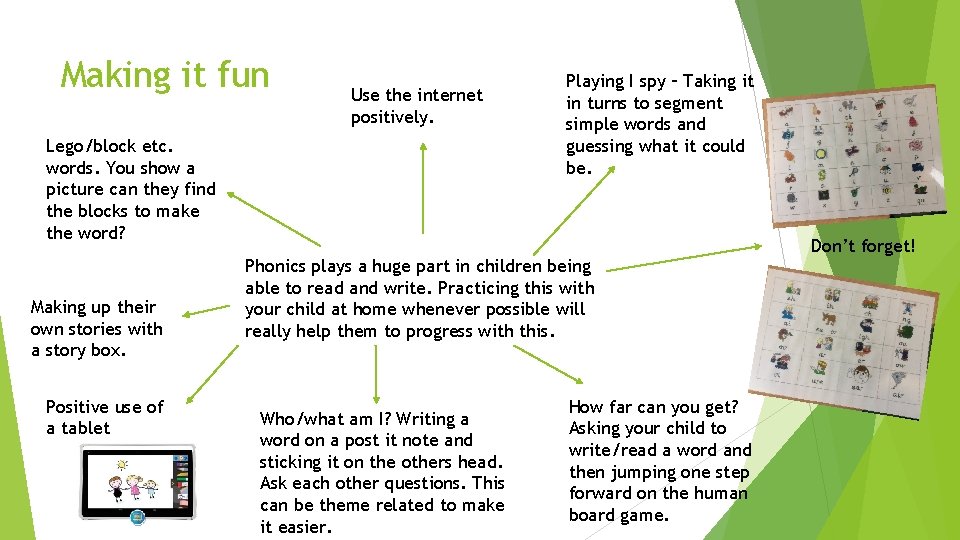
Making it fun Use the internet positively. Lego/block etc. words. You show a picture can they find the blocks to make the word? Making up their own stories with a story box. Positive use of a tablet Playing I spy – Taking it in turns to segment simple words and guessing what it could be. Phonics plays a huge part in children being able to read and write. Practicing this with your child at home whenever possible will really help them to progress with this. Who/what am I? Writing a word on a post it note and sticking it on the others head. Ask each other questions. This can be theme related to make it easier. How far can you get? Asking your child to write/read a word and then jumping one step forward on the human board game. Don’t forget!
Helpful websites https: //www. barnet. gov. uk/citizenhome/libraries/childrens-library-services/under-fives. html https: //www. booktrust. org. uk/about-us/ https: //famly. co/blog/50 -eyfs-activities/ - lots of activity ideas
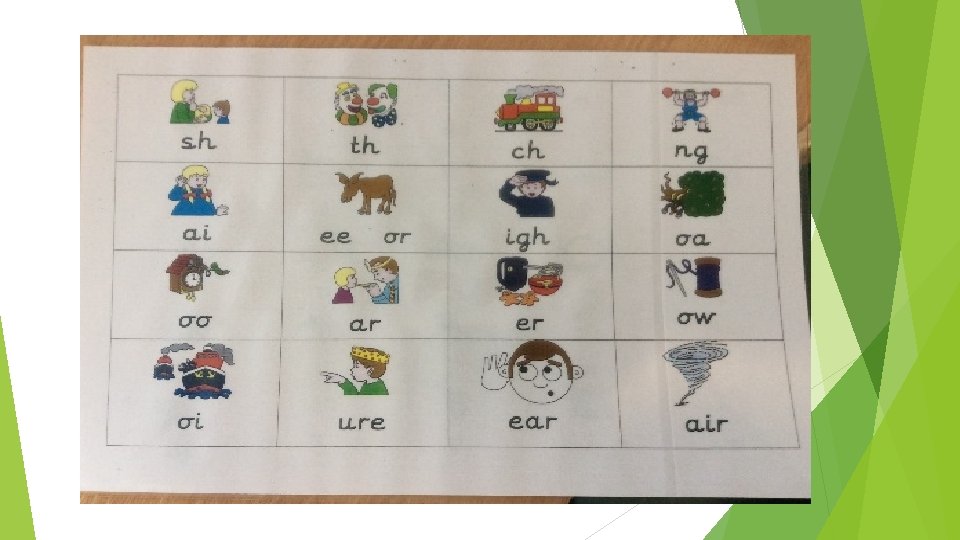
Additional notes After speaking with the parents that attended the workshop held early in 2019 here are some additional notes that you may find helpful when encouraging your child to read or write. Definitions: CVC – consonant, vowel, consonant words. For example, cat, dog etc. Segment/segmenting – How we chop up the word into sounds - this is a very helpful tool when writing words. Blend/blending – When segmenting a word we ask the children to 'blend‘ to find the answer i. e. merge the sounds together to make a word. Grapheme: The letter used to represent a sound. Phoneme: The sound a grapheme makes. Digraph: Consists of two letters but makes one sound. Trigraph: Consists of three letters but makes one sound. Tricky words: Words we cannot sound out, we just have to remember them by sight. When teaching phonics it is broken down into phases. Please look up phase 2 and phase 3 words, as these are what most of your children will be focusing on writing and reading. You can find the graphemes, digraphs and trigraphs being taught in class on the next slide, where there are pictures of grapheme mats used at school. Please get your child to use these every time they are writing as this will really help them!
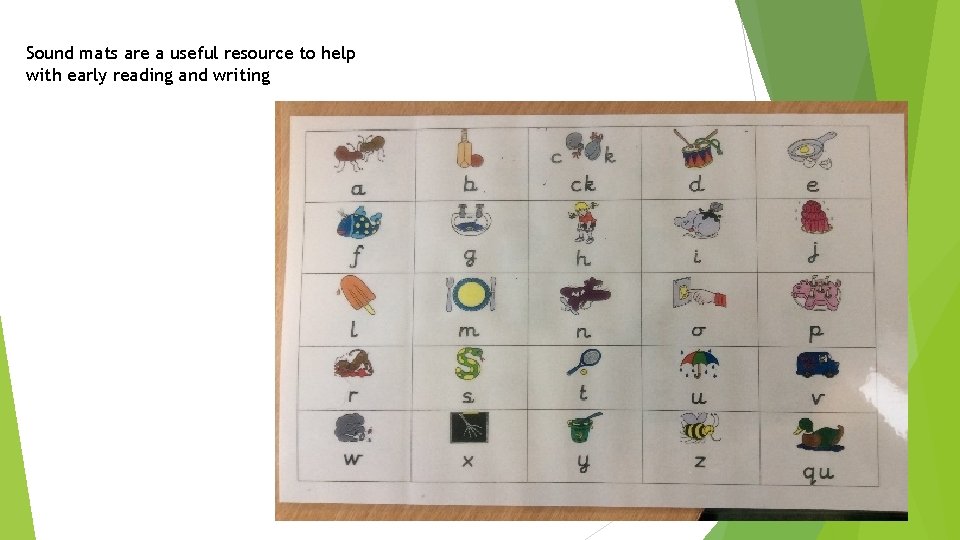
Sound mats are a useful resource to help with early reading and writing
Any Questions If you do have any questions, please feel free to arrange a meeting with your child’s teachers after school. Thank you.
- Slides: 11