
Reading and drafting a services schedule National Seminar

- Slides: 23
Reading and drafting a services schedule National Seminar on Trade in Services Negotiations under SADC 31 July – 1 August 2012 Lilongwe, Malawi
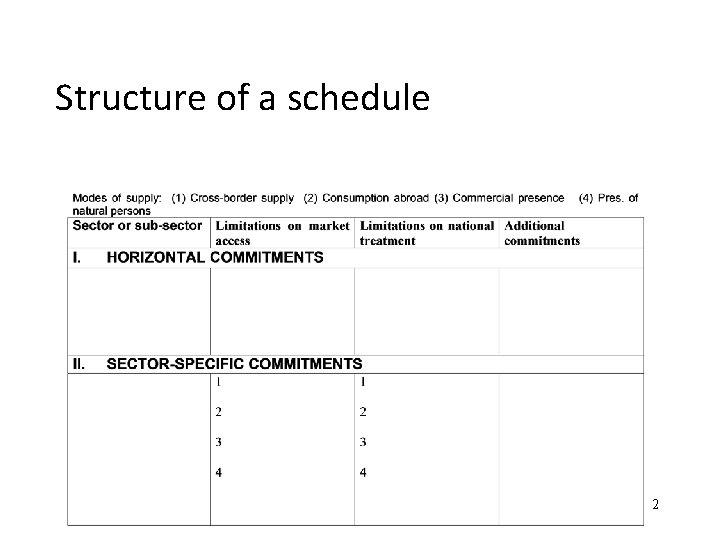
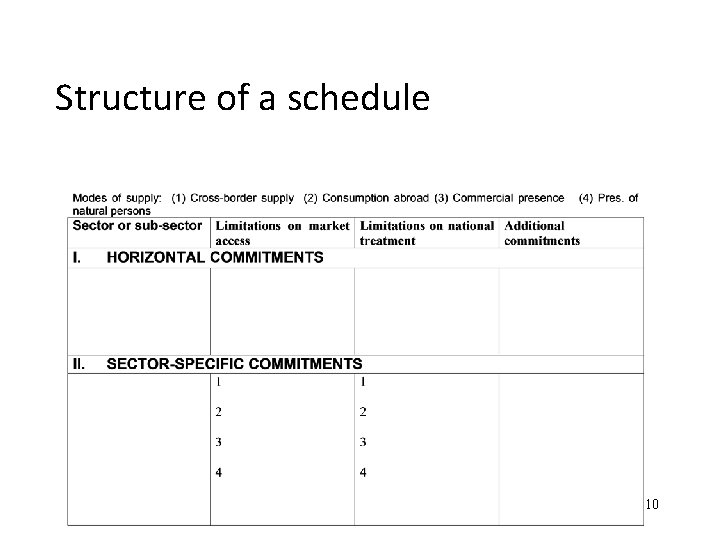
Structure of a schedule 2
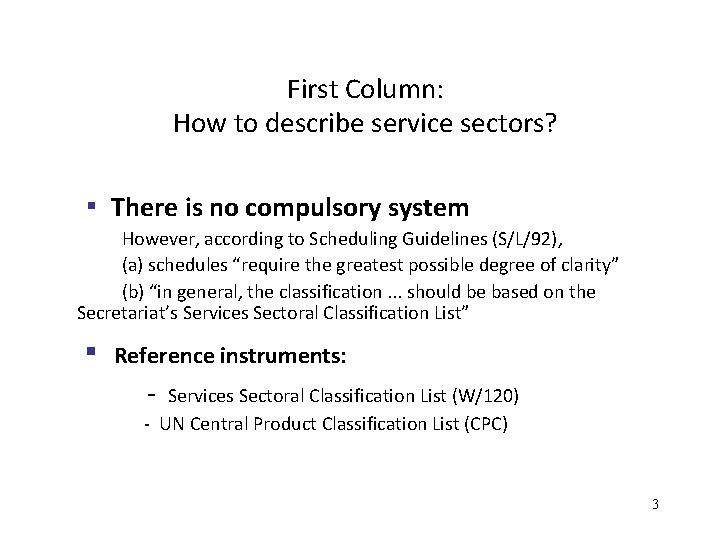
First Column: How to describe service sectors? ▪ There is no compulsory system However, according to Scheduling Guidelines (S/L/92), (a) schedules “require the greatest possible degree of clarity” (b) “in general, the classification. . . should be based on the Secretariat’s Services Sectoral Classification List” ▪ Reference instruments: - Services Sectoral Classification List (W/120) - UN Central Product Classification List (CPC) 3
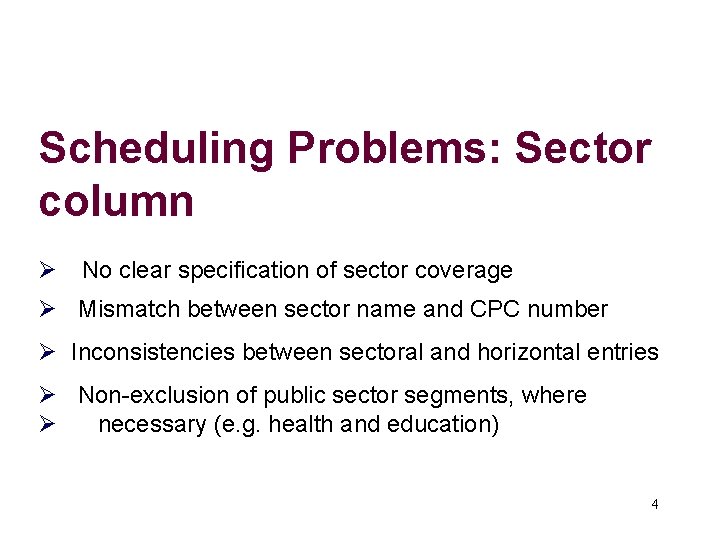
Scheduling Problems: Sector column Ø No clear specification of sector coverage Ø Mismatch between sector name and CPC number Ø Inconsistencies between sectoral and horizontal entries Ø Non-exclusion of public sector segments, where Ø necessary (e. g. health and education) 4
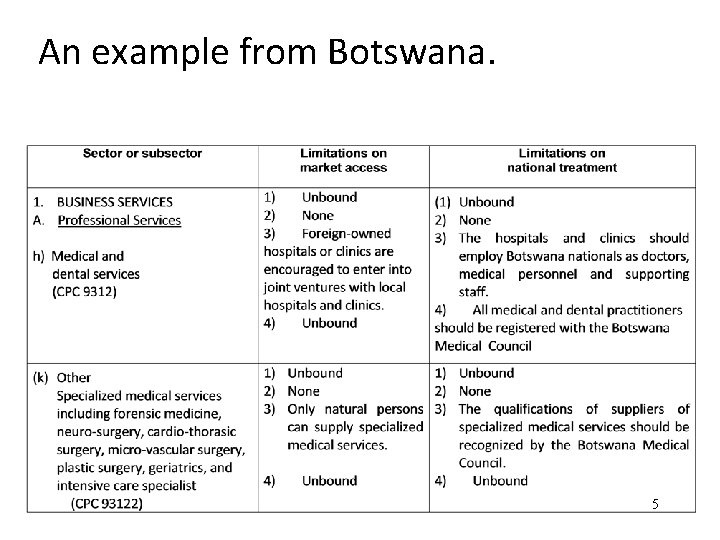
An example from Botswana. 5
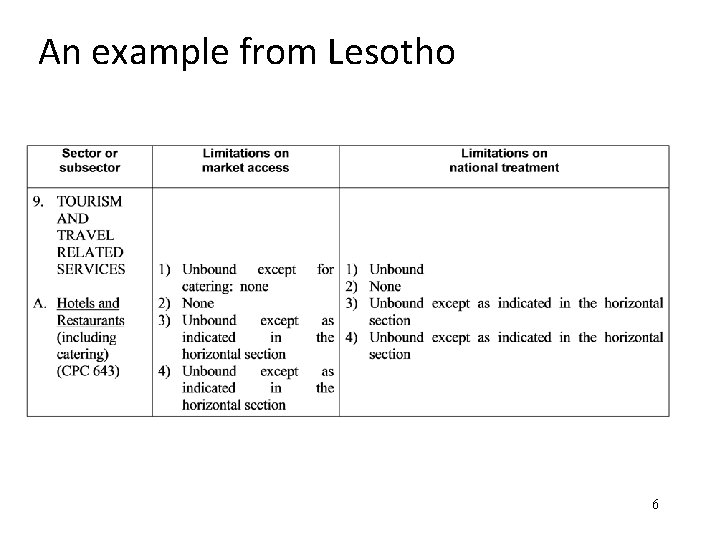
An example from Lesotho 6
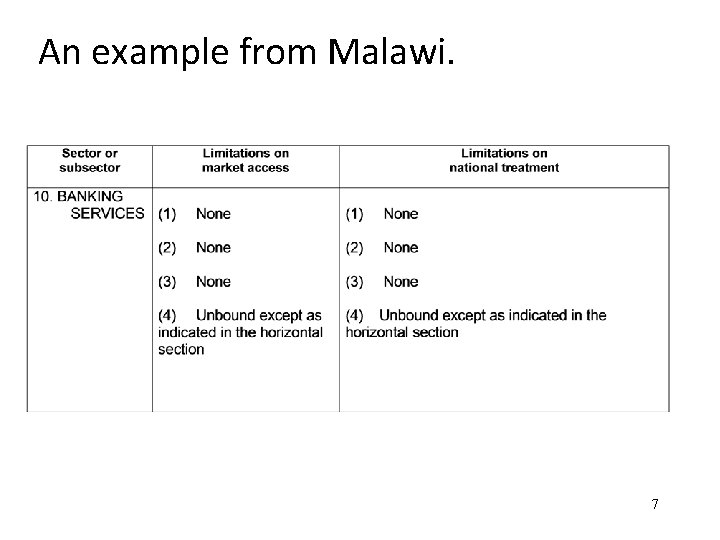
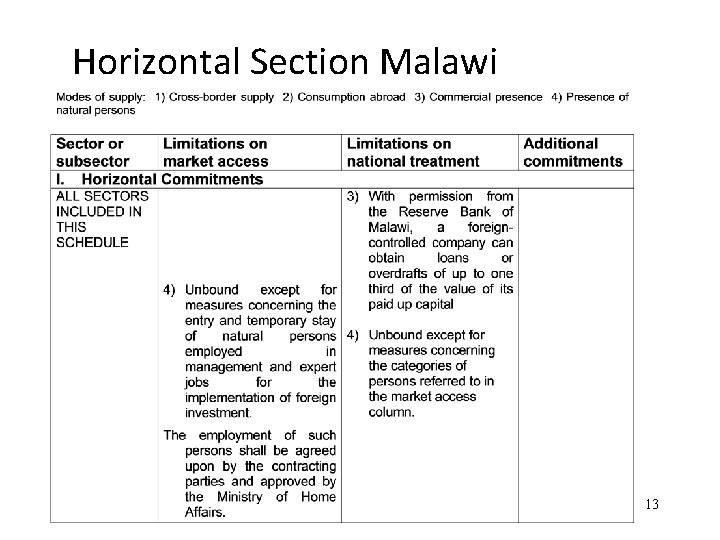
An example from Malawi. 7
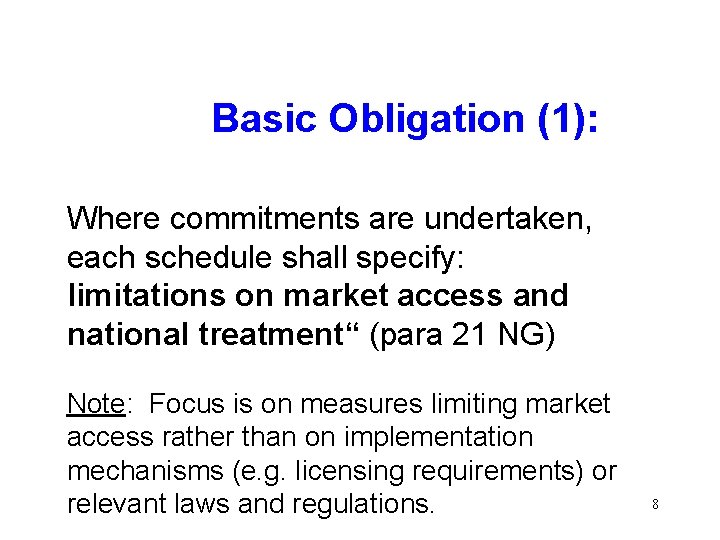
Basic Obligation (1): Where commitments are undertaken, each schedule shall specify: limitations on market access and national treatment“ (para 21 NG) Note: Focus is on measures limiting market access rather than on implementation mechanisms (e. g. licensing requirements) or relevant laws and regulations. 8
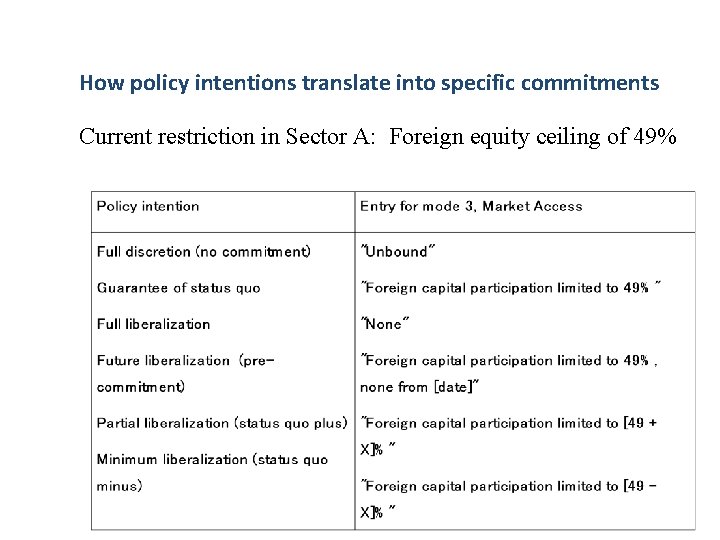
How policy intentions translate into specific commitments Current restriction in Sector A: Foreign equity ceiling of 49%
Structure of a schedule 10
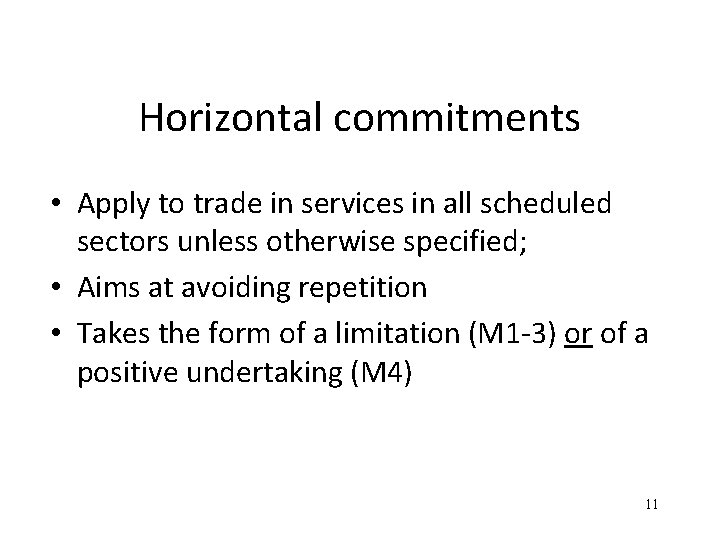
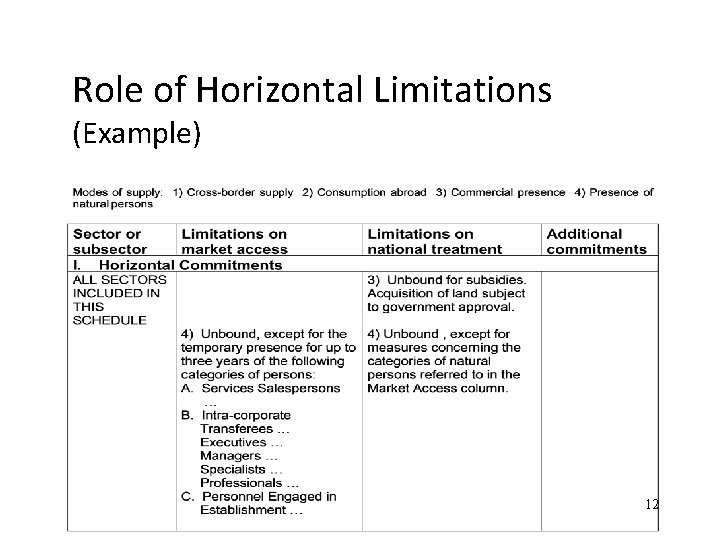
Horizontal commitments • Apply to trade in services in all scheduled sectors unless otherwise specified; • Aims at avoiding repetition • Takes the form of a limitation (M 1 -3) or of a positive undertaking (M 4) 11
Role of Horizontal Limitations (Example) 12
Horizontal Section Malawi 13
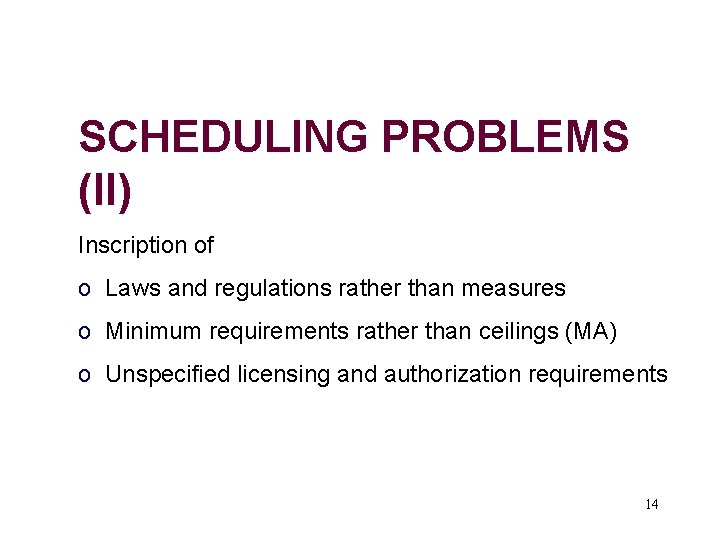
SCHEDULING PROBLEMS (II) Inscription of o Laws and regulations rather than measures o Minimum requirements rather than ceilings (MA) o Unspecified licensing and authorization requirements 14
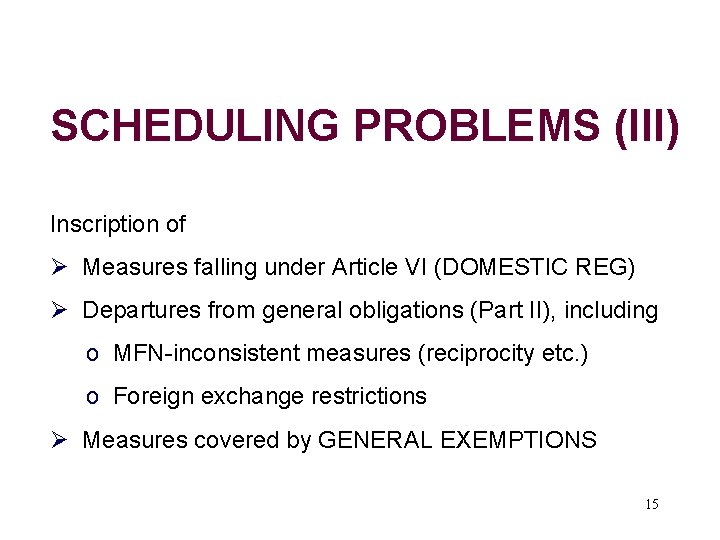
SCHEDULING PROBLEMS (III) Inscription of Ø Measures falling under Article VI (DOMESTIC REG) Ø Departures from general obligations (Part II), including o MFN-inconsistent measures (reciprocity etc. ) o Foreign exchange restrictions Ø Measures covered by GENERAL EXEMPTIONS 15
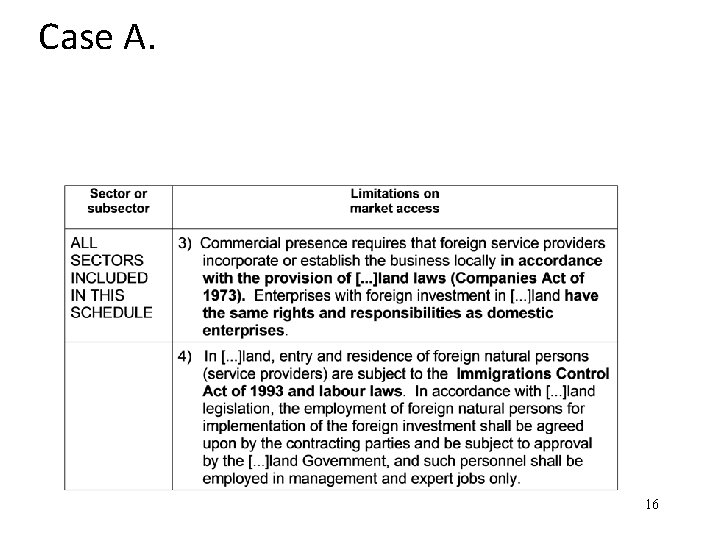
Case A. 16
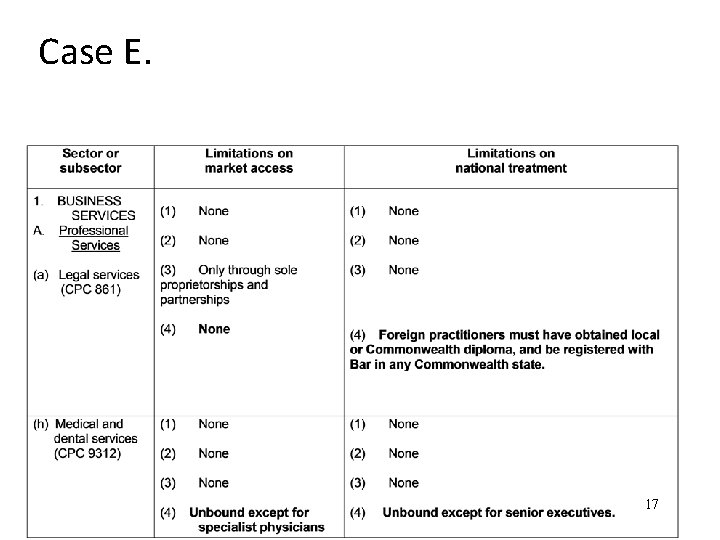
Case E. 17
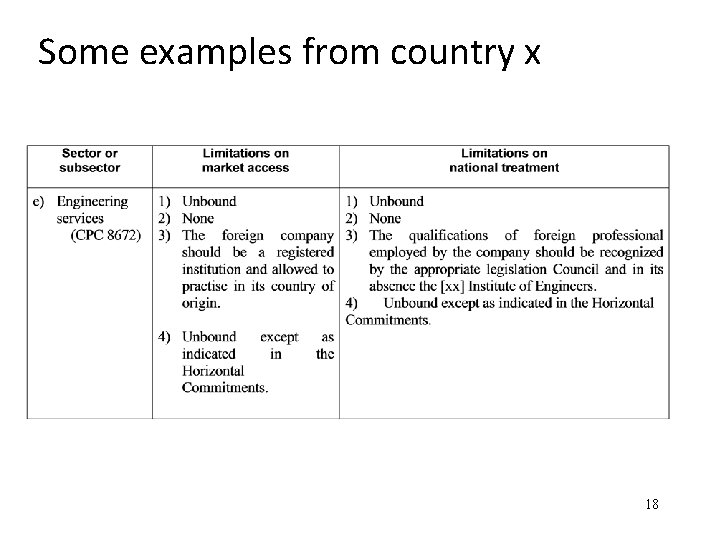
Some examples from country x 18
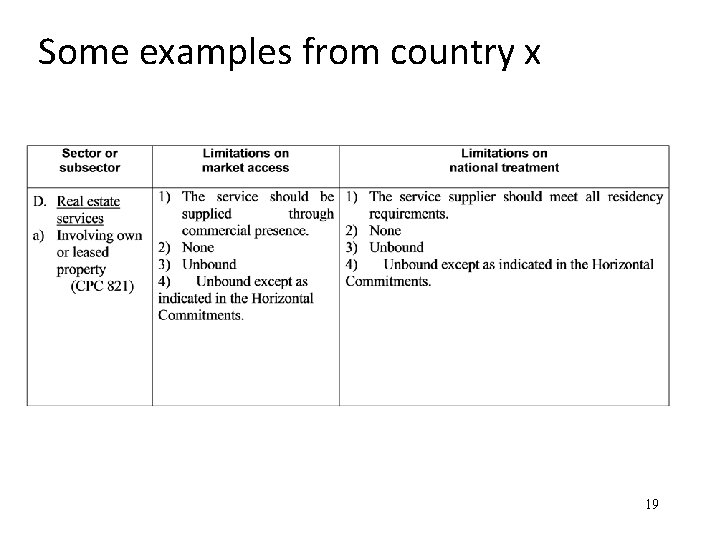
Some examples from country x 19
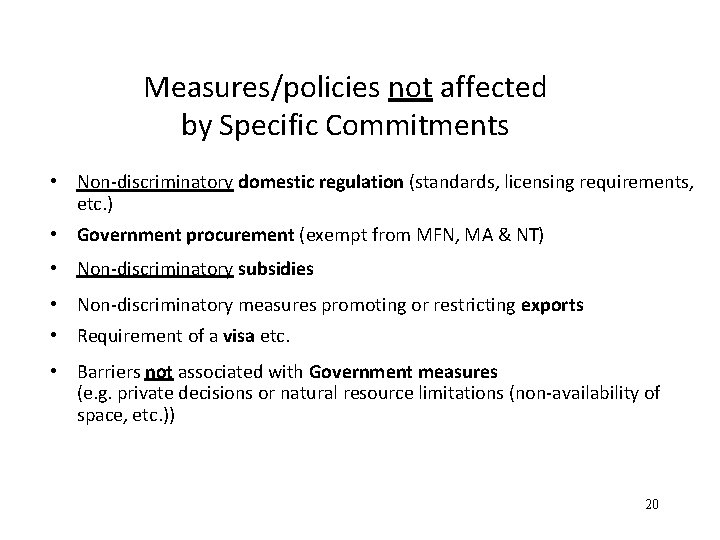
Measures/policies not affected by Specific Commitments • Non-discriminatory domestic regulation (standards, licensing requirements, etc. ) • Government procurement (exempt from MFN, MA & NT) • Non-discriminatory subsidies • Non-discriminatory measures promoting or restricting exports • Requirement of a visa etc. • Barriers not associated with Government measures (e. g. private decisions or natural resource limitations (non-availability of space, etc. )) 20
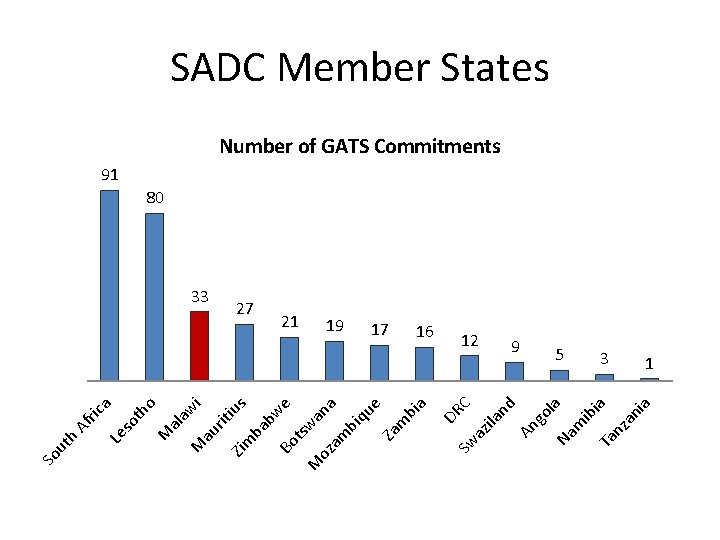
Commitments by Malawi’s Trading Partners 21
l Na a m ib Ta ia nz an ia go 12 An nd ila az C 16 Sw 17 DR a bi 19 Za m e qu an a e 21 am bi oz M ts w 27 Bo bw s iu i 33 ba Zim rit M au o aw al M th so a ric Af Le ut h So SADC Member States Number of GATS Commitments 91 80 9 5 3 1
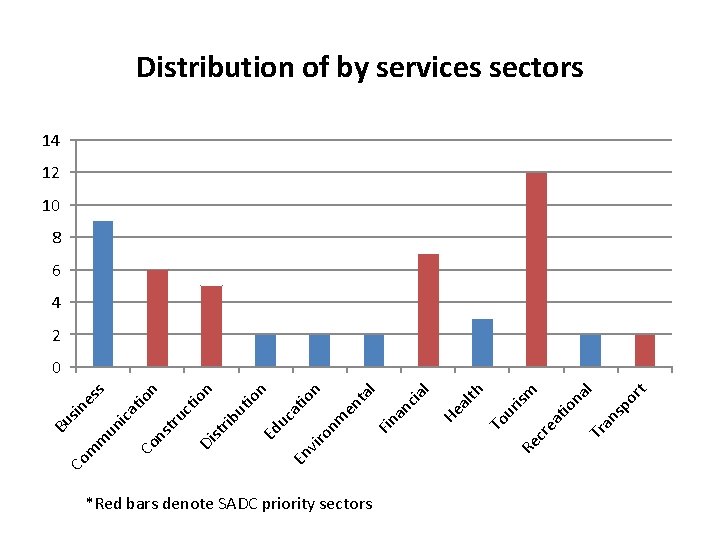
*Red bars denote SADC priority sectors l t or sp an Tr na tio ea cr ism ur To lth He a cia l an Fin ta l en n n io at m on vir Re En uc Ed n tio ct io n es s tio bu st ri Di ns tru Co sin ica un m m Co Bu Distribution of by services sectors 14 12 10 8 6 4 2 0