
Reactive Oxygen Species I Free radicals ROS Defined

- Slides: 37
Reactive Oxygen Species I. Free radicals & ROS Defined II. Sources of ROS III. Oxidative damage in biological systems IV. Antioxidant Defense V. ROS signaling and redox sensitive pathways VI. Oxidative stress and disease VII. Detection methods for ROS & oxidative stress
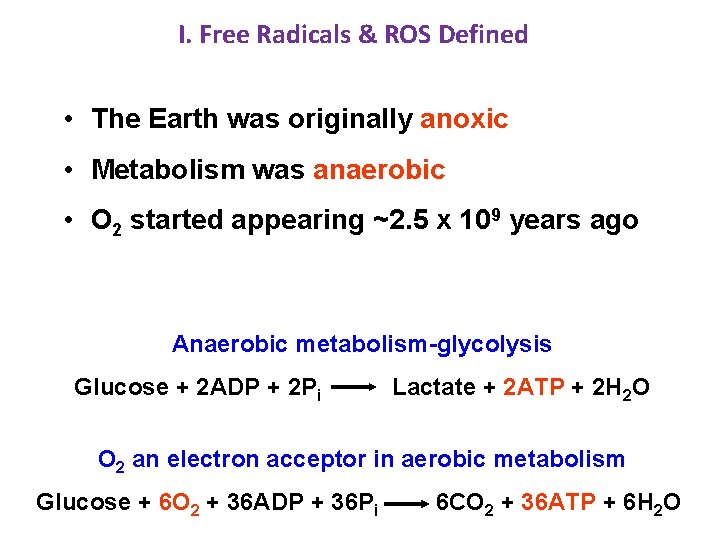
I. Free Radicals & ROS Defined • The Earth was originally anoxic • Metabolism was anaerobic • O 2 started appearing ~2. 5 x 10⁹ years ago Anaerobic metabolism-glycolysis Glucose + 2 ADP + 2 Pi Lactate + 2 ATP + 2 H 2 O O 2 an electron acceptor in aerobic metabolism Glucose + 6 O 2 + 36 ADP + 36 Pi 6 CO 2 + 36 ATP + 6 H 2 O
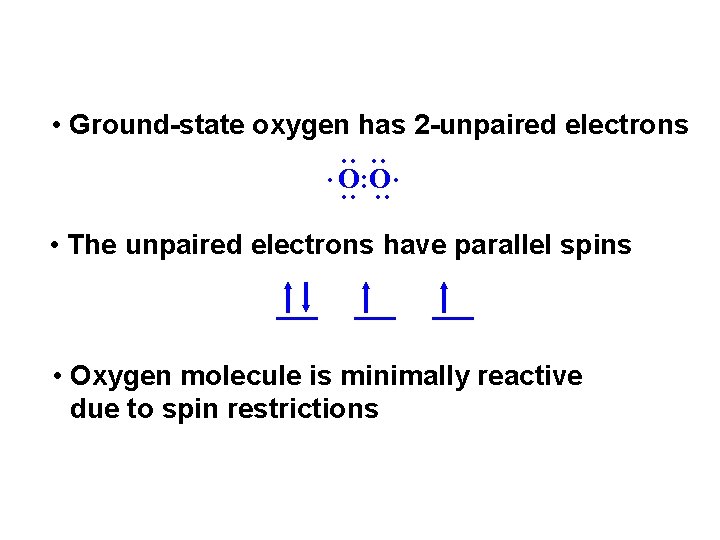
• Ground-state oxygen has 2 -unpaired electrons : : . O: O. • The unpaired electrons have parallel spins • Oxygen molecule is minimally reactive due to spin restrictions
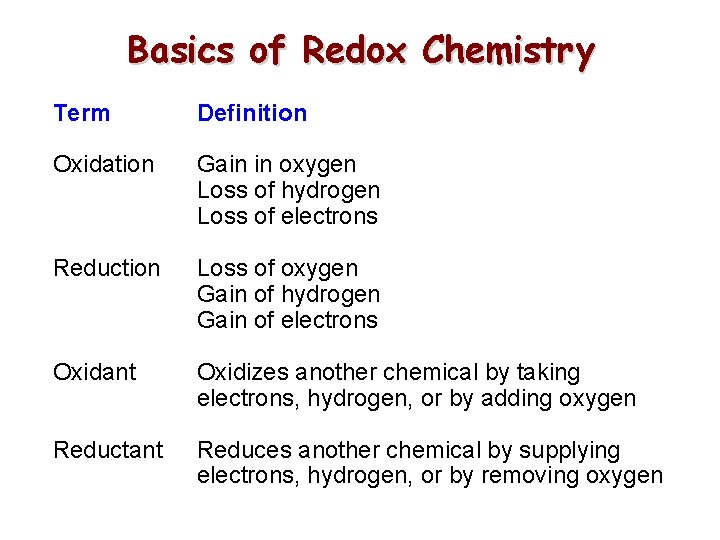
Basics of Redox Chemistry Term Definition Oxidation Gain in oxygen Loss of hydrogen Loss of electrons Reduction Loss of oxygen Gain of hydrogen Gain of electrons Oxidant Oxidizes another chemical by taking electrons, hydrogen, or by adding oxygen Reductant Reduces another chemical by supplying electrons, hydrogen, or by removing oxygen
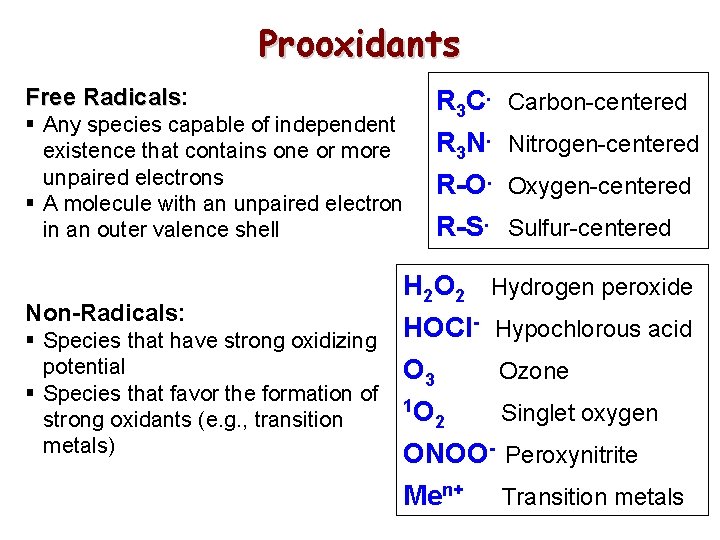
Prooxidants Free Radicals: Radicals § Any species capable of independent existence that contains one or more unpaired electrons § A molecule with an unpaired electron in an outer valence shell Non-Radicals: § Species that have strong oxidizing potential § Species that favor the formation of strong oxidants (e. g. , transition metals) R 3 C. Carbon-centered R 3 N. Nitrogen-centered R-O. Oxygen-centered R-S. Sulfur-centered H 2 O 2 Hydrogen peroxide HOCl- Hypochlorous acid O 3 Ozone 1 O Singlet oxygen 2 ONOO- Peroxynitrite Men+ Transition metals
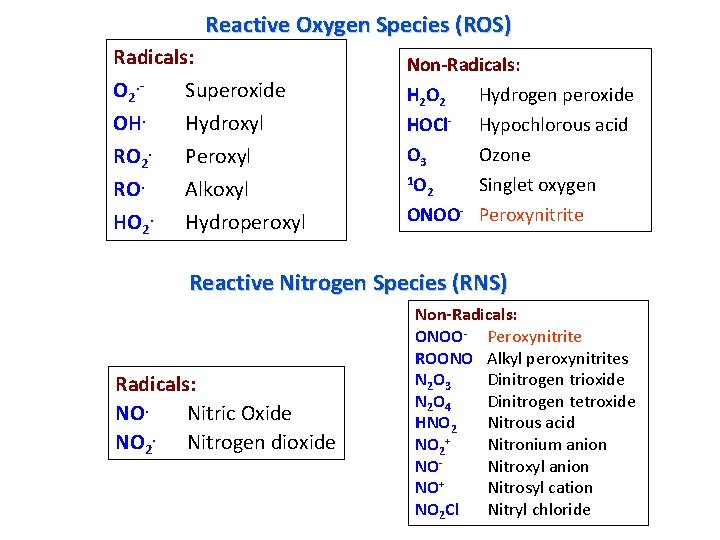
Reactive Oxygen Species (ROS) Radicals: O 2. - Superoxide OH. Hydroxyl RO 2. Peroxyl RO. HO 2. Alkoxyl Hydroperoxyl Non-Radicals: H 2 O 2 HOCl. O 3 1 O 2 ONOO- Hydrogen peroxide Hypochlorous acid Ozone Singlet oxygen Peroxynitrite Reactive Nitrogen Species (RNS) Radicals: NO. Nitric Oxide NO 2. Nitrogen dioxide Non-Radicals: ONOO- Peroxynitrite ROONO Alkyl peroxynitrites N 2 O 3 Dinitrogen trioxide N 2 O 4 Dinitrogen tetroxide HNO 2 Nitrous acid NO 2+ Nitronium anion NONitroxyl anion NO+ Nitrosyl cation NO 2 Cl Nitryl chloride
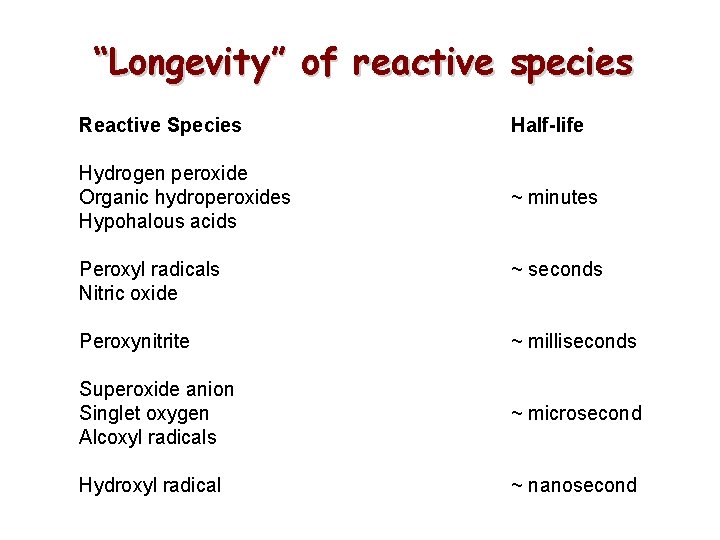
“Longevity” of reactive species Reactive Species Half-life Hydrogen peroxide Organic hydroperoxides Hypohalous acids ~ minutes Peroxyl radicals Nitric oxide ~ seconds Peroxynitrite ~ milliseconds Superoxide anion Singlet oxygen Alcoxyl radicals ~ microsecond Hydroxyl radical ~ nanosecond
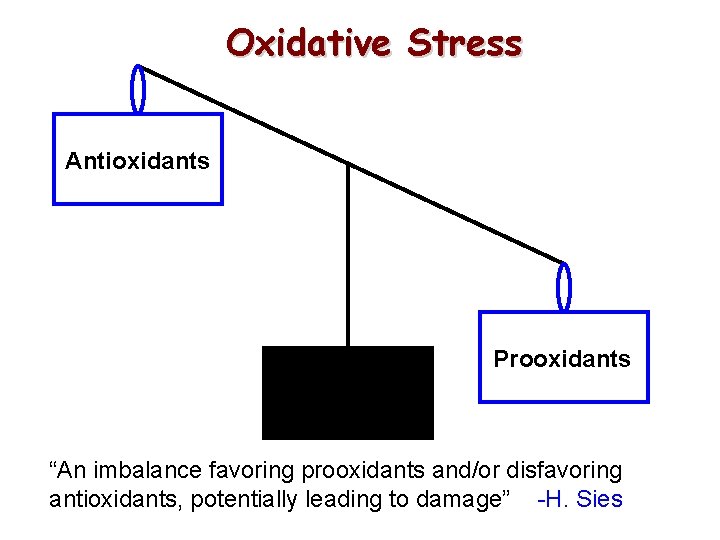
Oxidative Stress Antioxidants Prooxidants “An imbalance favoring prooxidants and/or disfavoring antioxidants, potentially leading to damage” -H. Sies
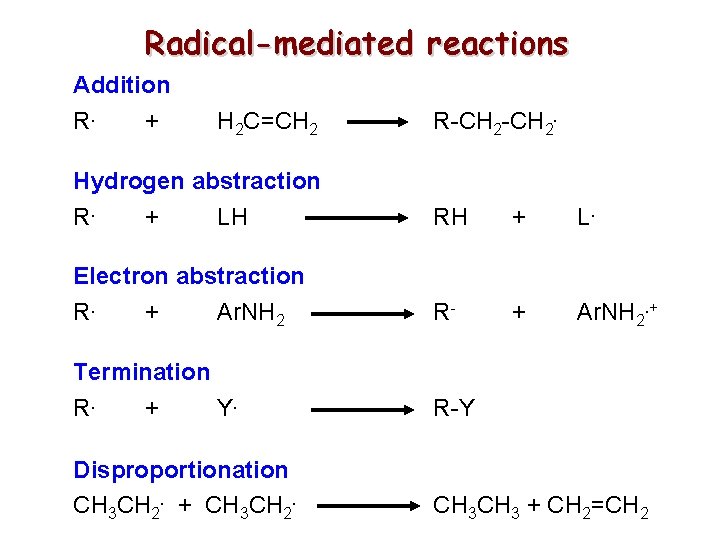
Radical-mediated reactions Addition R. + H 2 C=CH 2 Hydrogen abstraction R. + LH R-CH 2. RH + L. R- + Ar. NH 2. + Electron abstraction R. + Ar. NH 2 Termination R. + Y. R-Y Disproportionation CH 3 CH 2. + CH 3 CH 2. CH 3 + CH 2=CH 2
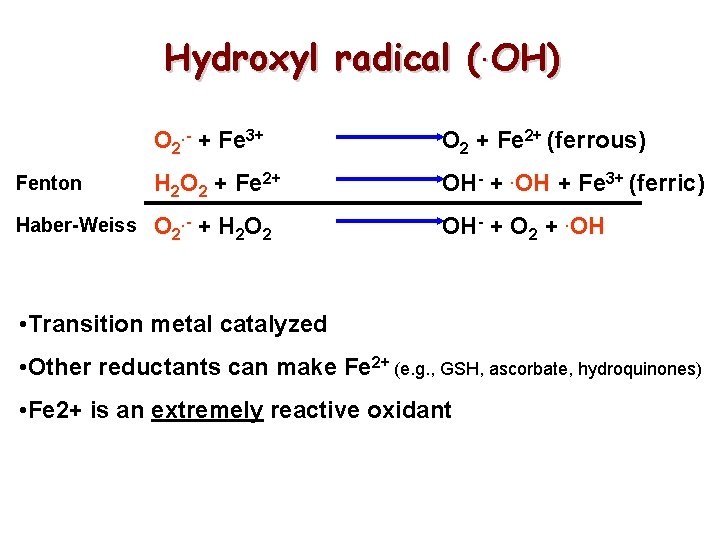
Hydroxyl radical (. OH) O 2. - + Fe 3+ O 2 + Fe 2+ (ferrous) Fenton H 2 O 2 + Fe 2+ OH- +. OH + Fe 3+ (ferric) Haber-Weiss O 2. - + H 2 O 2 OH- + O 2 +. OH • Transition metal catalyzed • Other reductants can make Fe 2+ (e. g. , GSH, ascorbate, hydroquinones) • Fe 2+ is an extremely reactive oxidant
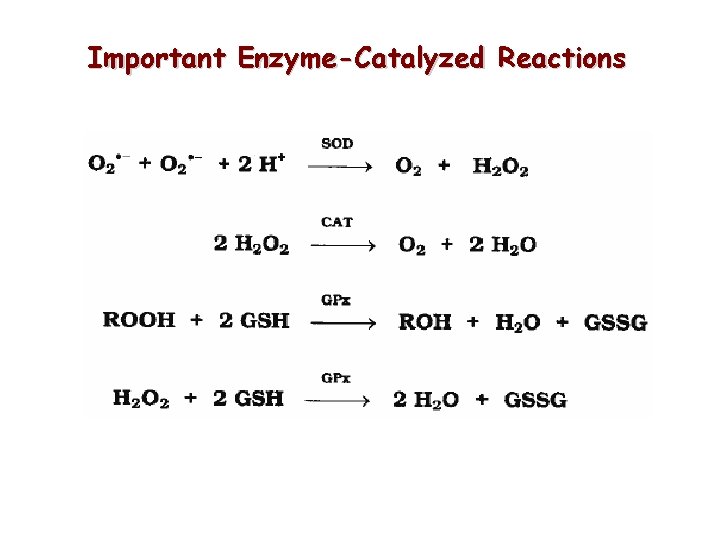
Important Enzyme-Catalyzed Reactions
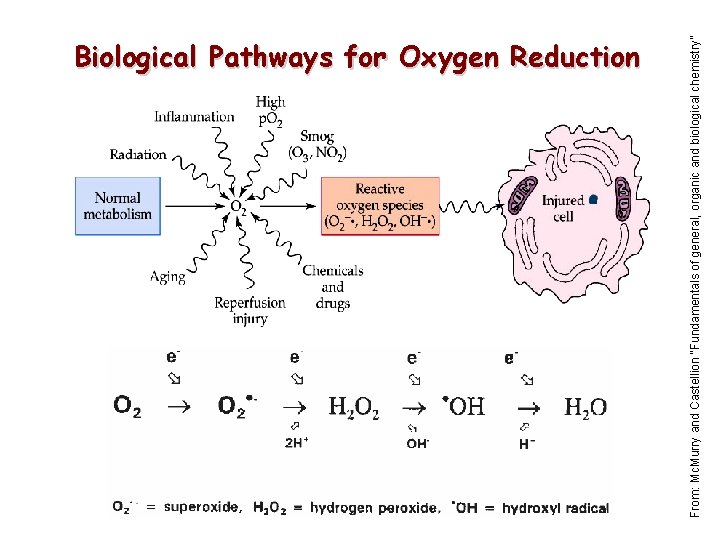
From: Mc. Murry and Castellion “Fundamentals of general, organic and biological chemistry” Biological Pathways for Oxygen Reduction
II. Sources of ROS Endogenous sources of ROS and RNS Microsomal Oxidation, Flavoproteins, CYP enzymes Xanthine Oxidase, NOS isoforms Myeloperoxidase (phagocytes) Endoplasmic Reticulum Cytoplasm Transition metals Lysosomes Fe Cu Oxidases, Flavoproteins Peroxisomes Lipoxygenases, Prostaglandin synthase NADPH oxidase Mitochondria Plasma Membrane Electron transport
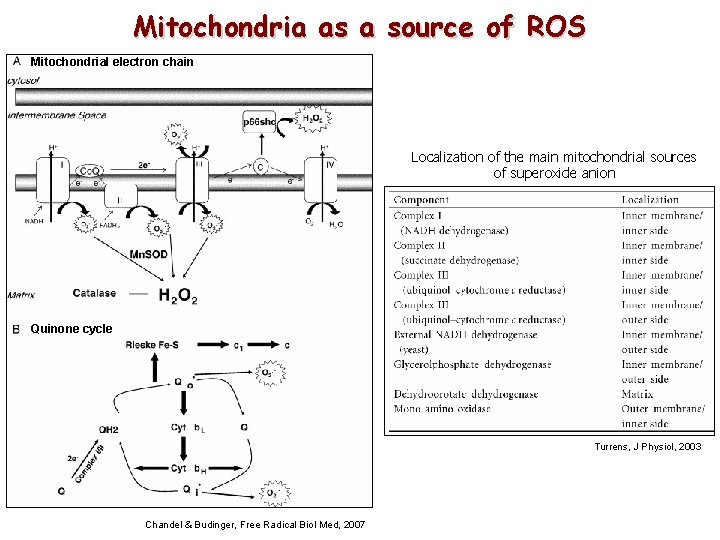
Mitochondria as a source of ROS Mitochondrial electron chain Localization of the main mitochondrial sources of superoxide anion Quinone cycle Turrens, J Physiol, 2003 Chandel & Budinger, Free Radical Biol Med, 2007
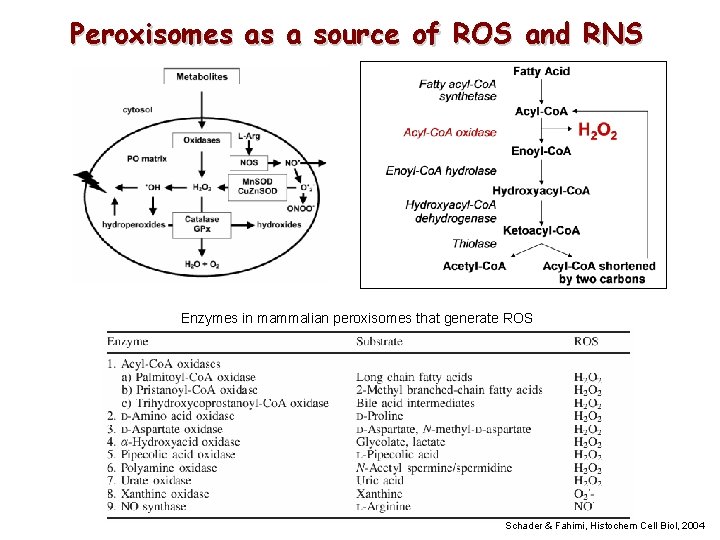
Peroxisomes as a source of ROS and RNS Enzymes in mammalian peroxisomes that generate ROS Schader & Fahimi, Histochem Cell Biol, 2004
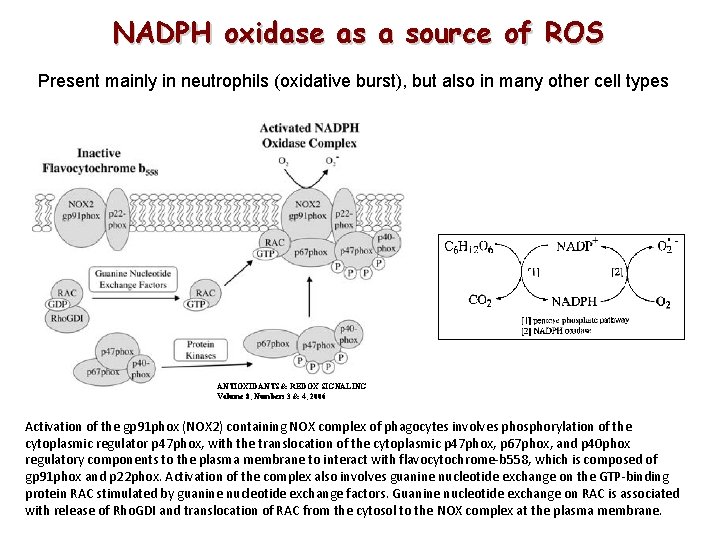
NADPH oxidase as a source of ROS Present mainly in neutrophils (oxidative burst), but also in many other cell types ANTIOXIDANTS & REDOX SIGNALING Volume 8, Numbers 3 & 4, 2006 Activation of the gp 91 phox (NOX 2) containing NOX complex of phagocytes involves phosphorylation of the cytoplasmic regulator p 47 phox, with the translocation of the cytoplasmic p 47 phox, p 67 phox, and p 40 phox regulatory components to the plasma membrane to interact with flavocytochrome-b 558, which is composed of gp 91 phox and p 22 phox. Activation of the complex also involves guanine nucleotide exchange on the GTP-binding protein RAC stimulated by guanine nucleotide exchange factors. Guanine nucleotide exchange on RAC is associated with release of Rho. GDI and translocation of RAC from the cytosol to the NOX complex at the plasma membrane.
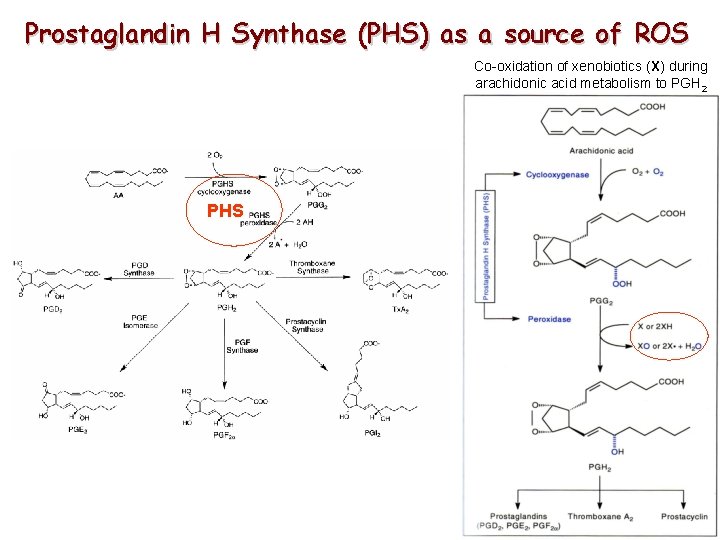
Prostaglandin H Synthase (PHS) as a source of ROS Co-oxidation of xenobiotics (X) during arachidonic acid metabolism to PGH 2 PHS
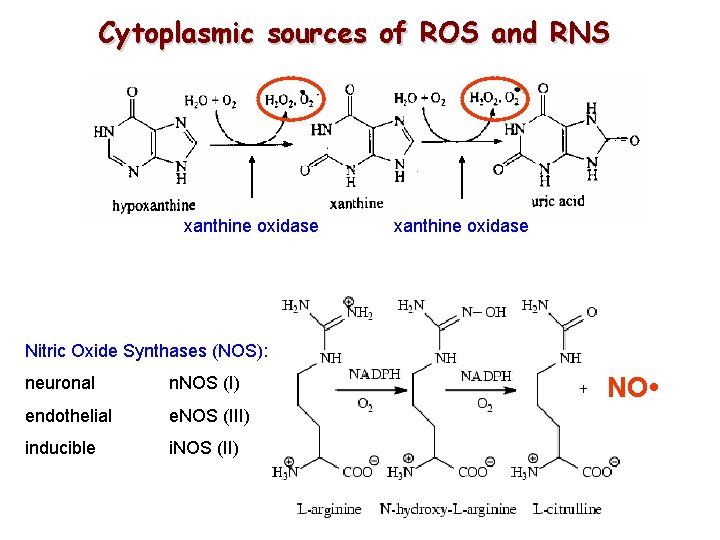
Cytoplasmic sources of ROS and RNS xanthine oxidase Nitric Oxide Synthases (NOS): neuronal n. NOS (I) endothelial e. NOS (III) inducible i. NOS (II) NO •
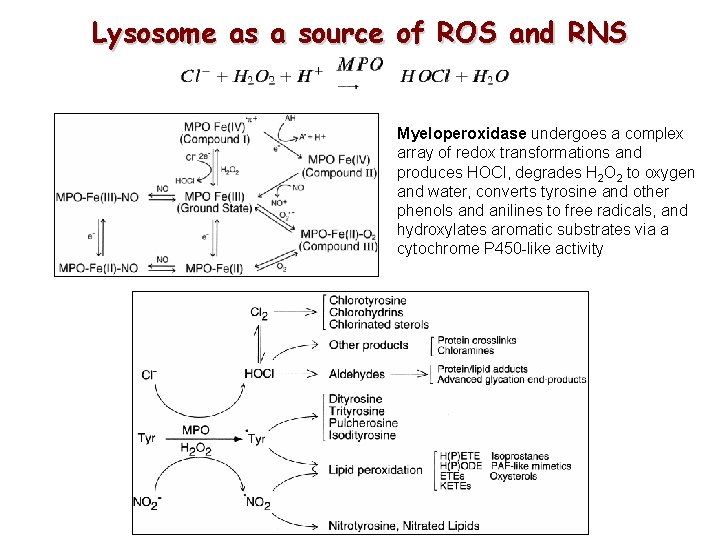
Lysosome as a source of ROS and RNS Myeloperoxidase undergoes a complex array of redox transformations and produces HOCl, degrades H 2 O 2 to oxygen and water, converts tyrosine and other phenols and anilines to free radicals, and hydroxylates aromatic substrates via a cytochrome P 450 -like activity
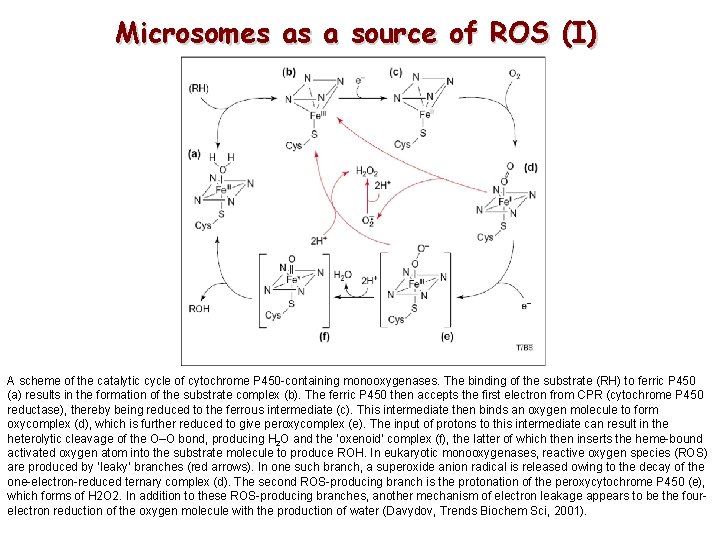
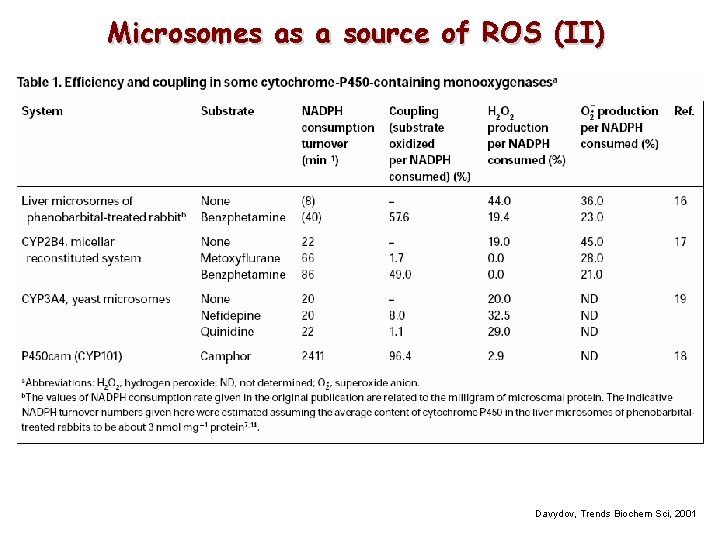
Microsomes as a source of ROS (I) A scheme of the catalytic cycle of cytochrome P 450 -containing monooxygenases. The binding of the substrate (RH) to ferric P 450 (a) results in the formation of the substrate complex (b). The ferric P 450 then accepts the first electron from CPR (cytochrome P 450 reductase), thereby being reduced to the ferrous intermediate (c). This intermediate then binds an oxygen molecule to form oxycomplex (d), which is further reduced to give peroxycomplex (e). The input of protons to this intermediate can result in the heterolytic cleavage of the O–O bond, producing H 2 O and the ‘oxenoid’ complex (f), the latter of which then inserts the heme-bound activated oxygen atom into the substrate molecule to produce ROH. In eukaryotic monooxygenases, reactive oxygen species (ROS) are produced by ‘leaky’ branches (red arrows). In one such branch, a superoxide anion radical is released owing to the decay of the one-electron-reduced ternary complex (d). The second ROS-producing branch is the protonation of the peroxycytochrome P 450 (e), which forms of H 2 O 2. In addition to these ROS-producing branches, another mechanism of electron leakage appears to be the fourelectron reduction of the oxygen molecule with the production of water (Davydov, Trends Biochem Sci, 2001).
Microsomes as a source of ROS (II) Davydov, Trends Biochem Sci, 2001
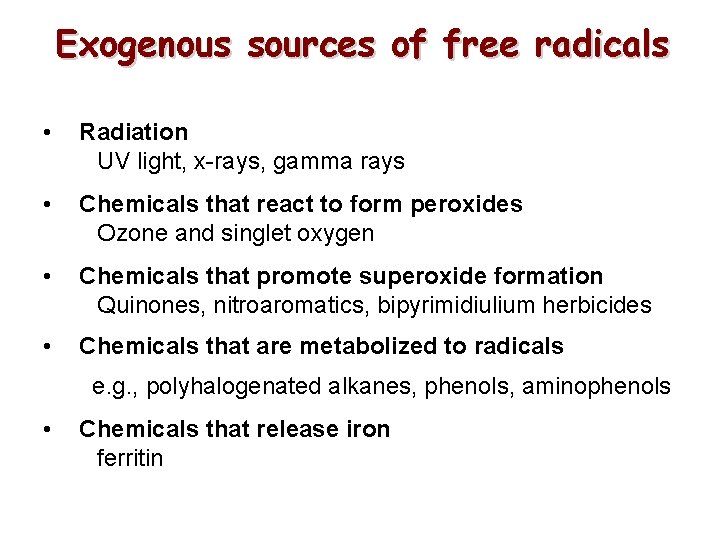
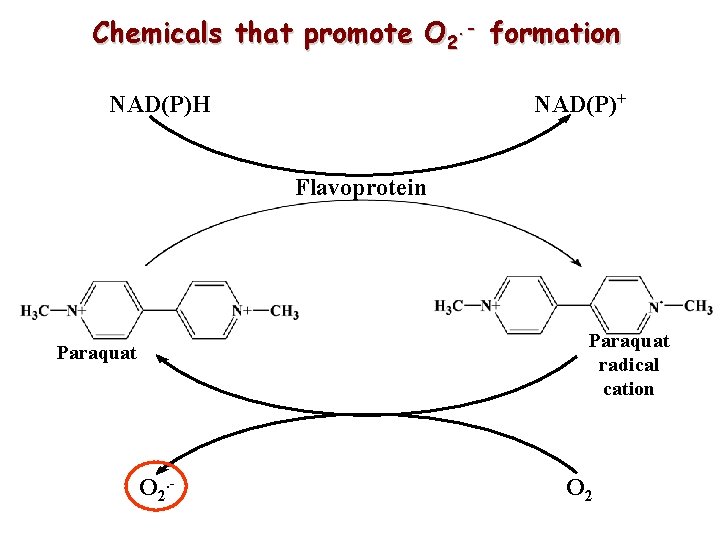
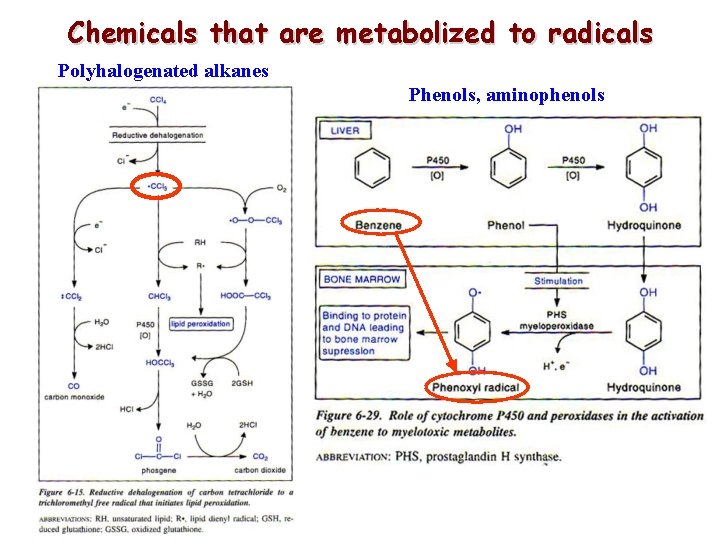
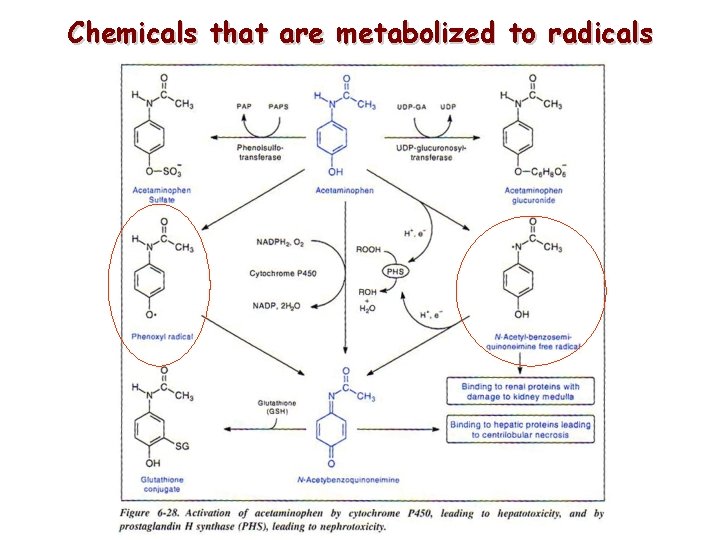
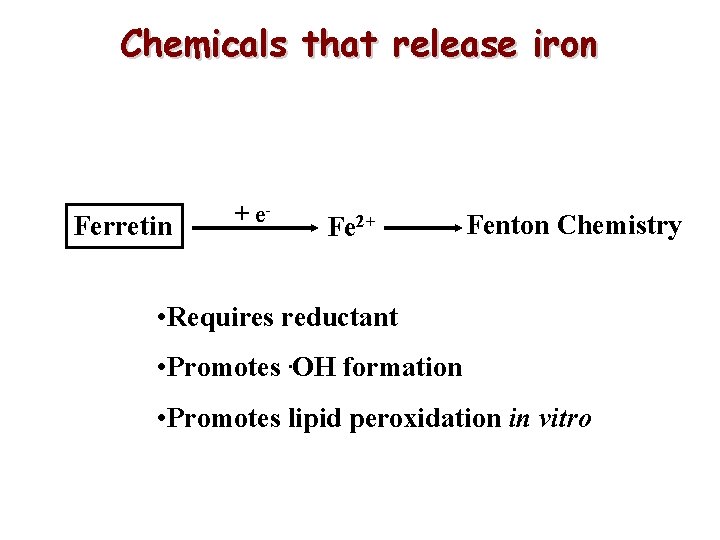
Exogenous sources of free radicals • Radiation UV light, x-rays, gamma rays • Chemicals that react to form peroxides Ozone and singlet oxygen • Chemicals that promote superoxide formation Quinones, nitroaromatics, bipyrimidiulium herbicides • Chemicals that are metabolized to radicals e. g. , polyhalogenated alkanes, phenols, aminophenols • Chemicals that release iron ferritin
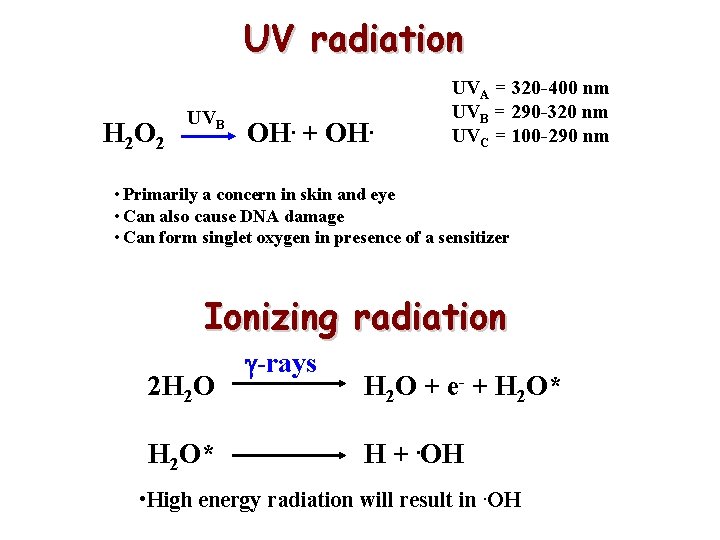
UV radiation H 2 O 2 UVB OH. + OH. UVA = 320 -400 nm UVB = 290 -320 nm UVC = 100 -290 nm • Primarily a concern in skin and eye • Can also cause DNA damage • Can form singlet oxygen in presence of a sensitizer Ionizing radiation 2 H 2 O* g-rays H 2 O + e- + H 2 O* H +. OH • High energy radiation will result in. OH
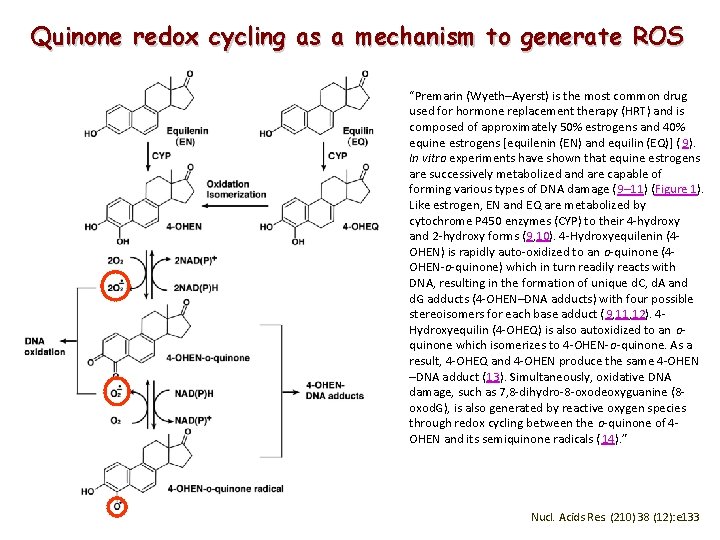
Quinone redox cycling as a mechanism to generate ROS “Premarin (Wyeth–Ayerst) is the most common drug used for hormone replacement therapy (HRT) and is composed of approximately 50% estrogens and 40% equine estrogens [equilenin (EN) and equilin (EQ)] ( 9). In vitro experiments have shown that equine estrogens are successively metabolized and are capable of forming various types of DNA damage (9– 11) (Figure 1). Like estrogen, EN and EQ are metabolized by cytochrome P 450 enzymes (CYP) to their 4 -hydroxy and 2 -hydroxy forms (9, 10). 4 -Hydroxyequilenin (4 OHEN) is rapidly auto-oxidized to an o-quinone (4 OHEN-o-quinone) which in turn readily reacts with DNA, resulting in the formation of unique d. C, d. A and d. G adducts (4 -OHEN–DNA adducts) with four possible stereoisomers for each base adduct (9, 11, 12). 4 Hydroxyequilin (4 -OHEQ) is also autoxidized to an oquinone which isomerizes to 4 -OHEN-o-quinone. As a result, 4 -OHEQ and 4 -OHEN produce the same 4 -OHEN –DNA adduct (13). Simultaneously, oxidative DNA damage, such as 7, 8 -dihydro-8 -oxodeoxyguanine (8 oxod. G), is also generated by reactive oxygen species through redox cycling between the o-quinone of 4 OHEN and its semiquinone radicals (14). ” Nucl. Acids Res. (210) 38 (12): e 133
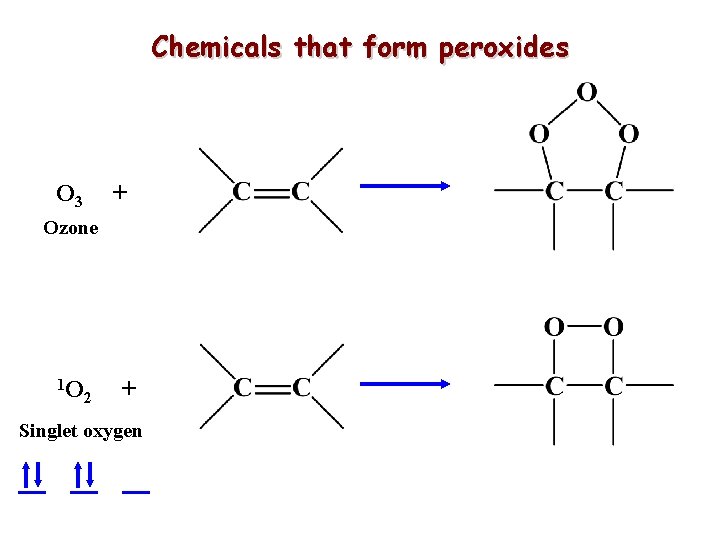
Chemicals that form peroxides O 3 + Ozone 1 O 2 + Singlet oxygen
Chemicals that promote O 2. - formation NAD(P)H NAD(P)+ Flavoprotein Paraquat radical cation Paraquat O 2. - O 2
Chemicals that are metabolized to radicals Polyhalogenated alkanes Phenols, aminophenols
Chemicals that are metabolized to radicals
Chemicals that release iron Ferretin + e- Fe 2+ Fenton Chemistry • Requires reductant • Promotes. OH formation • Promotes lipid peroxidation in vitro
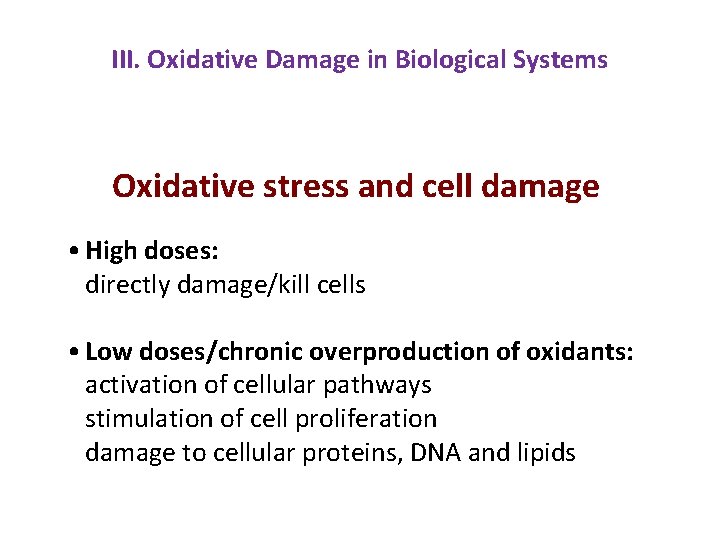
III. Oxidative Damage in Biological Systems Oxidative stress and cell damage • High doses: directly damage/kill cells • Low doses/chronic overproduction of oxidants: activation of cellular pathways stimulation of cell proliferation damage to cellular proteins, DNA and lipids
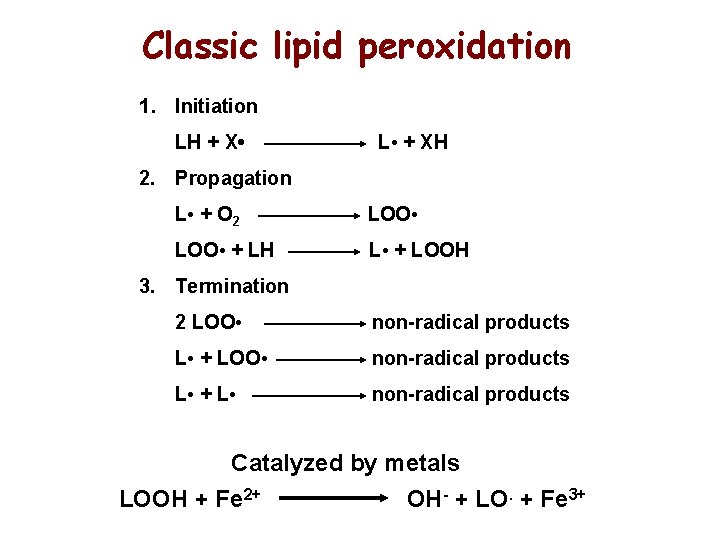
Classic lipid peroxidation 1. Initiation LH + X • L • + XH 2. Propagation L • + O 2 LOO • + LH L • + LOOH 3. Termination 2 LOO • non-radical products L • + L • non-radical products Catalyzed by metals LOOH + Fe 2+ OH- + LO. + Fe 3+
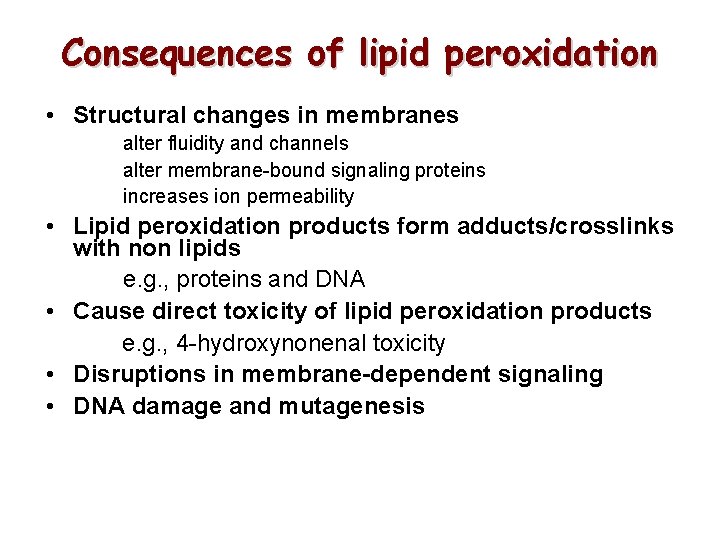
Consequences of lipid peroxidation • Structural changes in membranes alter fluidity and channels alter membrane-bound signaling proteins increases ion permeability • Lipid peroxidation products form adducts/crosslinks with non lipids e. g. , proteins and DNA • Cause direct toxicity of lipid peroxidation products e. g. , 4 -hydroxynonenal toxicity • Disruptions in membrane-dependent signaling • DNA damage and mutagenesis
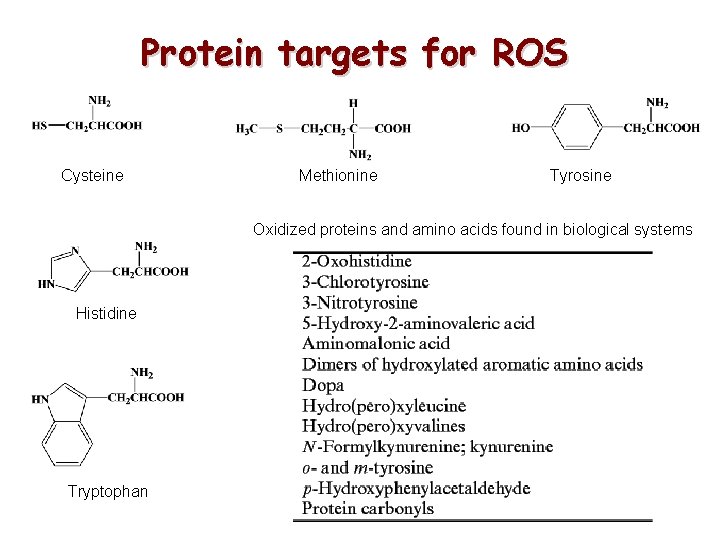
Protein targets for ROS Cysteine Methionine Tyrosine Oxidized proteins and amino acids found in biological systems Histidine Tryptophan
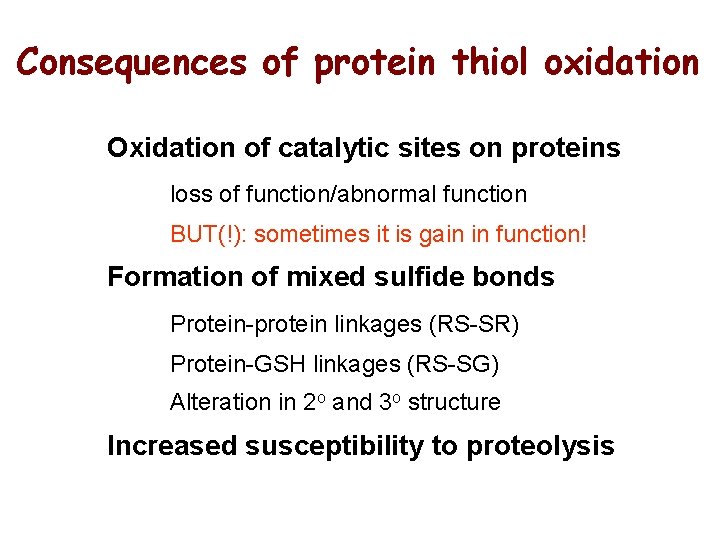
Consequences of protein thiol oxidation Oxidation of catalytic sites on proteins loss of function/abnormal function BUT(!): sometimes it is gain in function! Formation of mixed sulfide bonds Protein-protein linkages (RS-SR) Protein-GSH linkages (RS-SG) Alteration in 2 o and 3 o structure Increased susceptibility to proteolysis
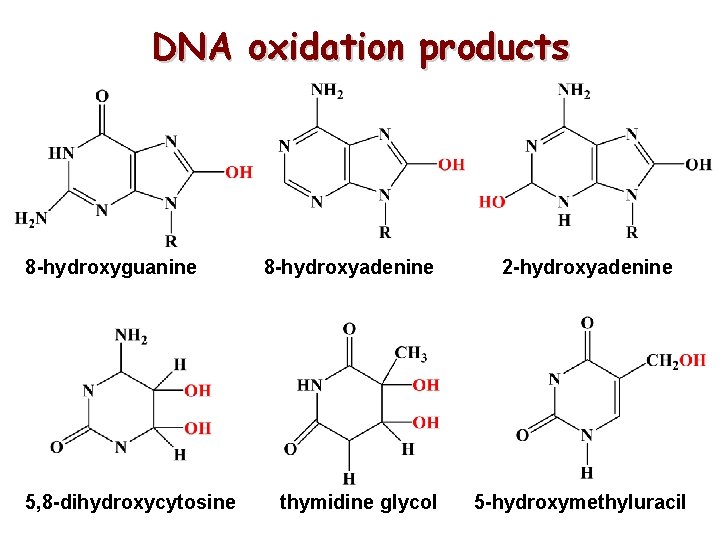
DNA oxidation products 8 -hydroxyguanine 5, 8 -dihydroxycytosine 8 -hydroxyadenine thymidine glycol 2 -hydroxyadenine 5 -hydroxymethyluracil
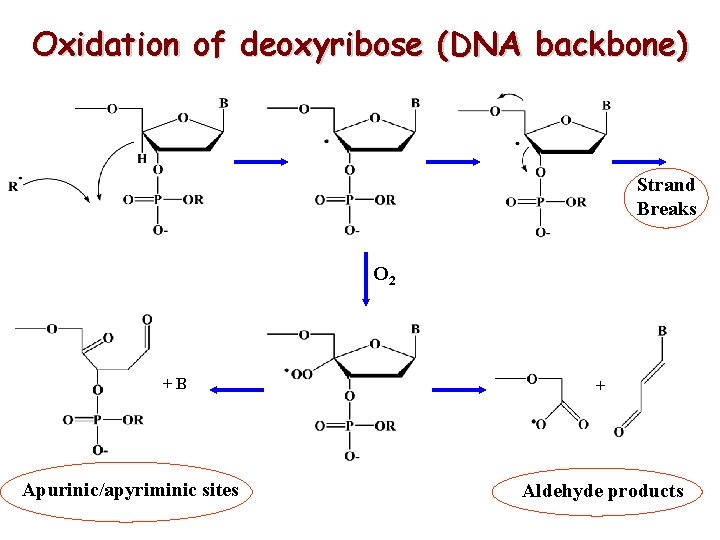
Oxidation of deoxyribose (DNA backbone) Strand Breaks O 2 +B Apurinic/apyriminic sites + Aldehyde products
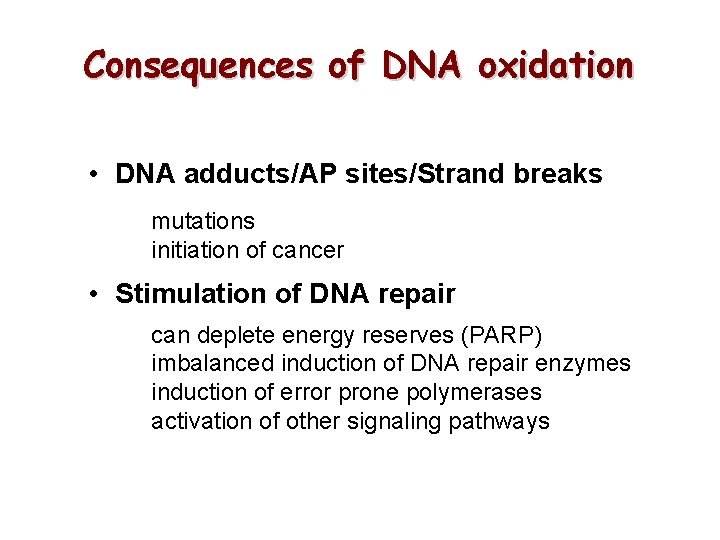
Consequences of DNA oxidation • DNA adducts/AP sites/Strand breaks mutations initiation of cancer • Stimulation of DNA repair can deplete energy reserves (PARP) imbalanced induction of DNA repair enzymes induction of error prone polymerases activation of other signaling pathways