
REACTIONS TO PERSONAL CRISIS How you may feel
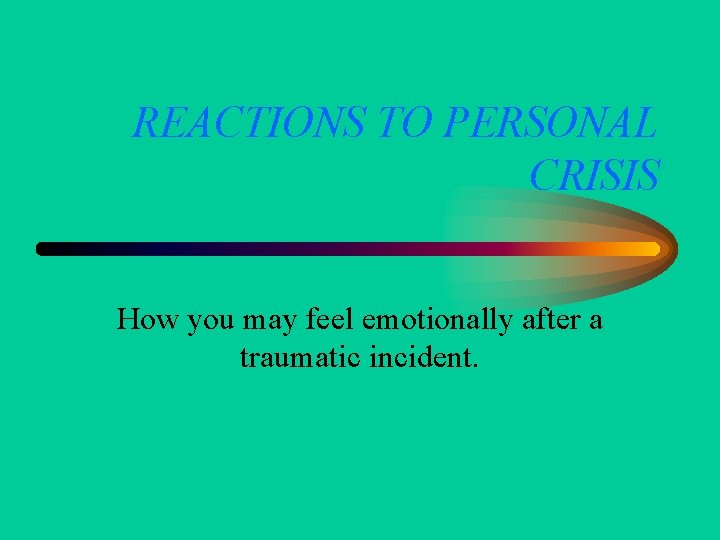
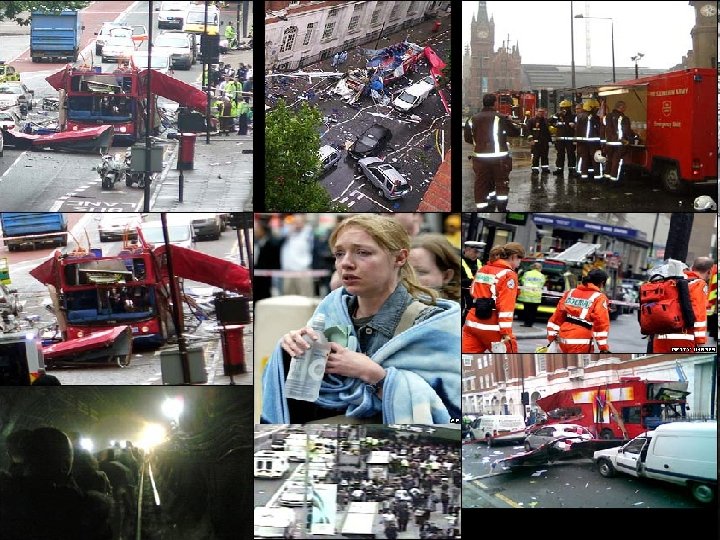
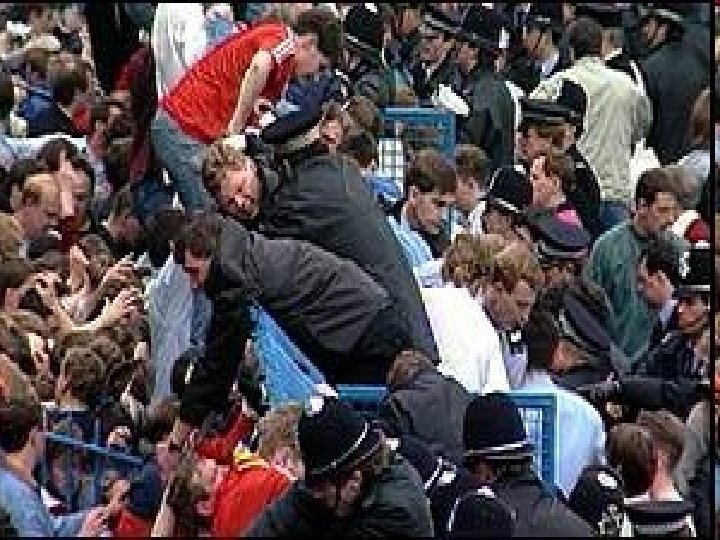
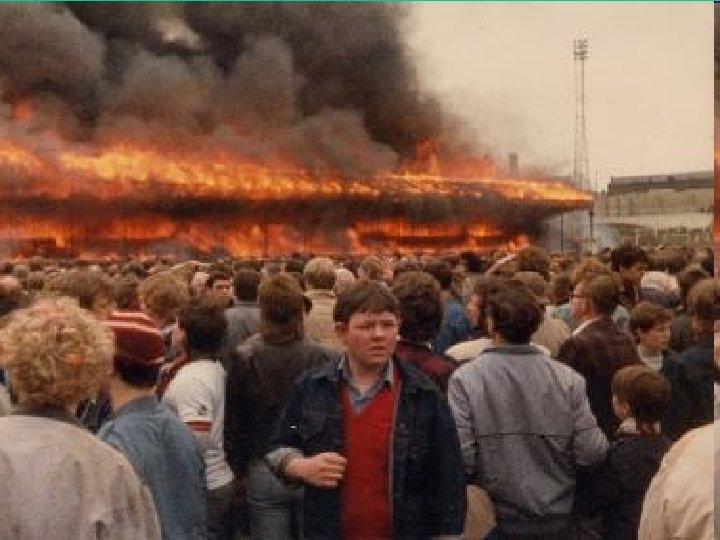


![Definitions: • TRAUMA - ‘a powerful shock that may have long-lasting consequences’. [OED] •](https://slidetodoc.com/presentation_image_h2/f0dce6e5a41b6202e6390a3afb21efbb/image-10.jpg "Definitions: • TRAUMA - ‘a powerful shock that may have long-lasting consequences’. [OED] •")
![Seven stages of Transition MOOD INTERNALISATION DENIAL SEARCH FOR MEANING NUMBNESS TESTING DEPRESSION [ANGER]](https://slidetodoc.com/presentation_image_h2/f0dce6e5a41b6202e6390a3afb21efbb/image-12.jpg "Seven stages of Transition MOOD INTERNALISATION DENIAL SEARCH FOR MEANING NUMBNESS TESTING DEPRESSION [ANGER]")
- Slides: 22
REACTIONS TO PERSONAL CRISIS How you may feel emotionally after a traumatic incident.
Professional People • Used to dealing with crises • Able to stand back • Self control • Role boundaries • • • Human! Emotions Feelings Personal Life Caring people
Understandable reactions to abnormal events. Although intense and difficult to put up with, these are the way ordinary people can feel. Normal set of responses to an abnormal occurrence.
Definitions: • TRAUMA - ‘a powerful shock that may have long-lasting consequences’. [OED] • POST TRAUMA STRESS - ‘The normal reactions of normal people to events which, for them, are unusual or abnormal’
Definitions: • POST TRAUMATIC STRESS DISORDER - ‘The development of certain characteristic symptoms following a psychologically distressing event which is outside the range of normal human experience’ [DSM IVR]
Seven stages of Transition MOOD INTERNALISATION DENIAL SEARCH FOR MEANING NUMBNESS TESTING DEPRESSION [ANGER] ACCEPTANCE OF REALITY/LETTING GO Beginning of transition
Basic Beliefs • Invulnerability - ‘bad things happen to other people’ • Meaning & purpose - the reason to live and carry on. Life makes sense. • Self-respect (image, esteem, confidence) - ‘I’m OK’, value
In the first weeks and months • • Re-experiencing incident Flashbacks & Dreams Sadness Anger Numbness Helplessness Shame & Guilt Fear. Living on borrowed time
Effects on your body • • Tiredness and exhaustion Racing heart and ‘shakes’ Rapid breathing Profuse sweating Headaches, neck and backache Tightness in throat and chest Gastro-intestinal problems Sleep problems
In the longer term • • Loss of interest Loss of confidence Personality change Avoidance behaviour Inappropriate behaviour Excessive smoking or drinking Relationship difficulties
Trauma Support Programme • legitimises the impact of trauma; • acknowledges organisational responsibility; • provides appropriate and effective support.
Critical Incident Review - Facts • Before the Incident • During the Incident • After The Incident
Critical Incident Review - Feelings • Feelings experienced during the incident • Sensory Impressions • Emotional Reactions • Feelings
Critical Incident Review - Future • Normalisation • Information • Recommendations • When to seek help • Support • Personal care
Appropriate Intervention • Critical Incident Review • Counselling • GP / Force Medical Officer • Referral to Psychiatric Service • Evaluation and Monitoring
‘Each man must find within himself the various methods to contain and control the pain and confusion within. There are no ready-made answers. It is a slow process of rediscovery, where denial or flight from inward turmoil is the antithesis of self-healing. We go that road alone. We may be helped but we cannot be pushed or misdirected. We each have the power within us to re-humanise ourselves. We are our own self healers. ’ Brian Keenan, The Guardian 09/08/91 following the release of fellow hostage John Mc. Carthy