
Reactions of Alcohols Oxidation RX Ether and Ester

- Slides: 54
Reactions of Alcohols Oxidation R-X, Ether, and Ester Preparation Protection of Alcohols Synthesis The Logic of Mechanisms
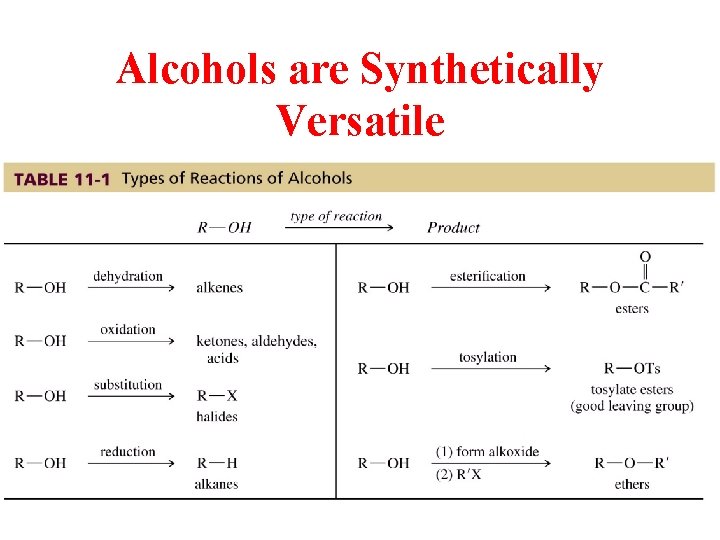
Alcohols are Synthetically Versatile
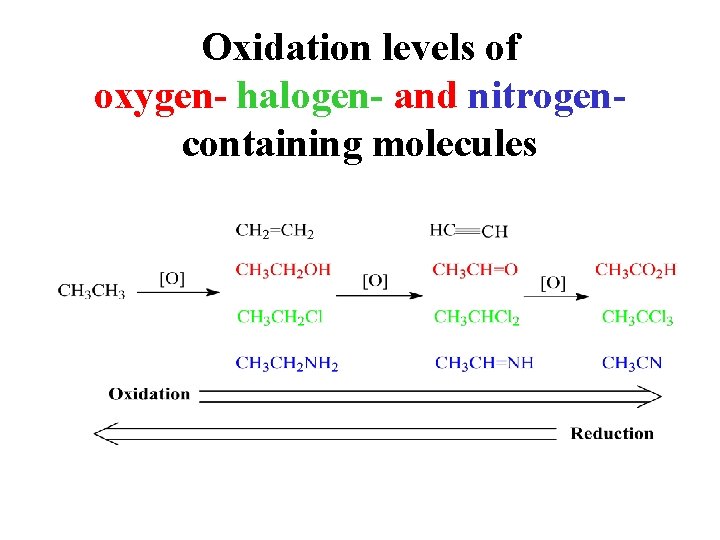
Oxidation levels of oxygen- halogen- and nitrogencontaining molecules
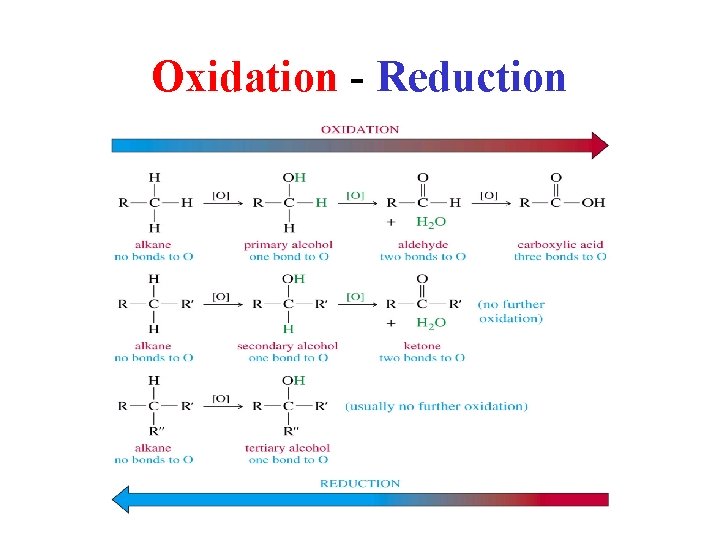
Oxidation - Reduction
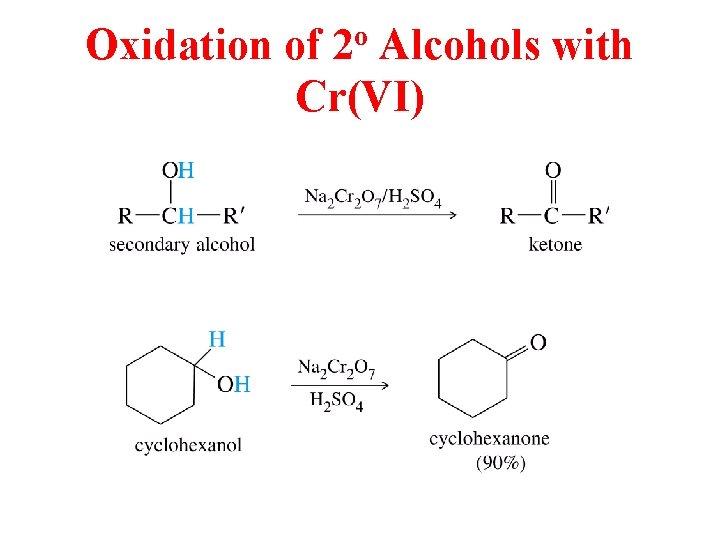
Oxidation of 2 o Alcohols with Cr(VI)
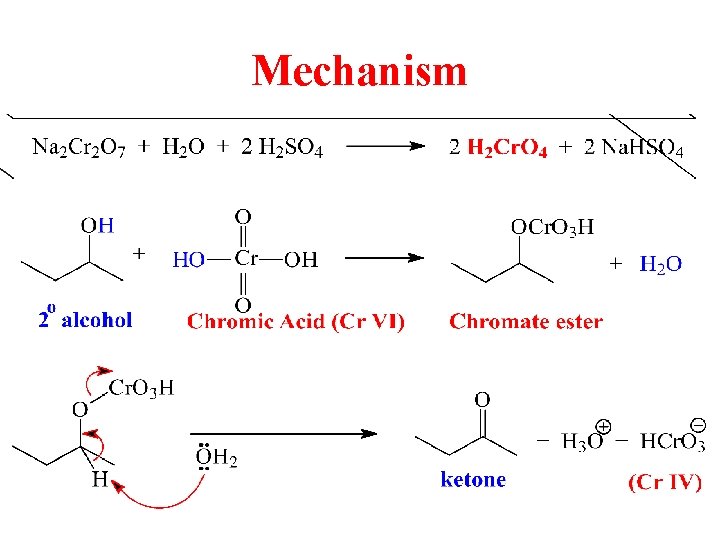
Mechanism
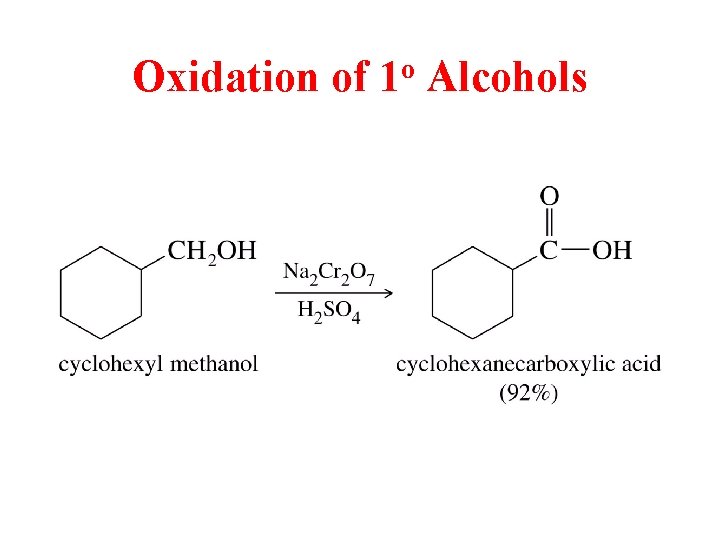
Oxidation of 1 o Alcohols
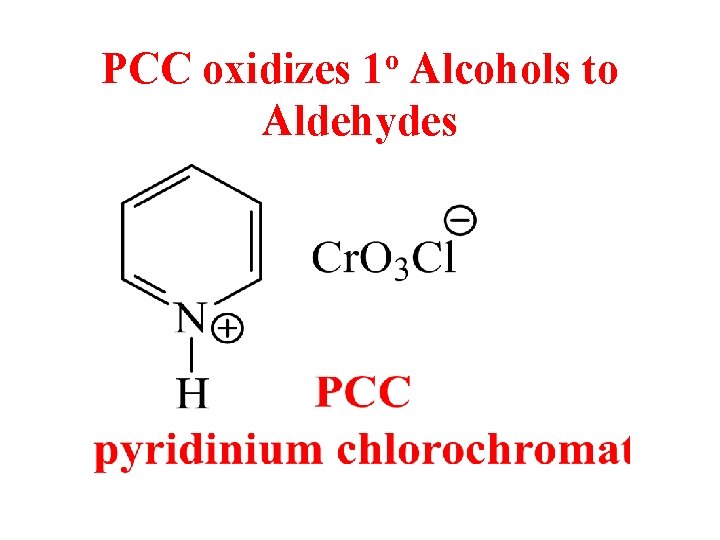
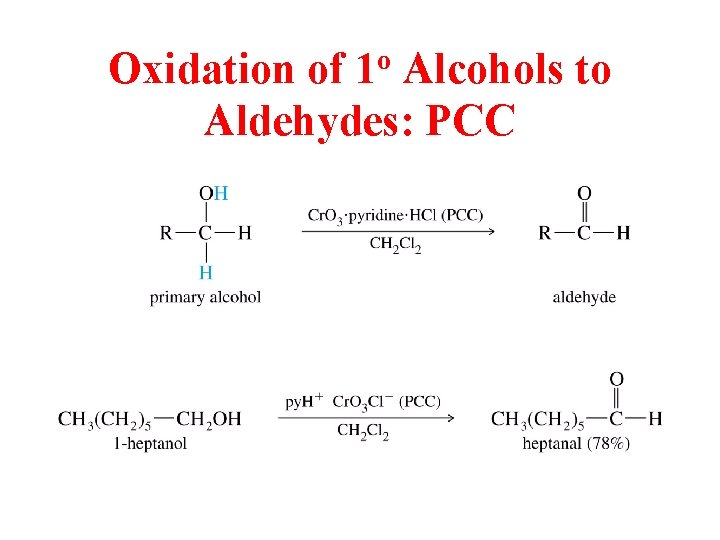
PCC oxidizes 1 o Alcohols to Aldehydes
Oxidation of 1 o Alcohols to Aldehydes: PCC
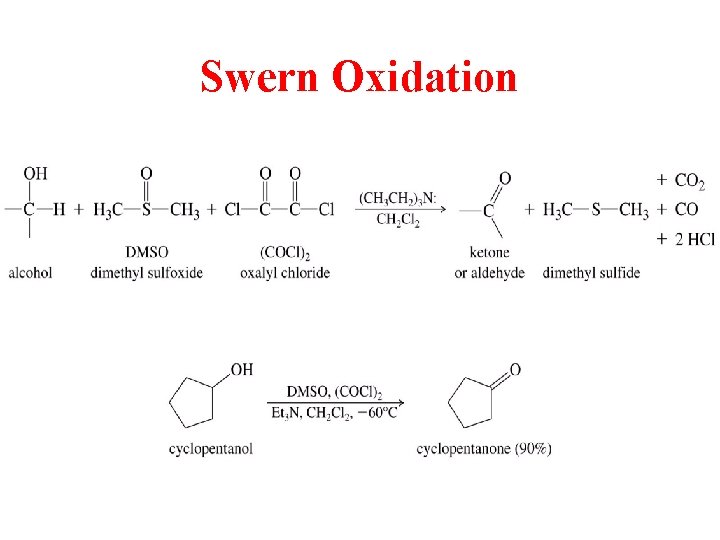
Swern Oxidation
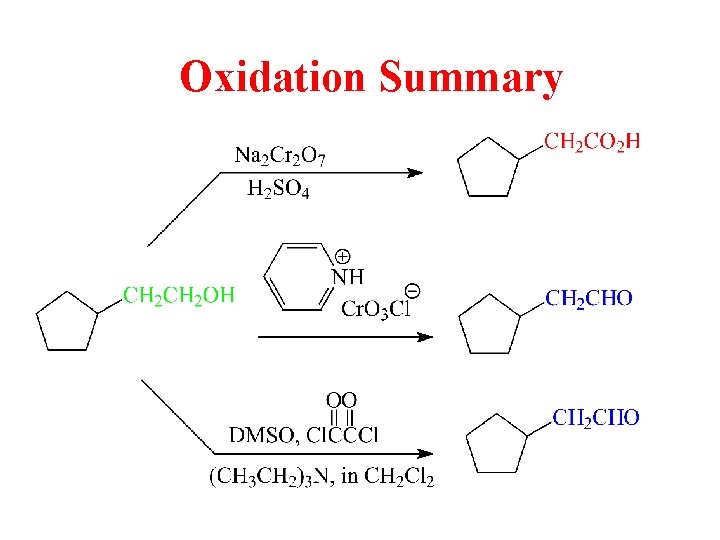
Oxidation Summary
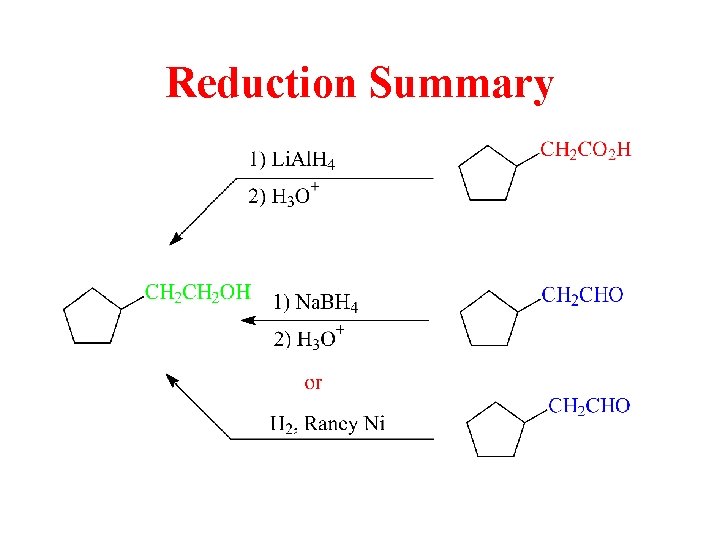
Reduction Summary
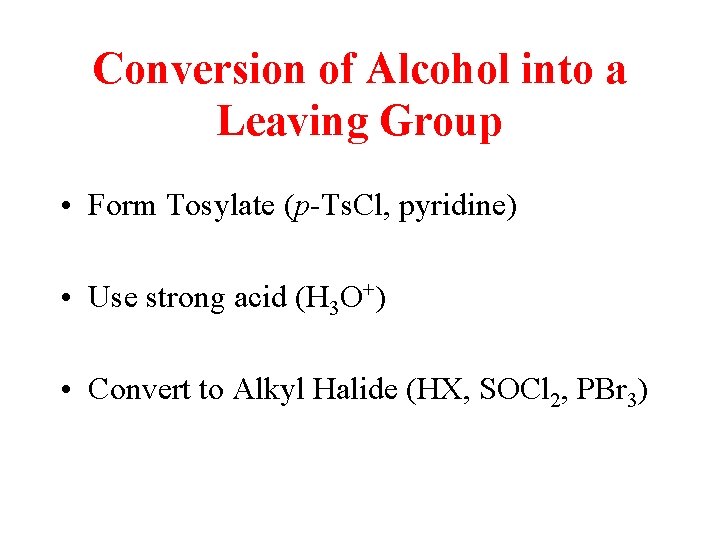
Conversion of Alcohol into a Leaving Group • Form Tosylate (p-Ts. Cl, pyridine) • Use strong acid (H 3 O+) • Convert to Alkyl Halide (HX, SOCl 2, PBr 3)
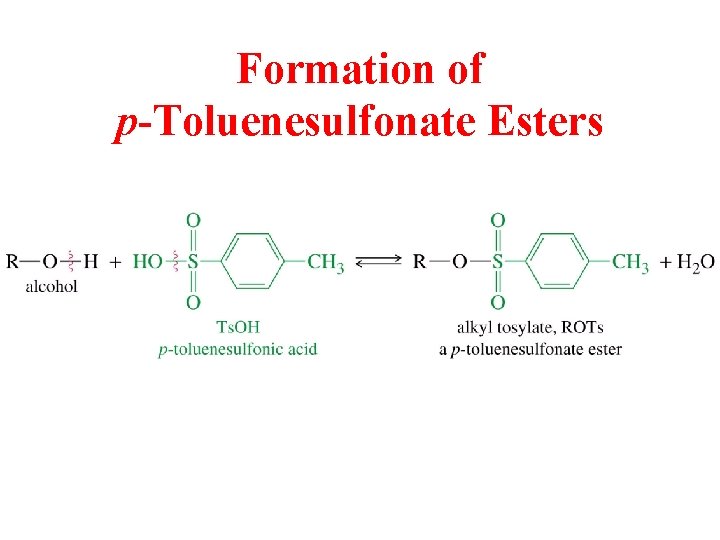
Formation of p-Toluenesulfonate Esters
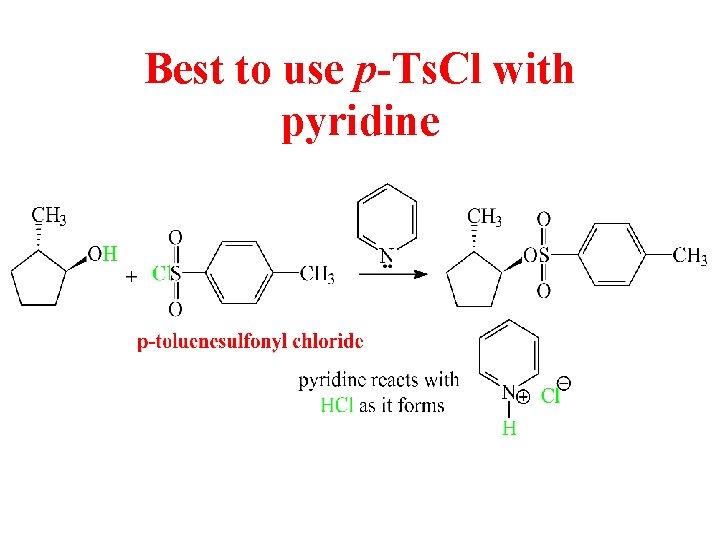
Best to use p-Ts. Cl with pyridine
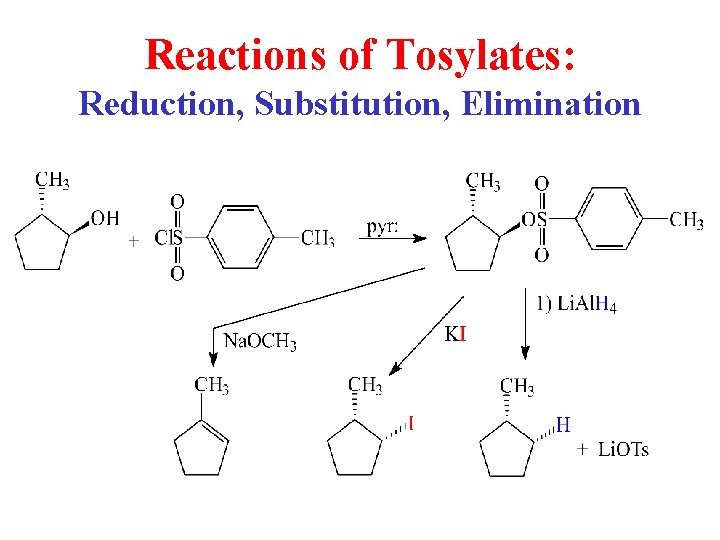
Reactions of Tosylates: Reduction, Substitution, Elimination
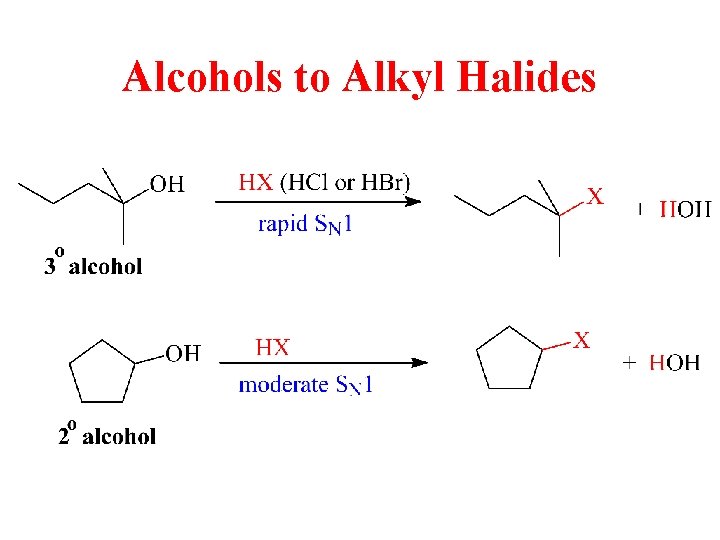
Alcohols to Alkyl Halides
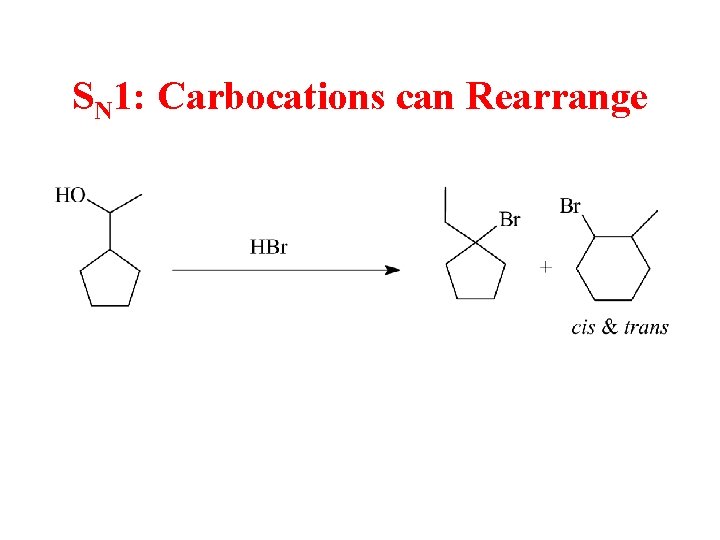
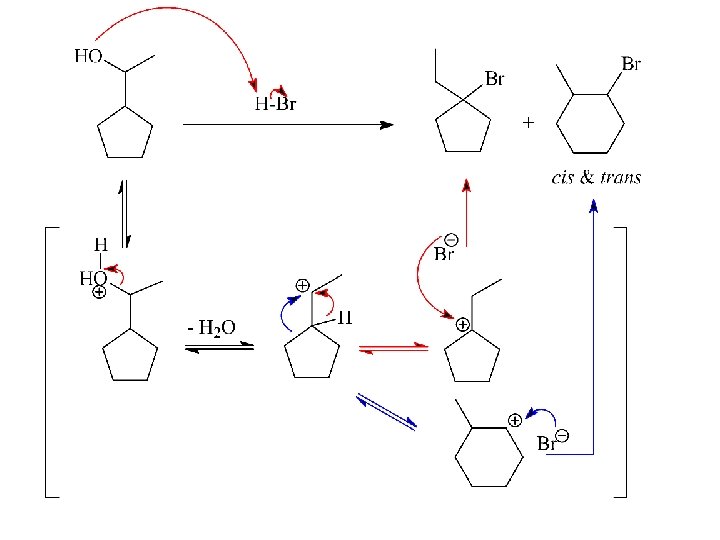
SN 1: Carbocations can Rearrange
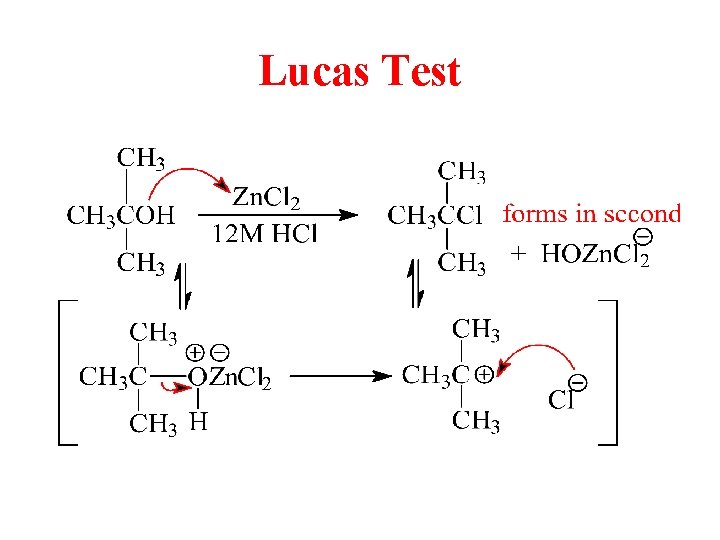
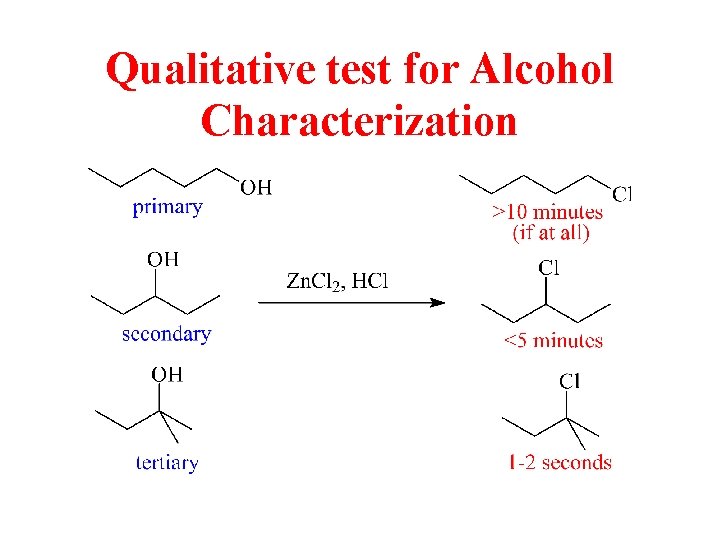
Lucas Test
Qualitative test for Alcohol Characterization
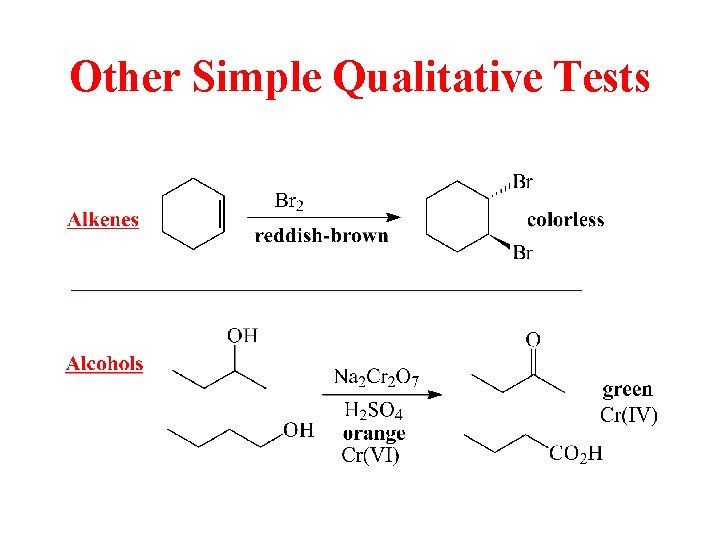
Other Simple Qualitative Tests
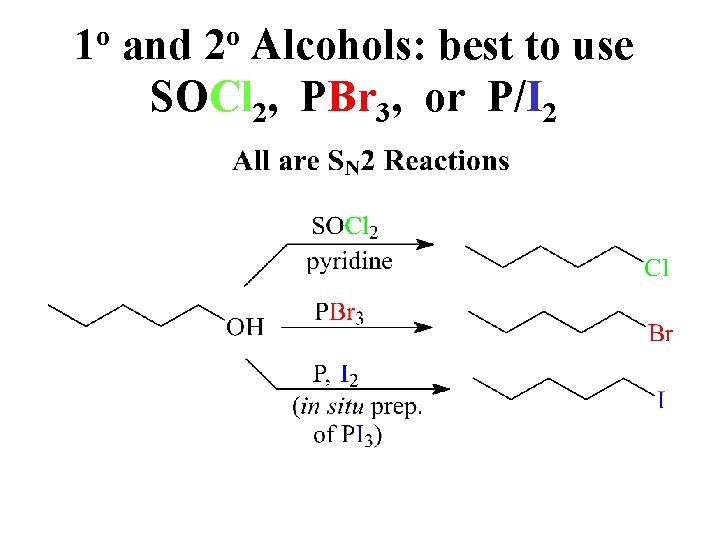
1 o and 2 o Alcohols: best to use SOCl 2, PBr 3, or P/I 2
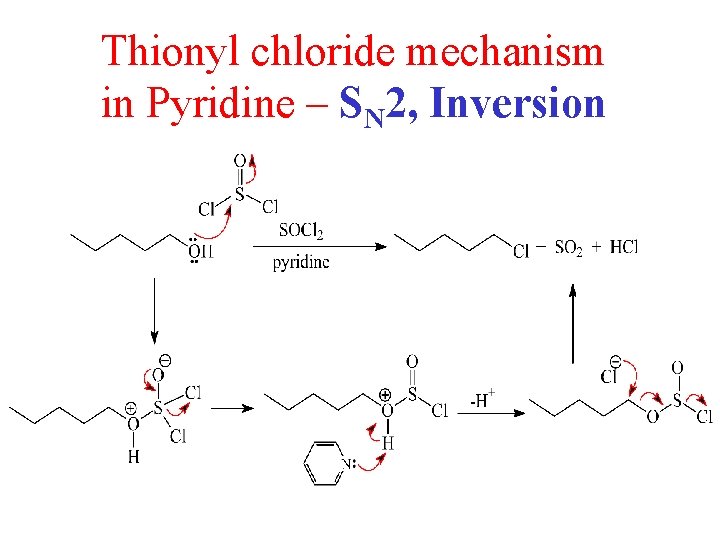
Thionyl chloride mechanism in Pyridine – SN 2, Inversion
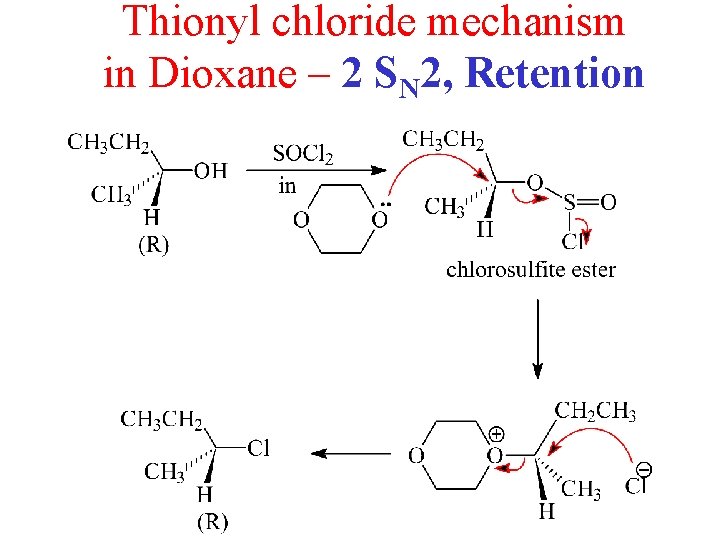
Thionyl chloride mechanism in Dioxane – 2 SN 2, Retention
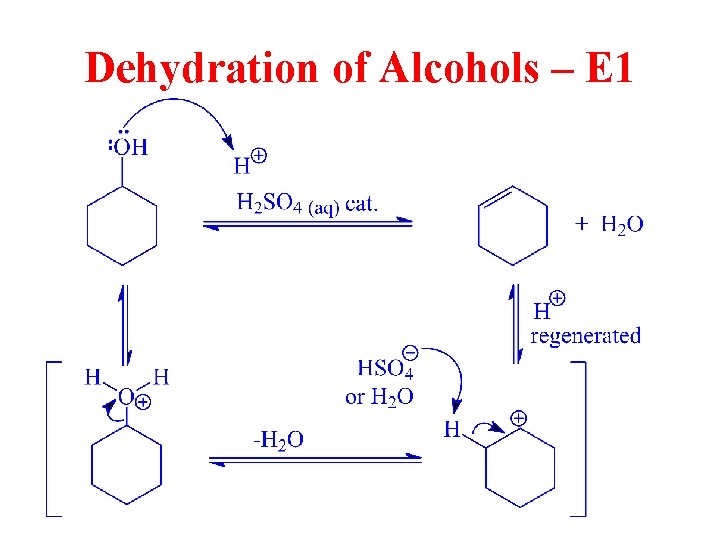
Dehydration of Alcohols – E 1
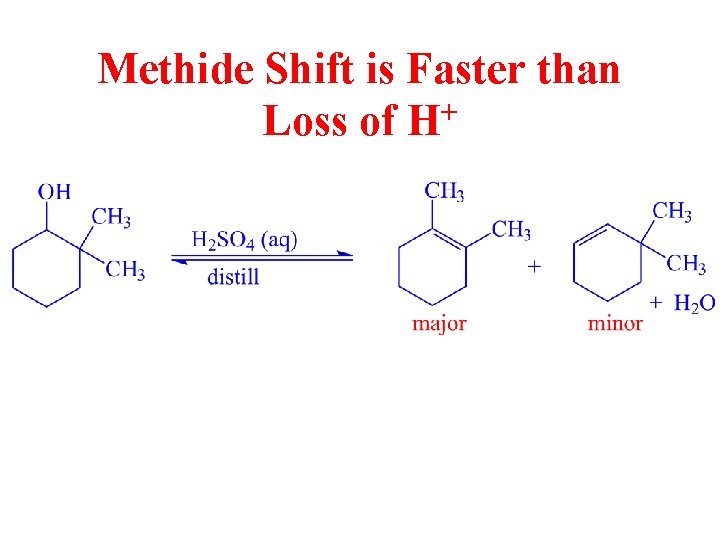
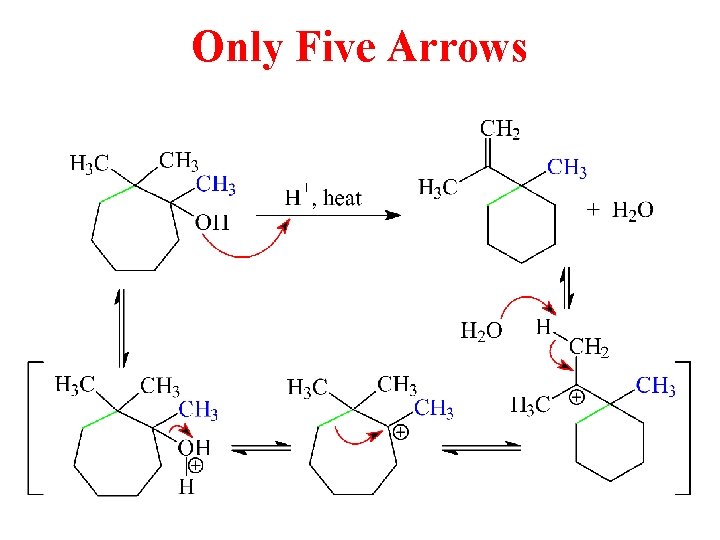
Methide Shift is Faster than Loss of H+
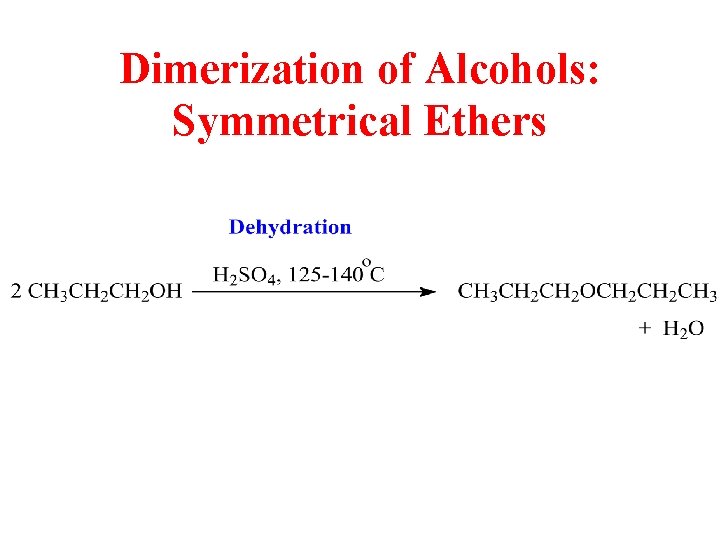
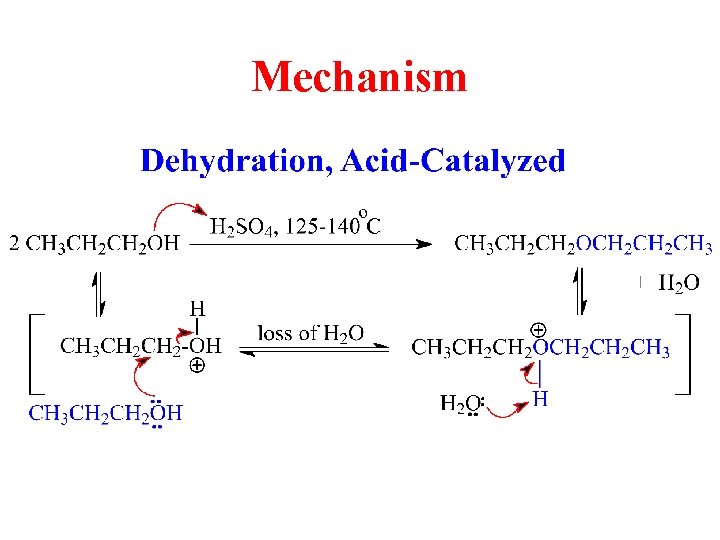
Dimerization of Alcohols: Symmetrical Ethers
Mechanism
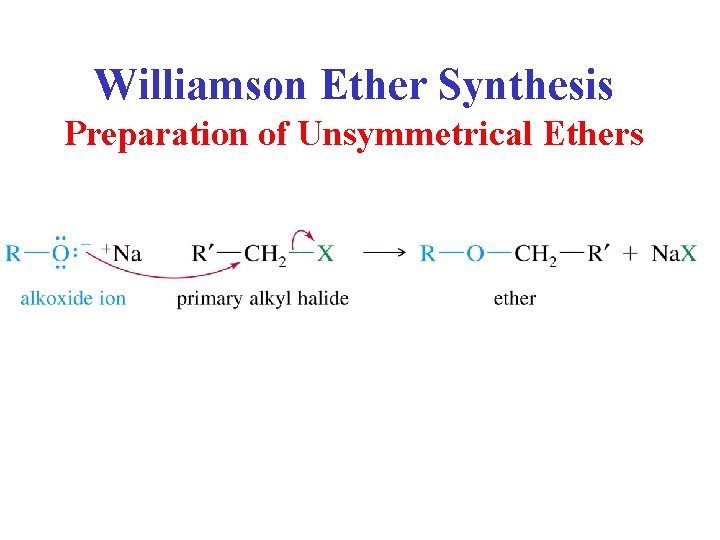
Williamson Ether Synthesis Preparation of Unsymmetrical Ethers
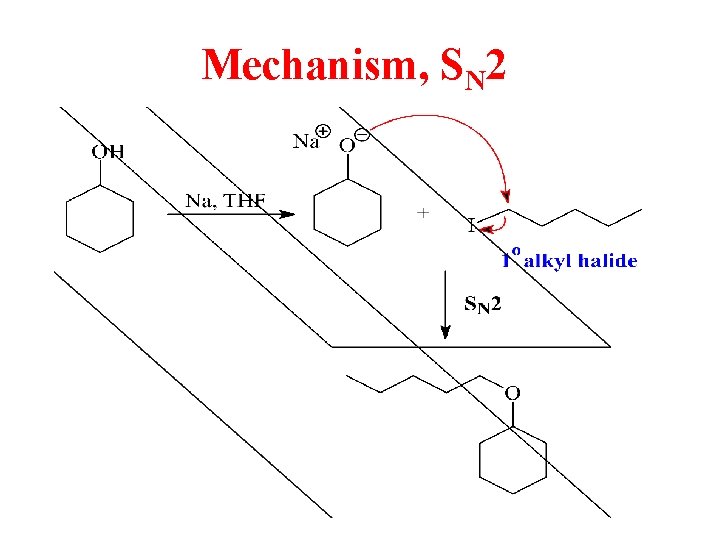
Mechanism, SN 2
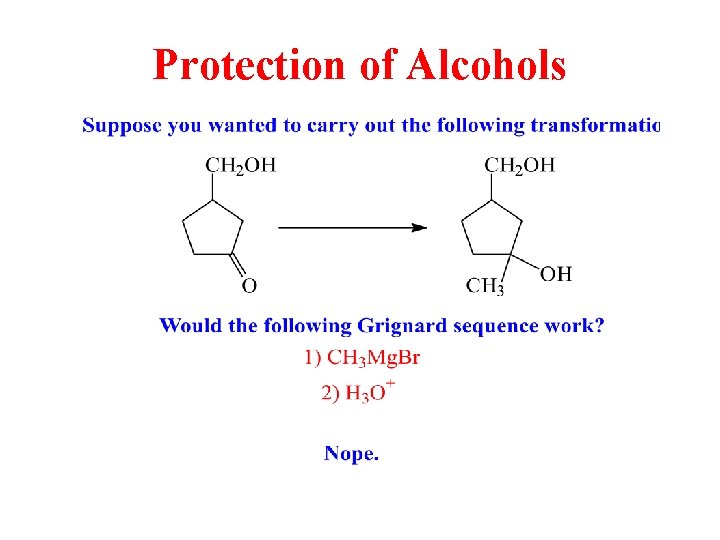
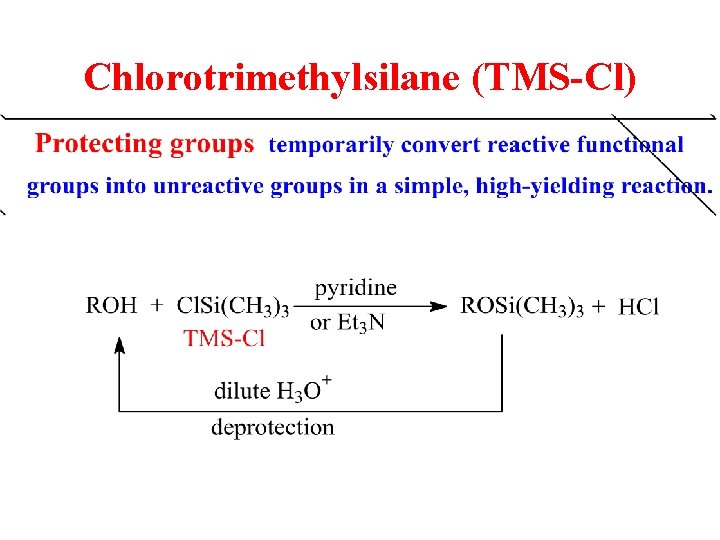
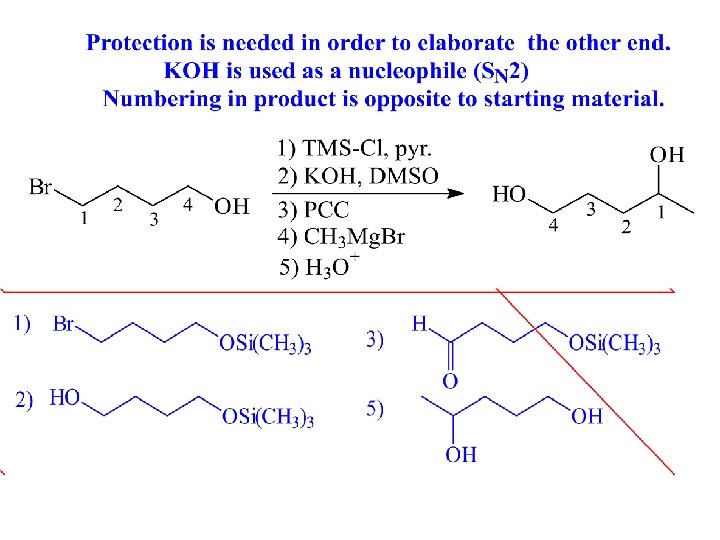
Protection of Alcohols
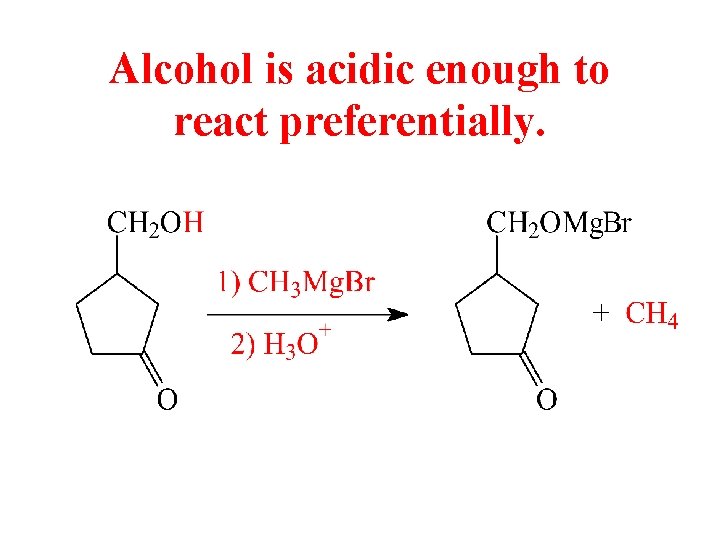
Alcohol is acidic enough to react preferentially.
Chlorotrimethylsilane (TMS-Cl)
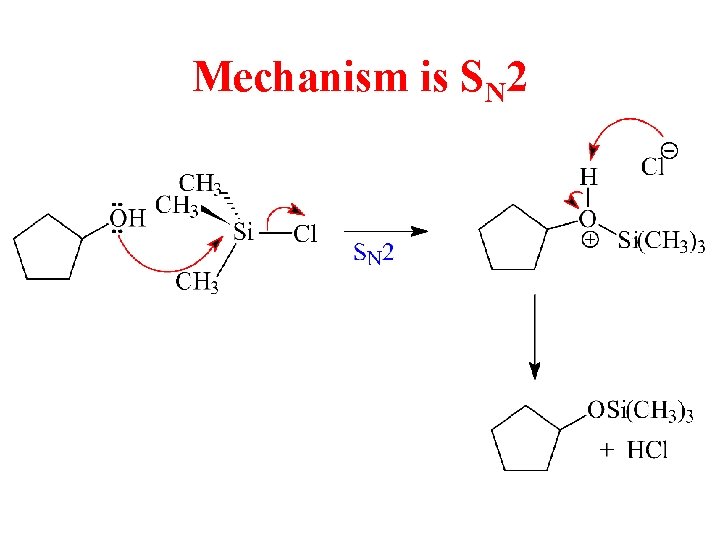
Mechanism is SN 2
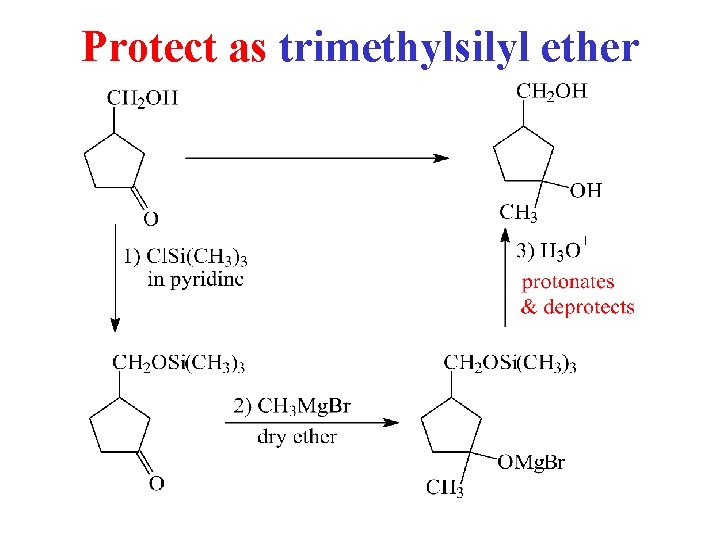
Protect as trimethylsilyl ether
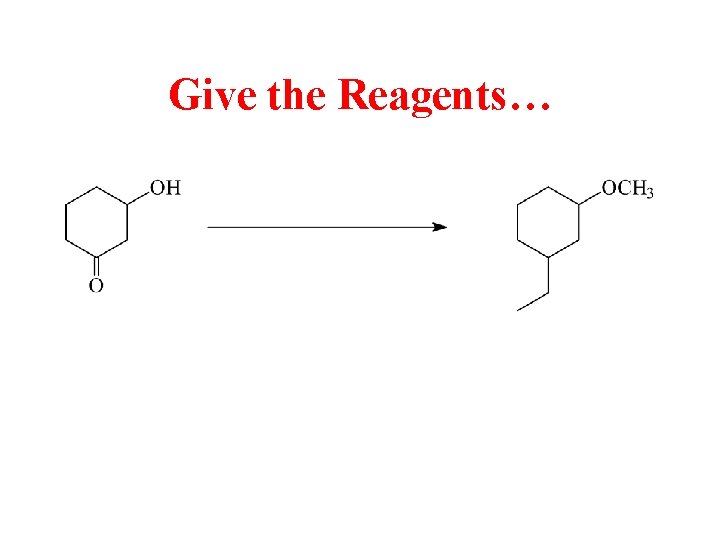
Give the Reagents…
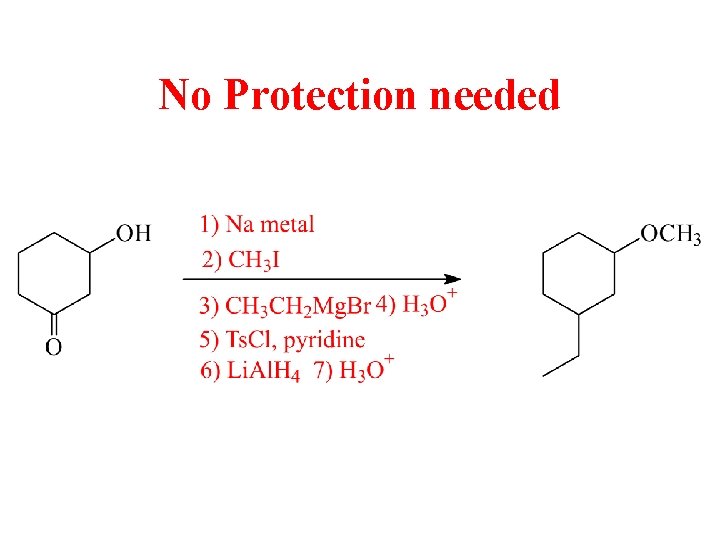
No Protection needed
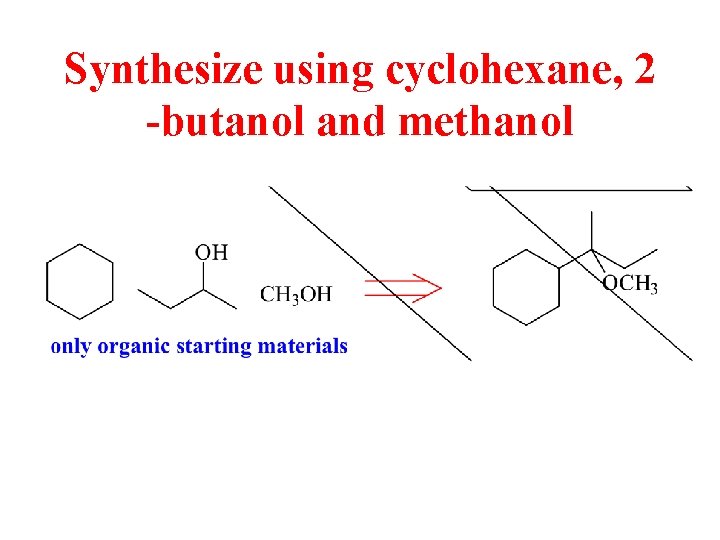
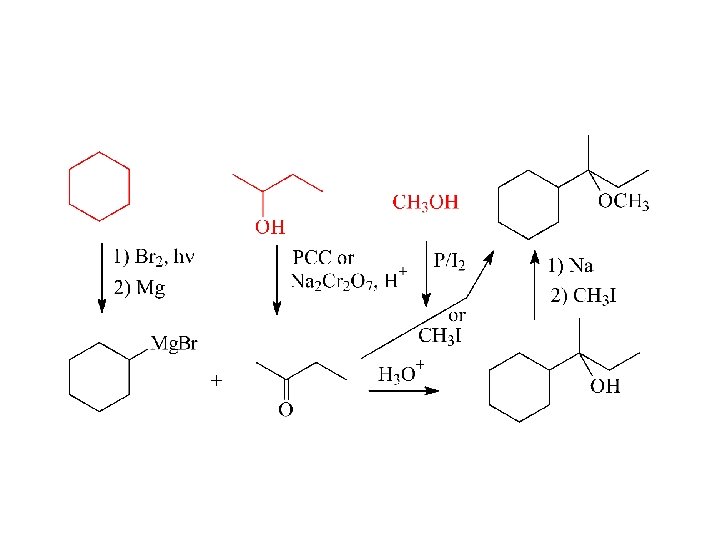
Synthesize using cyclohexane, 2 -butanol and methanol
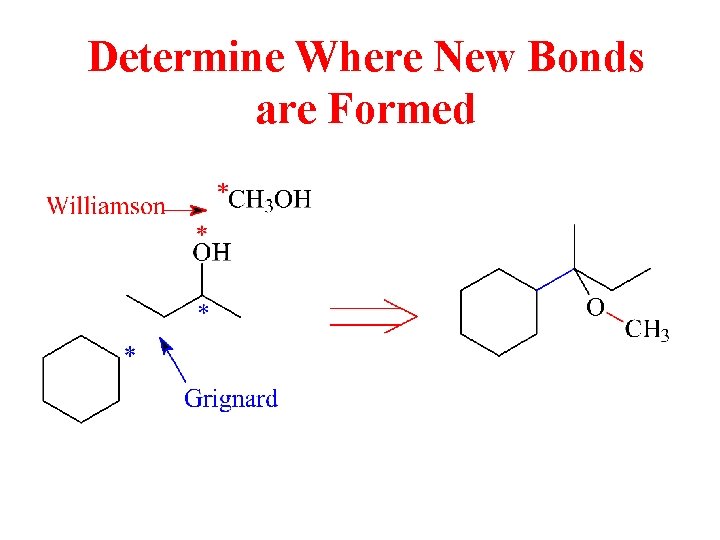
Determine Where New Bonds are Formed
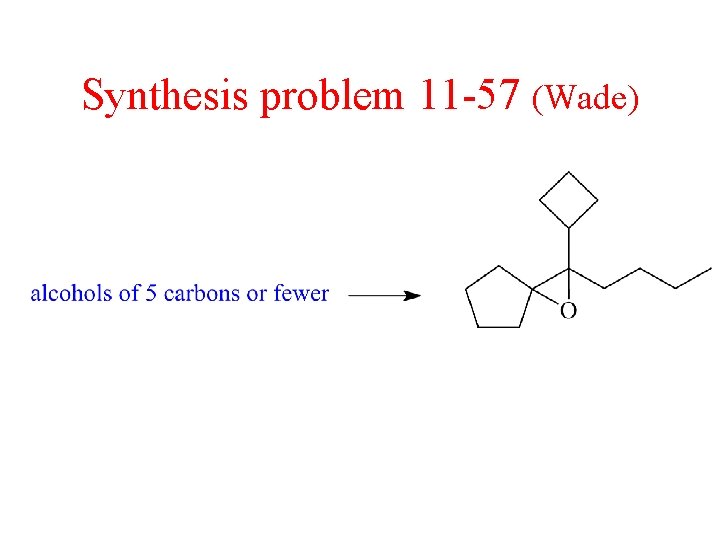
Synthesis problem 11 -57 (Wade)
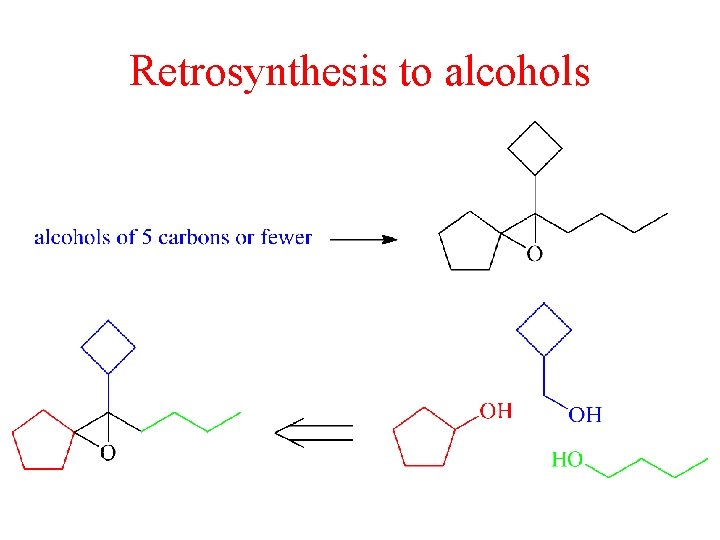
Retrosynthesis to alcohols
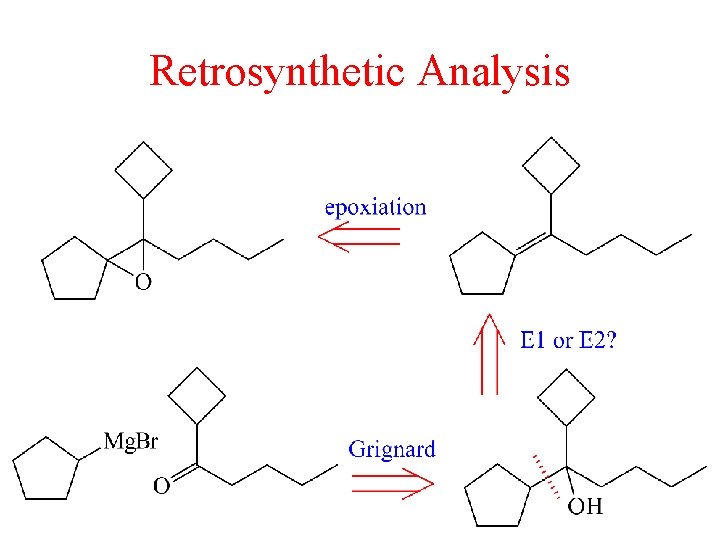
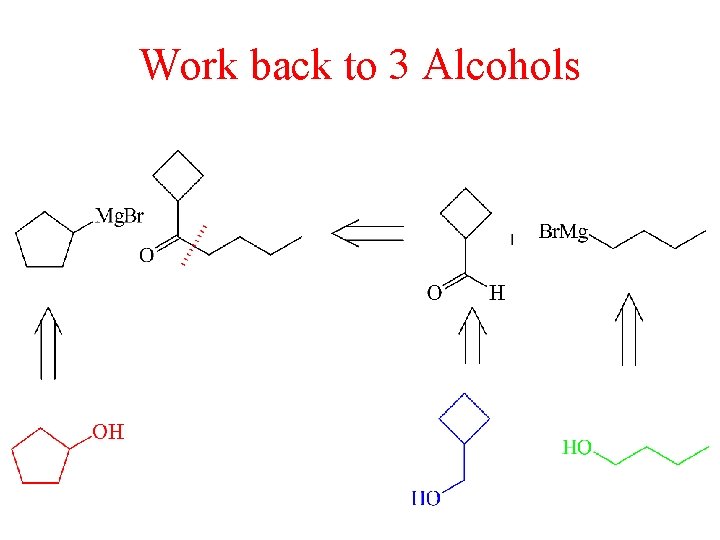
Retrosynthetic Analysis
Work back to 3 Alcohols
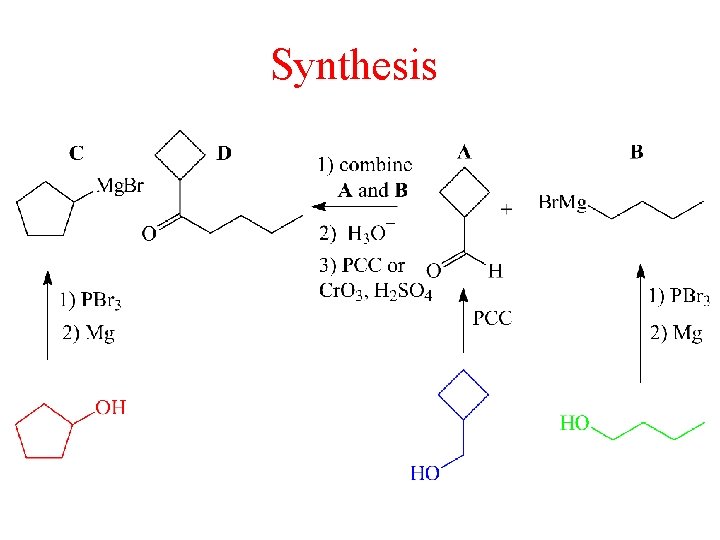
Synthesis
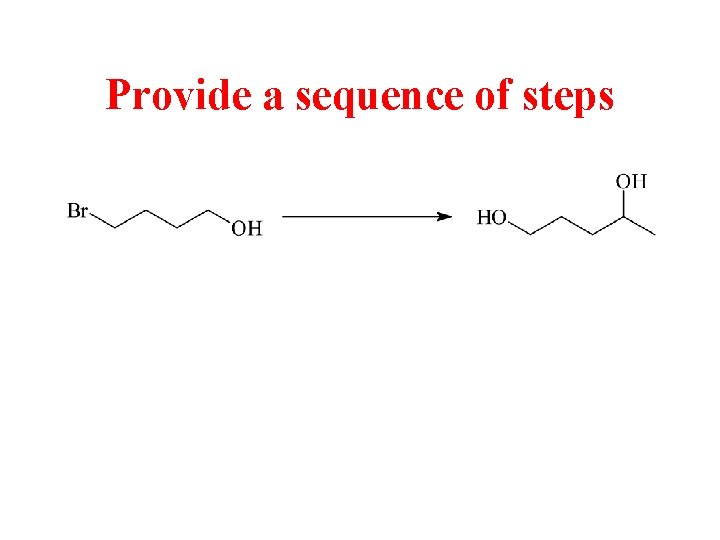
Provide a sequence of steps
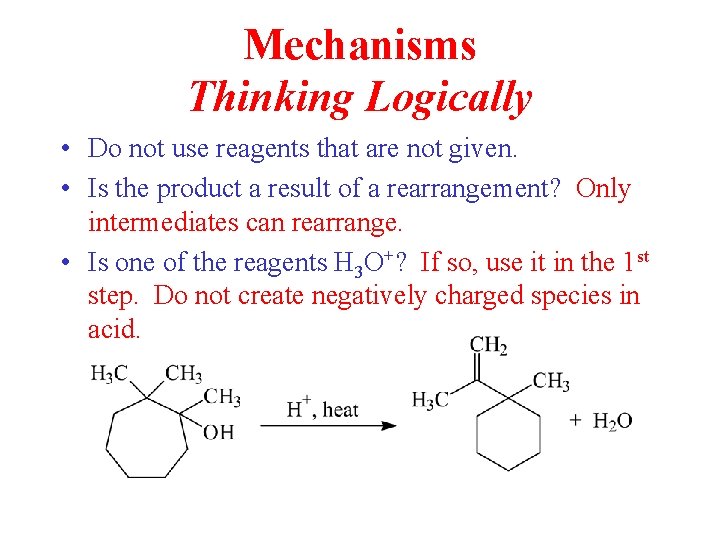
Mechanisms Thinking Logically • Do not use reagents that are not given. • Is the product a result of a rearrangement? Only intermediates can rearrange. • Is one of the reagents H 3 O+? If so, use it in the 1 st step. Do not create negatively charged species in acid.
Only Five Arrows
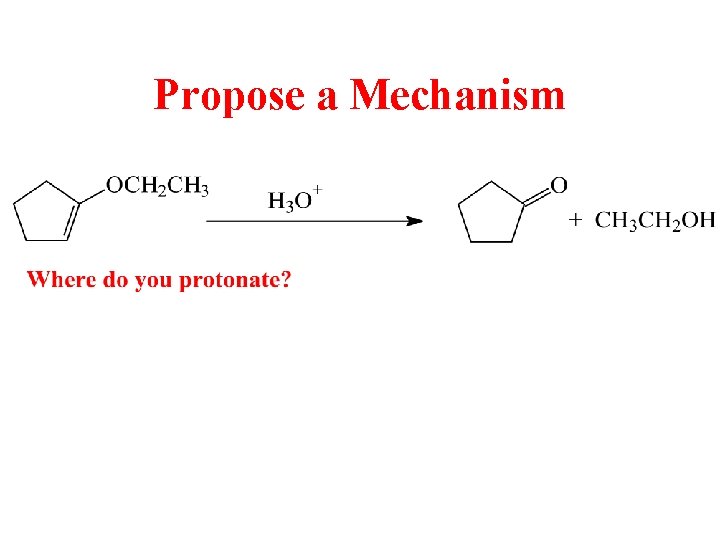
Propose a Mechanism
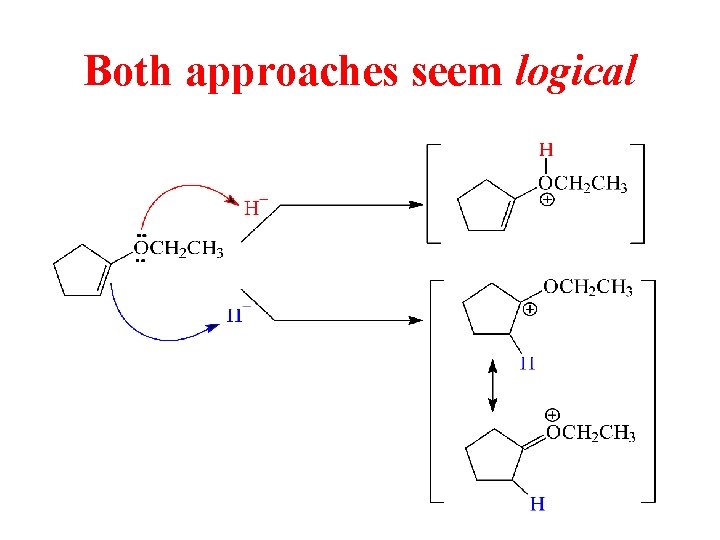
Both approaches seem logical
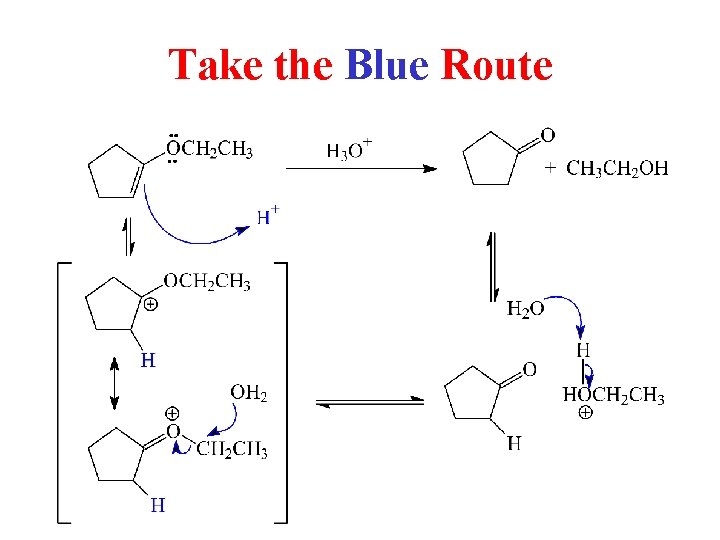
Take the Blue Route