
Reaching out to the community Advice for an





- Slides: 41
Reaching out to the community Advice for an effective presentation Lisa Jensen & Shangmei Hou
1. Planning & preparing an interactive presentation 2. Tips for public speaking
Adult education learning principles • Autonomous and self-directed • Acknowledges experience and knowledge in the room • Goal oriented • Relevant • Practical • Demonstrates respect Knowles, 1970
Preparing an interactive presentation • • • Give yourself time to plan Explore various options for delivery Test/pilot if you can Make yourself a guide/outline Practice Time yourself
Find a community audience • • Through WCHRI Stakeholders Other interested people Leverage your work for different audiences (i. e. methods vs topic) • Your personal goals • Outside the box…
Engage that audience • Know your audience and tailor your presentation • Consider a two-way dialogue • Allow them to connect your work to their lives • Keep it clear and focused • Take advantage of multiple ways to explore concepts
Focus your topic • Doesn’t need to Shouldn’t be everything you’ve ever done • Have a SOCO (Single Overriding Communication Objective) • Obvious structure to help people follow along and connect the dots • A series of presentations? A snapshot? A summary? An overview? • NOT YOUR ENTIRE THESIS
Technical concepts • • Review your language + key terms What are critical concepts? How can you say it more simply? Will pictures/diagrams/graphs/infographics help with understanding? • Paraphrase/metaphor • Use examples • Clearly define terms when used
I love talking, but… Be a facilitator Explore adding: • • Video Activities Lists Games Quizzes Questions Discussion groups
Community Presentations • • • Take some chances! PLAN and PREPARE Focus on your audience Seek out opportunities to practice Find your own presentation style Have fun!
1. Planning & organizing an interactive presentation 2. Tips for public speaking
Public speaking o Before your speech o During your speech o Power. Points
Structure your presentation o Tell them what you’re going to say o Tell them what you’ve said
The sandwich o Opening o Body o Conclusion
Opening o Introduce topic, hypothesis & relevance o List supporting points o Establish connection
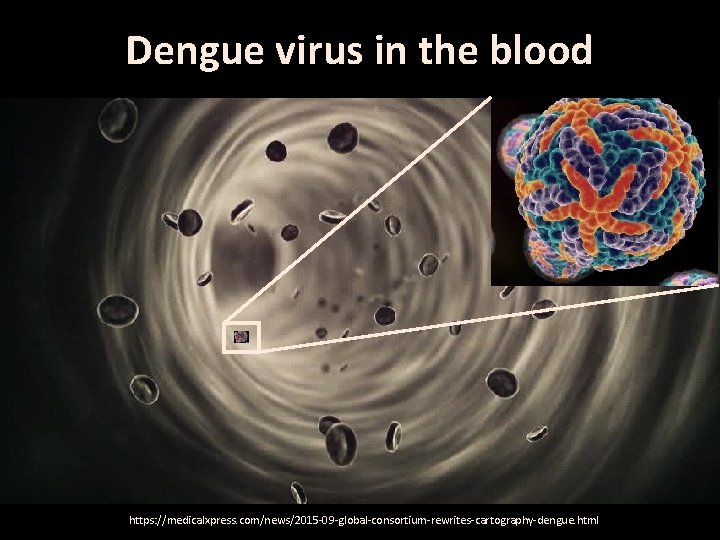
A memorable opening o Tell a story o Ask a question o Statistics o Images
Dengue virus in the blood https: //medicalxpress. com/news/2015 -09 -global-consortium-rewrites-cartography-dengue. html
Body o Supporting point #1 o Experiment #1 o ……………. #2 • Objective o ……………. #3 • Method • Data
Conclusion o Recap main points o Summarize core message o Call-to-action or future directions
Public speaking o Before your speech o During your speech o Power. Points
Remember to: o Enunciate clearly o Don't speak too fast o Control nervousness
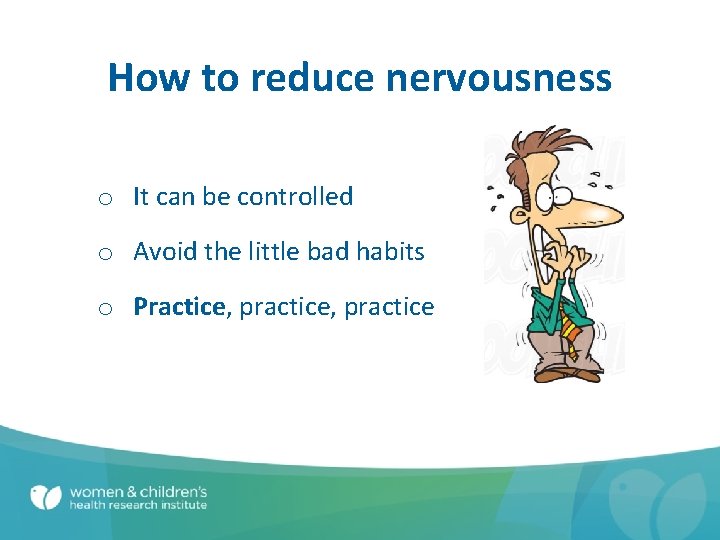
How to reduce nervousness o It can be controlled o Avoid the little bad habits o Practice, practice
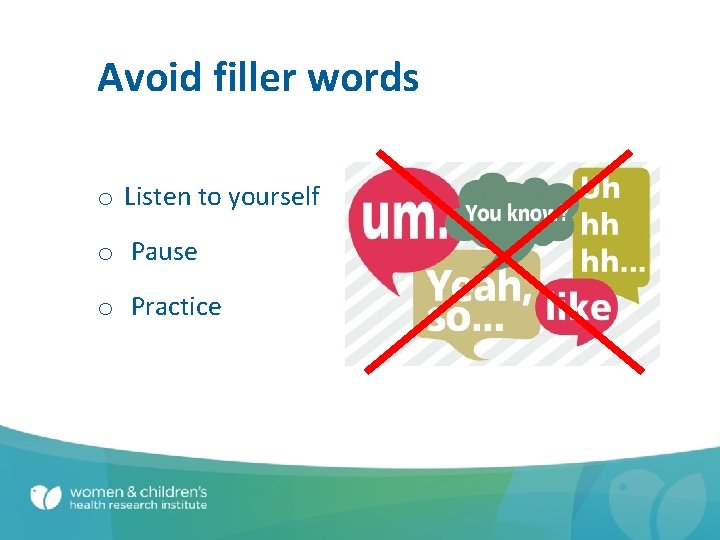
Avoid filler words o Listen to yourself o Pause o Practice
Use vocal variety: the V 3 Ps o Volume o Pitch o Pace o Pause
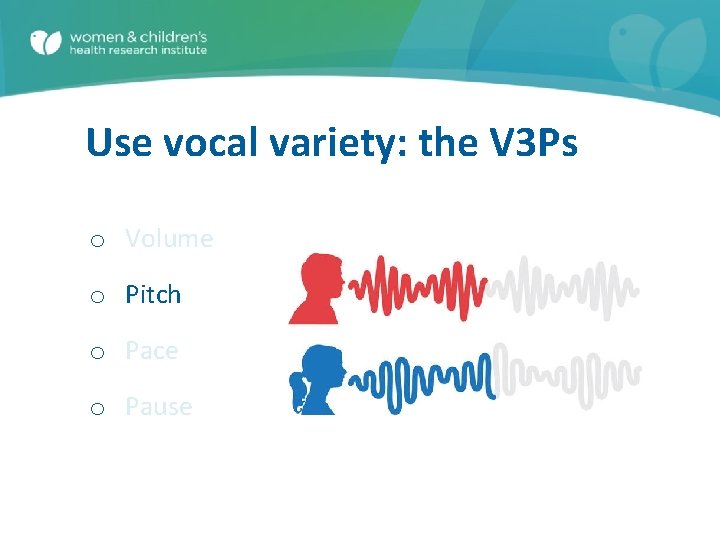
Use vocal variety: the V 3 Ps o Volume o Pitch o Pace o Pause
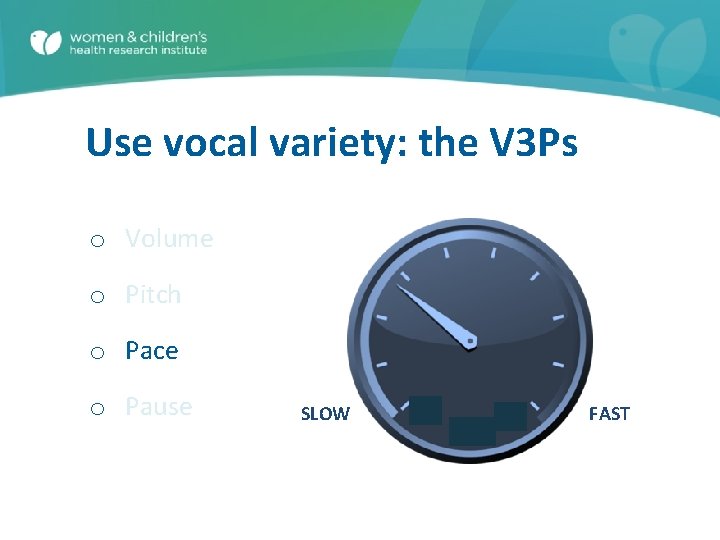
Use vocal variety: the V 3 Ps o Volume o Pitch o Pace o Pause SLOW FAST
Use vocal variety: the V 3 Ps o Volume o Pitch o Pace o Pause
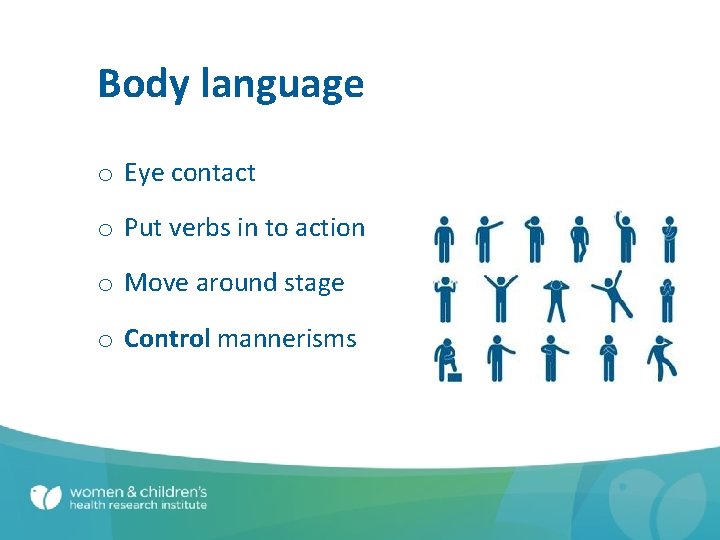
Body language o Eye contact o Put verbs in to action o Move around stage o Control mannerisms
Public speaking o Before your speech o During your speech o Power. Points
First of all… Show only what you will talk about
Font o Visible size o Be consistent o Use emphasis appropriately o Keep text simple
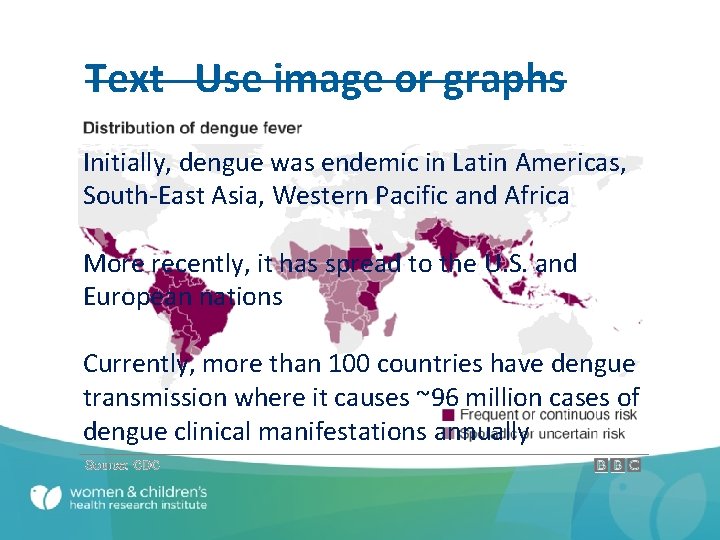
Text Use image or graphs Initially, dengue was endemic in Latin Americas, South-East Asia, Western Pacific and Africa More recently, it has spread to the U. S. and European nations Currently, more than 100 countries have dengue transmission where it causes ~96 million cases of dengue clinical manifestations annually
When you present… o Face the audience o Synchronize slides with your messages o Use a pointer o Effective animations
Animation: bad example • It is important to remember not to use too many words on powerpoint slides • It is also important to remember the transition slides/messages • Do not speak too fast otherwise you will lose your audience • Humor can be used as long as it is appropriate
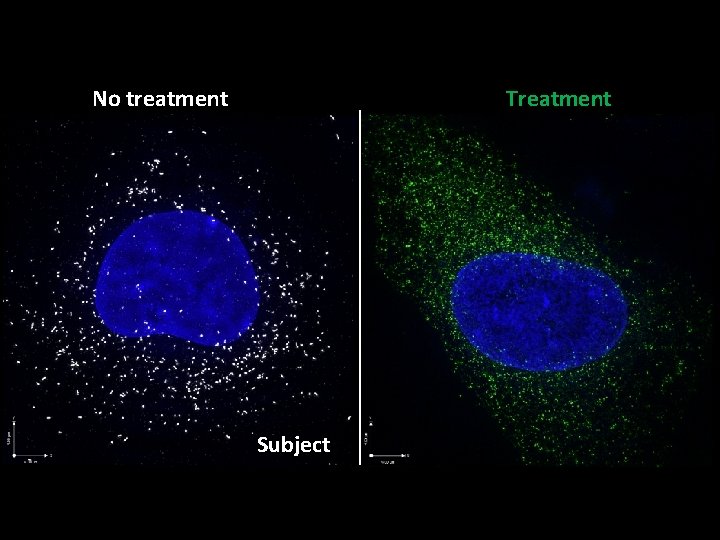
No treatment Treatment Subject
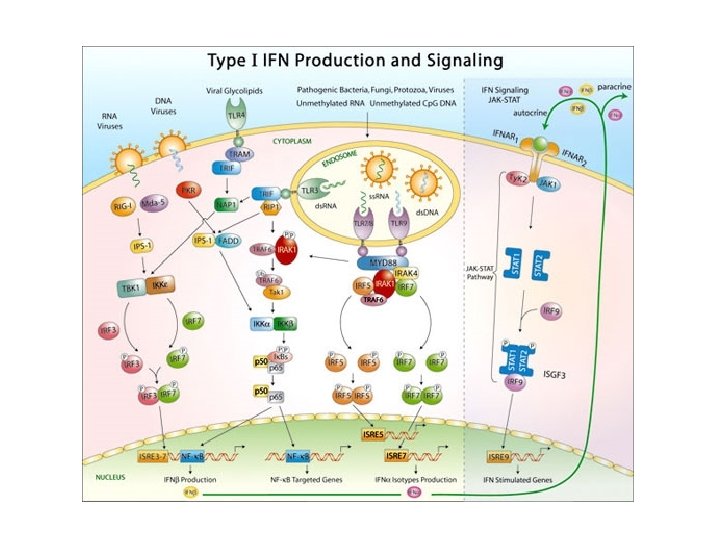
Describing technical stuff… o Diagram, graph, image o Keep it simple o Use animation
Acknowledge o Statements o Logos
Acknowledgement Our Ph. D research has been funded by the generous support of the Stollery Children's Hospital Foundation through the Women and Children’s Health Research Institute (WCHRI).
Public speaking o Before: structure your speech (the sandwich) o During: avoid jargons, use body languages, vocal variety o Power. Points: keep text simple, use effective animations, describe diagrams and graphs o Acknowledgement
Thank you! Our Ph. D research has been funded by the generous support of the Stollery Children's Hospital Foundation through the Women and Children’s Health Research Institute.