
Ray Box Investigations For Reflection Refraction and Total
Ray Box Investigations For Reflection - Refraction and Total Internal Reflection Created for CVCA Physics By Dick Heckathorn 1 June 2 K + 5
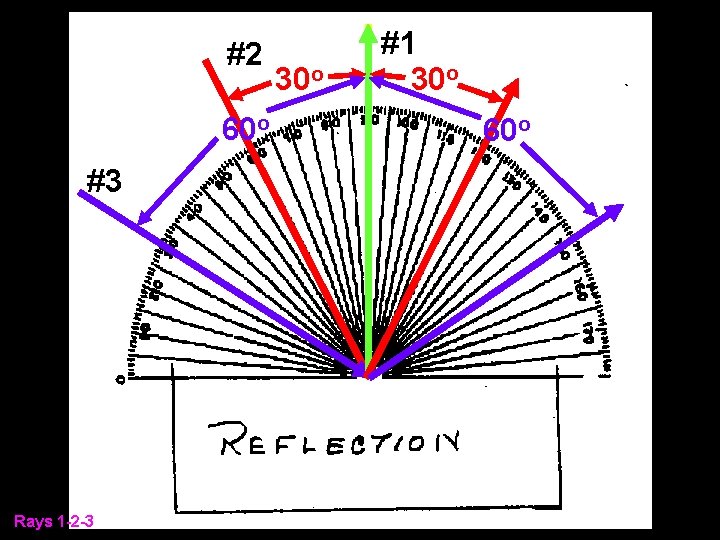
#2 60 o #3 Rays 1 -2 -3 30 o #1 30 o 60 o
Conclusion The angles are measured from the normal. The angle of incidence equals the angle of reflection.
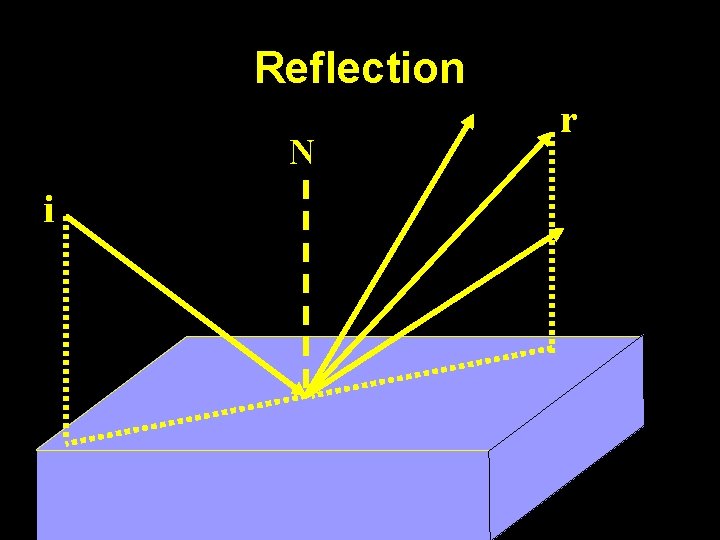
Reflection N i r
Conclusion The angles are measured from the normal. The angle of incidence equals the angle of refraction. The incident ray, reflected ray and the normal all lie in the same plane.
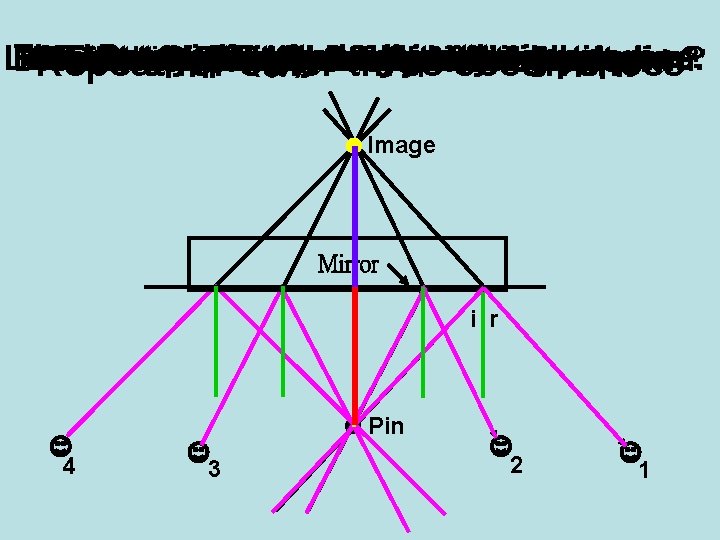
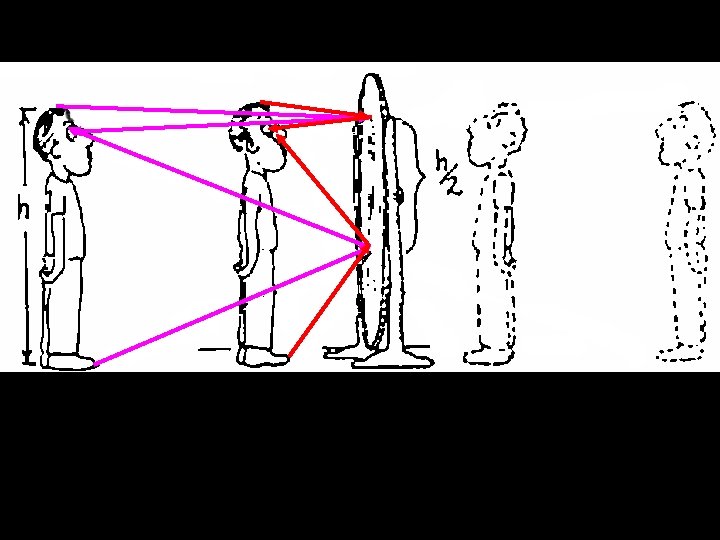
How does length of red and purple line compare? How is this line oriented relative to mirror line? Draw a line from object to image The image is located where the rays cross. Extend reflected rays behind mirror Locate Reflect Insert reflection ray a. Repeat pin of light (1) surface on from reflected mirror of mirror light as shown. on ray. line. Mark and draw Remove the light mirror rays on paper for 3 and 4. Draw normal lines and compare angle ‘i’ and ‘r’ Insert pin into cardboard as shown. Reflect Insert afor 2 nd pin (2) ray on ray and draw shown it. Draw line across center of paper Repeat other three occurrences Image Mirror i r Pin 4 3 2 1
Conclusion The image is always as far behind the reflecting surface (mirror) as the object is in front. The line connecting the image and object is perpendicular to the reflecting surface (mirror).
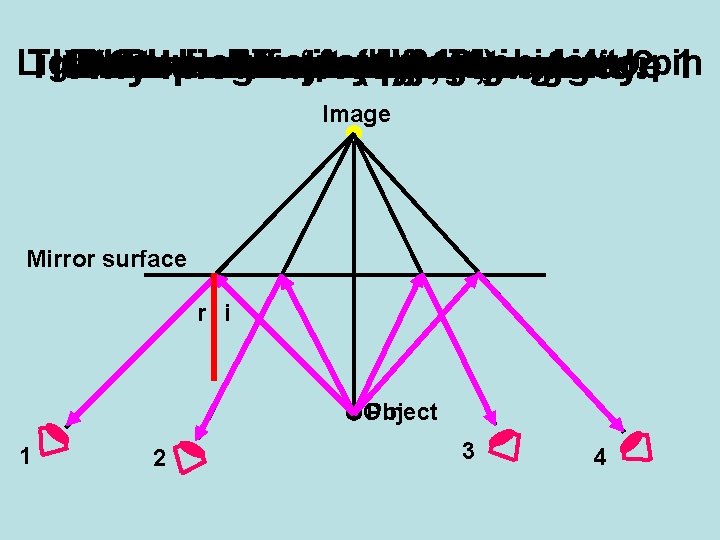
Light travels this from object to pin Then Draw Note Connect Repeat draw line angle Locate line from representing for eye ‘i’path from eye equals (1) object. eye image 2, and mirror (1) 3, image angle to and image mirror to 4 eye ‘r’ 1 Why know where the is? Image Mirror surface r i Object Pin 1 2 3 4
Conclusion Locating the image allows one to predict the path light will travel from the object to some location.
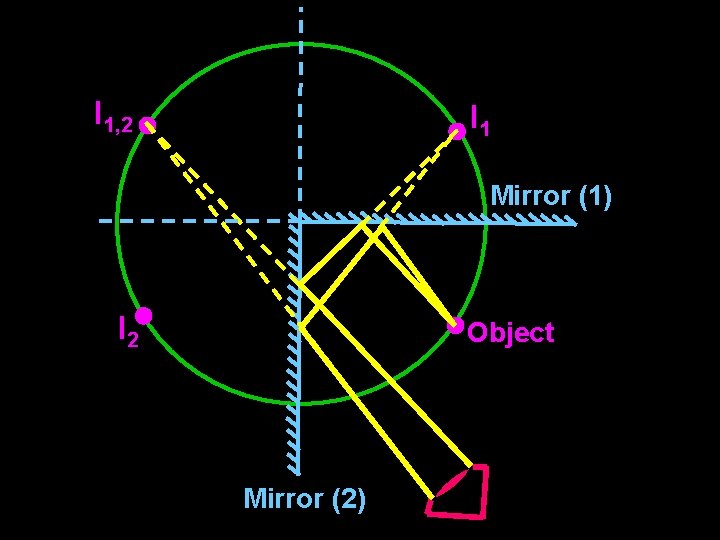
I 1, 2 I 1 Mirror (1) I 2 Object Mirror (2)
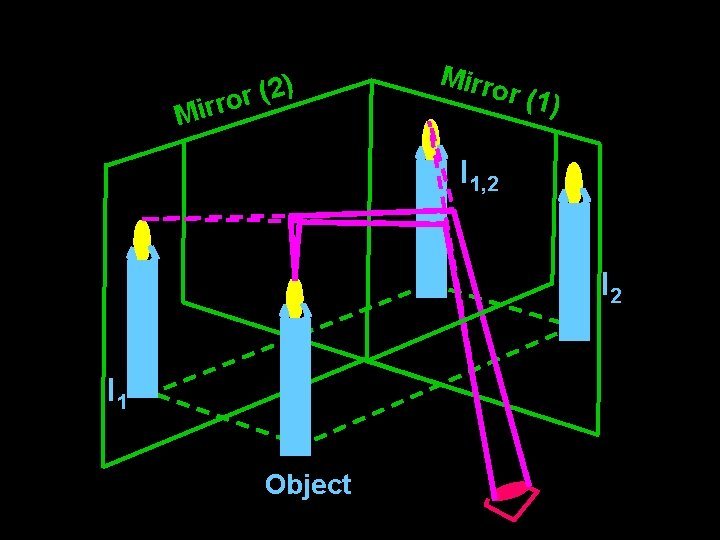
) 2 ( r o Mirro r (1) I 1, 2 I 1 Object
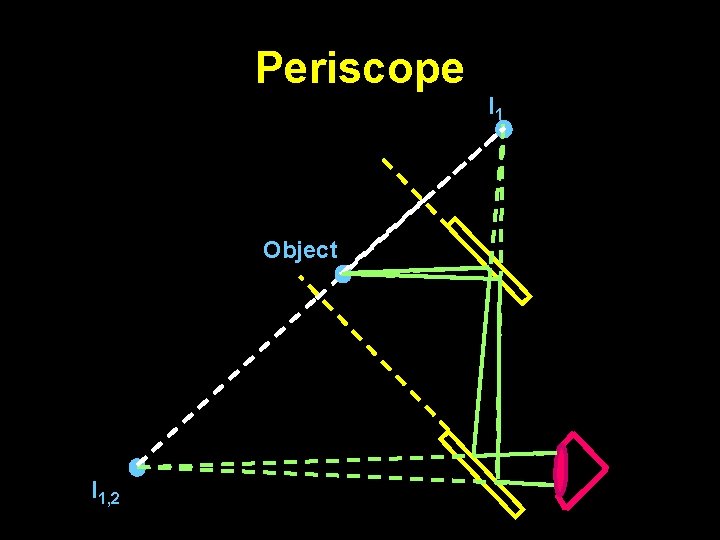
Periscope Object I 1, 2 I 1
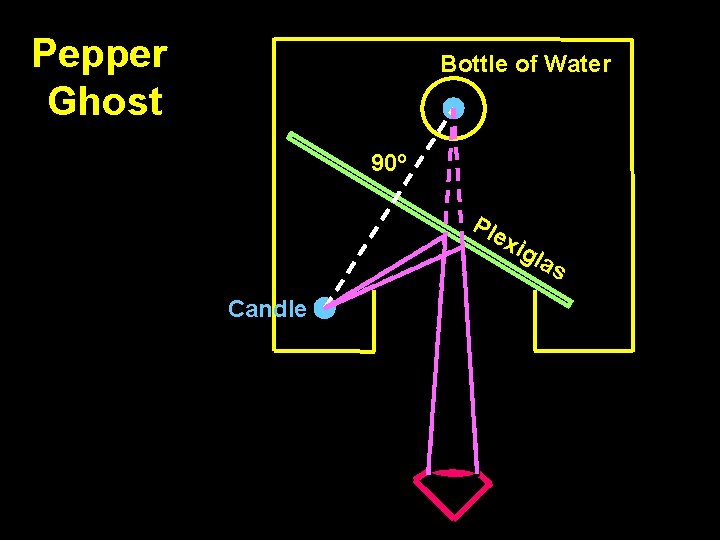
Pepper Ghost Bottle of Water 90 o Ple xig Candle las
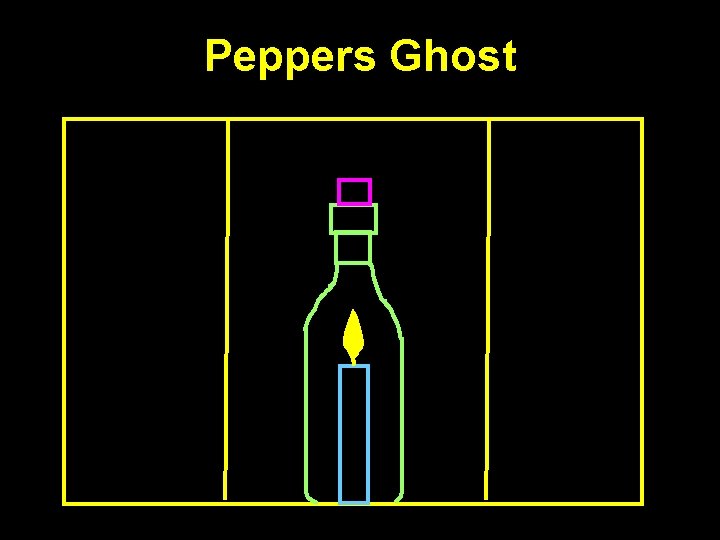
Peppers Ghost
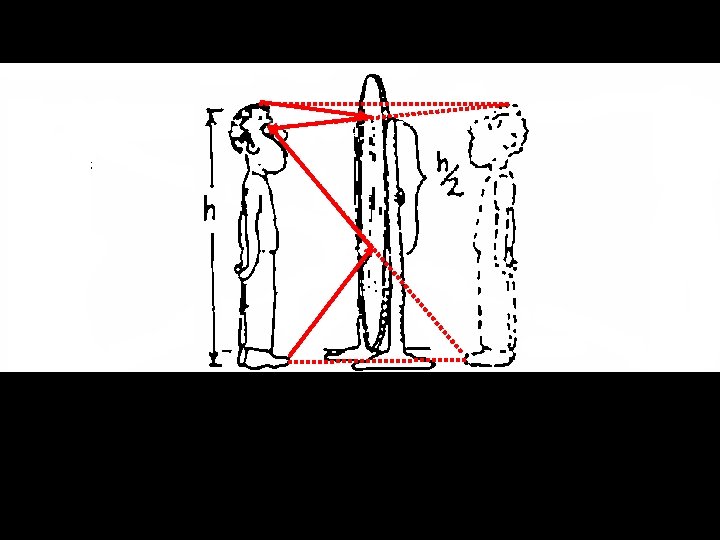
T 29 -1 B
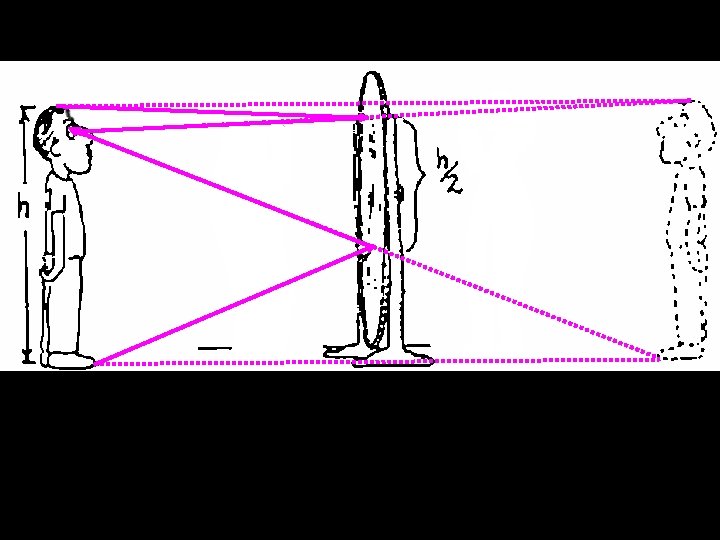
T 29 -1 B
T 29 -1 B
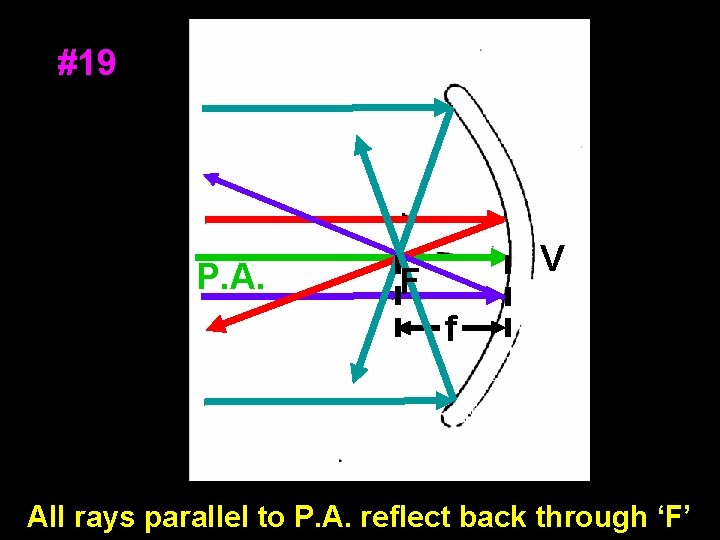
#19 P. A. V F f All rays parallel to P. A. reflect back through ‘F’
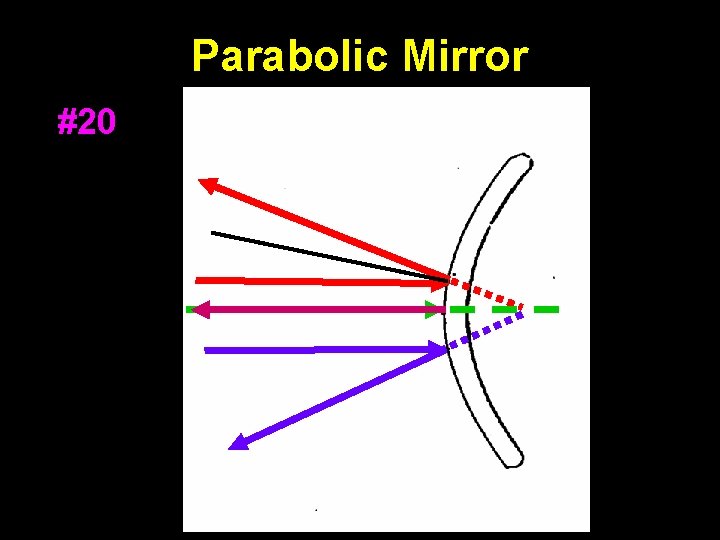
Parabolic Mirror #20
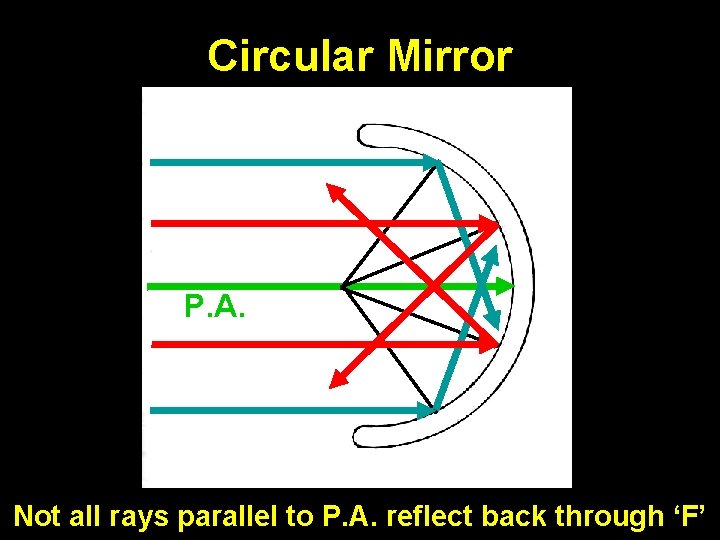
Circular Mirror P. A. Not all rays parallel to P. A. reflect back through ‘F’
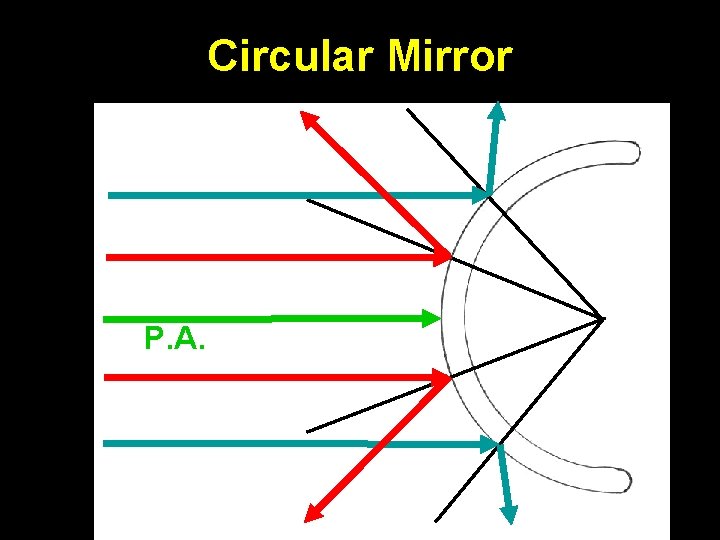
Circular Mirror P. A.
Go to curved mirror Power. Point. Click
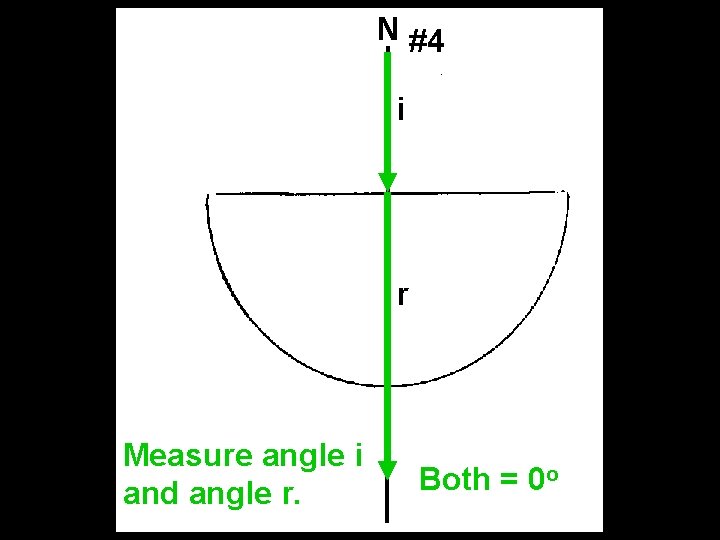
N #4 i r Measure angle i and angle r. Both = 0 o
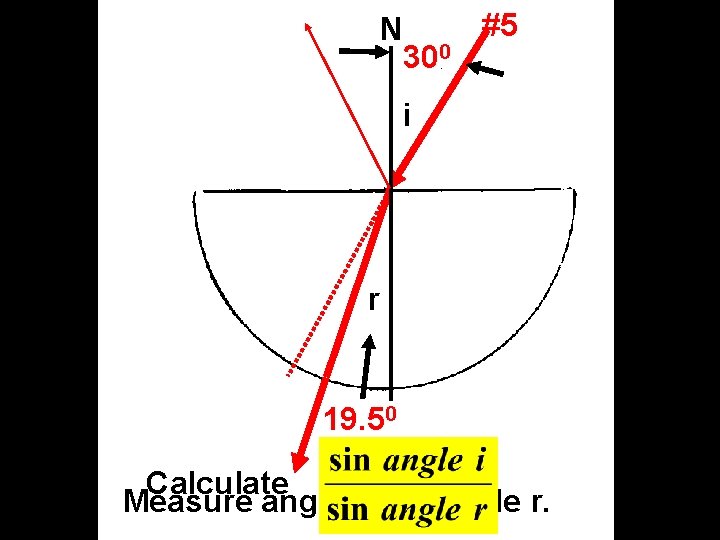
N 300 #5 i r 19. 50 Calculate Measure angle i and angle r.
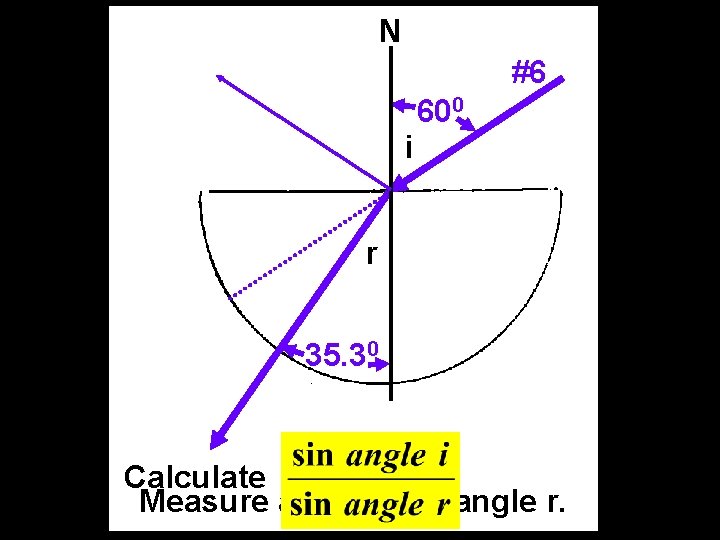
N #6 600 i r 35. 30 Calculate Measure angle i and angle r.
Using for both angles, what value did you get? It should be near 1. 50 is called the index of refraction (n. P) of the plastic.
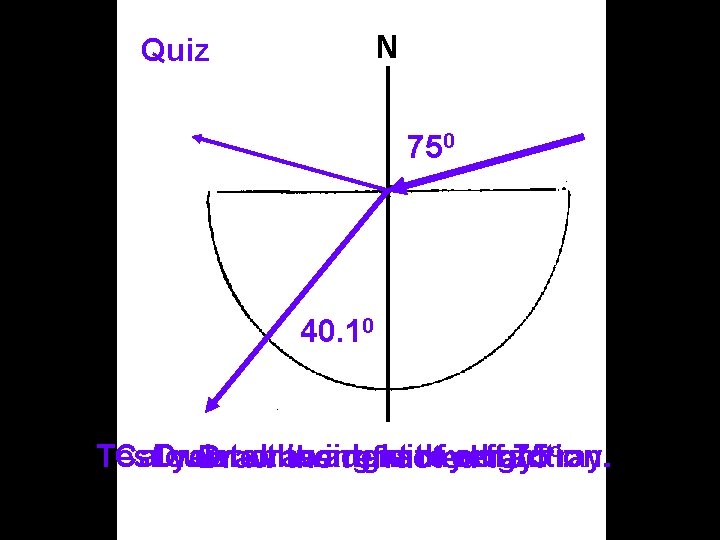
N Quiz 750 40. 10 Calculate Draw an the incident angle of raya refraction. of 75 oray. . Test your drawing with light Draw the refracted ray.
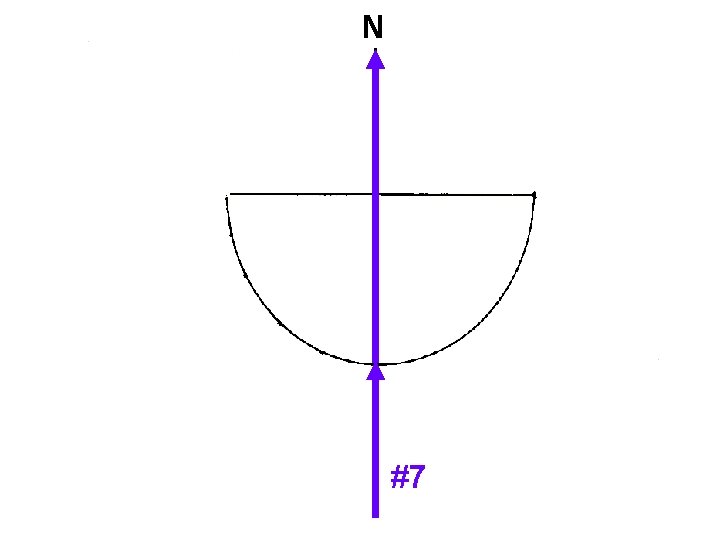
N #7
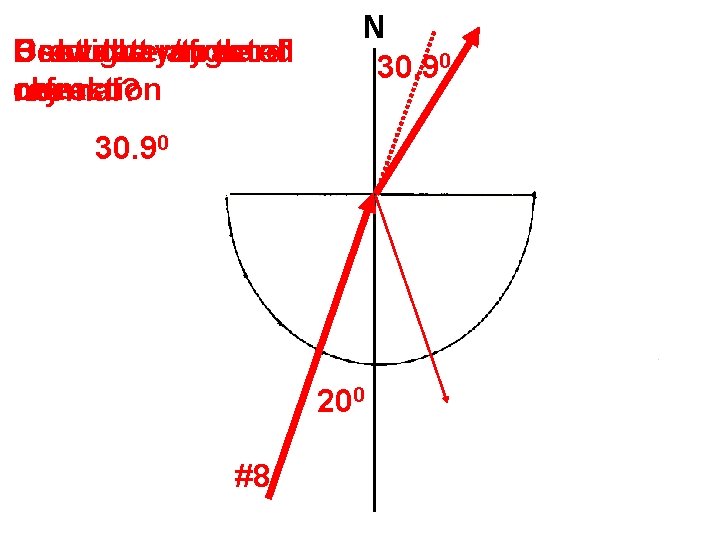
Calculate angle Use light to of Bent Draw away/toward the ray refracted refraction check. normal? ray N 30. 90 200 #8
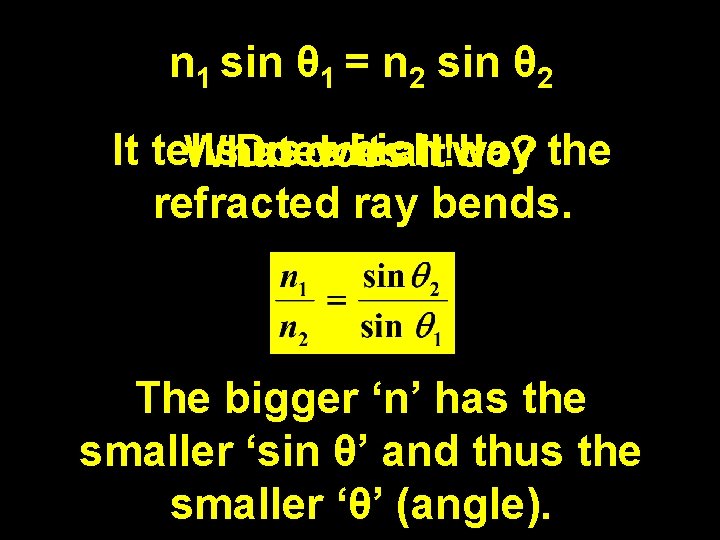
n 1 sin θ 1 = n 2 sin θ 2 It tells usdoes which Does it all!!! What it way do? the refracted ray bends. How? The bigger ‘n’ has the smaller ‘sin θ’ and thus the smaller ‘θ’ (angle).
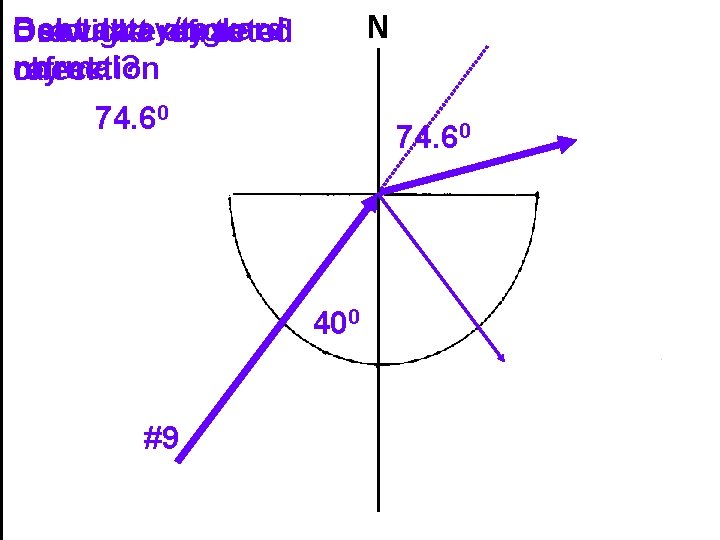
N Bent away/toward Calculate angle Draw the refracted Use light ray to of normal? refraction ray check. 74. 60 400 #9
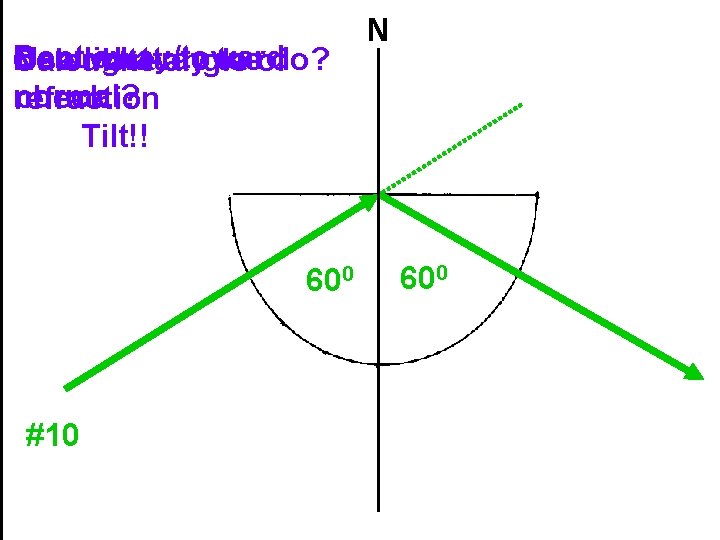
Bent away/toward Use light ray Now what do to weof do? Calculate angle normal? check. refraction Tilt!! 600 #10 N 600
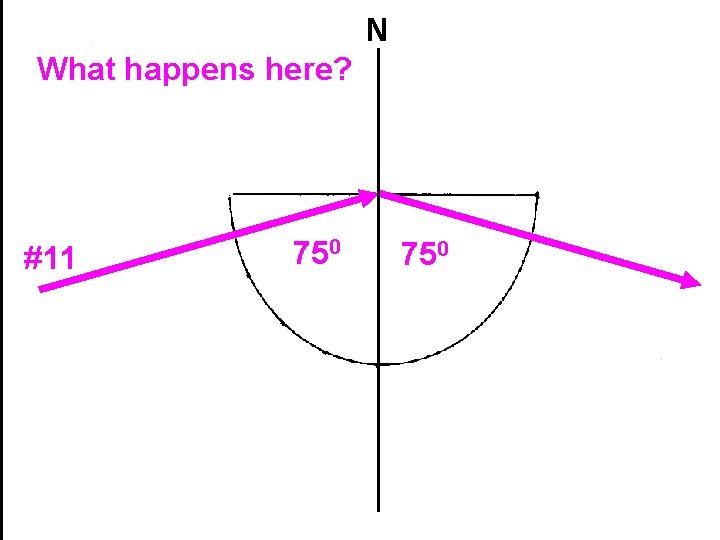
N What happens here? #11 750
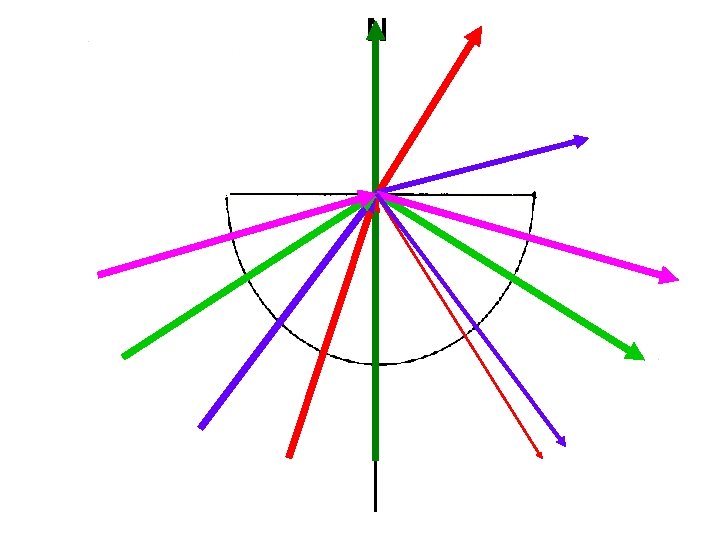
N
Demonstrations 1. T. I. R. Plastic 2. T. I. R. Water 3. T. I. R. Glass Tube 4. Ball in/out of Water 5. Mugs 6.
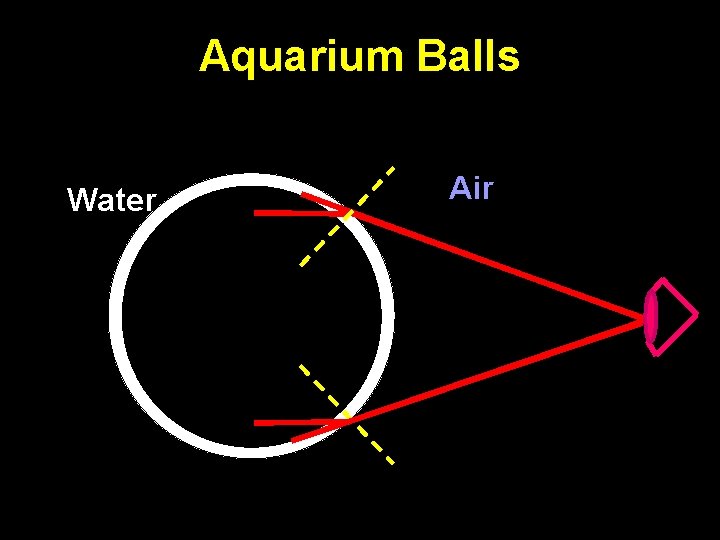
Aquarium Balls Demo – Aquarium Balls Water Air
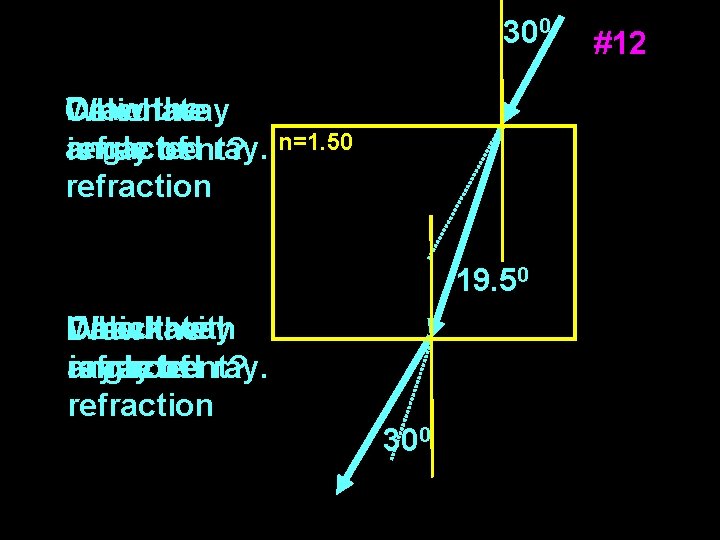
300 Draw the Calculate Which way refracted ray. n=1. 50 angle is ray of bent? refraction 19. 50 Check with Calculate Whichthe way Draw ray box. angle of is ray bent? refracted ray. refraction 300 #12
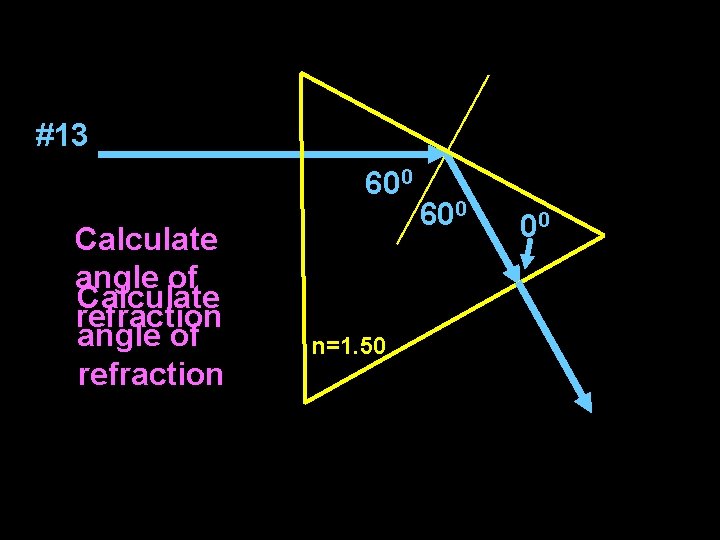
#13 600 Calculate angle of Calculate refraction angle of refraction n=1. 50 600 00
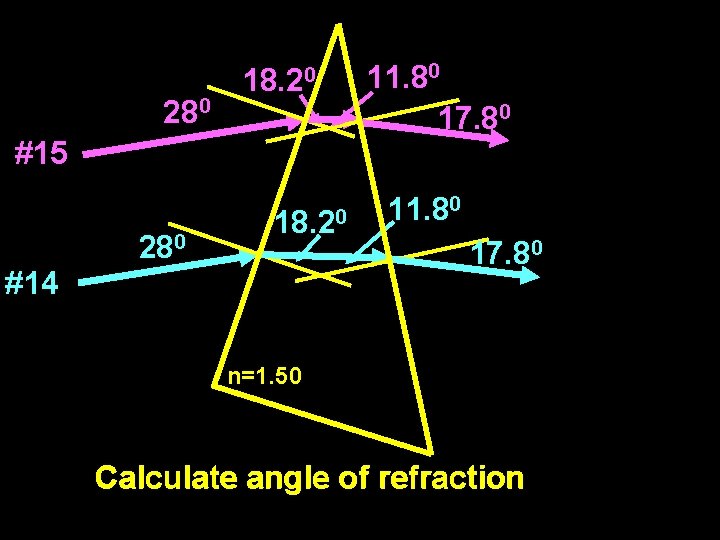
280 18. 20 #15 #14 280 18. 20 11. 80 17. 80 n=1. 50 Calculate angle of refraction

#18
That’s All Folks!! No 16 -17
- Slides: 41