
RAT PARTS A Cecum D liver B stomach
RAT PARTS

A= Cecum D liver B = stomach C= spleen What is the function of D? Contains microorganisms to digest plants

This structure provides nourishment and oxygen to the developing mammalian embryo as it grows inside its mother. It is called a placenta ___________
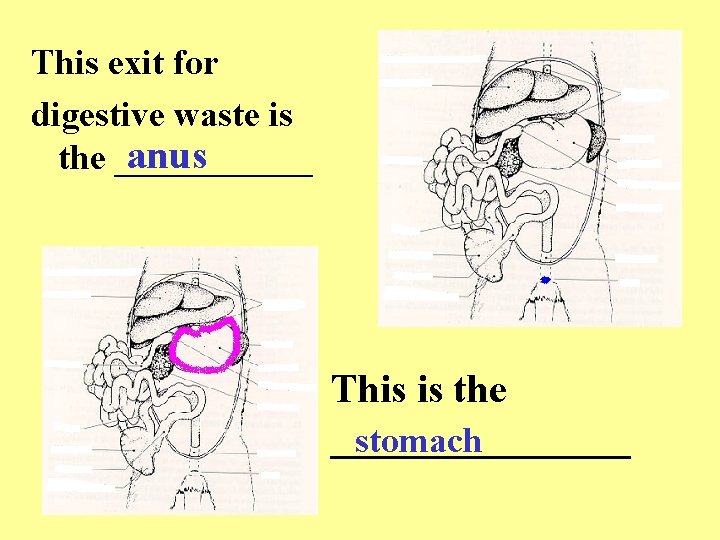
This exit for digestive waste is anus the ______ This is the ________ stomach
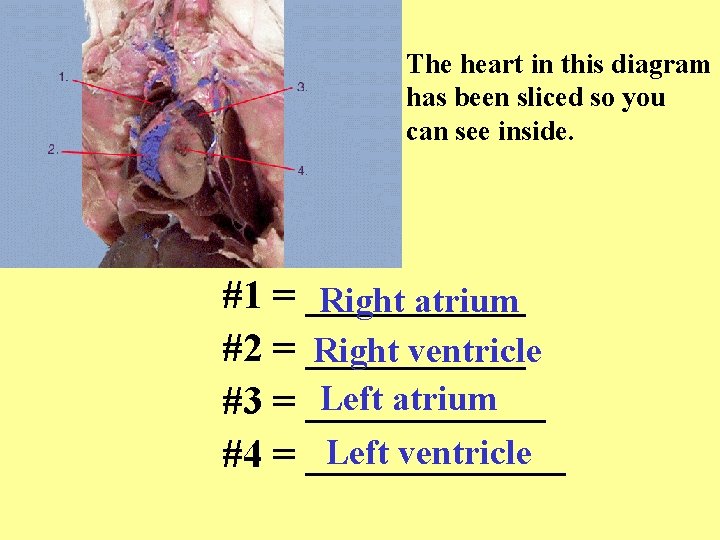
The heart in this diagram has been sliced so you can see inside. #1 = ______ Right atrium #2 = ______ Right ventricle Left atrium #3 = ______ Left ventricle #4 = _______
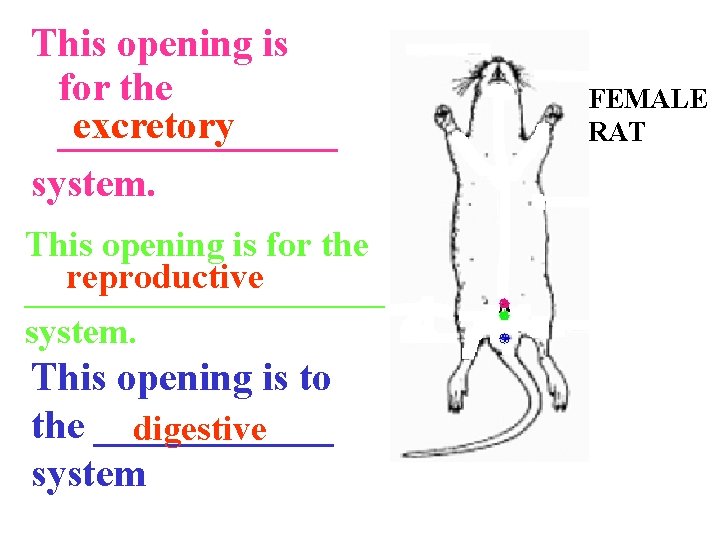
This opening is for the excretory _______ system. This opening is for the reproductive __________ system. This opening is to the ______ digestive system FEMALE RAT
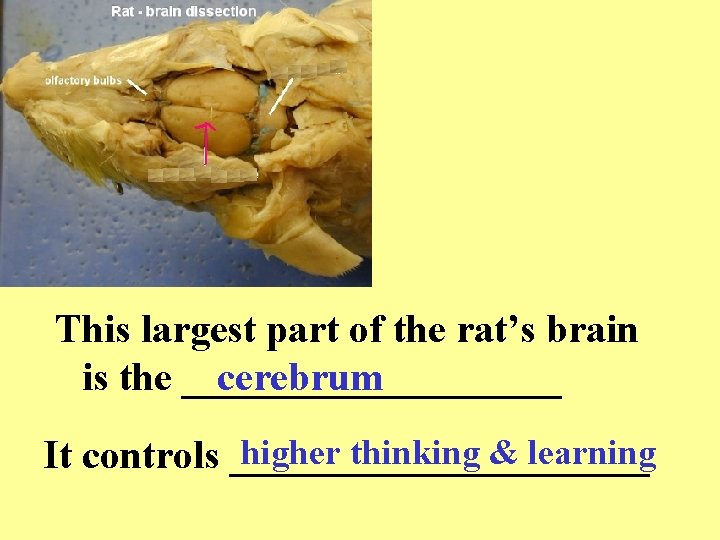
This largest part of the rat’s brain is the __________ cerebrum higher thinking & learning It controls ___________
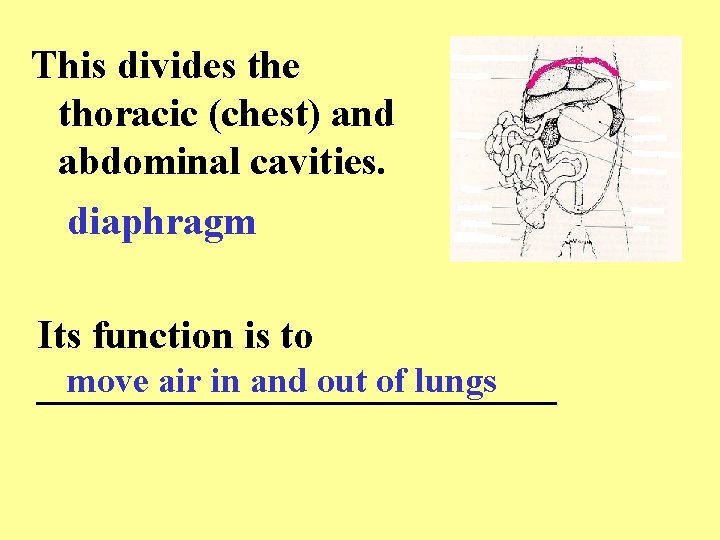
This divides the thoracic (chest) and abdominal cavities. diaphragm Its function is to move air in and out of lungs _____________
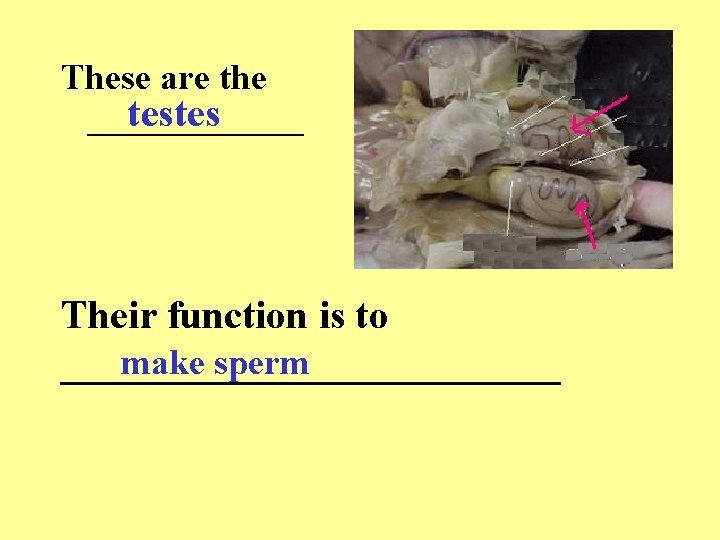
These are the testes ______ Their function is to make sperm _____________
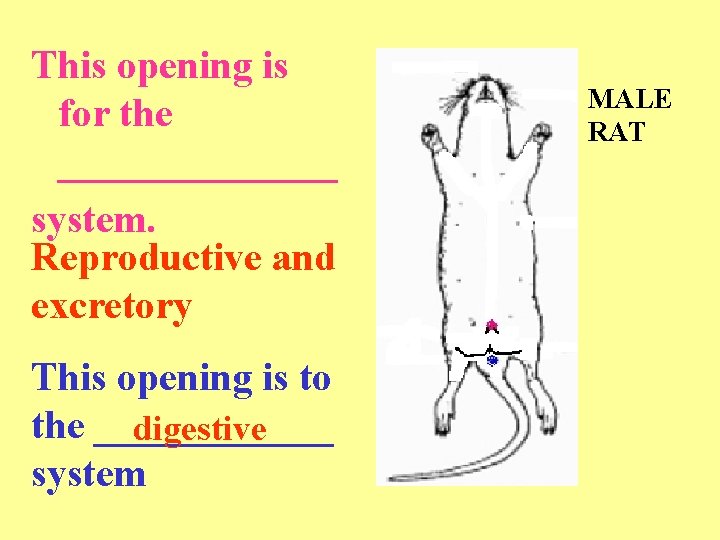
This opening is for the _______ system. Reproductive and excretory This opening is to the ______ digestive system MALE RAT
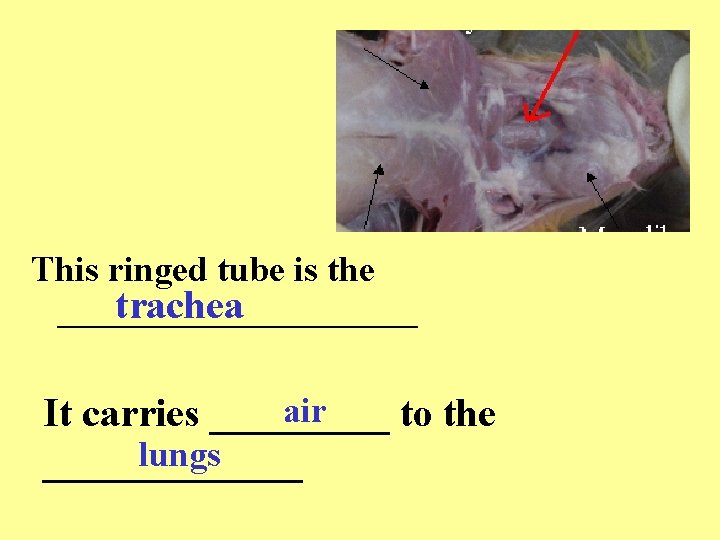
This ringed tube is the trachea __________ air It carries _____ to the lungs _______
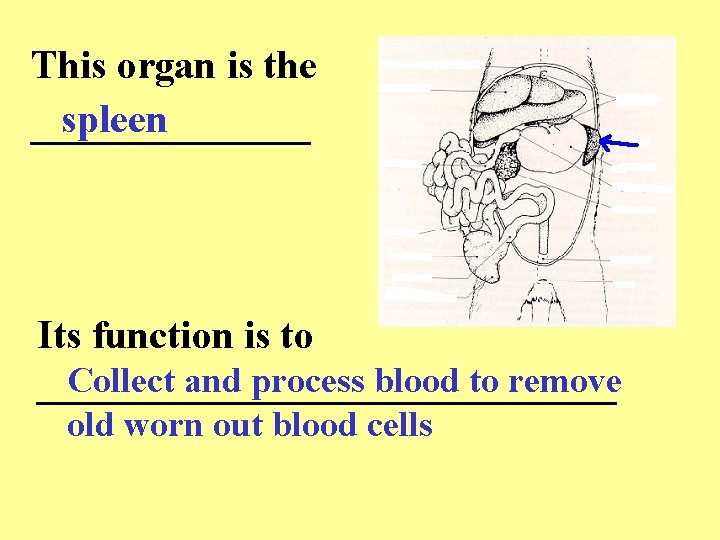
This organ is the spleen _______ Its function is to Collect and process blood to remove _______________ old worn out blood cells
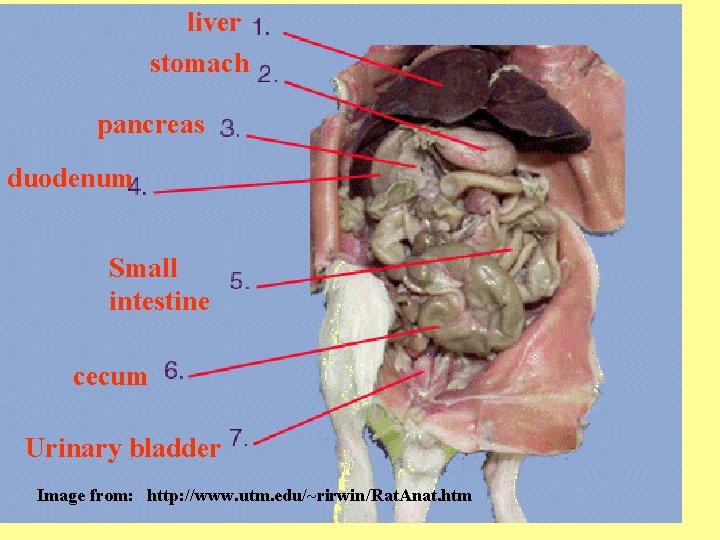
liver stomach pancreas duodenum Small intestine cecum Urinary bladder Image from: http: //www. utm. edu/~rirwin/Rat. Anat. htm
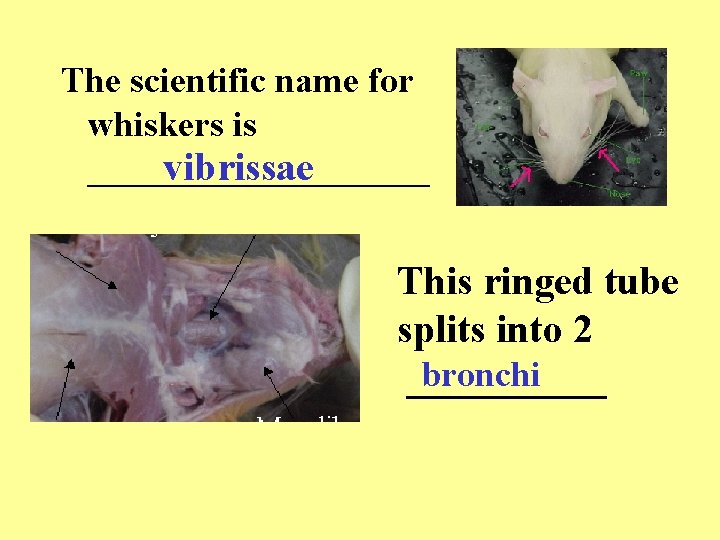
The scientific name for whiskers is __________ vibrissae This ringed tube splits into 2 bronchi _____
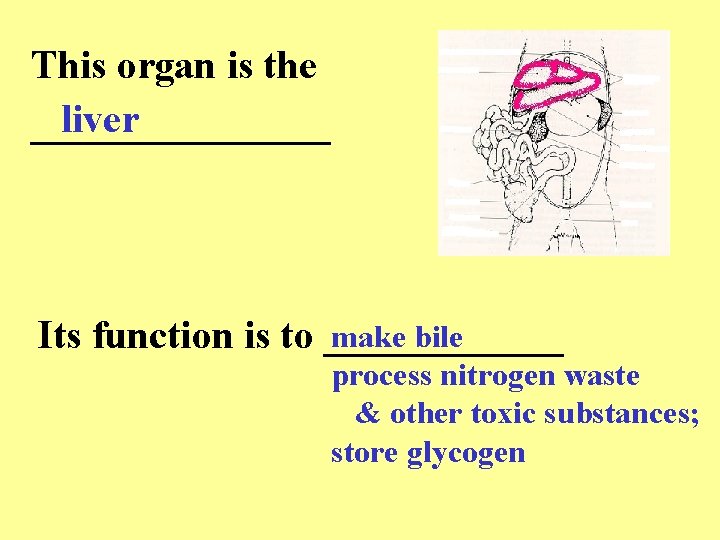
This organ is the liver ________ make bile Its function is to ______ process nitrogen waste & other toxic substances; store glycogen
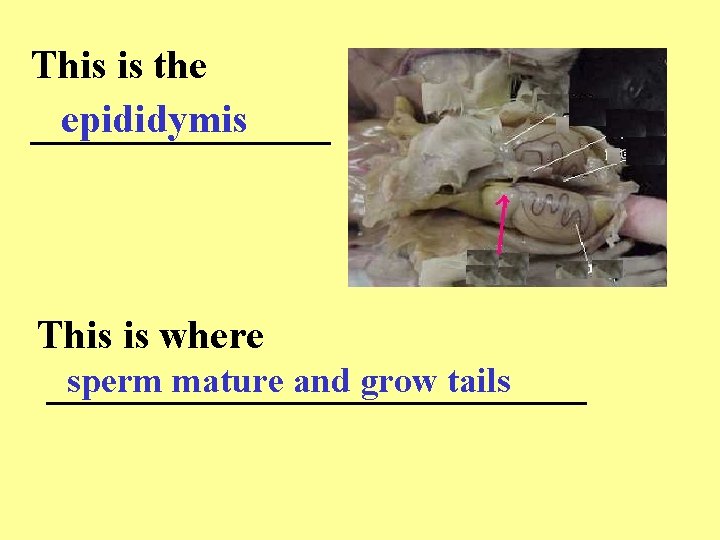
This is the epididymis ________ This is where sperm mature and grow tails ______________
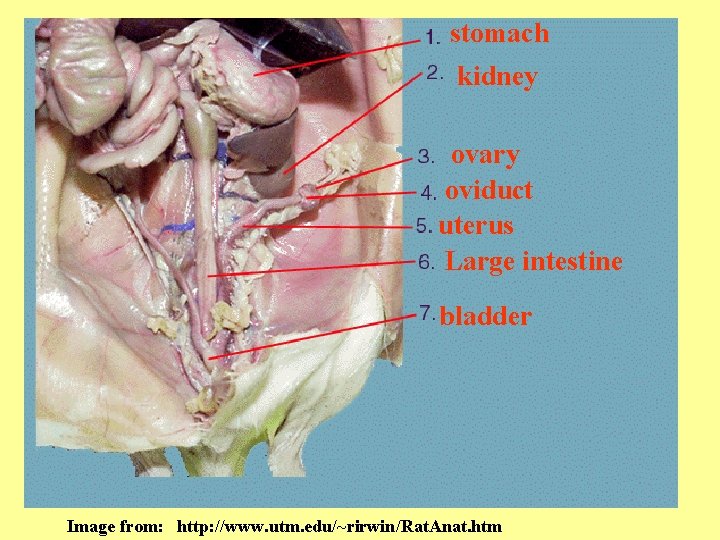
stomach kidney ovary oviduct uterus Large intestine bladder Image from: http: //www. utm. edu/~rirwin/Rat. Anat. htm
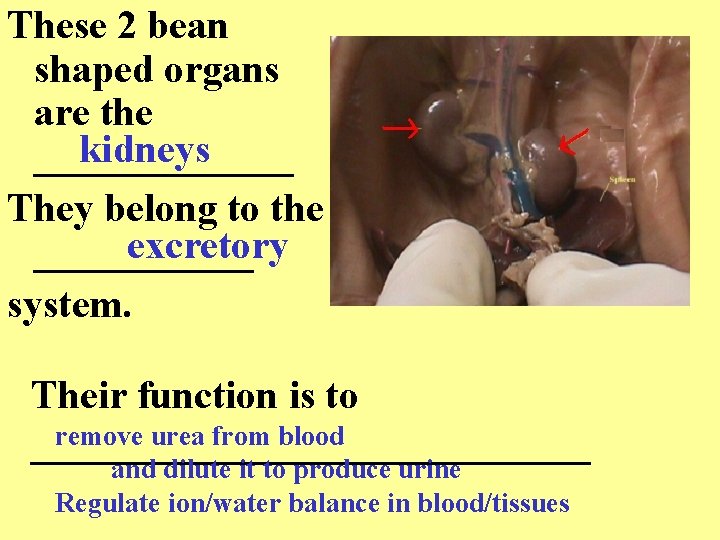
These 2 bean shaped organs are the kidneys _______ They belong to the excretory ______ system. Their function is to remove urea from blood ______________ and dilute it to produce urine Regulate ion/water balance in blood/tissues
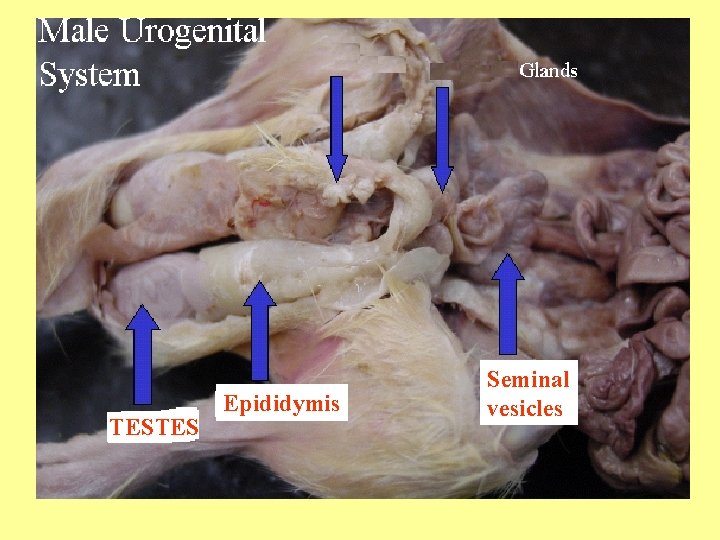
TESTES Epididymis Seminal vesicles
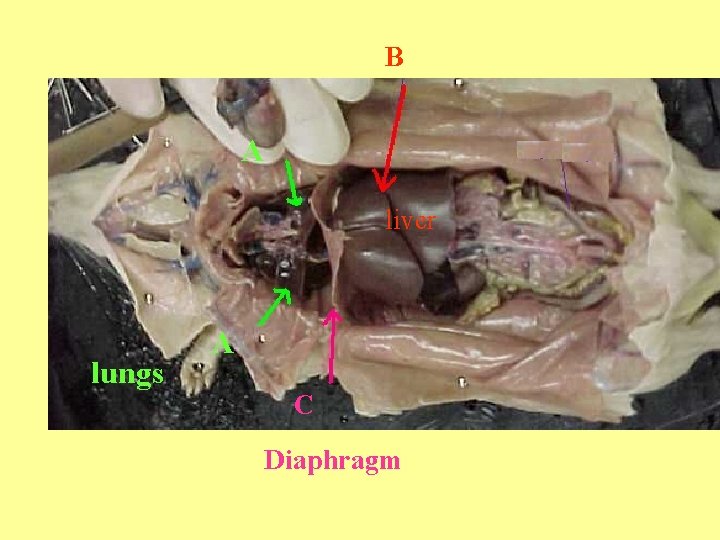
B A liver lungs A C Diaphragm
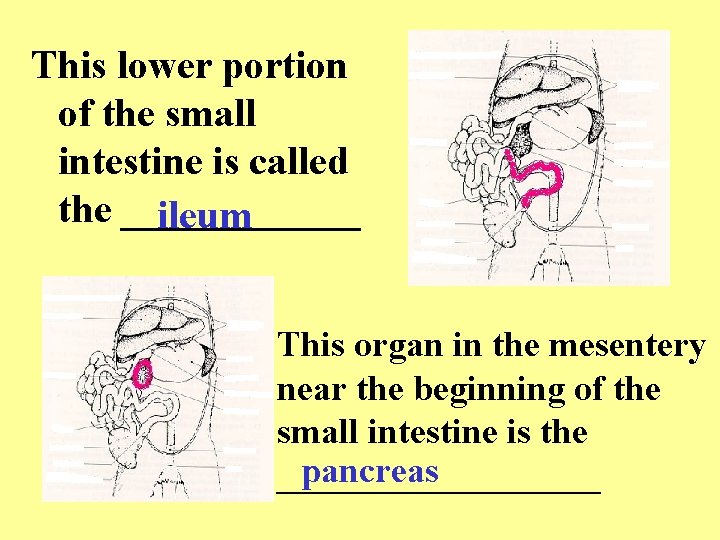
This lower portion of the small intestine is called the ______ ileum This organ in the mesentery near the beginning of the small intestine is the pancreas _________
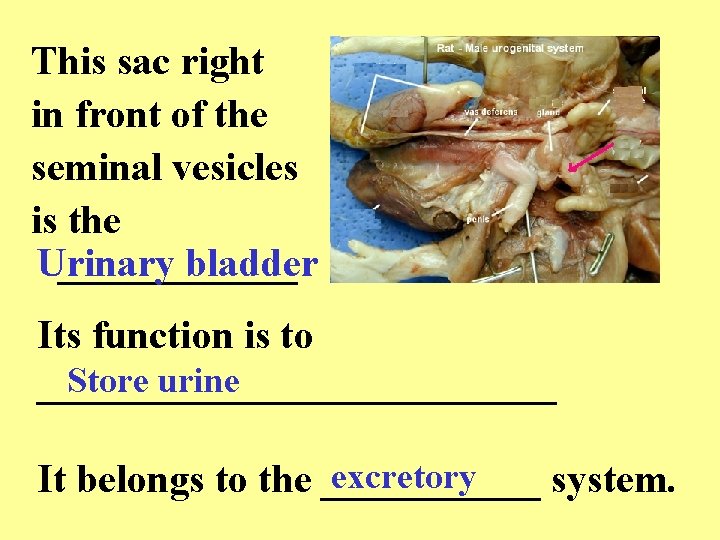
This sac right in front of the seminal vesicles is the ______ Urinary bladder Its function is to Store urine _____________ excretory It belongs to the ______ system.
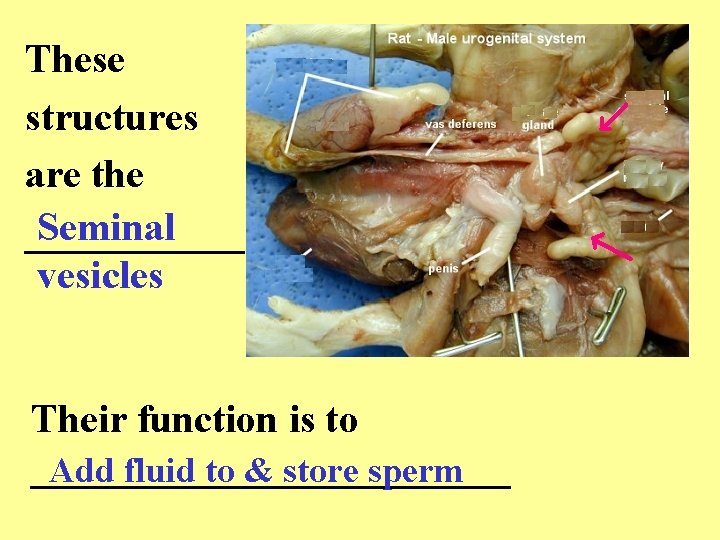
These structures are the Seminal ______ vesicles Their function is to ____________ Add fluid to & store sperm
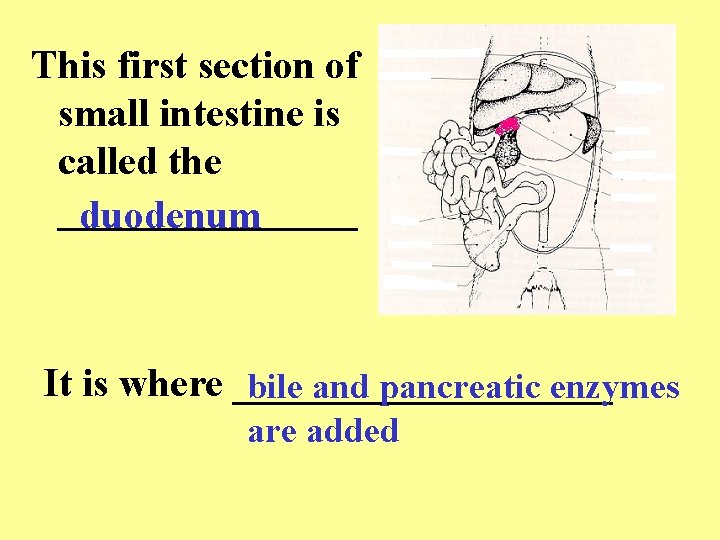
This first section of small intestine is called the ________ duodenum It is where __________ bile and pancreatic enzymes are added
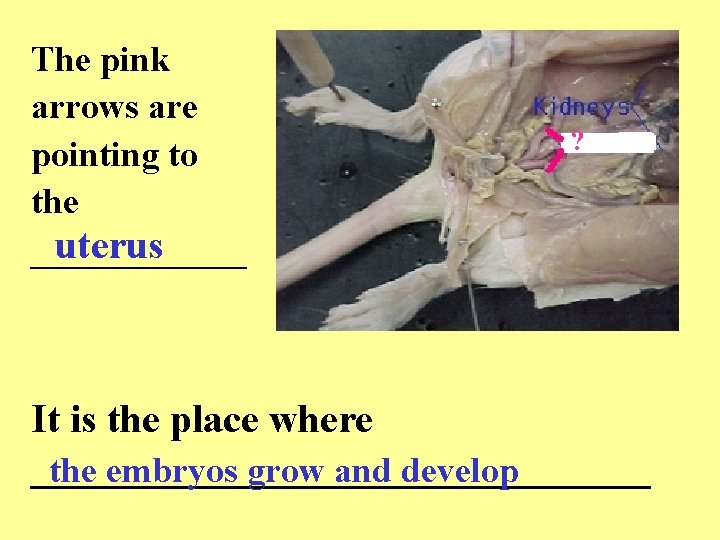
The pink arrows are pointing to the uterus ______ ? It is the place where ________________ the embryos grow and develop
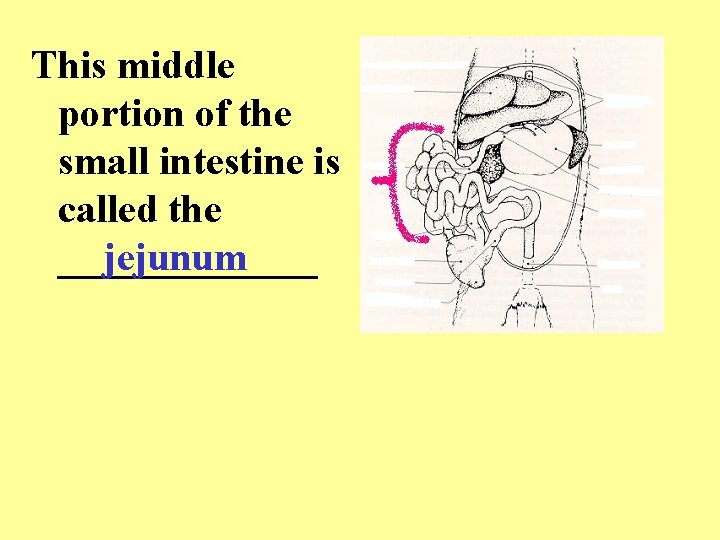
This middle portion of the small intestine is called the _______ jejunum
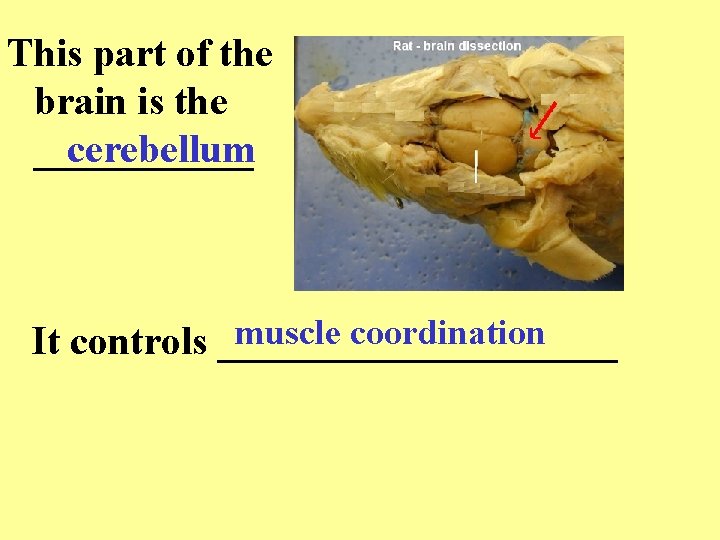
This part of the brain is the ______ cerebellum muscle coordination It controls __________
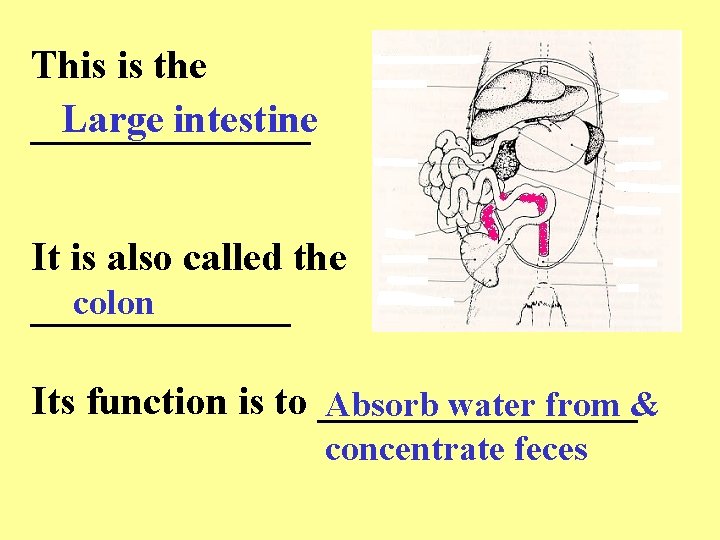
This is the Large intestine _______ It is also called the colon _______ Its function is to ________ Absorb water from & concentrate feces
Portion of the small intestine where bile and pancreatic enzymes are added. duodenum Name the parts of the small intestine in order starting at the stomach Duodenum, jejunum, ileum
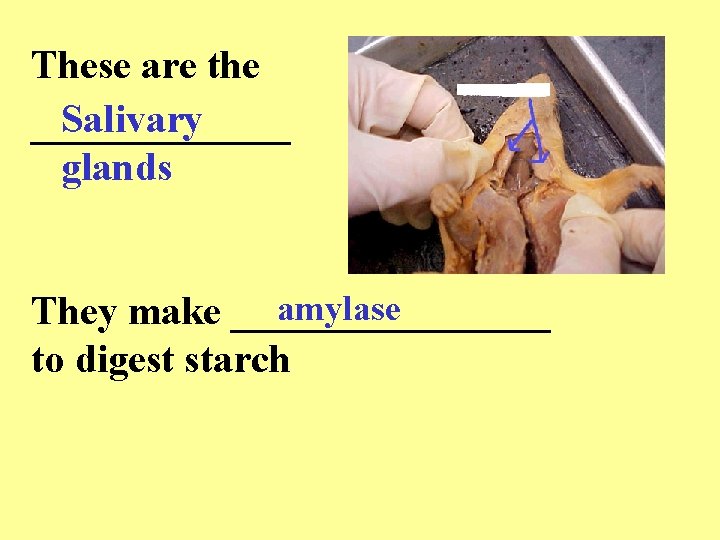
These are the Salivary _______ glands amylase They make ________ to digest starch
THE END
- Slides: 31