
Rapid integration of new schemaconsistent information in the

- Slides: 30
Rapid integration of new schemaconsistent information in the Complementary Learning Systems Theory Jay Mc. Clelland, Stanford University
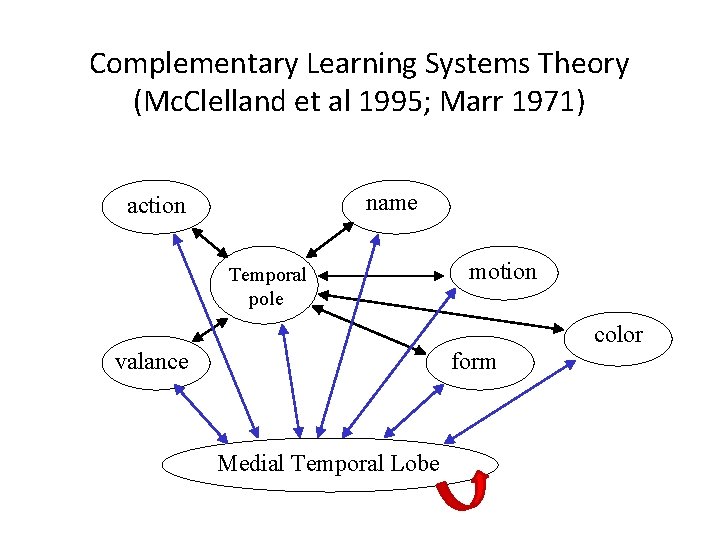
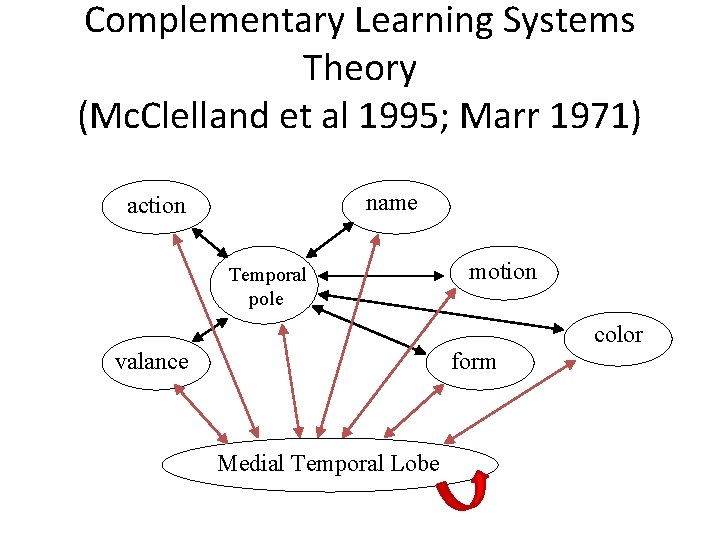
Complementary Learning Systems Theory (Mc. Clelland et al 1995; Marr 1971) name action Temporal pole motion color valance form Medial Temporal Lobe
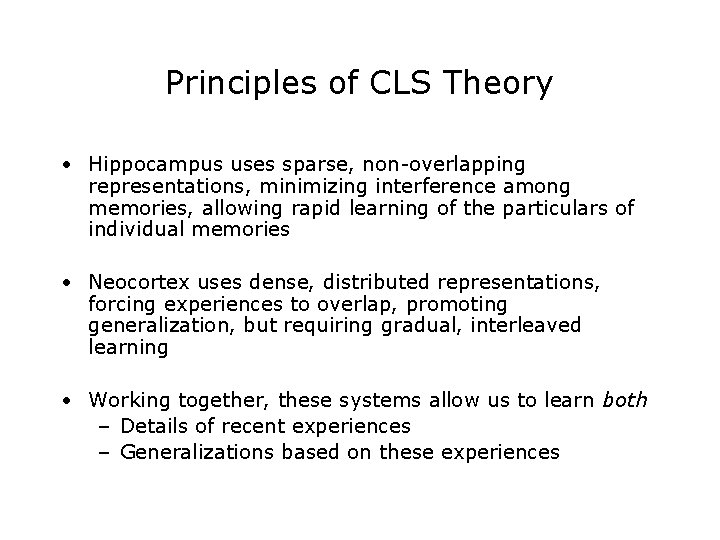
Principles of CLS Theory • Hippocampus uses sparse, non-overlapping representations, minimizing interference among memories, allowing rapid learning of the particulars of individual memories • Neocortex uses dense, distributed representations, forcing experiences to overlap, promoting generalization, but requiring gradual, interleaved learning • Working together, these systems allow us to learn both – Details of recent experiences – Generalizations based on these experiences
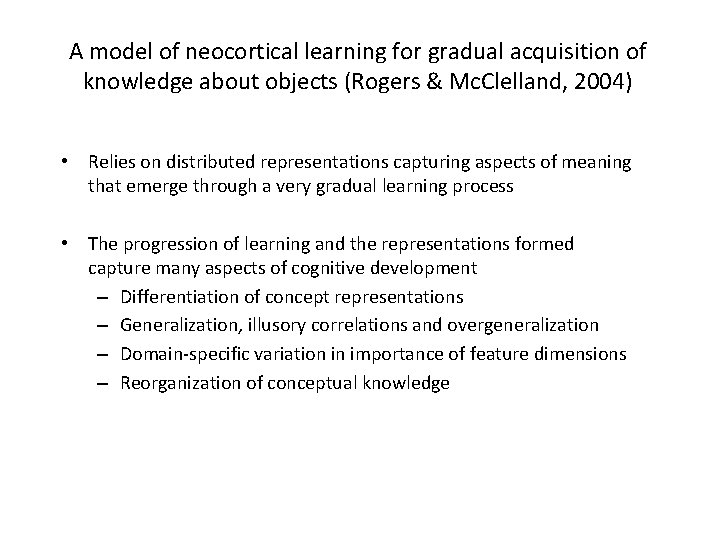
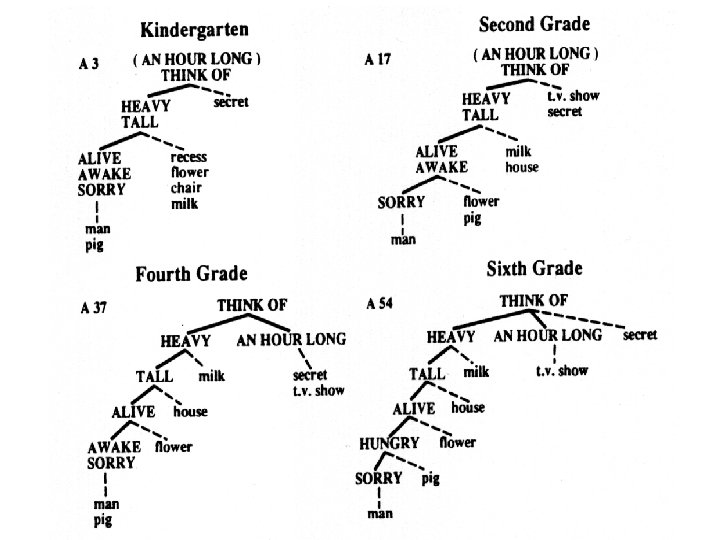
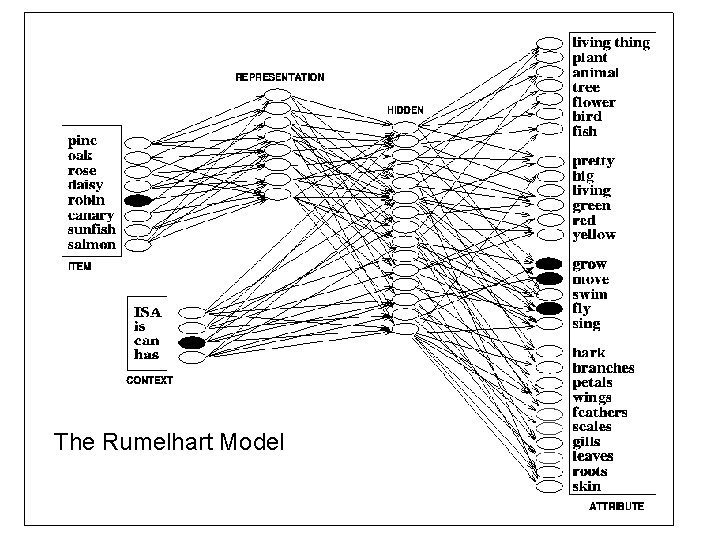
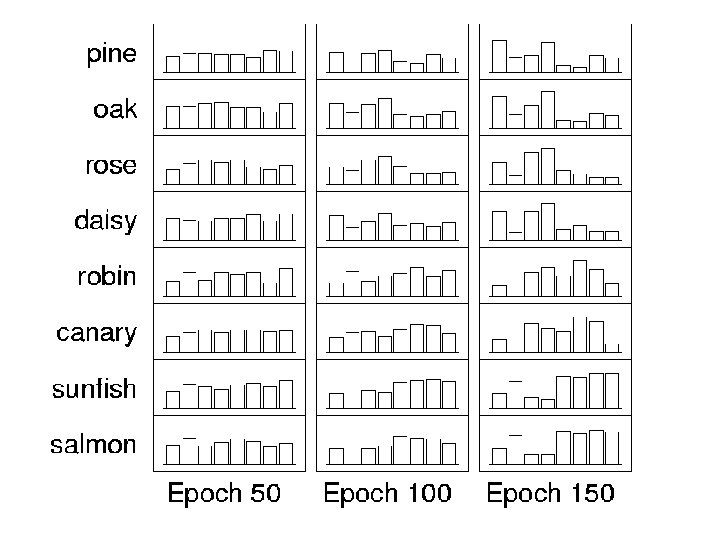
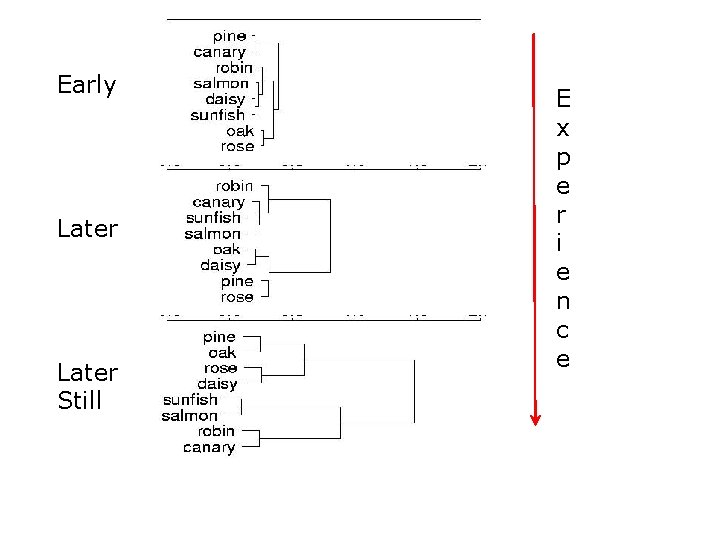
A model of neocortical learning for gradual acquisition of knowledge about objects (Rogers & Mc. Clelland, 2004) • Relies on distributed representations capturing aspects of meaning that emerge through a very gradual learning process • The progression of learning and the representations formed capture many aspects of cognitive development – Differentiation of concept representations – Generalization, illusory correlations and overgeneralization – Domain-specific variation in importance of feature dimensions – Reorganization of conceptual knowledge
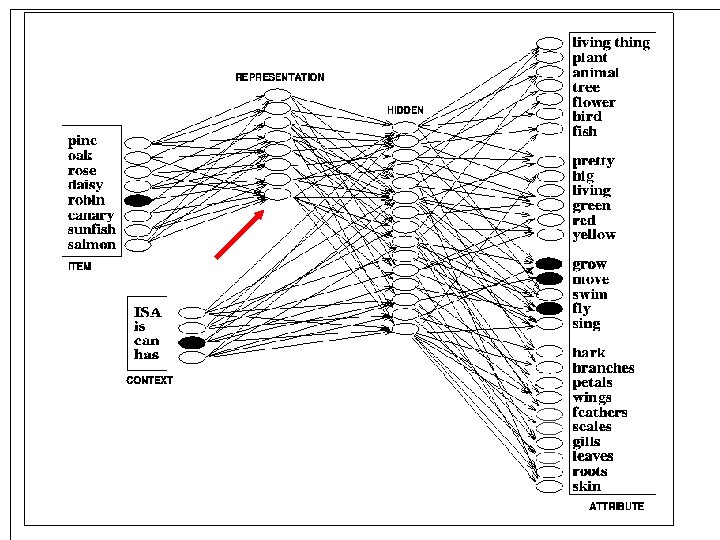
The Rumelhart Model
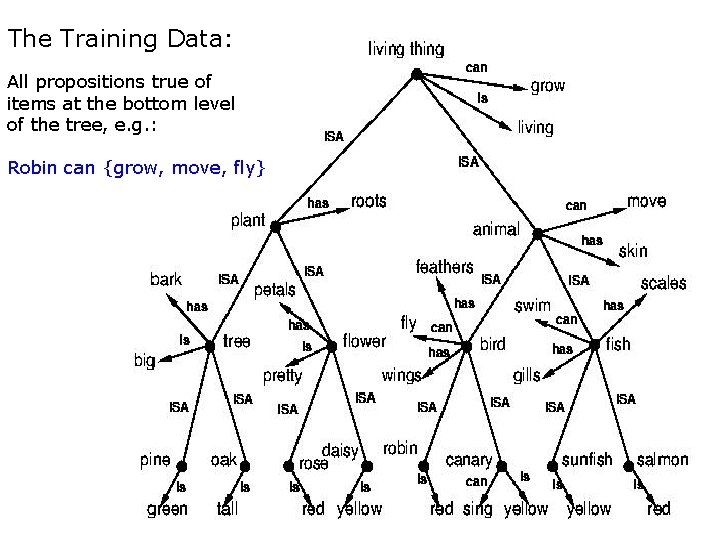
The Training Data: All propositions true of items at the bottom level of the tree, e. g. : Robin can {grow, move, fly}
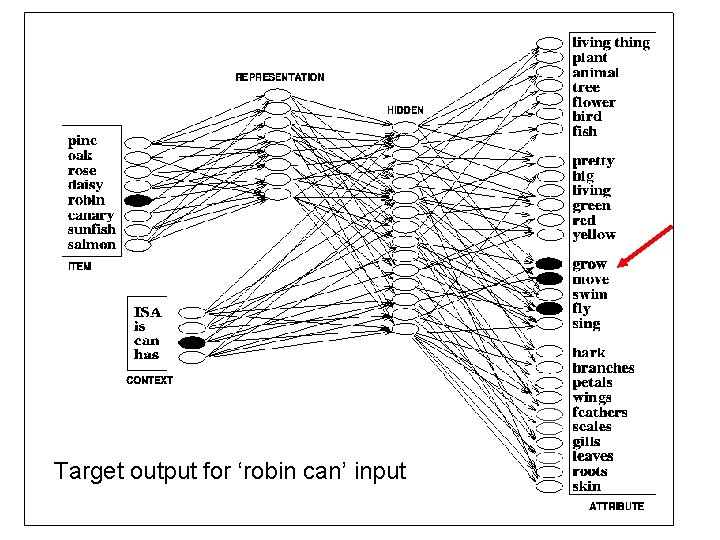
Target output for ‘robin can’ input
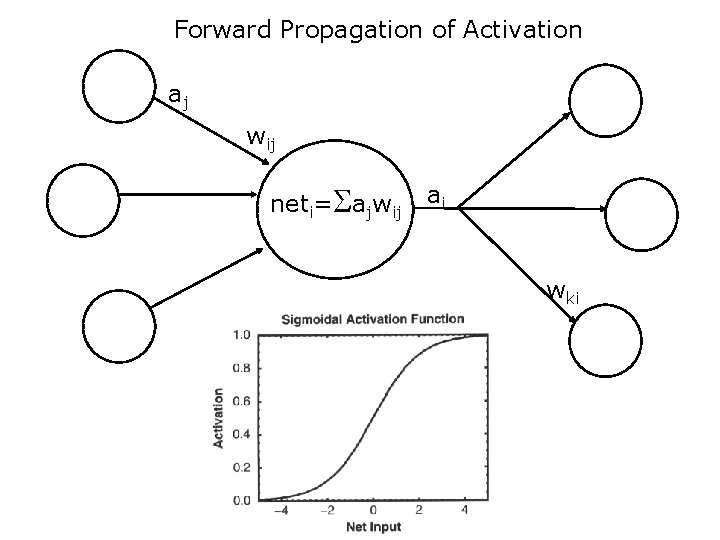
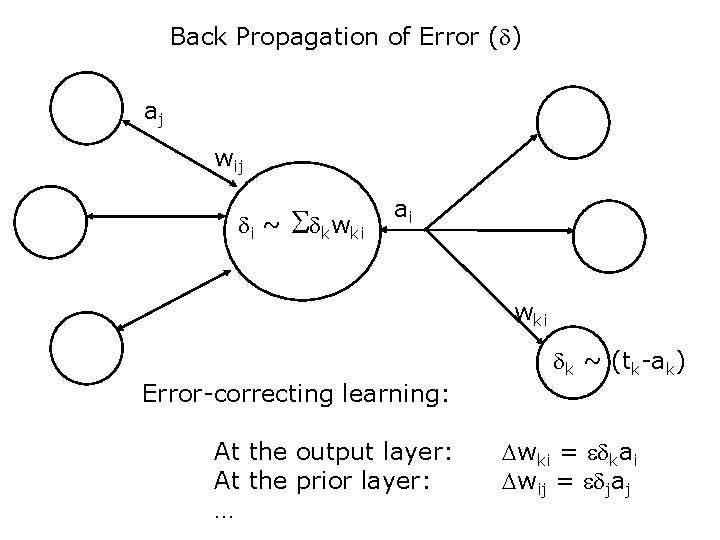
Forward Propagation of Activation aj wij neti=Sajwij ai wki
Back Propagation of Error (d) aj wij di ~ Sdkwki ai wki Error-correcting learning: At the output layer: At the prior layer: … dk ~ (tk-ak) Dwki = edkai Dwij = edjaj
Early Later Still E x p e r i e n c e
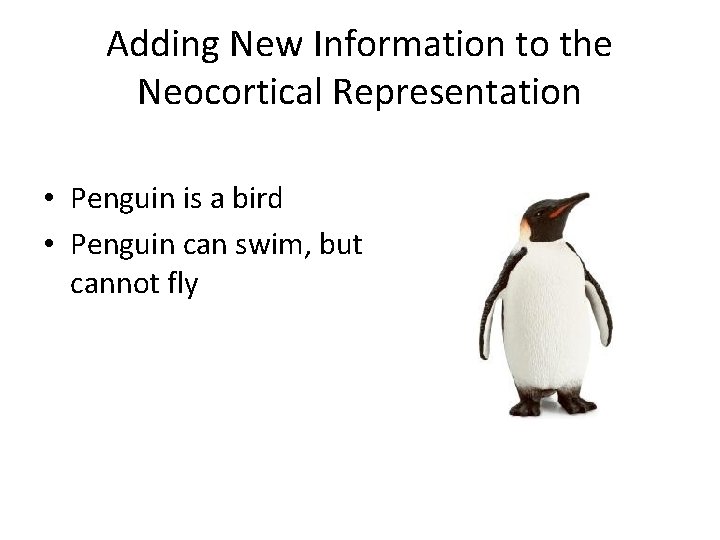
Adding New Information to the Neocortical Representation • Penguin is a bird • Penguin can swim, but cannot fly
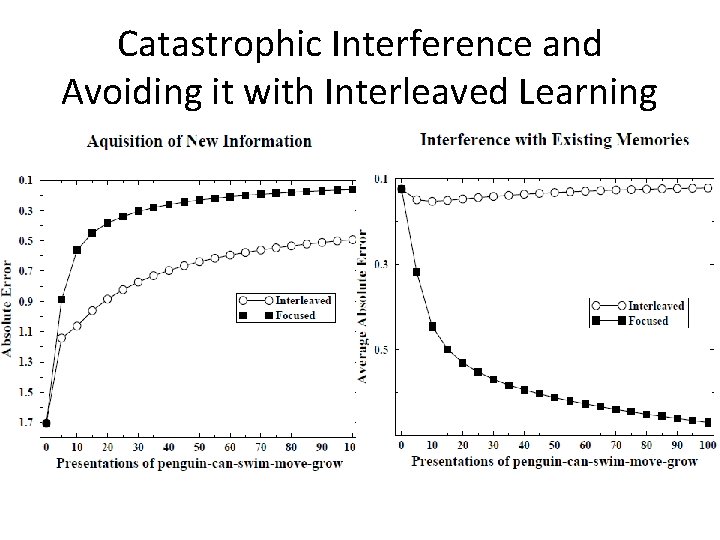
Catastrophic Interference and Avoiding it with Interleaved Learning
Complementary Learning Systems Theory (Mc. Clelland et al 1995; Marr 1971) name action Temporal pole motion color valance form Medial Temporal Lobe
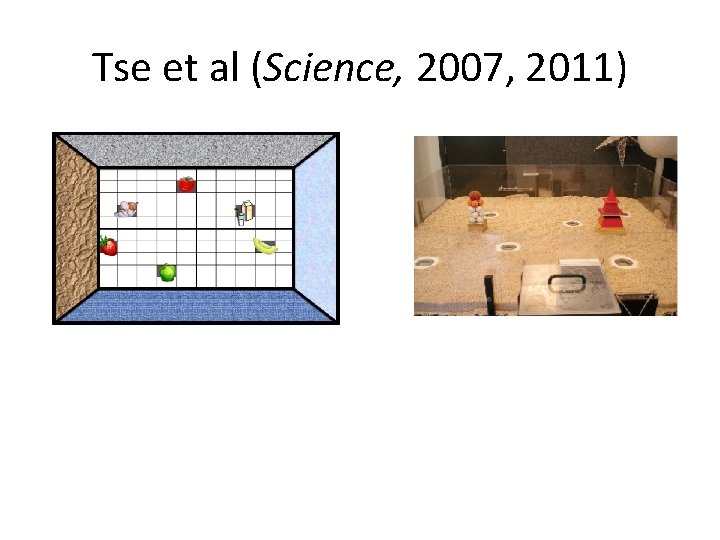
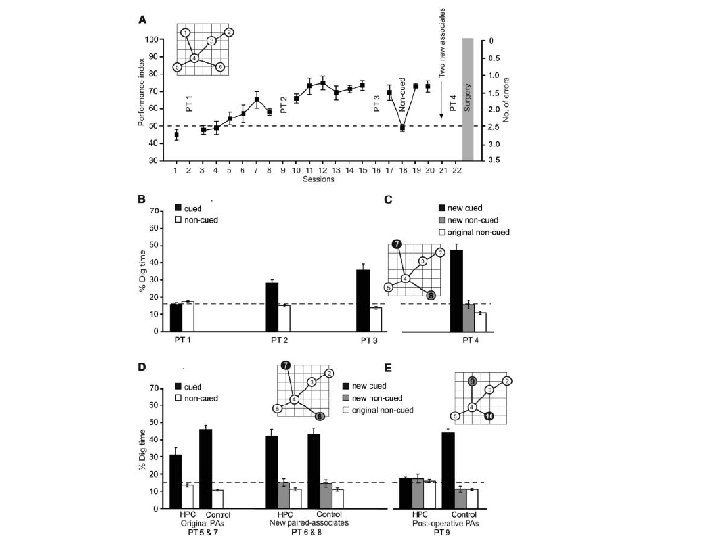
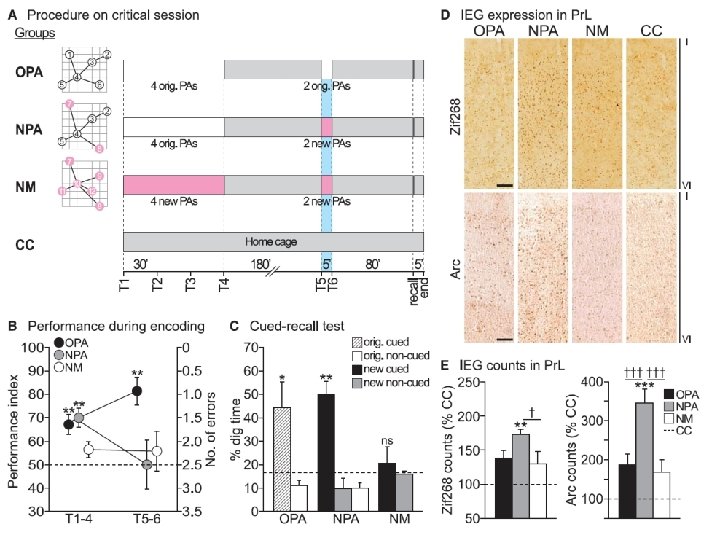
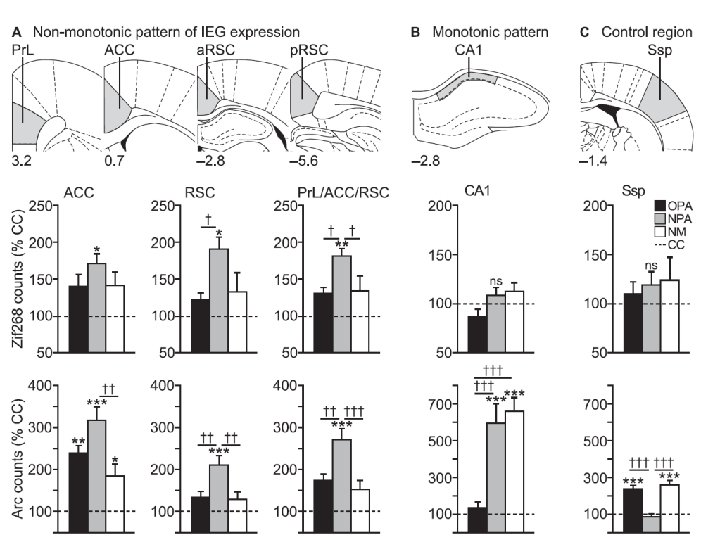
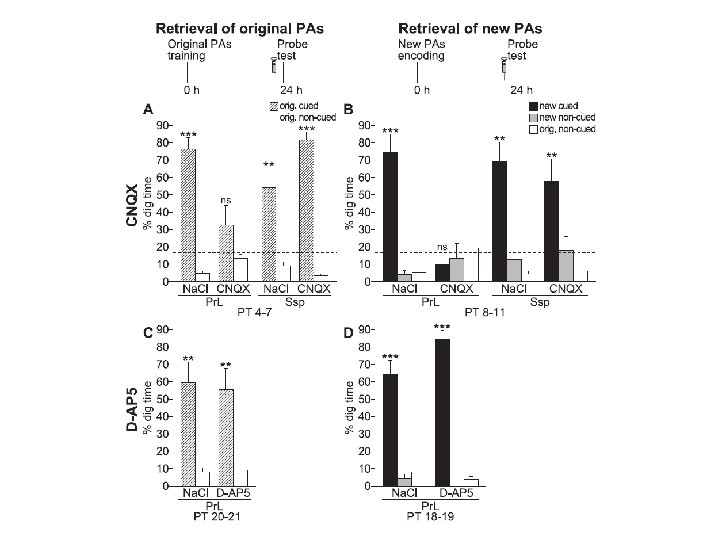
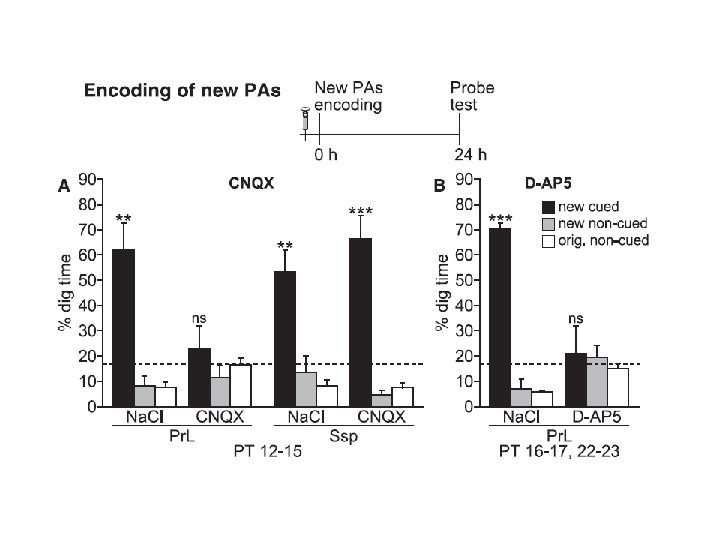
Tse et al (Science, 2007, 2011)
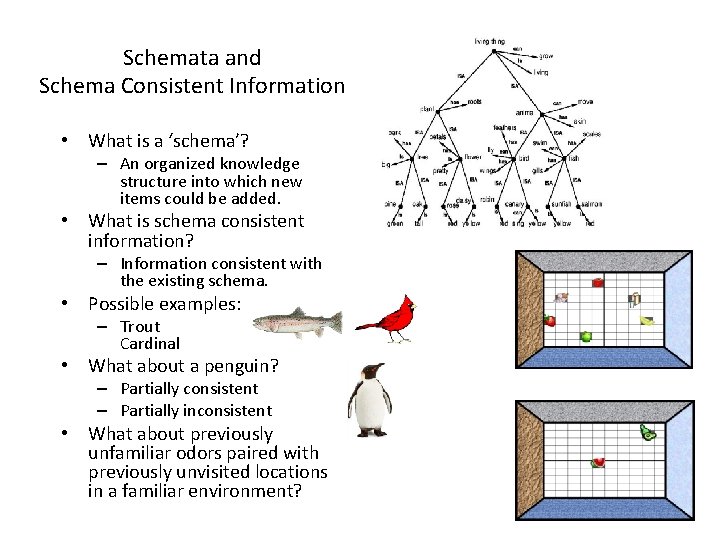
Schemata and Schema Consistent Information • What is a ‘schema’? – An organized knowledge structure into which new items could be added. • What is schema consistent information? – Information consistent with the existing schema. • Possible examples: – Trout Cardinal • What about a penguin? – Partially consistent – Partially inconsistent • What about previously unfamiliar odors paired with previously unvisited locations in a familiar environment?
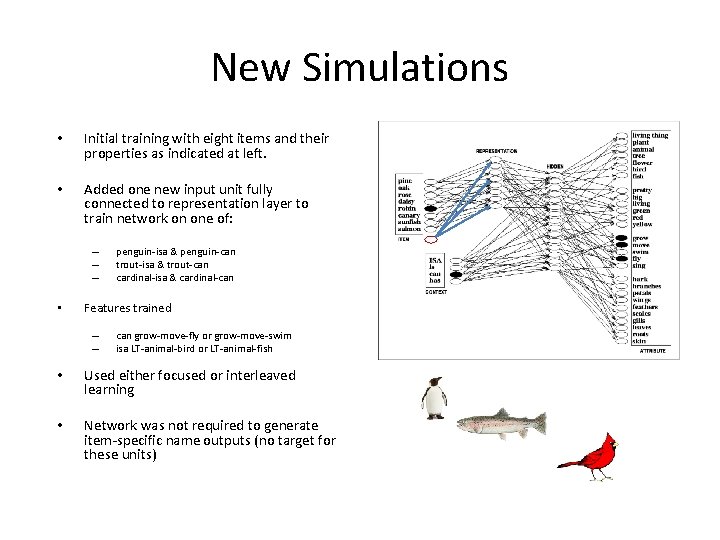
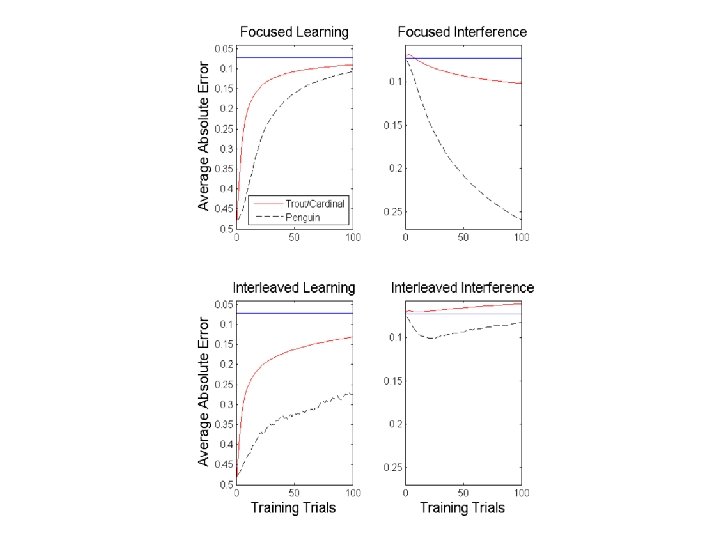
New Simulations • Initial training with eight items and their properties as indicated at left. • Added one new input unit fully connected to representation layer to train network on one of: – – – • penguin-isa & penguin-can trout-isa & trout-can cardinal-isa & cardinal-can Features trained – – can grow-move-fly or grow-move-swim isa LT-animal-bird or LT-animal-fish • Used either focused or interleaved learning • Network was not required to generate item-specific name outputs (no target for these units)
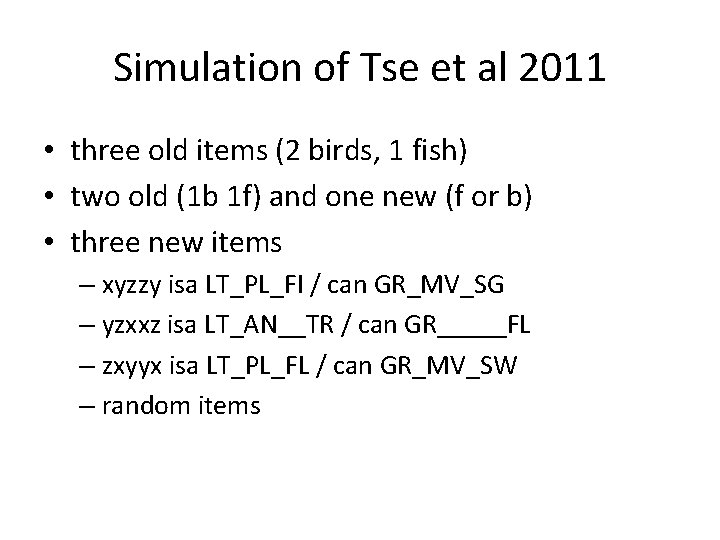
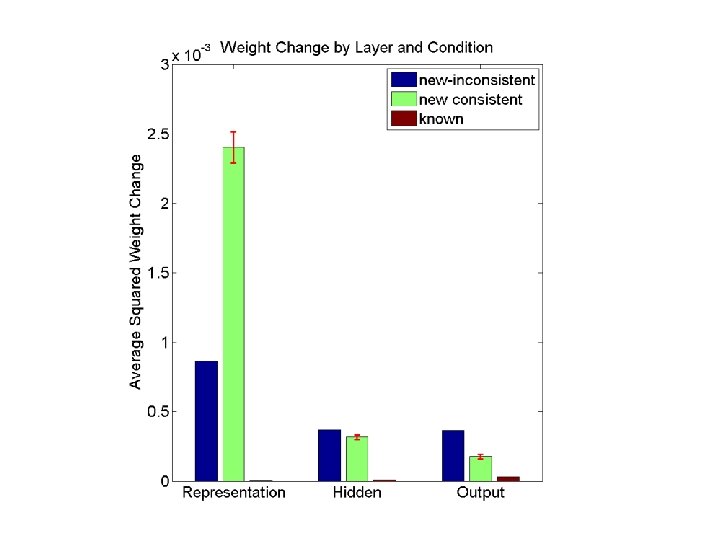
Simulation of Tse et al 2011 • three old items (2 birds, 1 fish) • two old (1 b 1 f) and one new (f or b) • three new items – xyzzy isa LT_PL_FI / can GR_MV_SG – yzxxz isa LT_AN__TR / can GR_____FL – zxyyx isa LT_PL_FL / can GR_MV_SW – random items
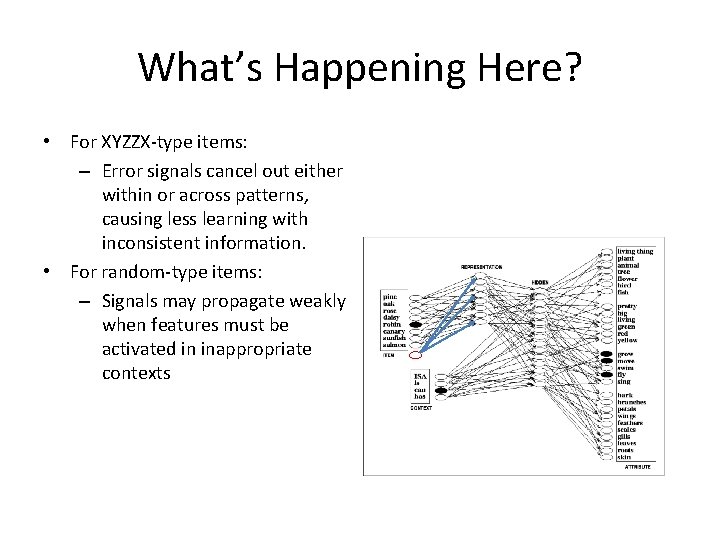
What’s Happening Here? • For XYZZX-type items: – Error signals cancel out either within or across patterns, causing less learning with inconsistent information. • For random-type items: – Signals may propagate weakly when features must be activated in inappropriate contexts
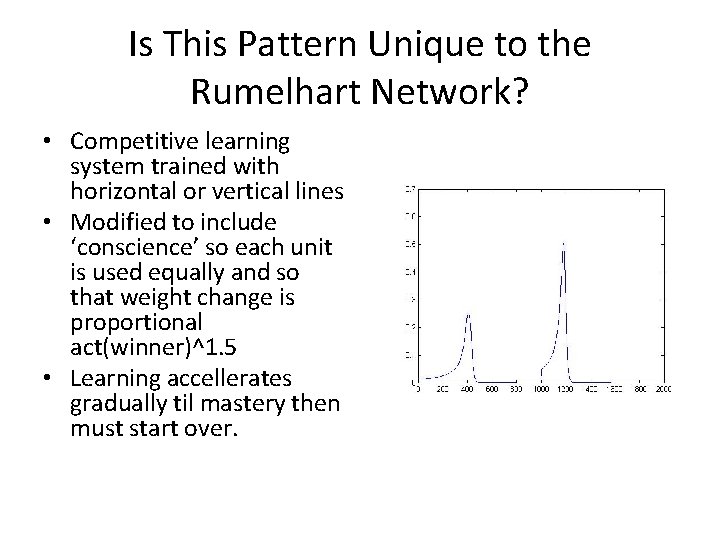
Is This Pattern Unique to the Rumelhart Network? • Competitive learning system trained with horizontal or vertical lines • Modified to include ‘conscience’ so each unit is used equally and so that weight change is proportional act(winner)^1. 5 • Learning accellerates gradually til mastery then must start over.
Open Question(s) • What are the critical conditions for fast schema-consistent learning? – In a back-prop net – In other kinds of networks – In humans and other animals