
Radiographic Evaluation and Classification of Pelvic Ring Disruptions



- Slides: 47
Radiographic Evaluation and Classification of Pelvic Ring Disruptions Joshua L. Gary, MD February 2016
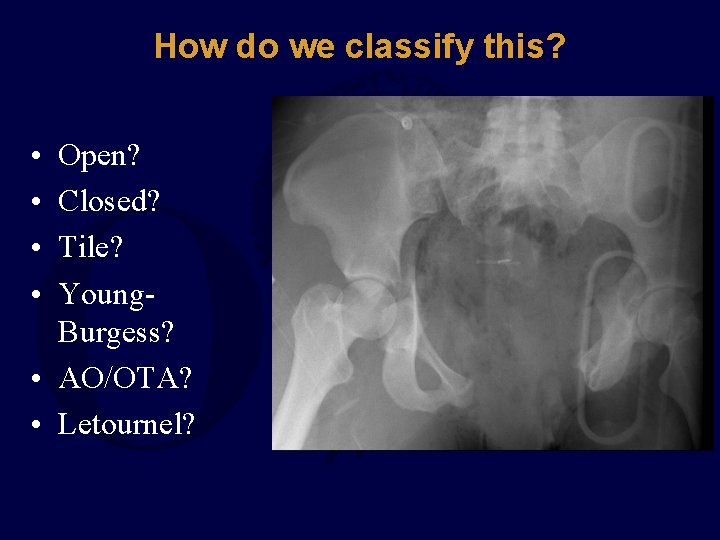
How do we classify this? • • Open? Closed? Tile? Young. Burgess? • AO/OTA? • Letournel?
It all goes back to ANATOMY!
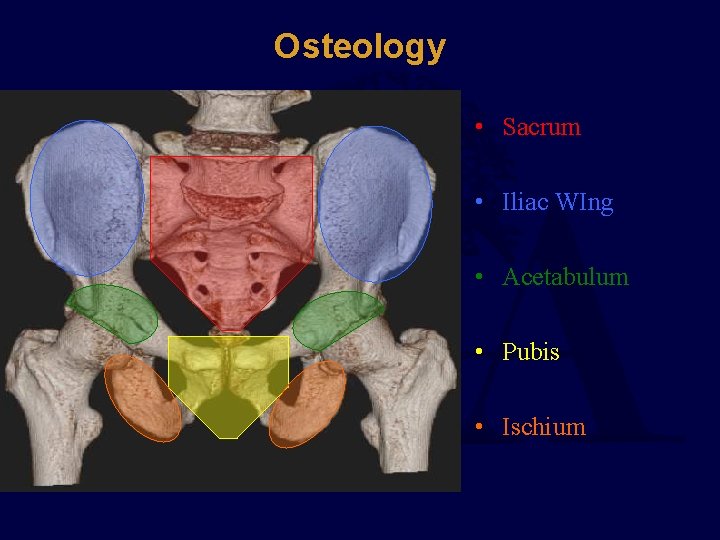
Osteology • Sacrum • Iliac WIng • Acetabulum • Pubis • Ischium
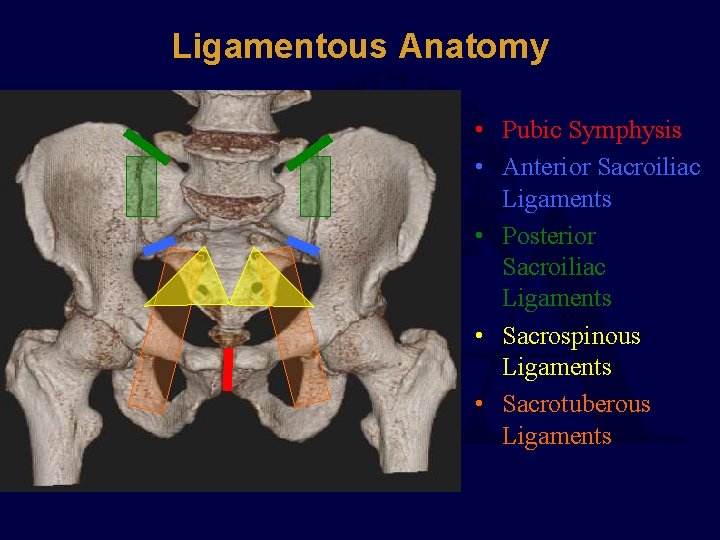
Ligamentous Anatomy • Pubic Symphysis • Anterior Sacroiliac Ligaments • Posterior Sacroiliac Ligaments • Sacrospinous Ligaments • Sacrotuberous Ligaments
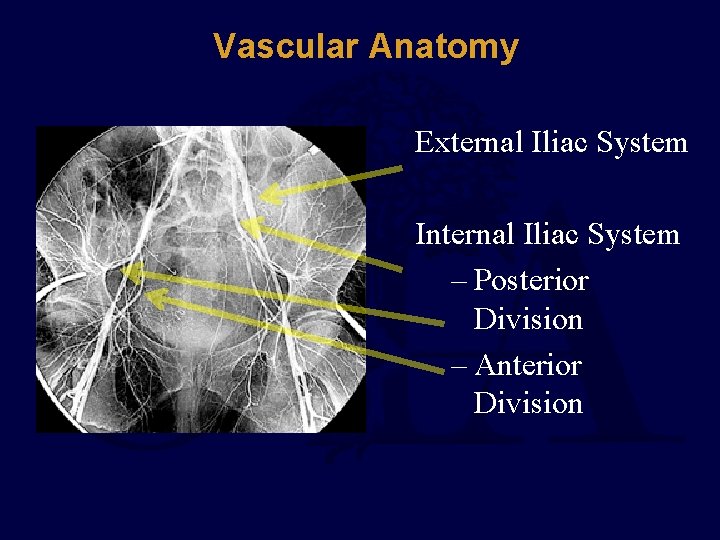
Vascular Anatomy External Iliac System Internal Iliac System – Posterior Division – Anterior Division
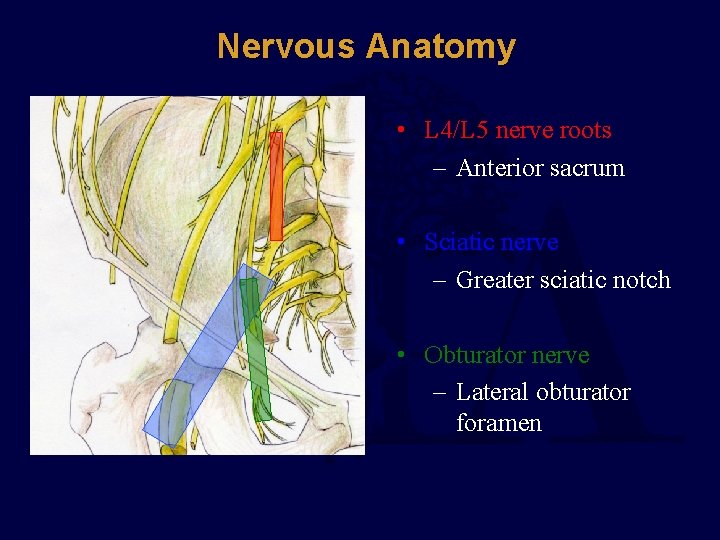
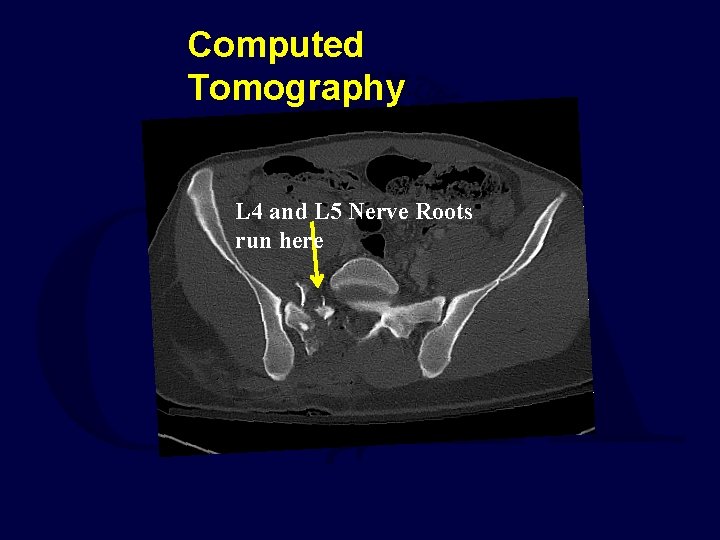
Nervous Anatomy • L 4/L 5 nerve roots – Anterior sacrum • Sciatic nerve – Greater sciatic notch • Obturator nerve – Lateral obturator foramen
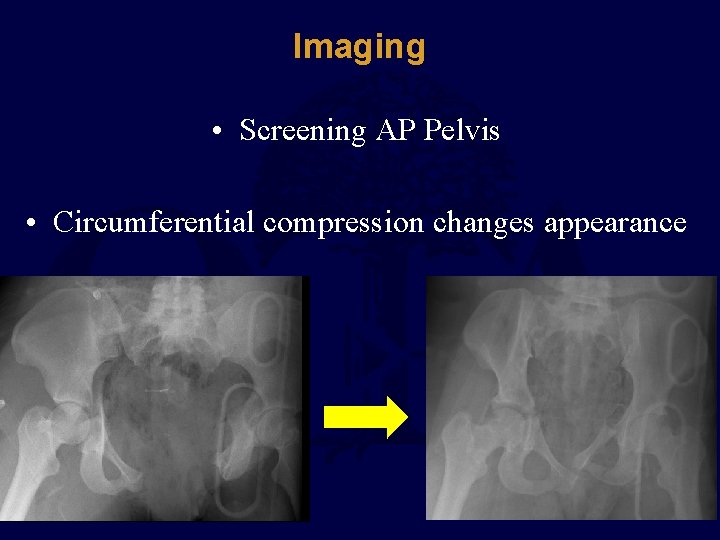
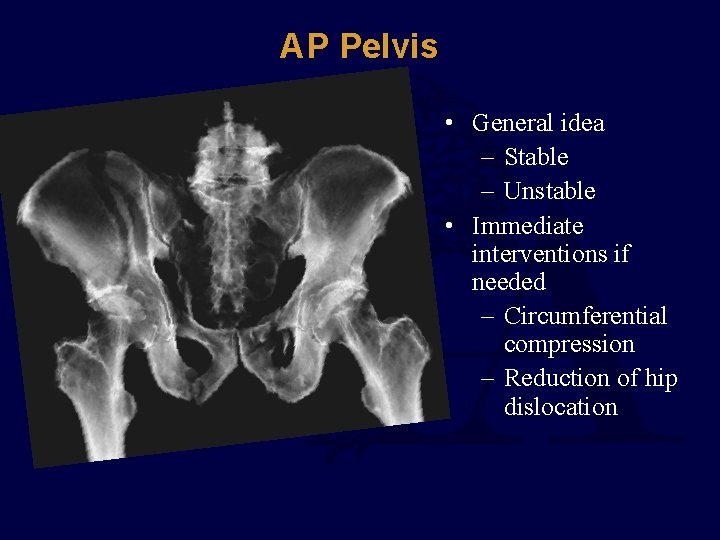
Imaging • Screening AP Pelvis • Circumferential compression changes appearance
AP Pelvis • General idea – Stable – Unstable • Immediate interventions if needed – Circumferential compression – Reduction of hip dislocation
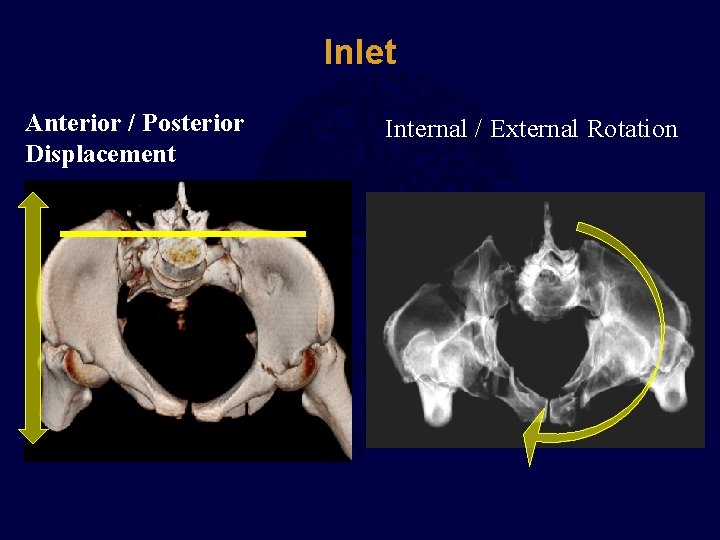
Inlet Anterior / Posterior Displacement Internal / External Rotation
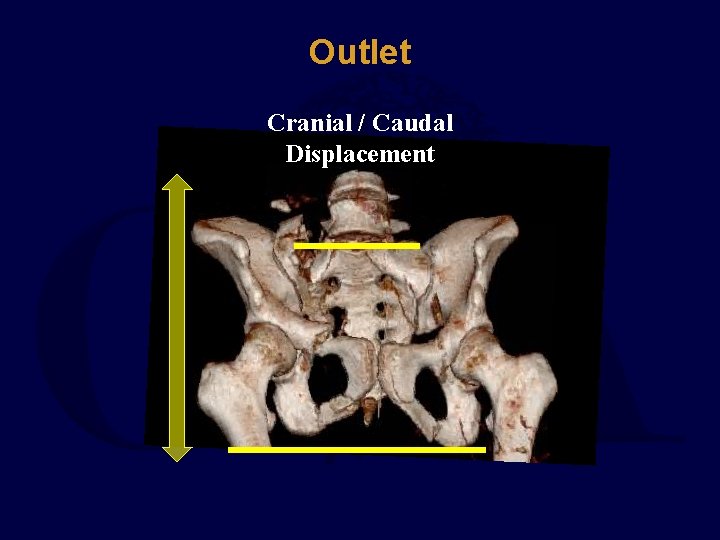
Outlet Cranial / Caudal Displacement
CT Scan Study SOFT TISSUE WINDOWS st 1 !!!! Look at bony injury last.
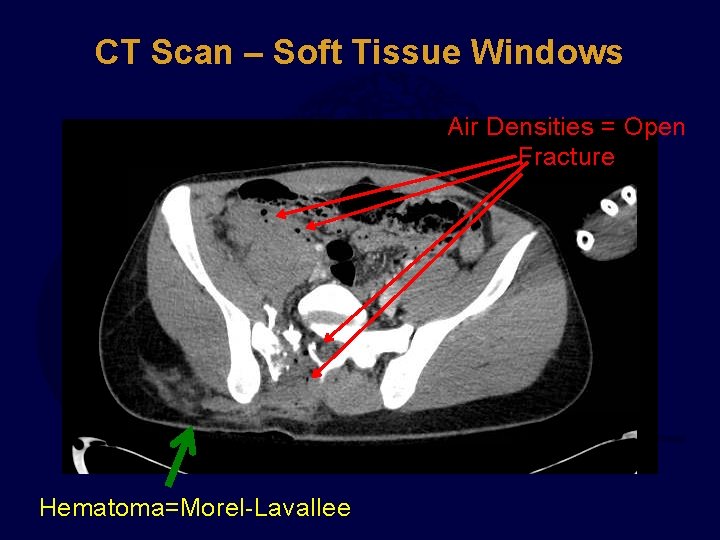
CT Scan – Soft Tissue Windows Air Densities = Open Fracture Hematoma=Morel-Lavallee
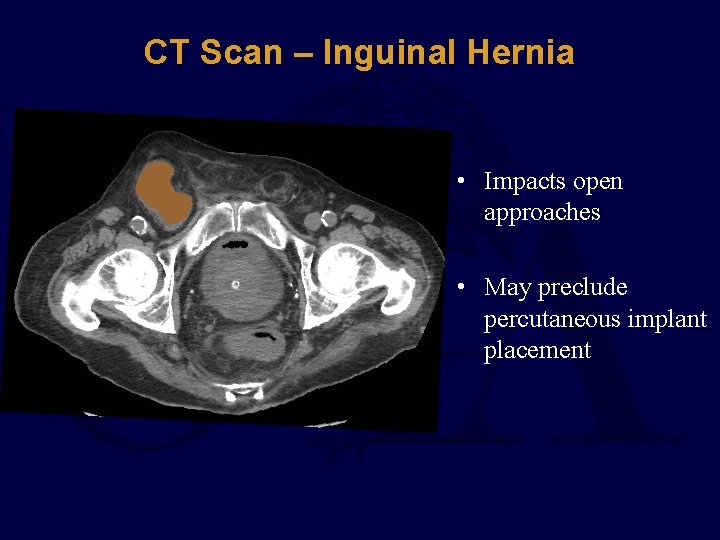
CT Scan – Inguinal Hernia • Impacts open approaches • May preclude percutaneous implant placement
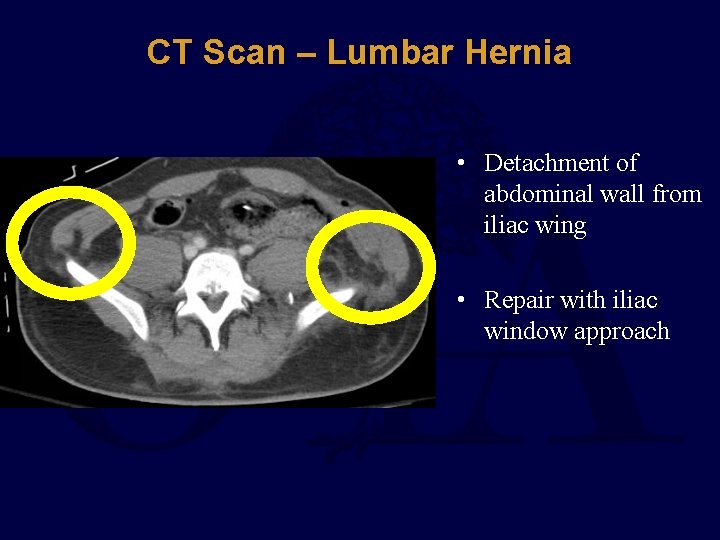
CT Scan – Lumbar Hernia • Detachment of abdominal wall from iliac wing • Repair with iliac window approach
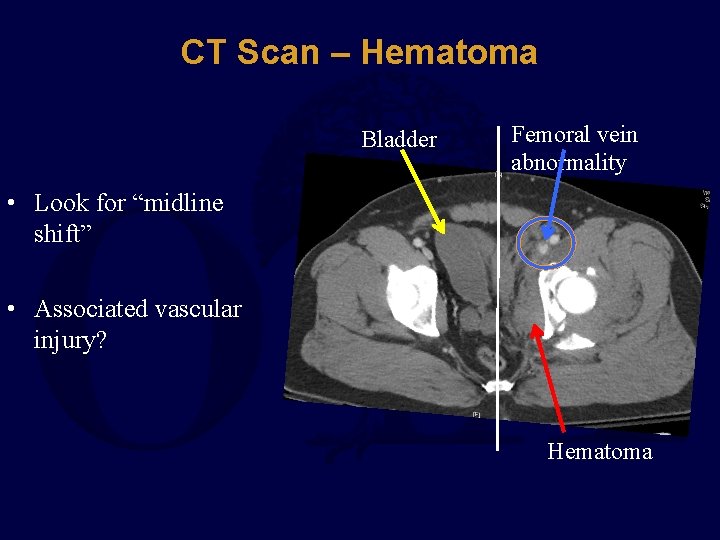
CT Scan – Hematoma Bladder Femoral vein abnormality • Look for “midline shift” • Associated vascular injury? Hematoma
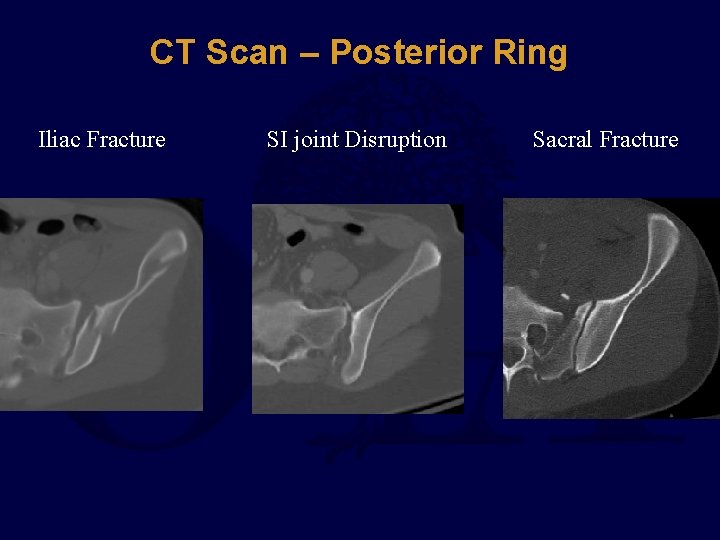
CT Scan – Posterior Ring Iliac Fracture SI joint Disruption Sacral Fracture
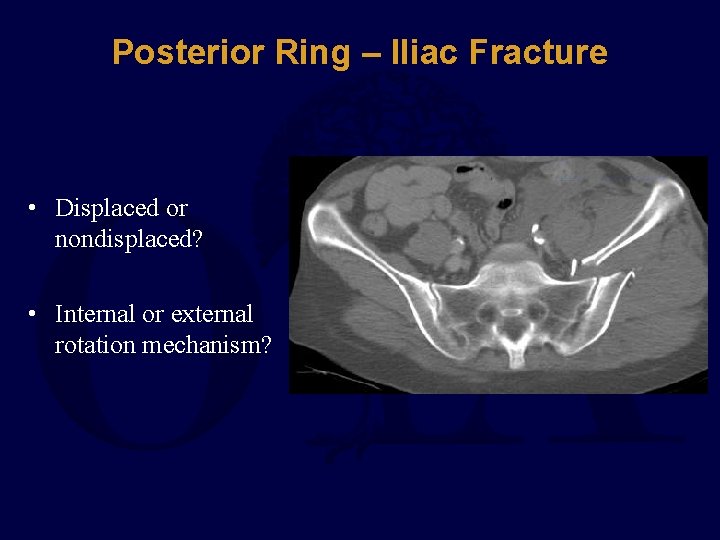
Posterior Ring – Iliac Fracture • Displaced or nondisplaced? • Internal or external rotation mechanism?
Posterior Ring – SI Joint Disruption • Complete or Incomplete? • Anterior sacral crush?
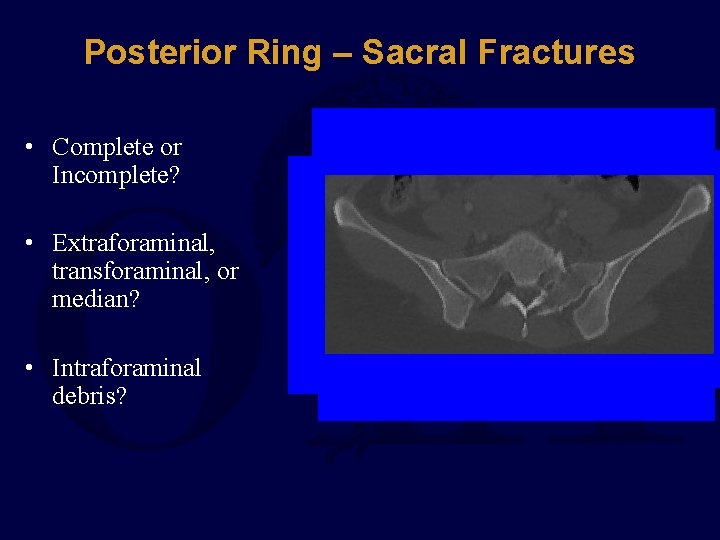
Posterior Ring – Sacral Fractures • Complete or Incomplete? • Extraforaminal, transforaminal, or median? • Intraforaminal debris?
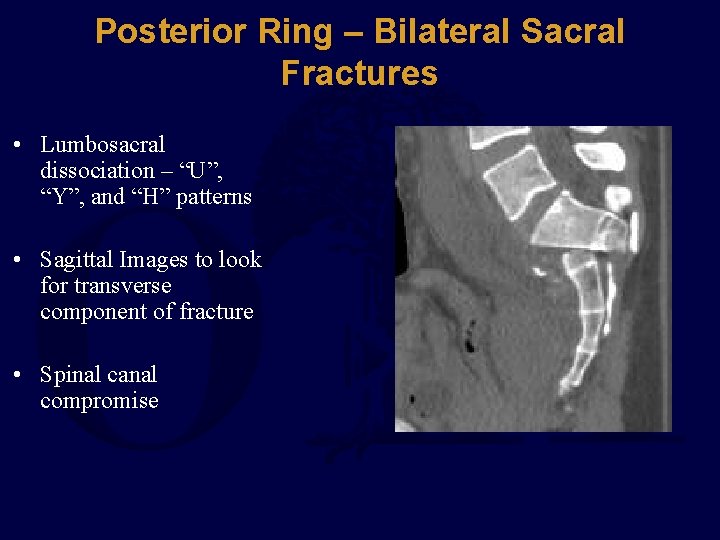
Posterior Ring – Bilateral Sacral Fractures • Lumbosacral dissociation – “U”, “Y”, and “H” patterns • Sagittal Images to look for transverse component of fracture • Spinal canal compromise
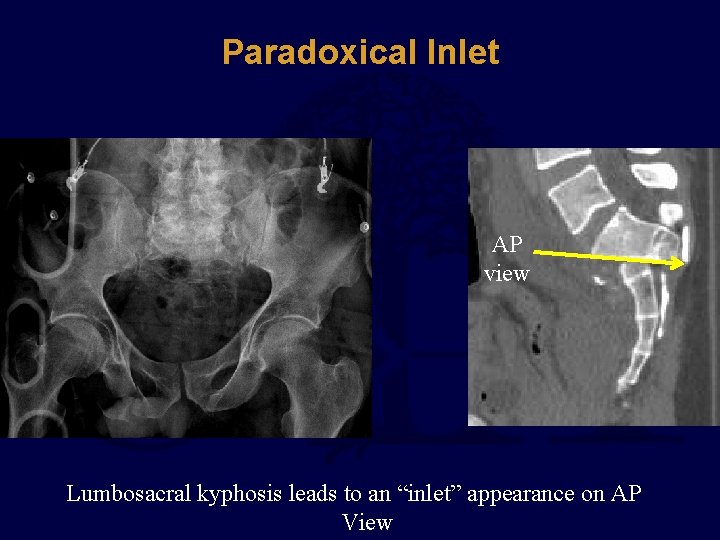
Paradoxical Inlet AP view Lumbosacral kyphosis leads to an “inlet” appearance on AP View
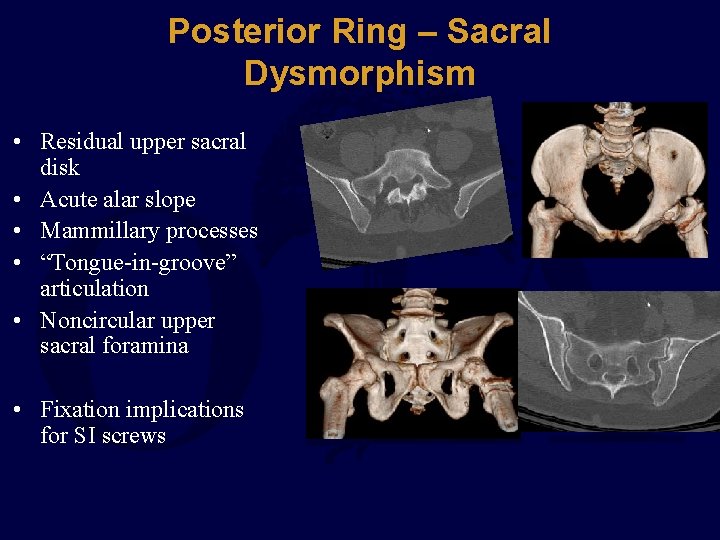
Posterior Ring – Sacral Dysmorphism • Residual upper sacral disk • Acute alar slope • Mammillary processes • “Tongue-in-groove” articulation • Noncircular upper sacral foramina • Fixation implications for SI screws
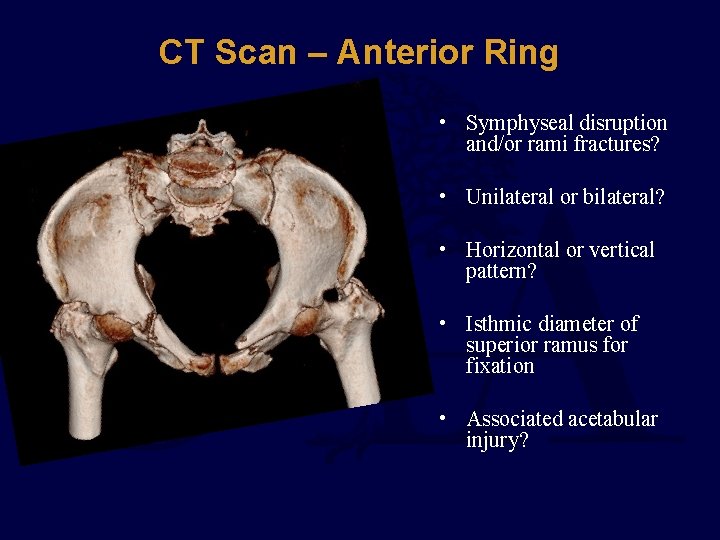
CT Scan – Anterior Ring • Symphyseal disruption and/or rami fractures? • Unilateral or bilateral? • Horizontal or vertical pattern? • Isthmic diameter of superior ramus for fixation • Associated acetabular injury?
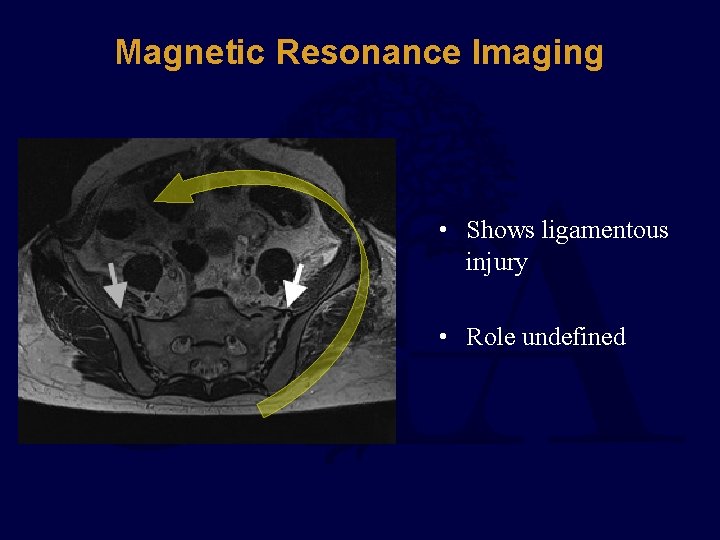
Magnetic Resonance Imaging • Shows ligamentous injury • Role undefined
Classification
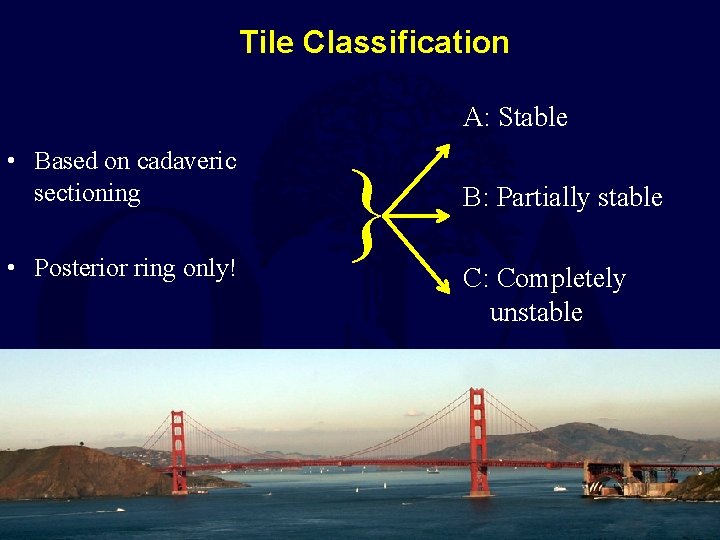
Tile Classification A: Stable • Based on cadaveric sectioning • Posterior ring only! } B: Partially stable C: Completely unstable
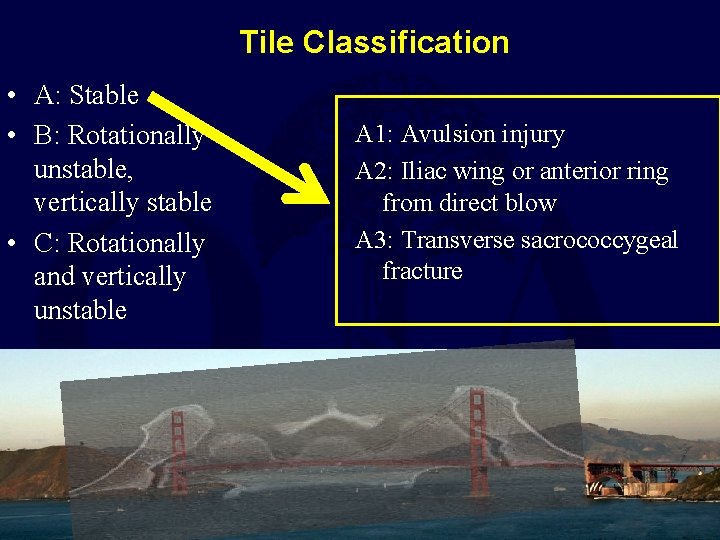
Tile Classification • A: Stable • B: Rotationally unstable, vertically stable • C: Rotationally and vertically unstable A 1: Avulsion injury A 2: Iliac wing or anterior ring from direct blow A 3: Transverse sacrococcygeal fracture
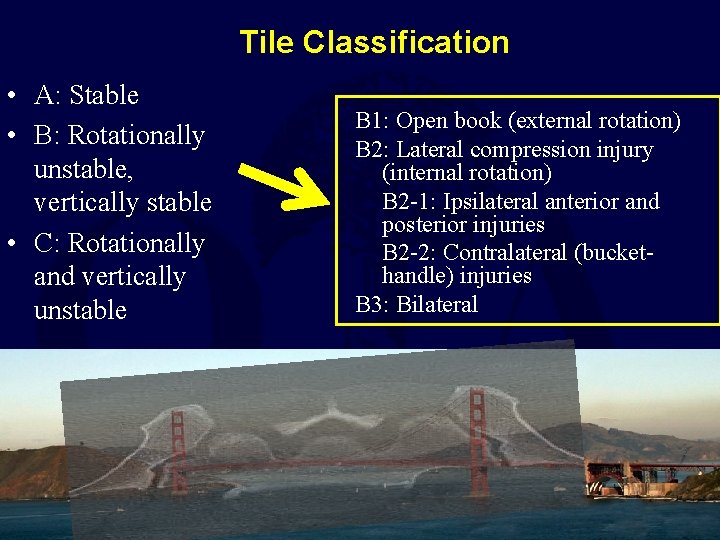
Tile Classification • A: Stable • B: Rotationally unstable, vertically stable • C: Rotationally and vertically unstable B 1: Open book (external rotation) B 2: Lateral compression injury (internal rotation) B 2 -1: Ipsilateral anterior and posterior injuries B 2 -2: Contralateral (buckethandle) injuries B 3: Bilateral
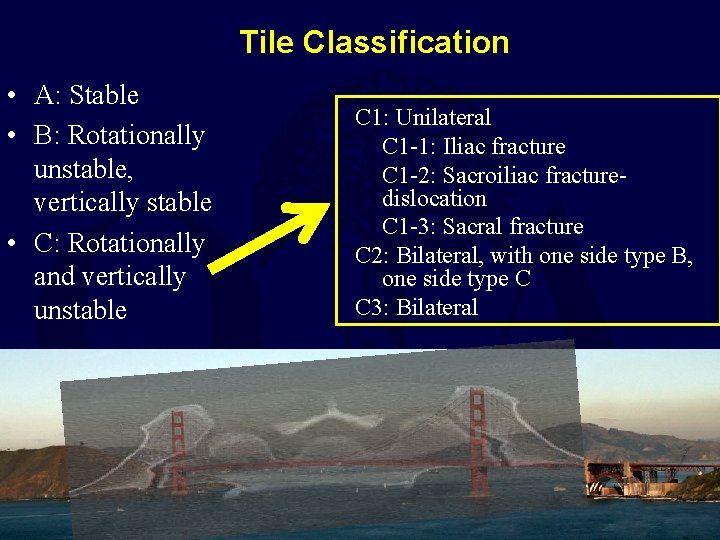
Tile Classification • A: Stable • B: Rotationally unstable, vertically stable • C: Rotationally and vertically unstable C 1: Unilateral C 1 -1: Iliac fracture C 1 -2: Sacroiliac fracturedislocation C 1 -3: Sacral fracture C 2: Bilateral, with one side type B, one side type C C 3: Bilateral
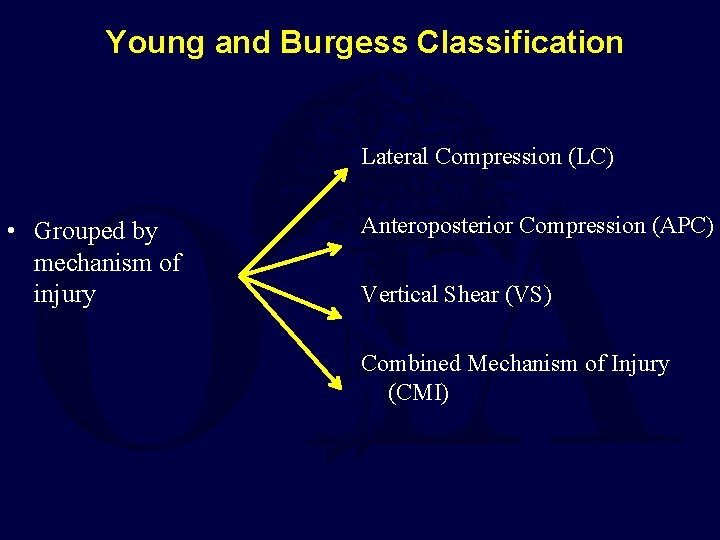
Young and Burgess Classification Lateral Compression (LC) • Grouped by mechanism of injury Anteroposterior Compression (APC) Vertical Shear (VS) Combined Mechanism of Injury (CMI)
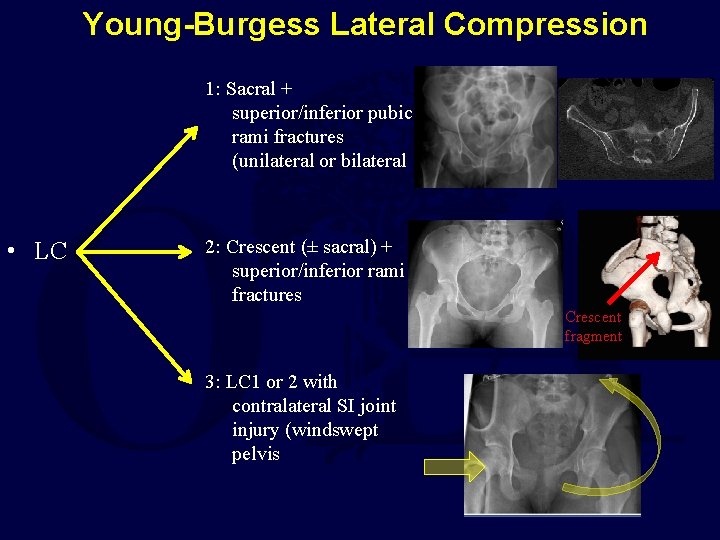
Young-Burgess Lateral Compression 1: Sacral + superior/inferior pubic rami fractures (unilateral or bilateral • LC 2: Crescent (± sacral) + superior/inferior rami fractures Crescent fragment 3: LC 1 or 2 with contralateral SI joint injury (windswept pelvis
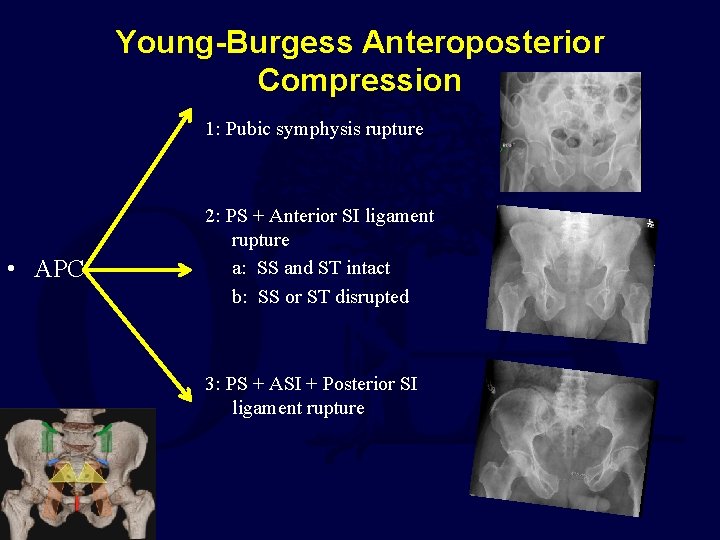
Young-Burgess Anteroposterior Compression 1: Pubic symphysis rupture • APC 2: PS + Anterior SI ligament rupture a: SS and ST intact b: SS or ST disrupted 3: PS + ASI + Posterior SI ligament rupture
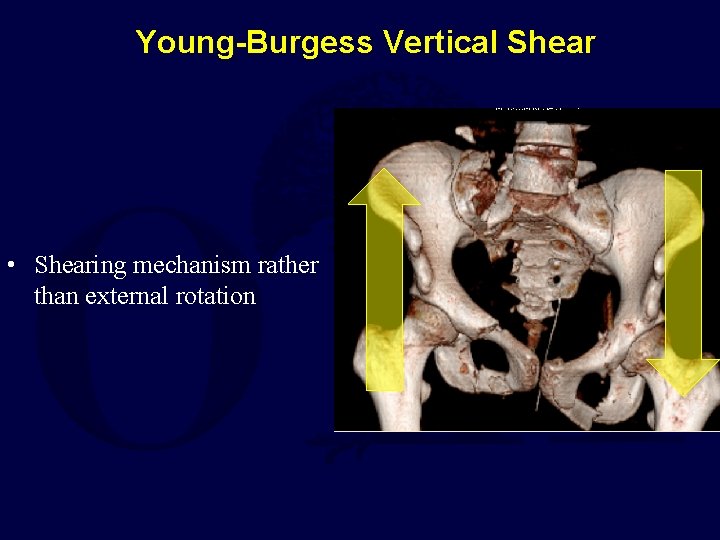
Young-Burgess Vertical Shear • Shearing mechanism rather than external rotation
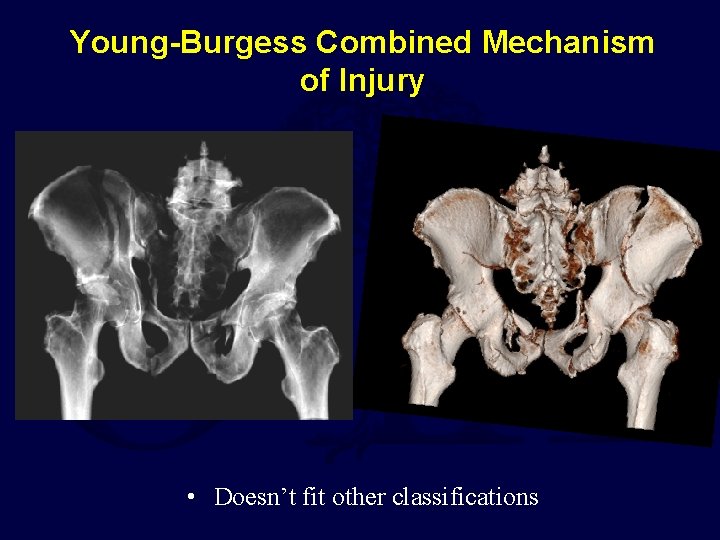
Young-Burgess Combined Mechanism of Injury • Doesn’t fit other classifications
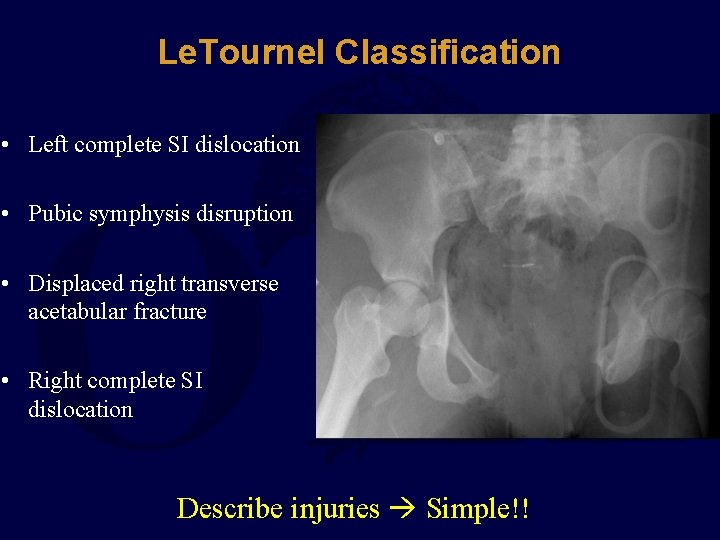
Le. Tournel Classification • Left complete SI dislocation • Pubic symphysis disruption • Displaced right transverse acetabular fracture • Right complete SI dislocation Describe injuries Simple!!
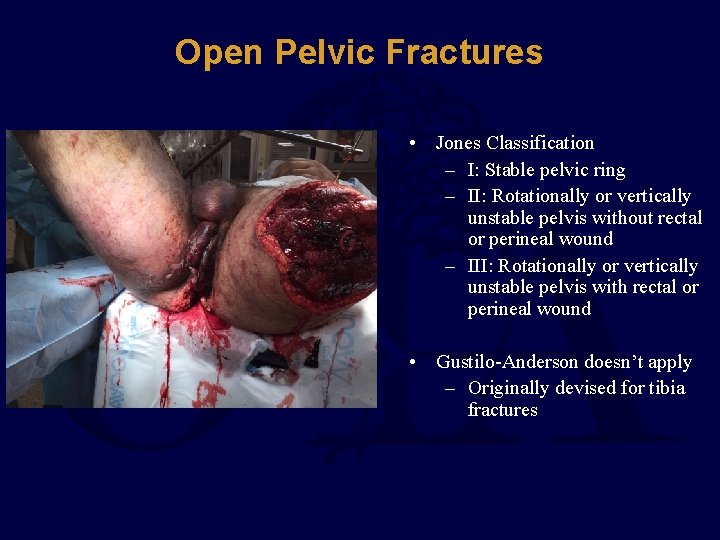
Open Pelvic Fractures • Jones Classification – I: Stable pelvic ring – II: Rotationally or vertically unstable pelvis without rectal or perineal wound – III: Rotationally or vertically unstable pelvis with rectal or perineal wound • Gustilo-Anderson doesn’t apply – Originally devised for tibia fractures
Summary Case
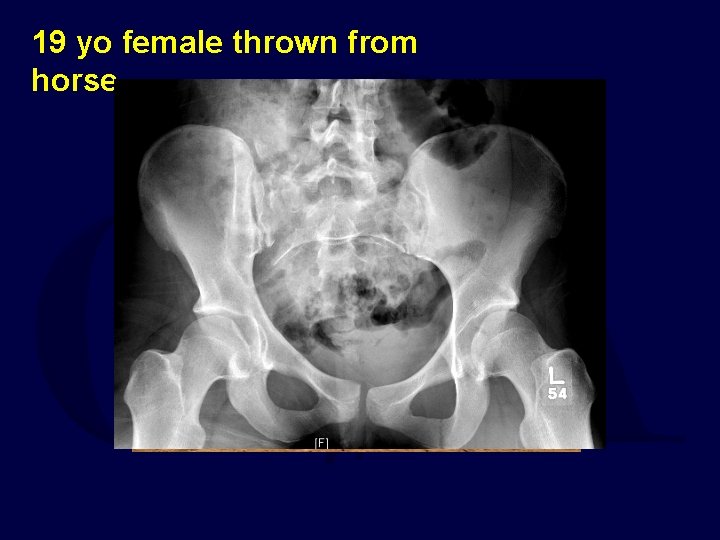
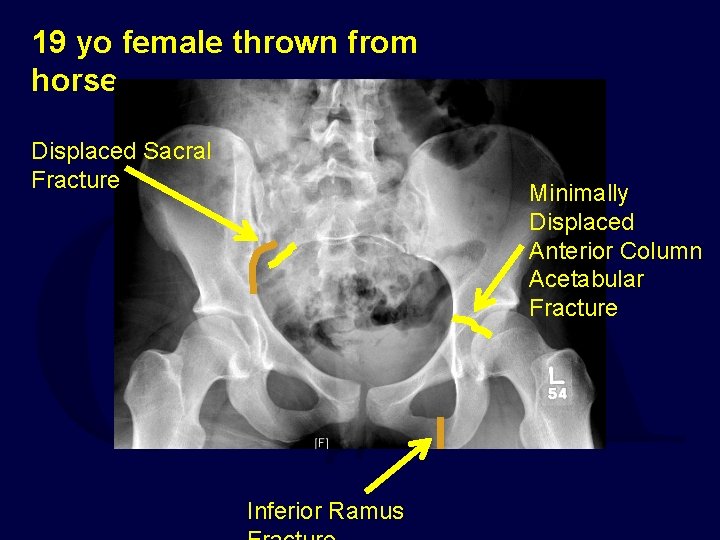
19 yo female thrown from horse
19 yo female thrown from horse Displaced Sacral Fracture Minimally Displaced Anterior Column Acetabular Fracture Inferior Ramus
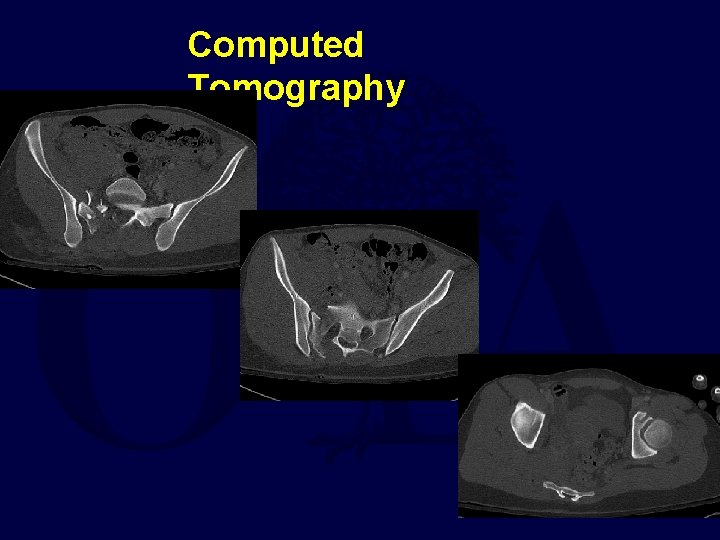
Computed Tomography
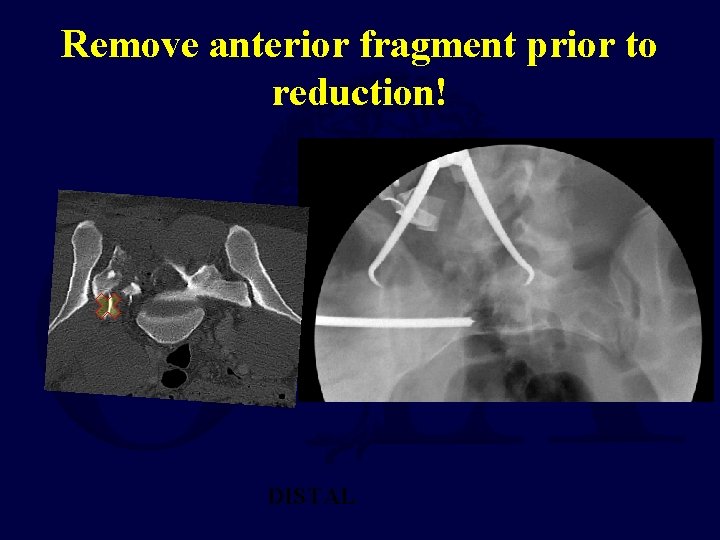
Computed Tomography L 4 and L 5 Nerve Roots run here
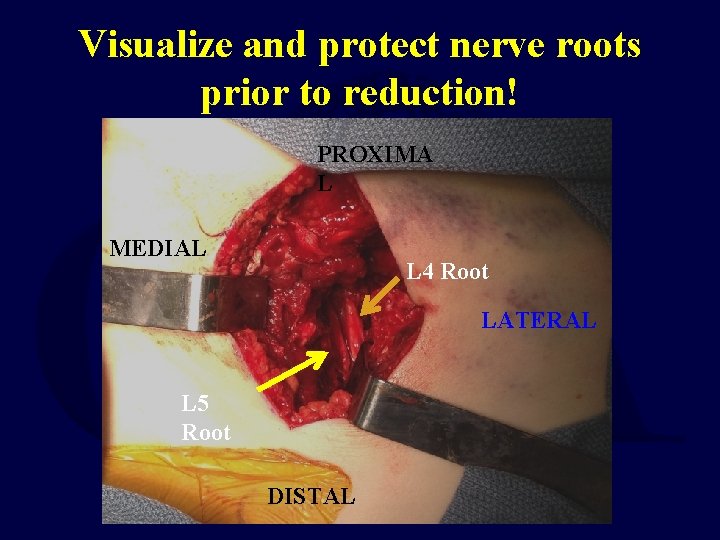
Visualize and protect nerve roots prior to reduction! PROXIMA L MEDIAL L 4 Root LATERAL L 5 Root DISTAL
Remove anterior fragment prior to reduction! DISTAL
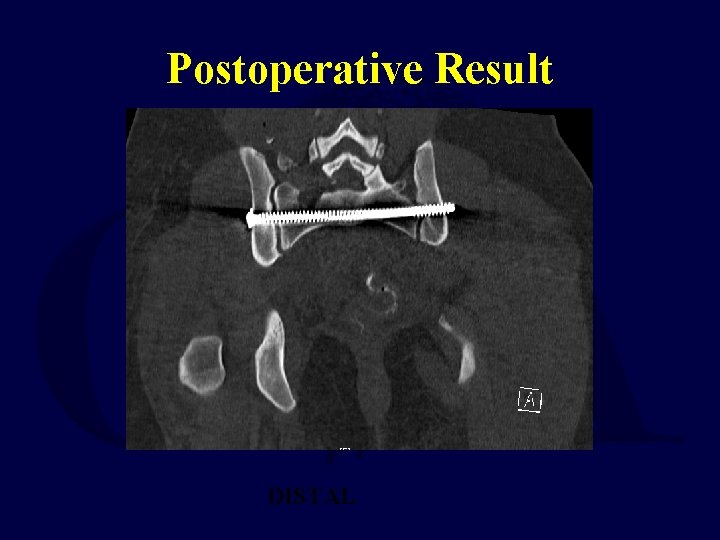
Postoperative Result DISTAL
Summary • Anatomic knowledge = POWER! • Proper Imaging = PLANNING! • Classification = UNDERSTANDING!
• For questions or comments, please send to ota@ota. org