
Radiographic Assessment of the Pediatric Patient S Lal
- Slides: 29
“Radiographic Assessment of the Pediatric Patient” S. Lal, DDS
Special considerations 1. n n n Risk assessment Evidence of caries/hx Trauma Anomalies Fluoride status Diet
AAPD guidelines for radiographs n Based on Age and risk assessment
Child preparation and management n Euphemisms n Role models n Contour film n Gag reflex – distraction n Parental help n Bad taste
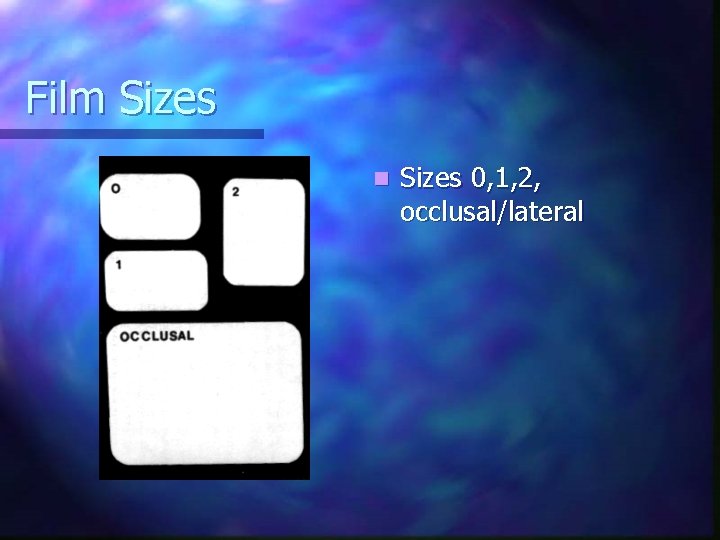
Film Sizes n Sizes 0, 1, 2, occlusal/lateral
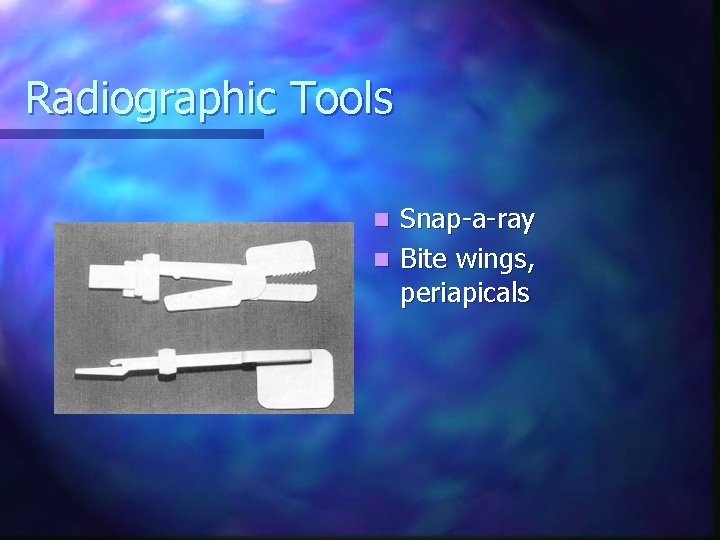
Radiographic Tools Snap-a-ray n Bite wings, periapicals n
Radiographic techniques 1. 2. 3. 4. 5. 6. Bite wings Periapicals (not p. a. ’s) Max/mand occlusals Extraoral/lateral film Soft tissue x-ray Panoramic radiographs
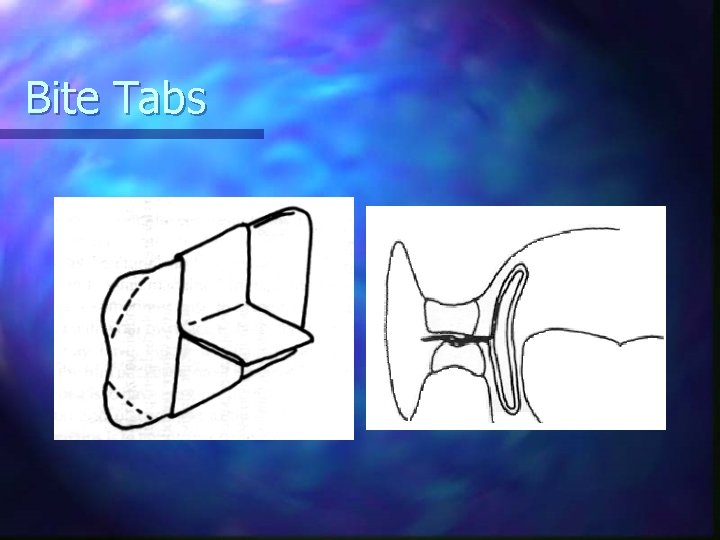
Bite Tabs
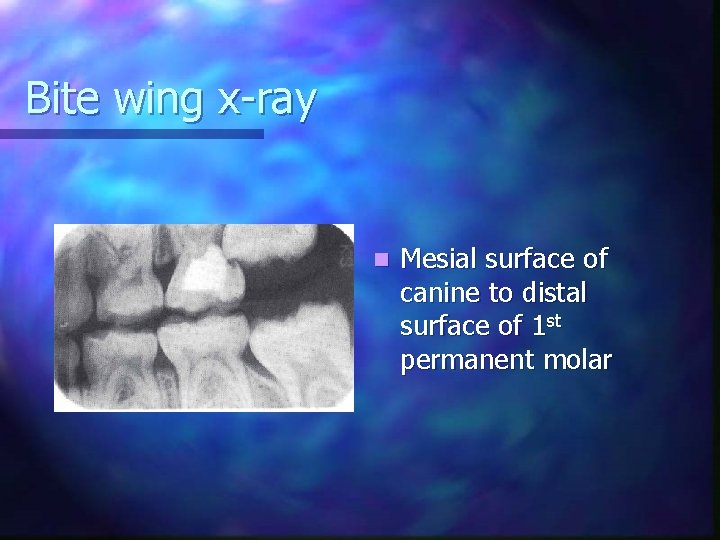
Bite wing x-ray n Mesial surface of canine to distal surface of 1 st permanent molar
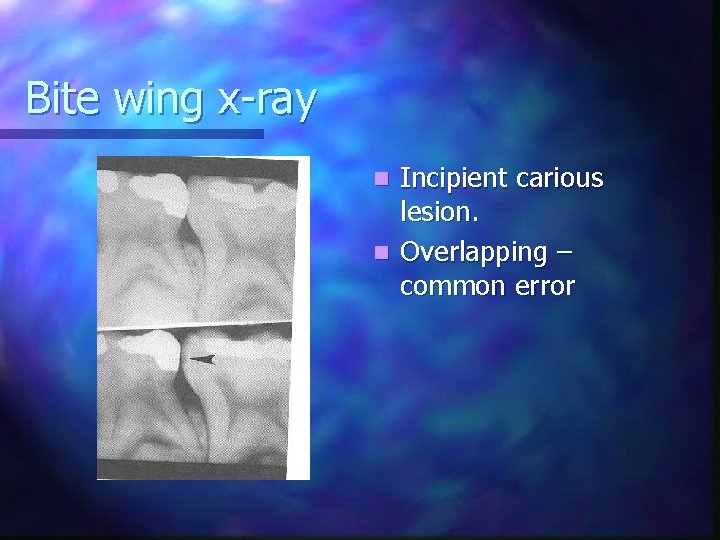
Bite wing x-ray Incipient carious lesion. n Overlapping – common error n
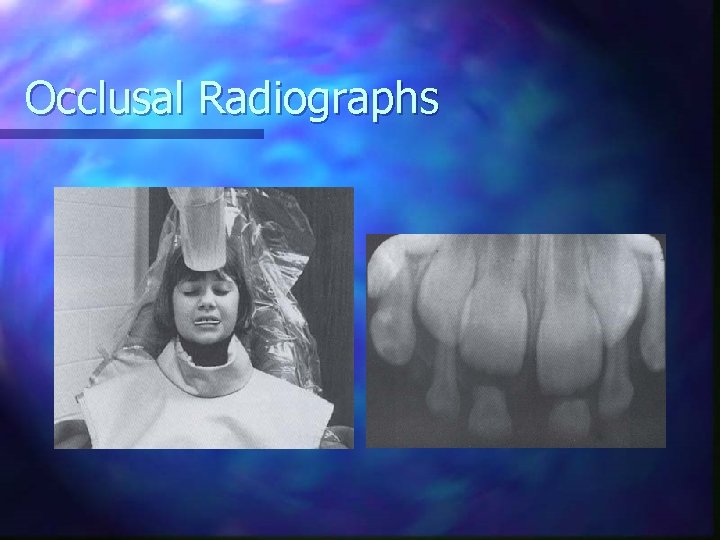
Occlusal Radiographs
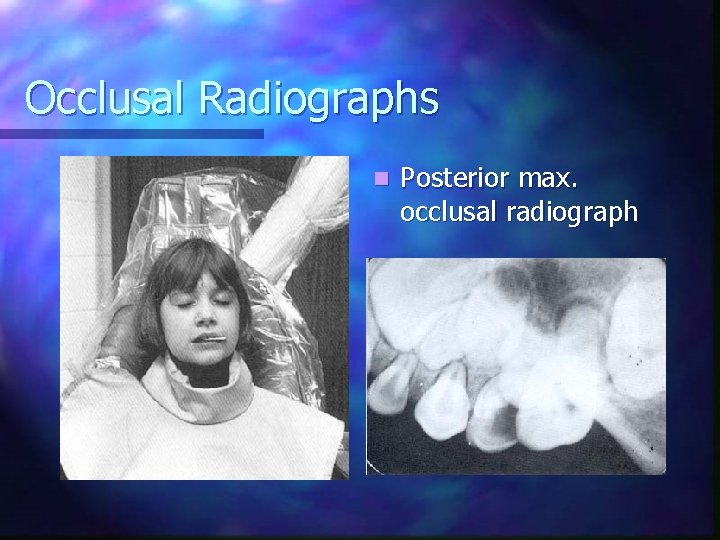
Occlusal Radiographs n Posterior max. occlusal radiograph
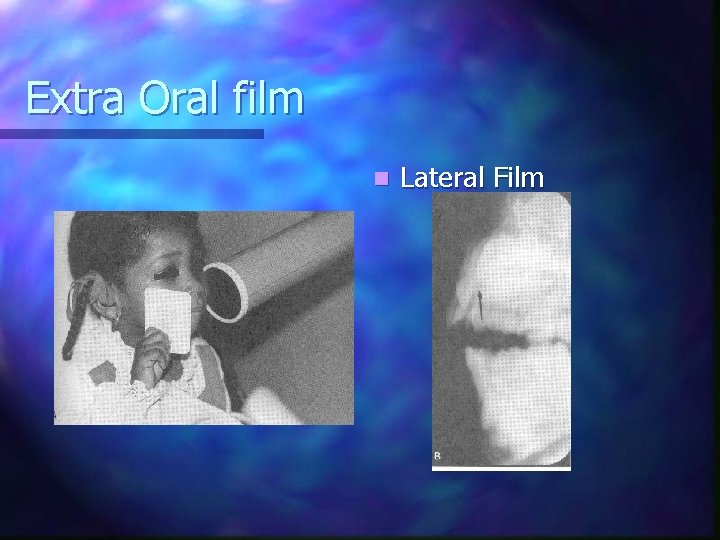
Extra Oral film n Lateral Film
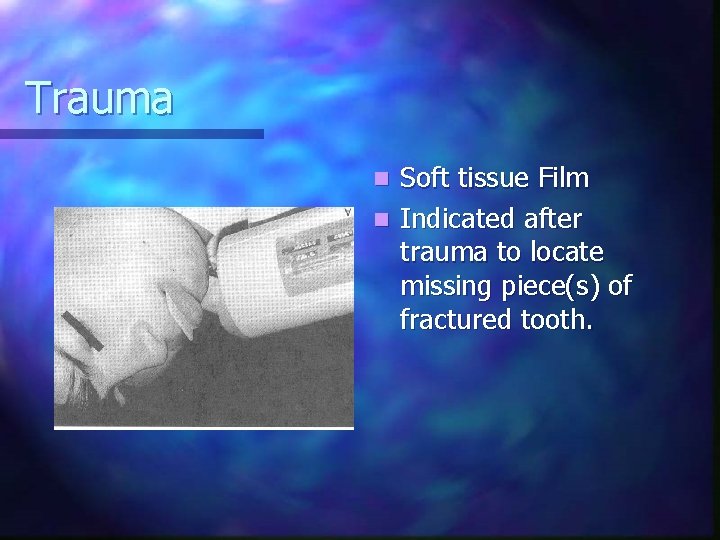
Trauma Soft tissue Film n Indicated after trauma to locate missing piece(s) of fractured tooth. n
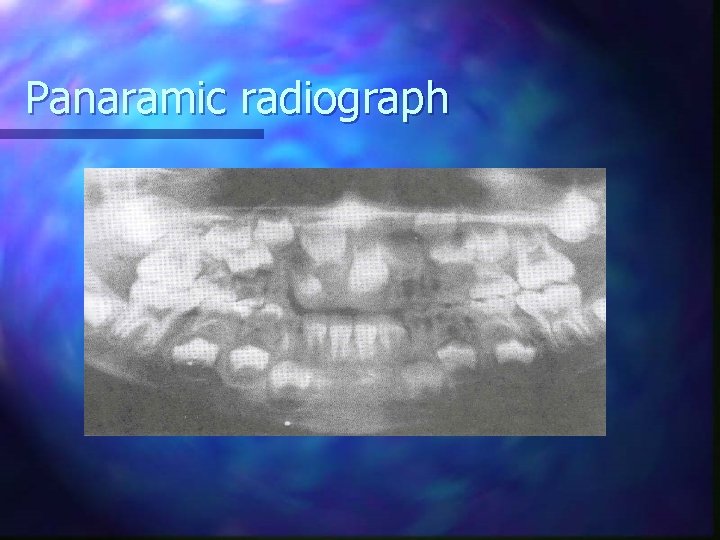
Panaramic radiograph
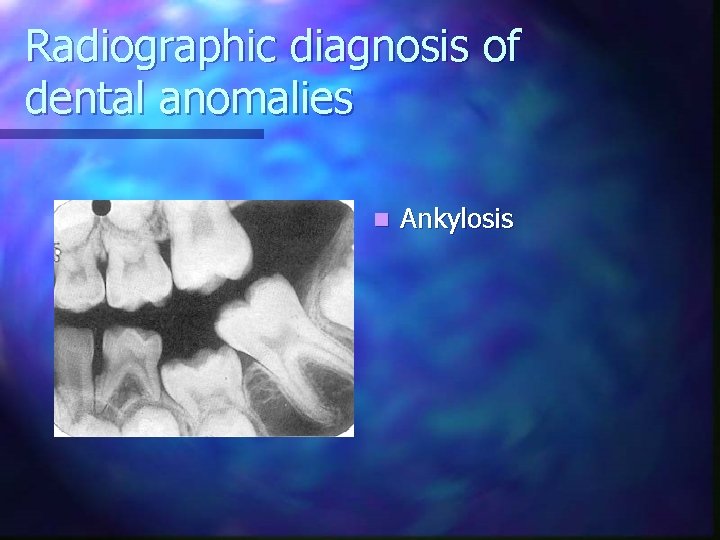
Radiographic diagnosis of dental anomalies n Ankylosis
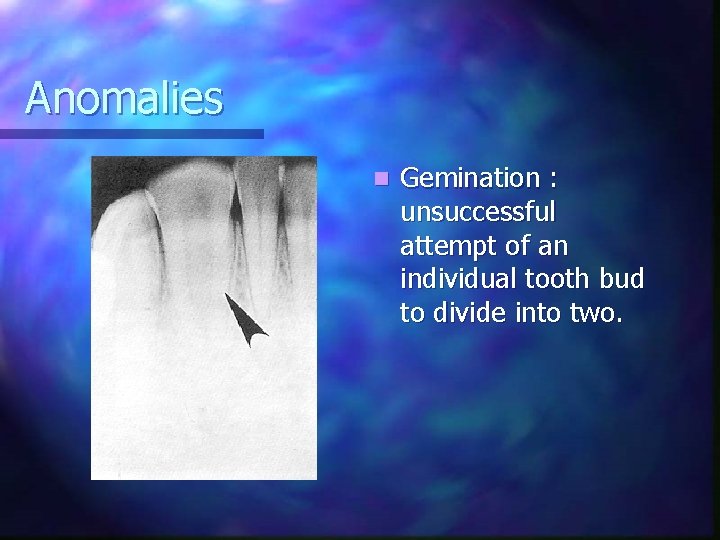
Anomalies n Gemination : unsuccessful attempt of an individual tooth bud to divide into two.
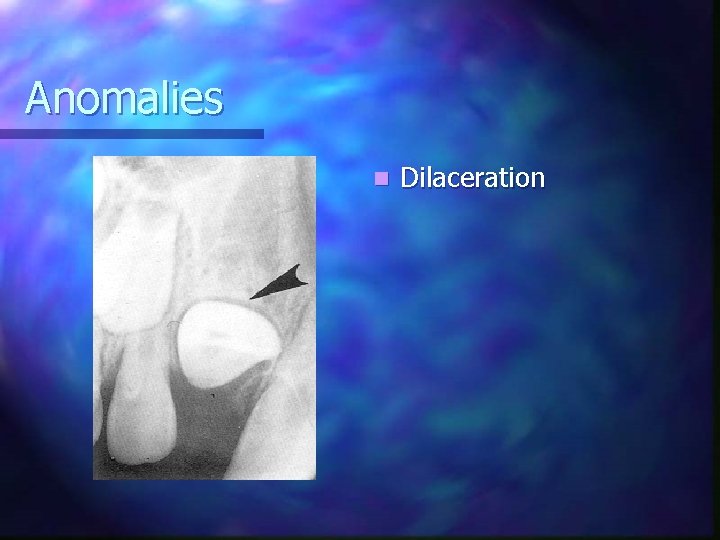
Anomalies n Dilaceration
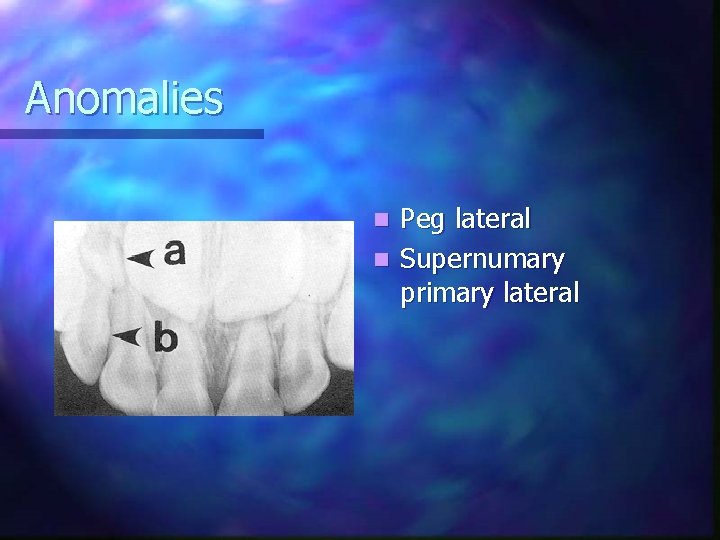
Anomalies Peg lateral n Supernumary primary lateral n
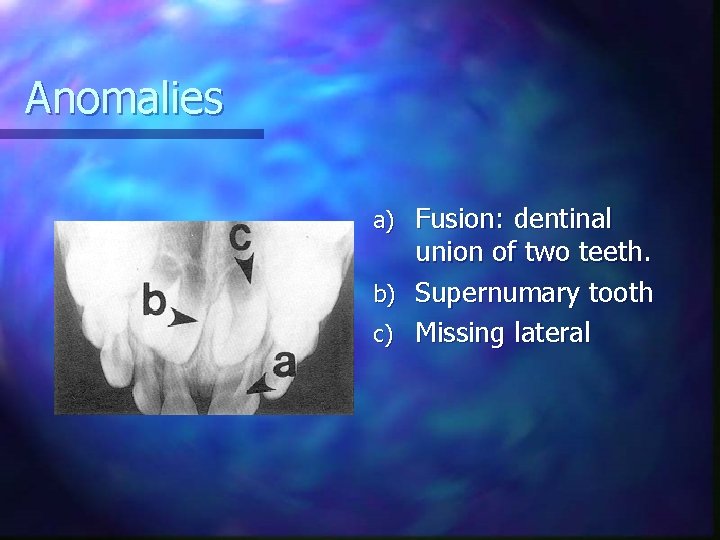
Anomalies Fusion: dentinal union of two teeth. b) Supernumary tooth c) Missing lateral a)
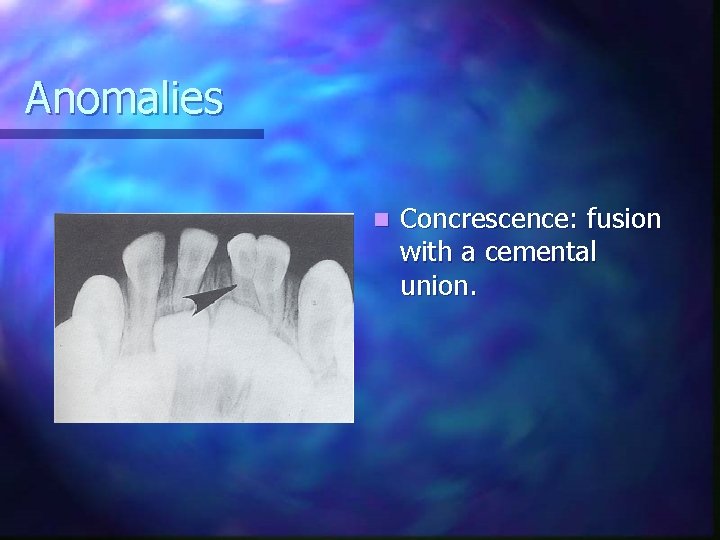
Anomalies n Concrescence: fusion with a cemental union.
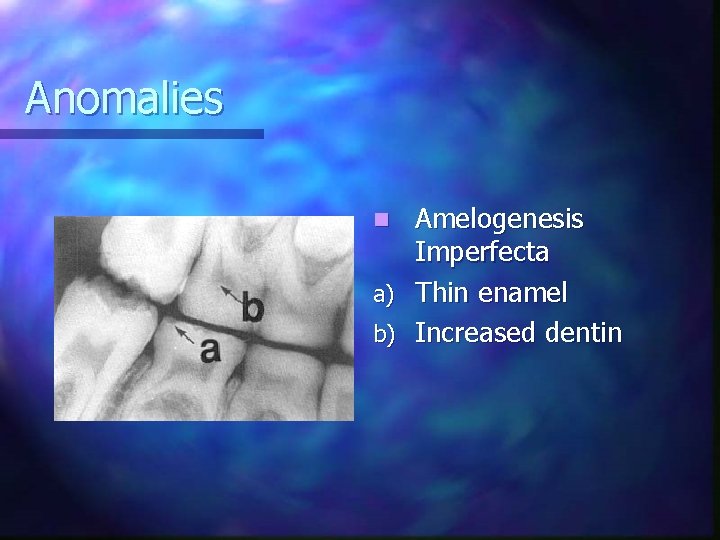
Anomalies Amelogenesis Imperfecta a) Thin enamel b) Increased dentin n
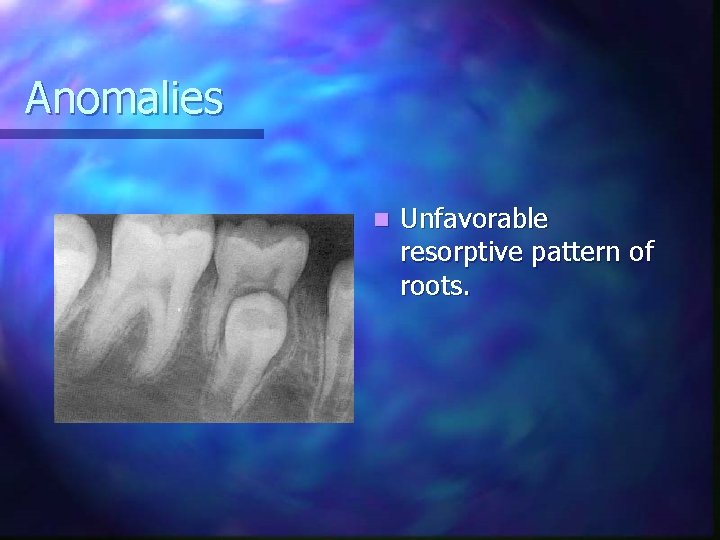
Anomalies n Unfavorable resorptive pattern of roots.
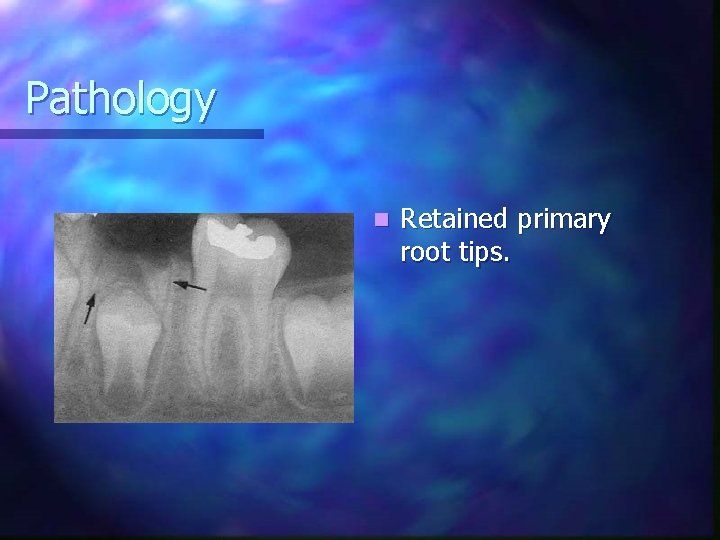
Pathology n Retained primary root tips.
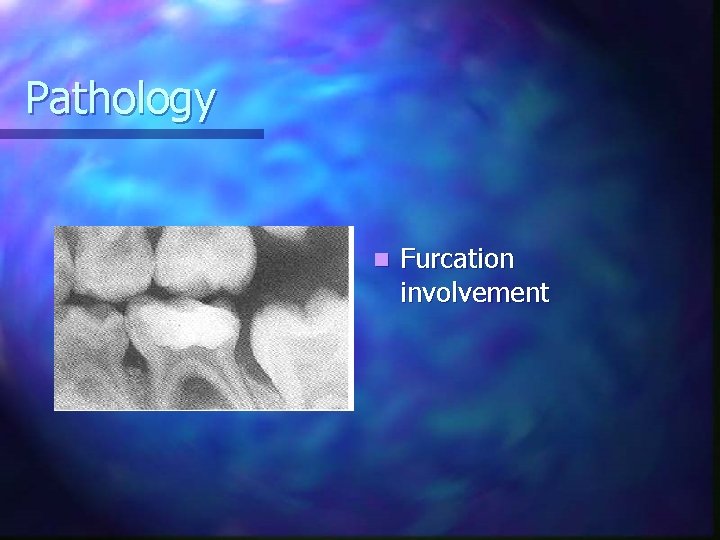
Pathology n Furcation involvement
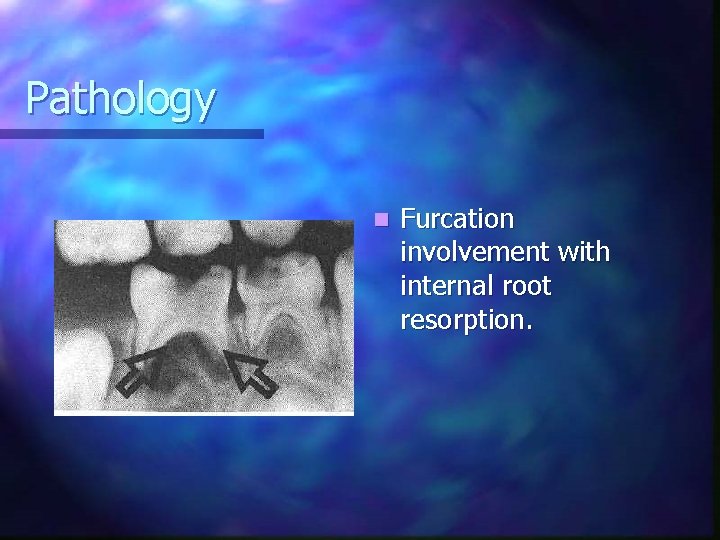
Pathology n Furcation involvement with internal root resorption.
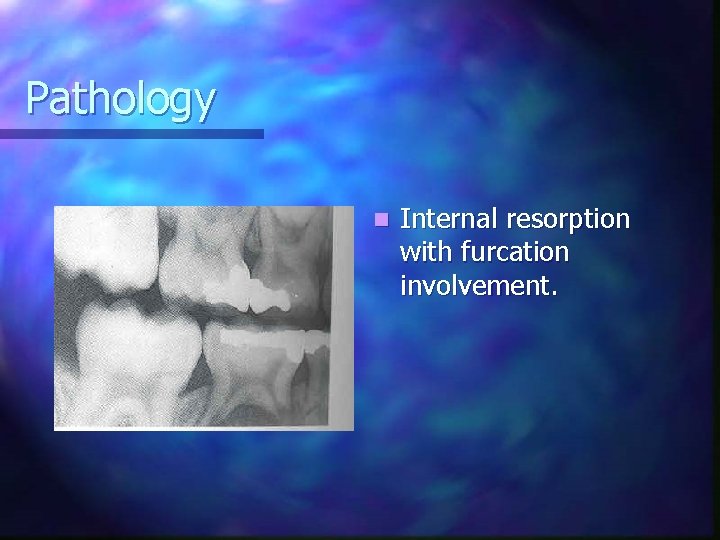
Pathology n Internal resorption with furcation involvement.
Artifacts/optical illusions Cervical burnout 2. Mach band phenomenon 1. It may take 30%-70% demineralisation to occur before it can be evidenced radiographically. Ø Radiographs are 2 D views of 3 D objects. Ø
n THANK YOU!