
Radio Links Components of a radio link RX
- Slides: 32
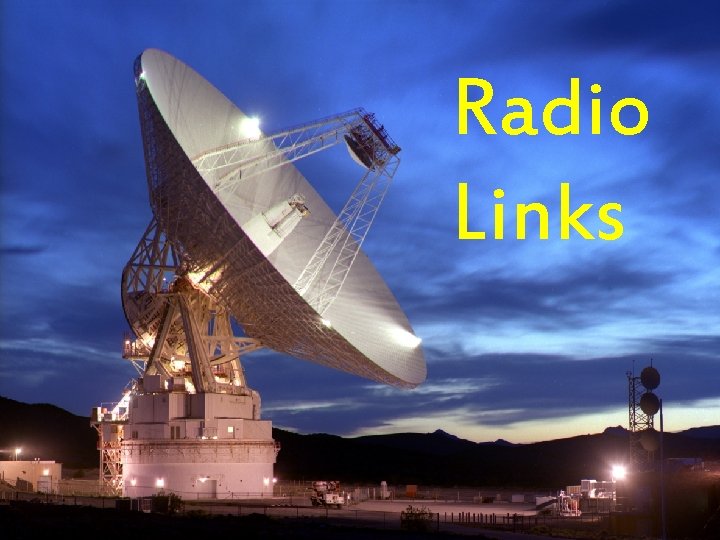
Radio Links
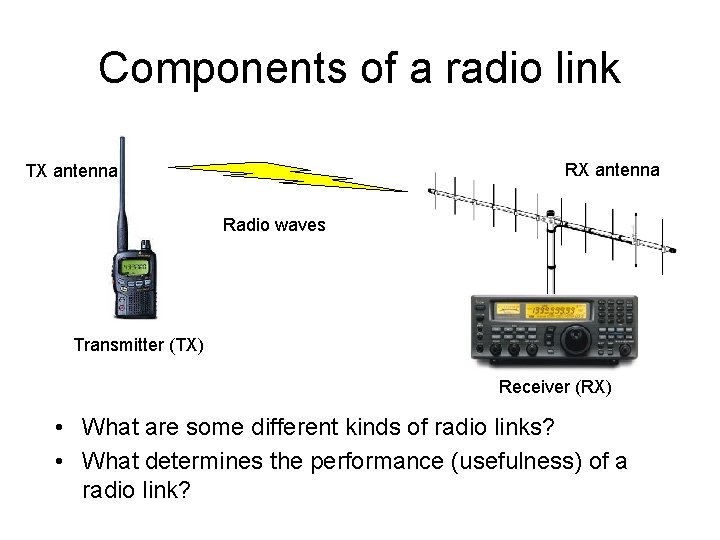
Components of a radio link RX antenna TX antenna Radio waves Transmitter (TX) Receiver (RX) • What are some different kinds of radio links? • What determines the performance (usefulness) of a radio link?
Some radio links • AM radio, FM radio • Television (broadcast) • •
Link properties • • • Information transmitted Information received Antenna – TX, RX Cost – TX, RX Size – TX, RX Power available – TX, RX
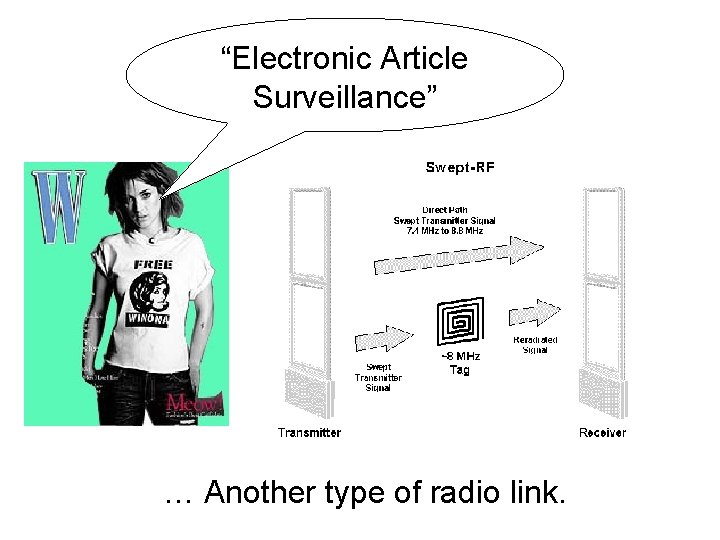
“Electronic Article Surveillance” … Another type of radio link.
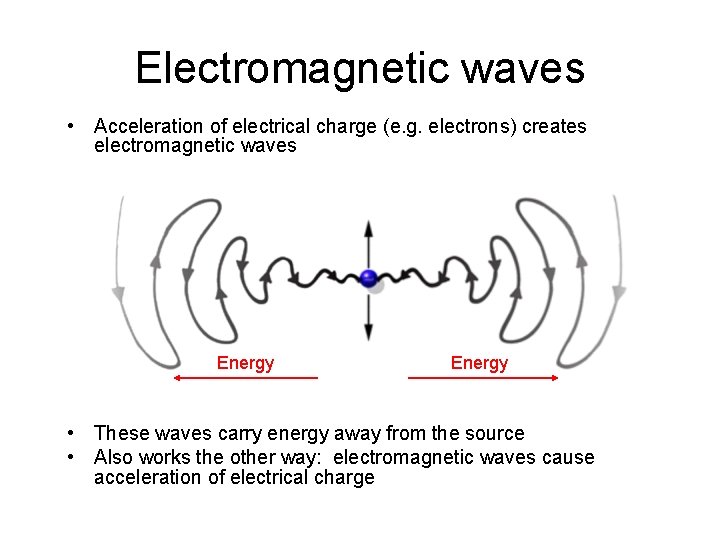
Electromagnetic waves • Acceleration of electrical charge (e. g. electrons) creates electromagnetic waves Energy • These waves carry energy away from the source • Also works the other way: electromagnetic waves cause acceleration of electrical charge
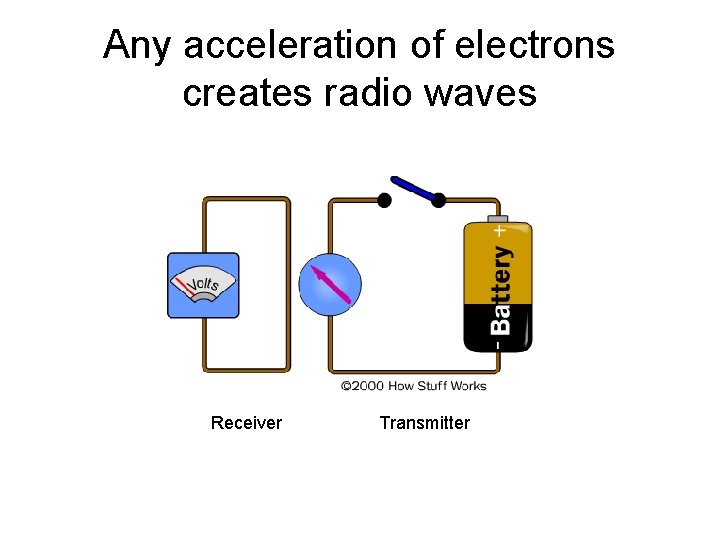
Any acceleration of electrons creates radio waves Receiver Transmitter
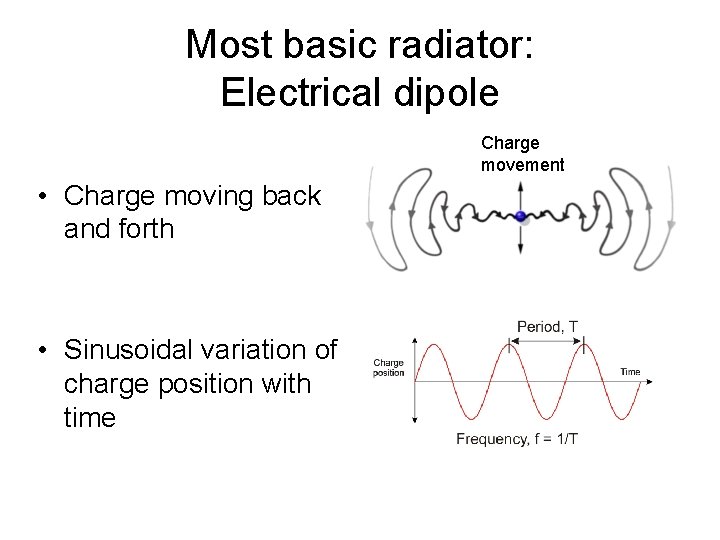
Most basic radiator: Electrical dipole Charge movement • Charge moving back and forth • Sinusoidal variation of charge position with time
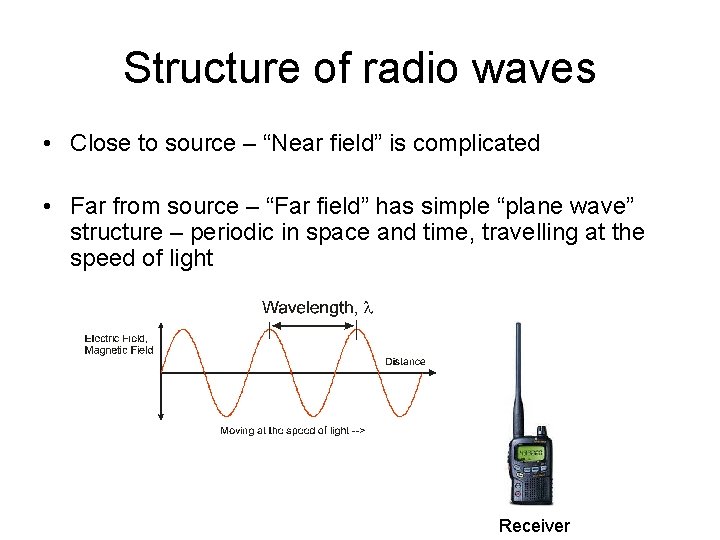
Structure of radio waves • Close to source – “Near field” is complicated • Far from source – “Far field” has simple “plane wave” structure – periodic in space and time, travelling at the speed of light Receiver
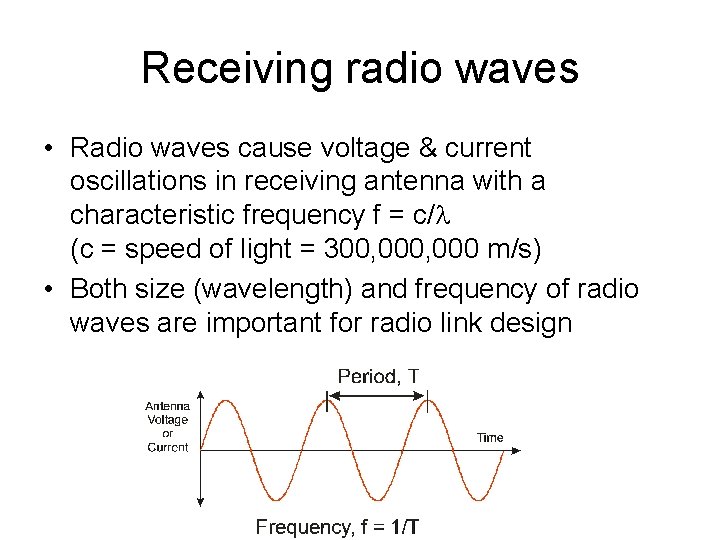
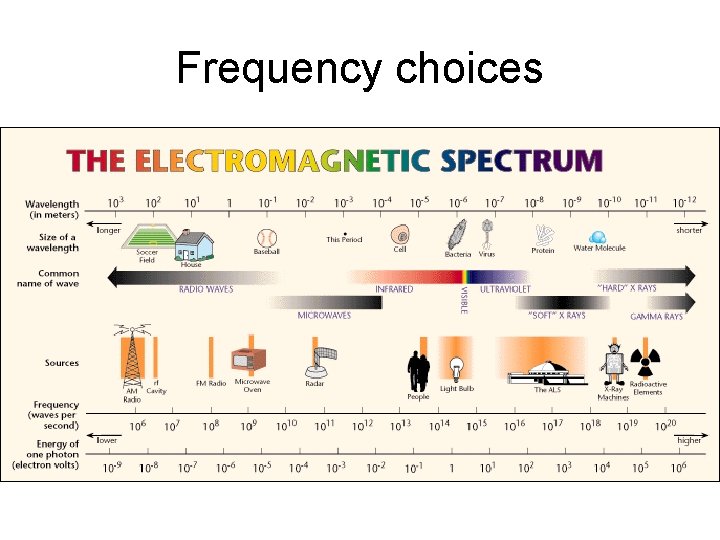
Receiving radio waves • Radio waves cause voltage & current oscillations in receiving antenna with a characteristic frequency f = c/l (c = speed of light = 300, 000 m/s) • Both size (wavelength) and frequency of radio waves are important for radio link design
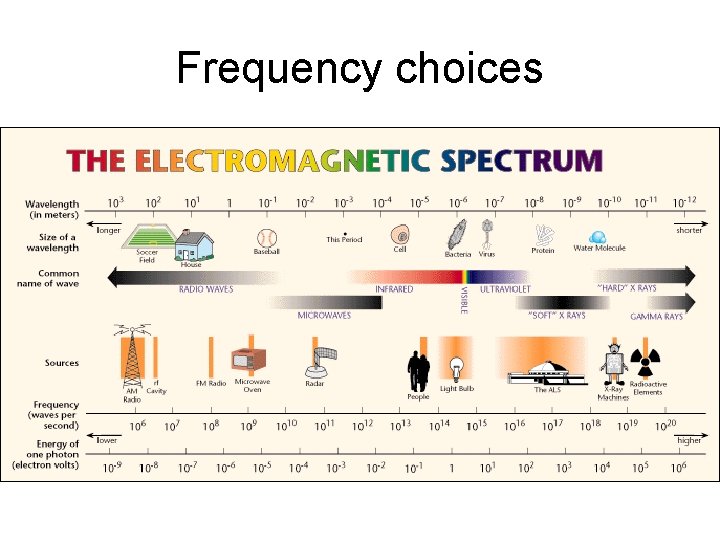
Frequency choices
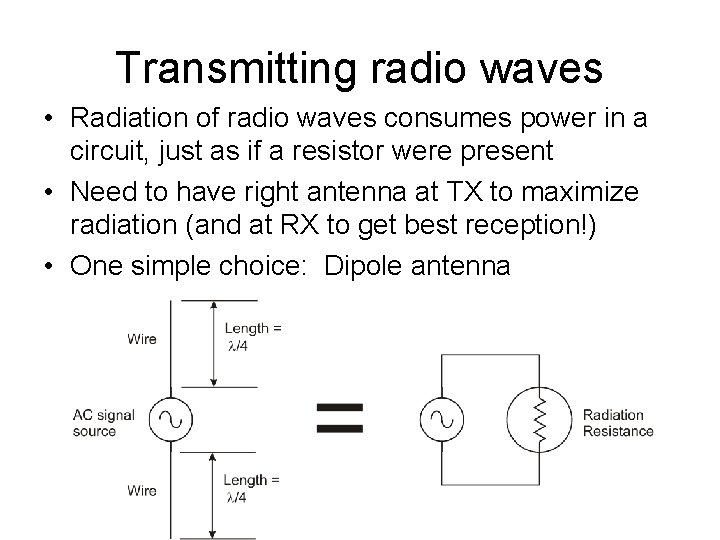
Transmitting radio waves • Radiation of radio waves consumes power in a circuit, just as if a resistor were present • Need to have right antenna at TX to maximize radiation (and at RX to get best reception!) • One simple choice: Dipole antenna
Link budget • Where does this power go? • For communication, radiated power must be received and interpreted • How much of the radiated power (signal) is received? • How much interference is also received (noise)? • What is the signal to noise ratio (SNR)? • Higher SNR better ability to transmit information
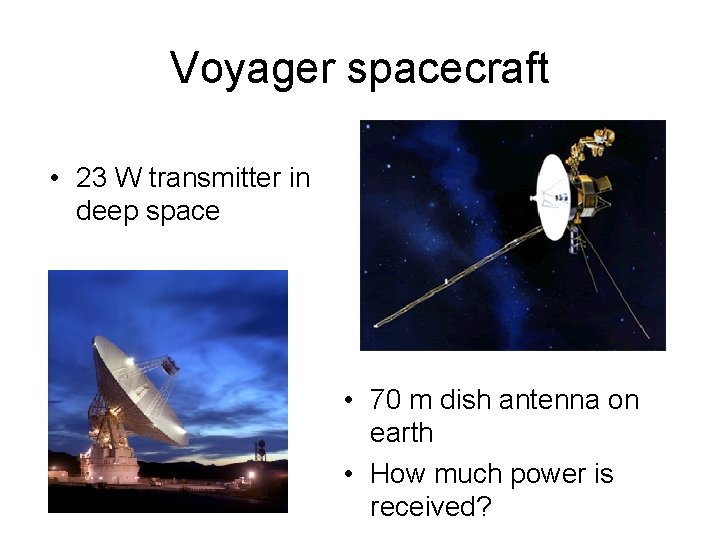
Voyager spacecraft • 23 W transmitter in deep space • 70 m dish antenna on earth • How much power is received?
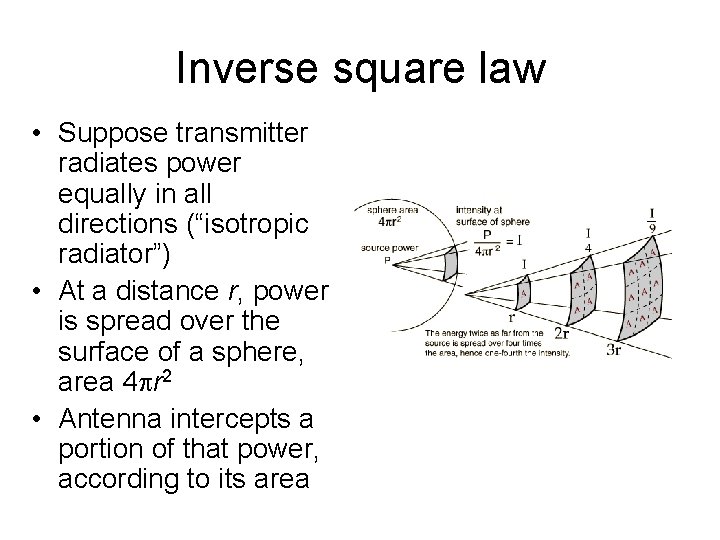
Inverse square law • Suppose transmitter radiates power equally in all directions (“isotropic radiator”) • At a distance r, power is spread over the surface of a sphere, area 4 pr 2 • Antenna intercepts a portion of that power, according to its area
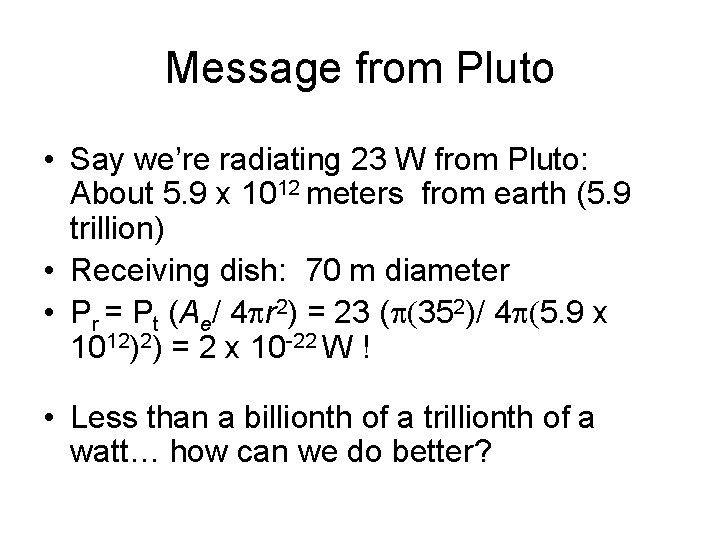
Message from Pluto • Say we’re radiating 23 W from Pluto: About 5. 9 x 10¹² meters from earth (5. 9 trillion) • Receiving dish: 70 m diameter • Pr = Pt (Ae/ 4 pr 2) = 23 (p(352)/ 4 p(5. 9 x 10¹²)2) = 2 x 10 -22 W ! • Less than a billionth of a trillionth of a watt… how can we do better?
Improving signal to noise ratio • • • Decrease noise Decrease distance Increase transmitter power Increase antenna area Direct radiated power more efficiently
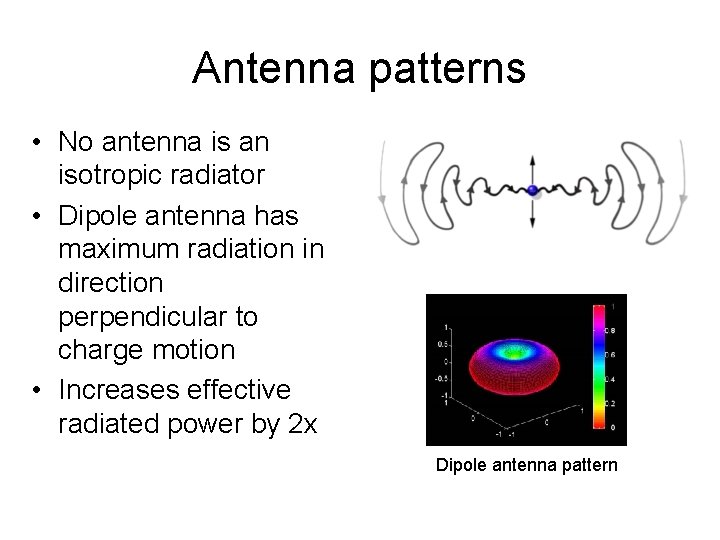
Antenna patterns • No antenna is an isotropic radiator • Dipole antenna has maximum radiation in direction perpendicular to charge motion • Increases effective radiated power by 2 x Dipole antenna pattern
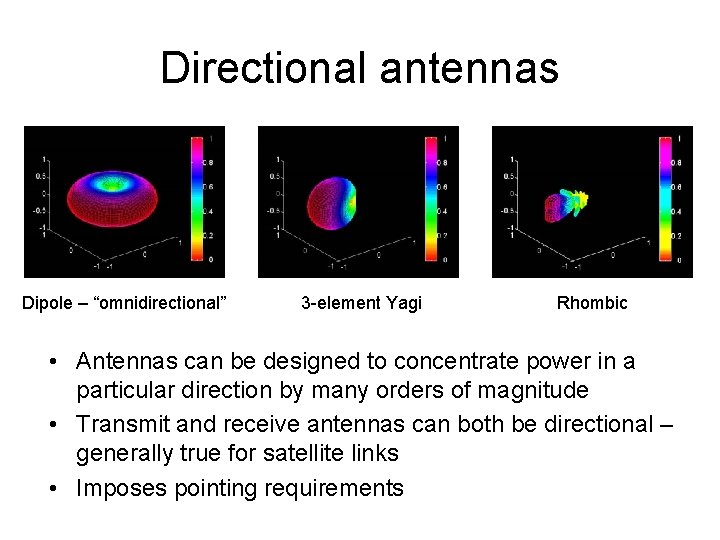
Directional antennas Dipole – “omnidirectional” 3 -element Yagi Rhombic • Antennas can be designed to concentrate power in a particular direction by many orders of magnitude • Transmit and receive antennas can both be directional – generally true for satellite links • Imposes pointing requirements
Antennas for long-distance radio links • Voyager – highly directional antennas on transmitter and receiver • What about other systems? Satellite television, GPS, Balloons, Rockets
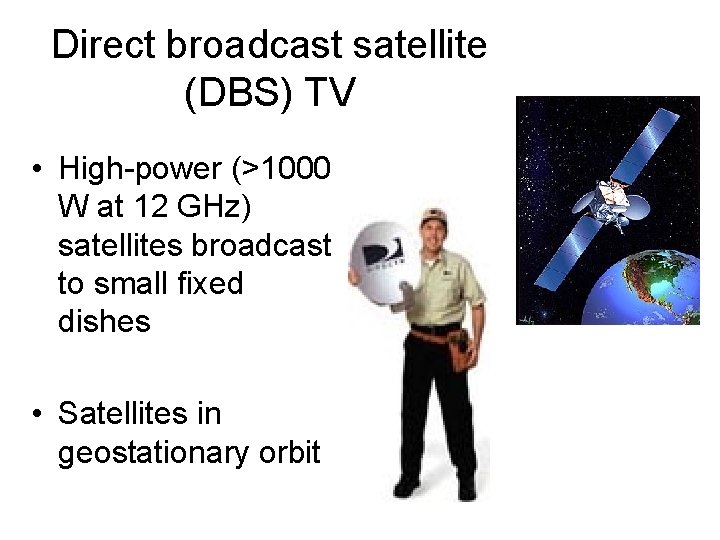
Direct broadcast satellite (DBS) TV • High-power (>1000 W at 12 GHz) satellites broadcast to small fixed dishes • Satellites in geostationary orbit
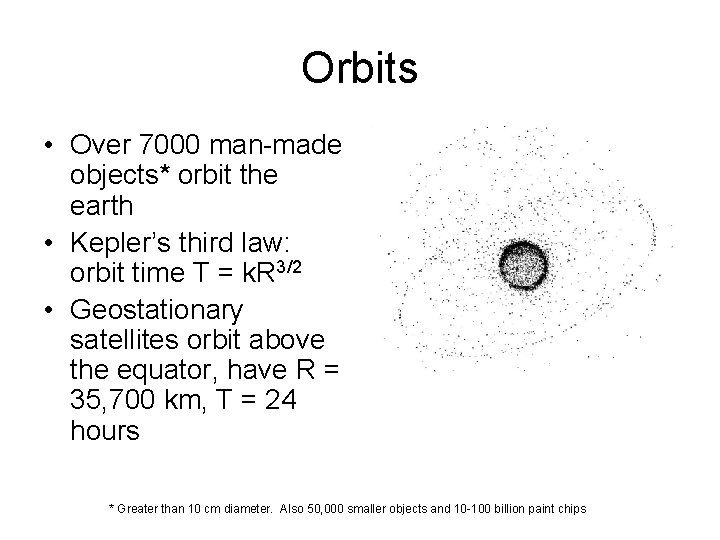
Orbits • Over 7000 man-made objects* orbit the earth • Kepler’s third law: orbit time T = k. R 3/2 • Geostationary satellites orbit above the equator, have R = 35, 700 km, T = 24 hours * Greater than 10 cm diameter. Also 50, 000 smaller objects and 10 -100 billion paint chips
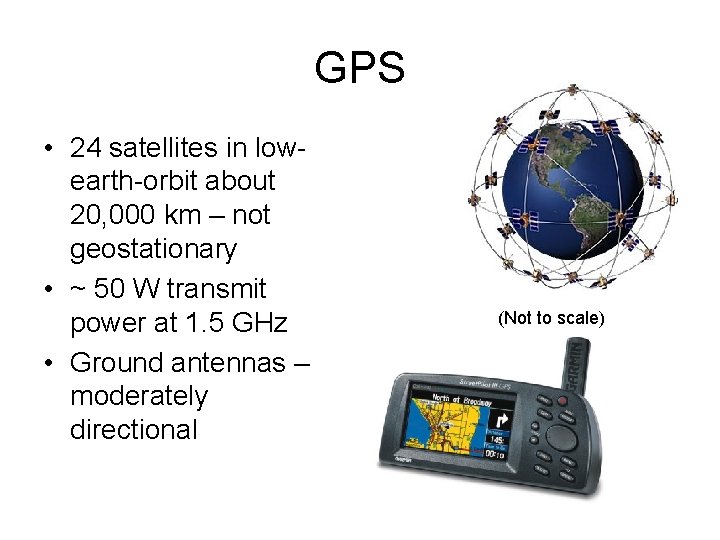
GPS • 24 satellites in lowearth-orbit about 20, 000 km – not geostationary • ~ 50 W transmit power at 1. 5 GHz • Ground antennas – moderately directional (Not to scale)
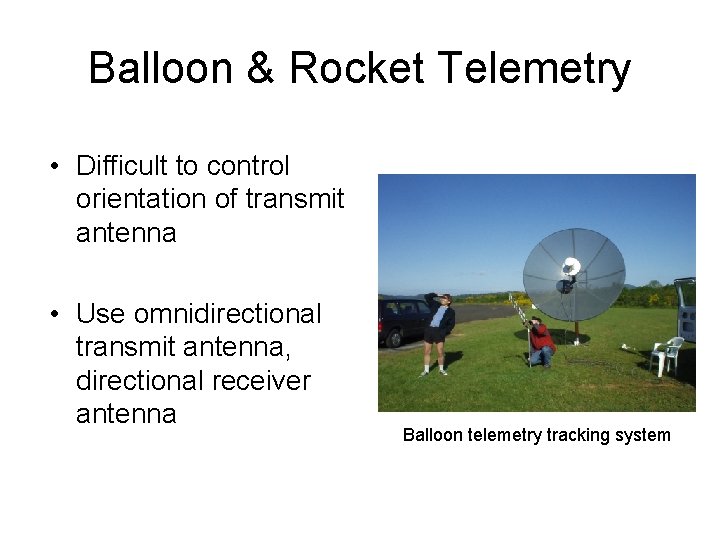
Balloon & Rocket Telemetry • Difficult to control orientation of transmit antenna • Use omnidirectional transmit antenna, directional receiver antenna Balloon telemetry tracking system
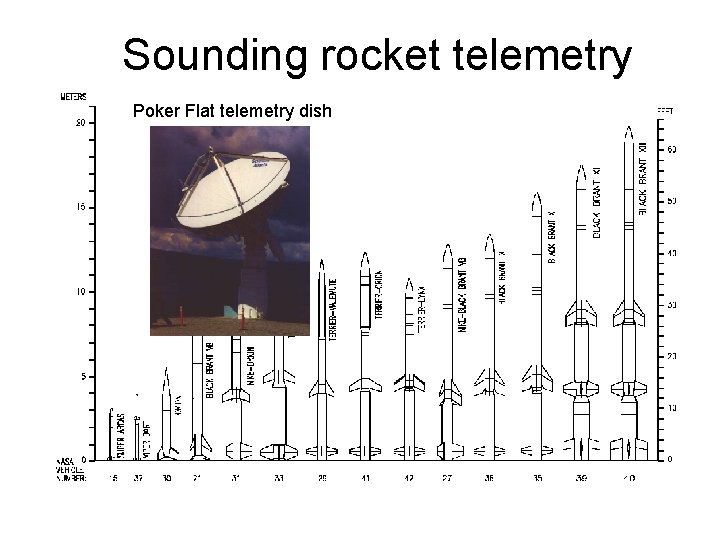
Sounding rocket telemetry Poker Flat telemetry dish
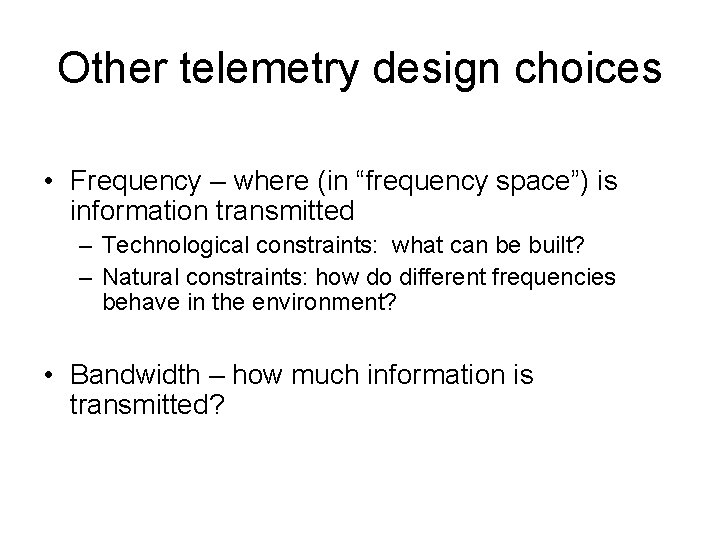
Other telemetry design choices • Frequency – where (in “frequency space”) is information transmitted – Technological constraints: what can be built? – Natural constraints: how do different frequencies behave in the environment? • Bandwidth – how much information is transmitted?
Frequency choices
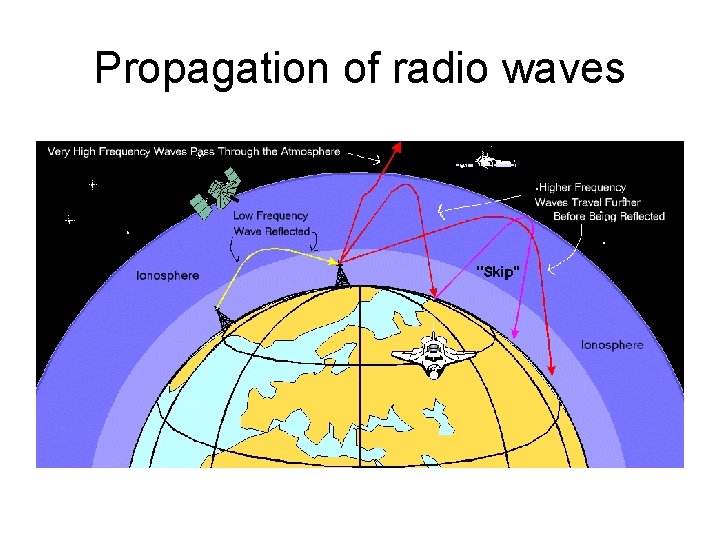
Propagation of radio waves
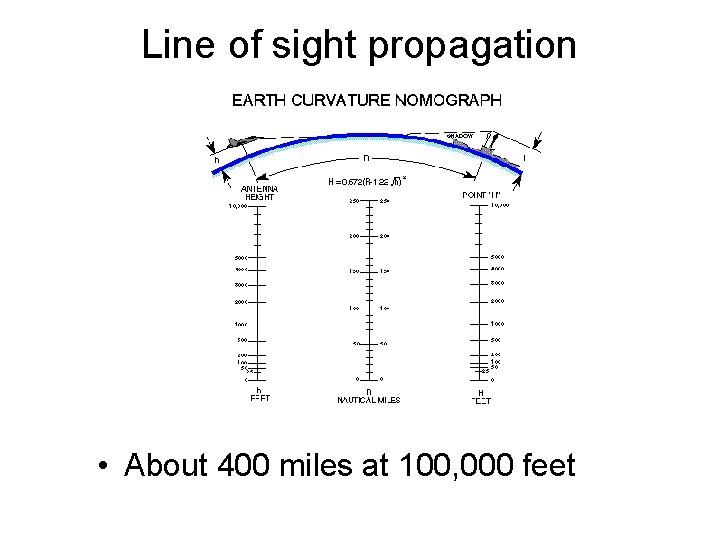
Line of sight propagation • About 400 miles at 100, 000 feet
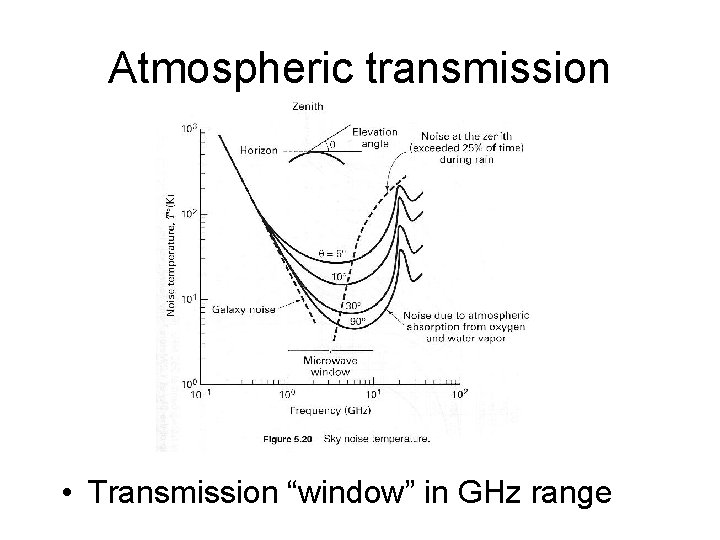
Atmospheric transmission • Transmission “window” in GHz range
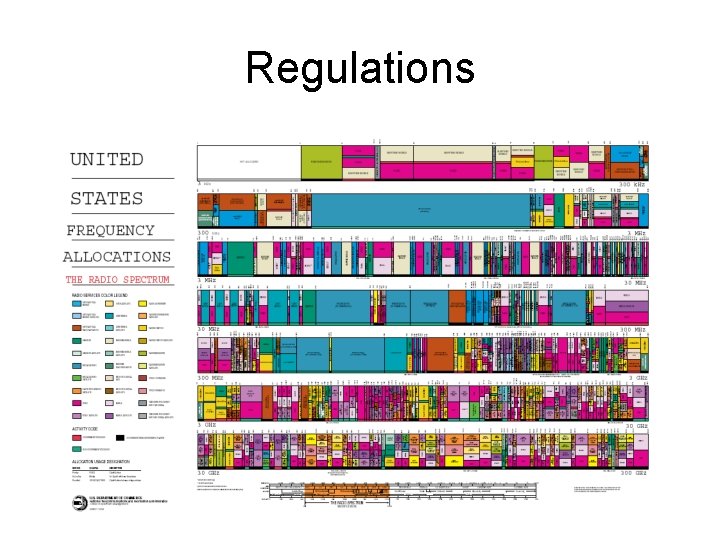
Regulations
Bandwidth • Need more than one frequency to carry information – need a “band” of frequencies • Full range audio: 20 k. Hz • Telephone: 3 k. Hz • Morse code: 500 Hz • Television: 5. 5 MHz • Ethernet (10 Mb): 10 MHz • DBS TV: 33 MHz