
Radial Turbines Turboexpanders P M V Subbarao Professor

Radial Turbines (Turbo-expanders) P M V Subbarao Professor Mechanical Engineering Department New Solutions for Distributed Green & Waste Resources…. .
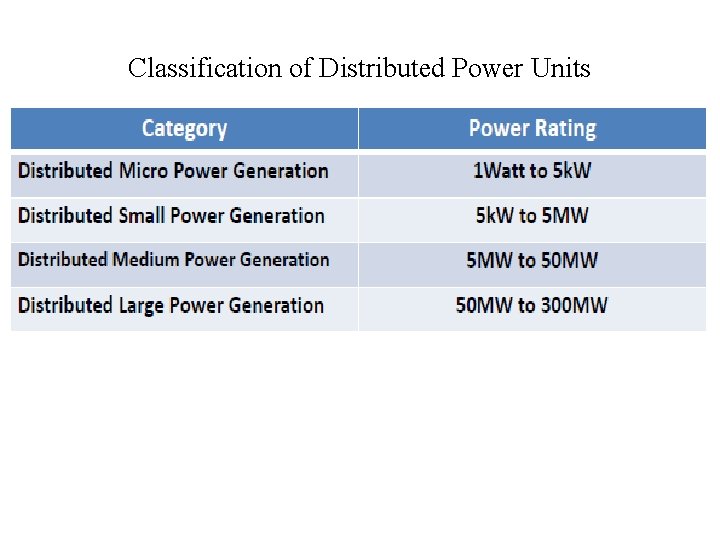
Classification of Distributed Power Units
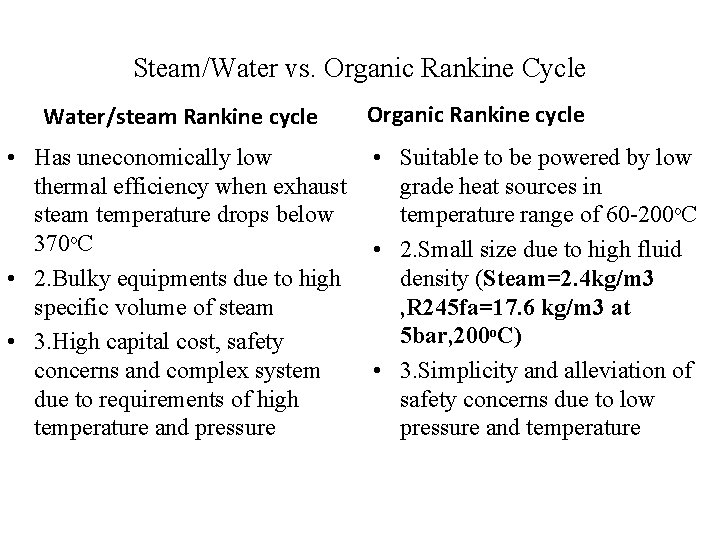
Steam/Water vs. Organic Rankine Cycle Water/steam Rankine cycle • Has uneconomically low thermal efficiency when exhaust steam temperature drops below 370ᵒC • 2. Bulky equipments due to high specific volume of steam • 3. High capital cost, safety concerns and complex system due to requirements of high temperature and pressure Organic Rankine cycle • Suitable to be powered by low grade heat sources in temperature range of 60 -200ᵒC • 2. Small size due to high fluid density (Steam=2. 4 kg/m 3 , R 245 fa=17. 6 kg/m 3 at 5 bar, 200ᵒC) • 3. Simplicity and alleviation of safety concerns due to low pressure and temperature
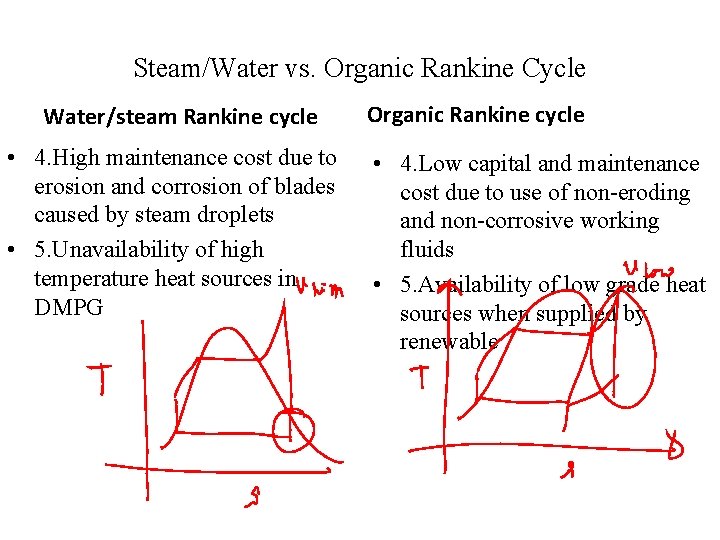
Steam/Water vs. Organic Rankine Cycle Water/steam Rankine cycle • 4. High maintenance cost due to erosion and corrosion of blades caused by steam droplets • 5. Unavailability of high temperature heat sources in DMPG Organic Rankine cycle • 4. Low capital and maintenance cost due to use of non-eroding and non-corrosive working fluids • 5. Availability of low grade heat sources when supplied by renewable
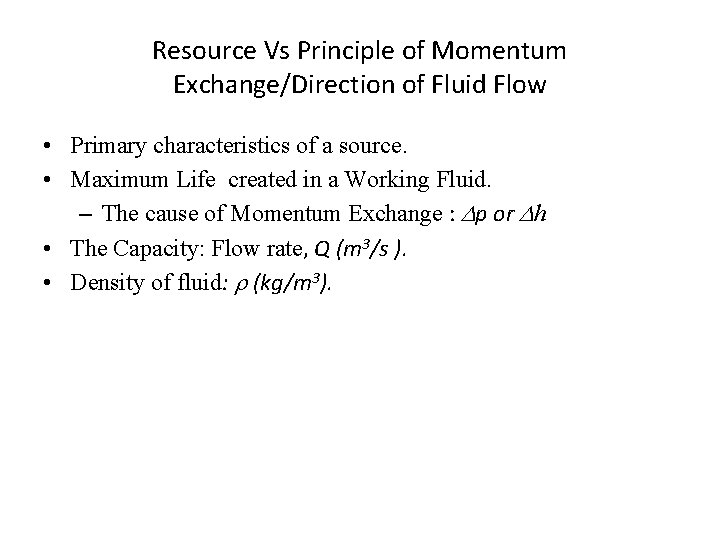
Resource Vs Principle of Momentum Exchange/Direction of Fluid Flow • Primary characteristics of a source. • Maximum Life created in a Working Fluid. – The cause of Momentum Exchange : Dp or Dh • The Capacity: Flow rate, Q (m 3/s ). • Density of fluid: r (kg/m 3).
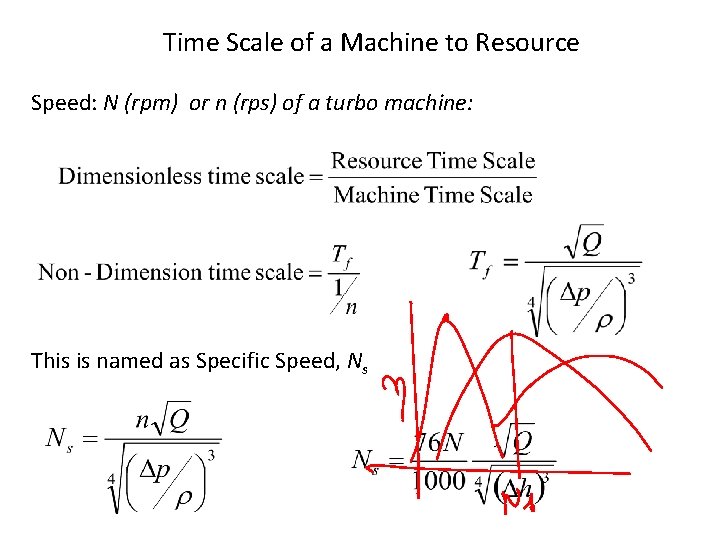
Time Scale of a Machine to Resource Speed: N (rpm) or n (rps) of a turbo machine: This is named as Specific Speed, Ns
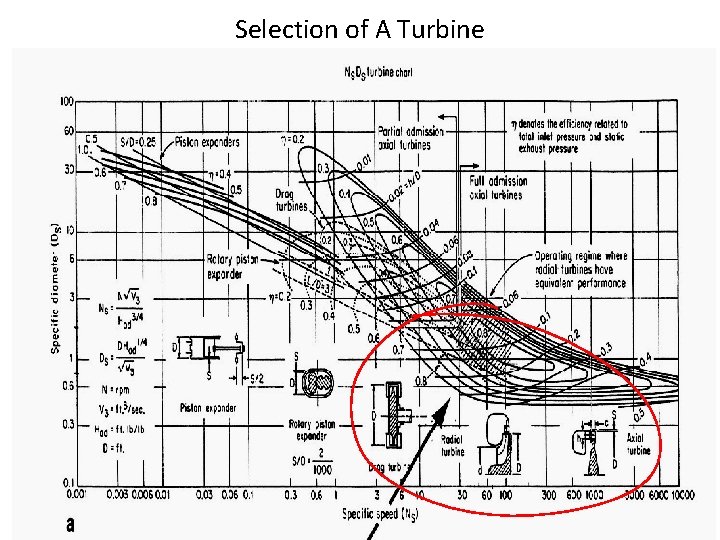
Selection of A Turbine
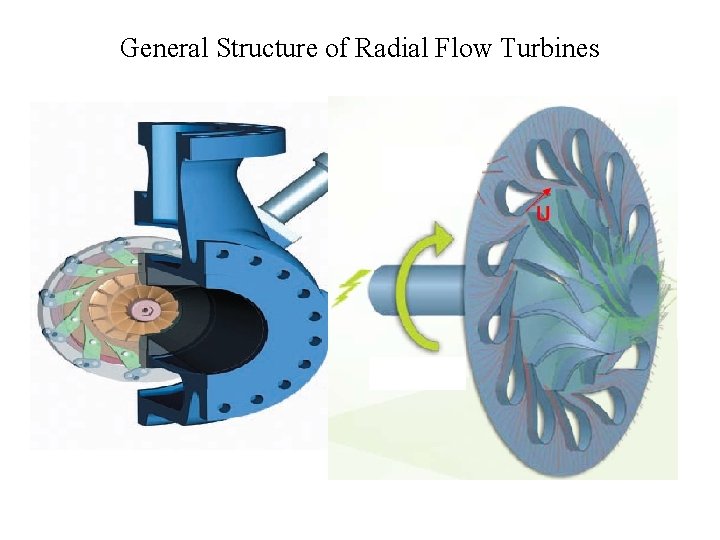
General Structure of Radial Flow Turbines
Why Radial Flow Turbines • Better ability to guide flow in an optimal direction into the expansion turbine wheel. • Variable inlet guide vanes present the most important advantage of a radial turbine over an axial turbine. • Suitable for highly variable natural sources of energy/waste energy recovery.
Compressible Flow Francis Turbine • Through minor modifications standard radial inflow turbines can be optimized for different renewable thermal resources. • They enable to smooth the seasonal variations by maintaining high efficiency levels at off-design conditions through the use of variable inlet guide vanes. • Radial inflow turbines are less sensitive to blade profile in accuracies than axial turbines, which enable high efficiencies to be maintained as size decreases. • Radial-inflow turbines are more robust under increased blade road caused by using high-density fluids as either subcritical or supercritical conditions.
Compressible Flow Francis Turbine • Radial inflow turbines are easier to manufacture relative to axial turbines as the blades are attached to the hub. • The rotor dynamic stability of the system is also improved due to a higher stiffness.
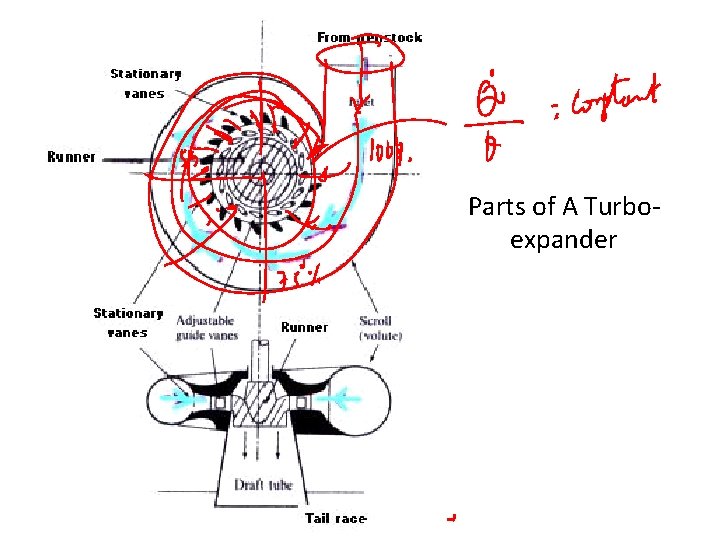
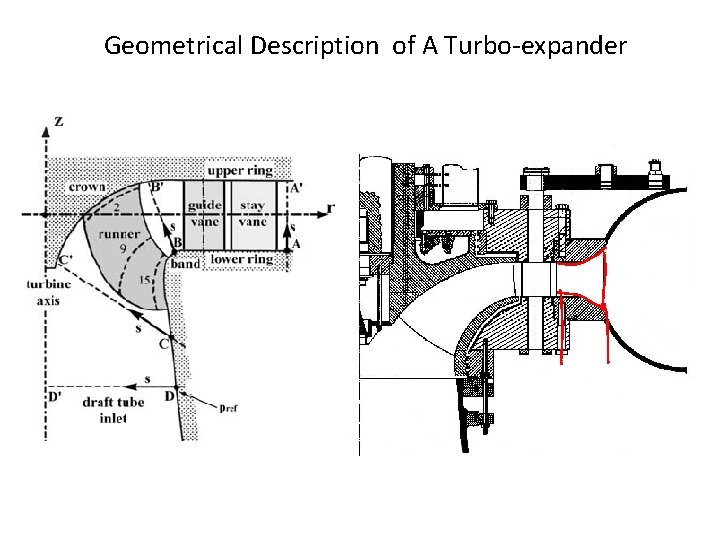
Parts of A Turboexpander
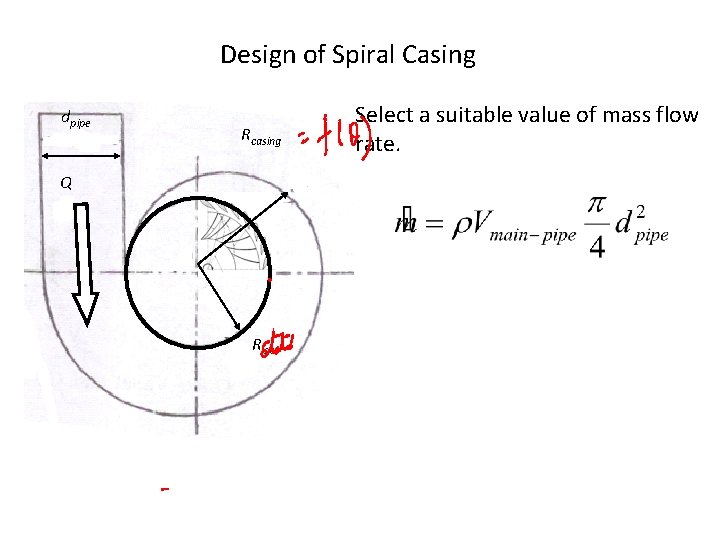
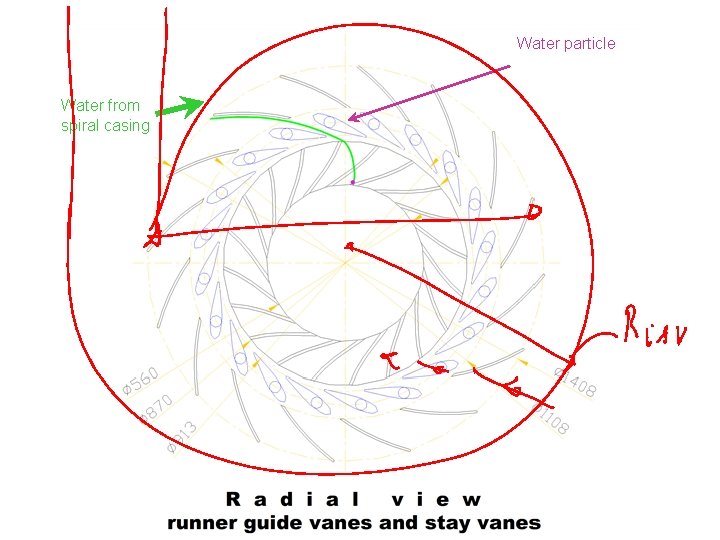
Design of Spiral Casing dpipe Rcasing Q Risv Select a suitable value of mass flow rate.
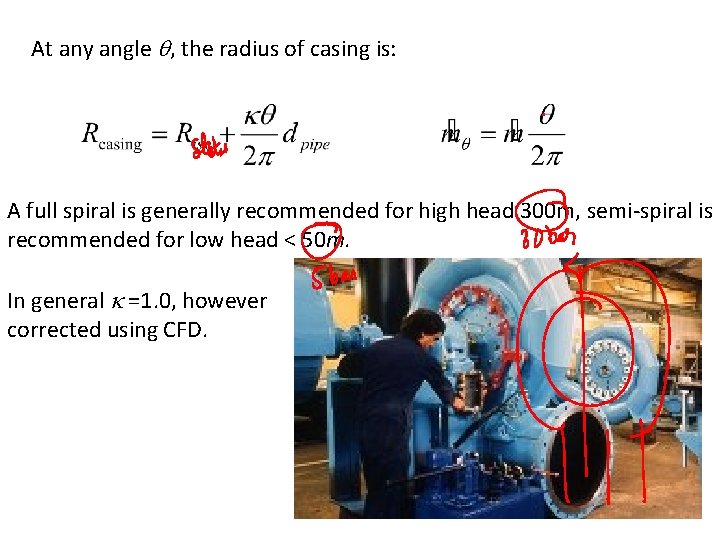
At any angle q, the radius of casing is: A full spiral is generally recommended for high head 300 m, semi-spiral is recommended for low head < 50 m. In general k =1. 0, however corrected using CFD.
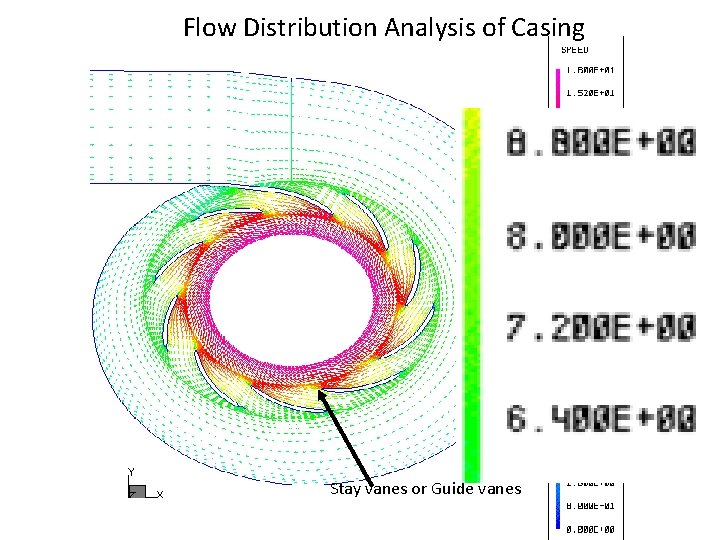
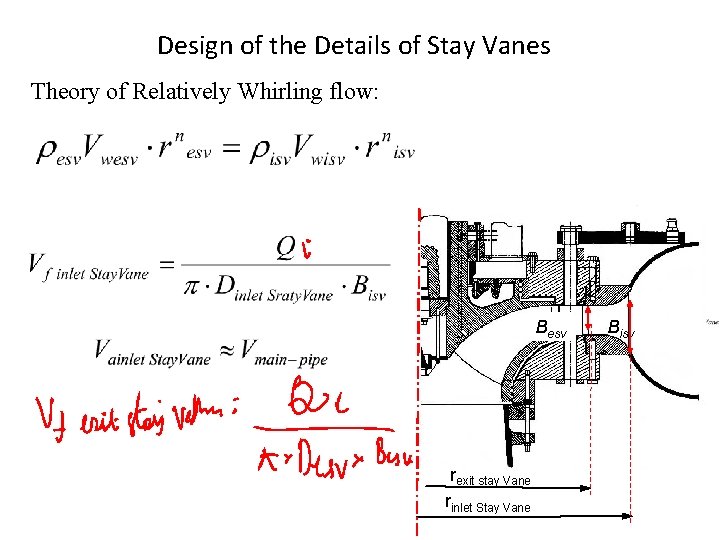
Flow Distribution Analysis of Casing Stay vanes or Guide vanes
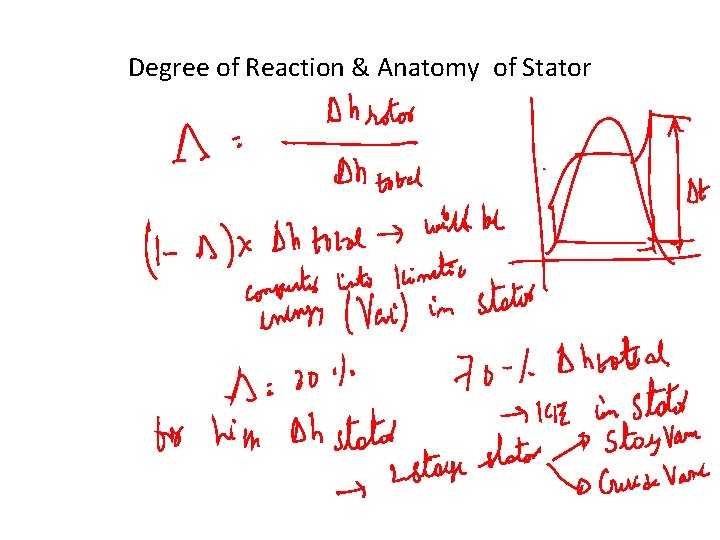
Degree of Reaction & Anatomy of Stator
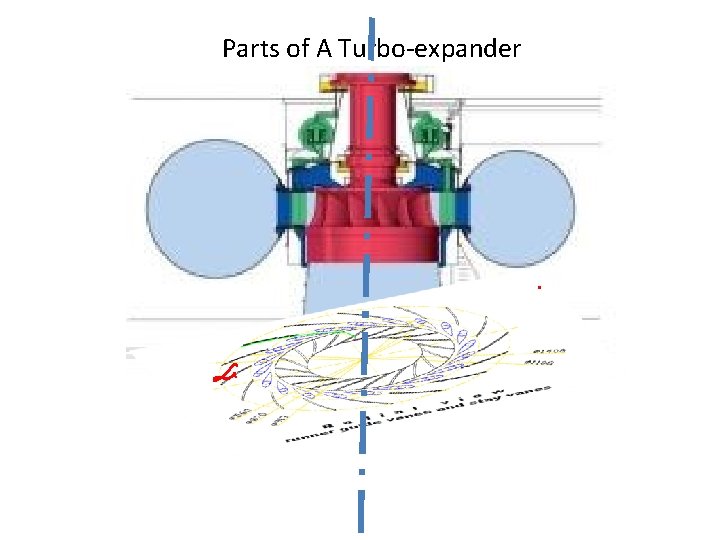
Parts of A Turbo-expander
Water particle Water from spiral casing
Geometrical Description of A Turbo-expander
Design of the Details of Stay Vanes Theory of Relatively Whirling flow: Besv rexit stay Vane rinlet Stay Vane Bisv
Runner inlet (Φ 0. 870 m) Guide vane outlet for designα) (Φ 0. 913 m) Closed Max. Opening Position
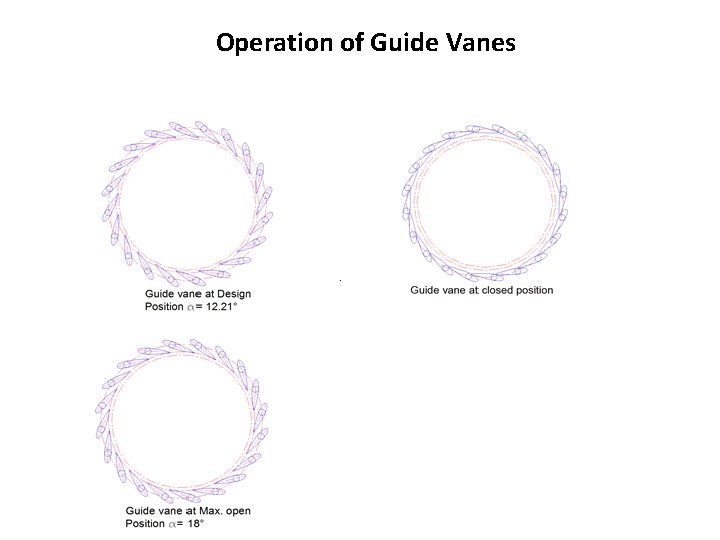
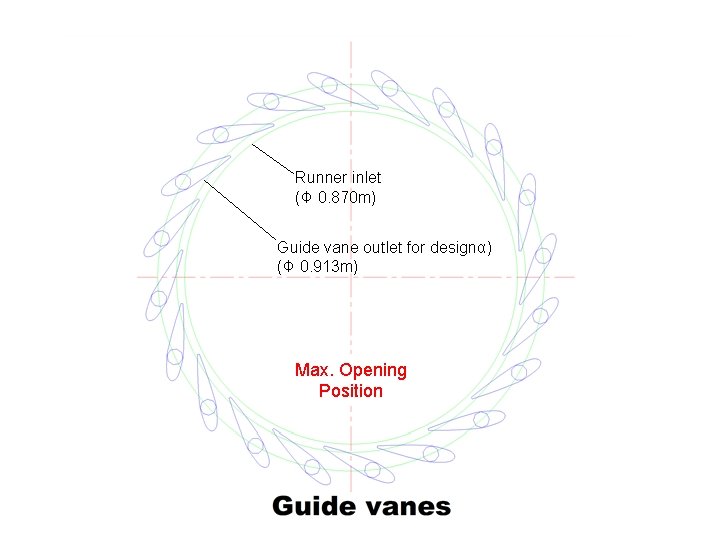
Operation of Guide Vanes .
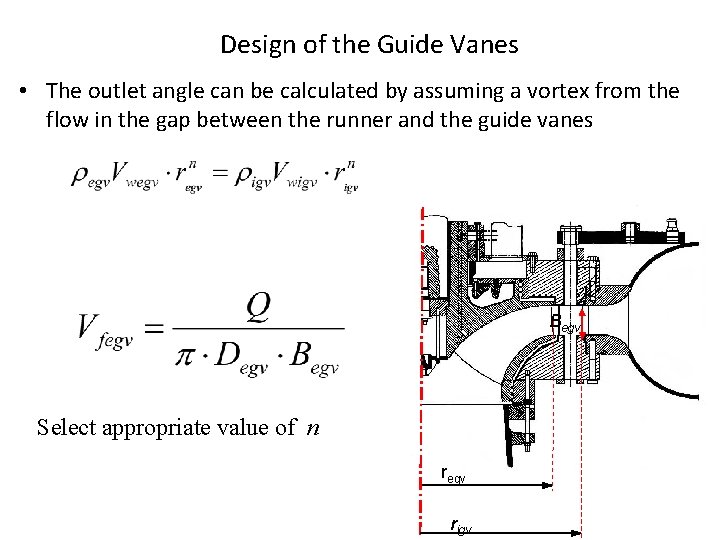
Design of the Guide Vanes • The outlet angle can be calculated by assuming a vortex from the flow in the gap between the runner and the guide vanes Begv Select appropriate value of n regv rigv
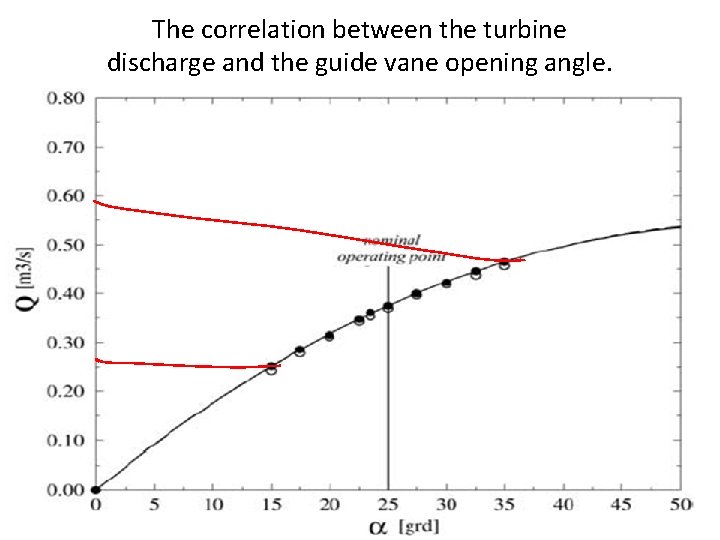
The correlation between the turbine discharge and the guide vane opening angle.
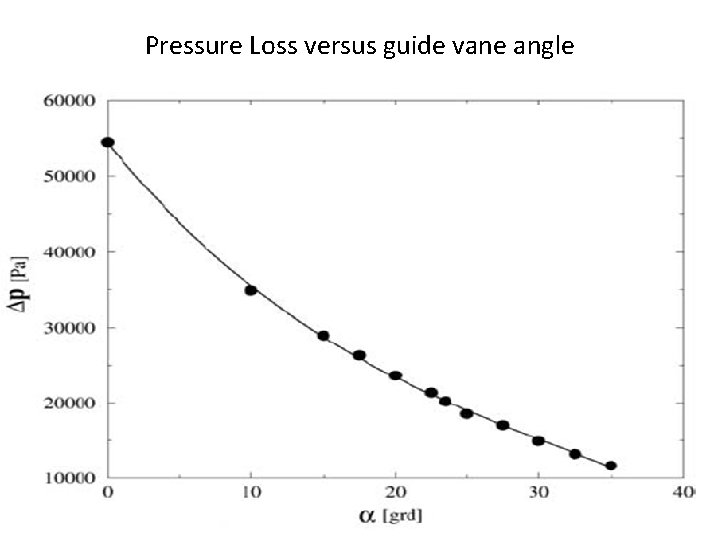
Pressure Loss versus guide vane angle
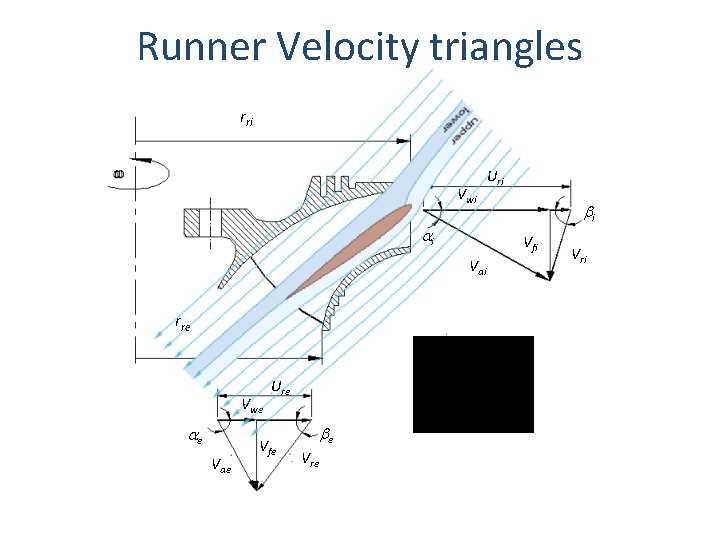
Runner Velocity triangles rri Vwi ai Vwe ae Vae Ure Vfe be Vre bi Vfi Vai rre Uri Vri
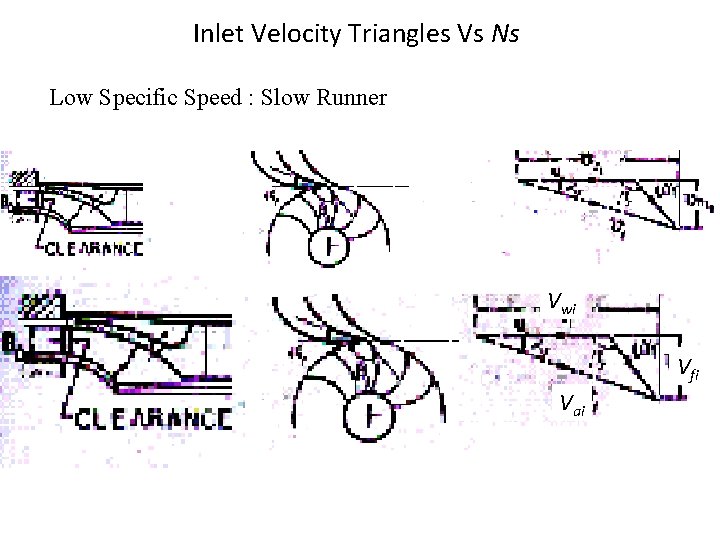
Inlet Velocity Triangles Vs Ns Low Specific Speed : Slow Runner Vwi Vfi Vai
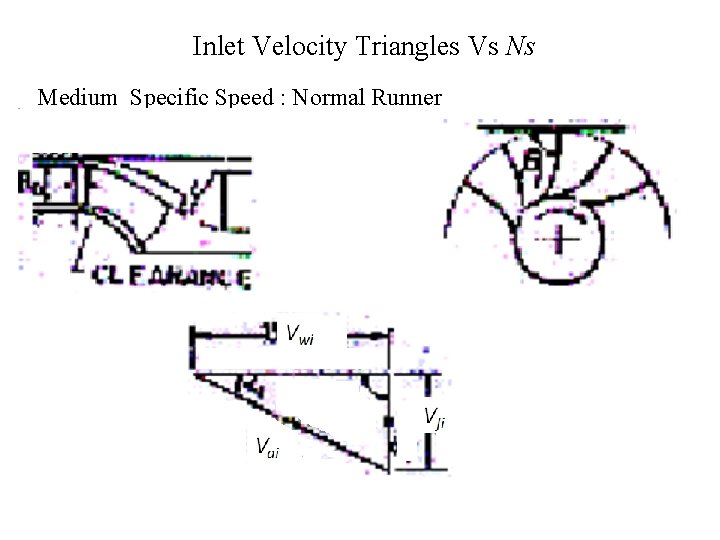
Inlet Velocity Triangles Vs Ns Medium Specific Speed : Normal Runner
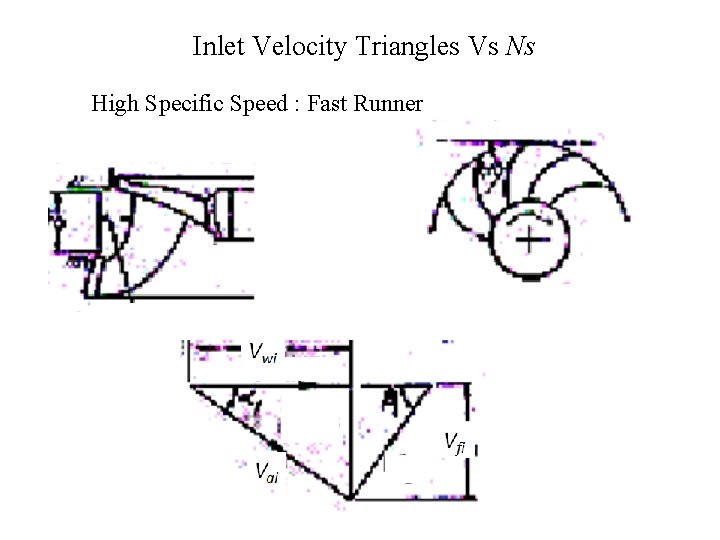
Inlet Velocity Triangles Vs Ns High Specific Speed : Fast Runner
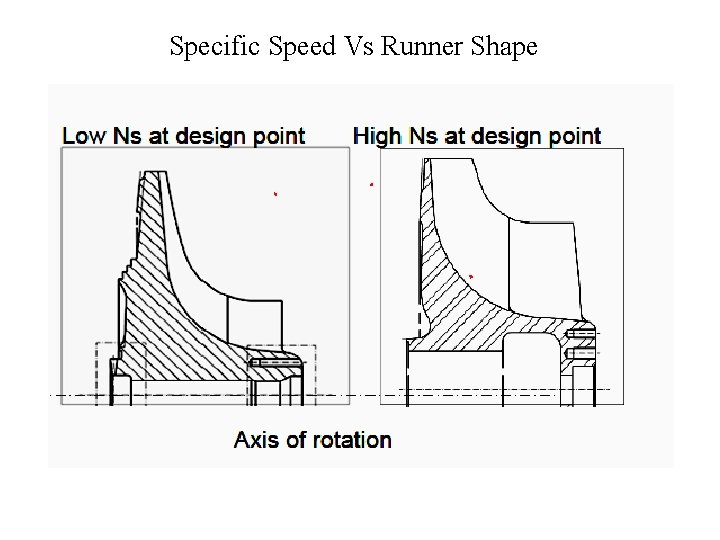
Specific Speed Vs Runner Shape
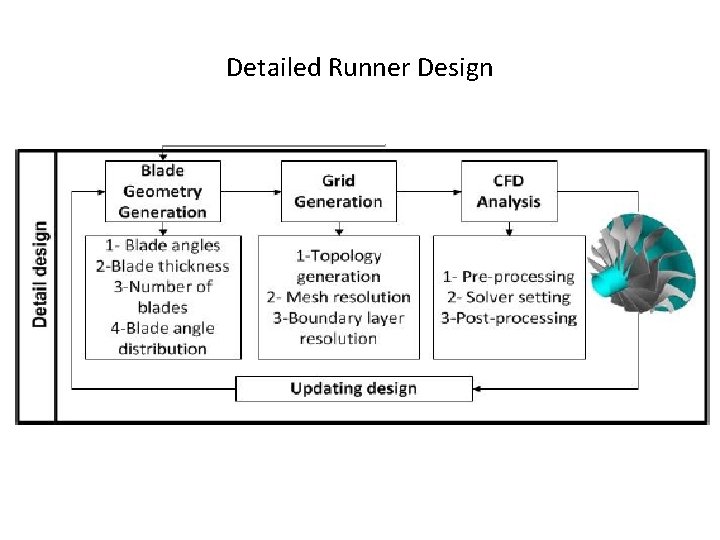
Detailed Runner Design
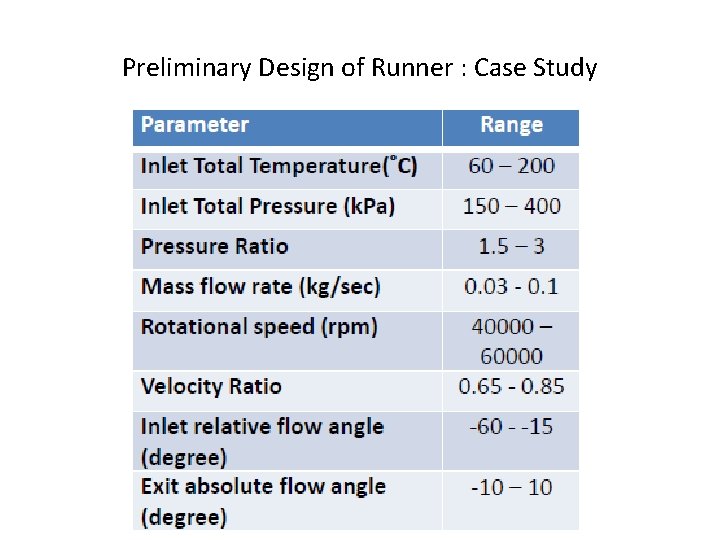
Preliminary Design of Runner : Case Study
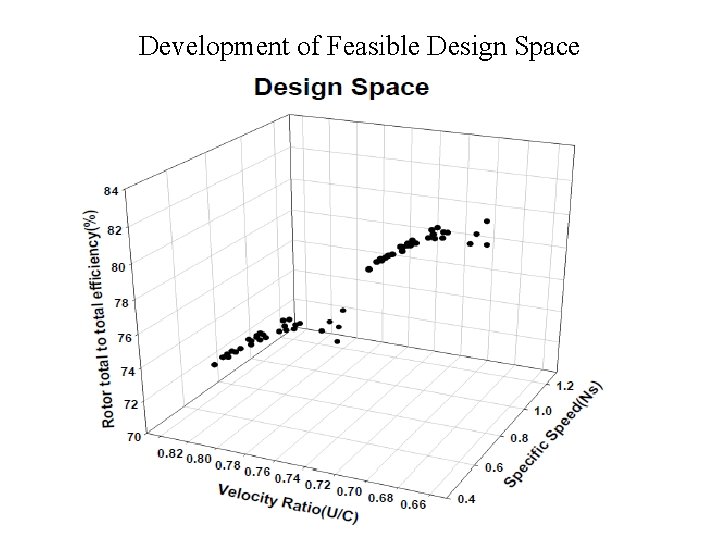
Development of Feasible Design Space
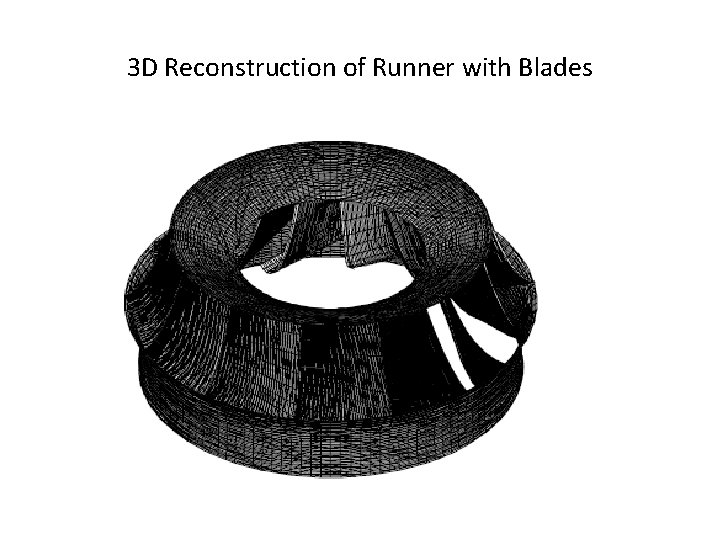
3 D Reconstruction of Runner with Blades
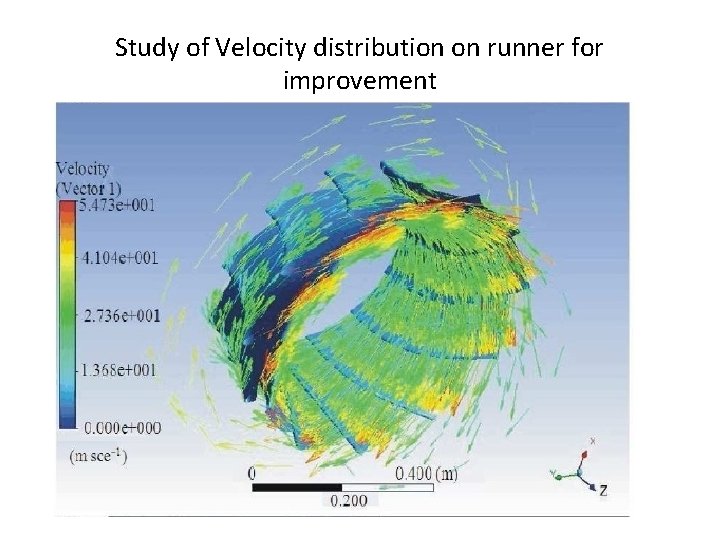
Study of Velocity distribution on runner for improvement
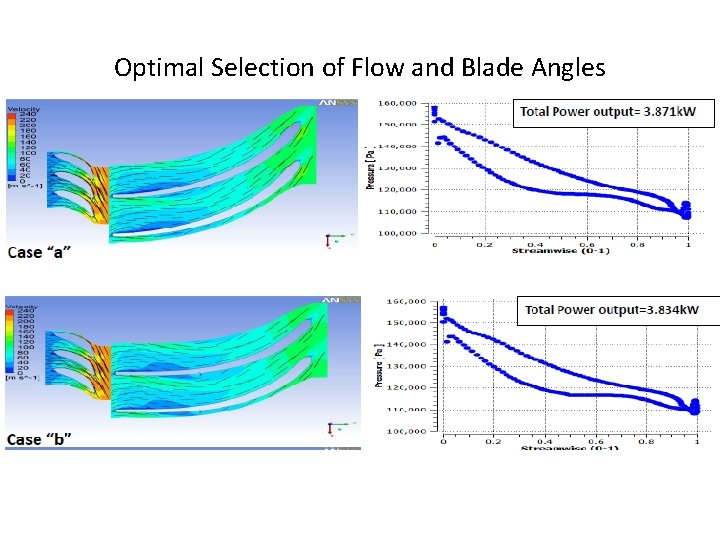
Optimal Selection of Flow and Blade Angles
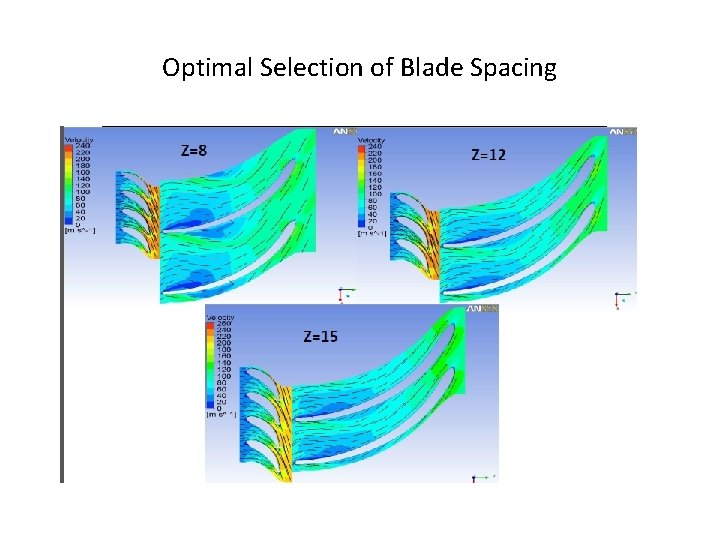
Optimal Selection of Blade Spacing
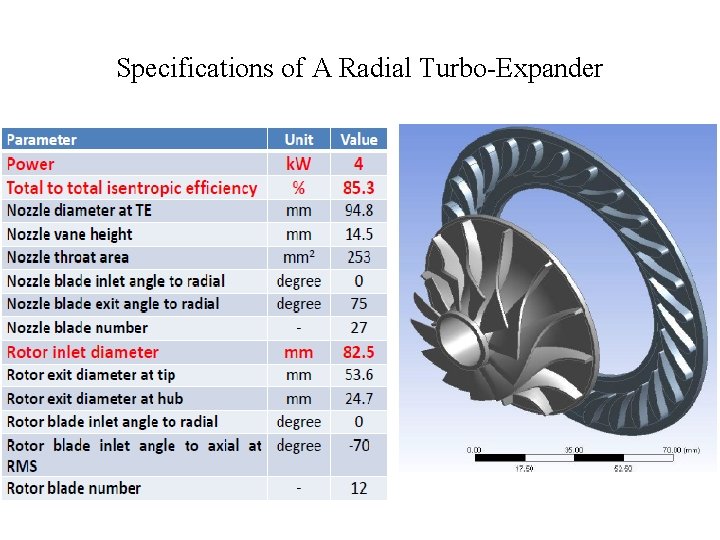
Specifications of A Radial Turbo-Expander
- Slides: 38