
R A H M RealTime Athlete Health Monitor


- Slides: 30
R. A. H. M Real-Time Athlete Health Monitor Group No. Ski Mazen Arakji Simon Dakermanjian Jonah Kadish Jeff Burch Derek Smith
Introduction w Imagine, if you will, a coach being able to monitor the most vital health statistics of his players in real-time WHILE they are engaged in their normal physical activities during a game or training.
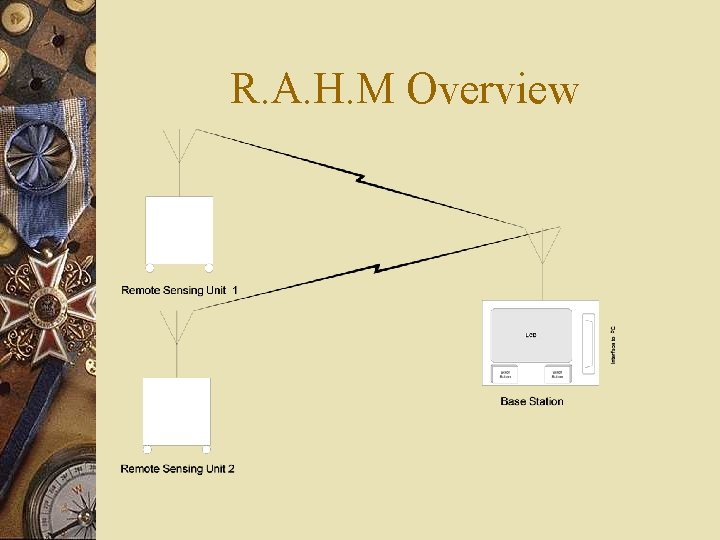
R. A. H. M Overview
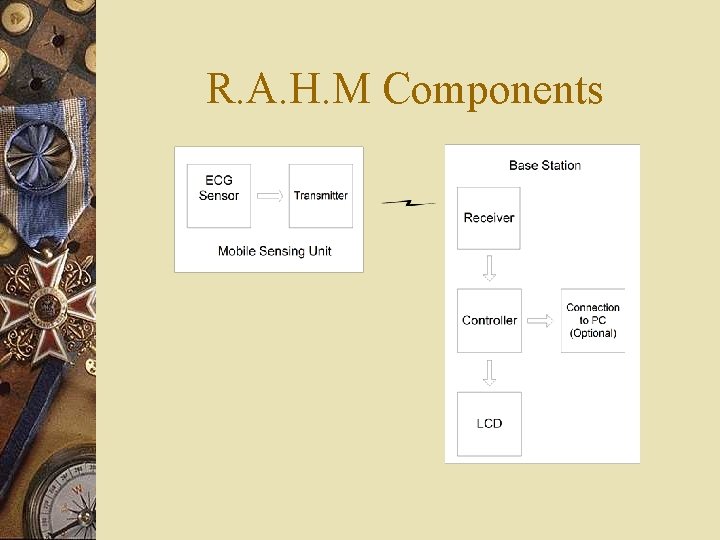
R. A. H. M Components
Mobile Sensing Unit Requirements w Sense ECG signal w Transmit ECG to Base Station
Base Station Requirements w Receive the Data (ECG Signal) w Analyze the Signal w Display the Average Heart Rate of Each Mobile Sensing Unit on LCD w Interface with a PC (Optional)
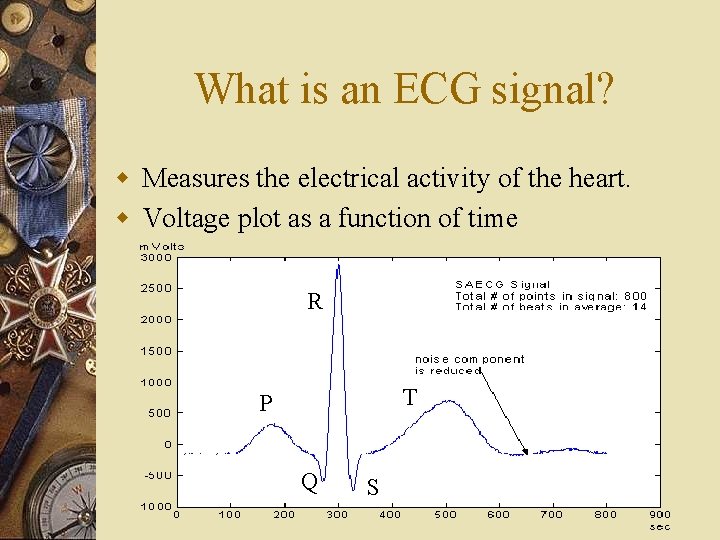
What is an ECG signal? w Measures the electrical activity of the heart. w Voltage plot as a function of time R T P Q S
What do we do now? w Calculate pulse from ECG data by detecting R peaks w This will be done after the signal has been received
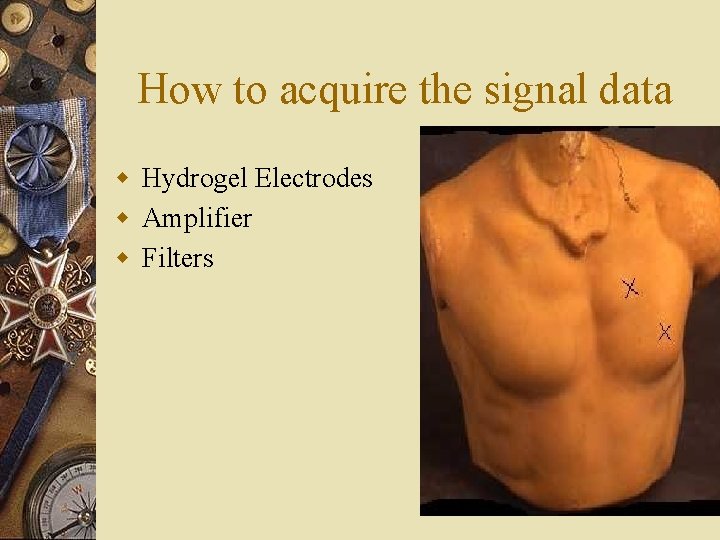
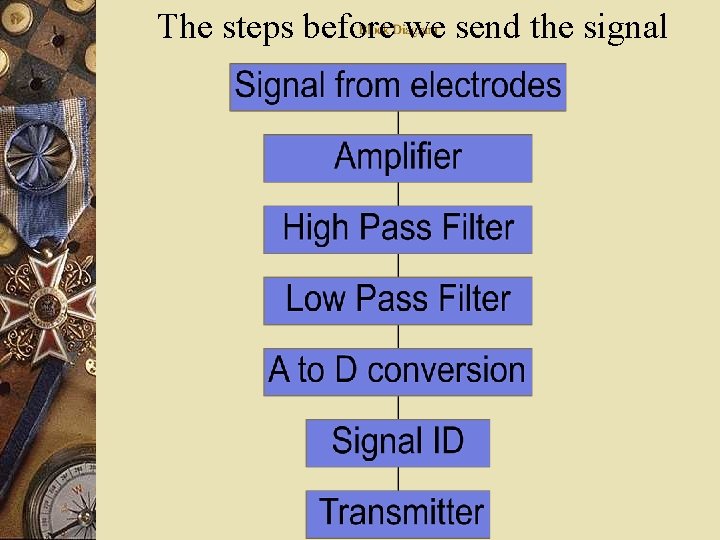
How to acquire the signal data w Hydrogel Electrodes w Amplifier w Filters
The steps before we send the signal
Sensor Wish List Ø Blood Pressure Differential Ø Blood Oxygen Content Ø Respiration Detection
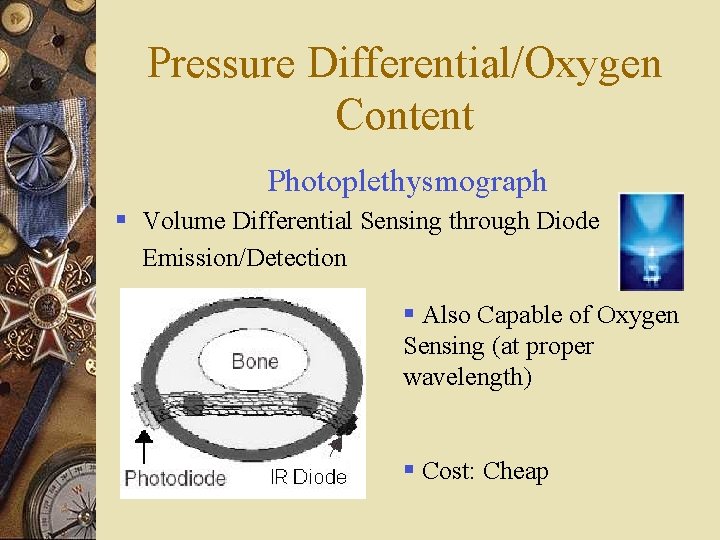
Pressure Differential/Oxygen Content Photoplethysmograph § Volume Differential Sensing through Diode Emission/Detection § Also Capable of Oxygen Sensing (at proper wavelength) § Cost: Cheap
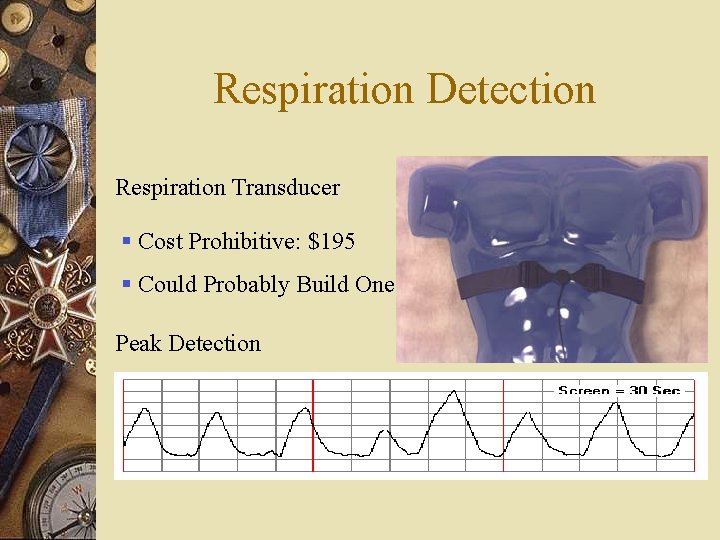
Respiration Detection Respiration Transducer § Cost Prohibitive: $195 § Could Probably Build One Peak Detection
Wireless Communication for RAHM
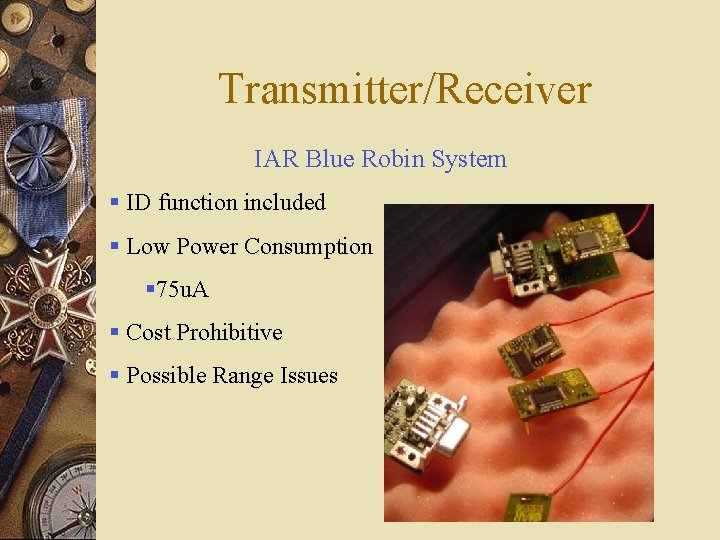
Transmitter/Receiver IAR Blue Robin System § ID function included § Low Power Consumption § 75 u. A § Cost Prohibitive § Possible Range Issues
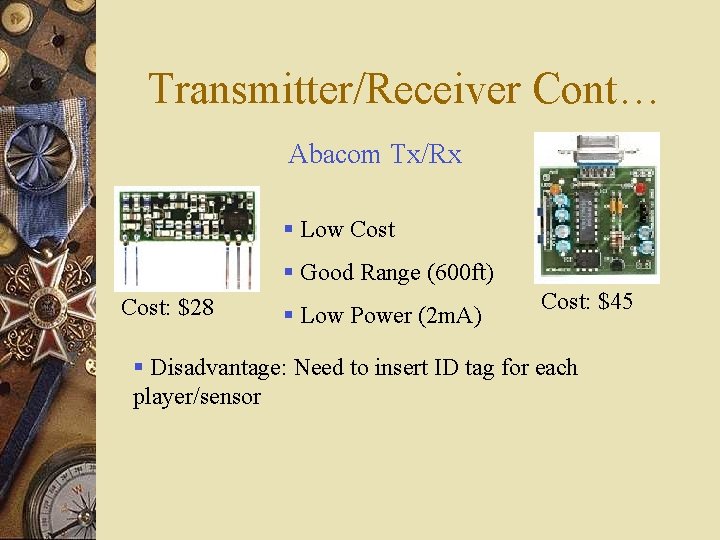
Transmitter/Receiver Cont… Abacom Tx/Rx § Low Cost § Good Range (600 ft) Cost: $28 § Low Power (2 m. A) Cost: $45 § Disadvantage: Need to insert ID tag for each player/sensor
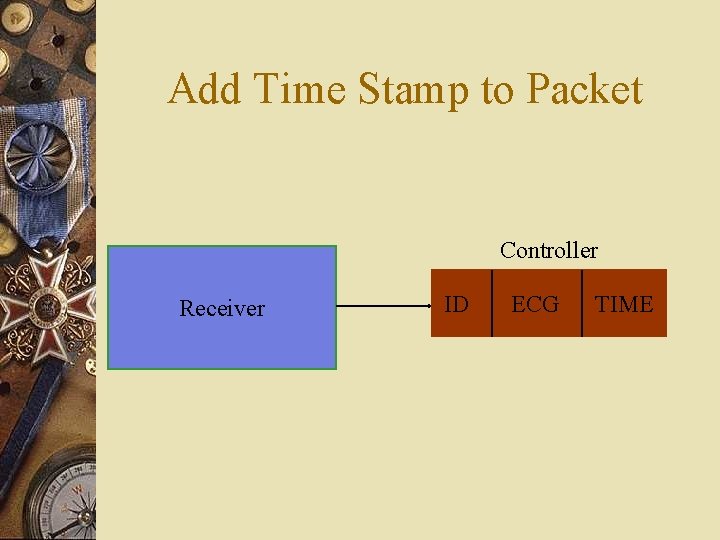
Controller Requirements w Interface with Receiver w Add Time Stamp to Packet w Decode Received Packet w Calculate Average Heart Rate from ECG Signal w Output Average Heart Rate to LCD
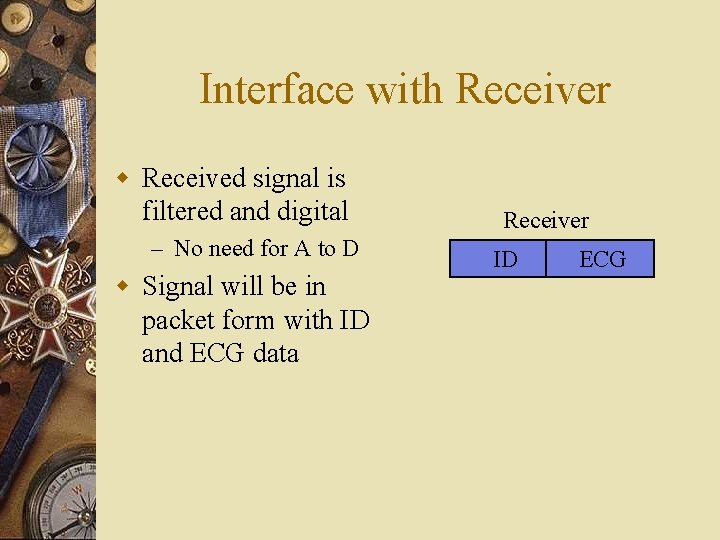
Interface with Receiver w Received signal is filtered and digital – No need for A to D w Signal will be in packet form with ID and ECG data Receiver ID ECG
Add Time Stamp to Packet Controller Receiver ID ECG TIME
Advantages of Time Stamp w Resolve possibility of receiving packets in wrong order w Coach can relate health of athlete to time
Decode Received Data w ID – The coach can keep track of multiple players w ECG Value – The controller will perform necessary calculations to obtain average heart rate w Time Received – Advantages Previously mentioned
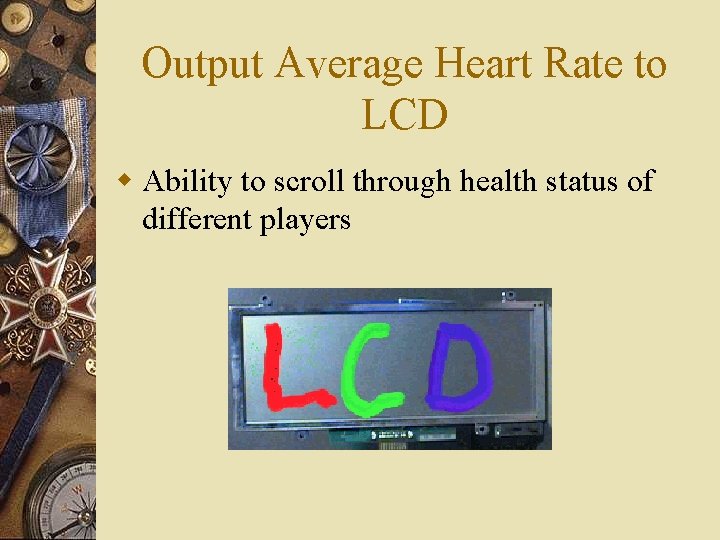
Output Average Heart Rate to LCD w Ability to scroll through health status of different players
Interface with PC (Optional) w Interface with Controller w Display complete ECG signal w Use PC to Make Data Base for Further Analysis
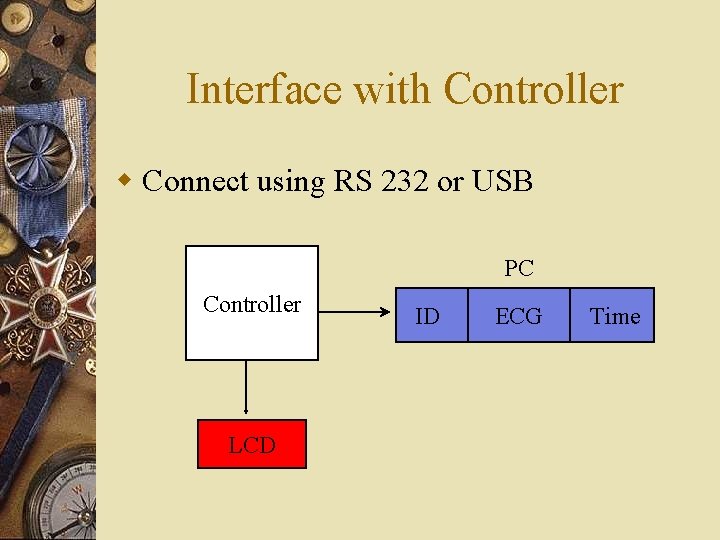
Interface with Controller w Connect using RS 232 or USB PC Controller LCD ID ECG Time
Display Complete ECG Signal w This can be accomplished using Matlab and Labview w Display ECG signal and other graphs from ECG data
Use PC to Make Data Base for Further Analysis w Note progress of athletes over extended period of time w Compare health status of individual athletes during different time of exercise w Warning signs in case of physical emergency
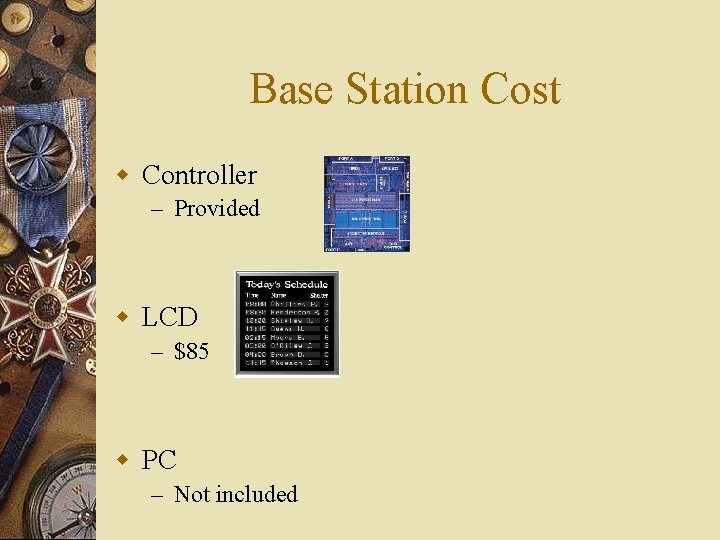
Base Station Cost w Controller – Provided w LCD – $85 w PC – Not included
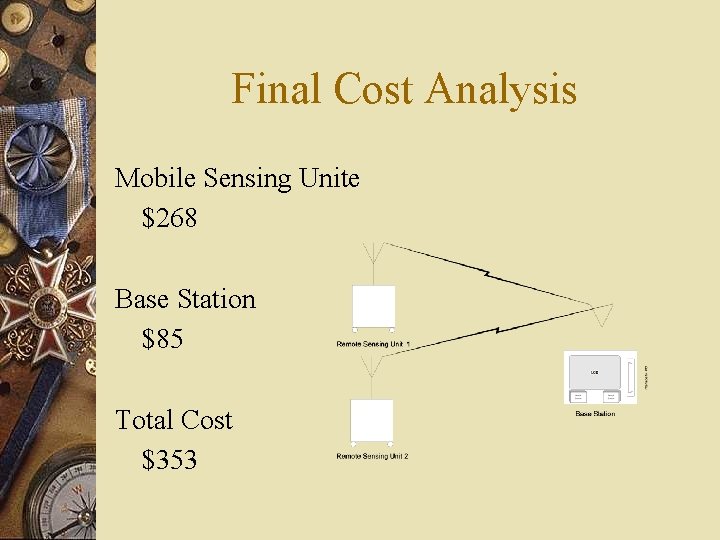
Final Cost Analysis Mobile Sensing Unite $268 Base Station $85 Total Cost $353
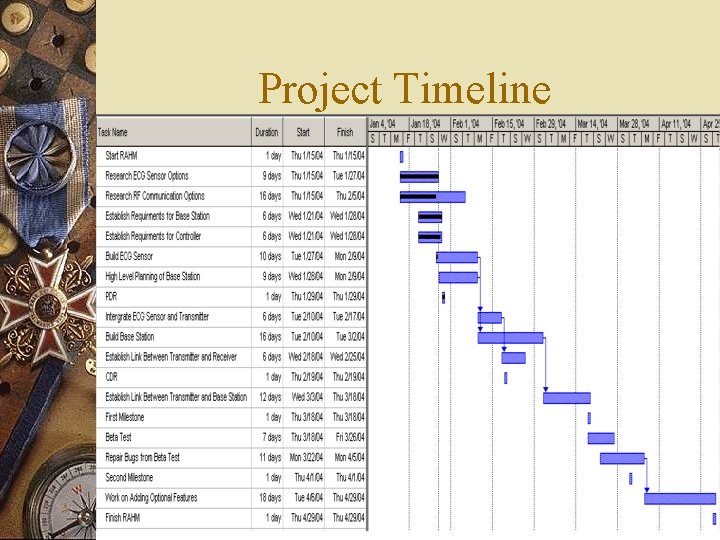
Project Timeline
Division of Labor w Remote Sensing Unit – Jeff Burch – Derek Smith w Base Station – Mazen Arakji – Simon Dakermanjian – Jonah Kadish w Optional Extras – Entire Team