
Questions The heart of the C 3 Framework



- Slides: 29
Questions: The heart of the C 3 Framework KVEC Social Studies Teacher Leader Network K-4 Session December 2, 2014 Inquiry ARC Dimension 1 and 3 Standards: Reading Writing, Speaking and Listening Evaluating Primary and Secondary Sources
Session Targets • I can make connections using ELA Standards, 3 C Framework, TGES and Social Studies draft standards. • I can distinguish between primary and secondary sources. • I can participate in a structured turn and talk discussion.
Do we really need to do this? Becoming college and career ready begins the moment a child enters school until they graduate.
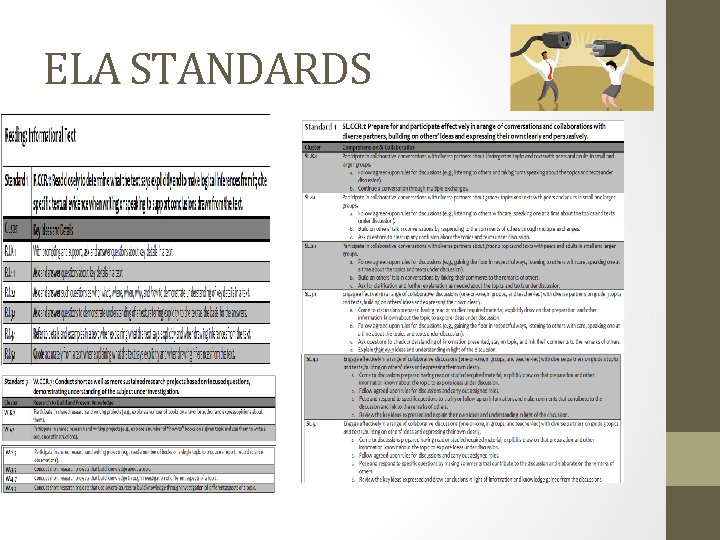
ELA STANDARDS
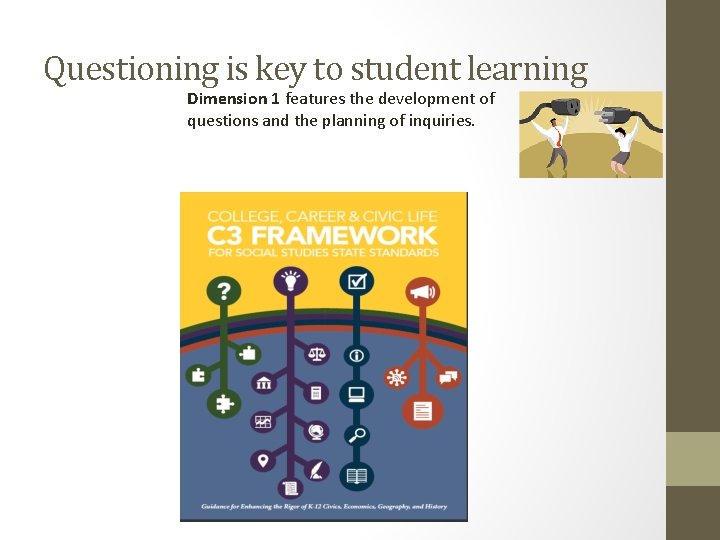
Questioning is key to student learning Dimension 1 features the development of questions and the planning of inquiries.
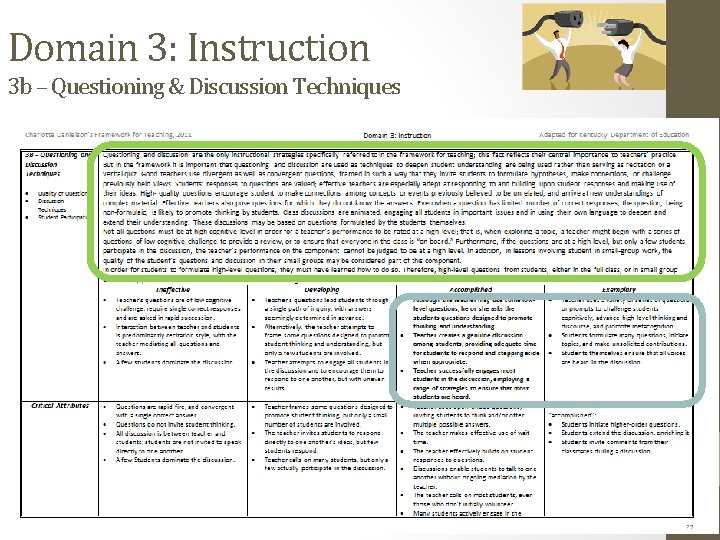
Domain 3: Instruction 3 b – Questioning & Discussion Techniques
SS Draft Standards Social Studies Standards for the Next Generation Draft July 2014 Kentucky Core Academic Standards
Connecting the dots…… What is the central idea(s) of each of these documents? ELA STANDARDS C 3 Framework TGES Social Studies Draft Standards
The Big Idea Students are more successful when they learn to ask their own questions.
Reflection Time In your journal write down the main points that you want to make with your teachers.
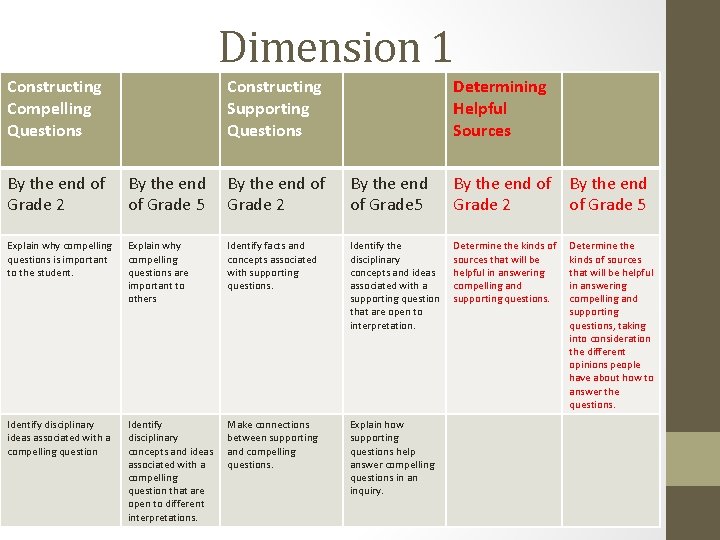
Dimension 1 Constructing Compelling Questions Constructing Supporting Questions Determining Helpful Sources By the end of Grade 2 By the end of Grade 5 Explain why compelling questions is important to the student. Explain why compelling questions are important to others Identify facts and concepts associated with supporting questions. Identify the disciplinary concepts and ideas associated with a supporting question that are open to interpretation. Determine the kinds of sources that will be helpful in answering compelling and supporting questions, taking into consideration the different opinions people have about how to answer the questions. Identify disciplinary ideas associated with a compelling question Identify disciplinary concepts and ideas associated with a compelling question that are open to different interpretations. Make connections between supporting and compelling questions. Explain how supporting questions help answer compelling questions in an inquiry.
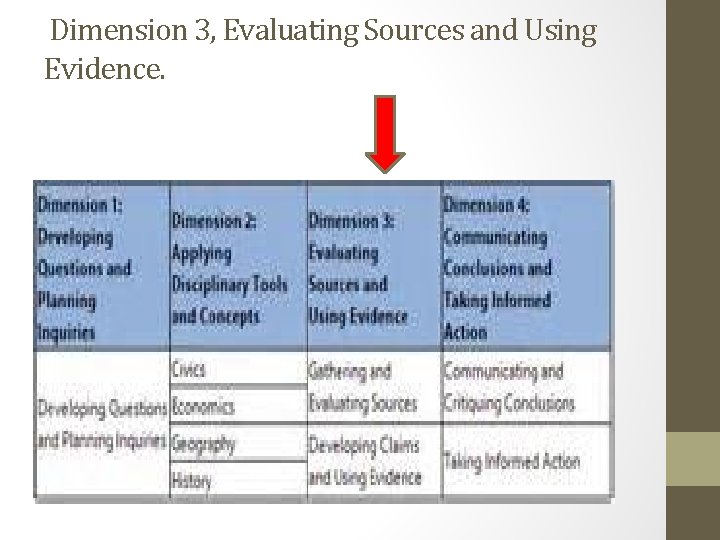
Dimension 3, Evaluating Sources and Using Evidence.
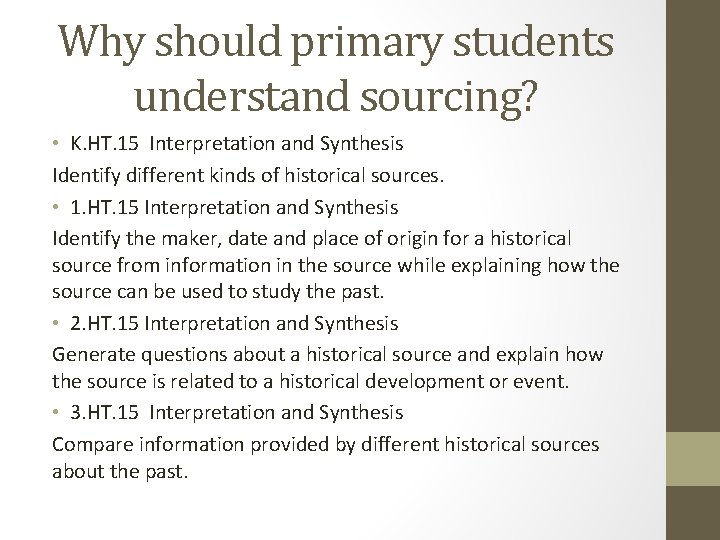
Why should primary students understand sourcing? • K. HT. 15 Interpretation and Synthesis Identify different kinds of historical sources. • 1. HT. 15 Interpretation and Synthesis Identify the maker, date and place of origin for a historical source from information in the source while explaining how the source can be used to study the past. • 2. HT. 15 Interpretation and Synthesis Generate questions about a historical source and explain how the source is related to a historical development or event. • 3. HT. 15 Interpretation and Synthesis Compare information provided by different historical sources about the past.
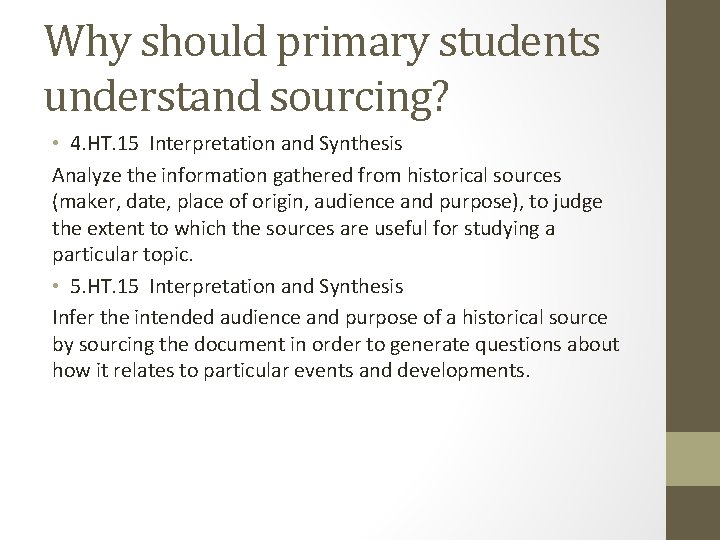
Why should primary students understand sourcing? • 4. HT. 15 Interpretation and Synthesis Analyze the information gathered from historical sources (maker, date, place of origin, audience and purpose), to judge the extent to which the sources are useful for studying a particular topic. • 5. HT. 15 Interpretation and Synthesis Infer the intended audience and purpose of a historical source by sourcing the document in order to generate questions about how it relates to particular events and developments.
Primary and Secondary Sources http: //www. slideshare. net/mobile/jjgarcia 77/primary-source-quiz-presentation
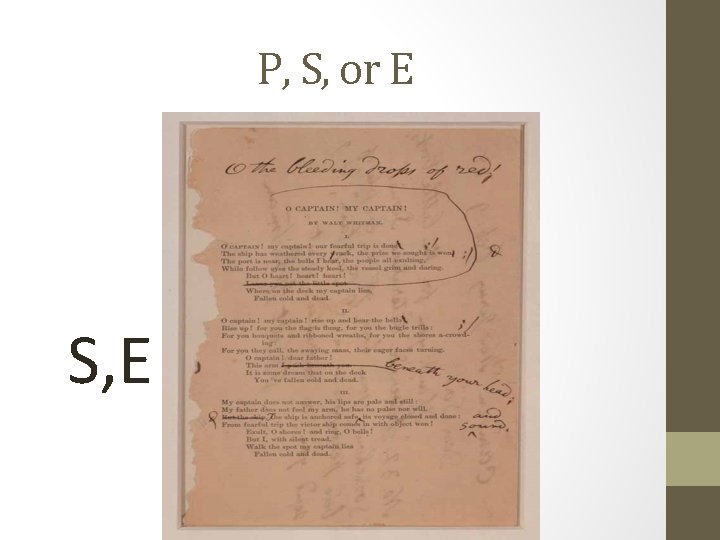
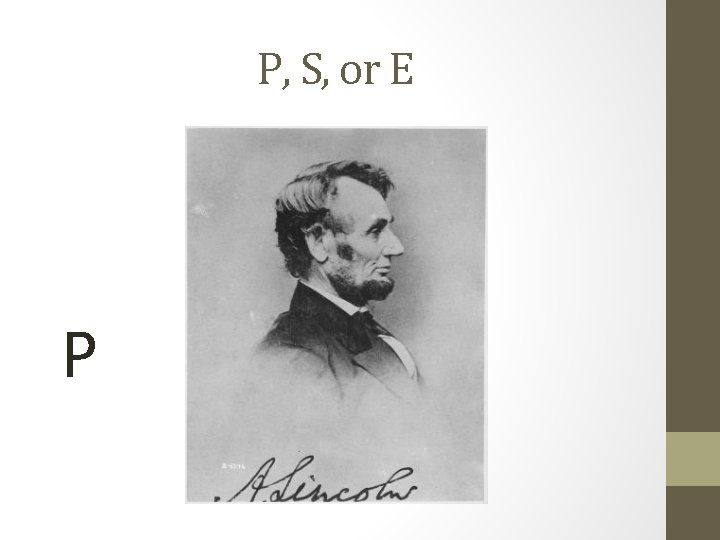
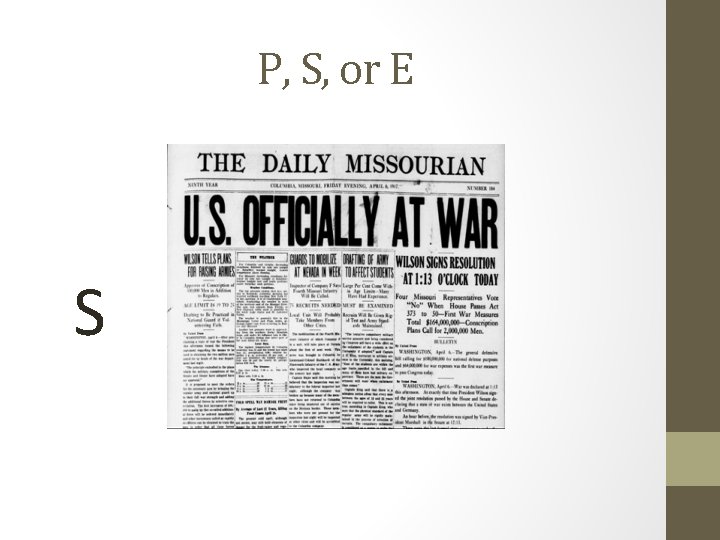
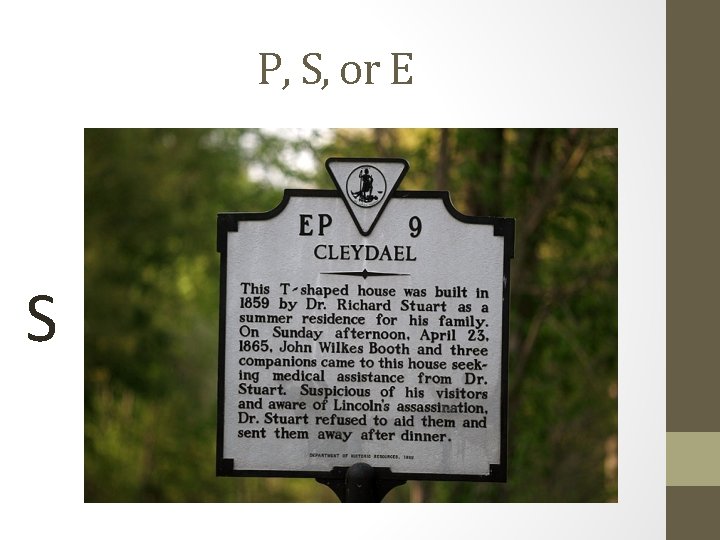
Formative Assessment Time The following slides contain pictures, text, and other sources. Discuss with table mates. Select the card with P for primary, S for secondary, or E for either to identify the object. Be prepared to justify your answers.
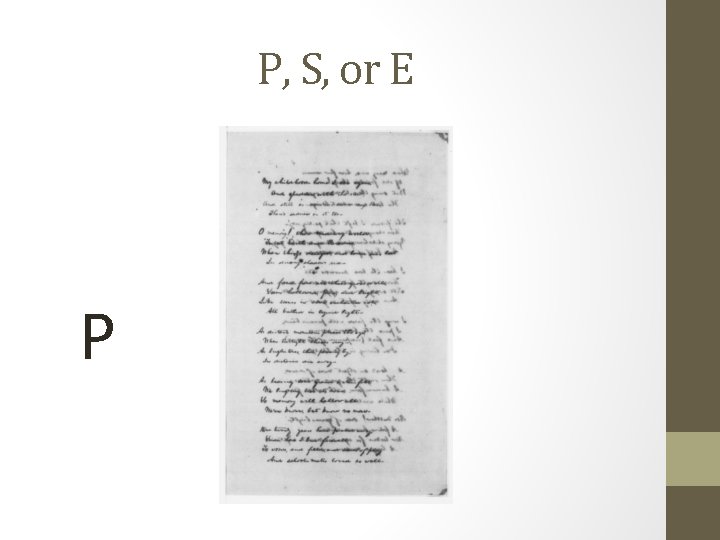
P, S, or E P
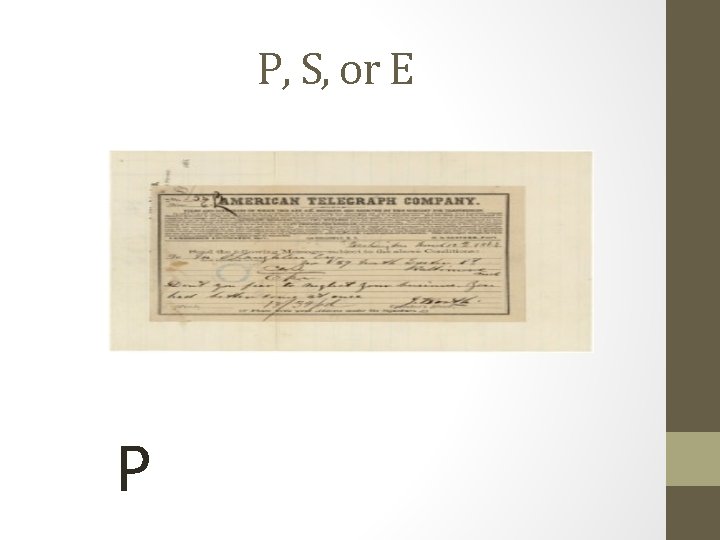
P, S, or E P
P, S, or E S
P, S, or E S, E
P, S, or E P
P, S, or E S
P, S, or E S
Let’s Explore Lincoln Sources • With a partner go to the Lincoln resource display. Go through several of the books and articles. List as Primary of Secondary. • Discuss findings with other groups.
Let’s Revisit Lincoln • Review the information on Lincoln. Locate different primary and secondary sources. • Use handouts to produce open and closed questions. • On the index card given to you, you have a quote by Lincoln and a number on the back of your card. • Read the quote and write 3 questions on the back that you would want answered. (at least 1 question must be open) • Make the questions connect to the primary or secondary sources when possible.
Students Generating Questions Structured Turn Taking 1. Note card per student with # on one side and a quote from Lincoln on the other side. 2. Write 3 question(s) about Abraham Lincoln’s message using primary or secondary source to support your conclusions. 3. Note cards retrieved and redistributed 4. Card #1 reads quote and discussion (Block, 2004) 26
Session Targets • I can make connections using ELA Standards, 3 C Framework, TGES and Social Studies draft standards. • I can distinguish between primary and secondary sources. • I can participate in a structured turn and talk discussion.
Reflection Time In your journal write down the main points that you want to make with your teachers.
EXIT SLIP