
Quantum Mechanical Model of the Atom Honors Chemistry
- Slides: 27
Quantum Mechanical Model of the Atom Honors Chemistry Chapter 13
Let’s Review • Dalton’s Atomic Theory • Thomson’s Model – Plum Pudding • Rutherford’s Model • Bohr’s Model – Planetary • Quantum Mechanical Model – cloud of probability
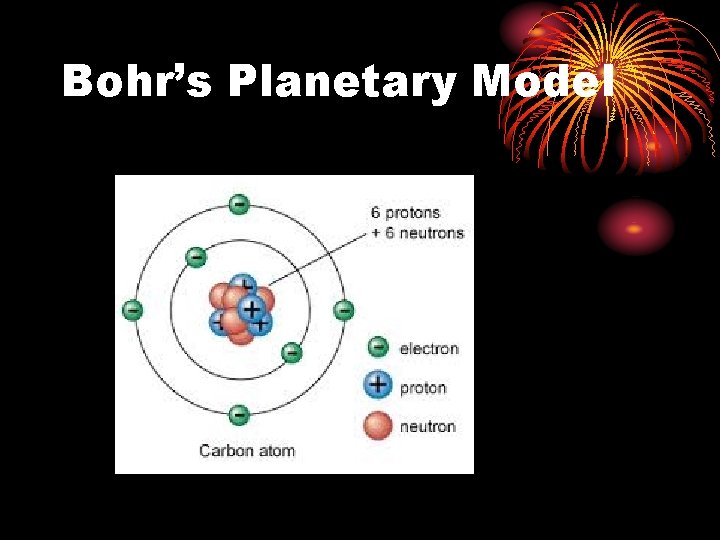
Bohr’s Planetary Model
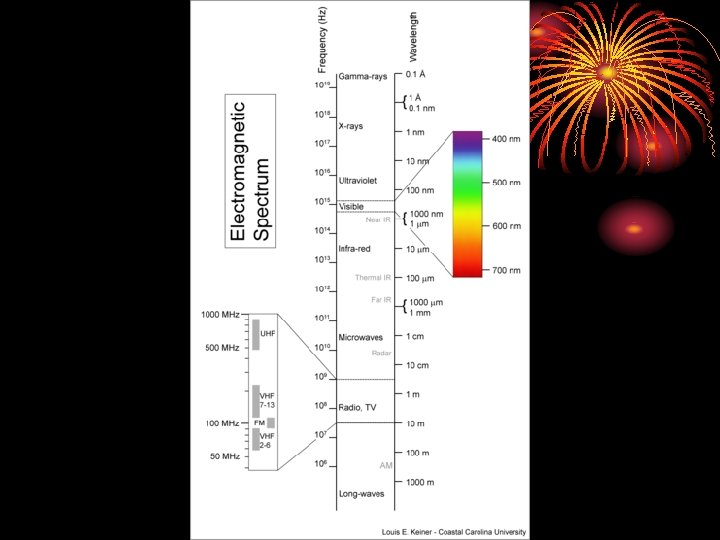
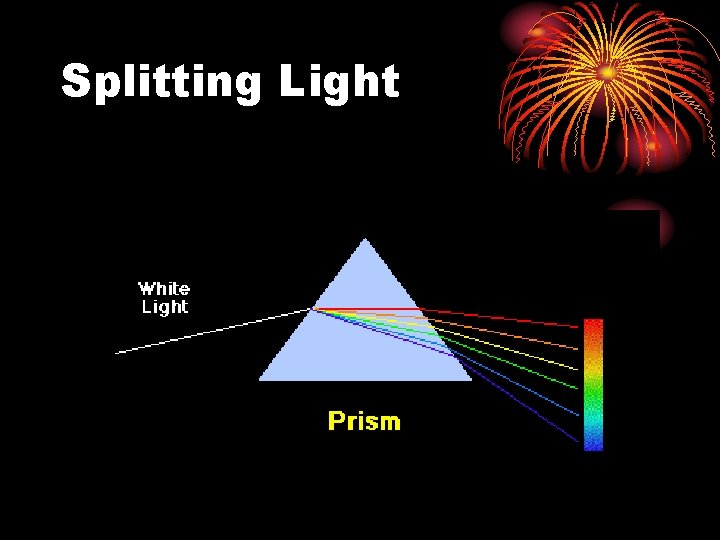
Splitting Light
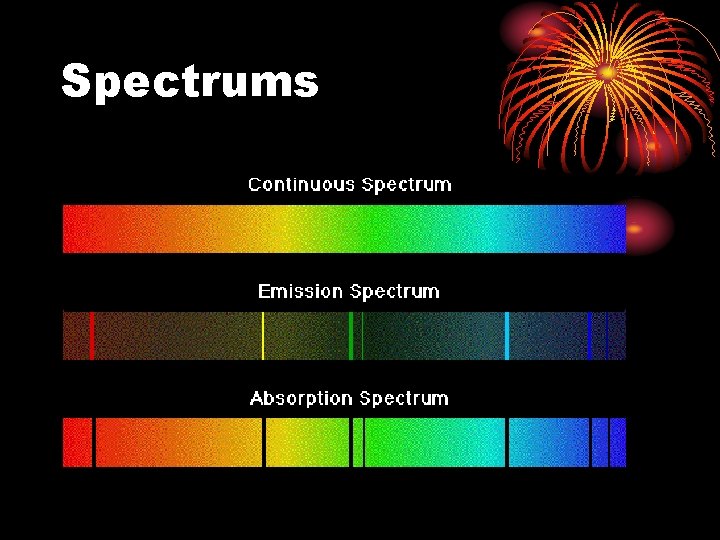
Spectrums
Spectrums • The lines on the emission or absorption spectrums of an element are produced when the electrons in that atom change energy levels.
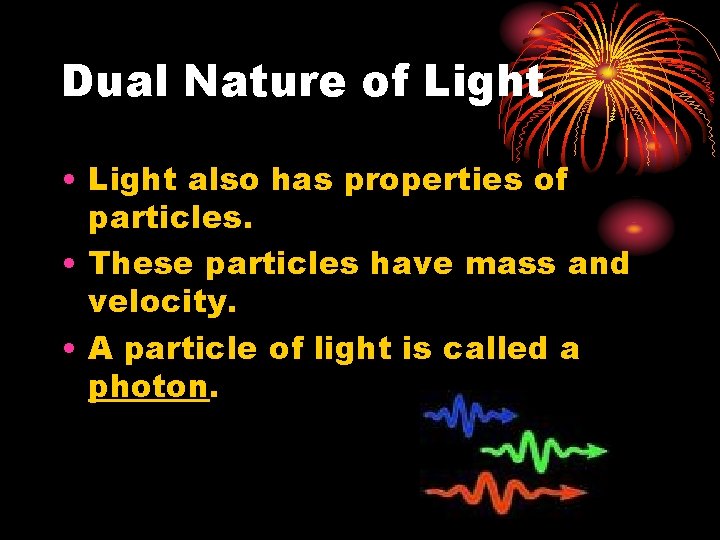
Dual Nature of Light • Light also has properties of particles. • These particles have mass and velocity. • A particle of light is called a photon.
Quantum Mechanical Model
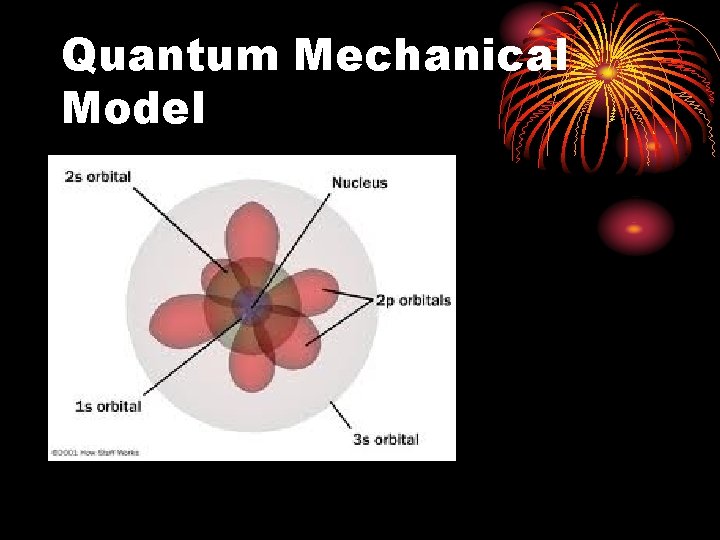
Quantum Mechanical Model or Wave model • Small, dense, positively charged nucleus surrounded by electron clouds of probability. • Does not define an exact path an electron takes around the nucleus. • Electron cloud – the volume in which the electron is found 90% of the time
A Quantum of energy • A packet of energy required to move an electron from its present energy level to a higher one. • Planck’s Hypothesis - energy is given off in little packets, or quanta, instead of continuously.
Quantum Numbers • Used to describe an electron’s behavior or likely location • There are four with variables: n, l, m, & s
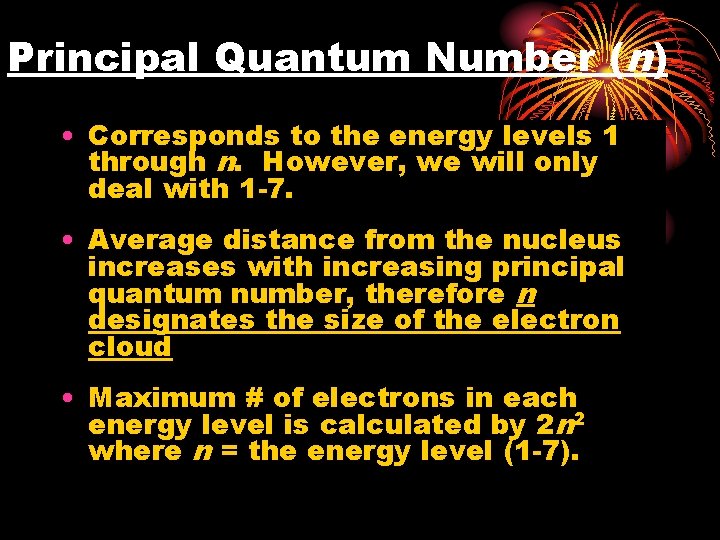
Principal Quantum Number (n) • Corresponds to the energy levels 1 through n. However, we will only deal with 1 -7. • Average distance from the nucleus increases with increasing principal quantum number, therefore n designates the size of the electron cloud • Maximum # of electrons in each energy level is calculated by 2 n 2 where n = the energy level (1 -7).
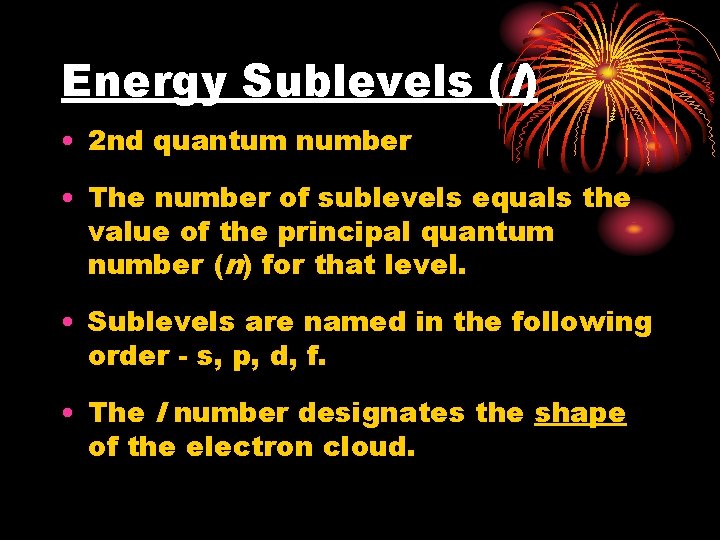
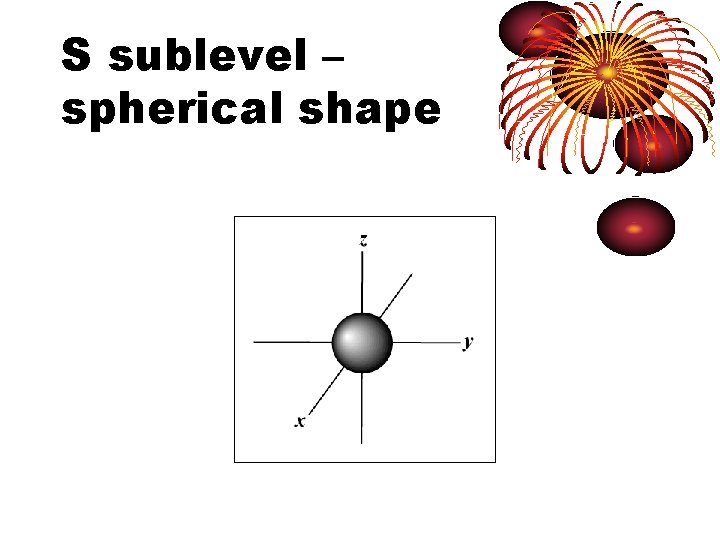
Energy Sublevels (l) • 2 nd quantum number • The number of sublevels equals the value of the principal quantum number (n) for that level. • Sublevels are named in the following order - s, p, d, f. • The l number designates the shape of the electron cloud.
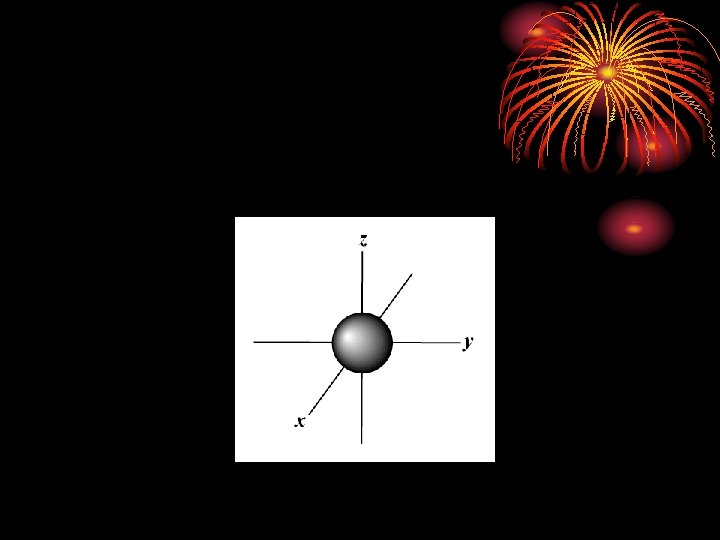
S sublevel – spherical shape
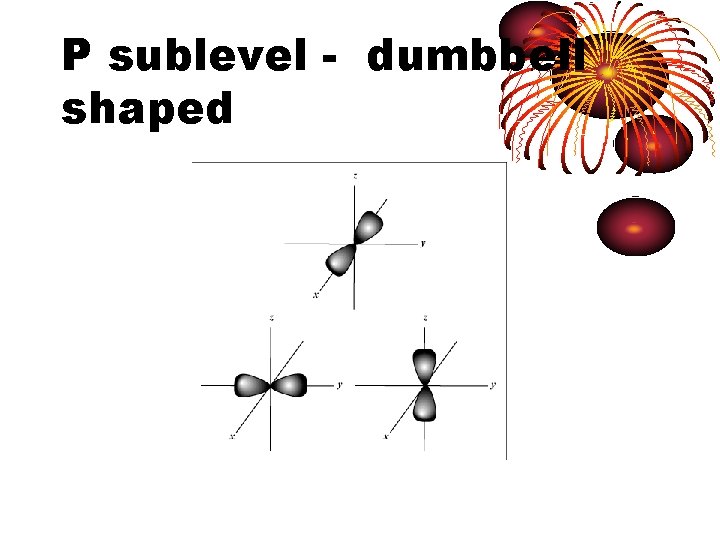
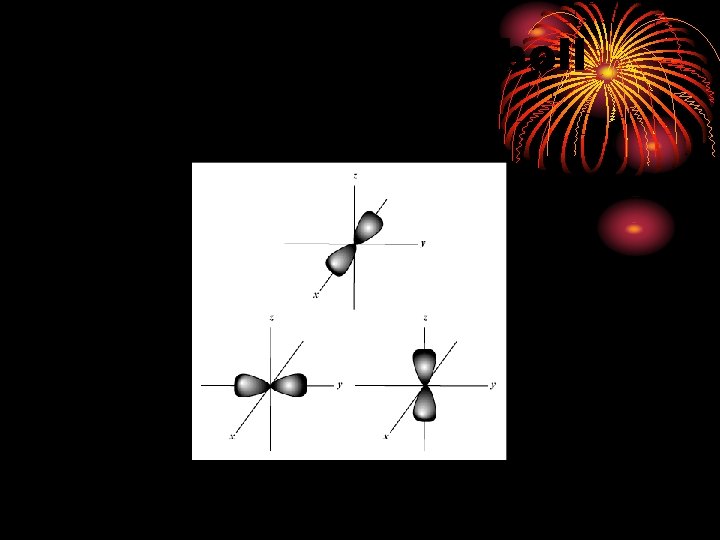
P sublevel - dumbbell shaped
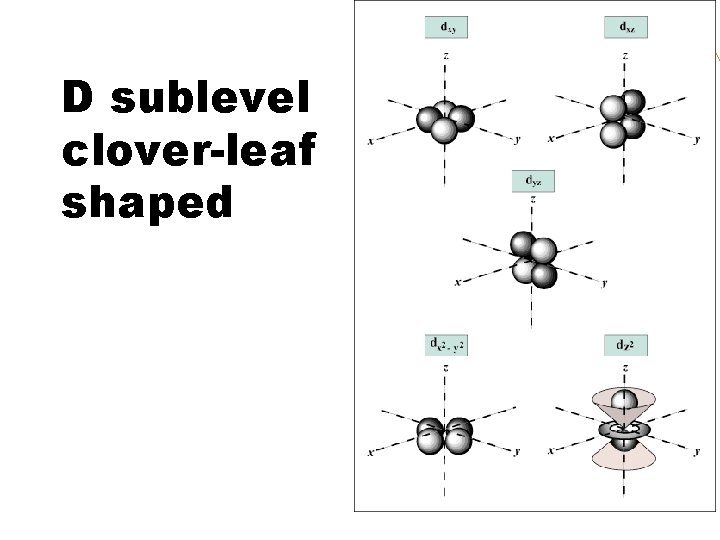
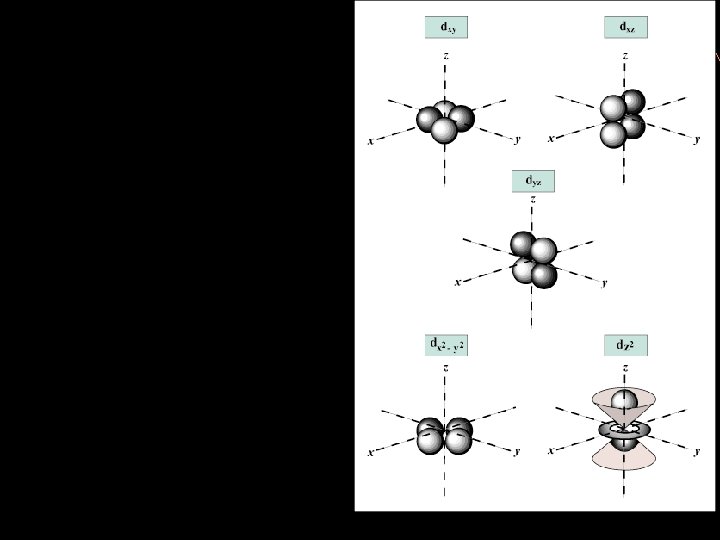
D sublevel clover-leaf shaped
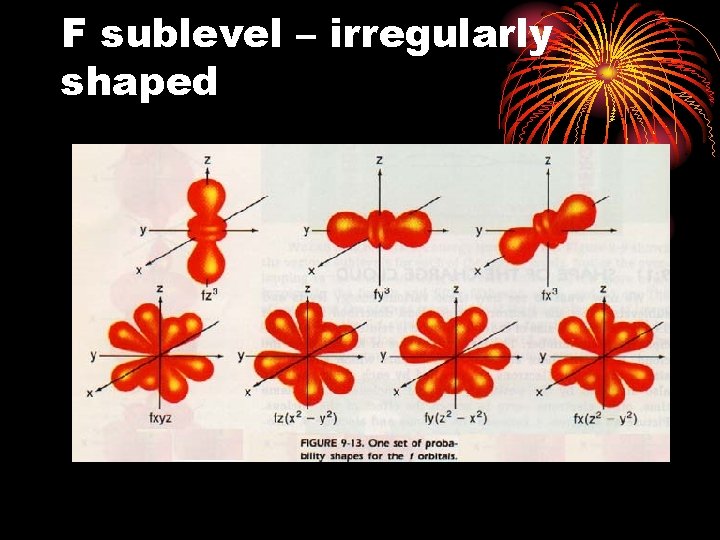
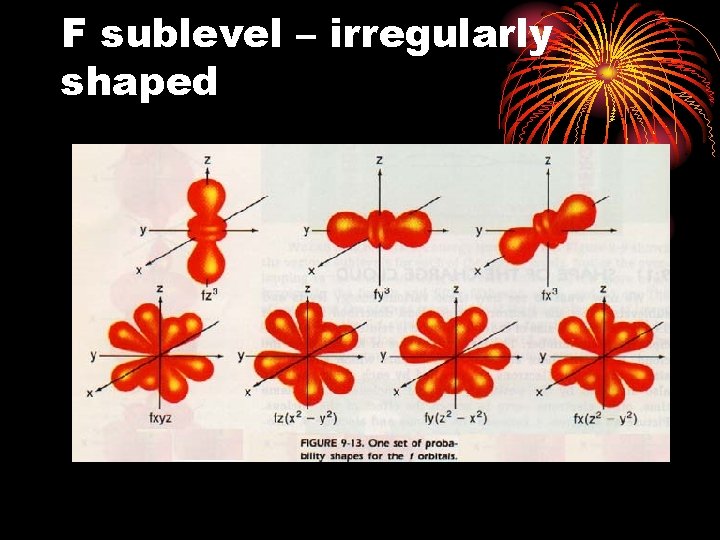
F sublevel – irregularly shaped
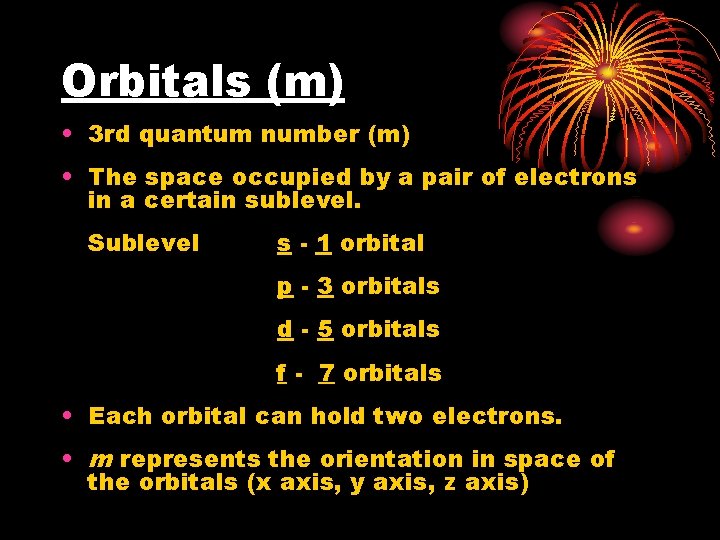
Orbitals (m) • 3 rd quantum number (m) • The space occupied by a pair of electrons in a certain sublevel. Sublevel s - 1 orbital p - 3 orbitals d - 5 orbitals f - 7 orbitals • Each orbital can hold two electrons. • m represents the orientation in space of the orbitals (x axis, y axis, z axis)
S sublevel – spherical shape
P sublevel - dumbbell shaped
D sublevel clover-leaf shaped
F sublevel – irregularly shaped
Animation • With music • Without sound
Spin (s) • 4 th quantum number • Distinguishes between the electrons in the same orbital. • describes the electrons spin as either clockwise or counterclockwise
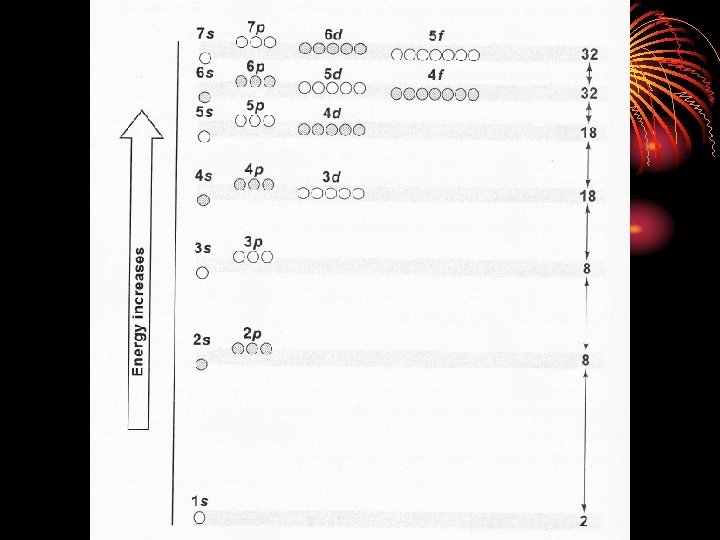
Electron Configurations Must follow these rules: • Aufbau Principle – electrons enter orbitals of lowest energy first. • Pauli Exclusion Principle – only 2 electrons can occupy an orbital and they must have opposite spins. • Hund’s Rule – When electrons occupy orbitals of equal energy (degenerate orbitals), one electron enters each orbital until all the orbitals contain one with parallel spins, then they will pair up.