
QUANTUM MAZE RUNNER Artash Nath wonrobot Amardeep Singh
QUANTUM MAZE RUNNER Artash Nath @wonrobot Amardeep Singh @Amardeep 2212 Christopher Joly @Chris. Joly 93
Presentation Structure • Introduction • Pseudo Random Number Generators (PRNGs) • Quantum Randomization And Circuits • Labyrinth Creation With Random Scatter Points • Results And DEMO
Pseudo Random Number Generators (PRNG) • Not Truly Random • Needs predefined ‘seed’ therefore can be recreated • Current RNGs use mathematical algorithms to generate random numbers. Initializes algorithm with seed
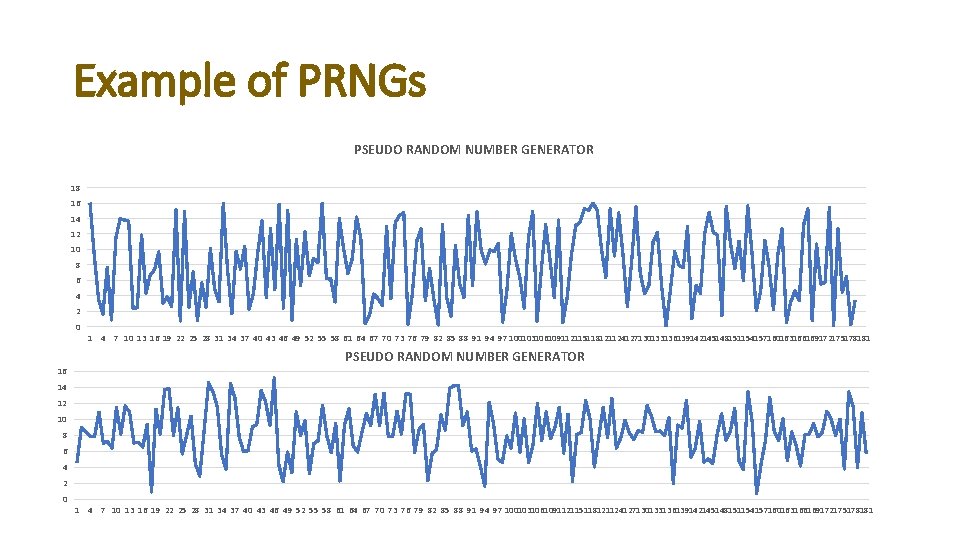
Example of PRNGs PSEUDO RANDOM NUMBER GENERATOR 18 16 14 12 10 8 6 4 2 0 1 4 7 10 13 16 19 22 25 28 31 34 37 40 43 46 49 52 55 58 61 64 67 70 73 76 79 82 85 88 91 94 97 100103106109112115118121124127130133136139142145148151154157160163166169172175178181 PSEUDO RANDOM NUMBER GENERATOR 16 14 12 10 8 6 4 2 0 1 4 7 10 13 16 19 22 25 28 31 34 37 40 43 46 49 52 55 58 61 64 67 70 73 76 79 82 85 88 91 94 97 100103106109112115118121124127130133136139142145148151154157160163166169172175178181
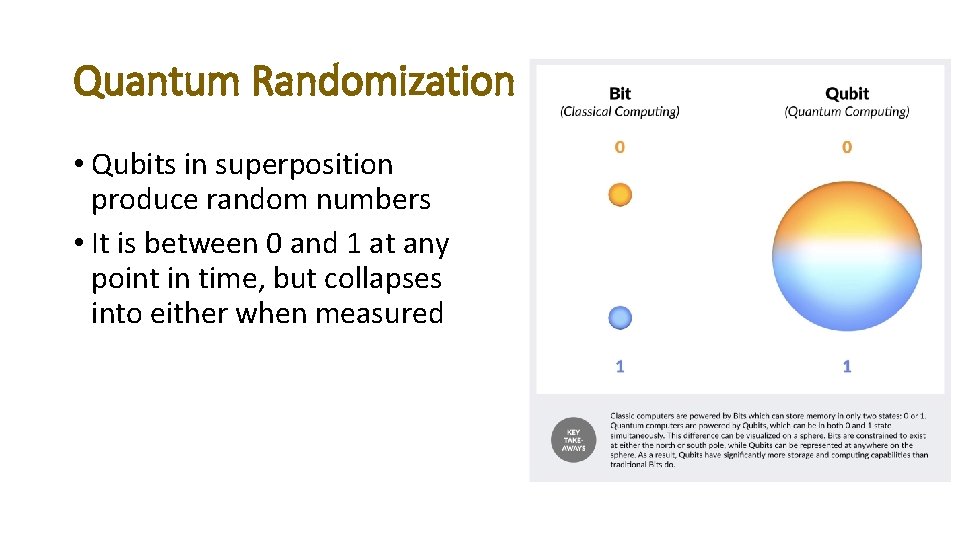
Quantum Randomization • Qubits in superposition produce random numbers • It is between 0 and 1 at any point in time, but collapses into either when measured
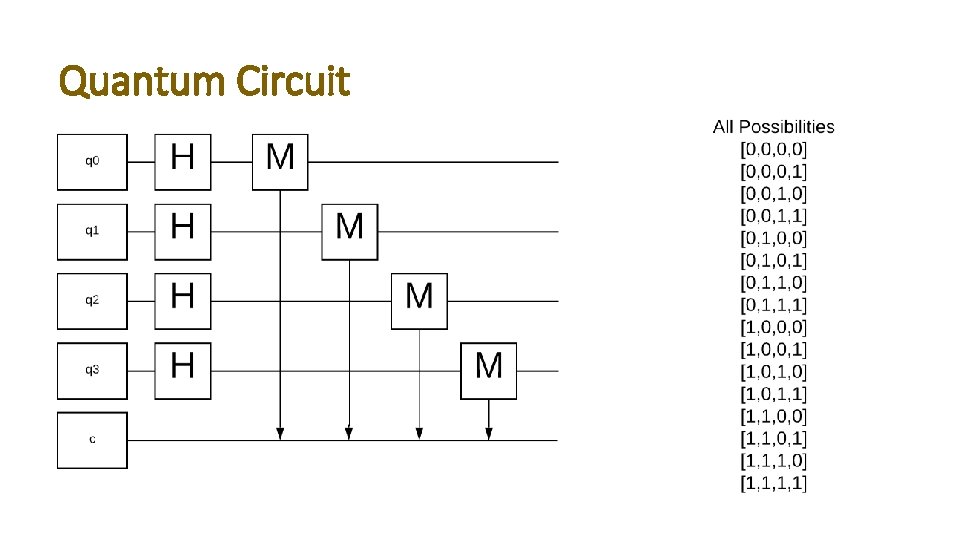
Quantum Circuit
From Binary to Random Numbers • Quantum Circuit provides us an array of 20 binary numbers from collapsed qubits • In a nested for loop, we multiply each value in the array by 2 -n • This process is repeated through out the whole array of 20 binary digits • Final random number between 1 and 0 will be composed by a combination of all the binary digits
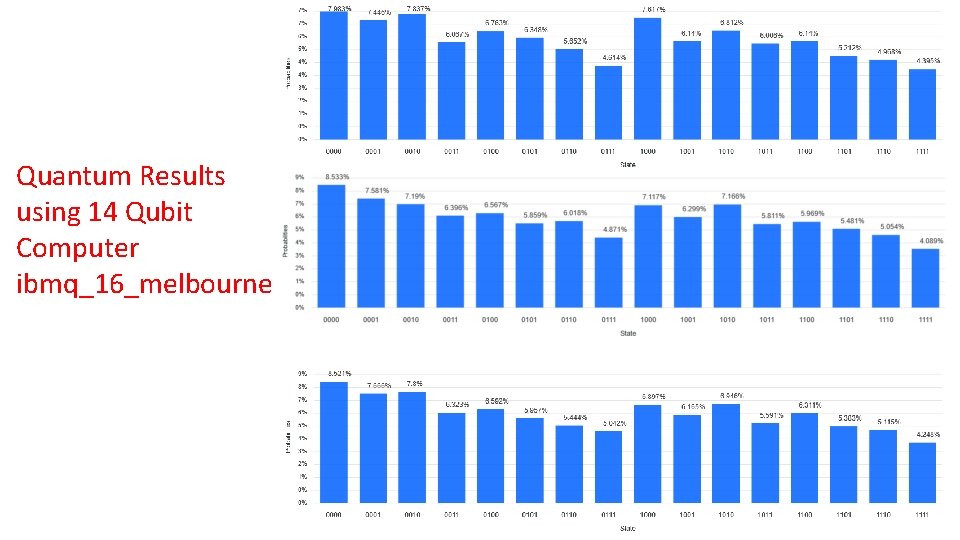
Quantum Results using 14 Qubit Computer ibmq_16_melbourne
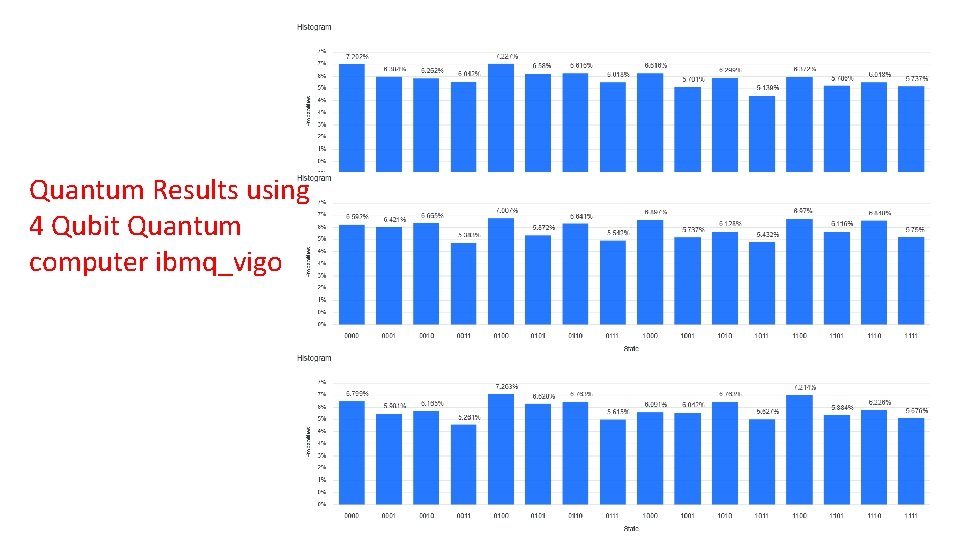
Quantum Results using 4 Qubit Quantum computer ibmq_vigo
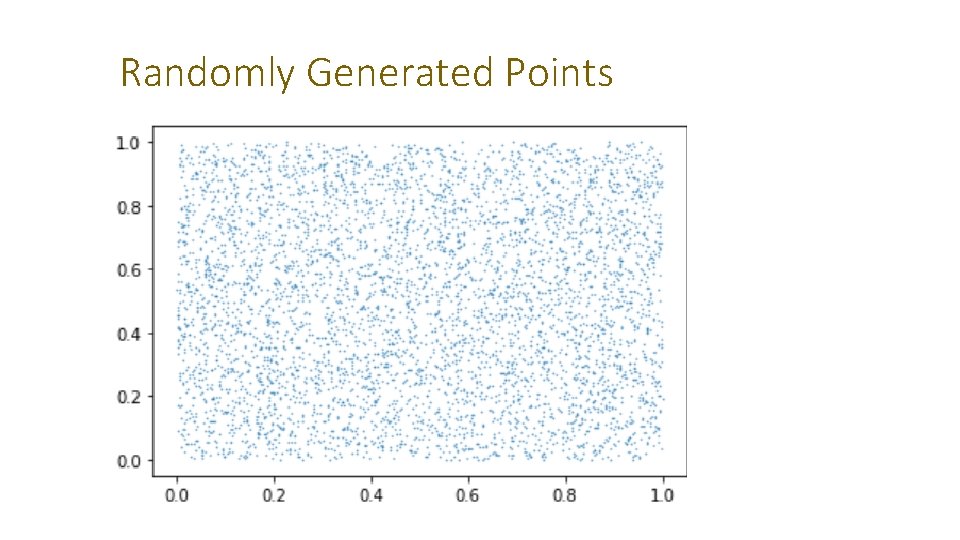
Randomly Generated Points
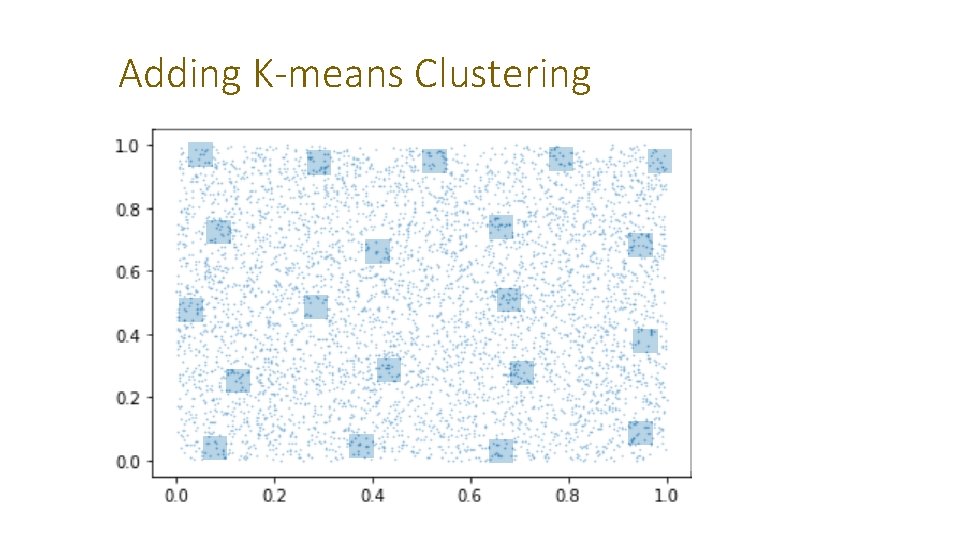
Adding K-means Clustering
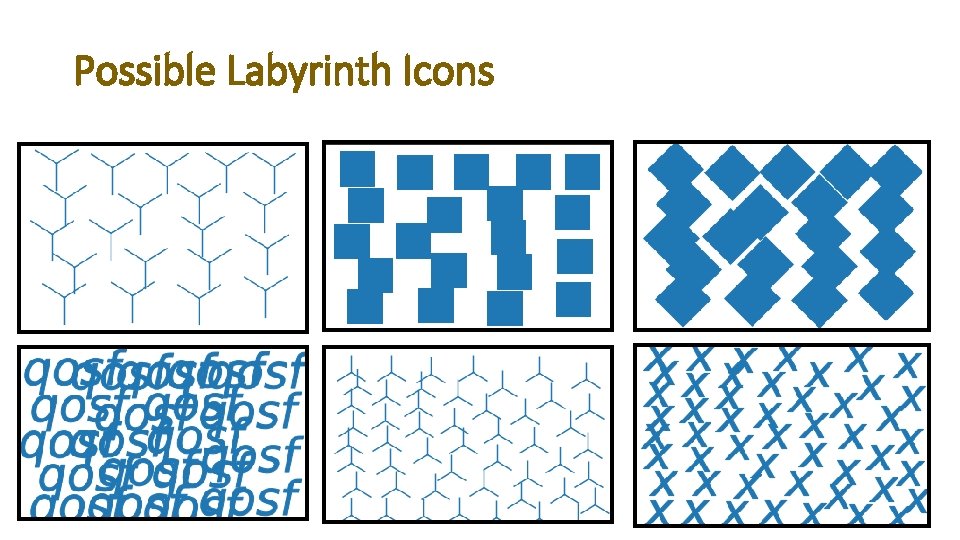
Possible Labyrinth Icons
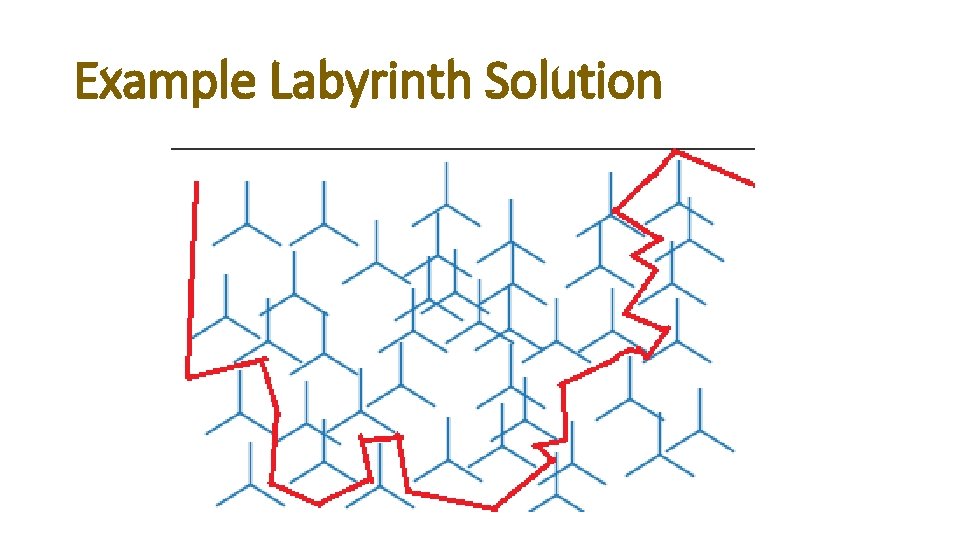
Example Labyrinth Solution

DEMO
- Slides: 14