
Quantitative Chemical Analysis Welcome to Analytical Chemistry The



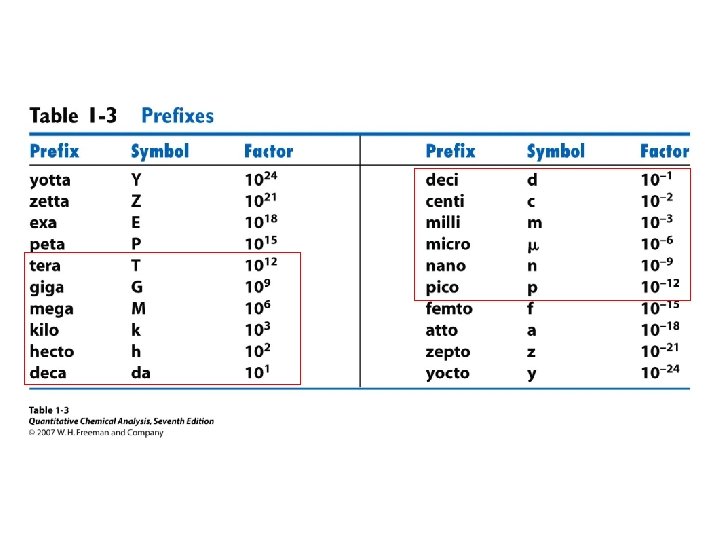
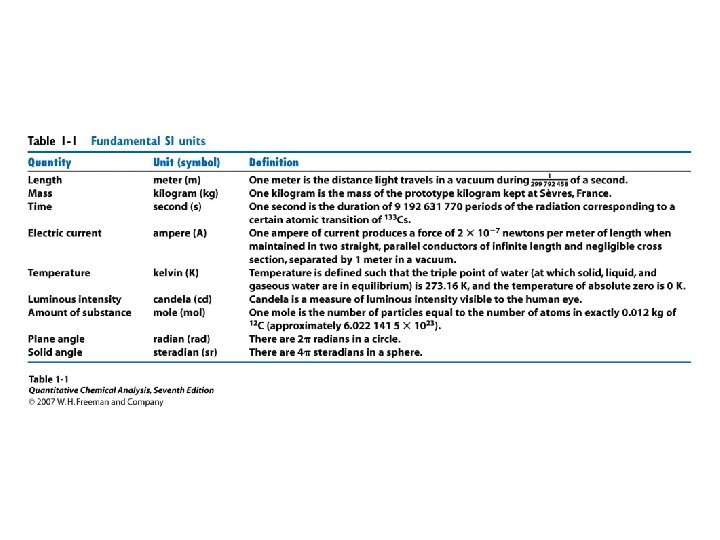
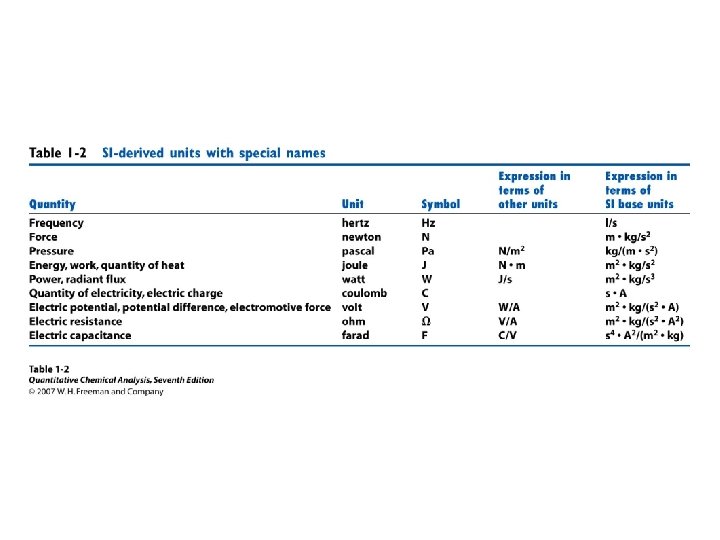
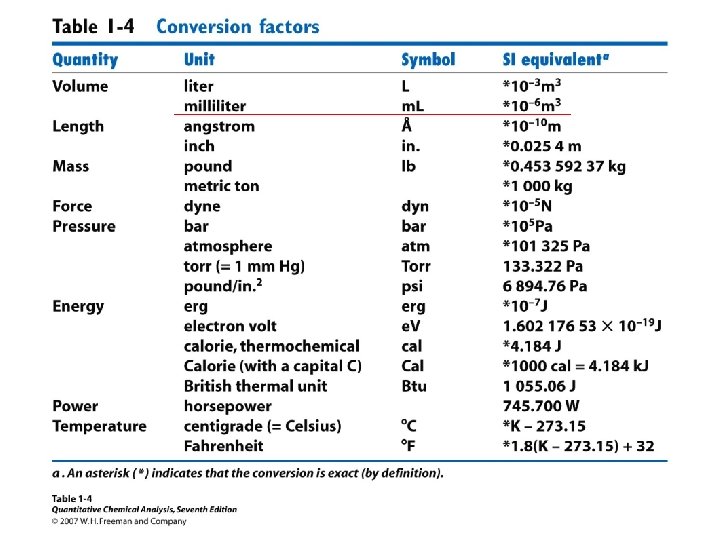
- Slides: 43
Quantitative Chemical Analysis
Welcome to Analytical Chemistry The textbook for this course is Quantitative Chemical Analysis Seventh Edition by Dan Harris (© 2007, W. H. Freeman & Company)
http: //ebooks. bfwpub. com/qchem An ALTERNATE version of the textbook available at a lower cost. • Includes the complete textbook – every word, graphic, table, and problem • You can take notes, highlight and print. • Convenient access to your textbook from any Internet connection – you don’t have to carry it everywhere.
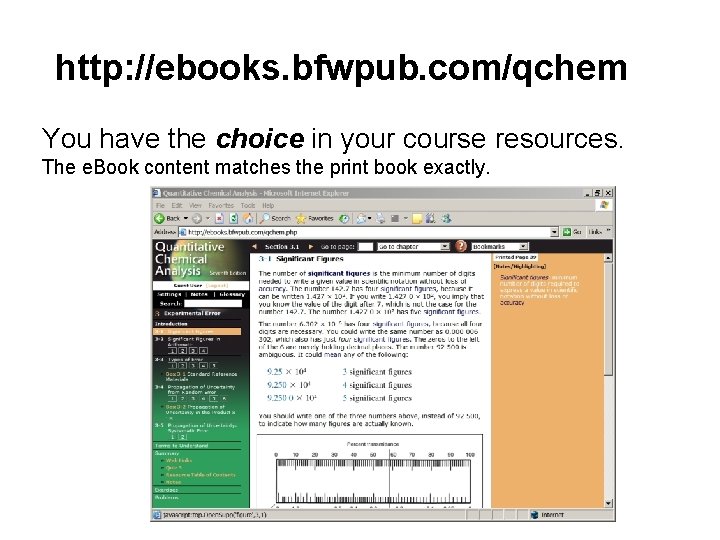
http: //ebooks. bfwpub. com/qchem You have the choice in your course resources. The e. Book content matches the print book exactly.
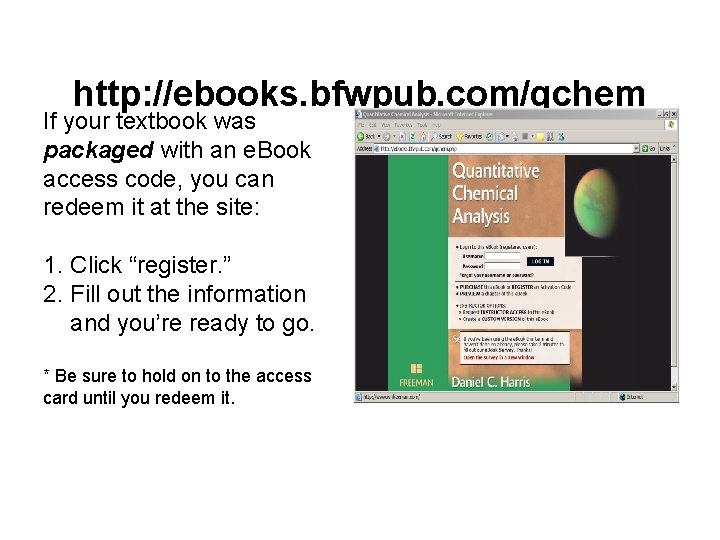
http: //ebooks. bfwpub. com/qchem If your textbook was packaged with an e. Book access code, you can redeem it at the site: 1. Click “register. ” 2. Fill out the information and you’re ready to go. * Be sure to hold on to the access card until you redeem it.
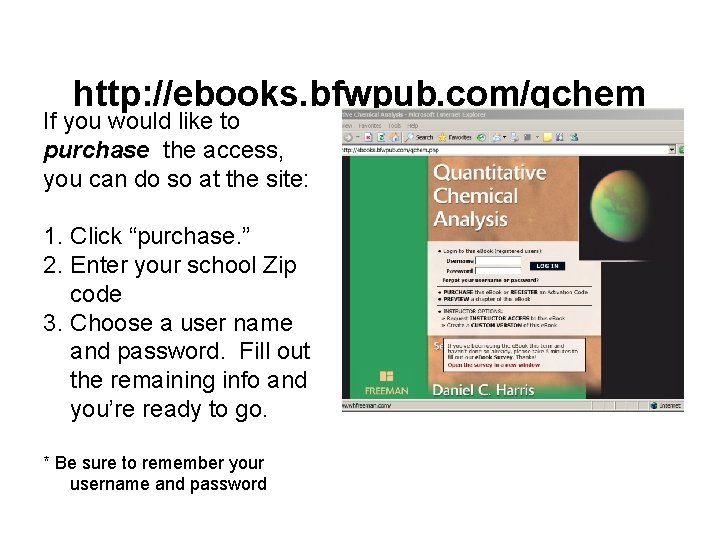
http: //ebooks. bfwpub. com/qchem If you would like to purchase the access, you can do so at the site: 1. Click “purchase. ” 2. Enter your school Zip code 3. Choose a user name and password. Fill out the remaining info and you’re ready to go. * Be sure to remember your username and password
Need support? 1 -800 -936 -6899 Monday-Friday, 9 -5 EST techsupport@bfwpub. com
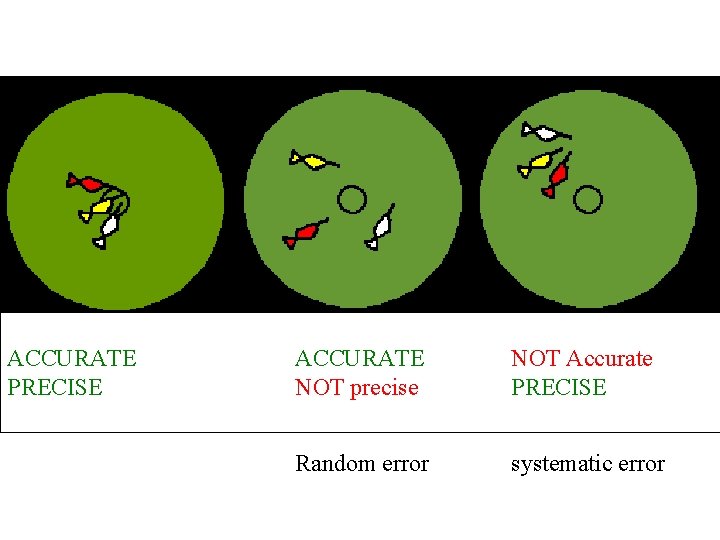
ACCURATE PRECISE ACCURATE NOT precise NOT Accurate PRECISE Random error systematic error
Required math skills: • • • Add Subtract Multiply Divide Powers Logarithms
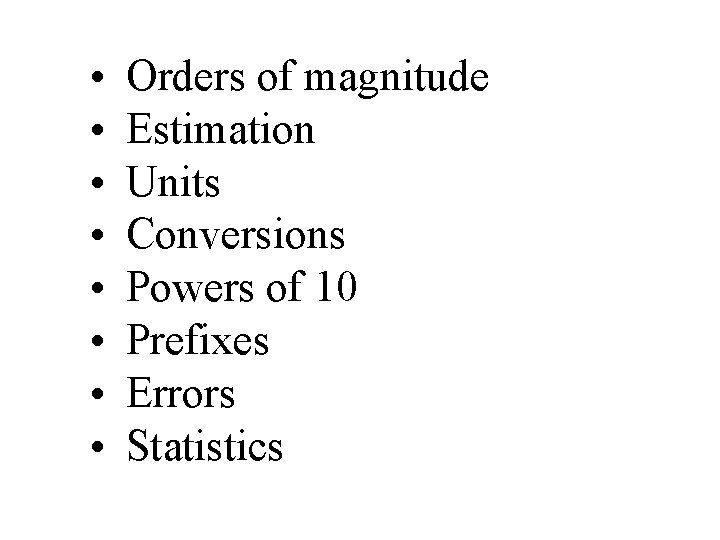
• • Orders of magnitude Estimation Units Conversions Powers of 10 Prefixes Errors Statistics
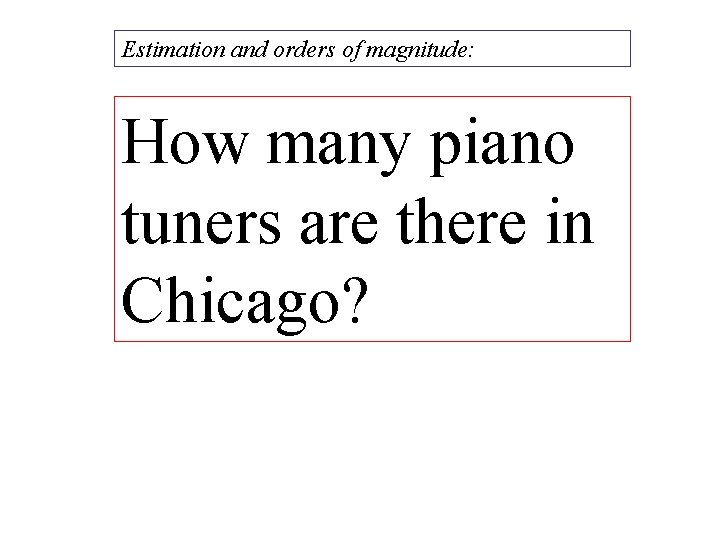
Estimation and orders of magnitude: How many piano tuners are there in Chicago?
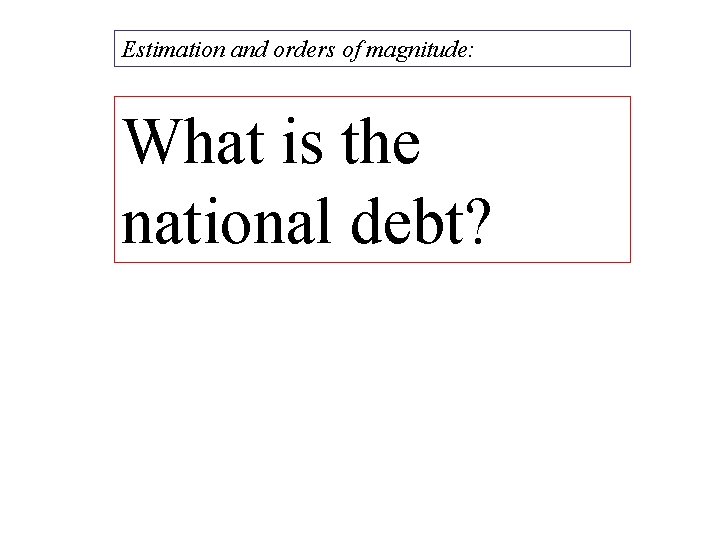
Estimation and orders of magnitude: What is the national debt?
Estimation and orders of magnitude: What is the world population?
Estimation and orders of magnitude: How many water molecules in 1000 droplets?
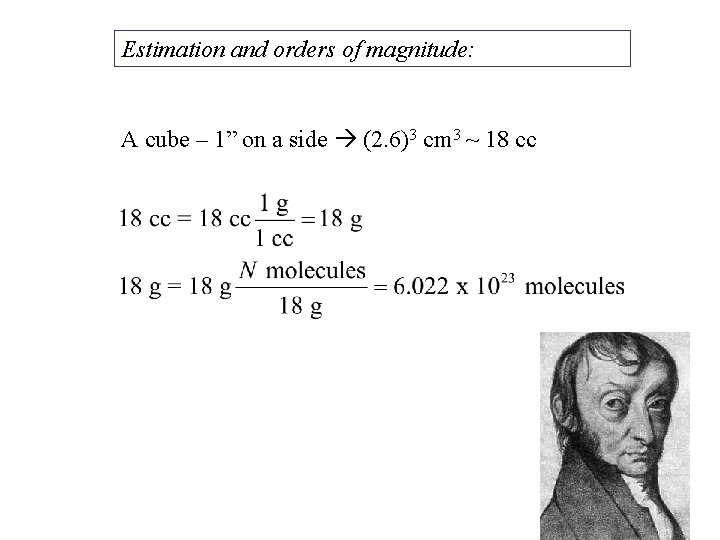
Estimation and orders of magnitude: A cube – 1” on a side (2. 6)3 cm 3 ~ 18 cc
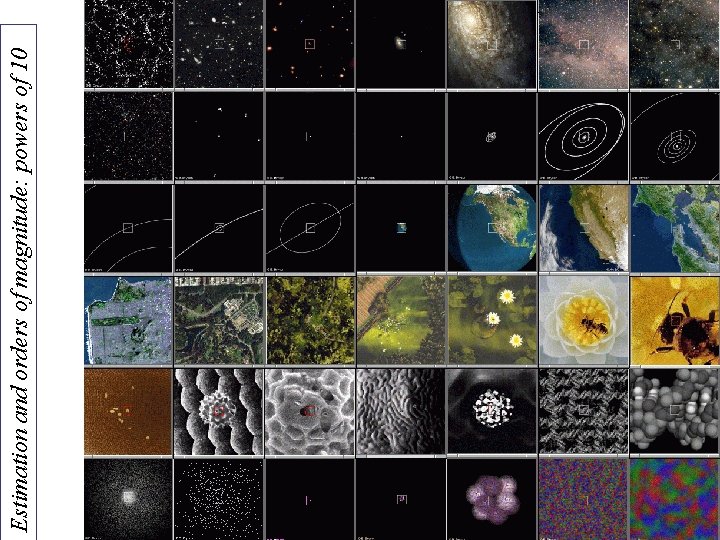
Estimation and orders of magnitude: powers of 10
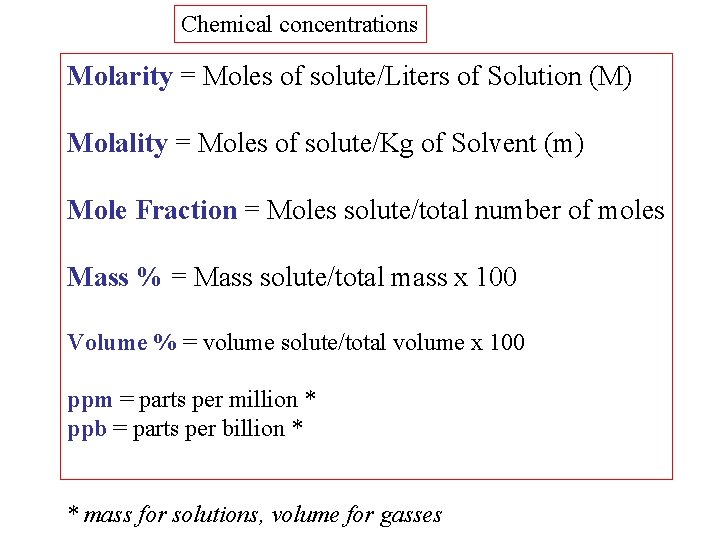
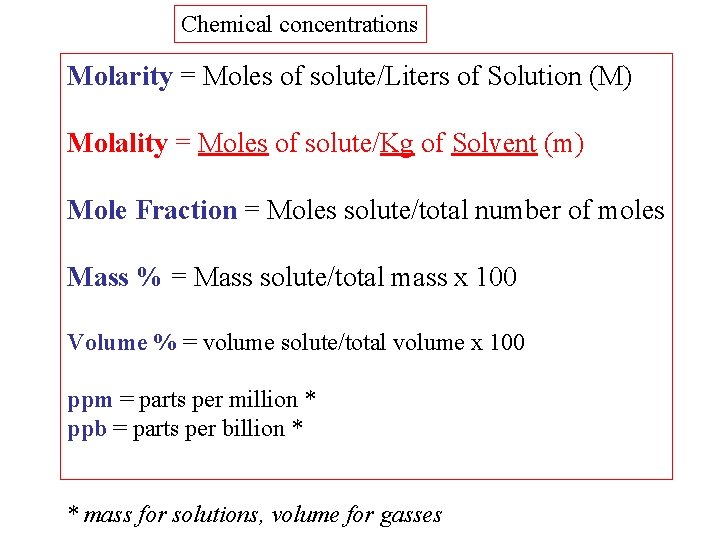
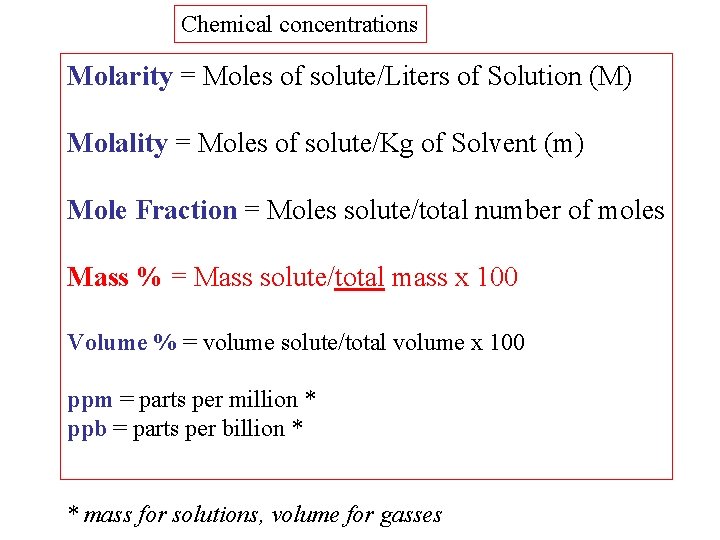
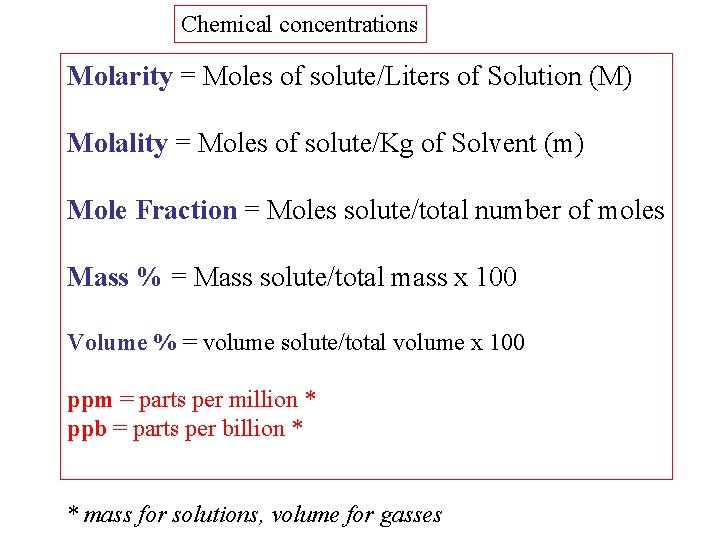
Chemical concentrations Molarity = Moles of solute/Liters of Solution (M) Molality = Moles of solute/Kg of Solvent (m) Mole Fraction = Moles solute/total number of moles Mass % = Mass solute/total mass x 100 Volume % = volume solute/total volume x 100 ppm = parts per million * ppb = parts per billion * * mass for solutions, volume for gasses
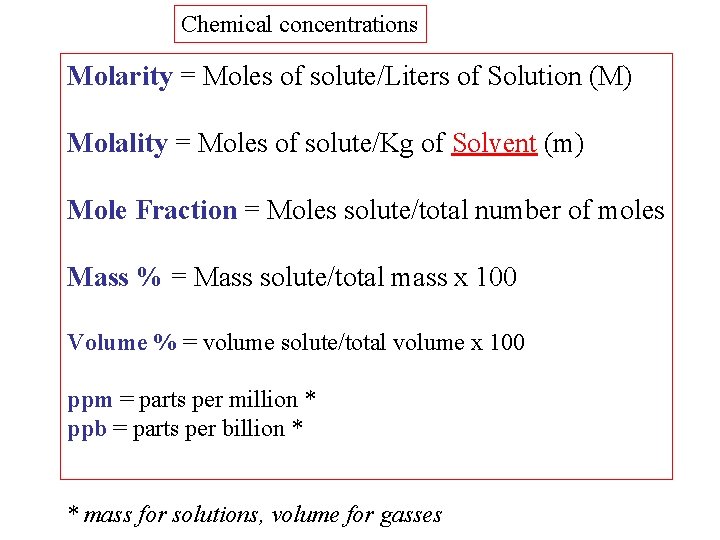
Chemical concentrations Molarity = Moles of solute/Liters of Solution (M) Molality = Moles of solute/Kg of Solvent (m) Mole Fraction = Moles solute/total number of moles Mass % = Mass solute/total mass x 100 Volume % = volume solute/total volume x 100 ppm = parts per million * ppb = parts per billion * * mass for solutions, volume for gasses
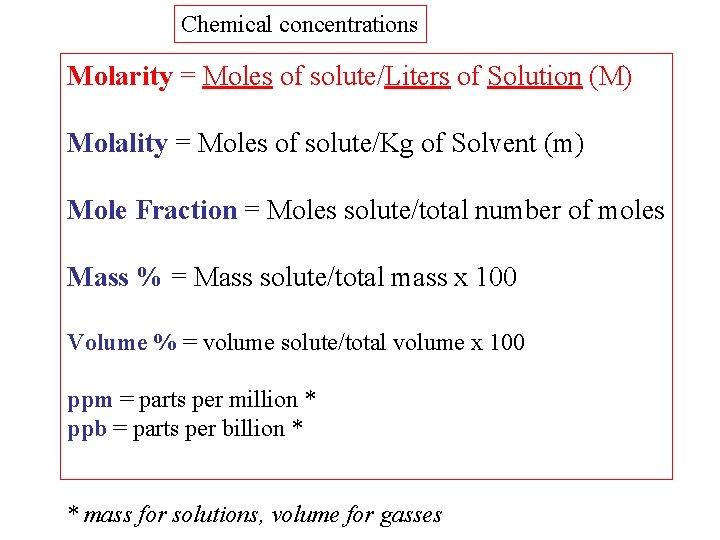
Chemical concentrations Molarity = Moles of solute/Liters of Solution (M) Molality = Moles of solute/Kg of Solvent (m) Mole Fraction = Moles solute/total number of moles Mass % = Mass solute/total mass x 100 Volume % = volume solute/total volume x 100 ppm = parts per million * ppb = parts per billion * * mass for solutions, volume for gasses
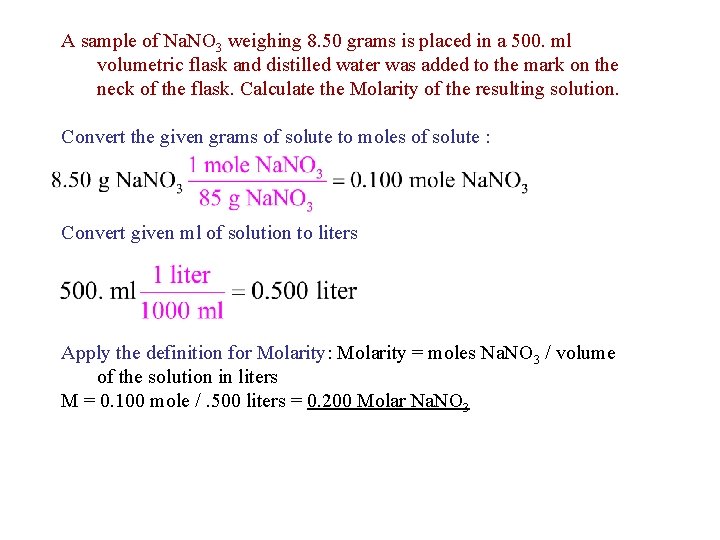
A sample of Na. NO 3 weighing 8. 50 grams is placed in a 500. ml volumetric flask and distilled water was added to the mark on the neck of the flask. Calculate the Molarity of the resulting solution. Convert the given grams of solute to moles of solute : Convert given ml of solution to liters Apply the definition for Molarity: Molarity = moles Na. NO 3 / volume of the solution in liters M = 0. 100 mole /. 500 liters = 0. 200 Molar Na. NO 3
Chemical concentrations Molarity = Moles of solute/Liters of Solution (M) Molality = Moles of solute/Kg of Solvent (m) Mole Fraction = Moles solute/total number of moles Mass % = Mass solute/total mass x 100 Volume % = volume solute/total volume x 100 ppm = parts per million * ppb = parts per billion * * mass for solutions, volume for gasses
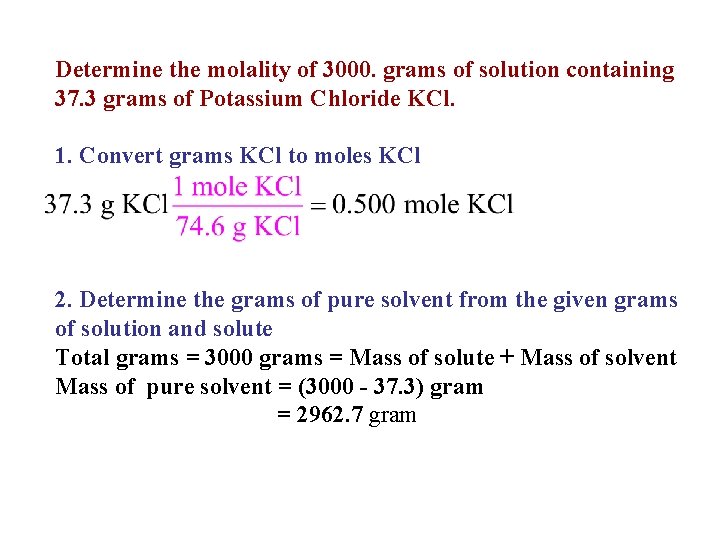
Determine the molality of 3000. grams of solution containing 37. 3 grams of Potassium Chloride KCl. 1. Convert grams KCl to moles KCl 2. Determine the grams of pure solvent from the given grams of solution and solute Total grams = 3000 grams = Mass of solute + Mass of solvent Mass of pure solvent = (3000 - 37. 3) gram = 2962. 7 gram
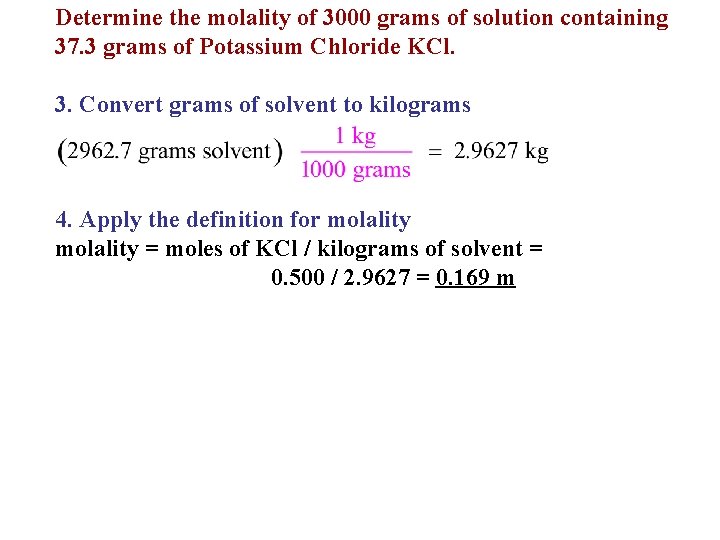
Determine the molality of 3000 grams of solution containing 37. 3 grams of Potassium Chloride KCl. 3. Convert grams of solvent to kilograms 4. Apply the definition for molality = moles of KCl / kilograms of solvent = 0. 500 / 2. 9627 = 0. 169 m
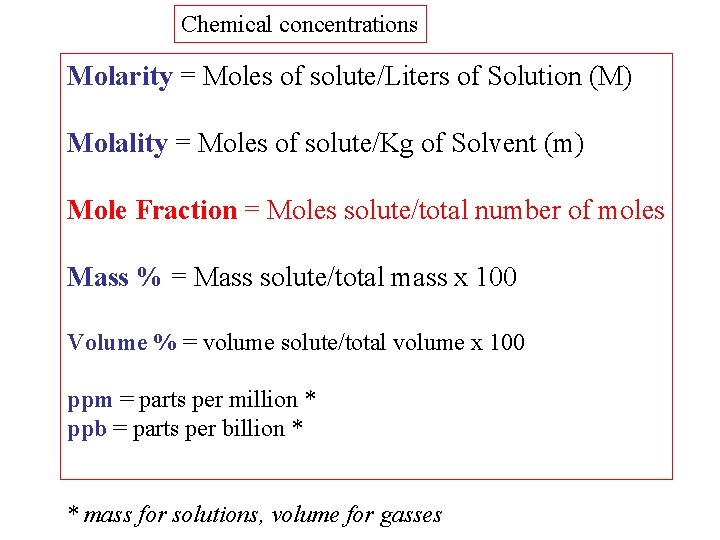
Chemical concentrations Molarity = Moles of solute/Liters of Solution (M) Molality = Moles of solute/Kg of Solvent (m) Mole Fraction = Moles solute/total number of moles Mass % = Mass solute/total mass x 100 Volume % = volume solute/total volume x 100 ppm = parts per million * ppb = parts per billion * * mass for solutions, volume for gasses
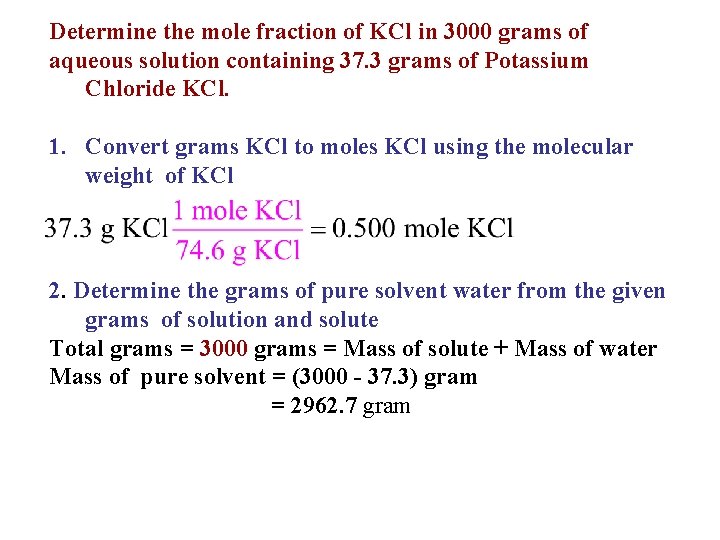
Determine the mole fraction of KCl in 3000 grams of aqueous solution containing 37. 3 grams of Potassium Chloride KCl. 1. Convert grams KCl to moles KCl using the molecular weight of KCl 2. Determine the grams of pure solvent water from the given grams of solution and solute Total grams = 3000 grams = Mass of solute + Mass of water Mass of pure solvent = (3000 - 37. 3) gram = 2962. 7 gram
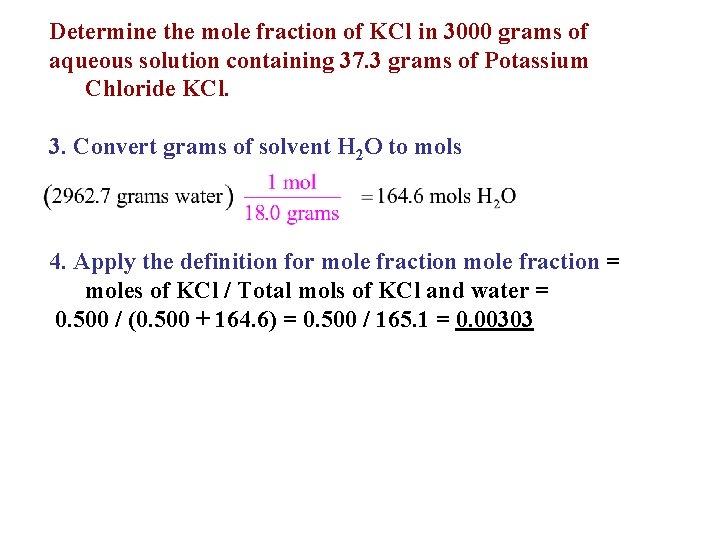
Determine the mole fraction of KCl in 3000 grams of aqueous solution containing 37. 3 grams of Potassium Chloride KCl. 3. Convert grams of solvent H 2 O to mols 4. Apply the definition for mole fraction = moles of KCl / Total mols of KCl and water = 0. 500 / (0. 500 + 164. 6) = 0. 500 / 165. 1 = 0. 00303
Chemical concentrations Molarity = Moles of solute/Liters of Solution (M) Molality = Moles of solute/Kg of Solvent (m) Mole Fraction = Moles solute/total number of moles Mass % = Mass solute/total mass x 100 Volume % = volume solute/total volume x 100 ppm = parts per million * ppb = parts per billion * * mass for solutions, volume for gasses
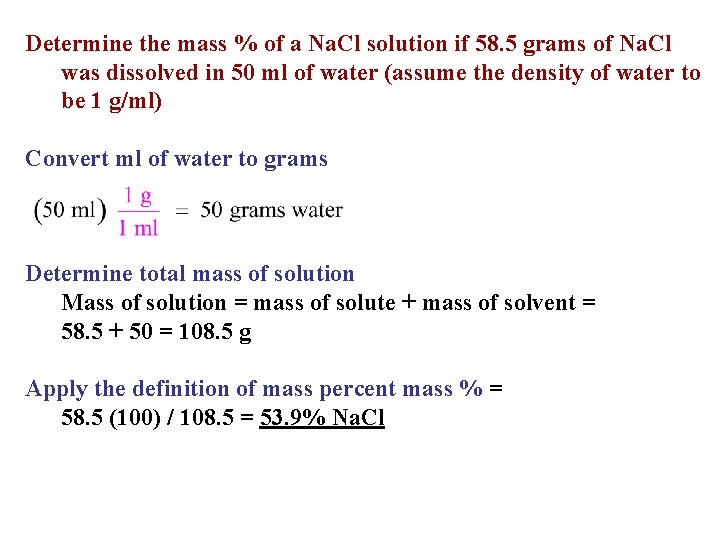
Determine the mass % of a Na. Cl solution if 58. 5 grams of Na. Cl was dissolved in 50 ml of water (assume the density of water to be 1 g/ml) Convert ml of water to grams Determine total mass of solution Mass of solution = mass of solute + mass of solvent = 58. 5 + 50 = 108. 5 g Apply the definition of mass percent mass % = 58. 5 (100) / 108. 5 = 53. 9% Na. Cl
Chemical concentrations Molarity = Moles of solute/Liters of Solution (M) Molality = Moles of solute/Kg of Solvent (m) Mole Fraction = Moles solute/total number of moles Mass % = Mass solute/total mass x 100 Volume % = volume solute/total volume x 100 ppm = parts per million * ppb = parts per billion * * mass for solutions, volume for gasses
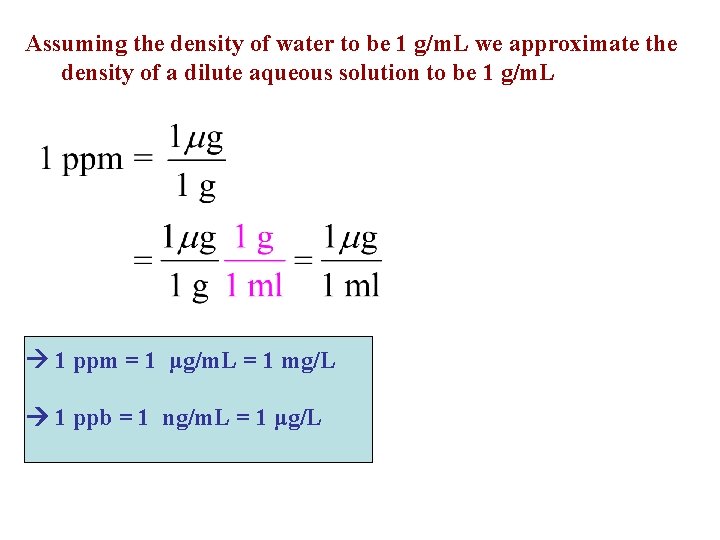
Assuming the density of water to be 1 g/m. L we approximate the density of a dilute aqueous solution to be 1 g/m. L 1 ppm = 1 μg/m. L = 1 mg/L 1 ppb = 1 ng/m. L = 1 μg/L
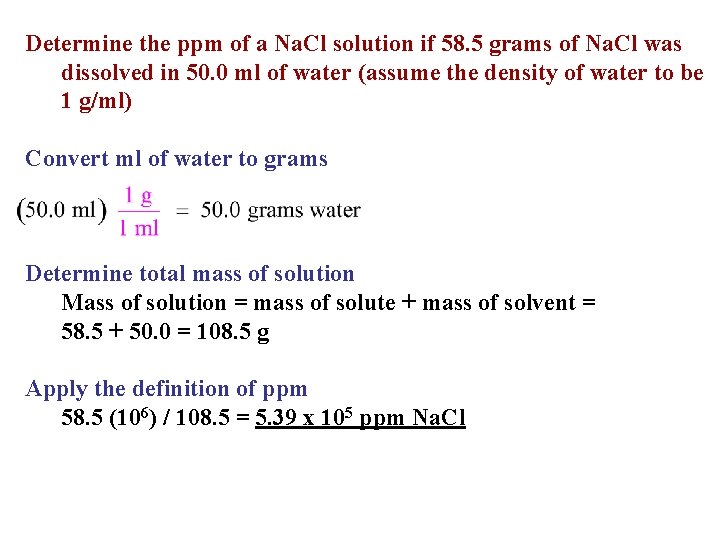
Determine the ppm of a Na. Cl solution if 58. 5 grams of Na. Cl was dissolved in 50. 0 ml of water (assume the density of water to be 1 g/ml) Convert ml of water to grams Determine total mass of solution Mass of solution = mass of solute + mass of solvent = 58. 5 + 50. 0 = 108. 5 g Apply the definition of ppm 58. 5 (106) / 108. 5 = 5. 39 x 105 ppm Na. Cl