
QUALITY MEASUREMENT SIGNIFICANCE METHODS TOOLS AND TECHNIQUES TQM


- Slides: 27
QUALITY MEASUREMENT: SIGNIFICANCE, METHODS, TOOLS AND TECHNIQUES TQM Lecture 6
Quality Measurement Significance 1. 2. 3. Measures are used for quality improvement, benchmarking (a standard) , and accountability. When developing a quality strategy it is helpful to remember that there are three main types of quality measures that should be considered: Process (procedure ) measures Outcome (Product) measures Structure (arrangement) measures.
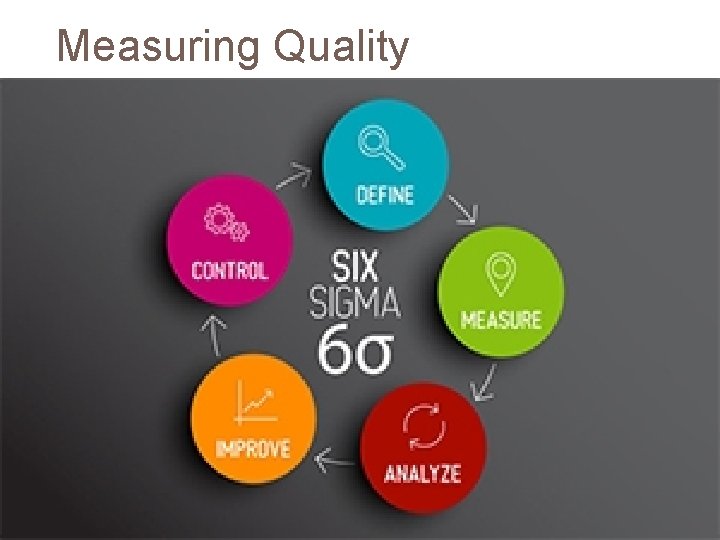
Measuring Quality
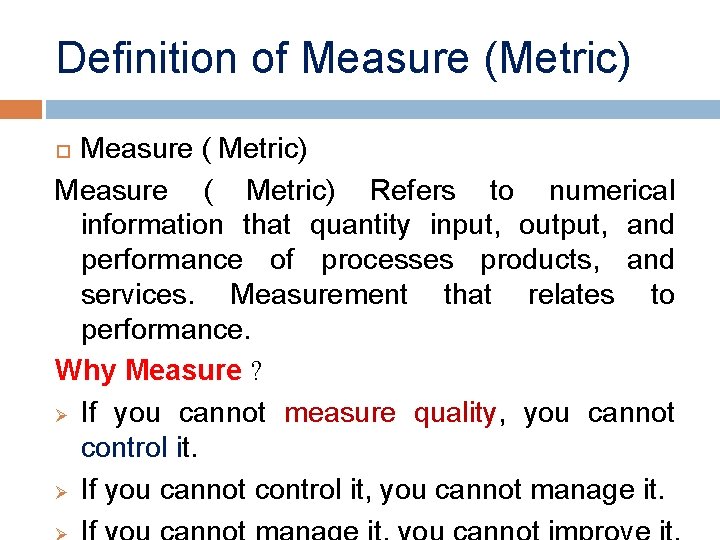
Definition of Measure (Metric) Measure ( Metric) Refers to numerical information that quantity input, output, and performance of processes products, and services. Measurement that relates to performance. Why Measure ? Ø If you cannot measure quality, you cannot control it. Ø If you cannot control it, you cannot manage it.
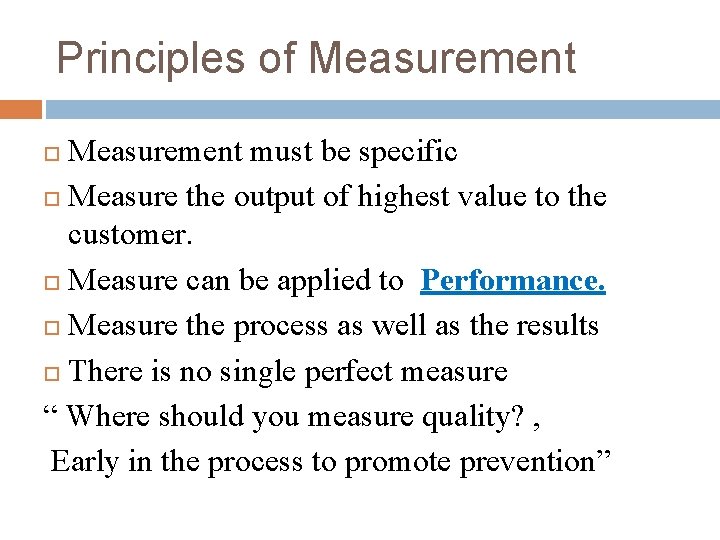
Principles of Measurement must be specific Measure the output of highest value to the customer. Measure can be applied to Performance. Measure the process as well as the results There is no single perfect measure “ Where should you measure quality? , Early in the process to promote prevention”
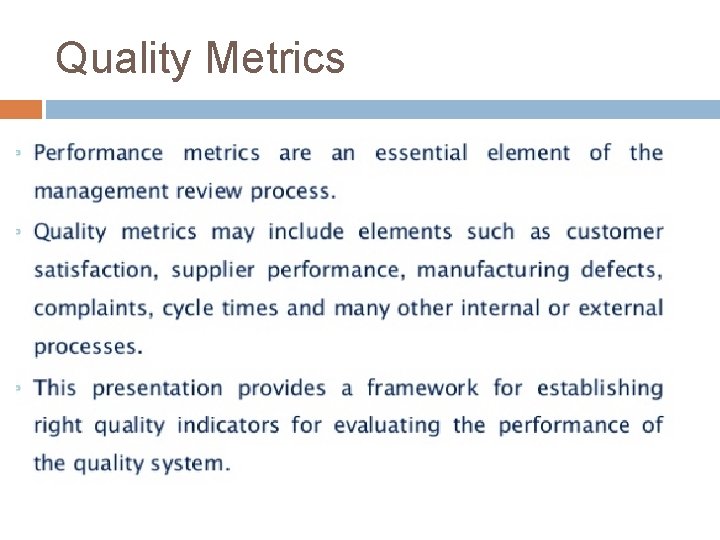
Quality Metrics
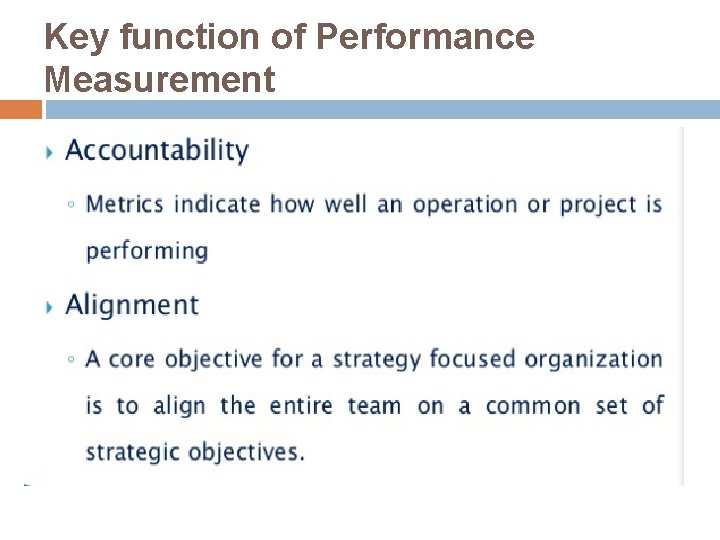
Key function of Performance Measurement
Key function of Performance Measurement q Attention Metrics incorporated into management review provide a define set of expectations of senior management and are reviewed. Behavior Setting the right metrics drives the right behaviors.
Key function of Performance Measurement
Key function of Performance Measurement
Factors to Account
Developing Quality Metrics
Developing Quality Metrics
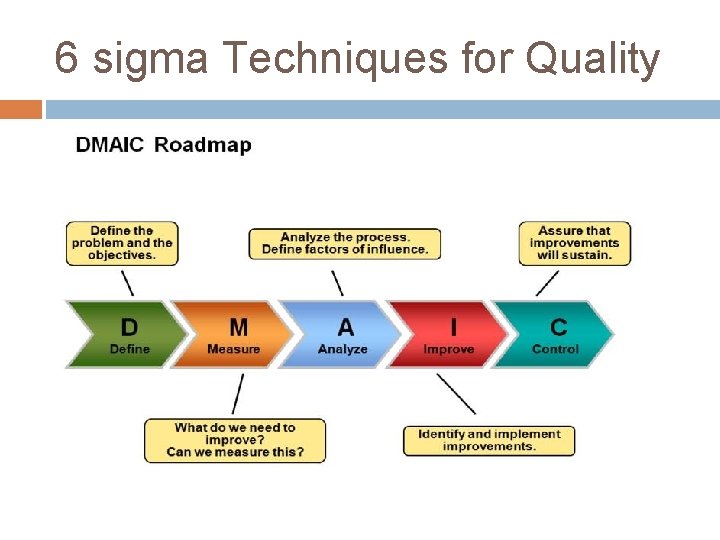
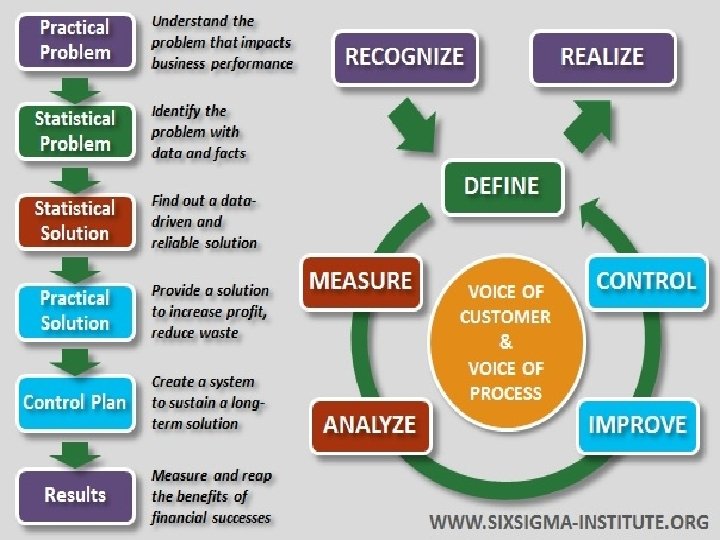
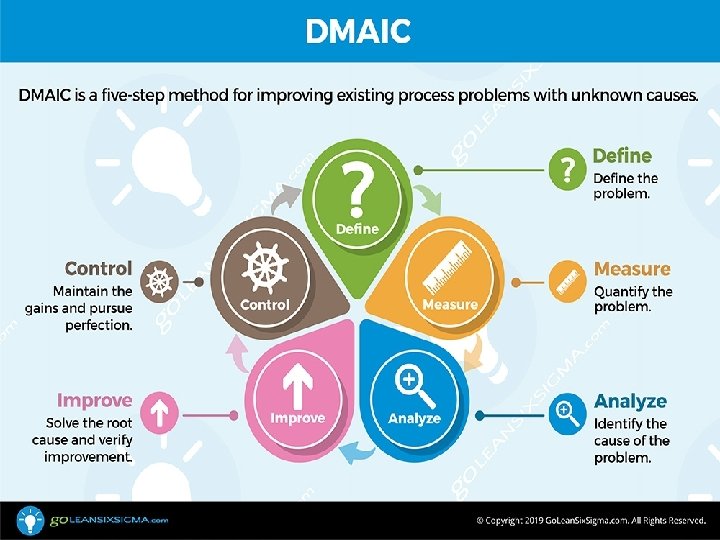
List of Tools & Techniques (for Quality Measure, Quality Control & Improve) Total Quality Management (TQM) Documentation Validation 6 Sigma Technique
TQM is an approach for continuously improving the quality of goods and service delivered through the participation of all levels and function of the organization. TQM is an intensive, long term efforts to transform all parts of the organization in order to produce the best product and service possible to meet customer’s need,
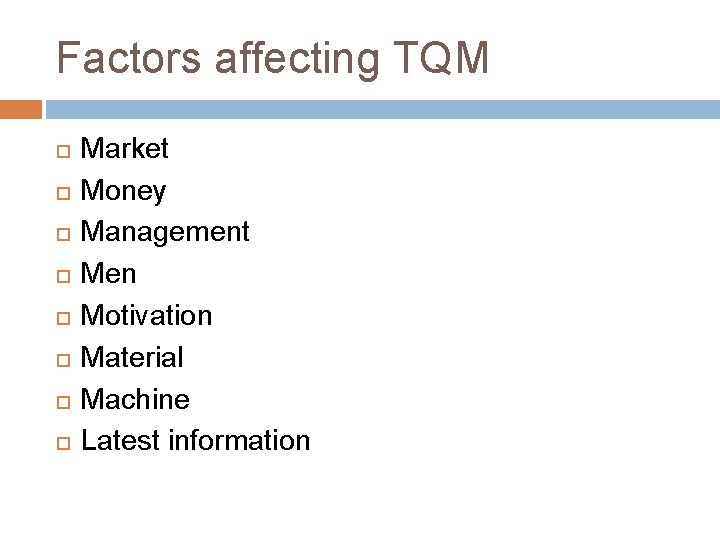
Factors affecting TQM Market Money Management Men Motivation Material Machine Latest information
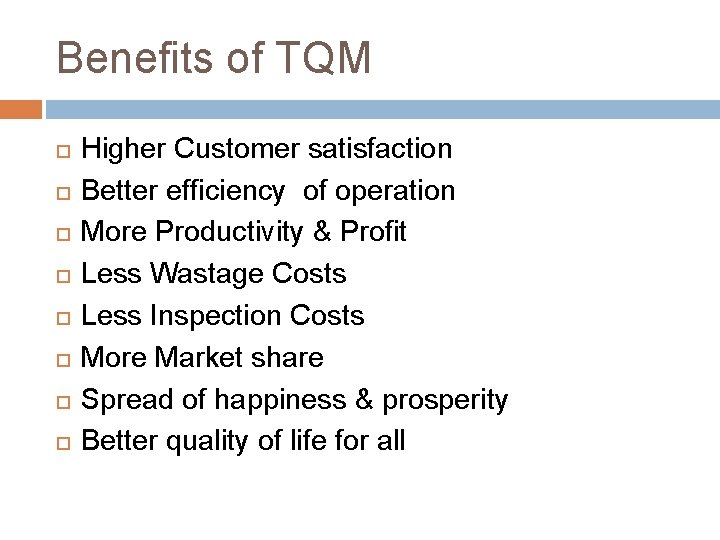
Benefits of TQM Higher Customer satisfaction Better efficiency of operation More Productivity & Profit Less Wastage Costs Less Inspection Costs More Market share Spread of happiness & prosperity Better quality of life for all
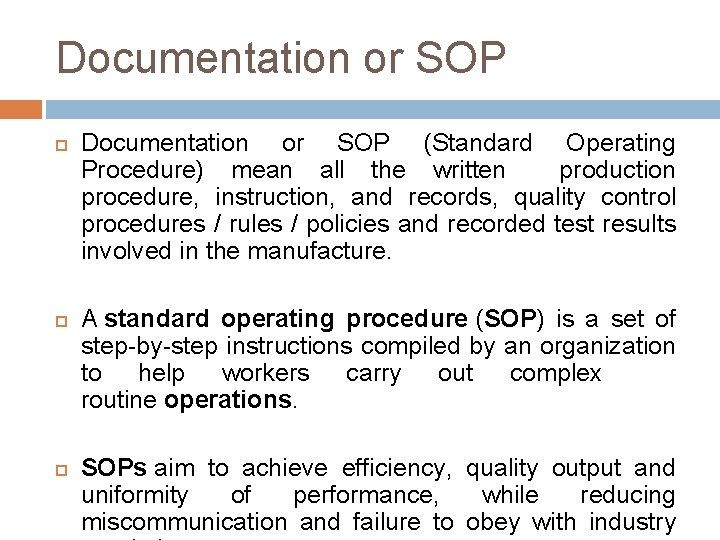
Documentation or SOP Documentation or SOP (Standard Operating Procedure) mean all the written production procedure, instruction, and records, quality control procedures / rules / policies and recorded test results involved in the manufacture. A standard operating procedure (SOP) is a set of step-by-step instructions compiled by an organization to help workers carry out complex routine operations. SOPs aim to achieve efficiency, quality output and uniformity of performance, while reducing miscommunication and failure to obey with industry
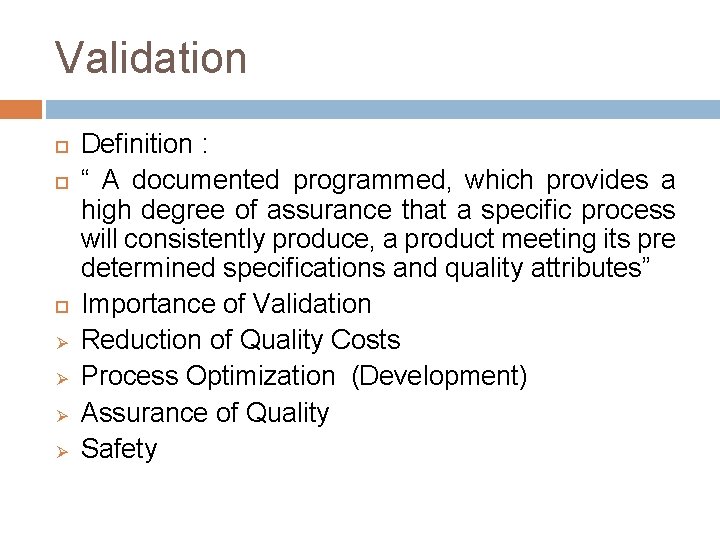
Validation Ø Ø Definition : “ A documented programmed, which provides a high degree of assurance that a specific process will consistently produce, a product meeting its pre determined specifications and quality attributes” Importance of Validation Reduction of Quality Costs Process Optimization (Development) Assurance of Quality Safety
Types of Validations v v v Validation of Building and Facilities Validation of Equipment Process Validation Cleaning Validation of Computer System
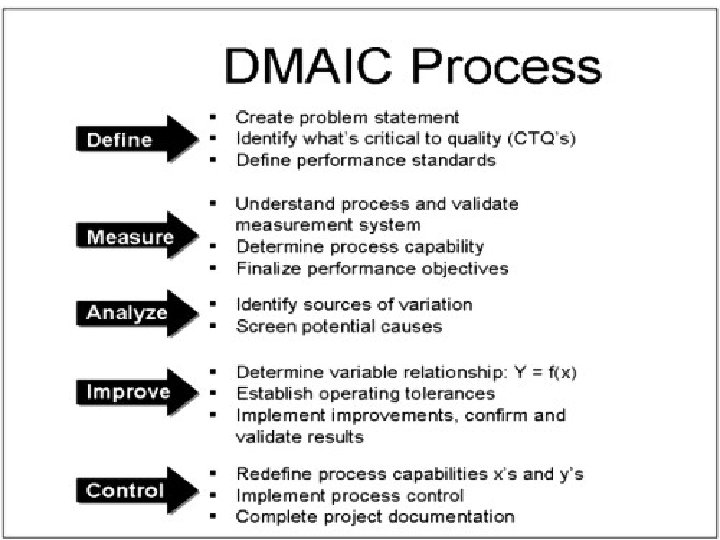
6 sigma Techniques for Quality