
Quality Improvement Reliability Culture of Safety and HIT
Quality Improvement Reliability, Culture of Safety, and HIT This material (Comp 12 Unit 4) was developed by Johns Hopkins University, funded by the Department of Health and Human Services, Office of the National Coordinator for Health Information Technology under Award Number IU 24 OC 000013. This material was updated in 2016 by Johns Hopkins University under Award Number 90 WT 0005. This work is licensed under the Creative Commons Attribution-Non. Commercial-Share. Alike 4. 0 International License. To view a copy of this license, visit http: //creativecommons. org/licenses/by-nc-sa/4. 0/

Reliability, Culture of Safety, and HIT Learning Objectives • Discuss reliability as a tool for ensuring safety. • Examine how ultra-safe organizations operate. • Identify how teams make wise decisions. 2

Reliability Navy Carrier Video (comp 12_unit 4_lecture_video_Navy. Carrier. mp 4) 3
High-Reliability Organizations — 1 • • Hyper complex. Tightly coupled. Hierarchical differentiation. Multiple decision makers. 4

High-Reliability Organizations — 2 • • Complex communication. High accountability. Need frequent immediate feedback. Compressed time constraints. 5

High-Reliability Organizations: Mindfulness 6
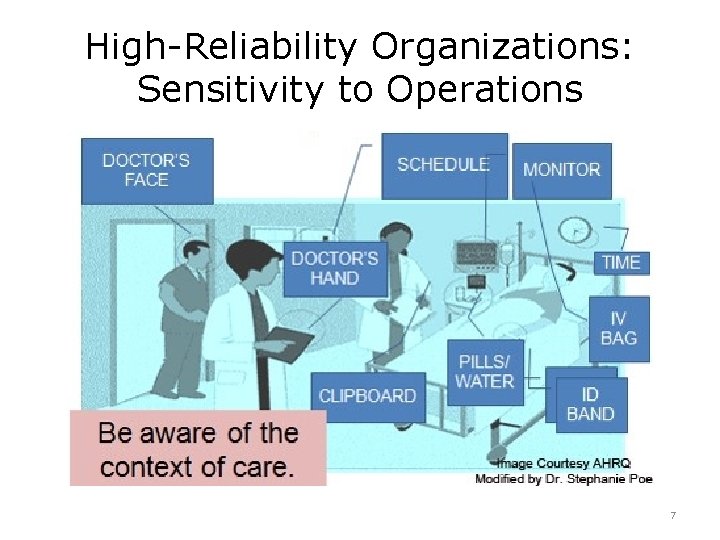
High-Reliability Organizations: Sensitivity to Operations 7
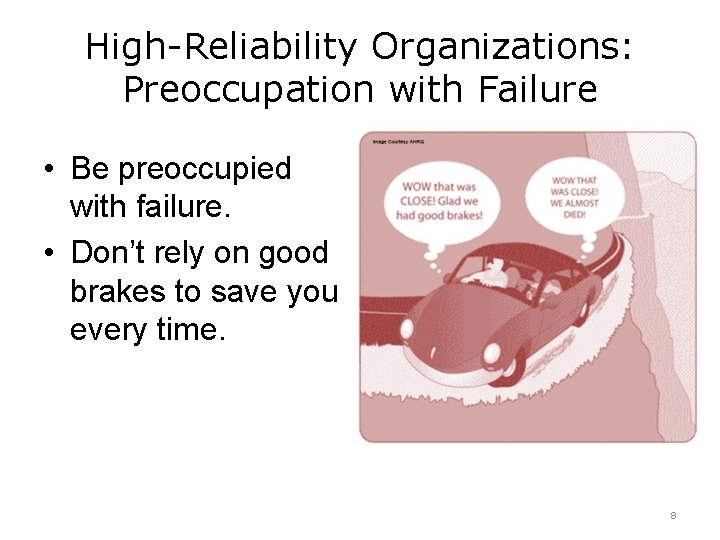
High-Reliability Organizations: Preoccupation with Failure • Be preoccupied with failure. • Don’t rely on good brakes to save you every time. 8
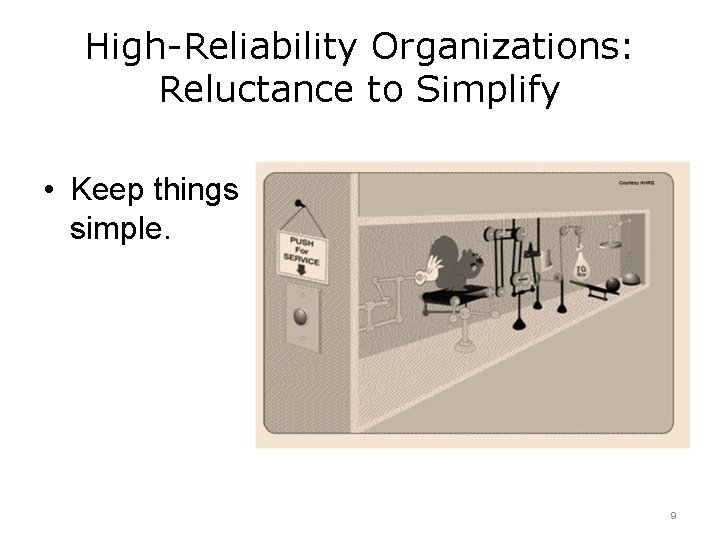
High-Reliability Organizations: Reluctance to Simplify • Keep things simple. 9
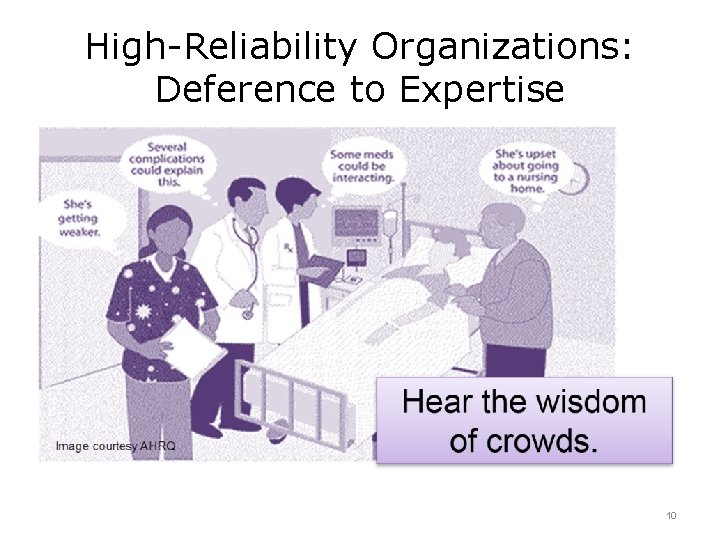
High-Reliability Organizations: Deference to Expertise 10
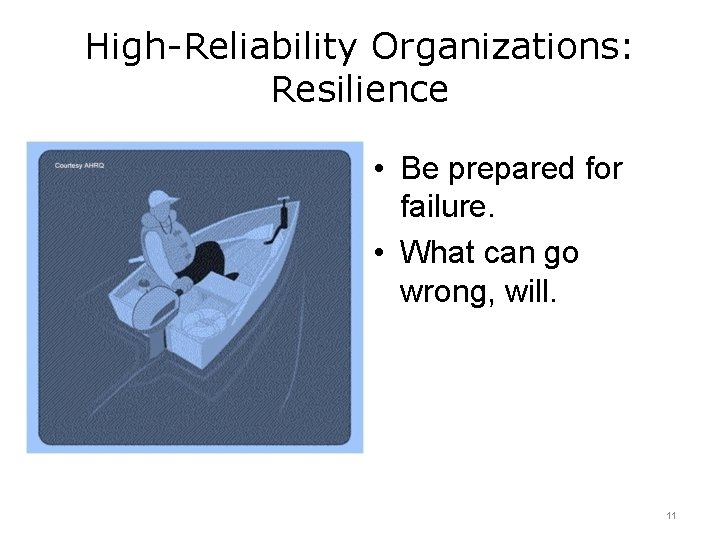
High-Reliability Organizations: Resilience • Be prepared for failure. • What can go wrong, will. 11
Culture “The shared perceptions of the individuals within the team or an organization about what is good, right, important, valued, supported, or expected at any given time. ” Riley, W. , et al. (2010) 12
The Blame Game • Pointing the finger at people rather than systems. 13
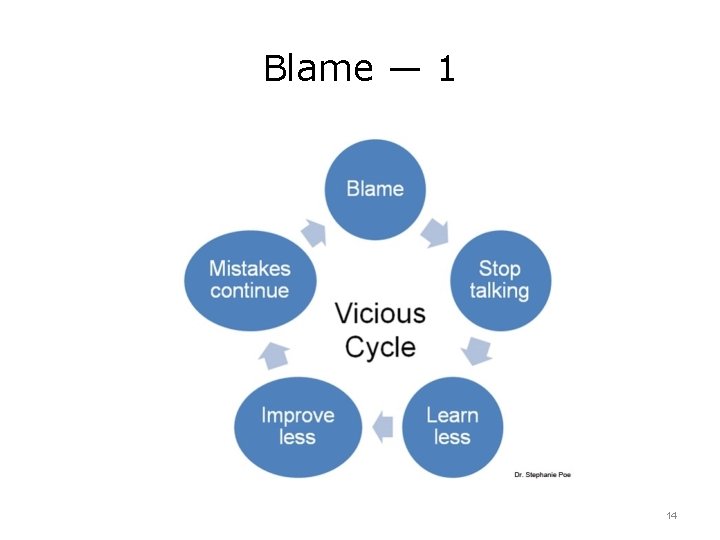
Blame — 1 14
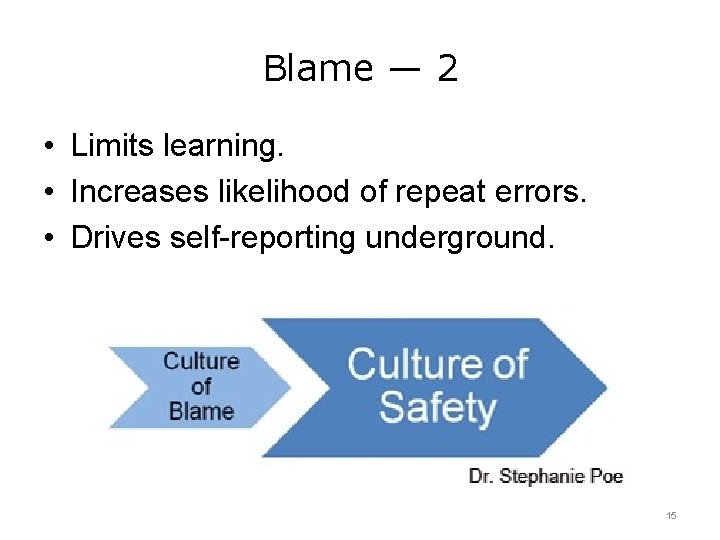
Blame — 2 • Limits learning. • Increases likelihood of repeat errors. • Drives self-reporting underground. 15
Just Culture • Focuses on identifying and addressing systems issues that lead individuals to engage in unsafe behaviors. • Maintains individual accountability by establishing zero tolerance for reckless behavior. • Distinguishes between human error, at-risk behavior, and reckless behavior. • Response to error or near miss is predicated on the type of behavior associated with the error, not the severity of the event. 16
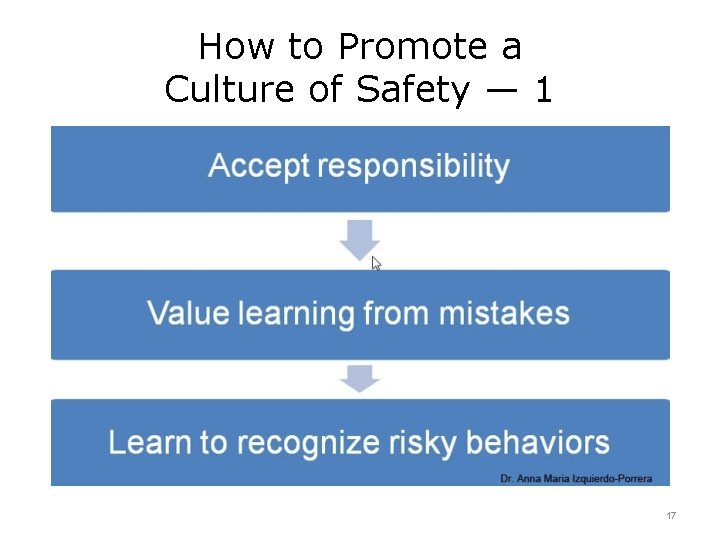
How to Promote a Culture of Safety — 1 17
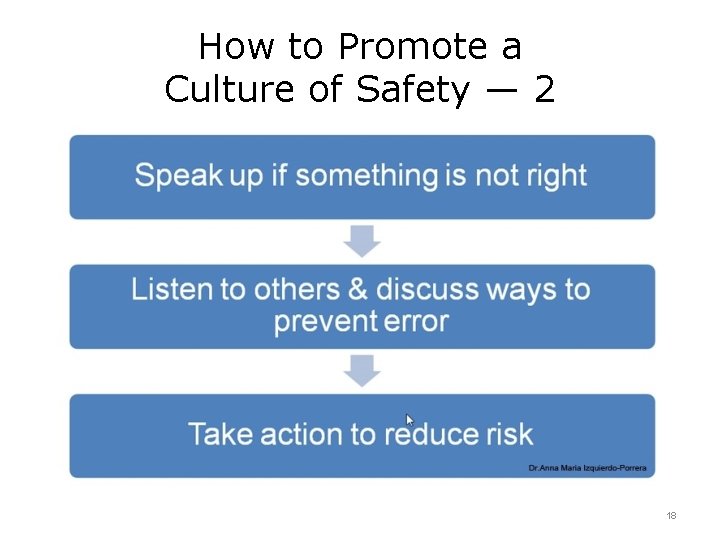
How to Promote a Culture of Safety — 2 18
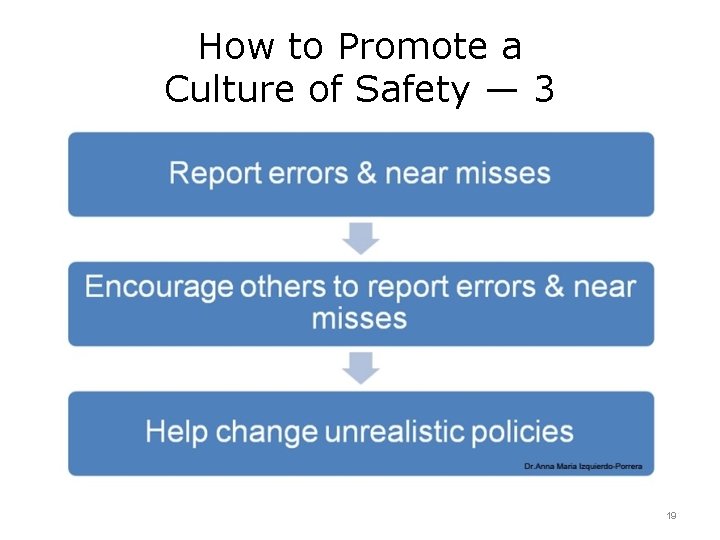
How to Promote a Culture of Safety — 3 19
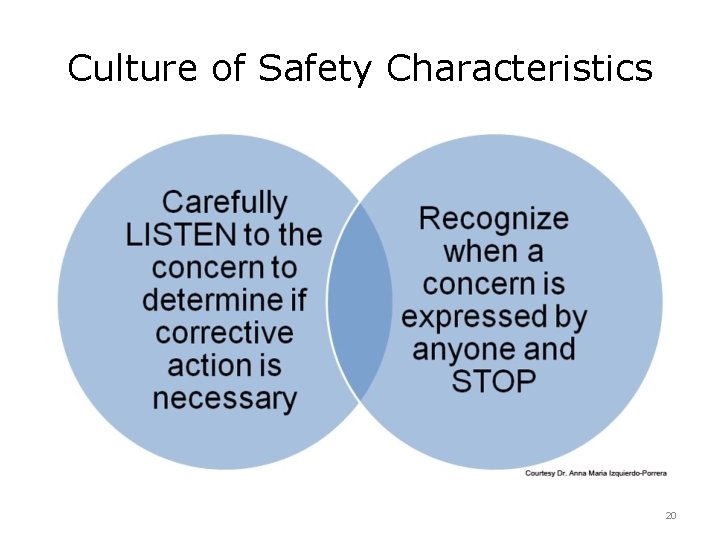
Culture of Safety Characteristics 20
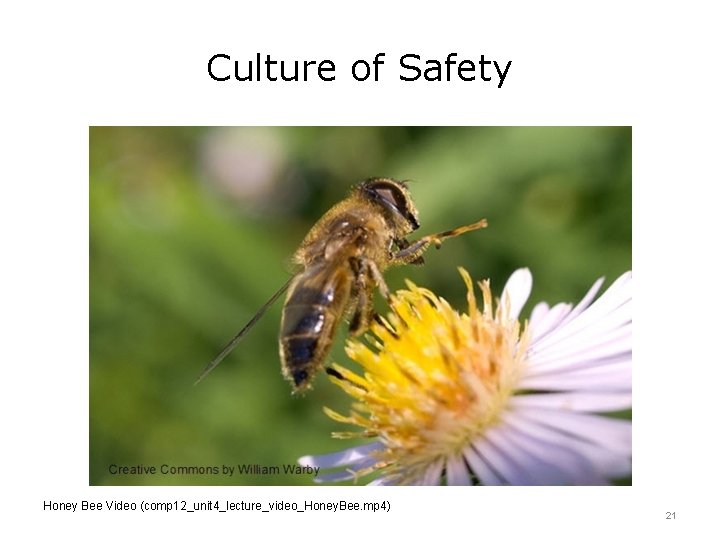
Culture of Safety Honey Bee Video (comp 12_unit 4_lecture_video_Honey. Bee. mp 4) 21
Reliability, Culture of Safety, and HIT Summary • In this unit we explored the characteristics of high-reliability organizations and learned more about establishing an organizational culture of safety. 22
Reliability, Culture of Safety, and HIT References — 1 References AHRQ Patient Safety Primers. Safety Culture. Available from: http: //psnet. ahrq. gov/primer. aspx? primer. ID=5 Becoming a High Reliability Organization: Operational Advice for Hospital Leaders. Rockville, MD. AHRQ Publication No. 08 -0022, 2008 April. Agency for Healthcare Research and Quality. Managing the Unexpected; Resilient Performance in an Age of Uncertainty. Karl E. Weick and Kathleen M. Sutcliffe. Riley, W. , Davis, S. E. , Miller, K. K. , and Mc. Cullough, M. A model for developing high reliability teams. J Nurs Manag. 2010 Jul 18(5): 556 -563. Charts, Tables, Figures 4. 1 Table: The five specific concepts that help create the state of mindfulness that is needed for reliability, which in turn is a prerequisite for safety. Available from: https: //archive. ahrq. gov/professionals/quality-patient-safety/qualityresources/tools/hroadvice. pdf 23
Reliability, Culture of Safety, and HIT References — 2 Images Slide 3: Aircraft Carrier USS Enterprise. Courtesy U. S. Navy, photo by Photographer's Mate Airman Rob Gaston. Available from: http: //www. navy. mil/view_single. asp? id=15089 Slide 6 – Slide 11: High Reliability Organizations: Available fromhttps: //archive. ahrq. gov/professionals/quality-patient-safety/qualityresources/tools/hroadvice. pdf Slide 14: Blame. Created by Dr. Stephanie Poe. 24
Reliability, Culture of Safety, and HIT References — 3 Images Slide 15: Blame Arrows. Created by Dr. Stephanie Poe. Slide 17: How to Promote a Culture of Learning 1. Courtesy: Dr. Anna Maria Izquierdo. Porrera. Slide 18: How to Promote a Culture of Learning 2. Courtesy: Dr. Anna Maria Izquierdo. Porrera. Slide 19: How to Promote a Culture of Learning 3. Courtesy: Dr. Anna Maria Izquierdo. Porrera. Slide 20: Culture of Safety Characteristics. Courtesy: Dr. Anna Maria Izquierdo-Porrera. Slide 21: Honey Bee. Creative Commons by William Warby. Available from: http: //www. flickr. com/photos/wwarby/ 25
Quality Improvement Reliability, Culture of Safety, and HIT This material (Comp 12 Unit 4) was developed by Johns Hopkins University, funded by the Department of Health and Human Services, Office of the National Coordinator for Health Information Technology under Award Number IU 24 OC 000013. This material was updated in 2016 by Johns Hopkins University under Award Number 90 WT 0005. 26
- Slides: 26