
QI Team Training INTRODUCTIONS Name JobRole HELLO QI
QI Team Training
INTRODUCTIONS ● Name ● Job/Role HELLO ● QI experience My Name Is ● Expectations ● What do you see? 2

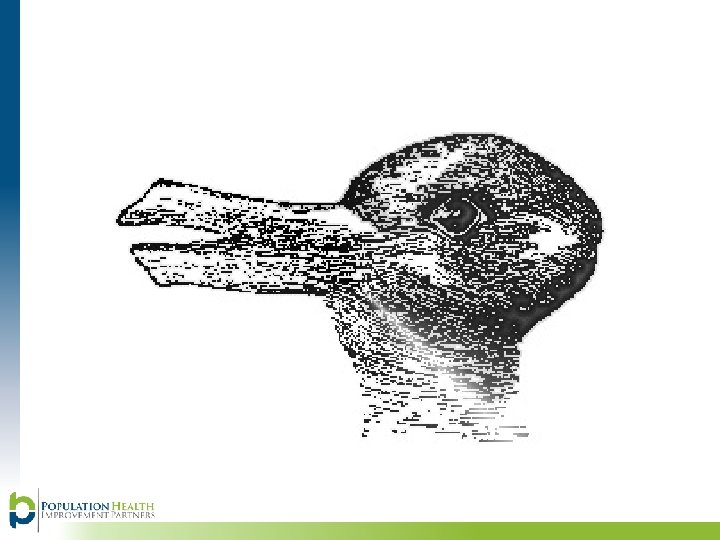
WHAT DO YOU SEE? 3

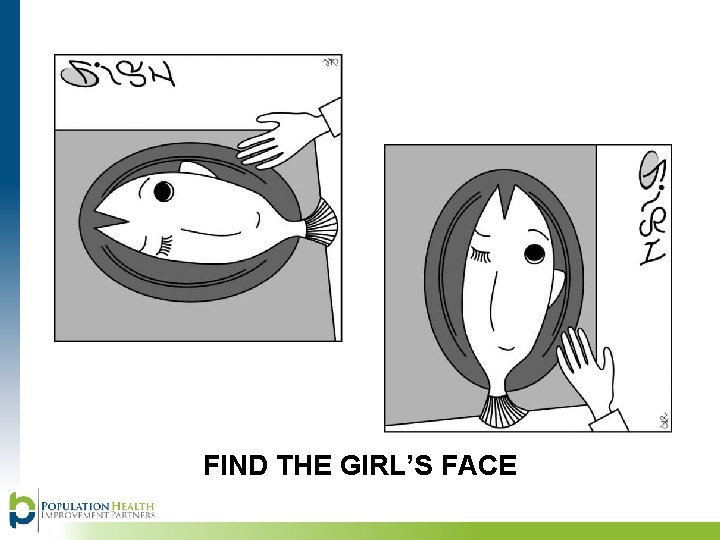
FIND THE GIRL’S FACE

FIND THE ARROW BETWEEN “E” and “X”
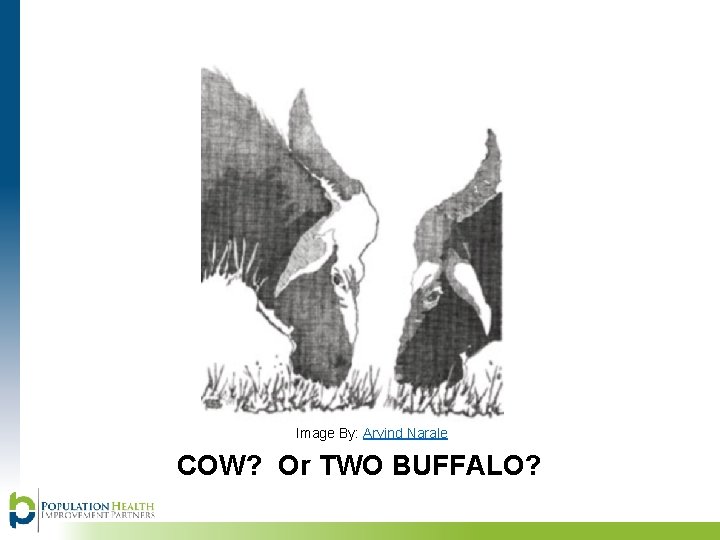
Image By: Arvind Narale COW? Or TWO BUFFALO?

FIND THE FOUR LETTER WORD
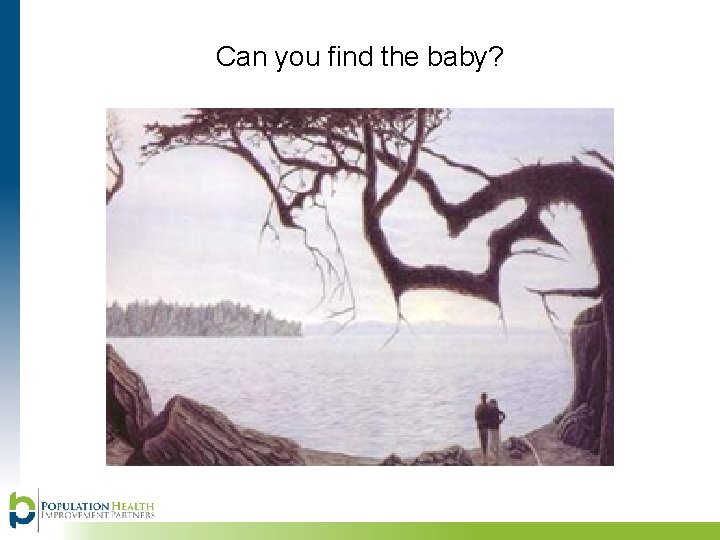
Can you find the baby?
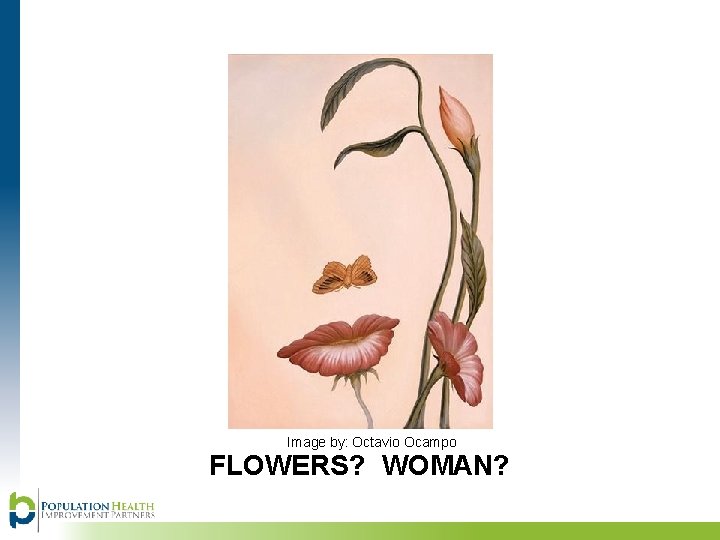
Image by: Octavio Ocampo FLOWERS? WOMAN?
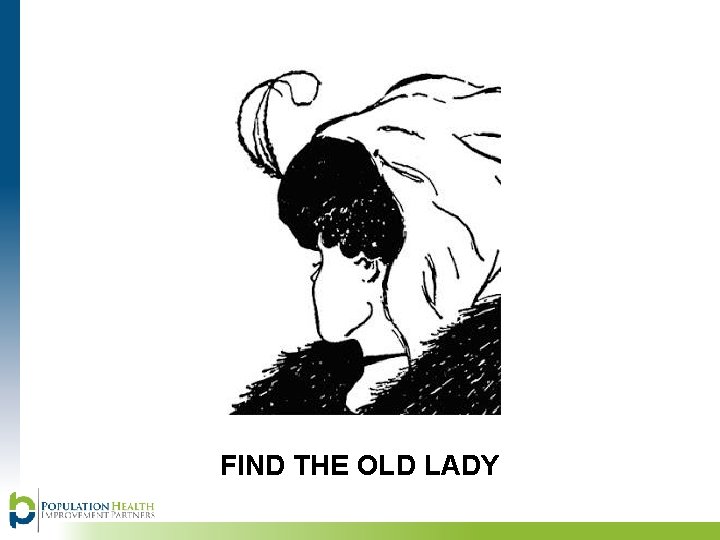
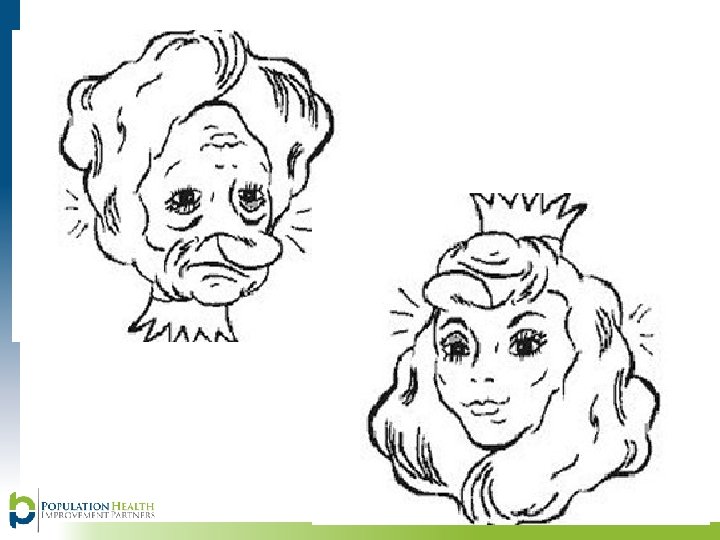
FIND THE OLD LADY
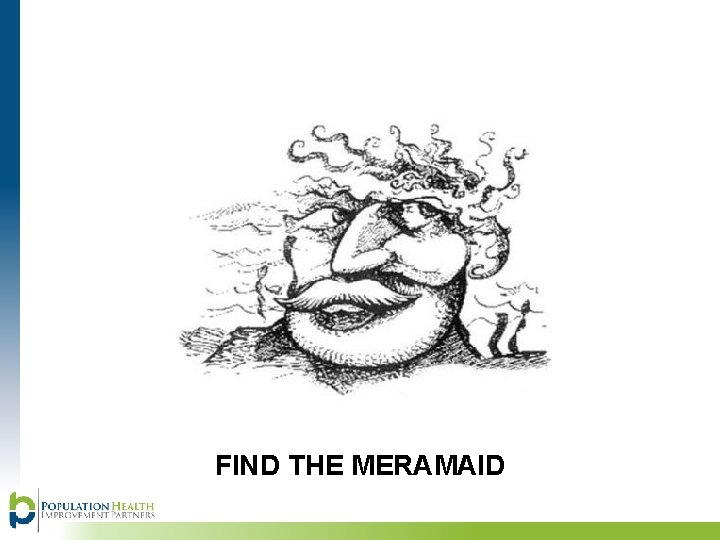
FIND THE MERAMAID
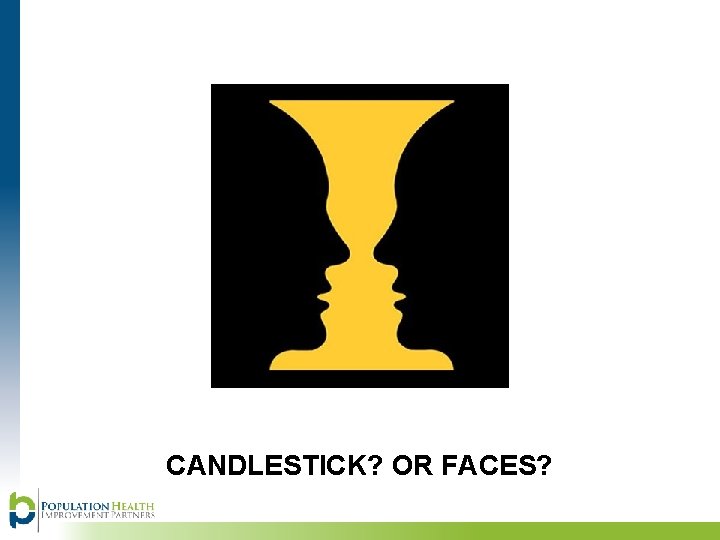
CANDLESTICK? OR FACES?
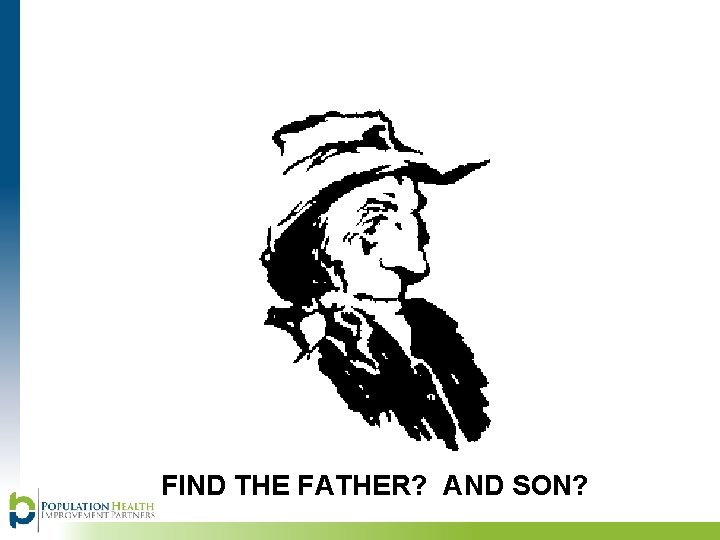
FIND THE FATHER? AND SON?

16
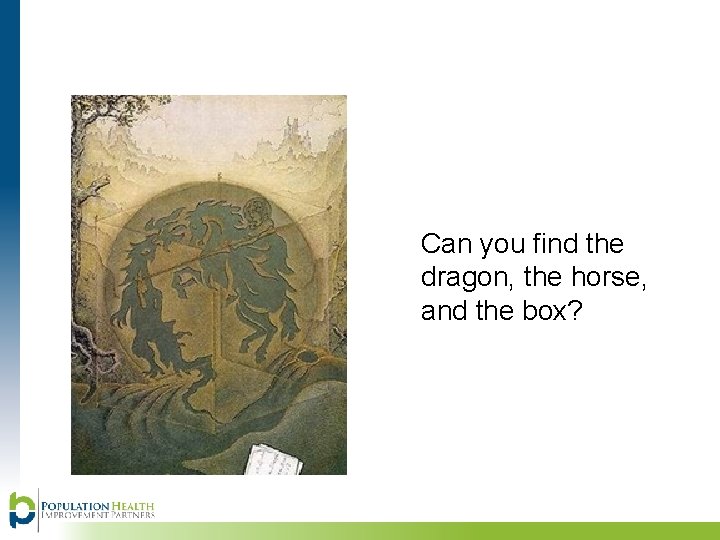
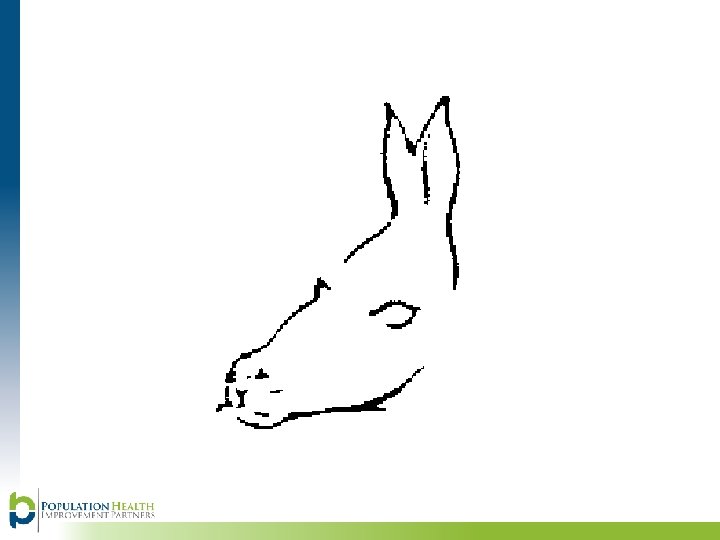
Can you find the dragon, the horse, and the box?

18
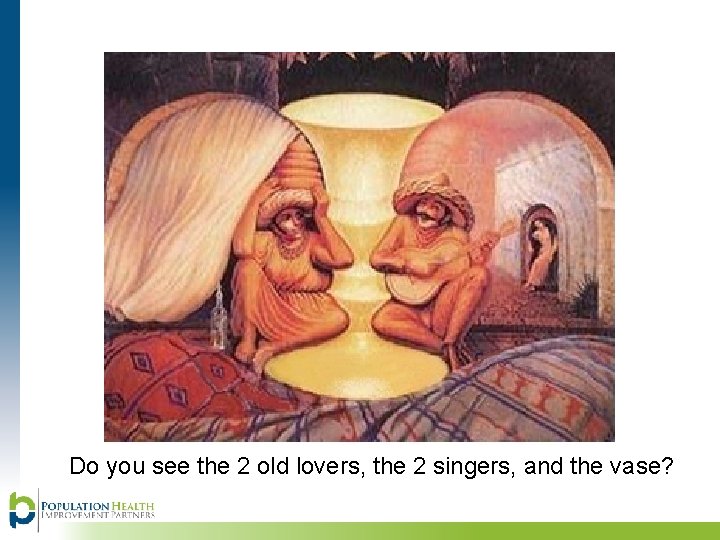
Do you see the 2 old lovers, the 2 singers, and the vase?

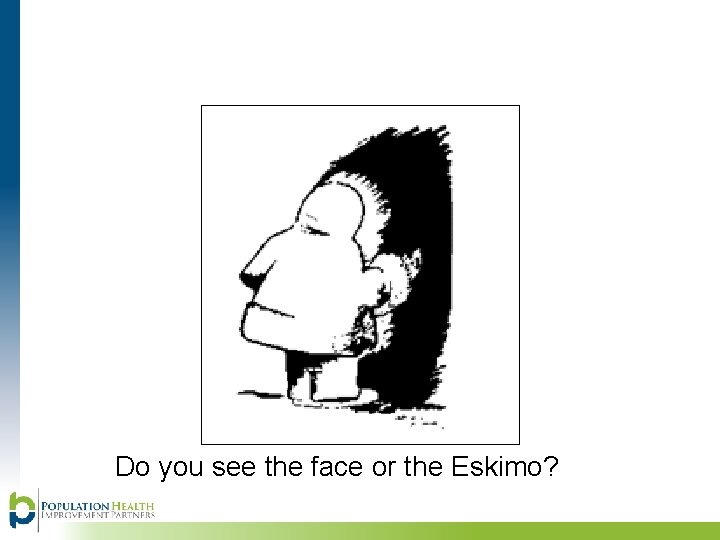
Do you see the face or the Eskimo?
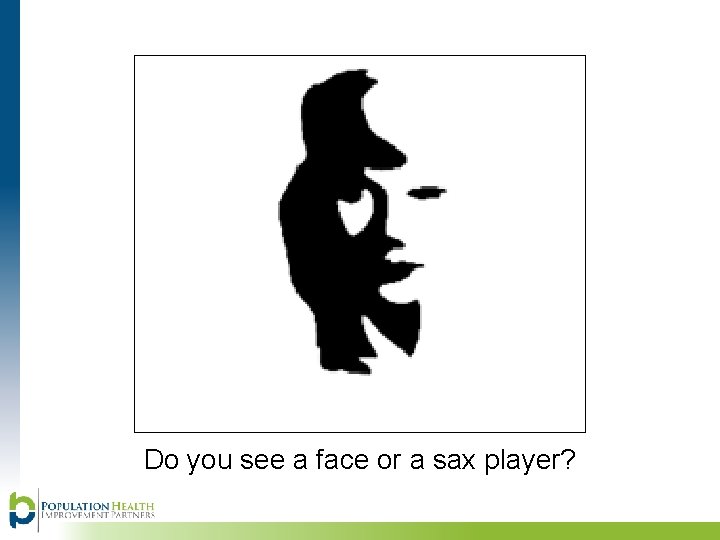
Do you see a face or a sax player?




FIND THE MAN IN THE COFFEE BEANS
GUIDING PRINCIPLES/GROUND RULES • Participation is essential • Agenda as a guide • All ideas are worthy to consider • Think and say “yes, if” NOT “no, because” • Blame free zone • What’s said in the room stays in the room • It’s okay to disagree as long as it’s done in a constructive way • Seek input of others as needed • Maintain focus on the project aim 30
AIM To ensure the delivery of quality care to our adolescent patients, Open Health Care Clinic will apply rapid cycle/Lean QI methods to identify process changes that will increase staff capacity around QI methods, the percentage of adolescents receiving a sexual health risk assessment and the percentage of adolescents screened and treated for STDs and HIV. By June 2017 we will: • Increase sexual health risk assessment/documentation for all patients 13 -21 years old from (baseline) to 60% (goal); • Increase chlamydia, gonorrhea and syphilis screenings for sexually active males and females ages 13 -21 from (baseline) to 60% (goal); • Increase HIV screenings for sexually active males and females ages 13 -21 from (baseline) to 60% (goal). 31
QUALITY IMPROVEMENT
Quality Improvement A distinct process and set of tools coordinated to ensure services and programs consistently meet the needs of the communities. A continuous and ongoing effort to achieve measurable improvements in the efficiency, effectiveness, performance, accountability, outcomes, and other indicators of quality in services or processes which achieve equity and improve the health of the community. Definition developed by the Accreditation Coalition Workgroup (Les Beitsch, Ron Bialek, Abby Cofsky, Liza Corso, Jack Moran, William Riley, and Pamela Russo) and approved by the Accreditation Coalition on June 2009.
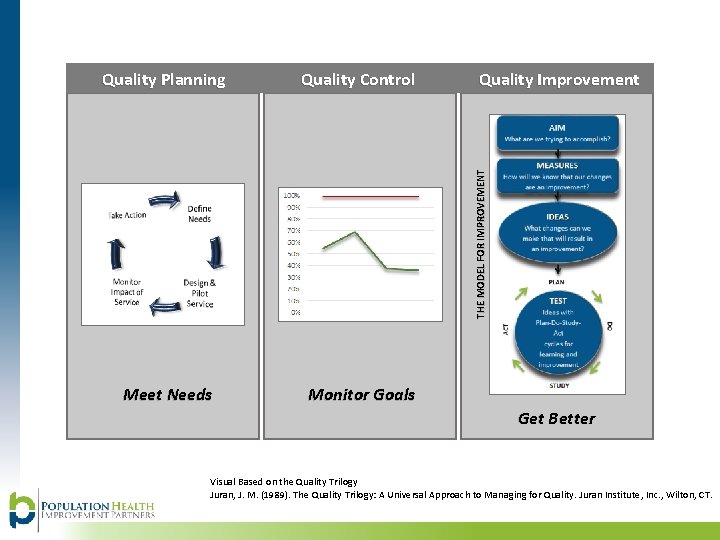
Quality Control Meet Needs Monitor Goals Quality Improvement THE MODEL FOR IMPROVEMENT Quality Planning Get Better Visual Based on the Quality Trilogy Juran, J. M. (1989). The Quality Trilogy: A Universal Approach to Managing for Quality. Juran Institute, Inc. , Wilton, CT.
Key Features of QI • Focus on systems, not individuals • Ideas/changes from customers & front line staff • Focus on small tests of change • Frequent, ongoing measurement and data-driven decision making • QI is a never-ending process…it’s continuous • It should help staff, not hinder
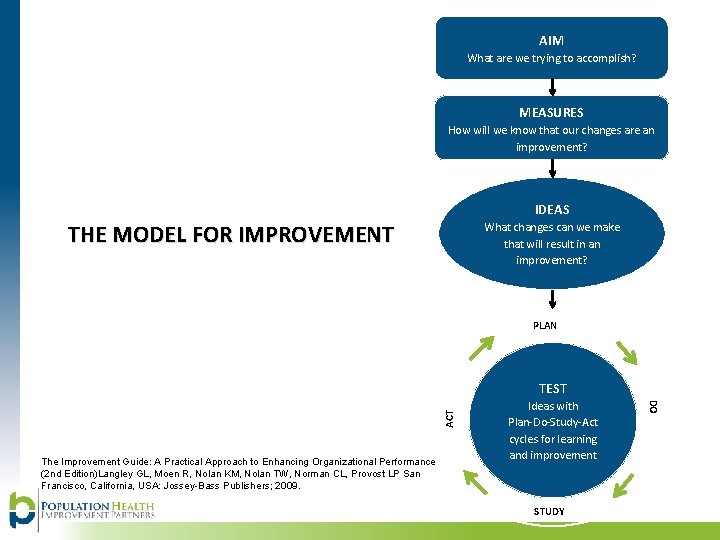
AIM What are we trying to accomplish? MEASURES How will we know that our changes are an improvement? IDEAS THE MODEL FOR IMPROVEMENT What changes can we make that will result in an improvement? PLAN The Improvement Guide: A Practical Approach to Enhancing Organizational Performance (2 nd Edition)Langley GL, Moen R, Nolan KM, Nolan TW, Norman CL, Provost LP San Francisco, California, USA: Jossey-Bass Publishers; 2009. Ideas with Plan-Do-Study-Act cycles for learning and improvement STUDY DO ACT TEST
What is Lean Thinking? A systematic approach to identifying and eliminating wasteful activity (non -value-added activities) in the pursuit of perfection through continuous improvement; providing increased value to our clients / community *
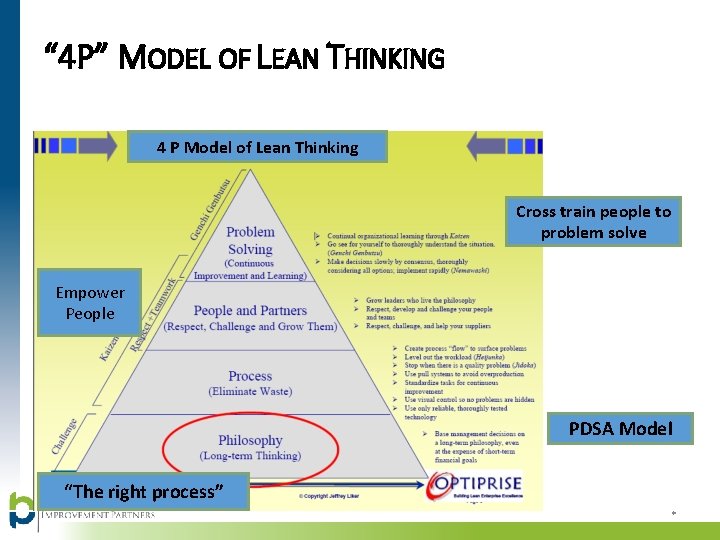
“ 4 P” MODEL OF LEAN THINKING 4 P Model of Lean Thinking Problem Solving Cross train people to problem solve Empower People and Partners (Respect, Challenge and Grow Them) Process (Eliminate Waste) PDSA Model “The right process” *
LEAN THINKING • Client / patient first • Our People are the most valuable resource • Continuous improvement • Focus on where the work is done *
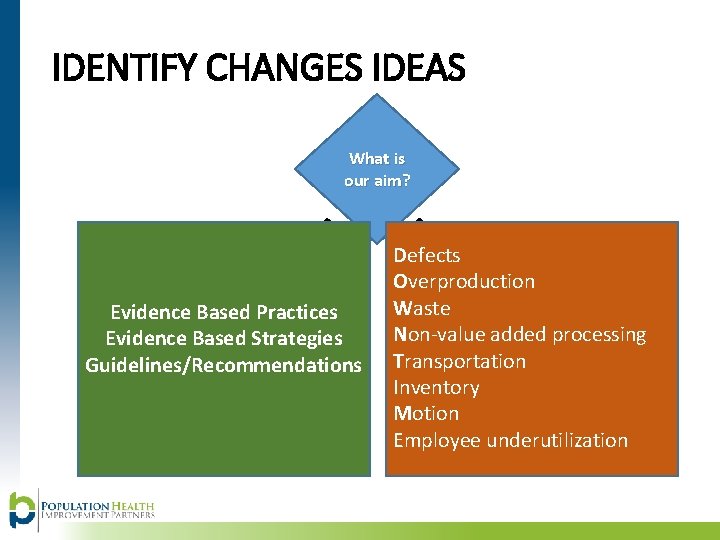
IDENTIFY CHANGES IDEAS What is our aim? Evidence Based Practices Evidence Based Strategies Guidelines/Recommendations Efficiency Defects Overproduction Waste Non-value added processing Transportation Effectiveness Inventory Motion Employee underutilization
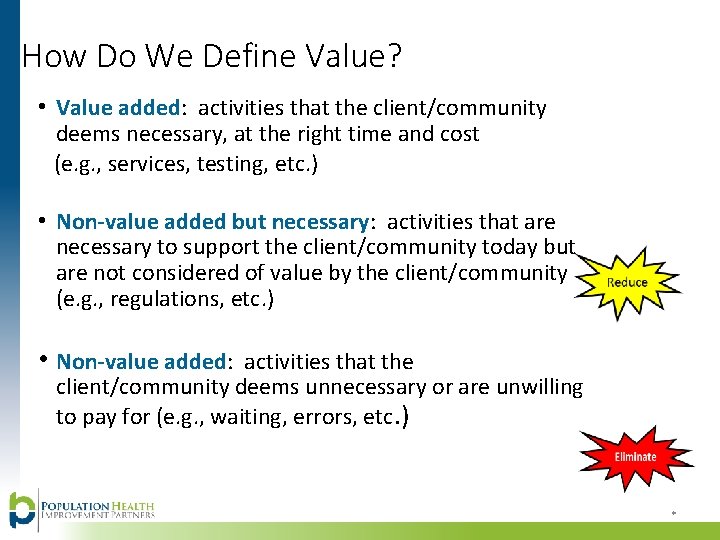
How Do We Define Value? • Value added: activities that the client/community deems necessary, at the right time and cost (e. g. , services, testing, etc. ) • Non-value added but necessary: activities that are necessary to support the client/community today but are not considered of value by the client/community (e. g. , regulations, etc. ) • Non-value added: activities that the client/community deems unnecessary or are unwilling to pay for (e. g. , waiting, errors, etc. ) *
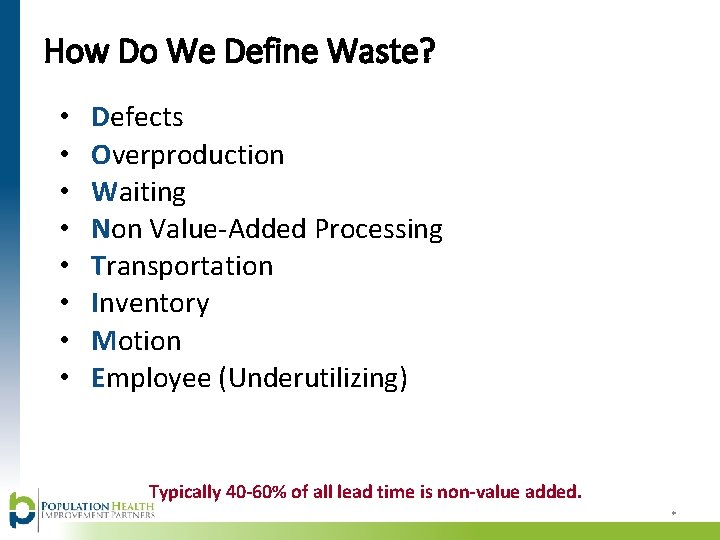
How Do We Define Waste? • • Defects Overproduction Waiting Non Value-Added Processing Transportation Inventory Motion Employee (Underutilizing) Typically 40 -60% of all lead time is non-value added. *
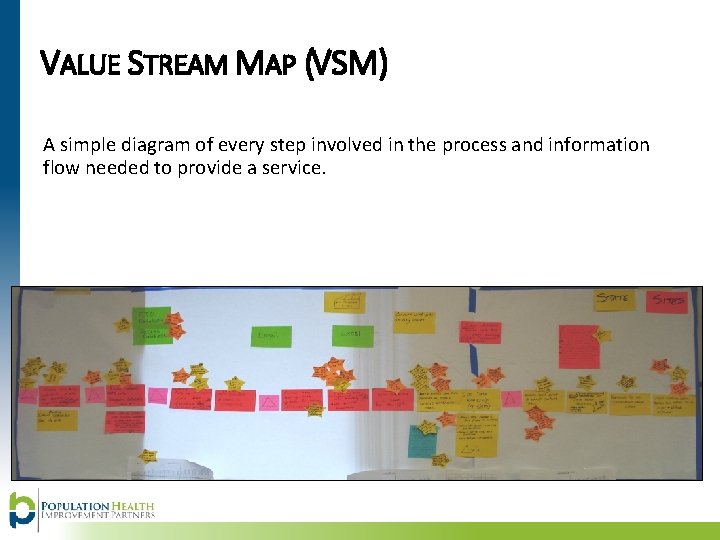
VALUE STREAM MAP (VSM) A simple diagram of every step involved in the process and information flow needed to provide a service.
GEMBA WALK Go and See • As a team, go and see first hand the actual process. • “Be” the thing as it is today. • Observe and record actual process data Cycle time, Lead time, Wait time, accuracy/error rate, # footsteps, # handoffs, etc. 44
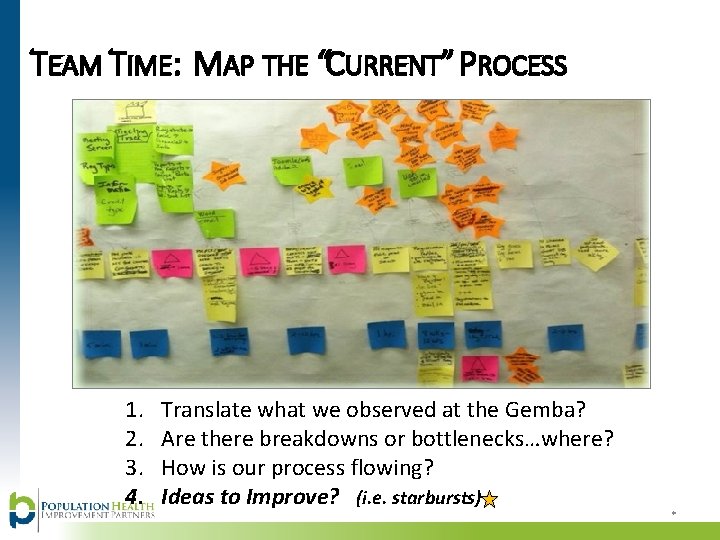
TEAM TIME: MAP THE “CURRENT” PROCESS 1. 2. 3. 4. Translate what we observed at the Gemba? Are there breakdowns or bottlenecks…where? How is our process flowing? Ideas to Improve? (i. e. starbursts) *
HIGH LEVEL SCREENING RECOMMENDATIONS • Identify Adolescents • Collect and Document Sexual History • Order Screening • Perform Screening • Collect Sample from Patient • Run the test • Report Results to Patient • Bill and Code for Screening • Confidentiality (all)
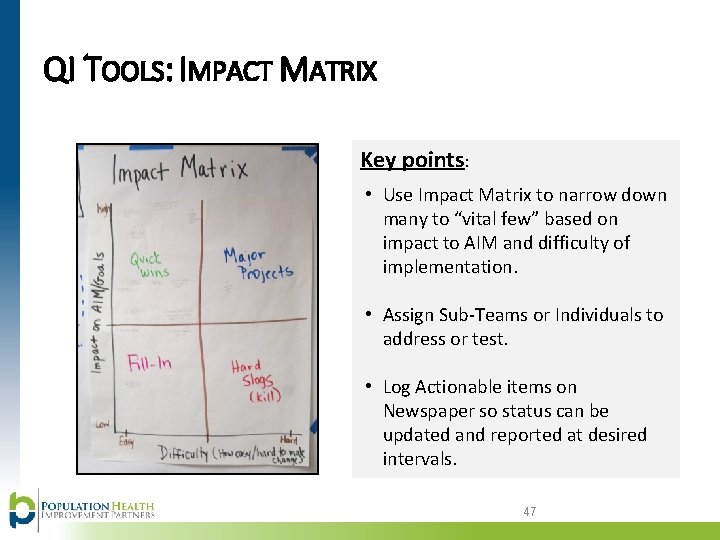
QI TOOLS: IMPACT MATRIX Key points: • Use Impact Matrix to narrow down many to “vital few” based on impact to AIM and difficulty of implementation. • Assign Sub-Teams or Individuals to address or test. • Log Actionable items on Newspaper so status can be updated and reported at desired intervals. 47
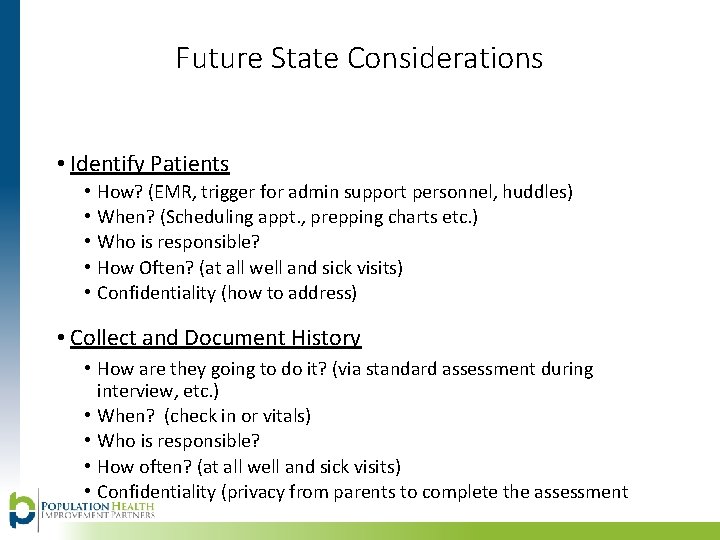
Future State Considerations • Identify Patients • • • How? (EMR, trigger for admin support personnel, huddles) When? (Scheduling appt. , prepping charts etc. ) Who is responsible? How Often? (at all well and sick visits) Confidentiality (how to address) • Collect and Document History • How are they going to do it? (via standard assessment during interview, etc. ) • When? (check in or vitals) • Who is responsible? • How often? (at all well and sick visits) • Confidentiality (privacy from parents to complete the assessment
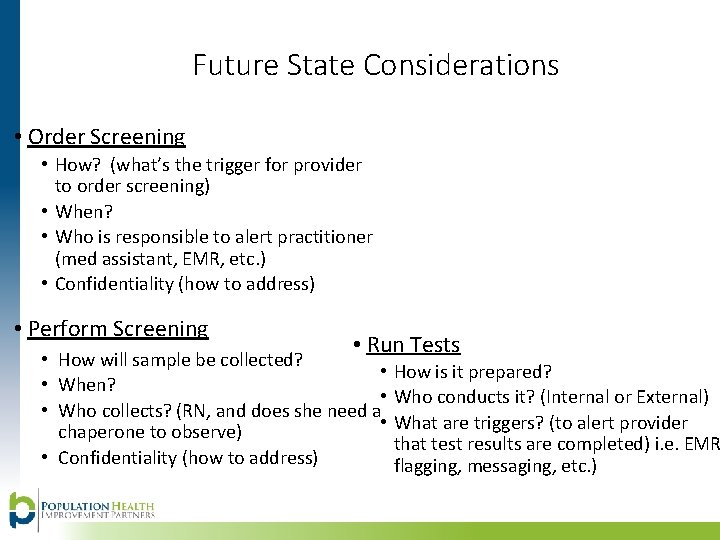
Future State Considerations • Order Screening • How? (what’s the trigger for provider to order screening) • When? • Who is responsible to alert practitioner (med assistant, EMR, etc. ) • Confidentiality (how to address) • Perform Screening • Run Tests • How will sample be collected? • • When? • • Who collects? (RN, and does she need a • chaperone to observe) • Confidentiality (how to address) How is it prepared? Who conducts it? (Internal or External) What are triggers? (to alert provider that test results are completed) i. e. EMR flagging, messaging, etc. )
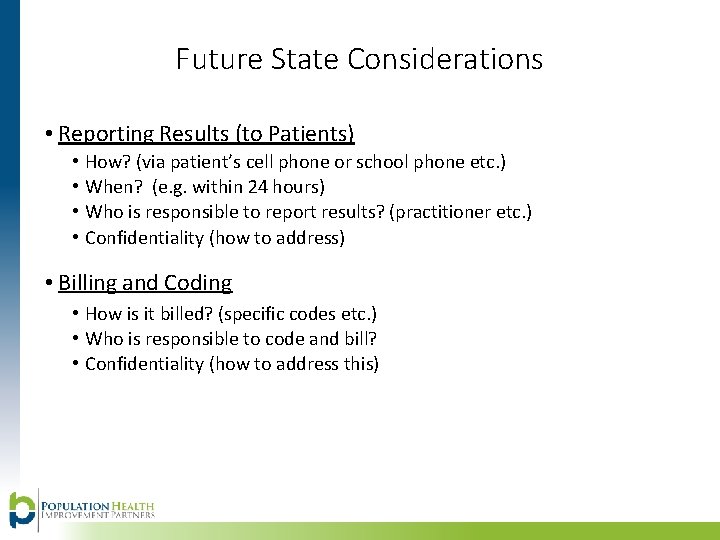
Future State Considerations • Reporting Results (to Patients) • • How? (via patient’s cell phone or school phone etc. ) When? (e. g. within 24 hours) Who is responsible to report results? (practitioner etc. ) Confidentiality (how to address) • Billing and Coding • How is it billed? (specific codes etc. ) • Who is responsible to code and bill? • Confidentiality (how to address this)
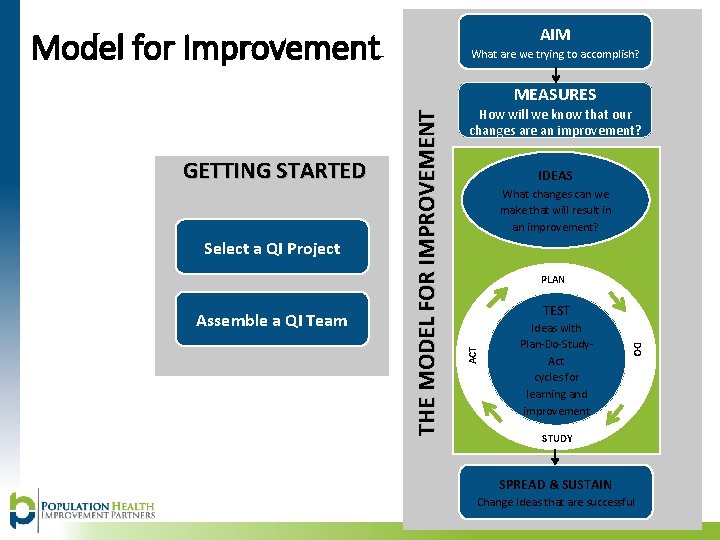
AIM Model for Improvement What are we trying to accomplish? Select a QI Project Assemble a QI Team How will we know that our changes are an improvement? IDEAS What changes can we make that will result in an improvement? PLAN TEST Ideas with Plan-Do-Study Act cycles for learning and improvement DO ACT GETTING STARTED THE MODEL FOR IMPROVEMENT MEASURES STUDY SPREAD & SUSTAIN Change Ideas that are successful 51
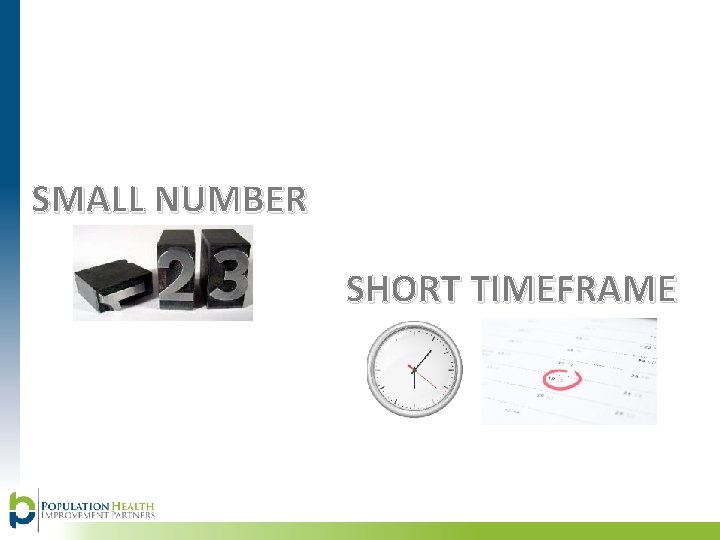
SMALL NUMBER SHORT TIMEFRAME
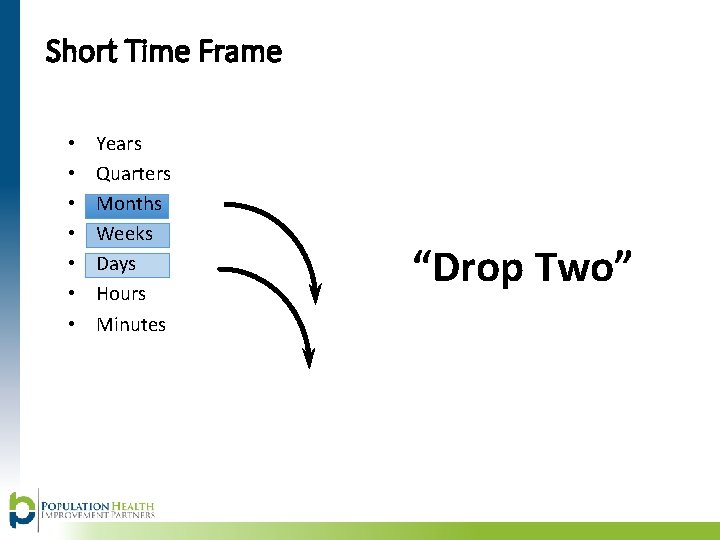
Short Time Frame • • Years Quarters Months Weeks Days Hours Minutes “Drop Two”
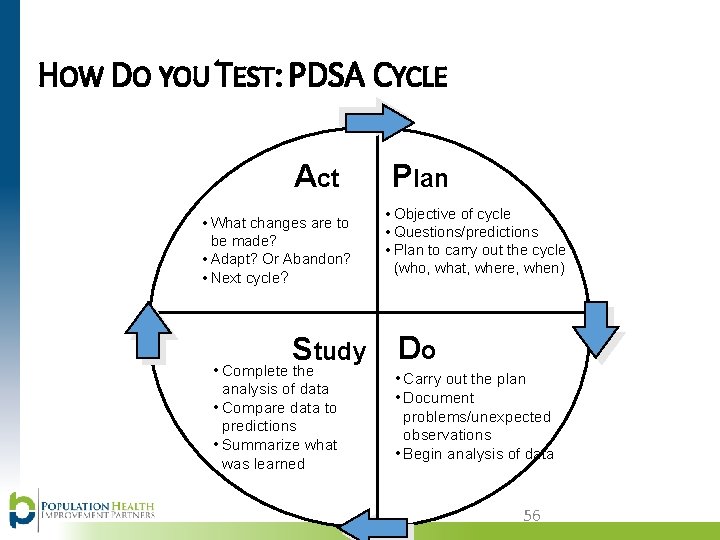
HOW DO YOU TEST: PDSA CYCLE Act • What changes are to be made? • Adapt? Or Abandon? • Next cycle? Plan • Objective of cycle • Questions/predictions • Plan to carry out the cycle (who, what, where, when) Study Do • Complete the analysis of data • Compare data to predictions • Summarize what was learned • Carry out the plan • Document problems/unexpected observations • Begin analysis of data 56
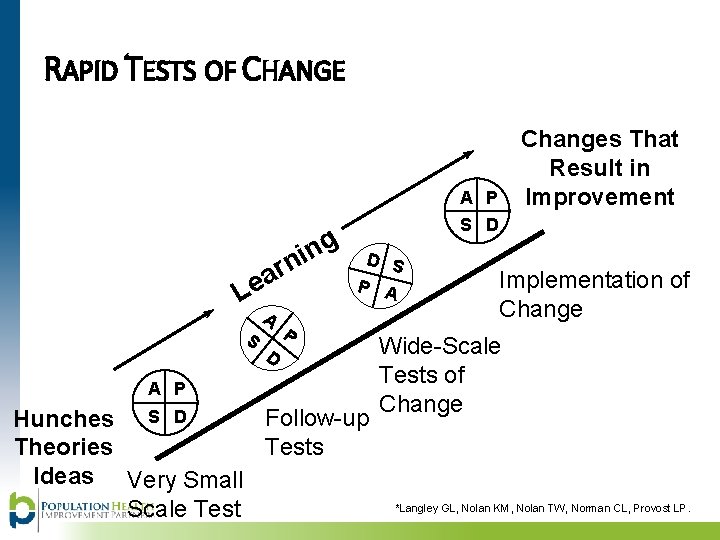
RAPID TESTS OF CHANGE Changes That Result in Improvement A P g n i n r a Le A S S D D S P A P D A P Follow-up Hunches S D Tests Theories Ideas Very Small Scale Test Implementation of Change Wide-Scale Tests of Change *Langley GL, Nolan KM, Nolan TW, Norman CL, Provost LP.
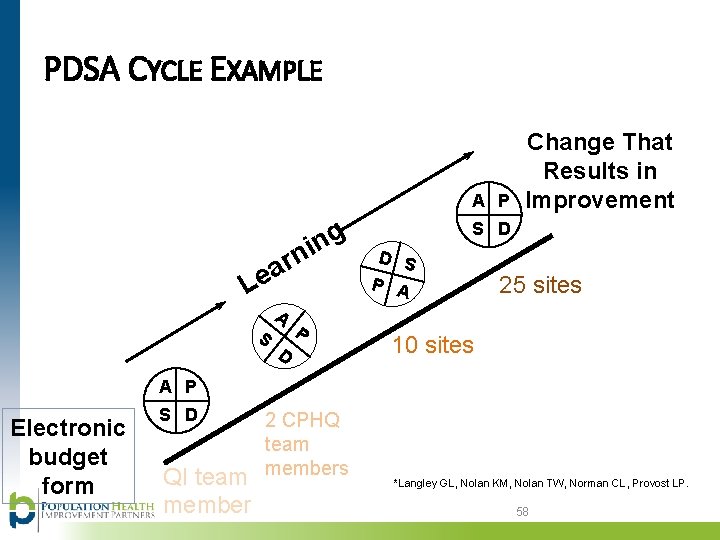
PDSA CYCLE EXAMPLE A P g n ni r a Le A S P D Change That Results in Improvement S D D S P A 25 sites 10 sites A P Electronic budget form S D QI team member 2 CPHQ team members *Langley GL, Nolan KM, Nolan TW, Norman CL, Provost LP. 58
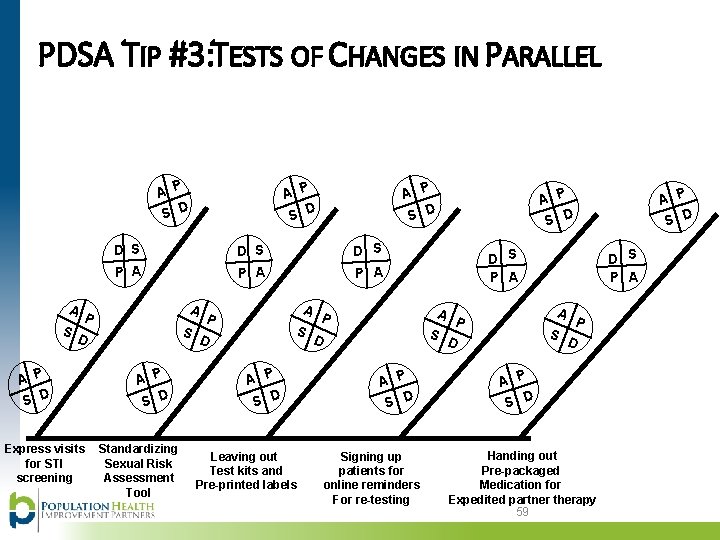
PDSA TIP #3: TESTS OF CHANGES IN PARALLEL A P S D D S D S P A P A A P S D A P S D Express visits Standardizing for STI Sexual Risk screening Assessment Tool S A P S D Leaving out Test kits and Pre-printed labels D A P S D Signing up patients for online reminders For re-testing D S P A A P S D P A P S D Handing out Pre-packaged Medication for Expedited partner therapy 59
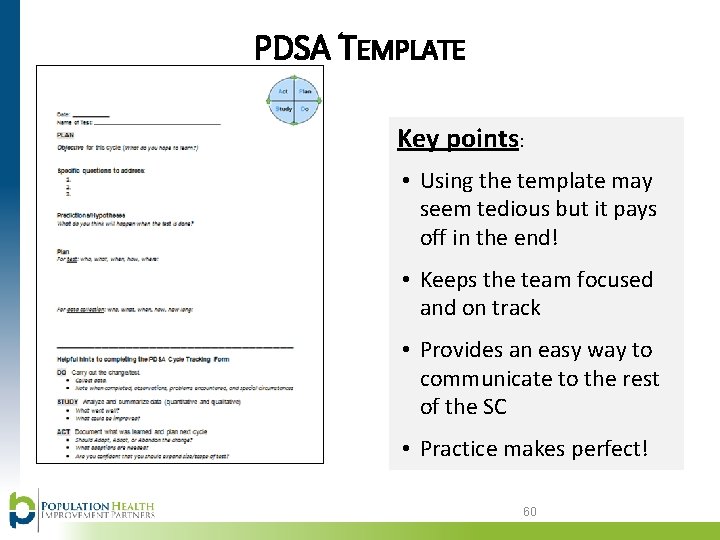
PDSA TEMPLATE Key points: • Using the template may seem tedious but it pays off in the end! • Keeps the team focused and on track • Provides an easy way to communicate to the rest of the SC • Practice makes perfect! 60
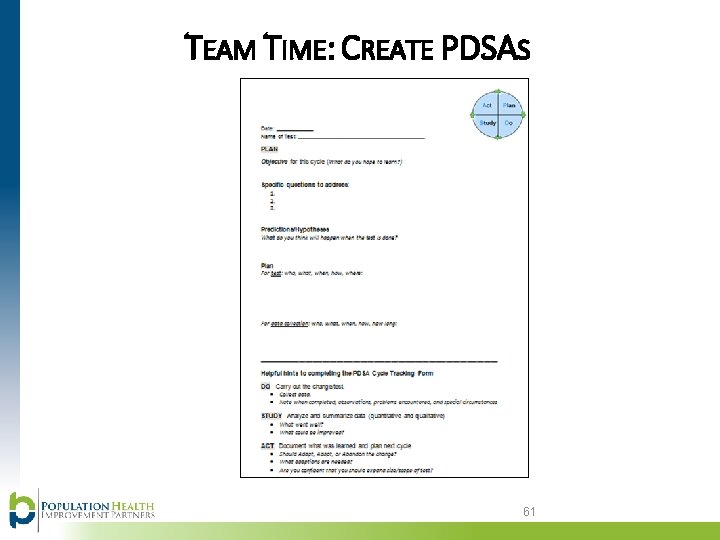
TEAM TIME: CREATE PDSAS 61
FOLLOW-UP/NEXT STEPS Key points: • Newspaper will be used to keep track of “to-do” items and status. • Continue and Test PDSA’s • Trial & document changes • Adapt as needed • Schedule 30 -60 -90 Day Reviews Sample Newspaper (Status Tracking & Reporting Tool) • Update status • Discuss successes & barriers 62
- Slides: 62