
Q 2 1 What is the formula name




- Slides: 34
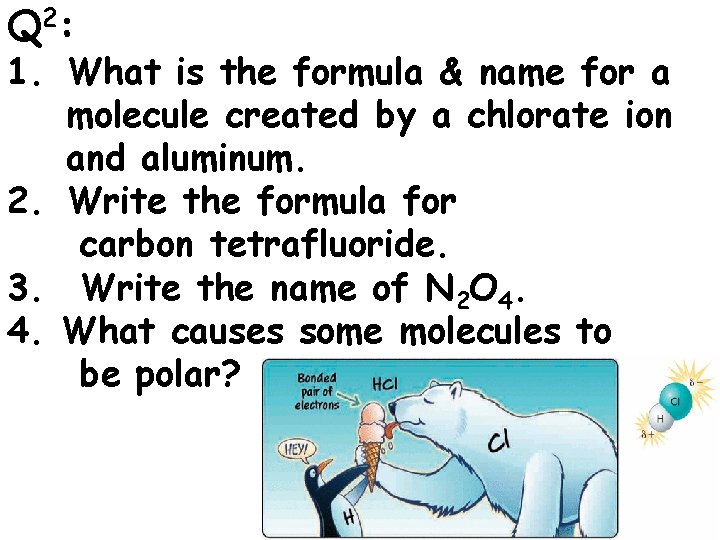
Q 2: 1. What is the formula & name for a molecule created by a chlorate ion and aluminum. 2. Write the formula for carbon tetrafluoride. 3. Write the name of N 2 O 4. 4. What causes some molecules to be polar?
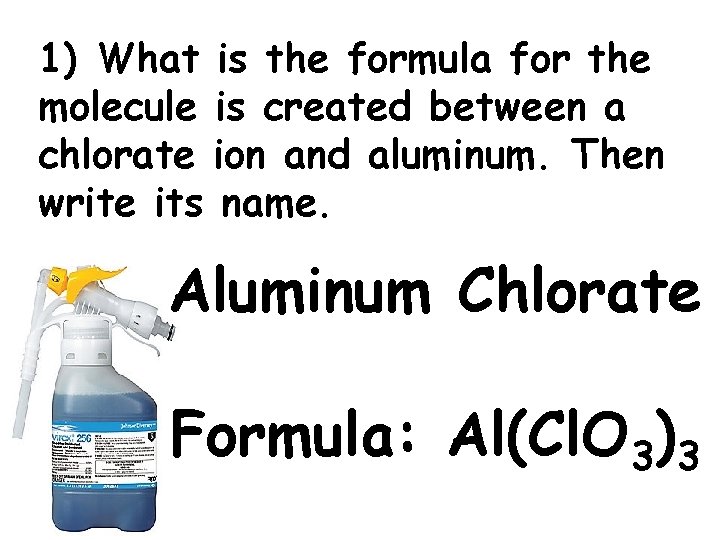
1) What is the formula for the molecule is created between a chlorate ion and aluminum. Then write its name. Aluminum Chlorate Formula: Al(Cl. O 3)3
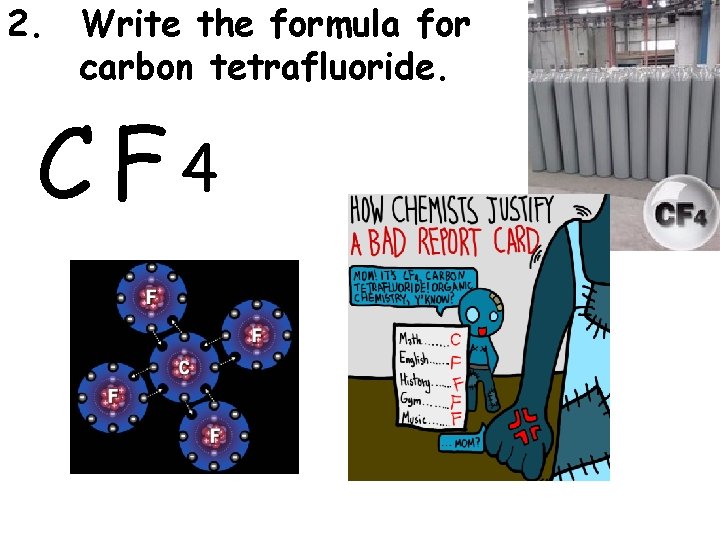
2. Write the formula for carbon tetrafluoride. CF 4
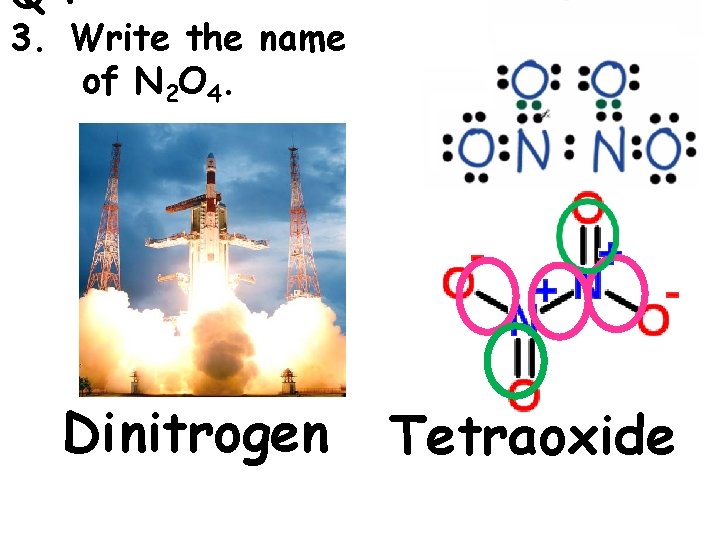
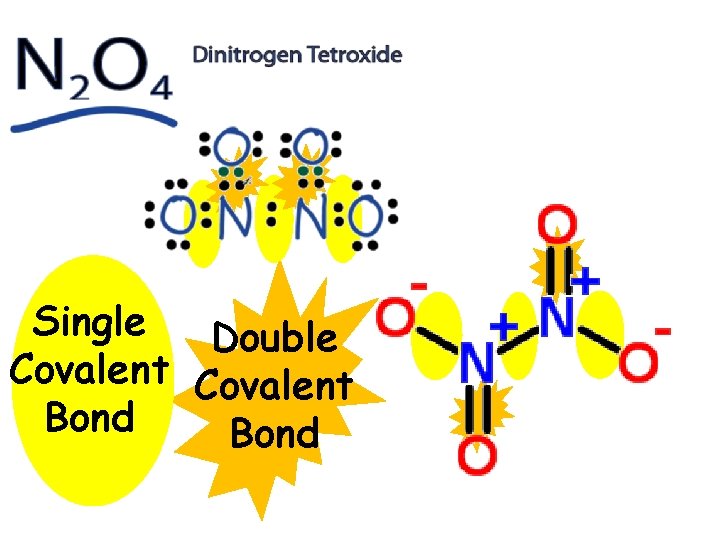
Q : 3. Write the name of N 2 O 4. Di nitrogen Tetraoxide
Single Double Covalent Bond
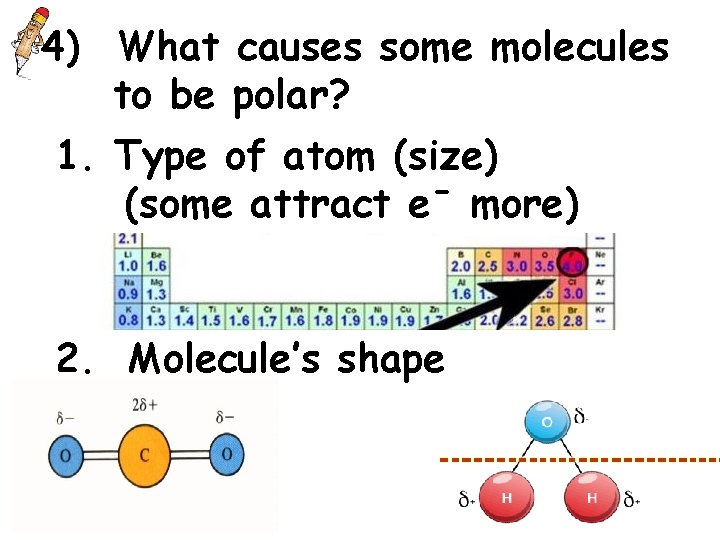
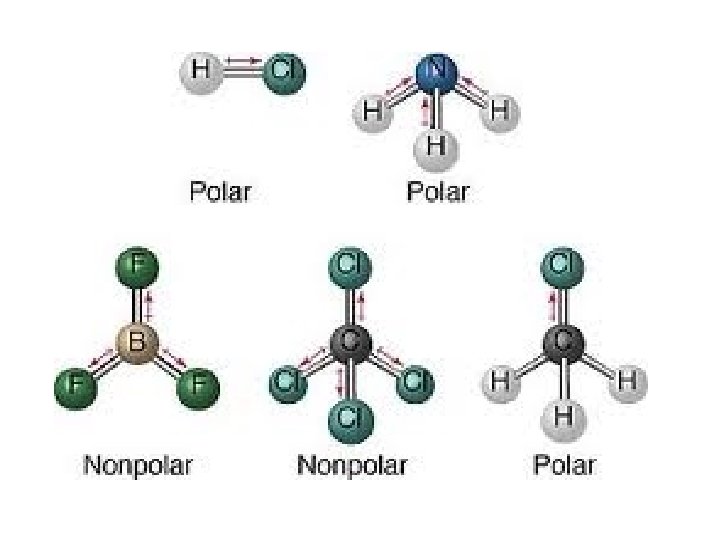
4) What causes some molecules to be polar? 1. Type of atom (size) (some attract e more) 2. Molecule’s shape
VOCABULARY QUIZ TOMORROW
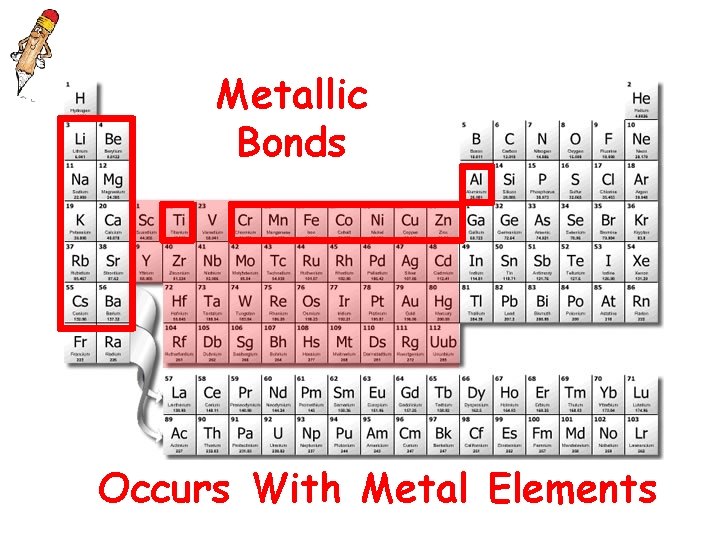
Today’s Objective: I can recognize and name metallic bonds.
Project Poker
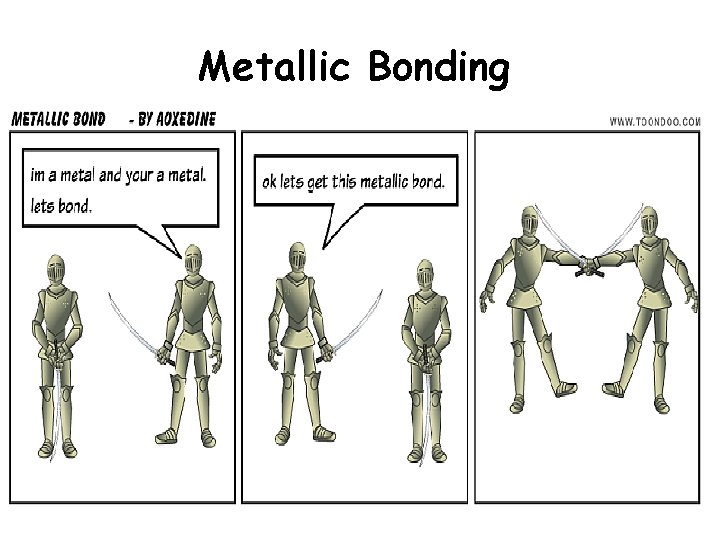
Metallic Bonding
What are covalent bonds?
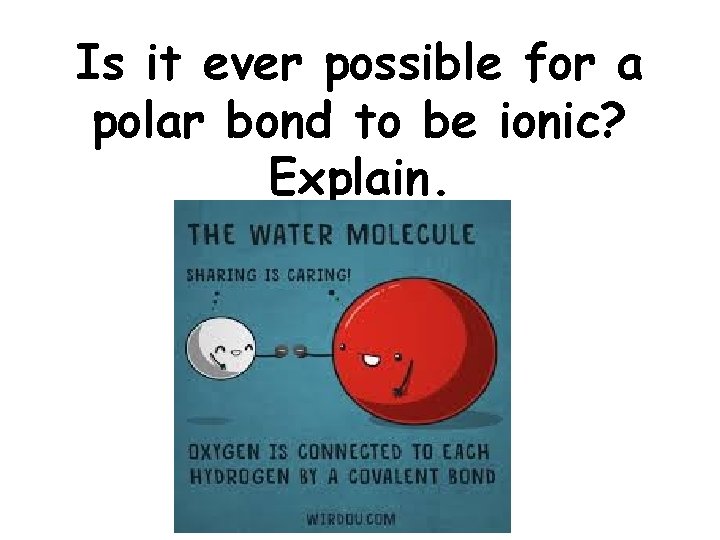
Is it ever possible for a polar bond to be ionic? Explain.
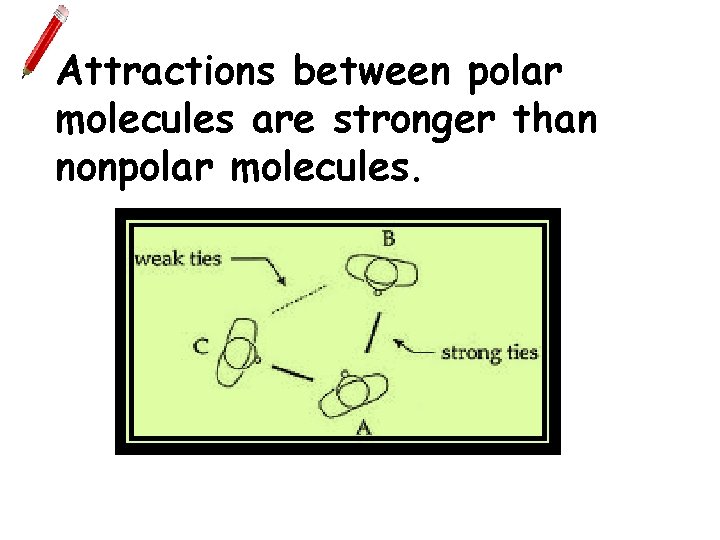
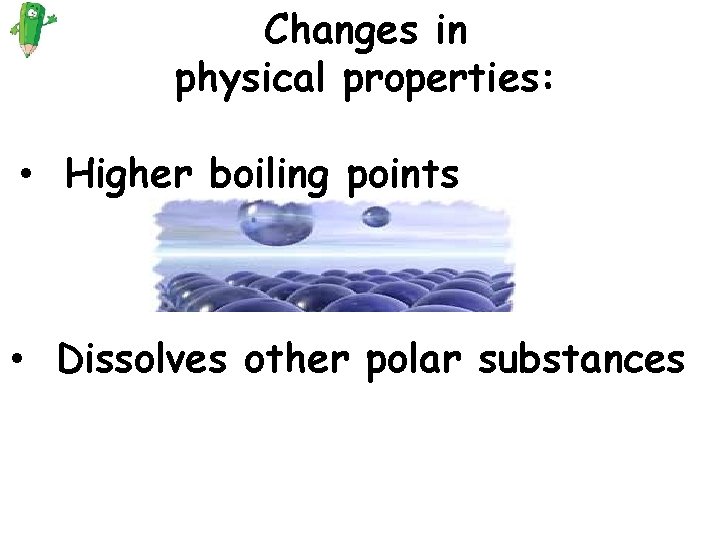
Attractions between polar molecules are stronger than nonpolar molecules.
Changes in physical properties: • Higher boiling points • Dissolves other polar substances
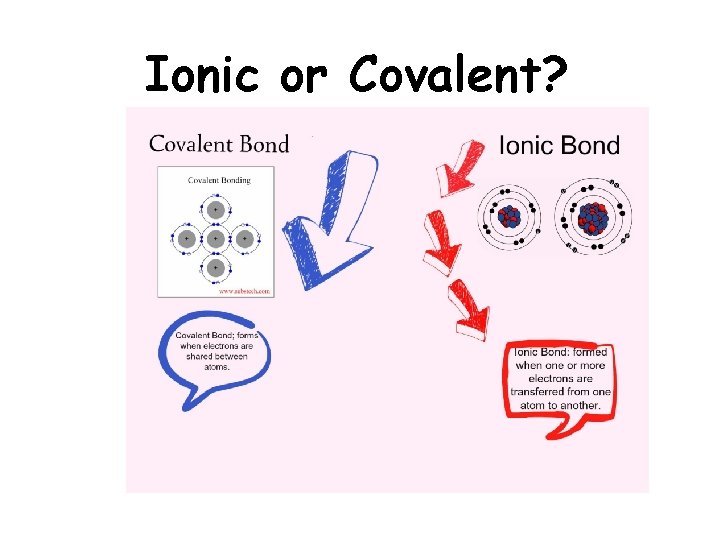
Ionic or Covalent?
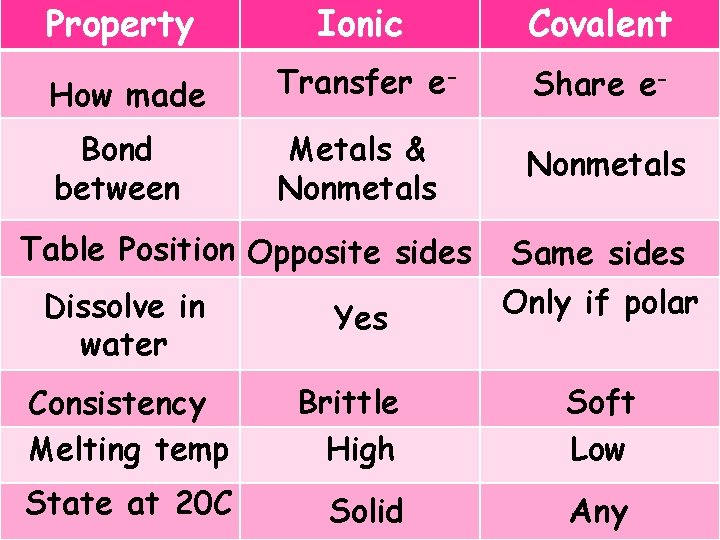
Property Ionic Covalent How made Transfer e- Share e- Bond between Metals & Nonmetals Table Position Opposite sides Dissolve in water Yes Same sides Only if polar Consistency Melting temp Brittle High Soft Low State at 20 C Solid Any
z i u n g si s A ! t n q t o N e m 192. 168. 64. 3/login
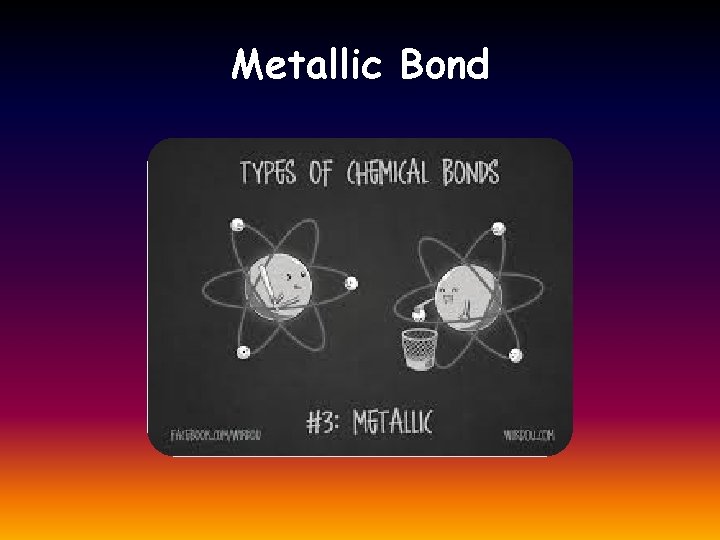
Metallic Bond
Metallic Bonds Occurs With Metal Elements
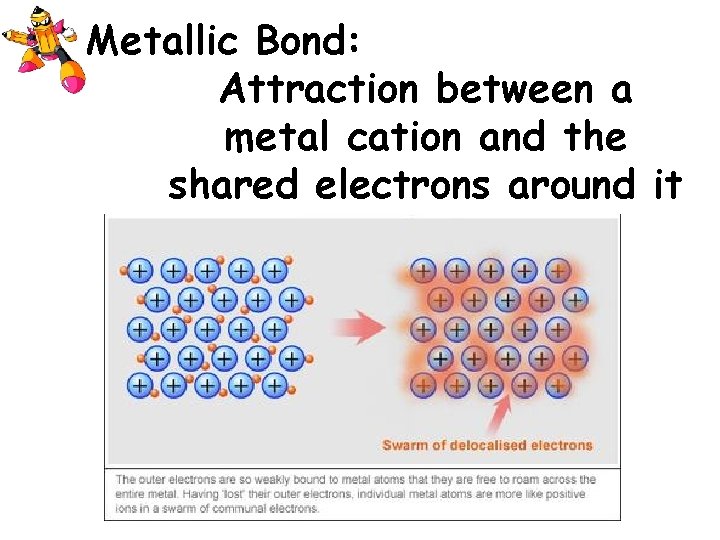
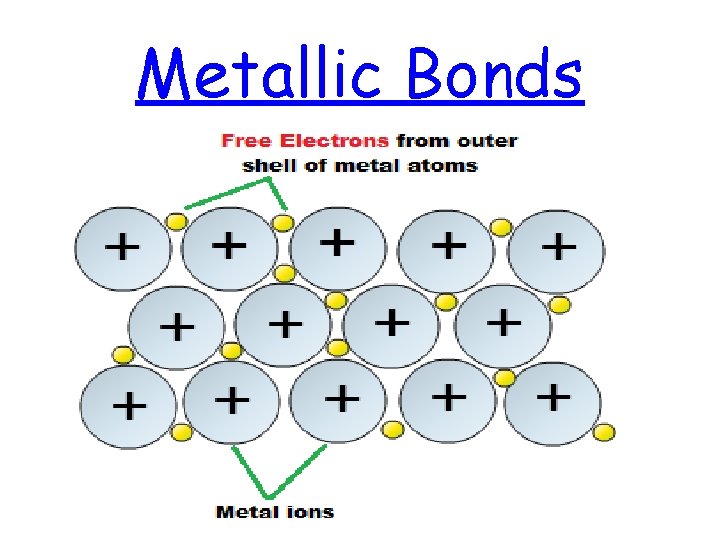
Metallic Bond: Attraction between a metal cation and the shared electrons around it
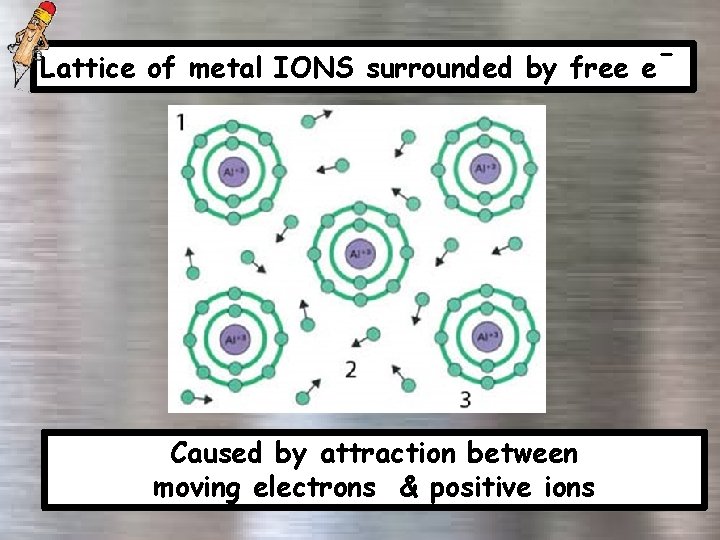
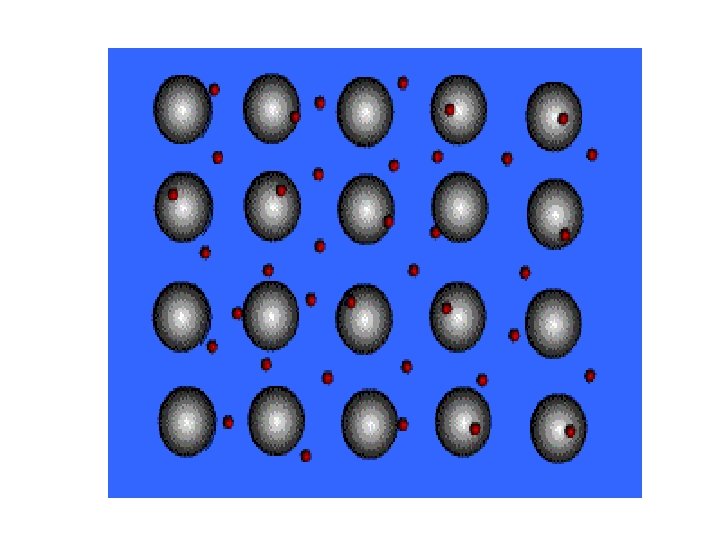
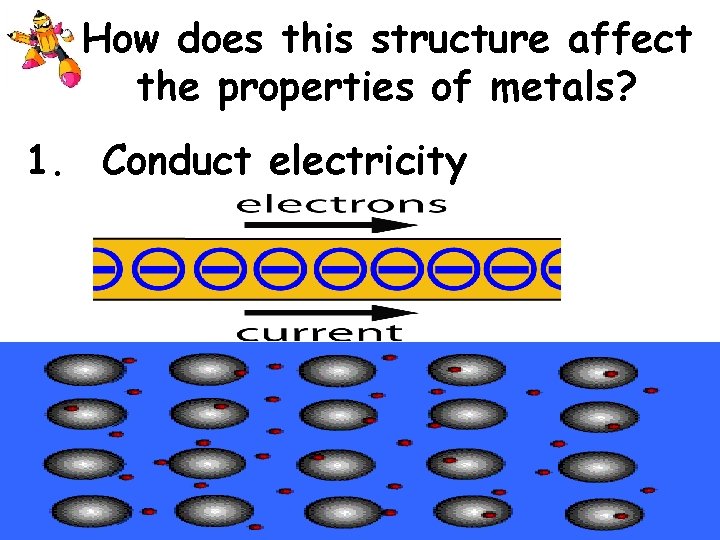
Lattice of metal IONS surrounded by free e Caused by attraction between moving electrons & positive ions
How does this structure affect the properties of metals? 1. Conduct electricity
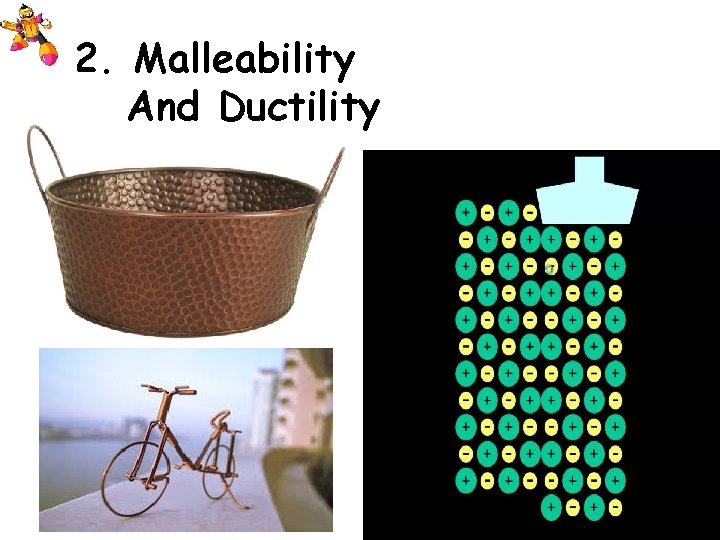
2. Malleability And Ductility
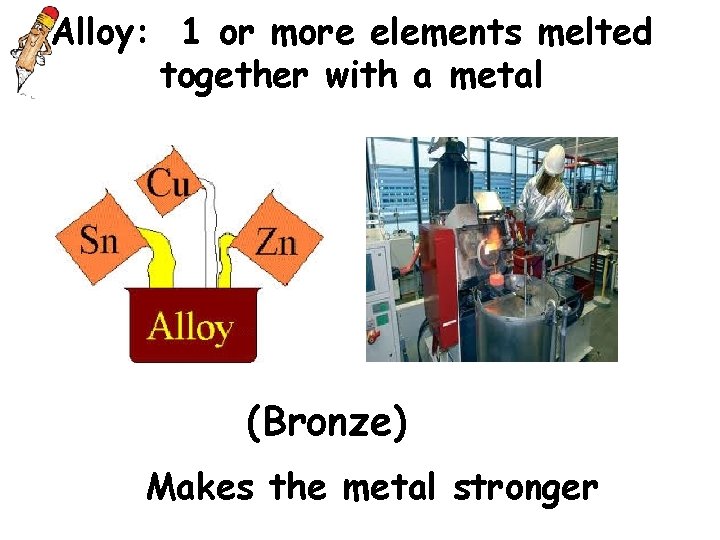
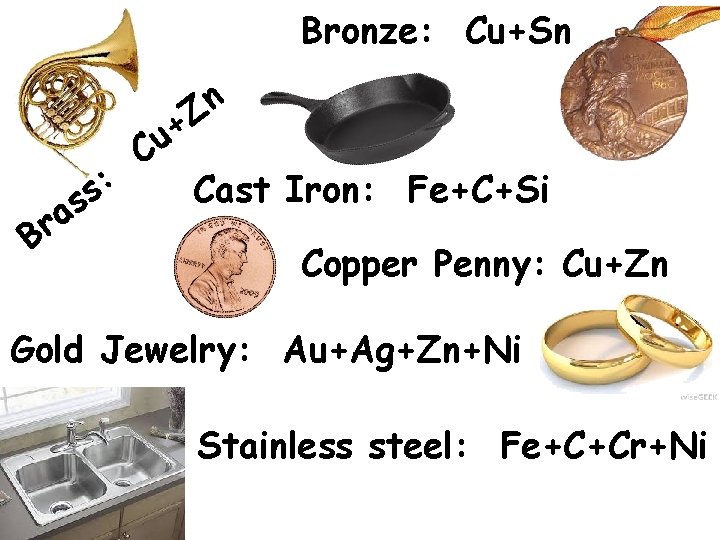
Alloy: 1 or more elements melted together with a metal (Bronze) Makes the metal stronger
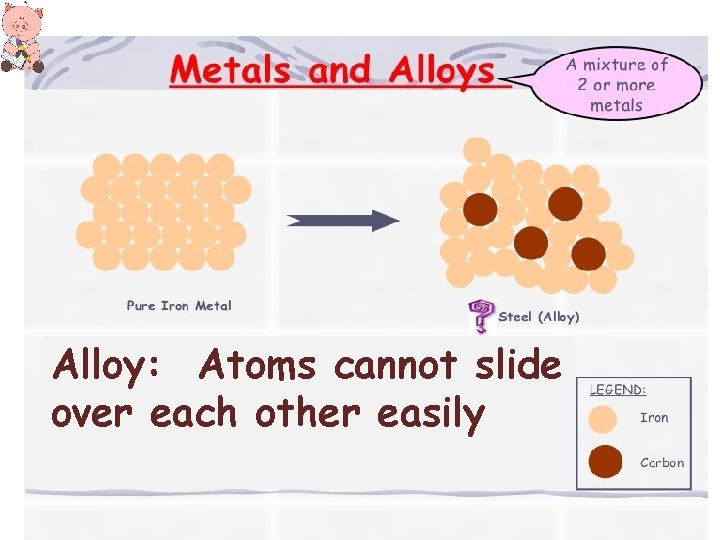
Alloy: Atoms cannot slide over each other easily
Bronze: Cu+Sn n Z : s s a r B + u C Cast Iron: Fe+C+Si Copper Penny: Cu+Zn Gold Jewelry: Au+Ag+Zn+Ni Stainless steel: Fe+C+Cr+Ni
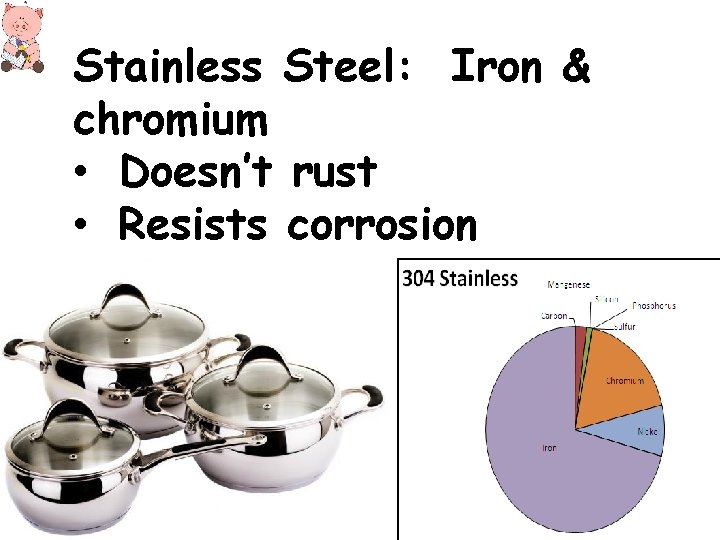
Stainless Steel: Iron & chromium • Doesn’t rust • Resists corrosion
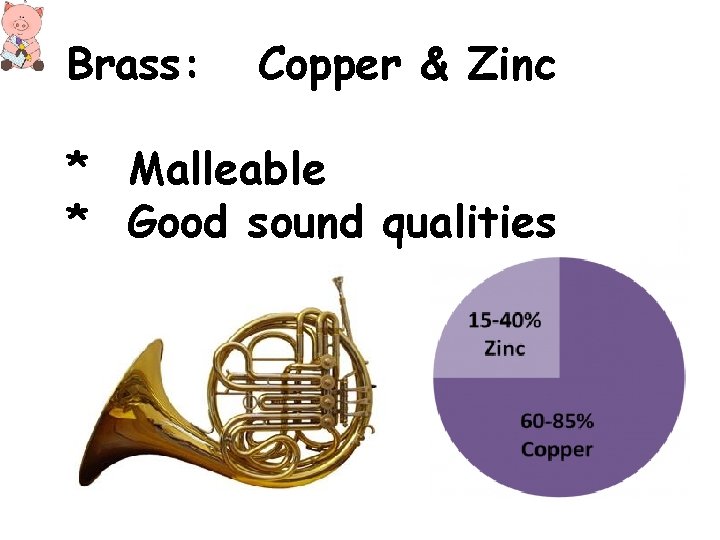
Brass: Copper & Zinc * Malleable * Good sound qualities
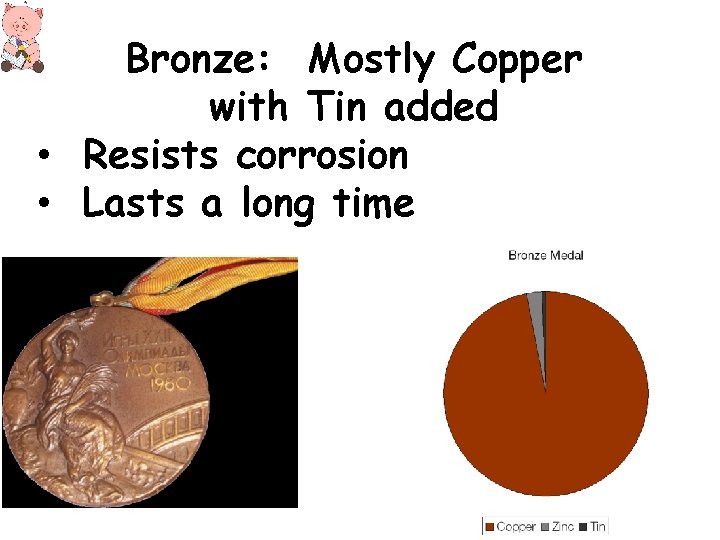
Bronze: Mostly Copper with Tin added • Resists corrosion • Lasts a long time
Metallic Bonds
Kahoot Bonding