
Pythagoras Theorem http www mathsisfun compythagoras html Years

- Slides: 21
Pythagoras' Theorem http: //www. mathsisfun. com/pythagoras. html
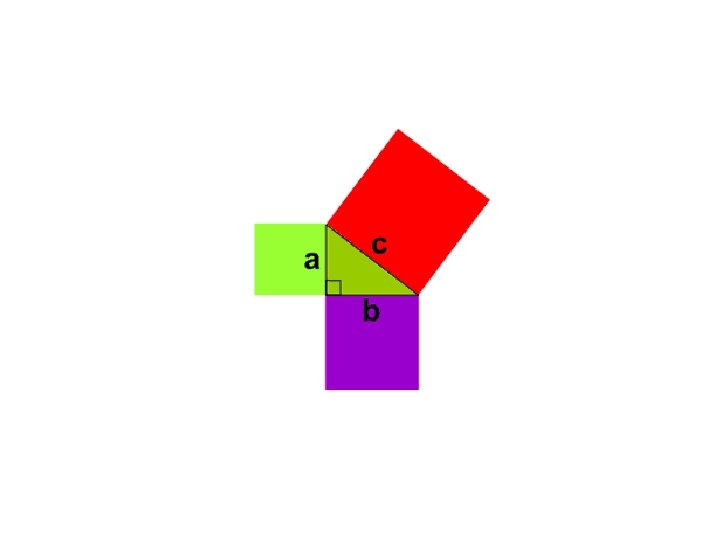
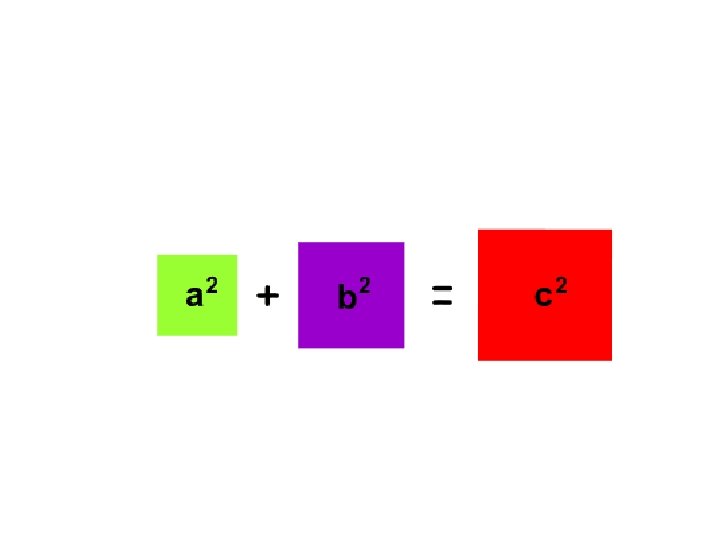
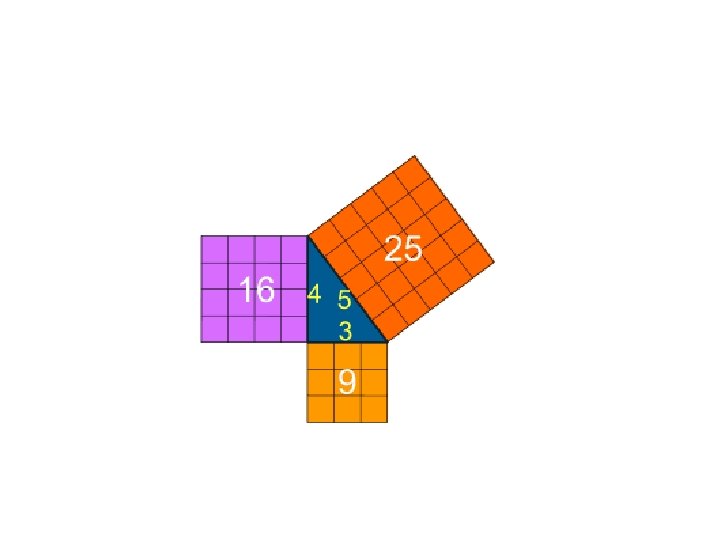
Years ago, a man named Pythagoras found an amazing fact about triangles: If the triangle had a right angle (90°). . . and you made a square on each of the three sides, then. . . the biggest square had the exact same area as the other two squares put together!
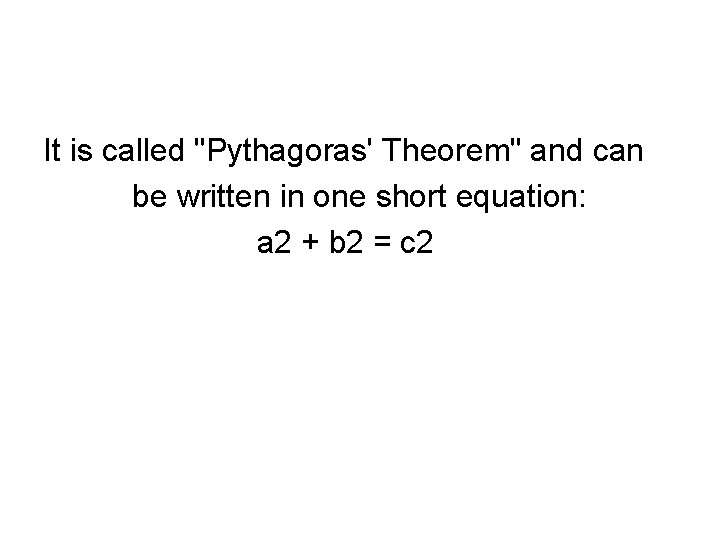
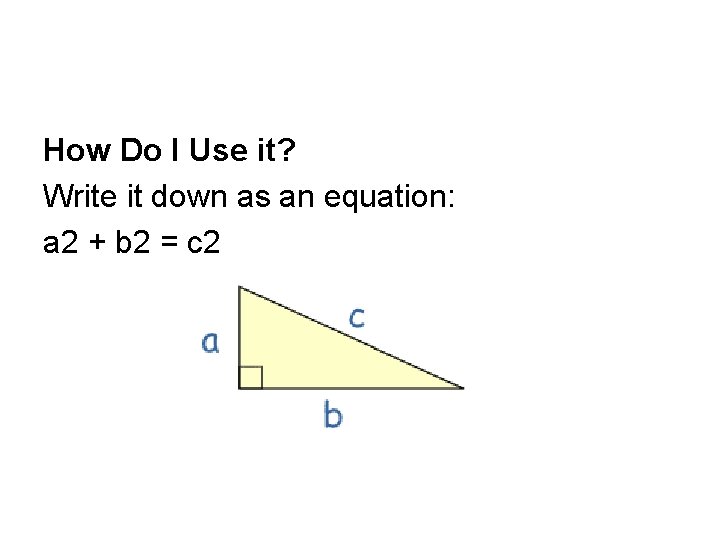
It is called "Pythagoras' Theorem" and can be written in one short equation: a 2 + b 2 = c 2
Definition The longest side of the triangle is called the "hypotenuse", so the formal definition is: In a right angled triangle: the square of the hypotenuse is equal to the sum of the squares of the other two sides.
Example: A "3, 4, 5" triangle has a right angle in it.
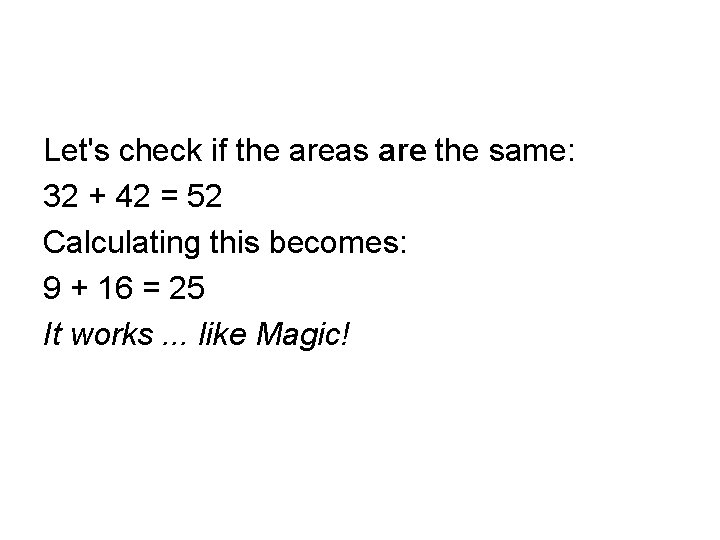
Let's check if the areas are the same: 32 + 42 = 52 Calculating this becomes: 9 + 16 = 25 It works. . . like Magic!
Why Is This Useful? If we know the lengths of two sides of a right angled triangle, we can find the length of the third side. (But remember it only works on right angled triangles!)
How Do I Use it? Write it down as an equation: a 2 + b 2 = c 2
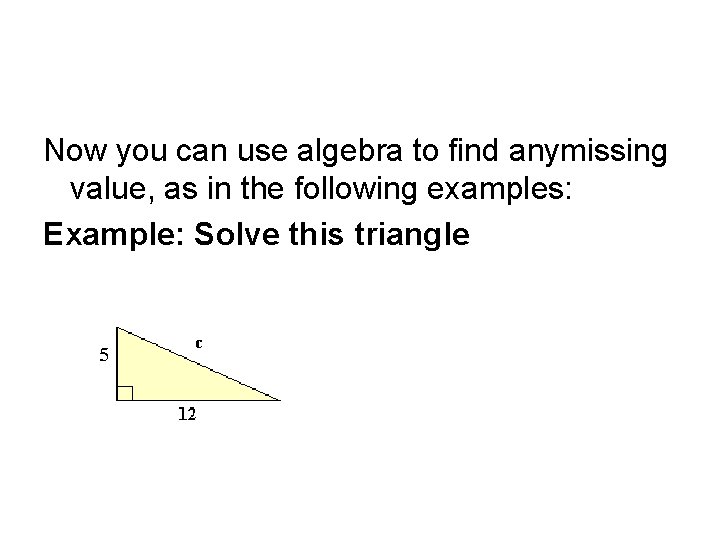
Now you can use algebra to find anymissing value, as in the following examples: Example: Solve this triangle
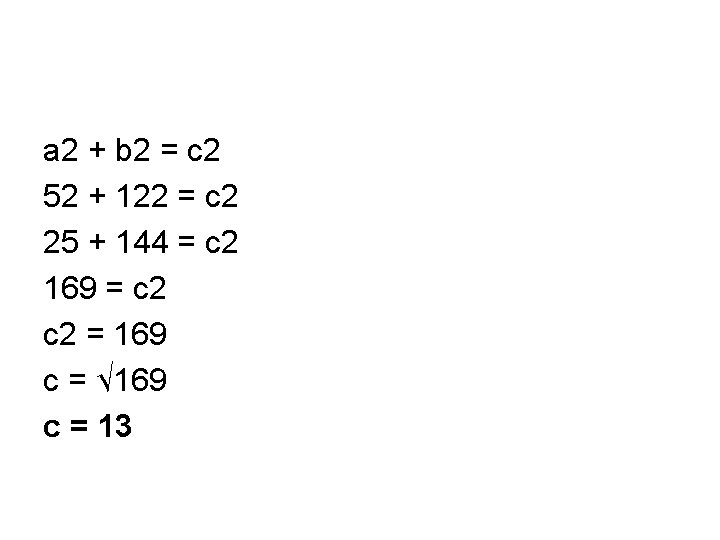
a 2 + b 2 = c 2 52 + 122 = c 2 25 + 144 = c 2 169 = c 2 = 169 c = √ 169 c = 13
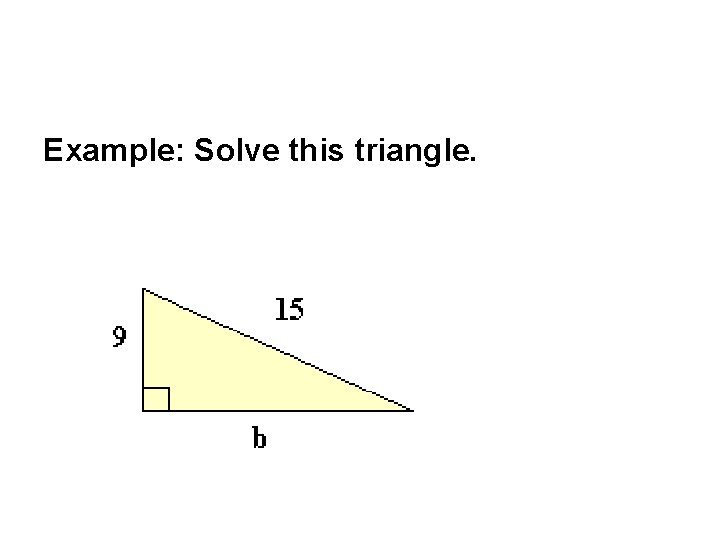
Example: Solve this triangle.
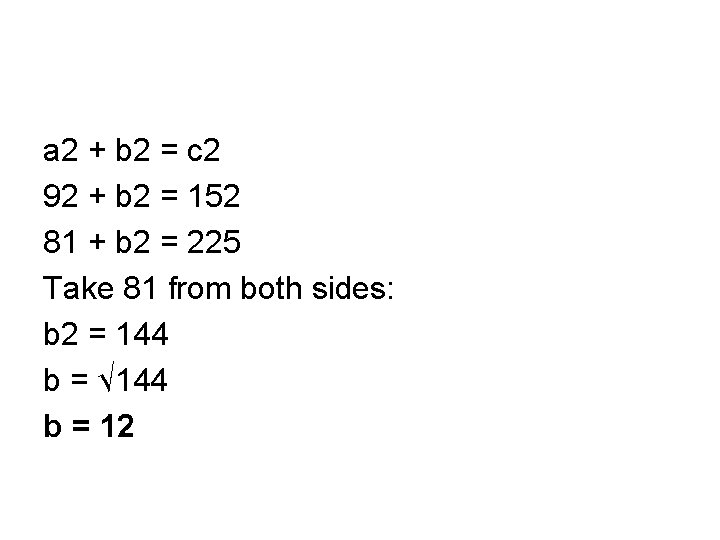
a 2 + b 2 = c 2 92 + b 2 = 152 81 + b 2 = 225 Take 81 from both sides: b 2 = 144 b = √ 144 b = 12
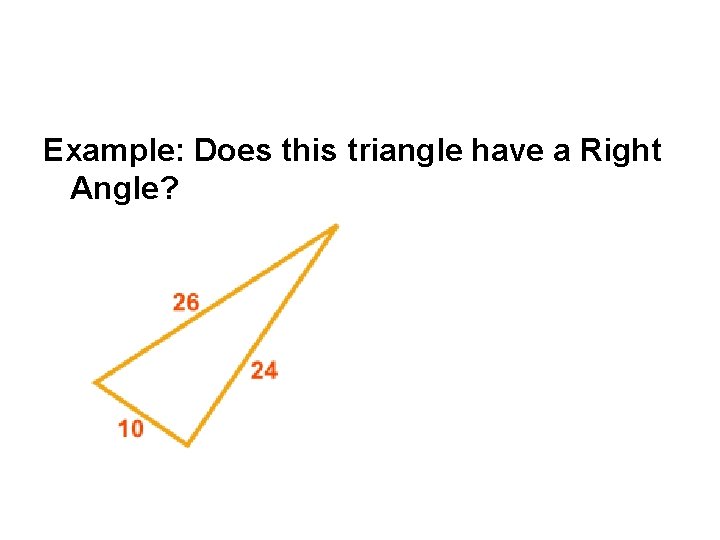
Example: Does this triangle have a Right Angle?
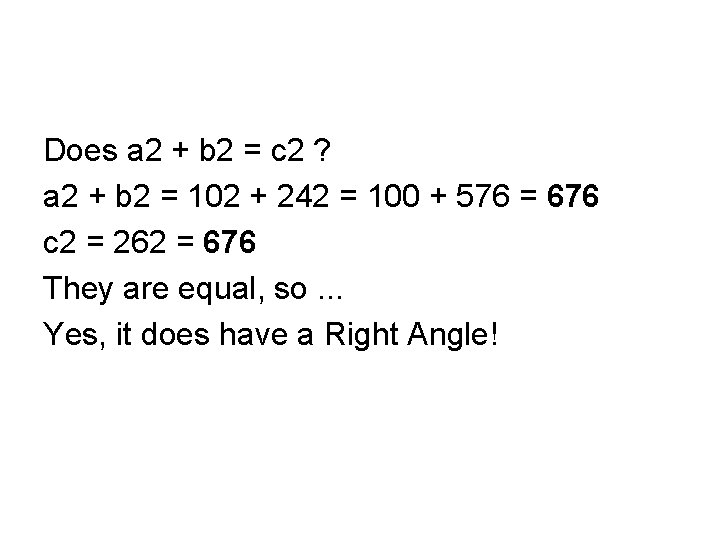
Does a 2 + b 2 = c 2 ? a 2 + b 2 = 102 + 242 = 100 + 576 = 676 c 2 = 262 = 676 They are equal, so. . . Yes, it does have a Right Angle!
Example: Does an 8, 15, 16 triangle have a Right Angle? Does 82 + 152 = 162 ? 82 + 152 = 64 + 225 = 289, but 162 = 256 So, NO, it does not have a Right Angle
And You Can Prove Theorem Yourself ! • Draw a right angled triangle on the paper, leaving plenty of space. • Draw a square along the hypotenuse (the longest side) • Draw the same sized square on the other side of the hypotenuse
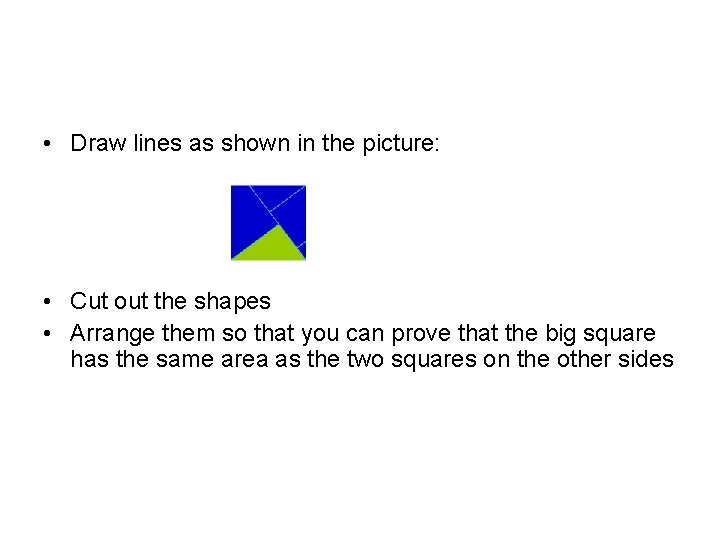
• Draw lines as shown in the picture: • Cut out the shapes • Arrange them so that you can prove that the big square has the same area as the two squares on the other sides
Source: http: //www. mathsisfun. com/pythagoras. html