
Pyroelectric Fusion with Helium3 A Way to Generate
- Slides: 21
Pyroelectric Fusion with Helium-3 A Way to Generate Electricity?
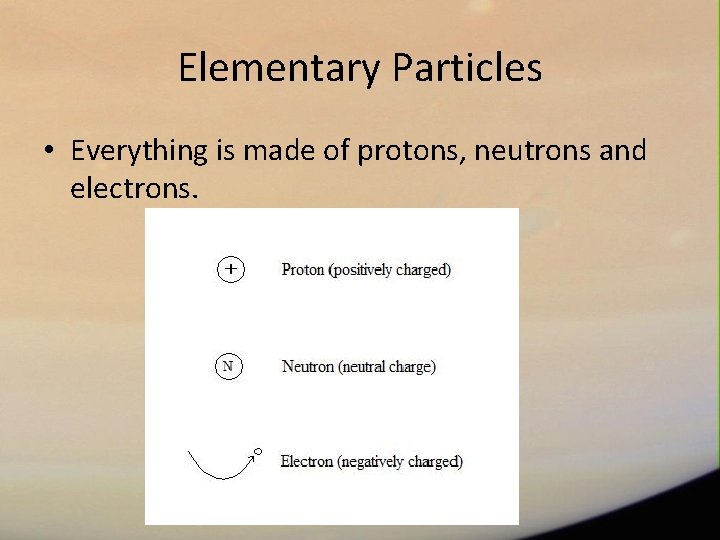
Elementary Particles • Everything is made of protons, neutrons and electrons.
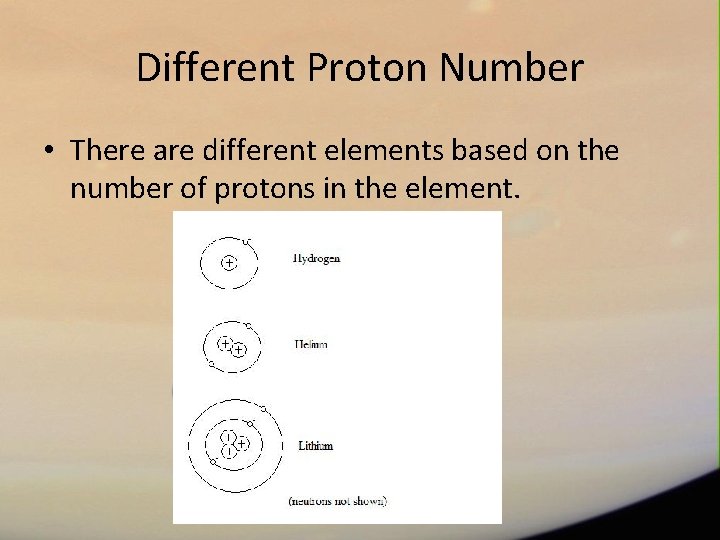
Different Proton Number • There are different elements based on the number of protons in the element.
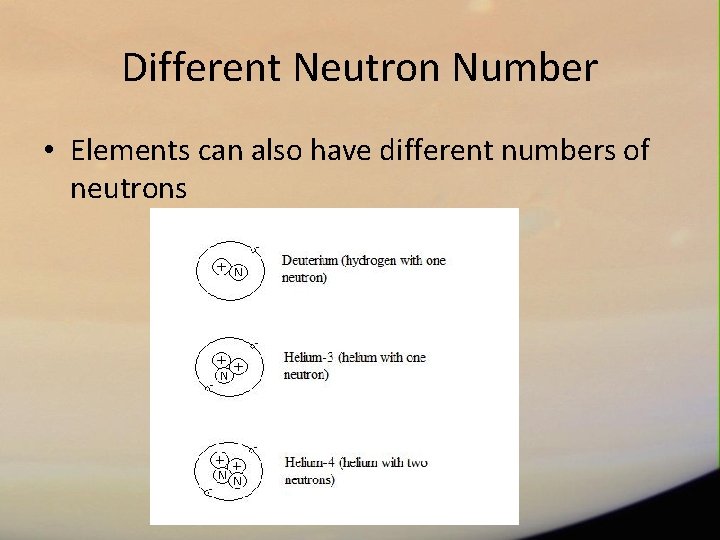
Different Neutron Number • Elements can also have different numbers of neutrons
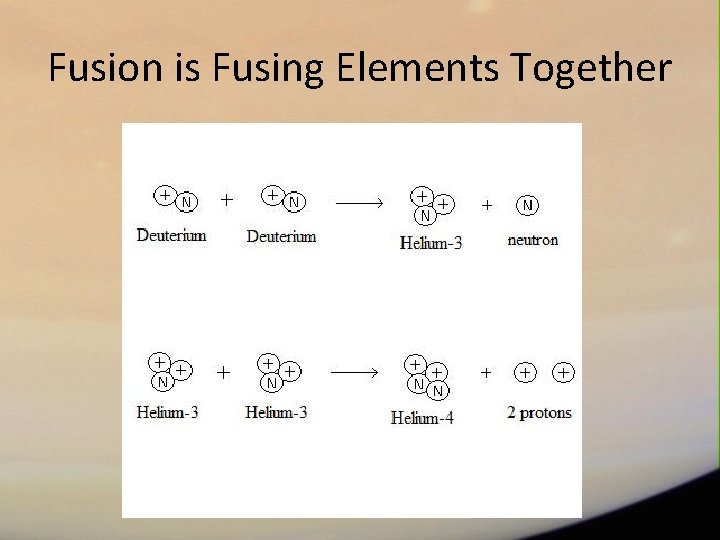
Fusion is Fusing Elements Together
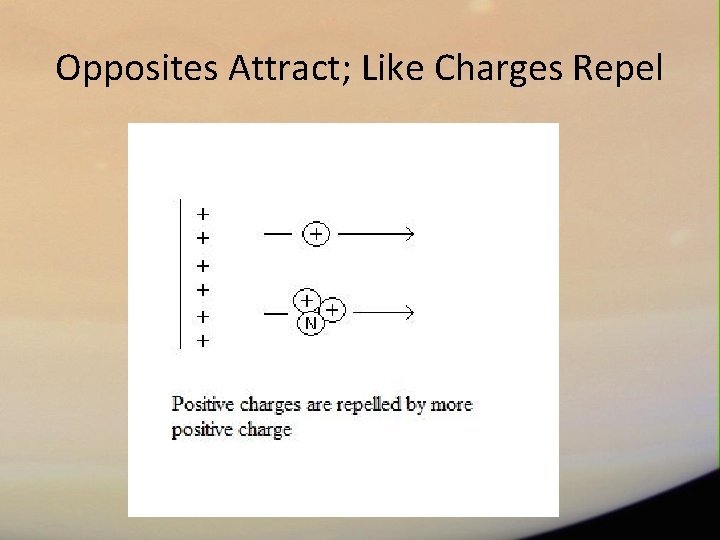
Opposites Attract; Like Charges Repel
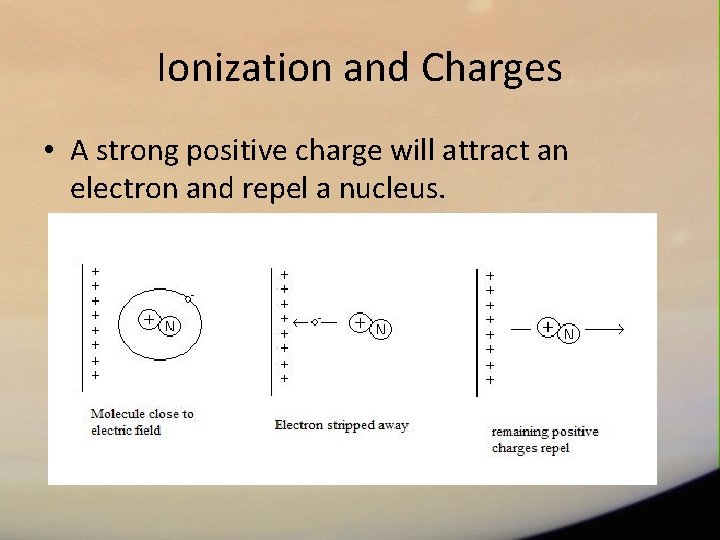
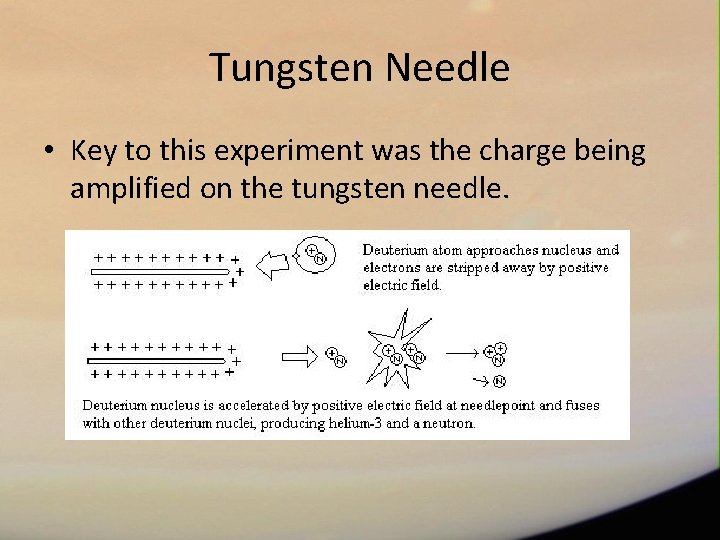
Ionization and Charges • A strong positive charge will attract an electron and repel a nucleus.
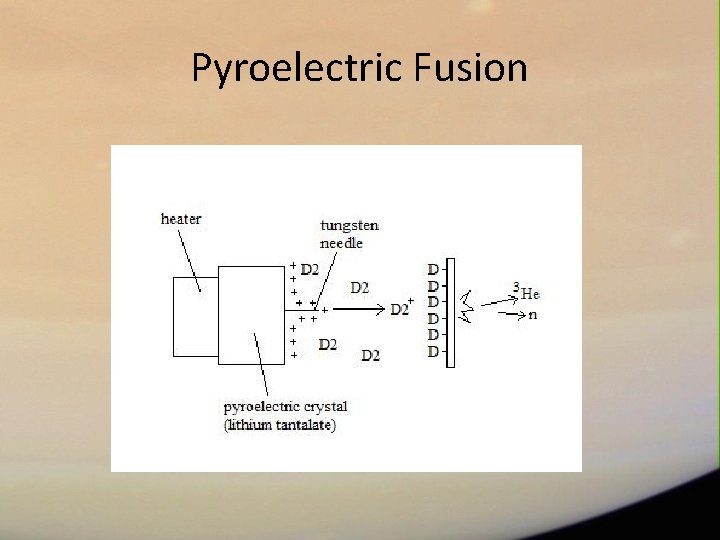
Pyroelectric Fusion • In 2005, Naranjo et. al. used a pyroelectric crystal with a tungsten needle attached to generate a strong enough electric field to ionize deuterium. • The deuterium was also accelerated fast enough by this positive charge to fuse with some stationary deuterium. • Thus they achieved fusion at low pressure and room temperature!
Pyroelectric Fusion
Tungsten Needle • Key to this experiment was the charge being amplified on the tungsten needle.
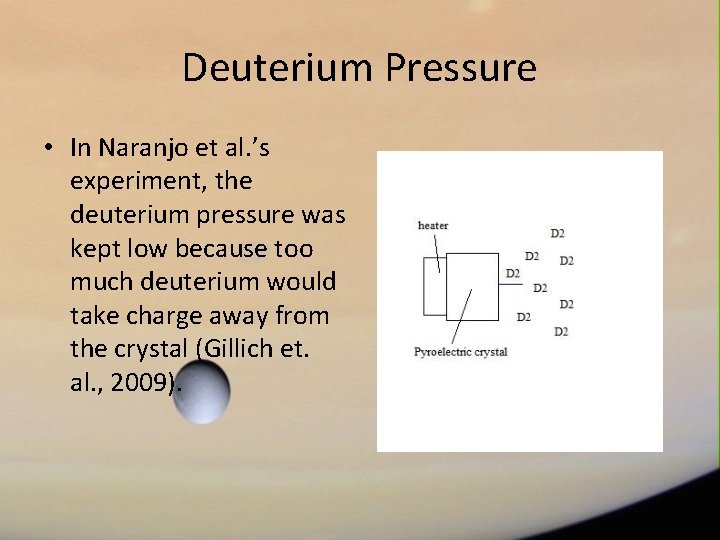
Deuterium Pressure • In Naranjo et al. ’s experiment, the deuterium pressure was kept low because too much deuterium would take charge away from the crystal (Gillich et. al. , 2009).
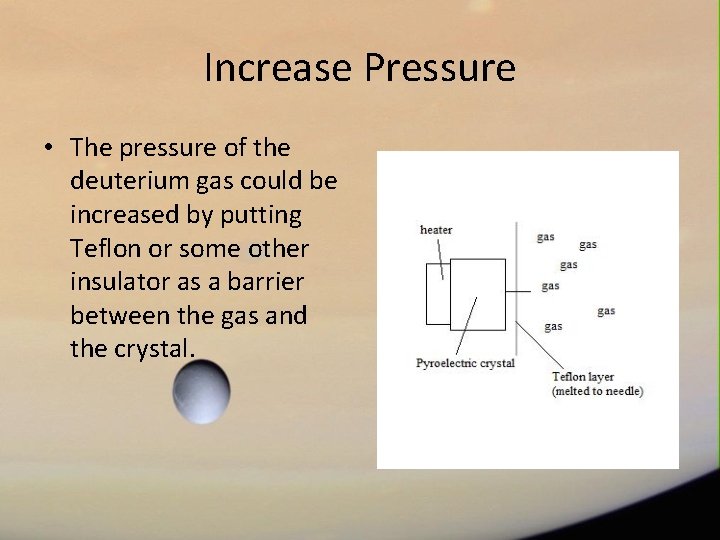
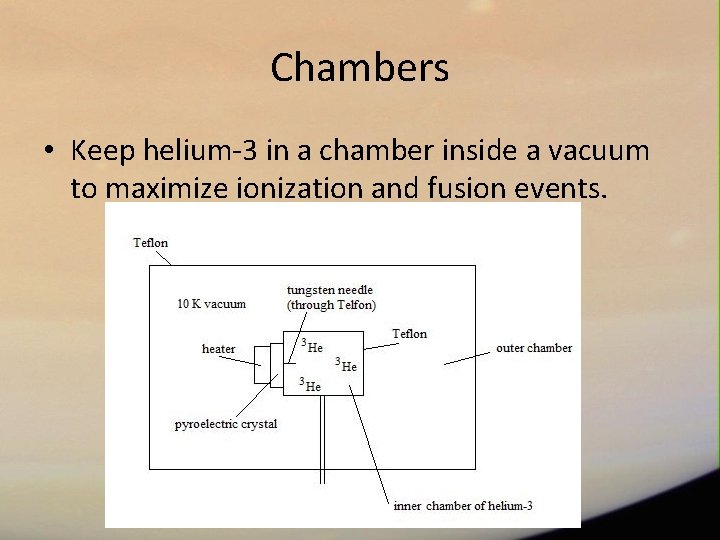
Increase Pressure • The pressure of the deuterium gas could be increased by putting Teflon or some other insulator as a barrier between the gas and the crystal.
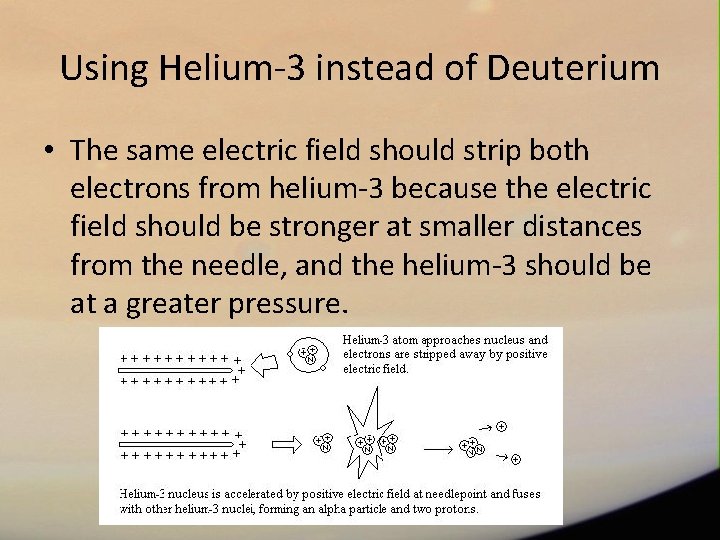
Using Helium-3 instead of Deuterium • The same electric field should strip both electrons from helium-3 because the electric field should be stronger at smaller distances from the needle, and the helium-3 should be at a greater pressure.
Chambers • Keep helium-3 in a chamber inside a vacuum to maximize ionization and fusion events.
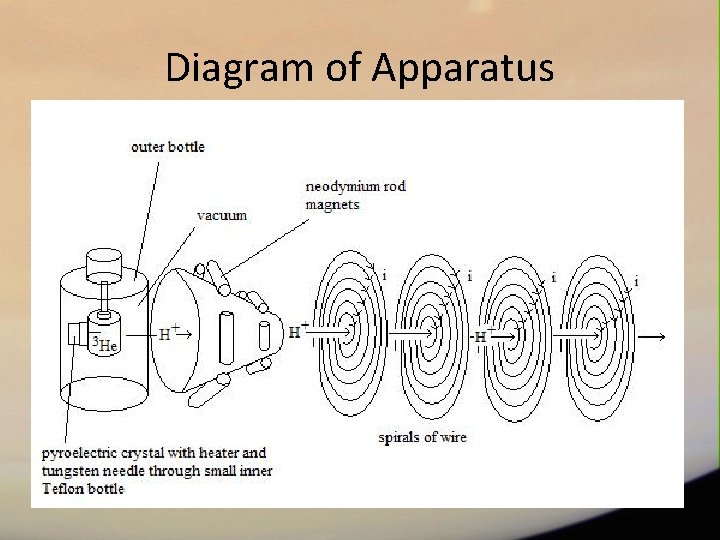
Changes from original experiment • Use helium-3 instead of deuterium • Contain gas in Teflon to have a high pressure • Extract energy from proton products by having them pass through spirals of wire
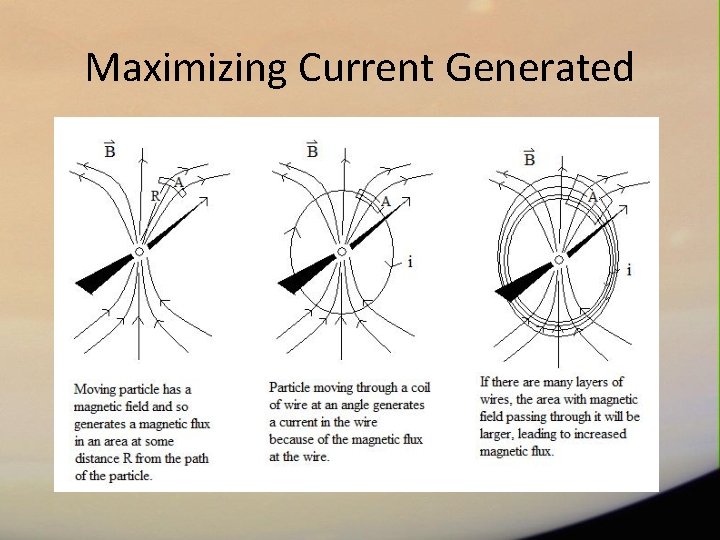
Maximizing Current Generated
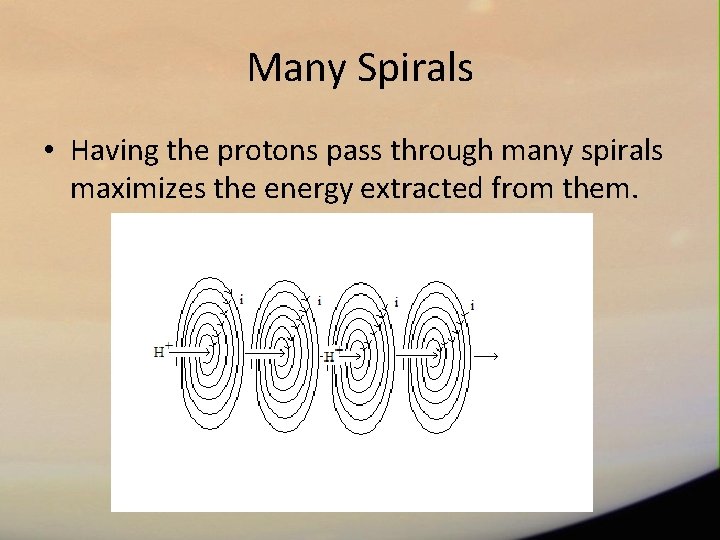
Many Spirals • Having the protons pass through many spirals maximizes the energy extracted from them.
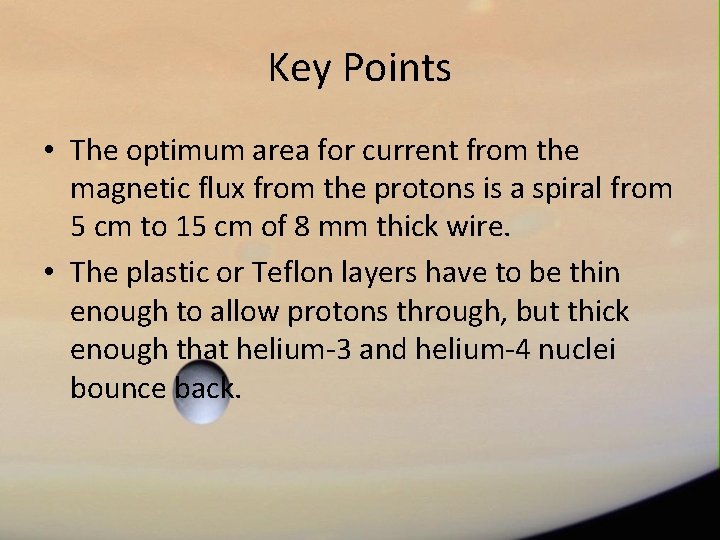
Key Points • The optimum area for current from the magnetic flux from the protons is a spiral from 5 cm to 15 cm of 8 mm thick wire. • The plastic or Teflon layers have to be thin enough to allow protons through, but thick enough that helium-3 and helium-4 nuclei bounce back.
Diagram of Apparatus
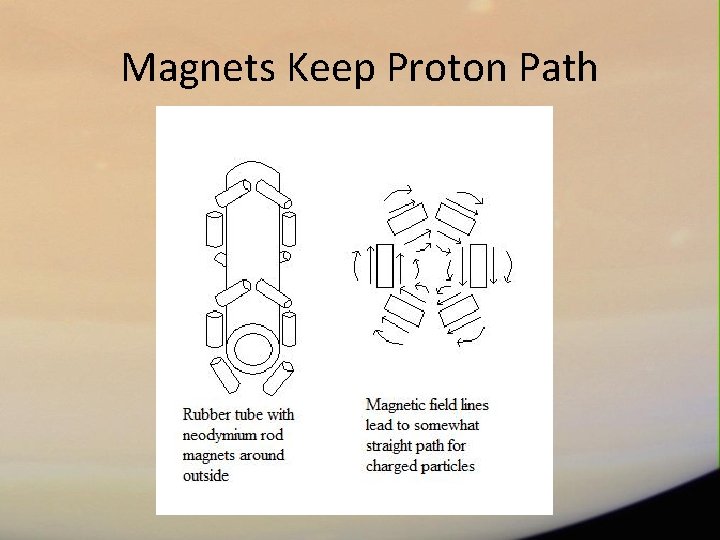
Magnets Keep Proton Path
References • Gillich, D. , Kovanen, A. , Herman, B. , Fullem, T. , and Danon, Y. (2009) Pyroelectric crystal neutron production in a portable prototype vacuum system. Nuclear Instruments and Methods in Physics Research A. 602: 306 -310 • Naranjo, B. , Gimzewski, J. K. , and Putterman, S. (2005) Observation of nuclear fusion driven by a pyroelectric crystal. Nature 434: 1115