
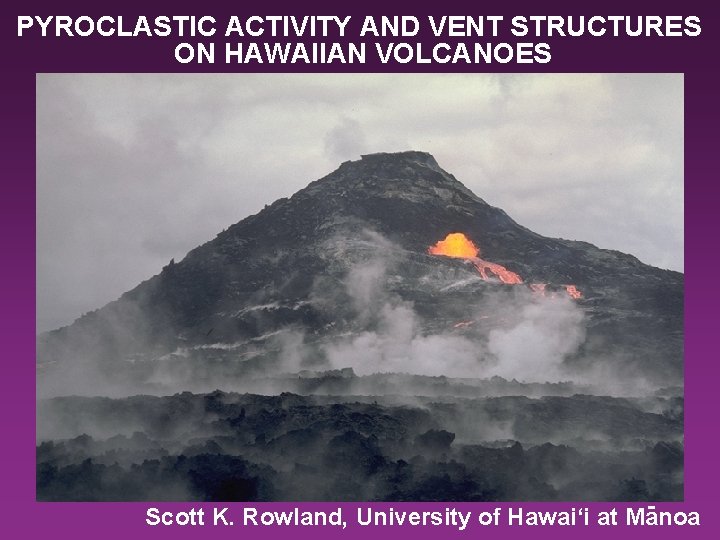
PYROCLASTIC ACTIVITY AND VENT STRUCTURES ON HAWAIIAN VOLCANOES
- Slides: 37
PYROCLASTIC ACTIVITY AND VENT STRUCTURES ON HAWAIIAN VOLCANOES Scott K. Rowland, University of Hawai‘i at Manoa
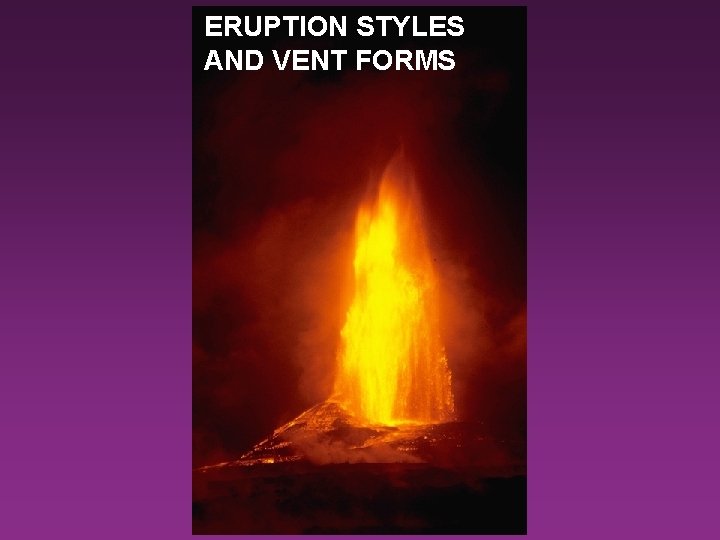
ERUPTION STYLES AND VENT FORMS
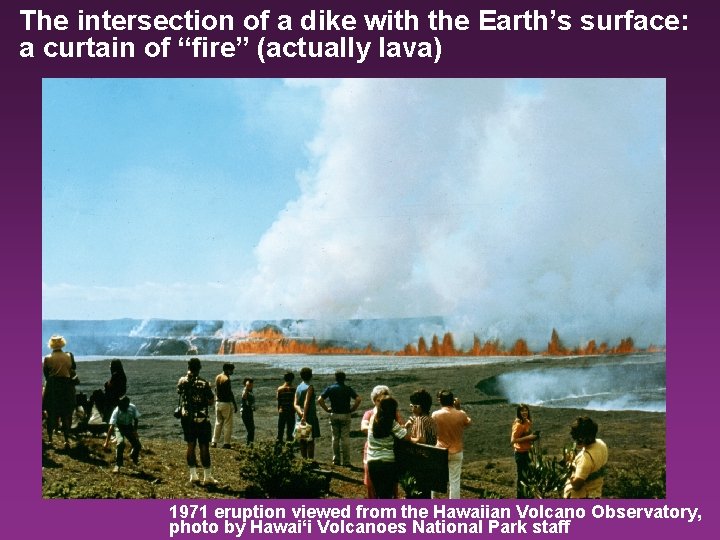
The intersection of a dike with the Earth’s surface: a curtain of “fire” (actually lava) 1971 eruption viewed from the Hawaiian Volcano Observatory, photo by Hawai‘i Volcanoes National Park staff
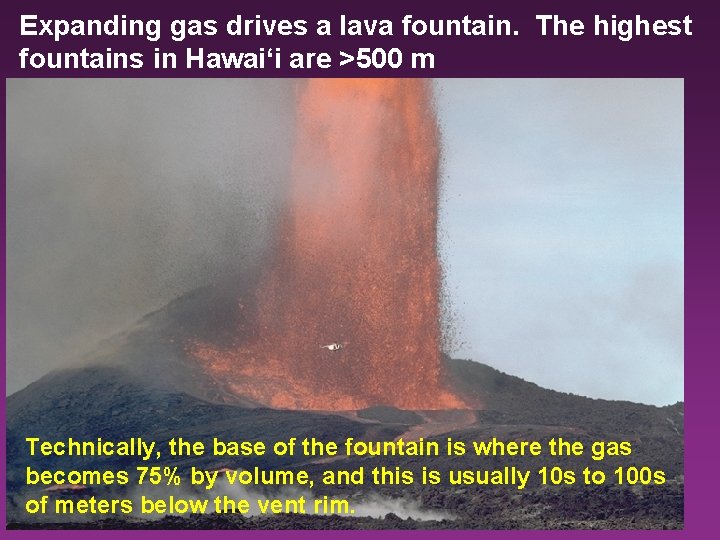
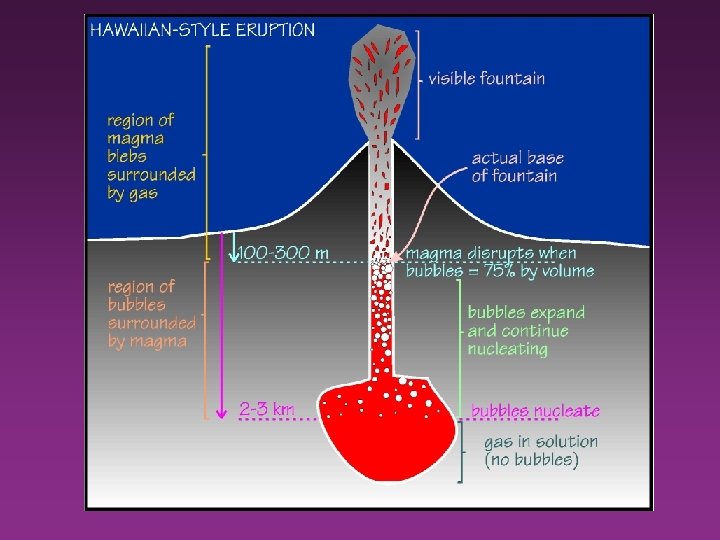
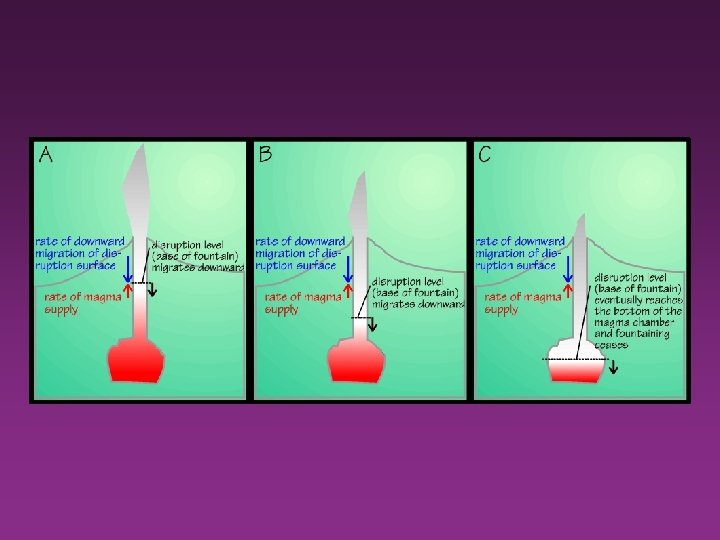
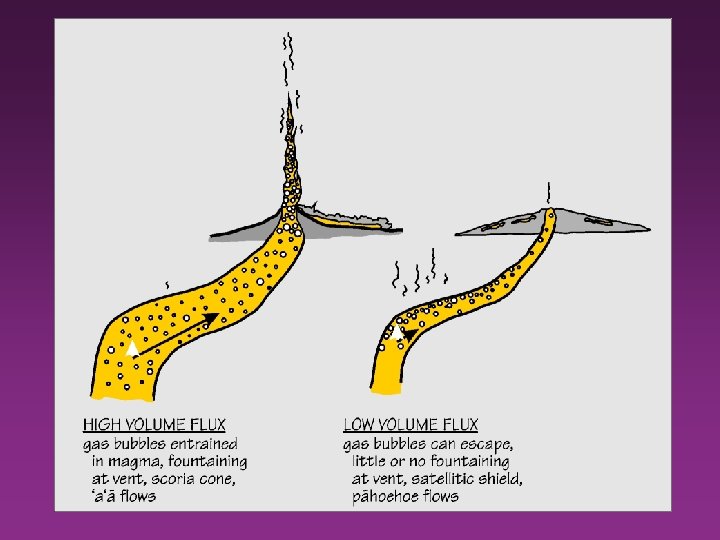
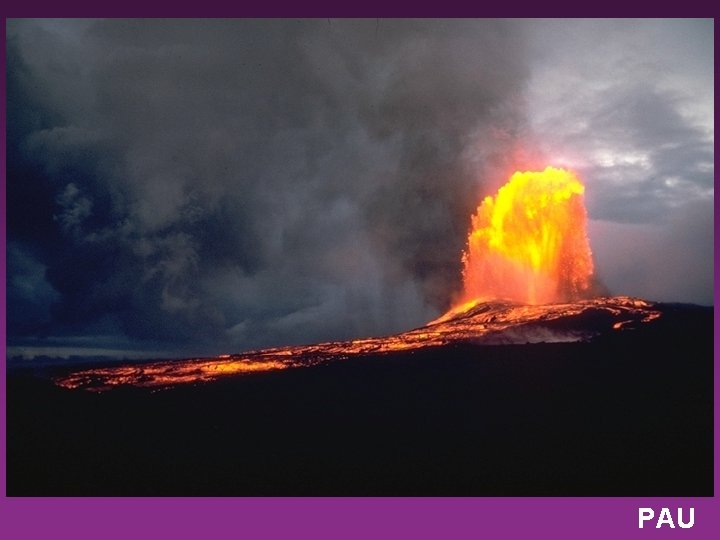
Expanding gas drives a lava fountain. The highest fountains in Hawai‘i are >500 m Technically, the base of the fountain is where the gas becomes 75% by volume, and this is usually 10 s to 100 s of meters below the vent rim.
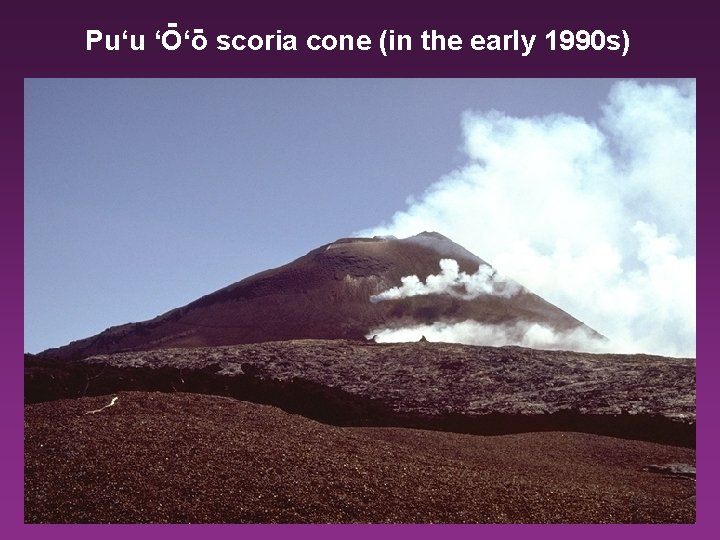
- Pu‘u ‘O‘o scoria cone (in the early 1990 s)
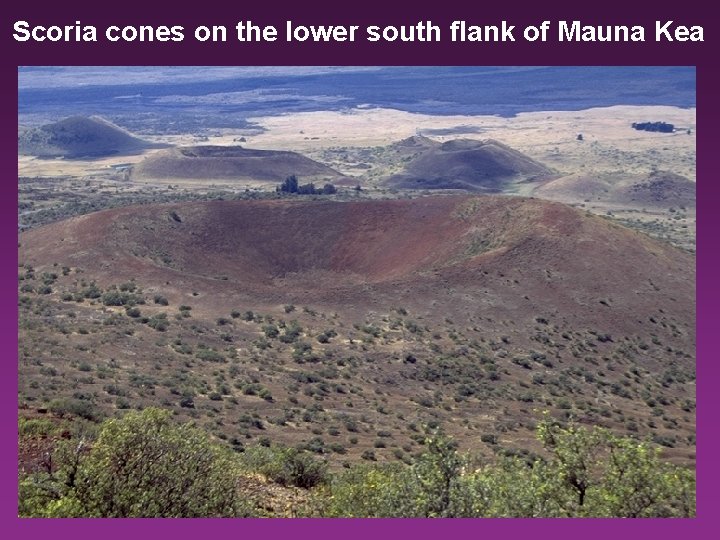
Scoria cones on the lower south flank of Mauna Kea
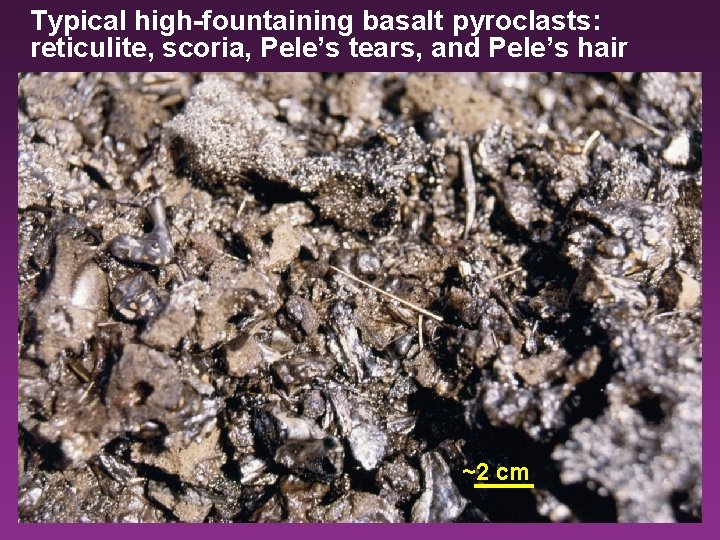
Typical high-fountaining basalt pyroclasts: reticulite, scoria, Pele’s tears, and Pele’s hair ~2 cm
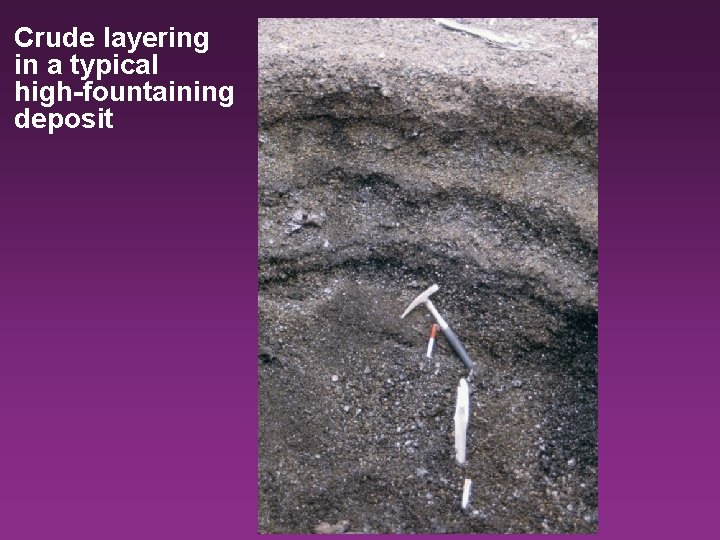
Crude layering in a typical high-fountaining deposit
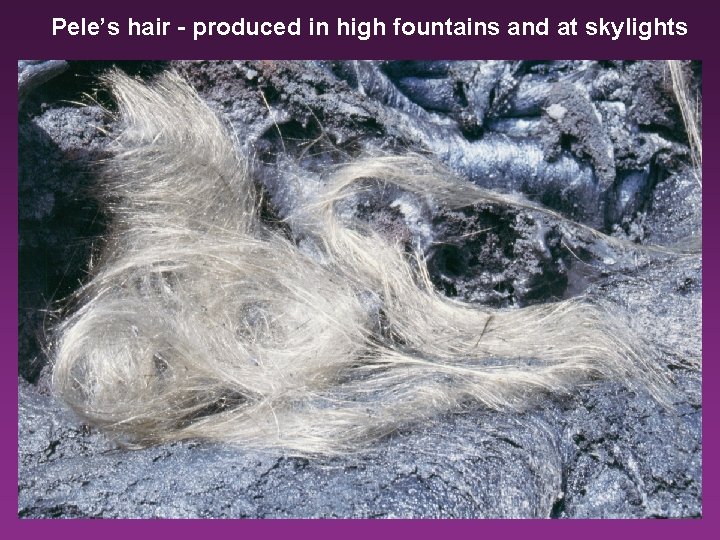
Pele’s hair - produced in high fountains and at skylights
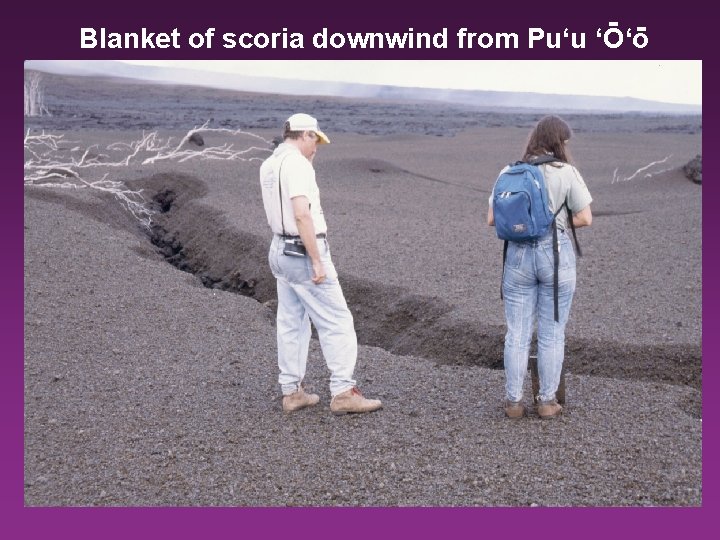
- Blanket of scoria downwind from Pu‘u ‘O‘o
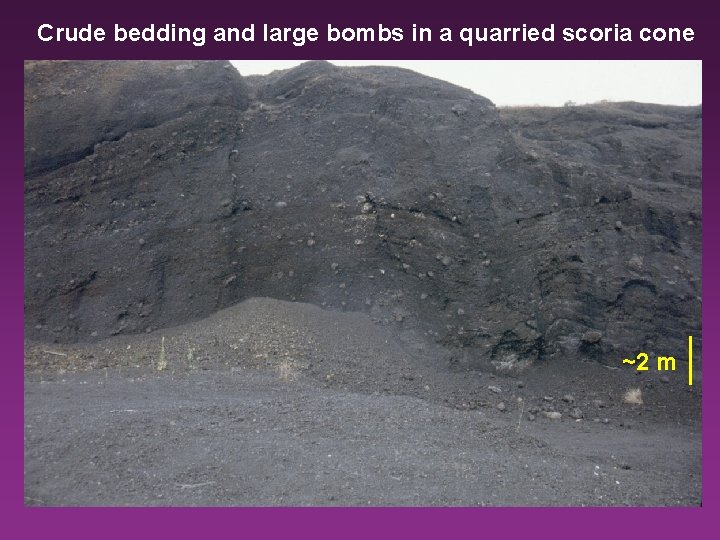
Crude bedding and large bombs in a quarried scoria cone ~2 m
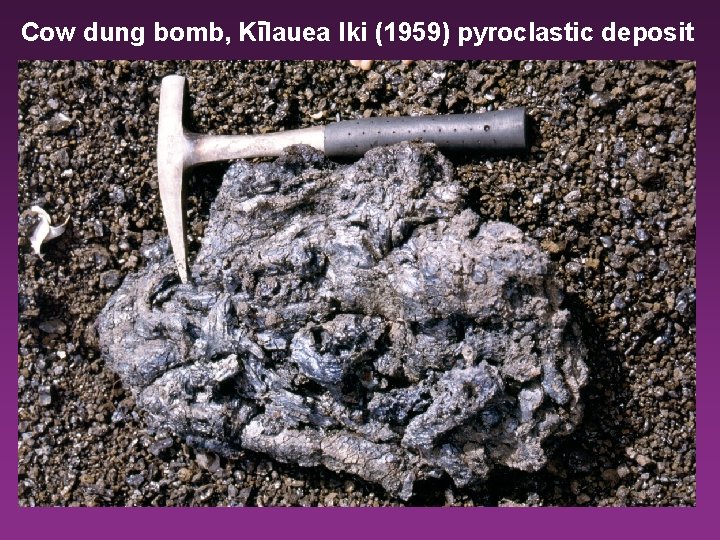
Cow dung bomb, Kilauea Iki (1959) pyroclastic deposit
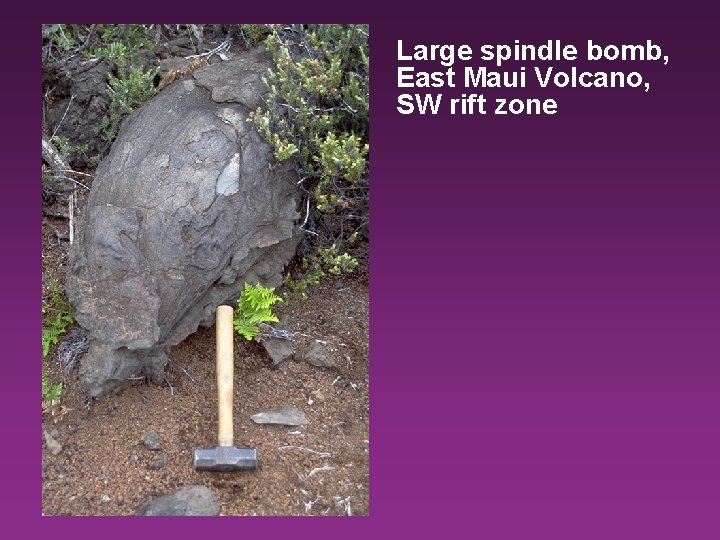
Large spindle bomb, East Maui Volcano, SW rift zone
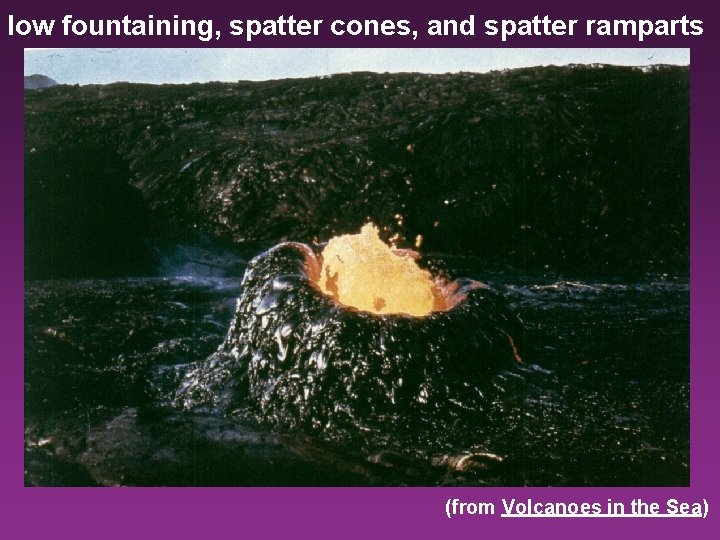
low fountaining, spatter cones, and spatter ramparts (from Volcanoes in the Sea)
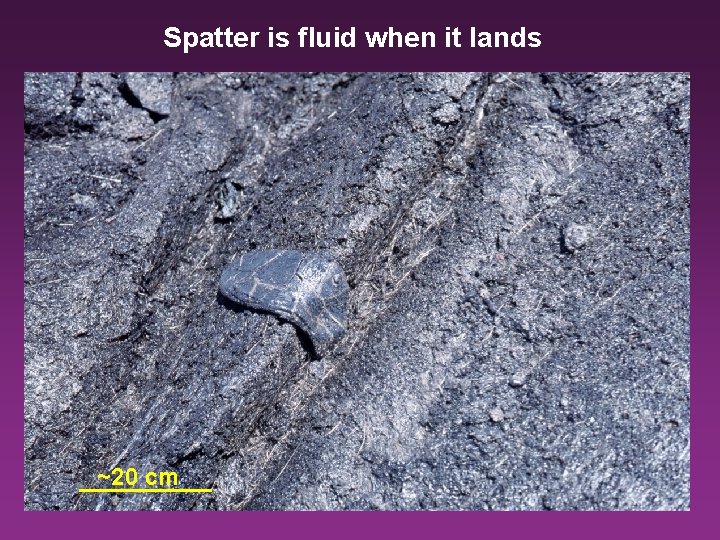
Spatter is fluid when it lands ~20 cm
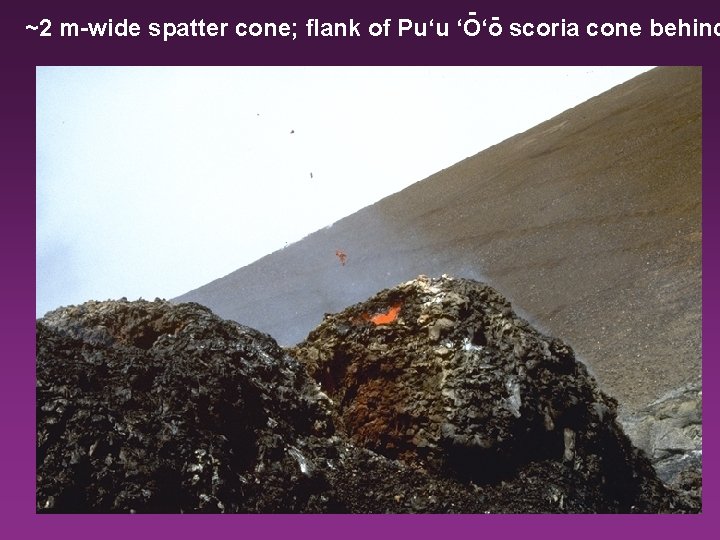
- ~2 m-wide spatter cone; flank of Pu‘u ‘O‘o scoria cone behind
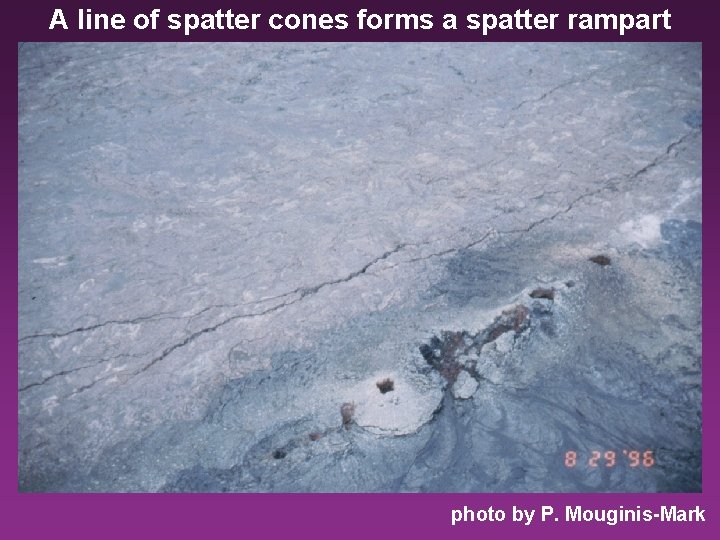
A line of spatter cones forms a spatter rampart photo by P. Mouginis-Mark
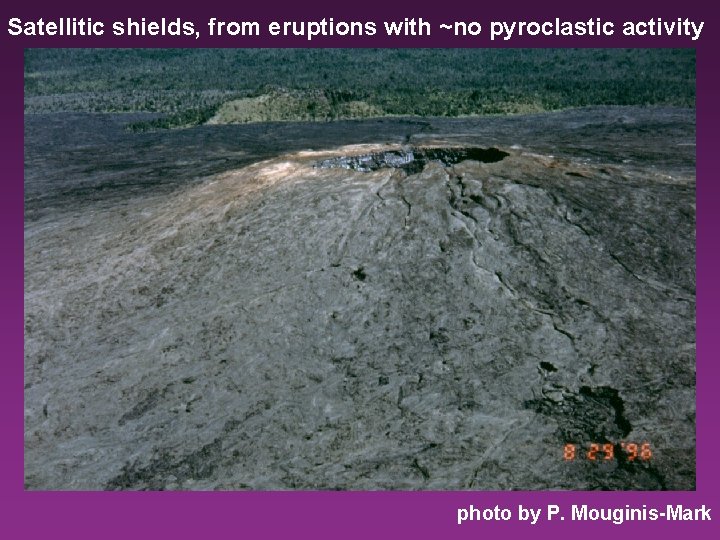
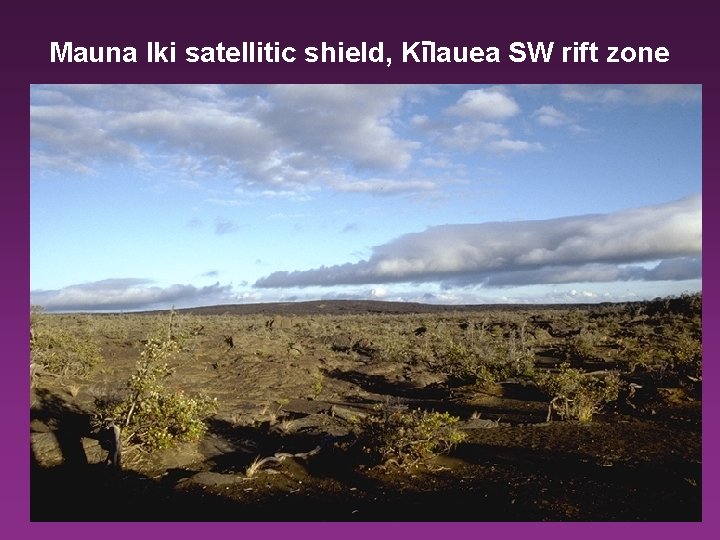
Satellitic shields, from eruptions with ~no pyroclastic activity photo by P. Mouginis-Mark
Mauna Iki satellitic shield, Kilauea SW rift zone
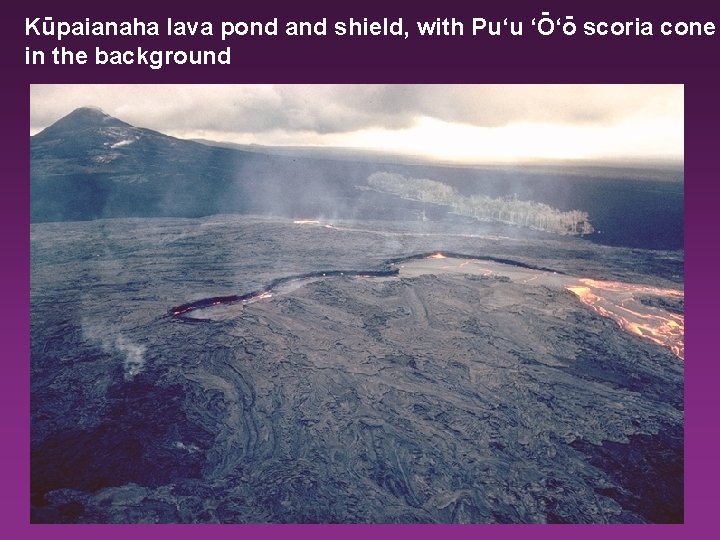
- Kupaianaha lava pond and shield, with Pu‘u ‘O‘o scoria cone in the background
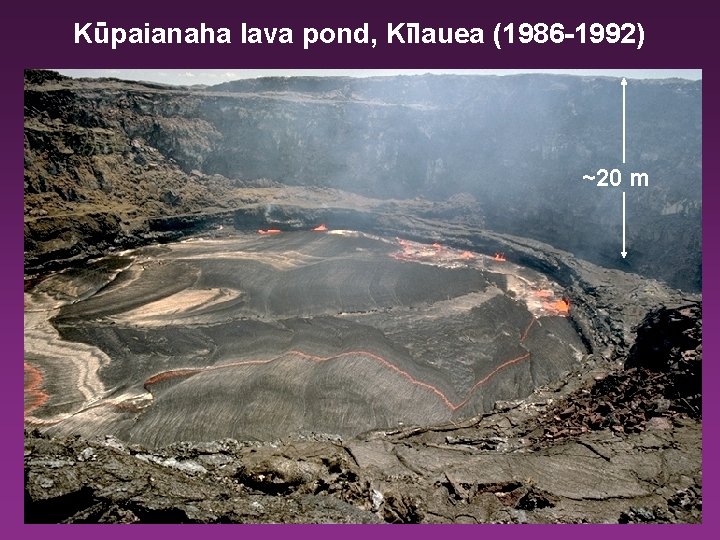
Kupaianaha lava pond, Kilauea (1986 -1992) ~20 m
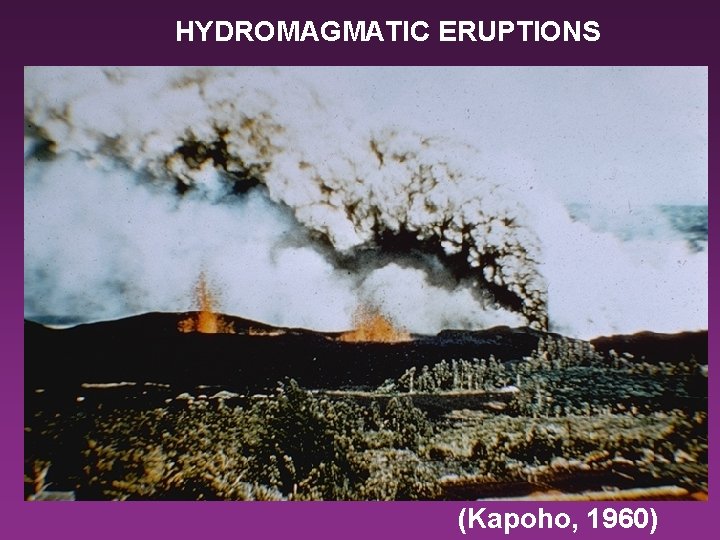
HYDROMAGMATIC ERUPTIONS (Kapoho, 1960)
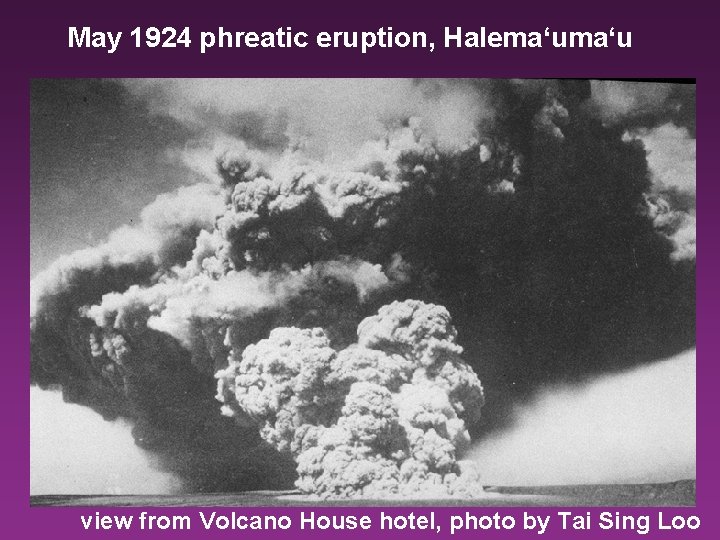
May 1924 phreatic eruption, Halema‘u view from Volcano House hotel, photo by Tai Sing Loo
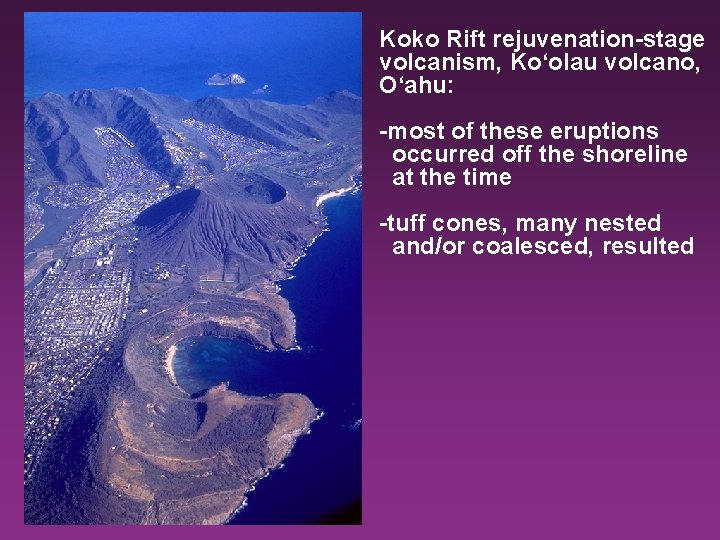
Koko Rift rejuvenation-stage volcanism, Ko‘olau volcano, O‘ahu: -most of these eruptions occurred off the shoreline at the time -tuff cones, many nested and/or coalesced, resulted
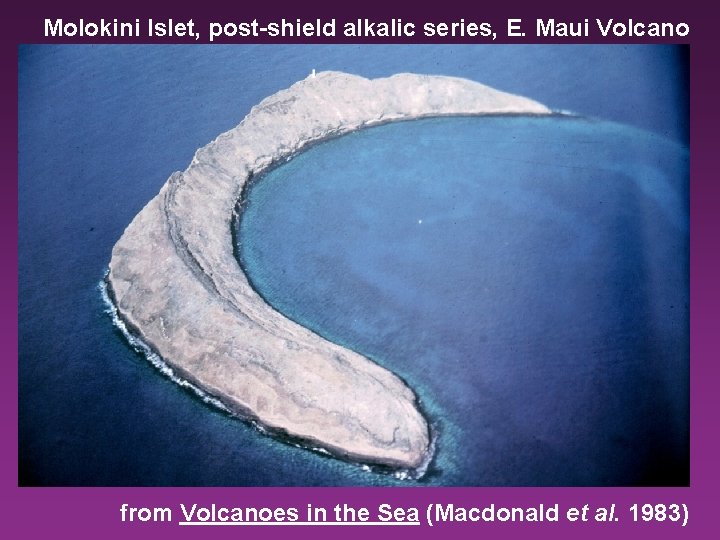
Molokini Islet, post-shield alkalic series, E. Maui Volcano from Volcanoes in the Sea (Macdonald et al. 1983)
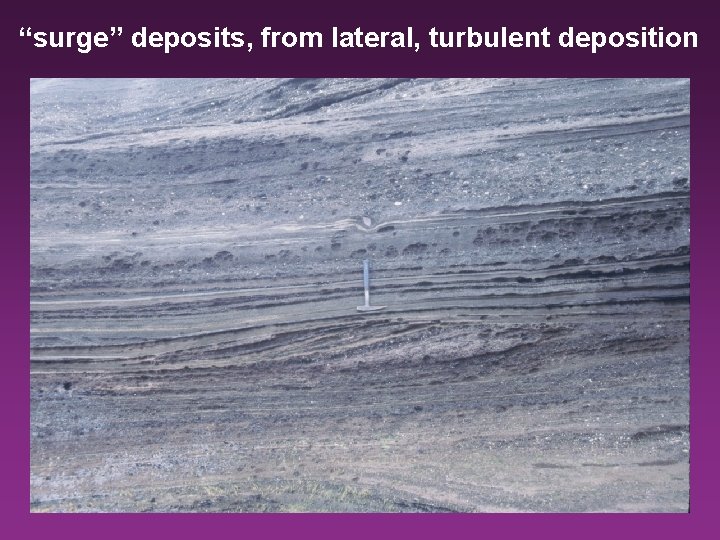
“surge” deposits, from lateral, turbulent deposition
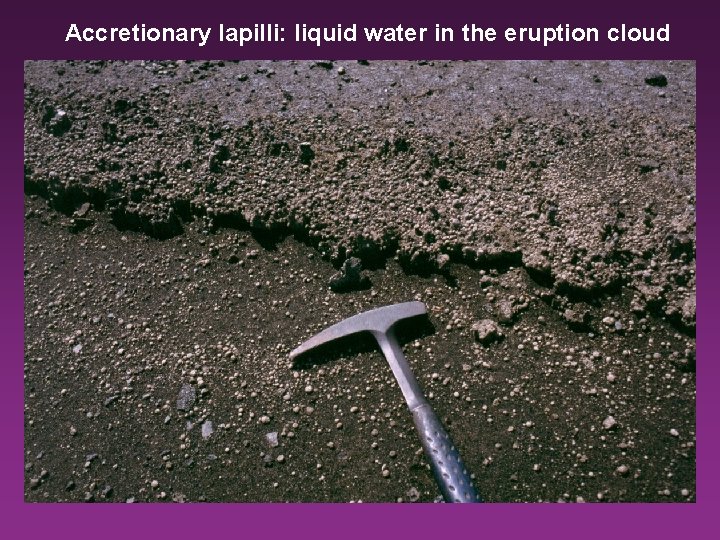
Accretionary lapilli: liquid water in the eruption cloud
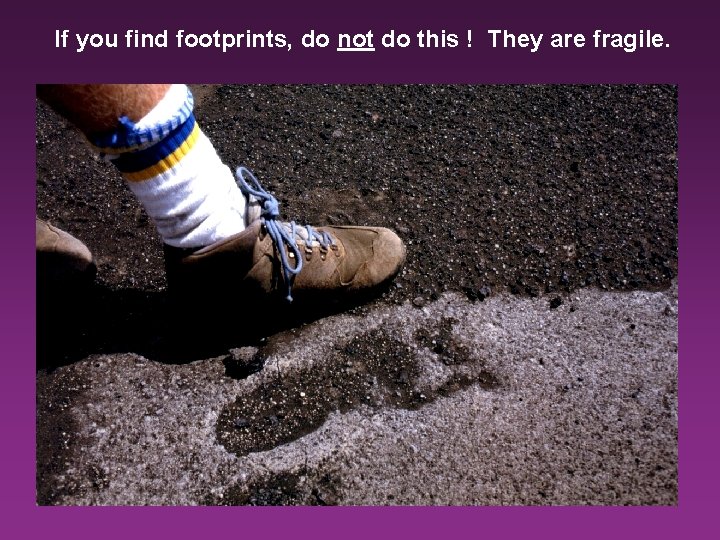
If you find footprints, do not do this ! They are fragile.
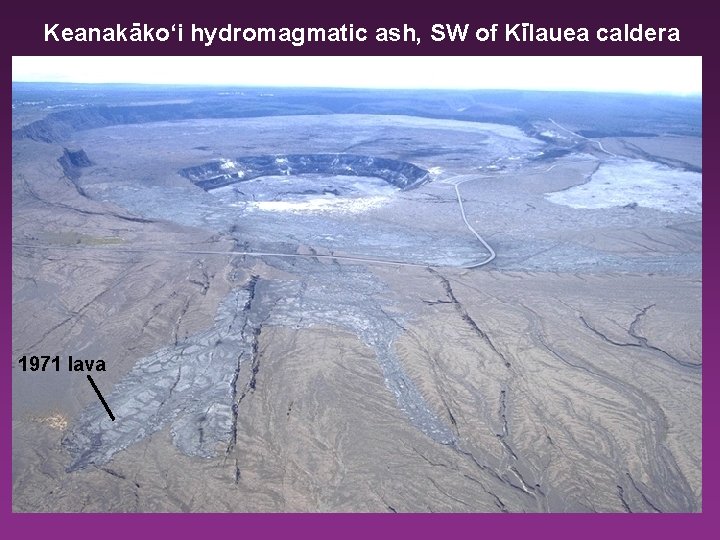
Keanakako‘i hydromagmatic ash, SW of Kilauea caldera 1971 lava
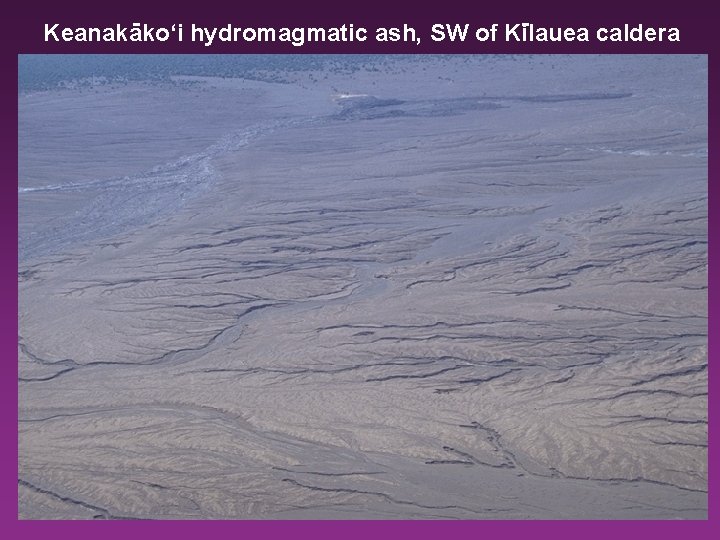
Keanakako‘i hydromagmatic ash, SW of Kilauea caldera
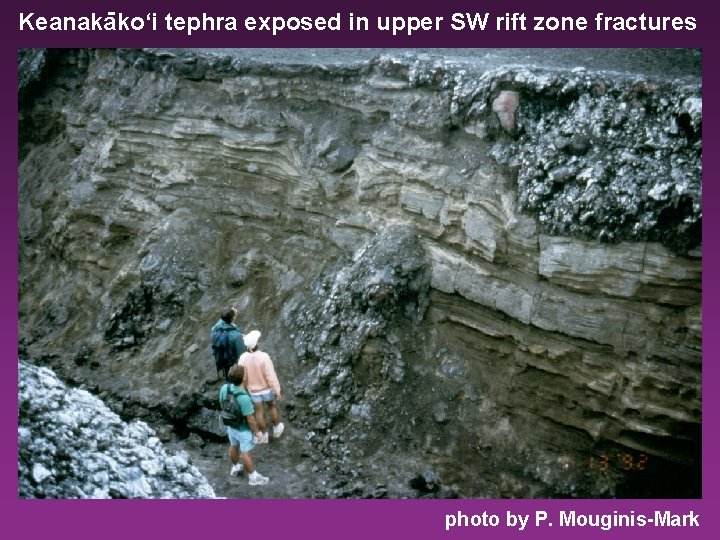
Keanakako‘i tephra exposed in upper SW rift zone fractures photo by P. Mouginis-Mark
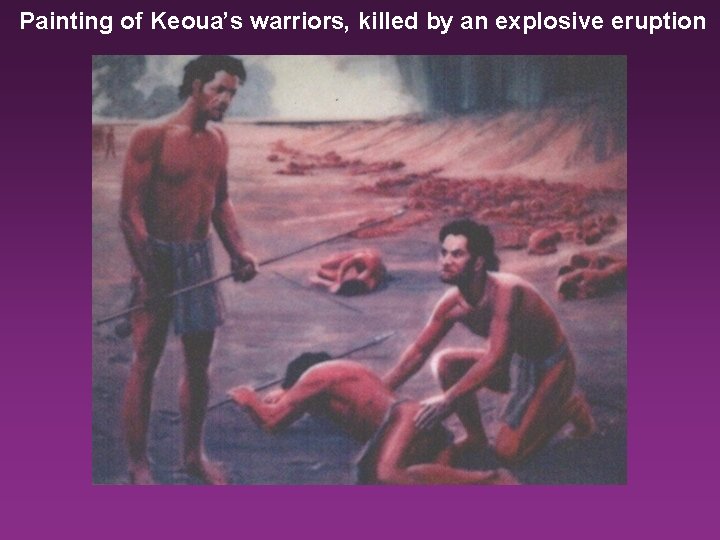
Painting of Keoua’s warriors, killed by an explosive eruption
PAU