
Puritans and Proprietors The Rest of the Original
![Settling the Middle [or “Restoration”] Colonies](https://slidetodoc.com/presentation_image_h2/af227d34b12573ce98a6e6e66257a858/image-5.jpg "Settling the Middle [or “Restoration”] Colonies")

- Slides: 35
Puritans and Proprietors The Rest of the Original 13 Colonies
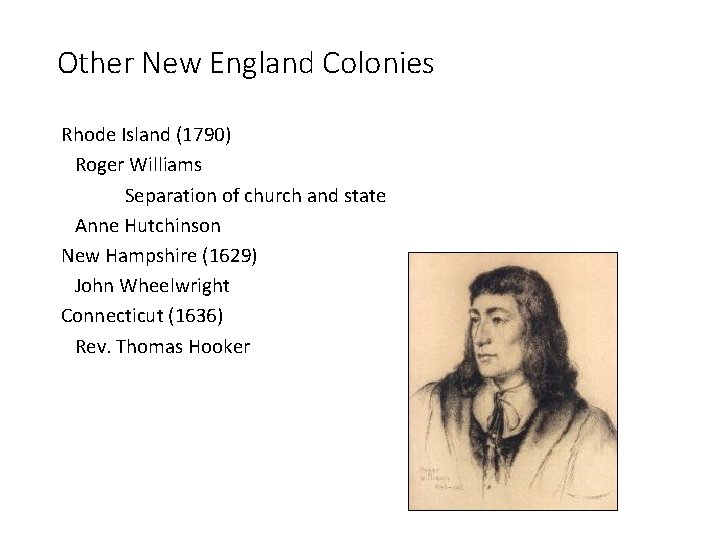
Other New England Colonies Rhode Island (1790) Roger Williams Separation of church and state Anne Hutchinson New Hampshire (1629) John Wheelwright Connecticut (1636) Rev. Thomas Hooker
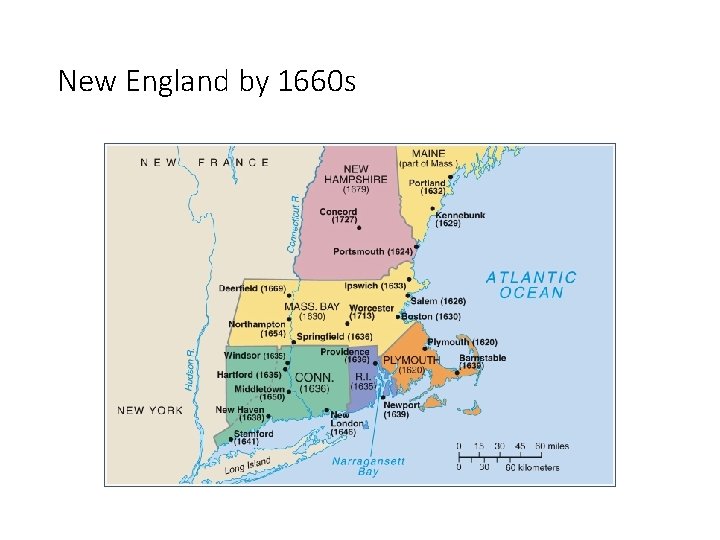
New England by 1660 s
The Middle colonies: New York; New Jersey; Pennsylvania; Delaware
Settling the Middle [or “Restoration”] Colonies
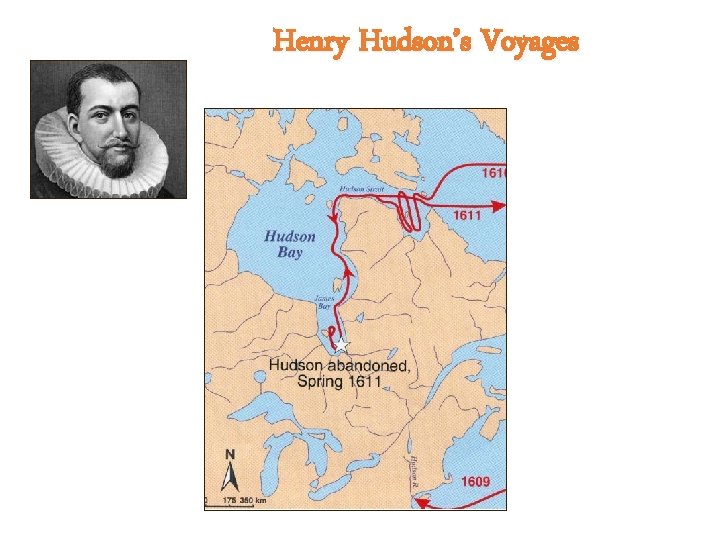
Henry Hudson’s Voyages
The Dutch Colonies New Netherlands Dutch Reformed Church patroonships New Sweden Peter Stuyvesant New York (1664) The Duke of York/AKA…. King James II
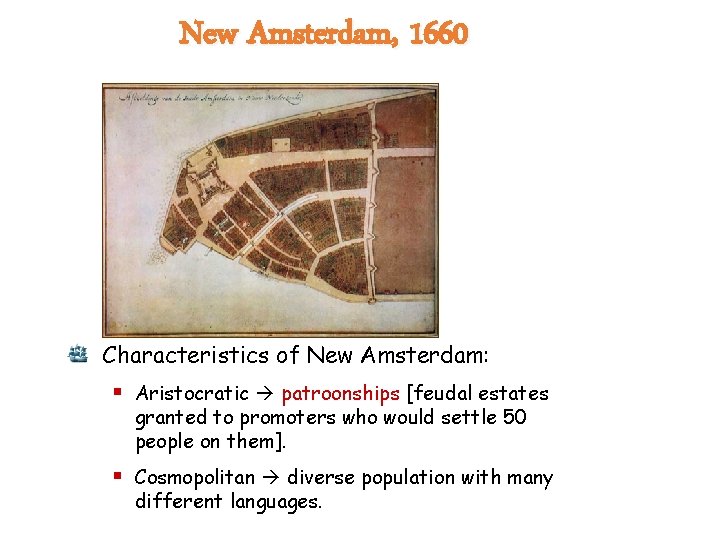
New Amsterdam, 1660 Characteristics of New Amsterdam: § Aristocratic patroonships [feudal estates granted to promoters who would settle 50 people on them]. § Cosmopolitan diverse population with many different languages.
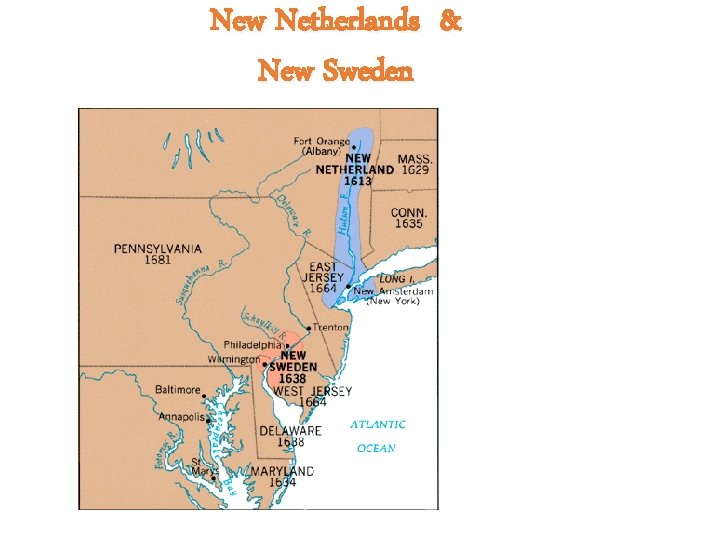
New Netherlands & New Sweden
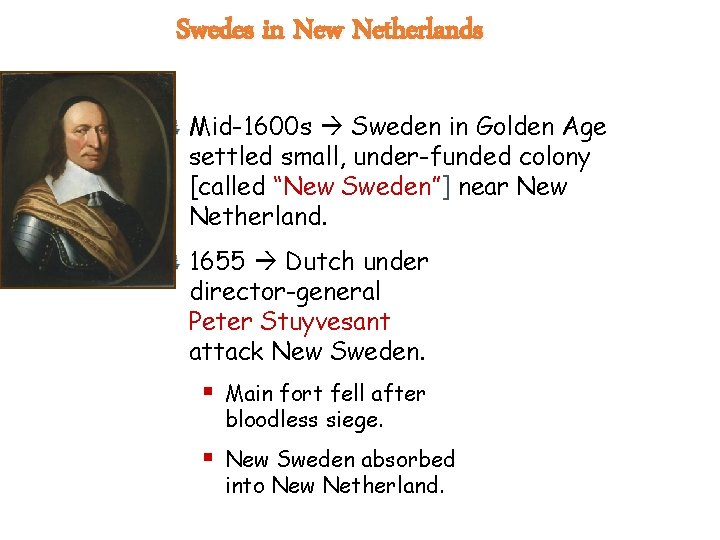
Swedes in New Netherlands Mid-1600 s Sweden in Golden Age settled small, under-funded colony [called “New Sweden”] near New Netherland. 1655 Dutch under director-general Peter Stuyvesant attack New Sweden. § Main fort fell after bloodless siege. § New Sweden absorbed into New Netherland.
New Netherlands Becomes a British Royal Colony Charles II granted New Netherland’s land to his brother, the Duke of York, [before he controlled the area!] 1664 English soldiers arrived. § Dutch had little ammunition and poor defenses. § Stuyvesant forced to surrender without firing a shot. Renamed “New York” § England gained strategic harbor between her northern & southern colonies. § England now controlled the Atlantic coast!
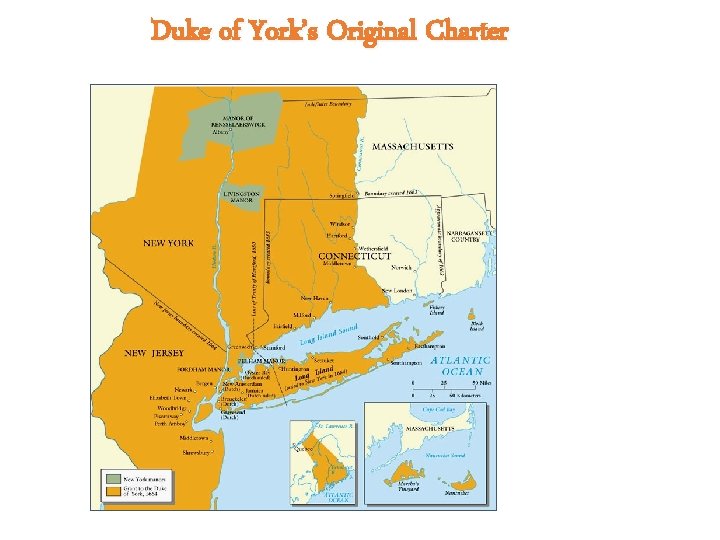
Duke of York’s Original Charter
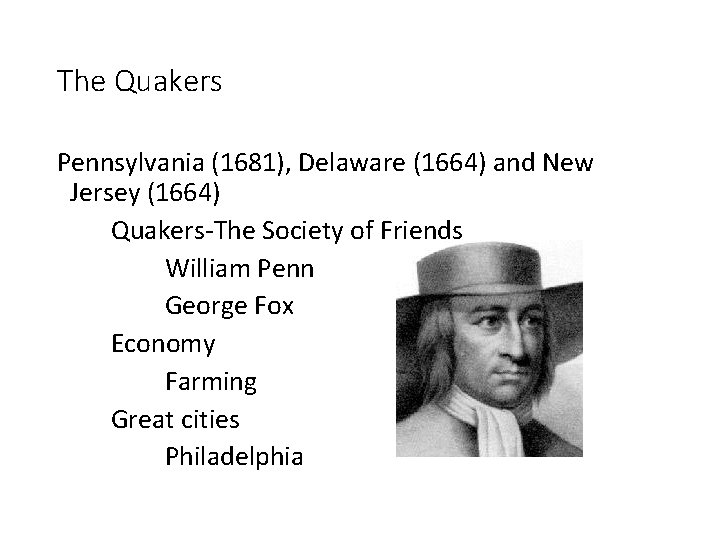
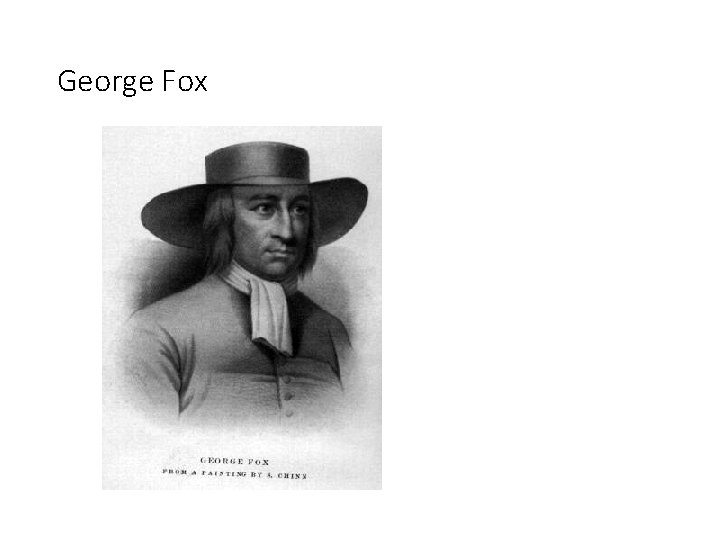
The Quakers Pennsylvania (1681), Delaware (1664) and New Jersey (1664) Quakers-The Society of Friends William Penn George Fox Economy Farming Great cities Philadelphia
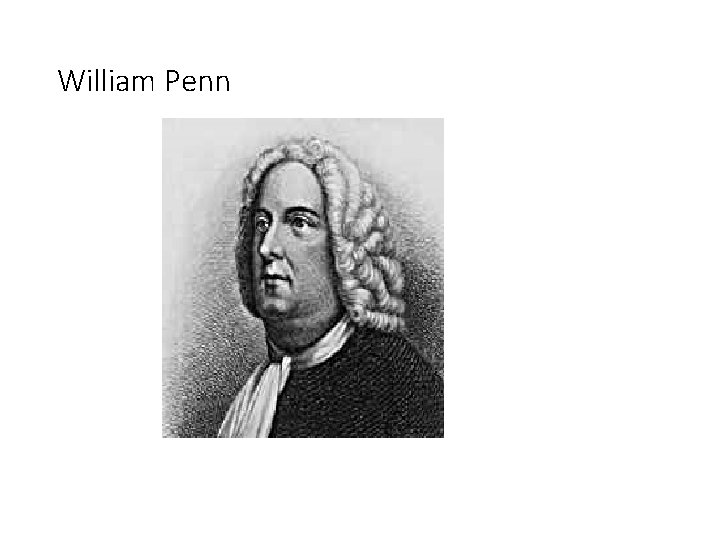
William Penn
The Quakers Called Quakers because they “quaked” during intense religious practices. They offended religious & secular leaders in England. § Refused to pay taxes to support the Church of England. § They met without paid clergy § Believed all were children of God refused to treat the upper classes with deference. Ø Keep hats on. Ø Addressed them as commoners ”thees”/“thous. ” Ø Wouldn’t take oaths. Ø Pacifists.
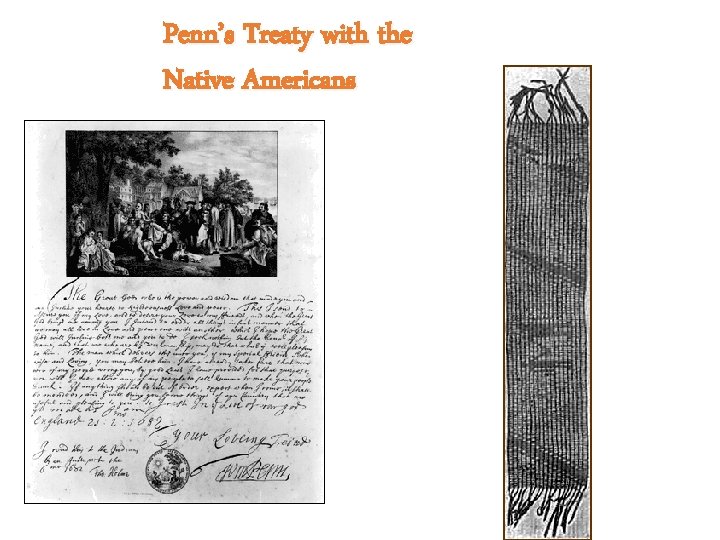
Penn’s Treaty with the Native Americans
The Bundling Board
Pennsylvanian Society Attracted many different people § Religious misfits from other colonies. § Many different ethnic groups. No provision for military defense. No restrictions on immigration. No slavery!! “Blue Laws” [sumptuary laws] against stage plays, cards, dice, excessive hilarity, etc. A society that gave its citizens economic opportunity, civil liberty, & religious freedom!!
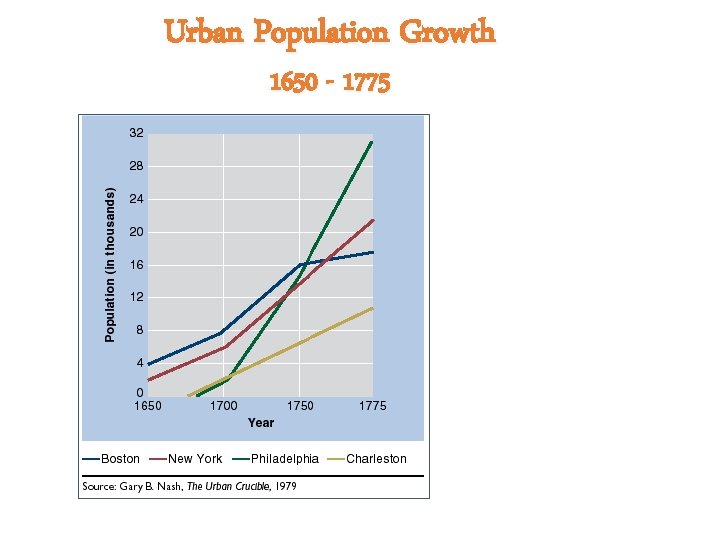
Urban Population Growth 1650 - 1775
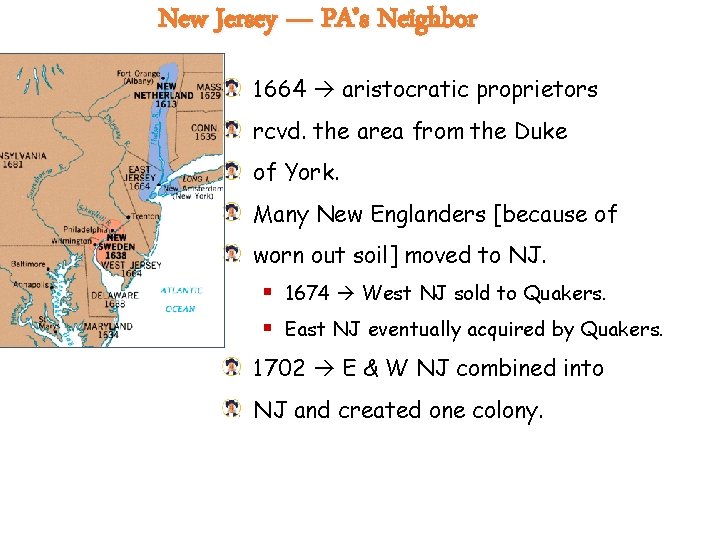
New Jersey — PA’s Neighbor 1664 aristocratic proprietors rcvd. the area from the Duke of York. Many New Englanders [because of worn out soil] moved to NJ. § 1674 West NJ sold to Quakers. § East NJ eventually acquired by Quakers. 1702 E & W NJ combined into NJ and created one colony.
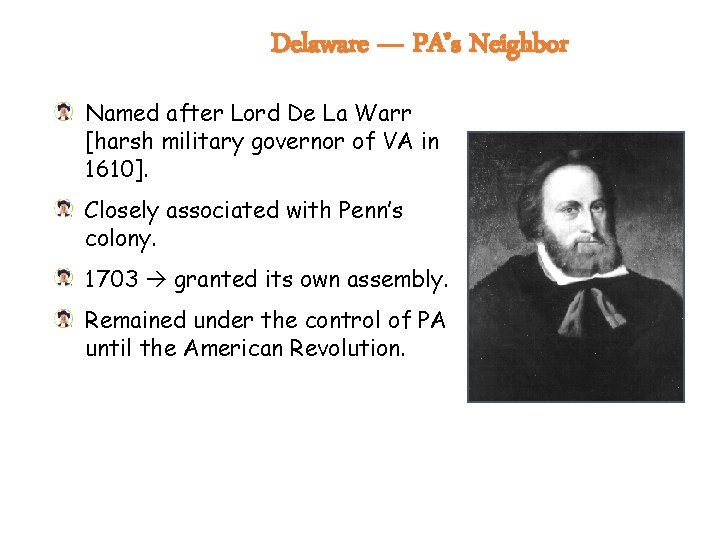
Delaware — PA’s Neighbor Named after Lord De La Warr [harsh military governor of VA in 1610]. Closely associated with Penn’s colony. 1703 granted its own assembly. Remained under the control of PA until the American Revolution.
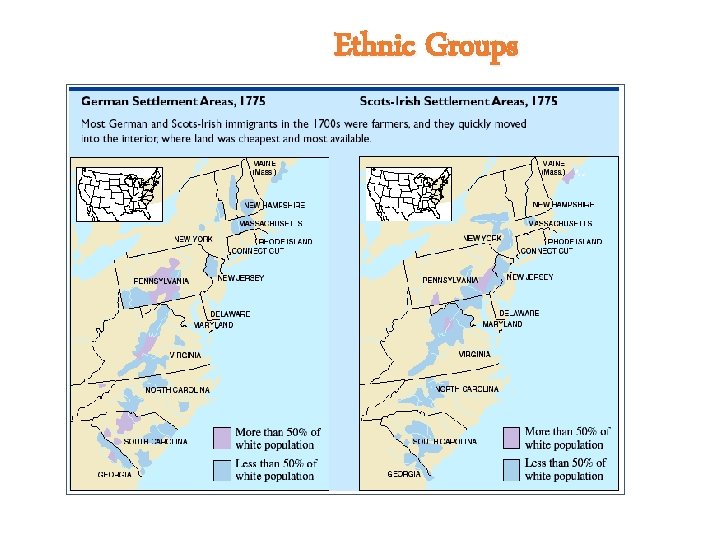
Ethnic Groups
George Fox
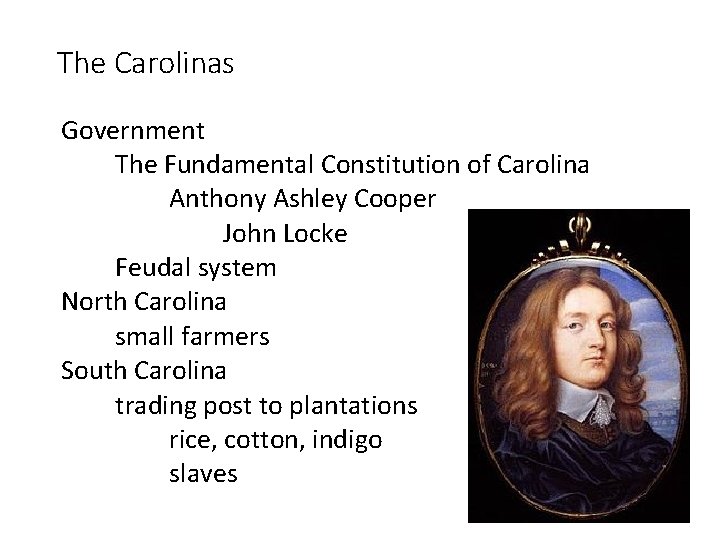
The Carolinas Government The Fundamental Constitution of Carolina Anthony Ashley Cooper John Locke Feudal system North Carolina small farmers South Carolina trading post to plantations rice, cotton, indigo slaves
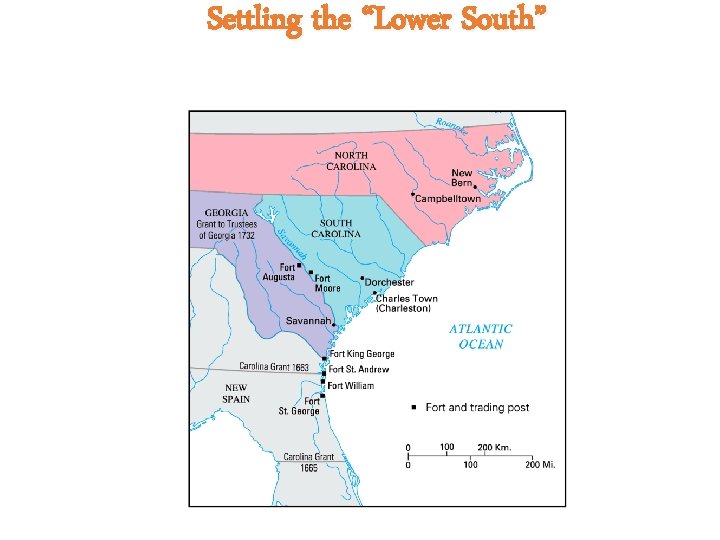
Settling the “Lower South”
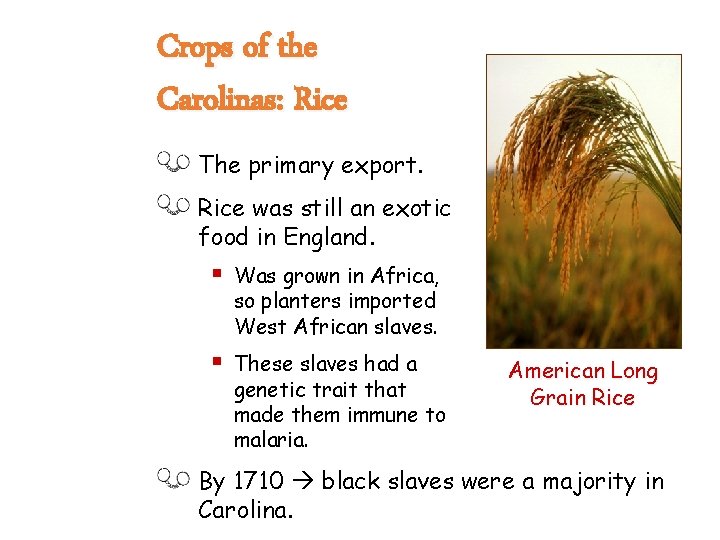
Crops of the Carolinas: Rice The primary export. Rice was still an exotic food in England. § Was grown in Africa, so planters imported West African slaves. § These slaves had a genetic trait that made them immune to malaria. American Long Grain Rice By 1710 black slaves were a majority in Carolina.
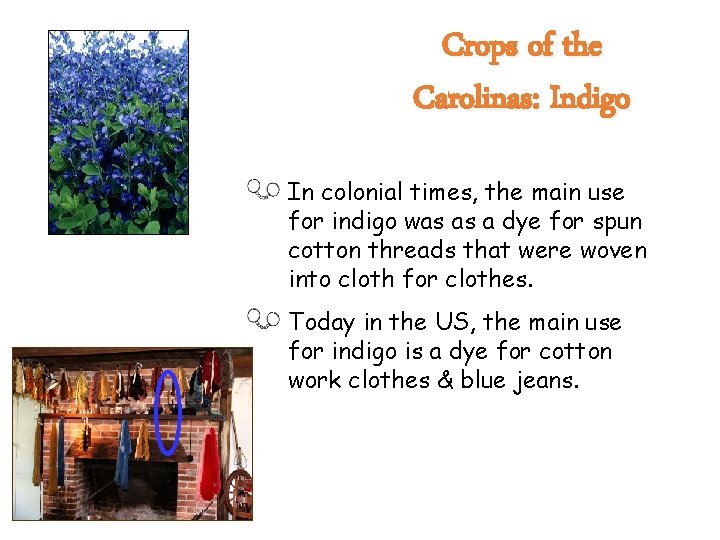
Crops of the Carolinas: Indigo In colonial times, the main use for indigo was as a dye for spun cotton threads that were woven into cloth for clothes. Today in the US, the main use for indigo is a dye for cotton work clothes & blue jeans.
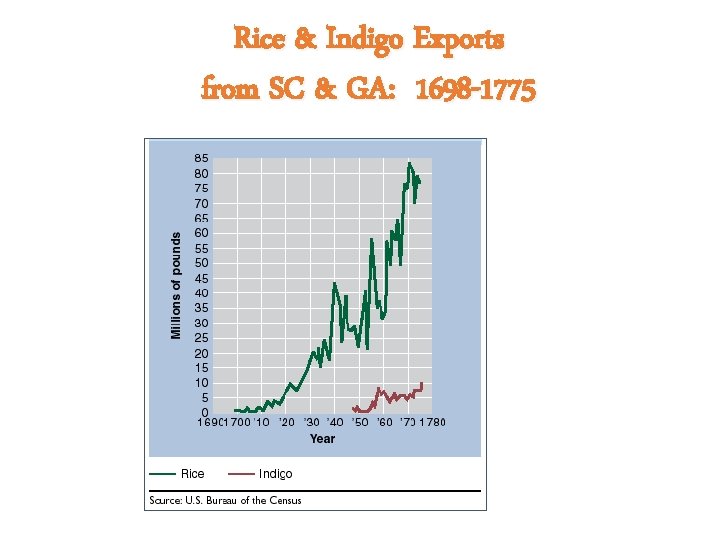
Rice & Indigo Exports from SC & GA: 1698 -1775
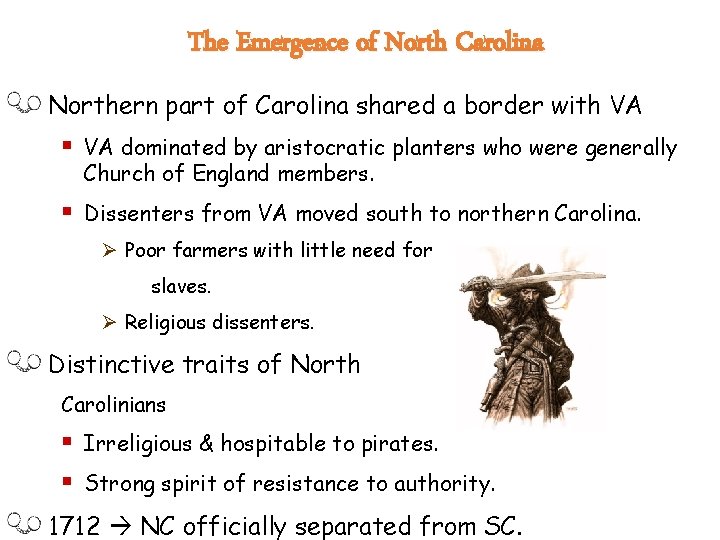
The Emergence of North Carolina Northern part of Carolina shared a border with VA § VA dominated by aristocratic planters who were generally Church of England members. § Dissenters from VA moved south to northern Carolina. Ø Poor farmers with little need for slaves. Ø Religious dissenters. Distinctive traits of North Carolinians § Irreligious & hospitable to pirates. § Strong spirit of resistance to authority. 1712 NC officially separated from SC.
Maryland • The Lords Baltimore • Lord George and Lord Cecil Calvert • A Catholic Haven • Act of Toleration • Climate ripe for plantations
Georgia Buffer state Col. James Oglethorpe Debtors colony
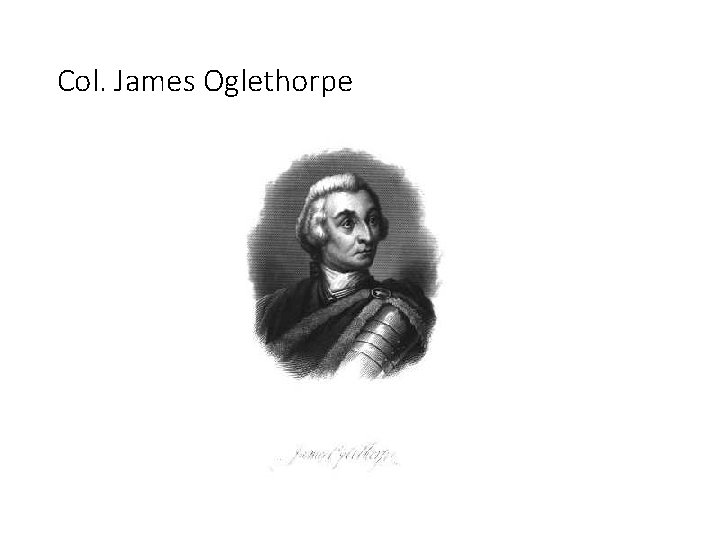
Col. James Oglethorpe
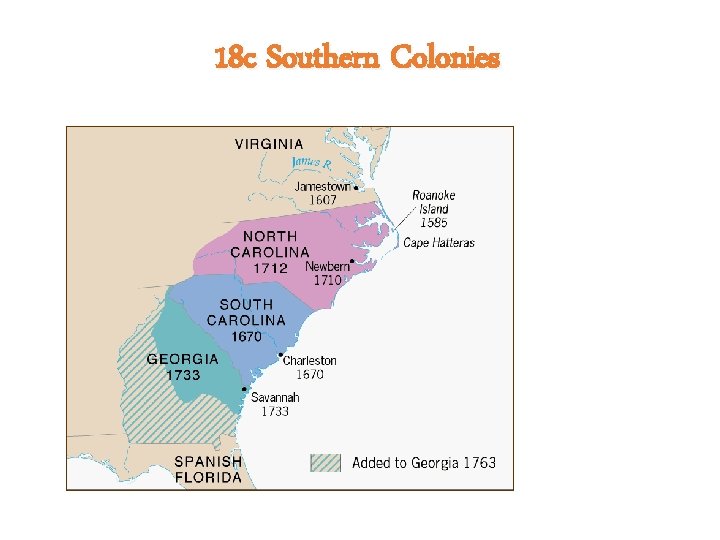
18 c Southern Colonies
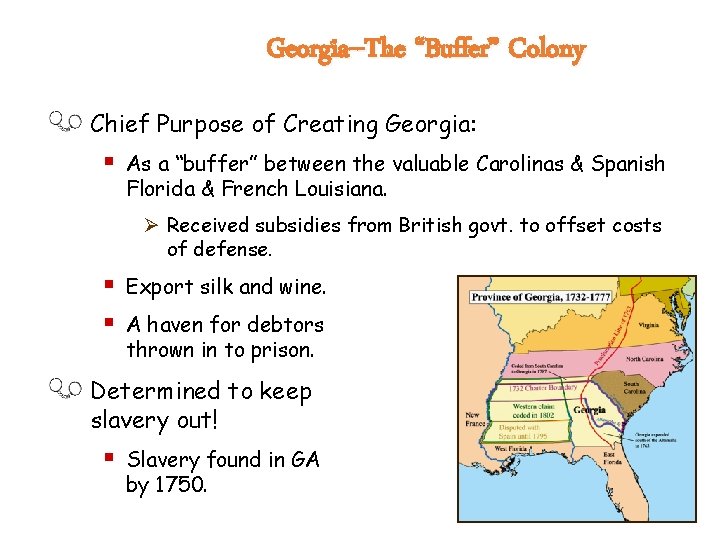
Georgia--The “Buffer” Colony Chief Purpose of Creating Georgia: § As a “buffer” between the valuable Carolinas & Spanish Florida & French Louisiana. Ø Received subsidies from British govt. to offset costs of defense. § Export silk and wine. § A haven for debtors thrown in to prison. Determined to keep slavery out! § Slavery found in GA by 1750.
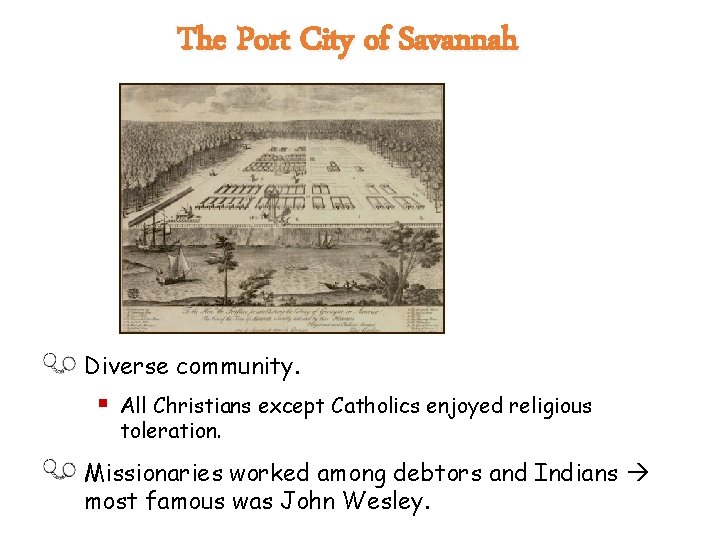
The Port City of Savannah Diverse community. § All Christians except Catholics enjoyed religious toleration. Missionaries worked among debtors and Indians most famous was John Wesley.