
Pulsar Scintillation Arcs and the ISM Dan Stinebring
Pulsar Scintillation Arcs and the ISM Dan Stinebring Oberlin College Scattering and Scintillation In Radioastronomy Pushchino 19– 23 June 2006
Collaborators • • • Bill Coles Jim Cordes Barney Rickett Volodya Shishov Tania Smirnova and many Oberlin College students
Motivations • Interstellar inhomogeneity spectrum – Single-dish “imaging” of the ISM on AU size scales on a continuing basis – Imaging the pulsar magnetosphere? • Improving high-precision pulsar timing – Reducing the effects of scattering

0834+06 with ACF
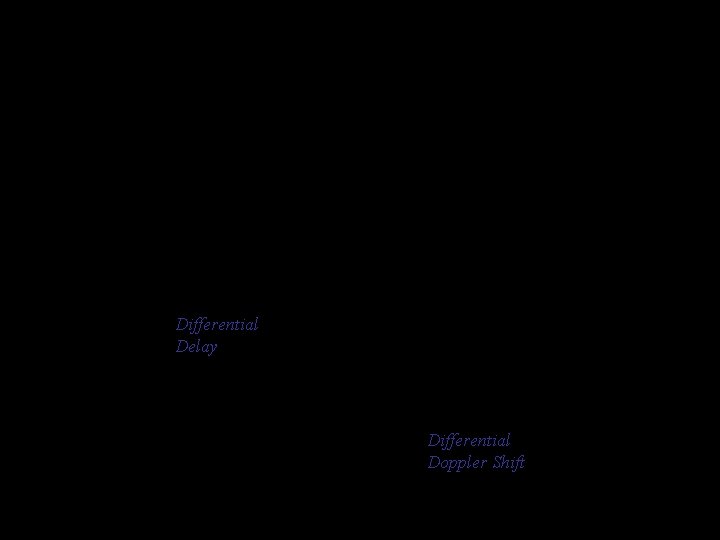
0834+06 with Secondary Differential Delay Differential Doppler Shift

Some Examples
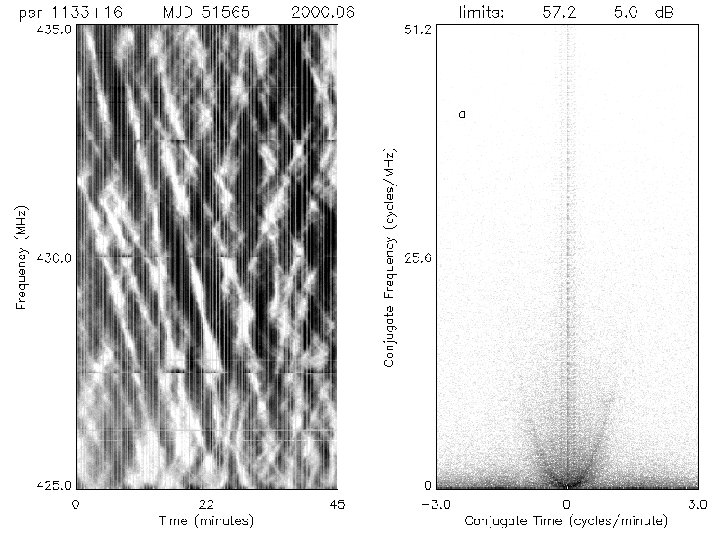
Normal arc 1133+16
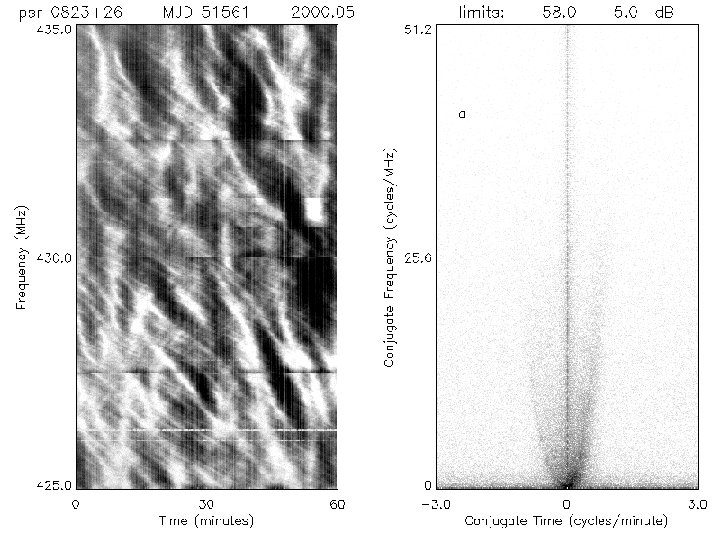
Normal arc 0823+26
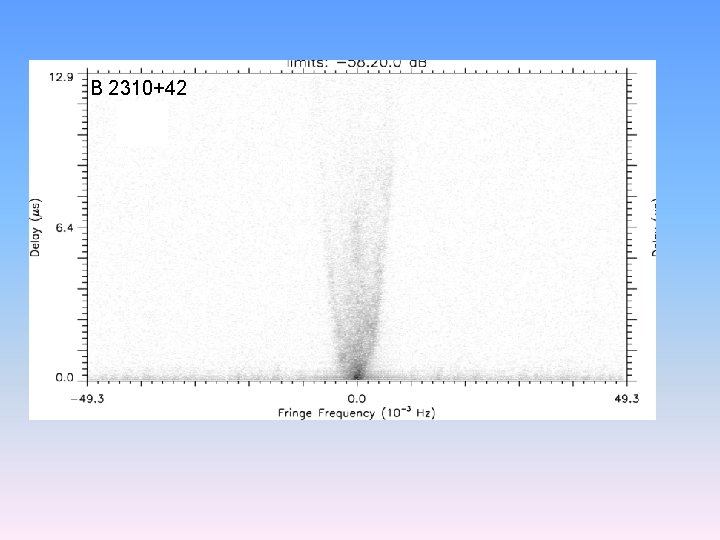
B 2310+42
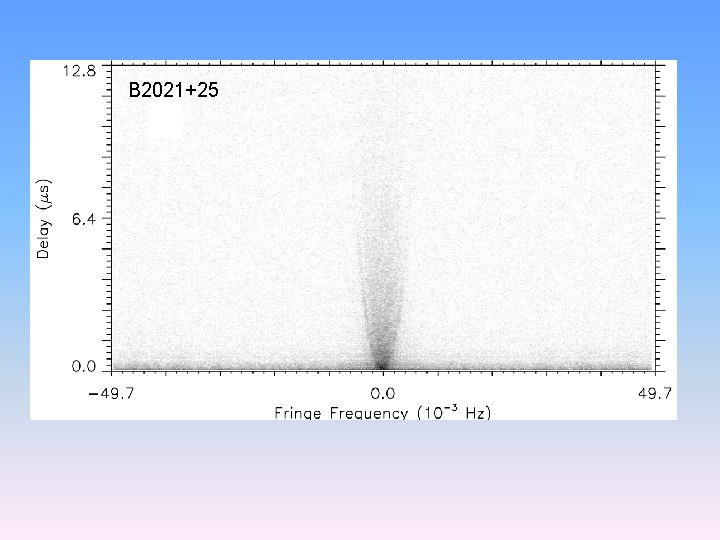
B 2021+25
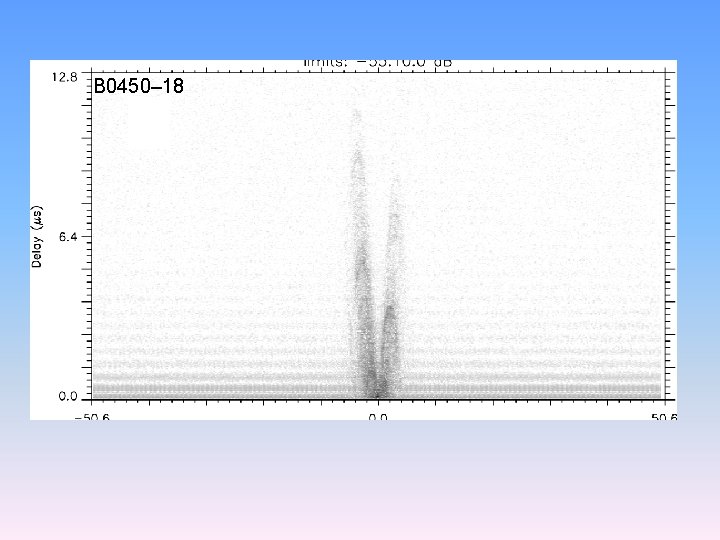
B 2021+25 B 0450– 18

B 1540– 06 340 MHz

B 1508+55
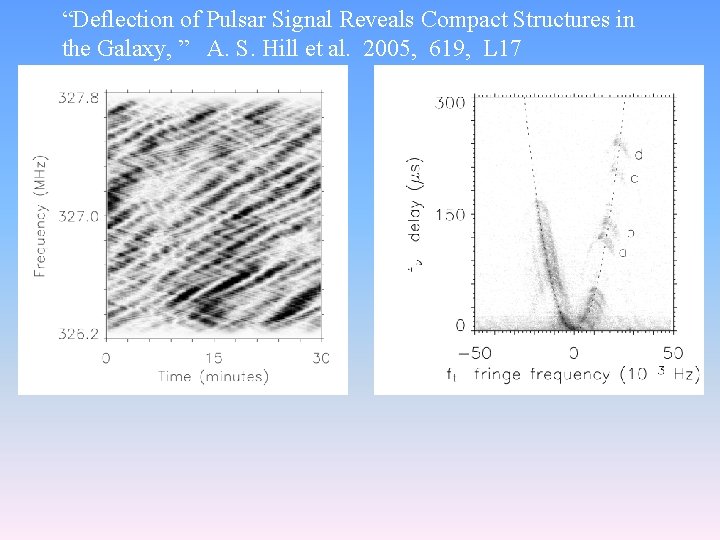
“Deflection of Pulsar Signal Reveals Compact Structures in the Galaxy, ” A. S. Hill et al. 2005, 619, L 17
Key Points • 1) scintillation arcs are detectable toward most bright pulsars • 2) they provide single-dish snapshots of the 2 d distribution of scattering material (fov ~ 40 mas; ~ 4 mas) • 3) they scan the sky at the large proper motion rate of most pulsars

Schematic Explanation
Coherent radiation scatters off electron inhomogeneities
Multi-path interference causes a random diffraction pattern
Relative transverse velocities produce a dynamic spectrum time
Scattering in a thin screen plus a simple core/halo model can explain the basics of scintillation arcs
Hierarchy of Power Levels • Core-core Near origin of SS • Core-halo Holographic Imaging Main scintillation arc features • Halo-halo Too weak to detect

A Gaussian psf will NOT work: No halo. How to produce a “core/halo” psf? Kolmogorov vs. Gaussian PSF

It produces a psf with broad wings Kolmogorov turbulence DOES work Kolmogorov vs. Gaussian PSF

More Details …
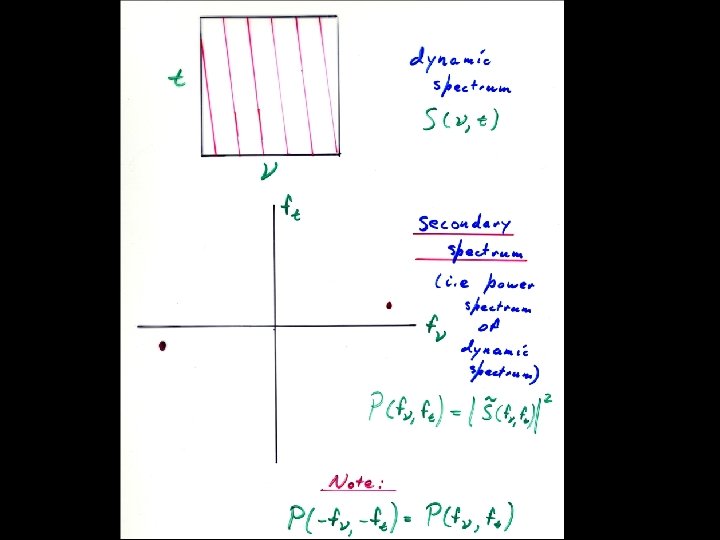
Secondary spectrum basics
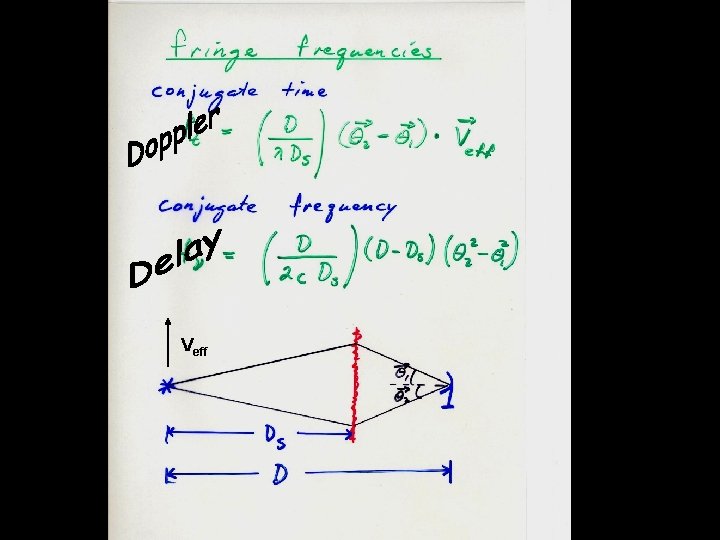
Fringe frequencies Veff
Fringe frequencies Veff Ds D
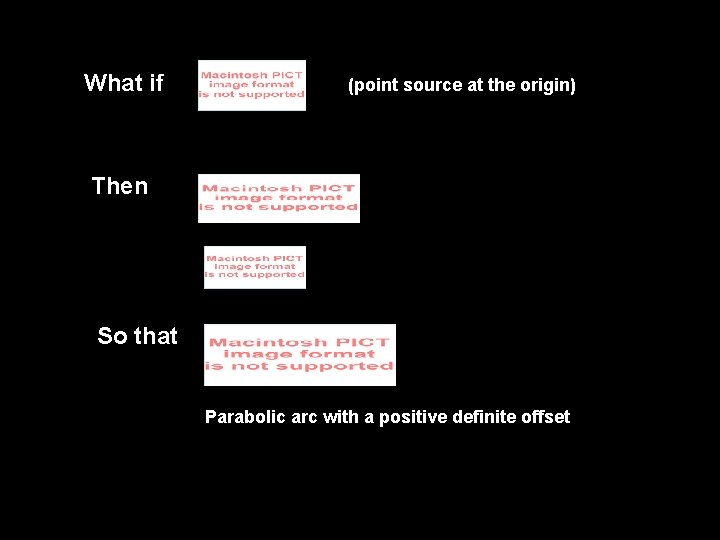
What if Fringe frequencies (point source at the origin) Then So that Veff Parabolic arc with a positive definite offset
Fringe frequencies Curvature of the Parabola Veff
Curvature spectrum of the parabola Secondary basics Measure D, l, V known Determine screen location
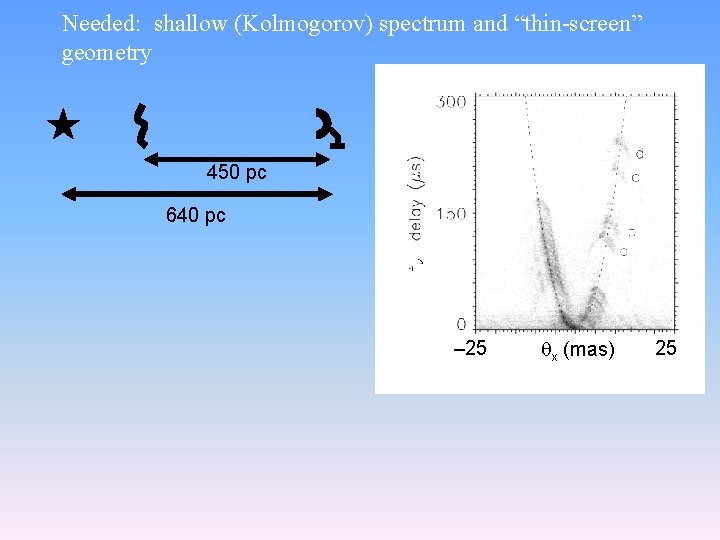
Needed: shallow (Kolmogorov) spectrum and “thin-screen” geometry 450 pc 640 pc – 25 x (mas) 25

Multiple Screens
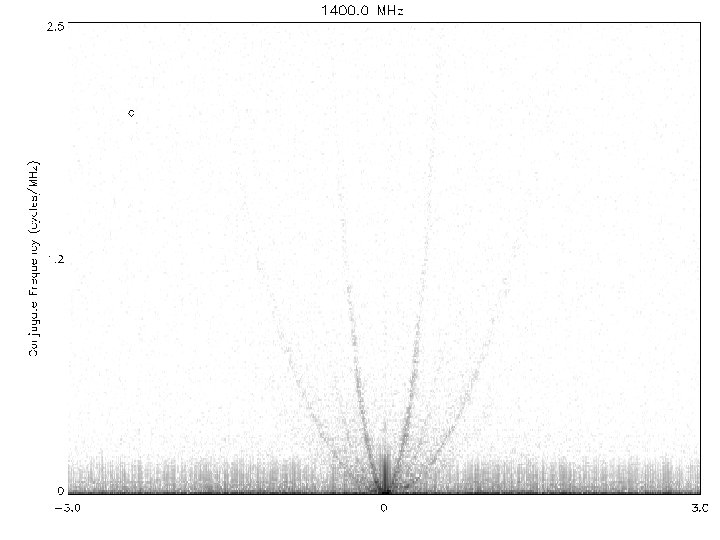
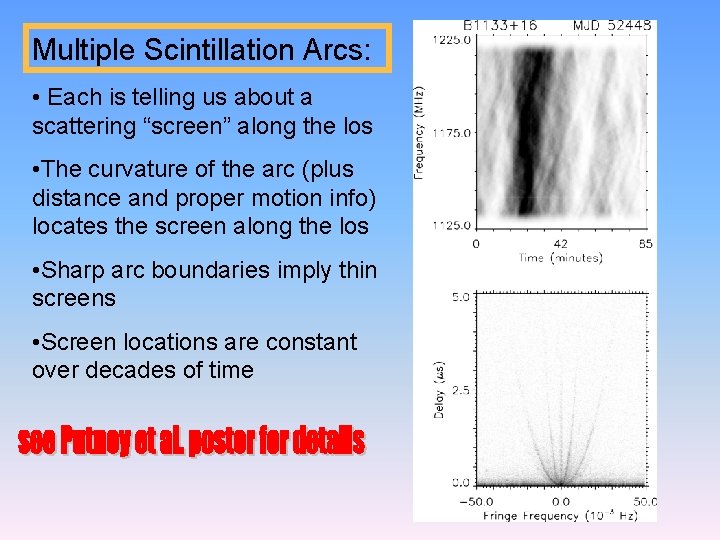
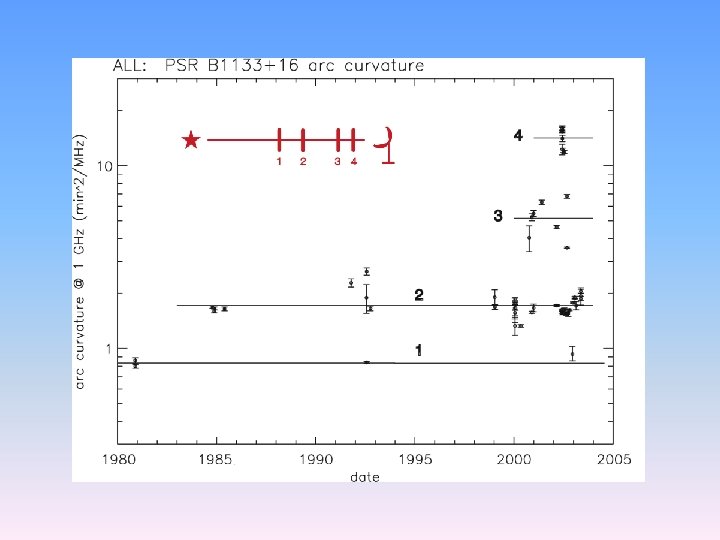
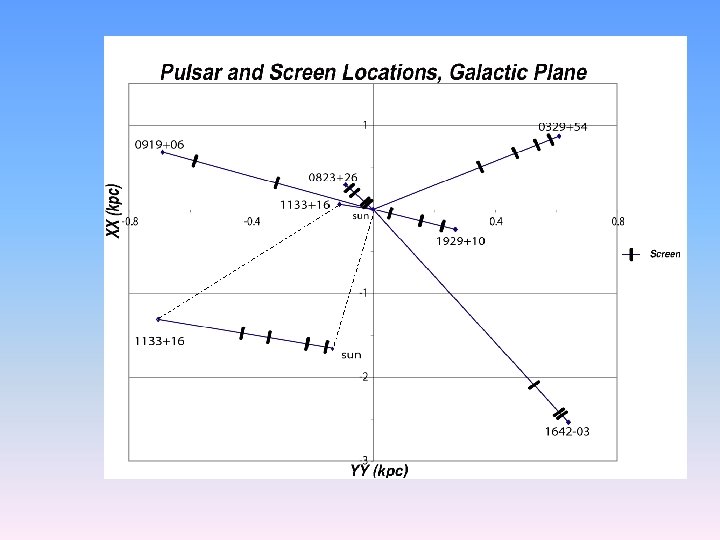
Multiple Scintillation Arcs: • Each is telling us about a scattering “screen” along the los • The curvature of the arc (plus distance and proper motion info) locates the screen along the los • Sharp arc boundaries imply thin screens • Screen locations are constant over decades of time

Sharpness of Arcs
Effective Velocity Cordes and Rickett 1998, Ap. J, 507, 846
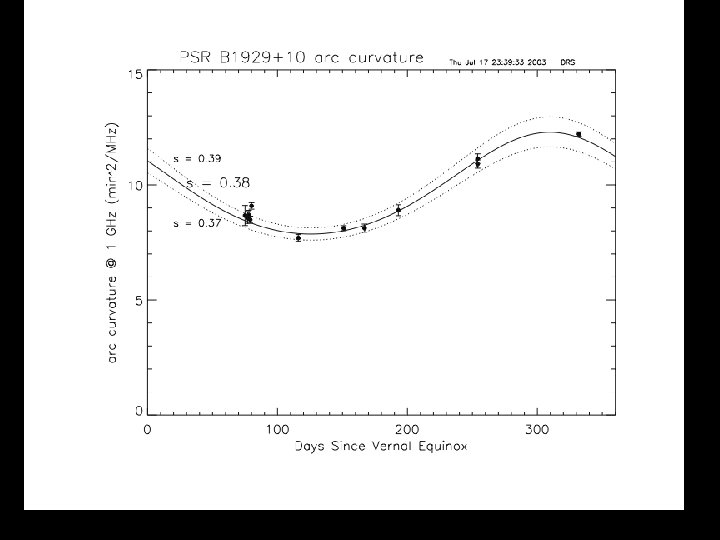
1929+10 velocity plot
Scanning the Sky …
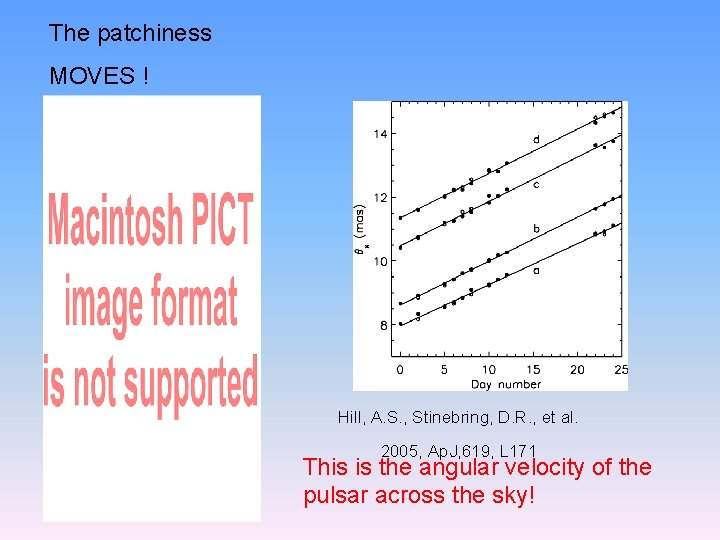
The patchiness MOVES ! Hill, A. S. , Stinebring, D. R. , et al. 2005, Ap. J, 619, L 171 This is the angular velocity of the pulsar across the sky!
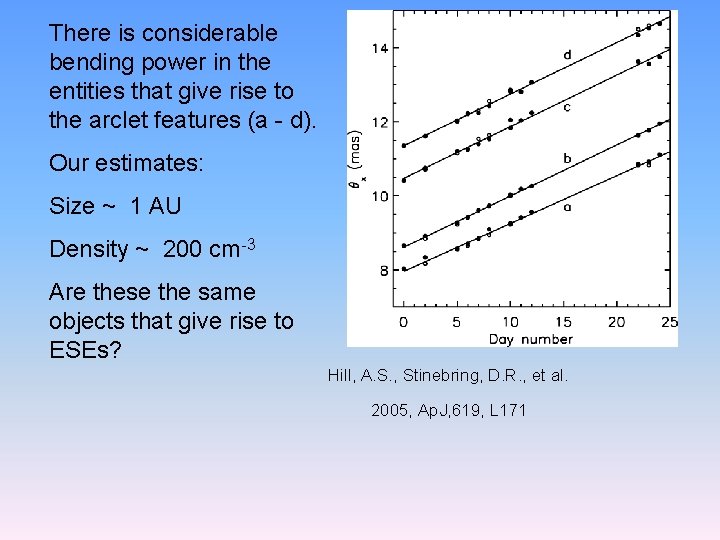
There is considerable bending power in the entities that give rise to the arclet features (a - d). Our estimates: Size ~ 1 AU Density ~ 200 cm-3 Are these the same objects that give rise to ESEs? Hill, A. S. , Stinebring, D. R. , et al. 2005, Ap. J, 619, L 171

Holographic Imaging (very early stages)
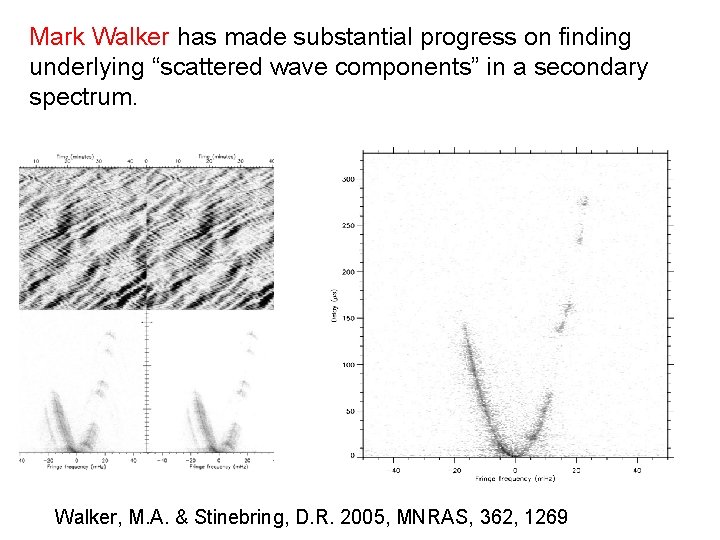
Mark Walker has made substantial progress on finding underlying “scattered wave components” in a secondary spectrum. Walker, M. A. & Stinebring, D. R. 2005, MNRAS, 362, 1269
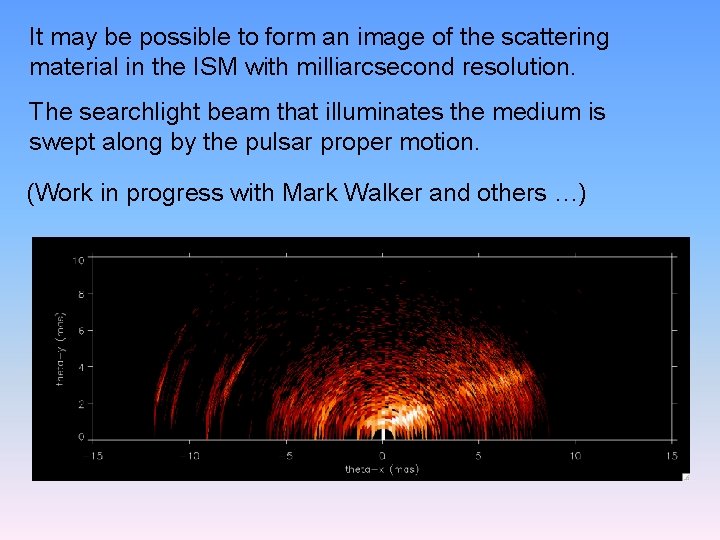
It may be possible to form an image of the scattering material in the ISM with milliarcsecond resolution. The searchlight beam that illuminates the medium is swept along by the pulsar proper motion. (Work in progress with Mark Walker and others …)
Summary Comments • There are many opportunities for focused observational projects • Early stage of interpretation of results: many fundamental puzzles remain! • Larger more sensitive telescopes will provide breakthroughs!
Some references Observation • Stinebring et al. 2001, Ap. J, 549, L 97 • Hill et al. 2003, Ap. J, 599, 457 • Hill et al. 2005, Ap. J, 619, L 17 Theory • Walker et al. 2004, MNRAS, 354, 43 • Cordes et al. 2006, Ap. J, 637, 346 • Walker & Stinebring 2005, MNRAS, 362, 1279
- Slides: 47