
Pulmonary circulation and Pulmonary capillary dynamic Dr Arwa


- Slides: 23
Pulmonary circulation and Pulmonary capillary dynamic Dr. Arwa Rawashdeh
Pulmonary Vascular Resistance (PVR)
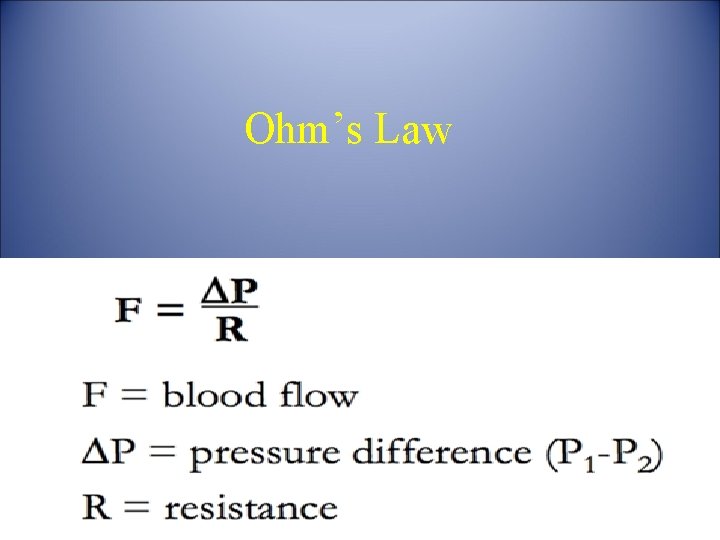
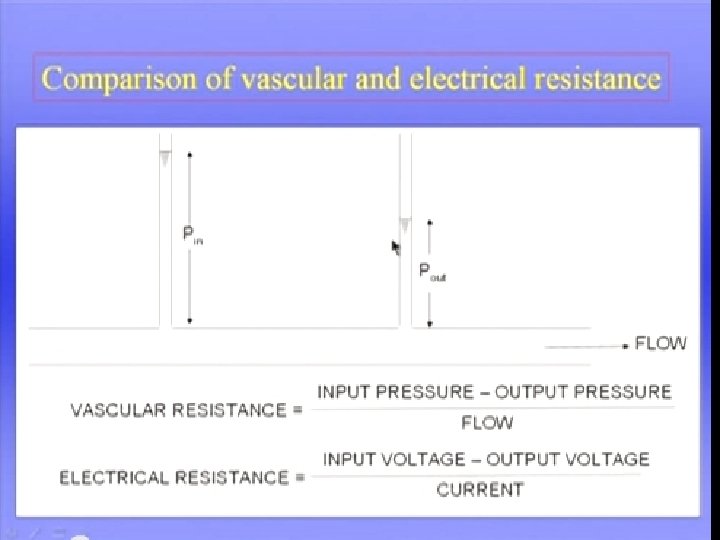
Ohm’s Law
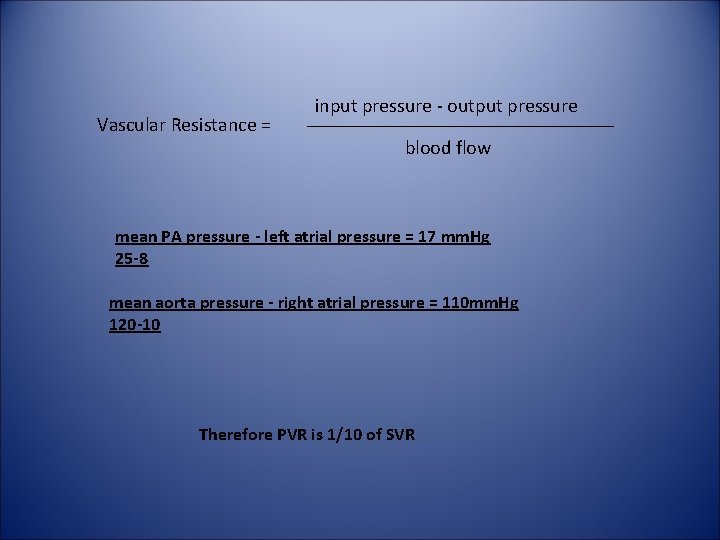
Vascular Resistance = input pressure - output pressure blood flow mean PA pressure - left atrial pressure = 17 mm. Hg 25 -8 mean aorta pressure - right atrial pressure = 110 mm. Hg 120 -10 Therefore PVR is 1/10 of SVR
Factors affect Pulmonary Vascular Resistance (PVR)
1. Pulmonary Vasculature
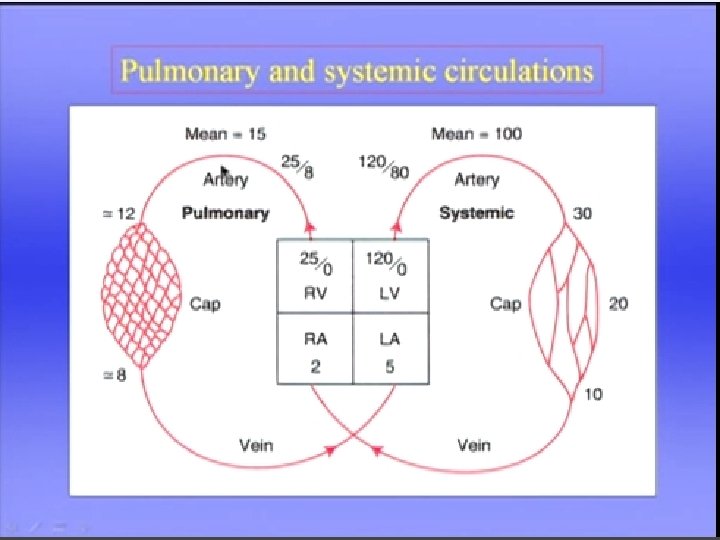
Pulmonary circulation 1. The vascular system of the body consists of separate pulmonary and systemic circulations operating in series. Each circulation receives its blood from the other; each has its own reservoir, pump, and set of vessels. 2. The right ventricle receives mixed venous blood through the tricuspid valve from its reservoir, the right atrium, and pumps it through the pulmonic valve, which marks the beginning of the pulmonary circulation. 3. This relatively deoxygenated blood flows through pulmonary arteries and arterioles to an immense alveolar capillary bed where it is reoxygenated.
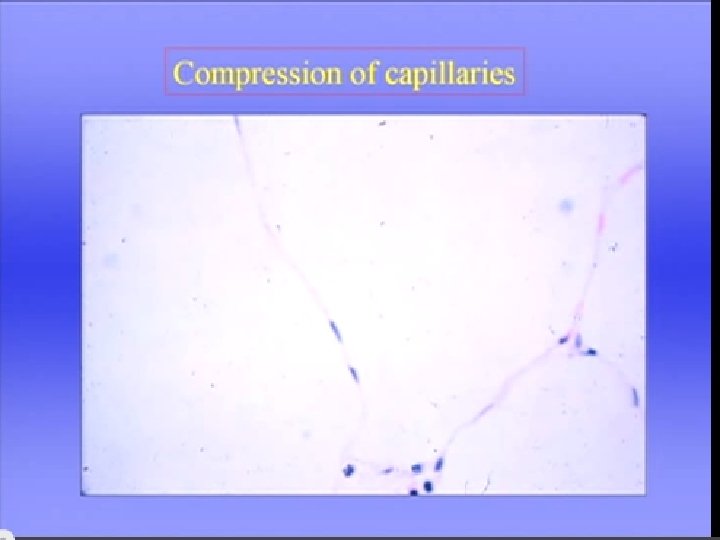
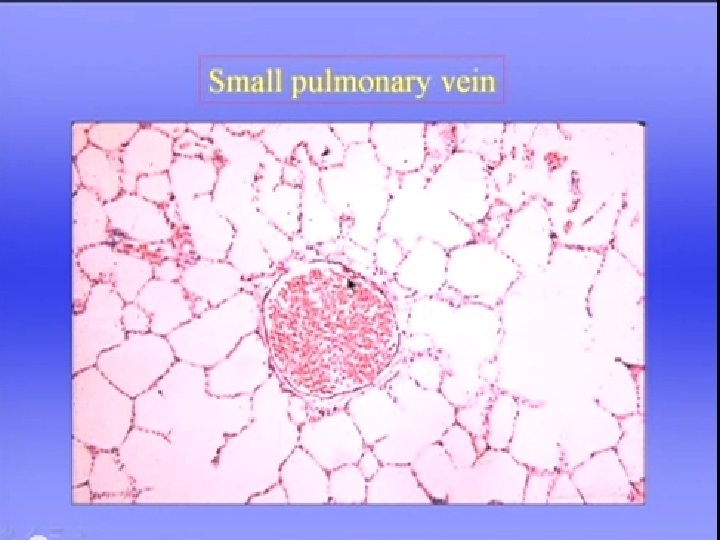
Pulmonary circulation compared to systemic one 1. The total cardiac output is simultaneously pumped through both circulations each minute. Right and left ventricular outputs must be essentially equal over time. 2. The pulmonary arteries and arterioles have much thinner walls and less smooth muscle than systemic arteries and arterioles. Therefore, pulmonary arterioles cannot constrict as effectively as systemic arterioles. 3. Pulmonary veins and venules also have sparse smooth muscle, differing little in structure from pulmonary arteries and arterioles. 4. Pulmonary arteries generally follow a course parallel with bronchi, whereas pulmonary veins leave the lung through different routes. Without this anatomical difference, distinguishing pulmonary arteries from veins on a chest x-ray image would be difficult because of their structural similarities. 5. Pulmonary capillaries also differ significantly from systemic capillaries; , pulmonary capillary blood flows in thin sheets, as opposed to the distinctly tubular flow in systemic capillaries.
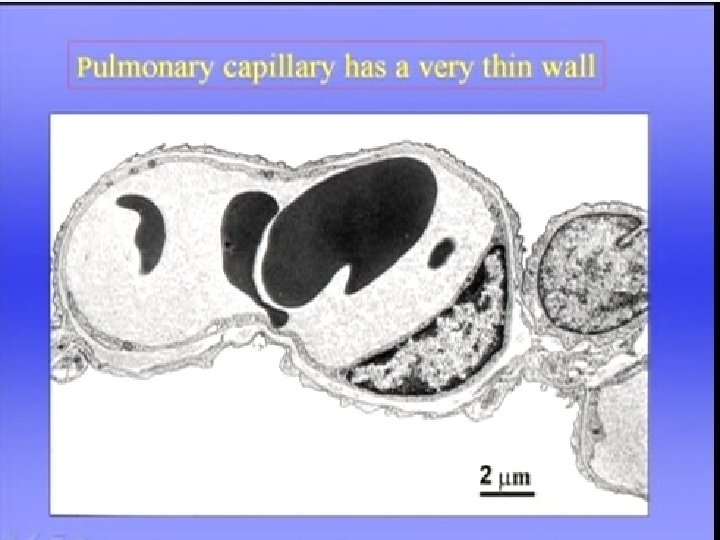
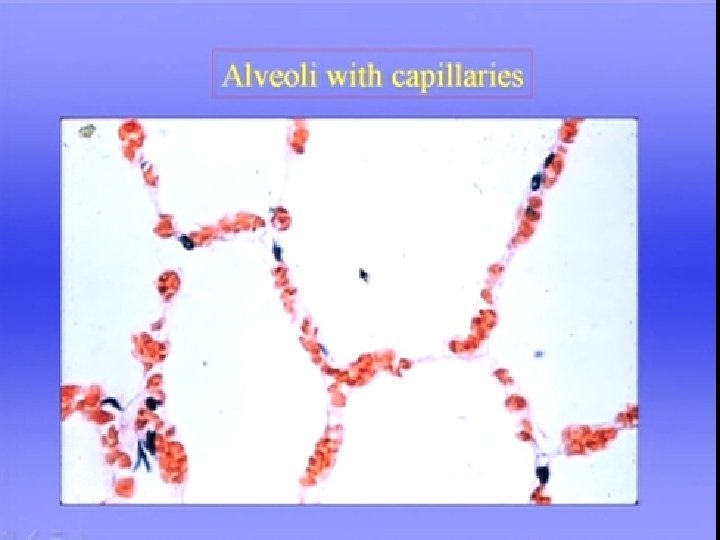
6. The capillary bed consists of extremely short, interconnected segments spreading 75 to 100 m. L of blood over a 70 -m 2 area, or about half the size of a tennis court. 7. the capillary bed as two sheets of endothelium held apart in places by posts, similar to an underground parking garage. Rather than flowing through numerous individual tubes (as in systemic capillaries), 8. pulmonary blood flows more like a sheet over the alveoli, maximizing its exposure to alveolar gases. This structural arrangement shortens the distance for oxygen and carbon dioxide diffusion between air and blood to one tenth of the diffusion distance that exists between systemic capillaries and tissue cells. 9. The thin walls of pulmonary vessels and vast area of the capillary bed make the pulmonary vasculature highly distensible compared with the systemic vasculature 10. The highly expandable pulmonary vascular bed serves as a backup reservoir that shields the left atrium from sudden changes in right ventricular output. If venous return to the right ventricle increases suddenly, as would occur during sudden strenuous exercise, left ventricular filling pressure increases gradually over two or three cardiac cycles rather than increasing abruptly.
2. Pulmonary Blood Pressures
EXPLANING WHY? ? ?
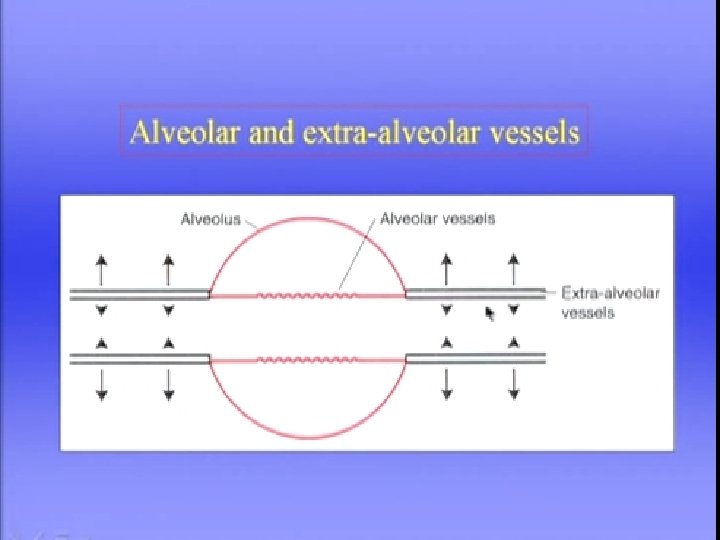
3. Lung volume
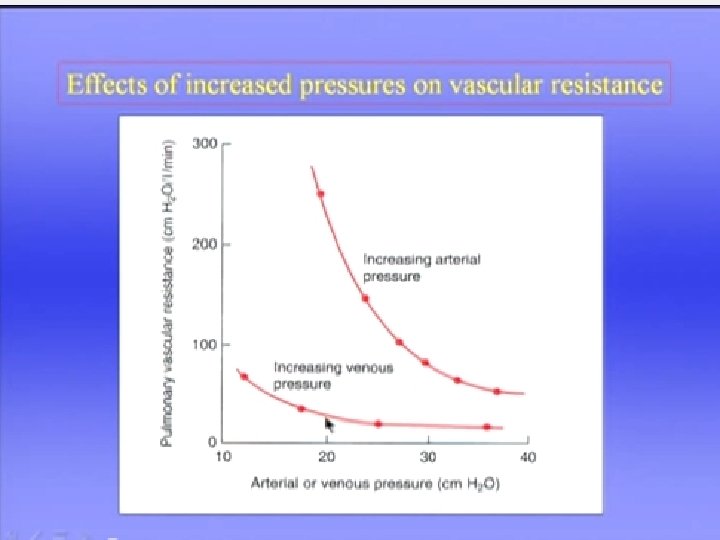
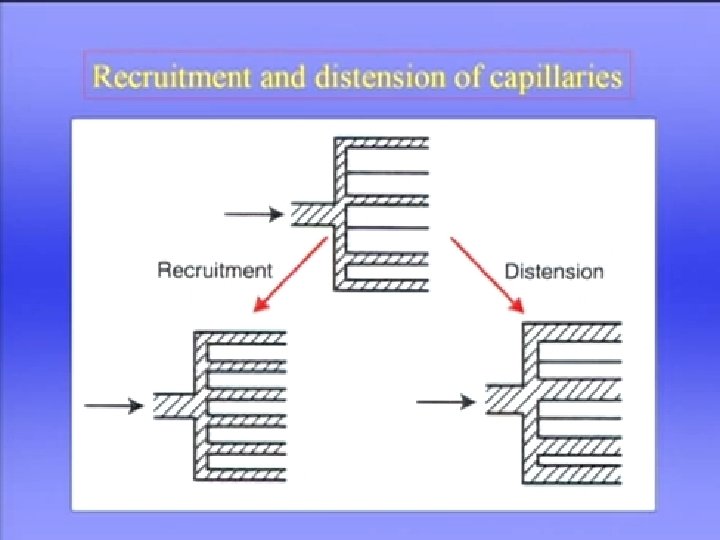
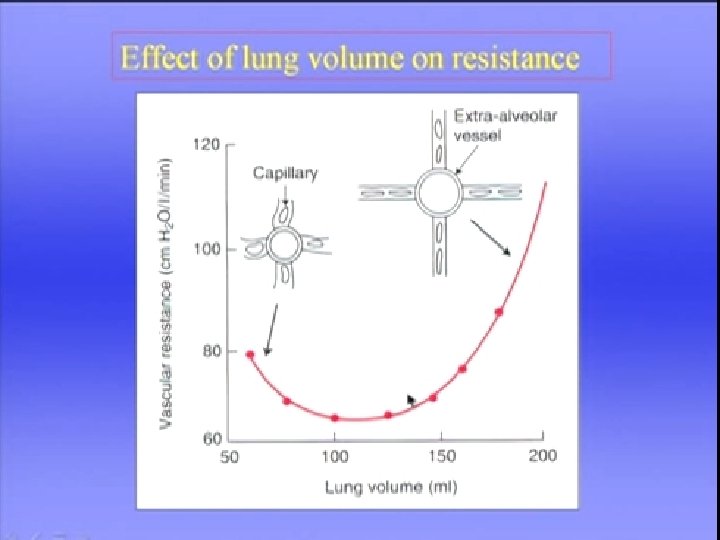
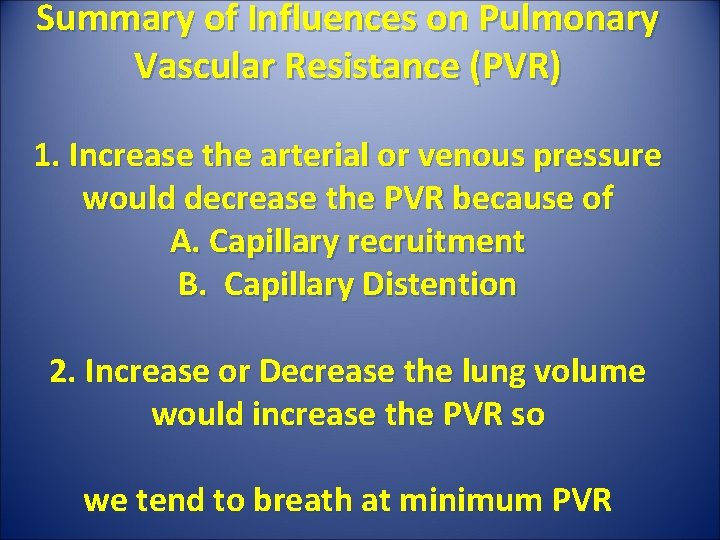
Summary of Influences on Pulmonary Vascular Resistance (PVR) 1. Increase the arterial or venous pressure would decrease the PVR because of A. Capillary recruitment B. Capillary Distention 2. Increase or Decrease the lung volume would increase the PVR so we tend to breath at minimum PVR