
Puerperium puerperium Puerperium Is period during which the



- Slides: 60
Puerperium
puerperium Puerperium : Is period during which the reproductive organs and all the system of the body returns to their normal condition following the delivery of the placenta and o Ends approximately 6 weeks
puerperium When the endocrine influences of the placenta removed the physiological changes of pregnancy is reversed
Puerperium Maternal physiology is well prepared for hemorrhage: v increase in blood volume. v hypercoagulable state. v the “tourniquet” effect of uterine contractions.
MECHANISM OF HAEMOSTASIS AFTER DELEVERY • Uterine contraction & retraction • Platelet aggregation clot formation
The Principal Changes 1) Uterine Involution :
The principal changes
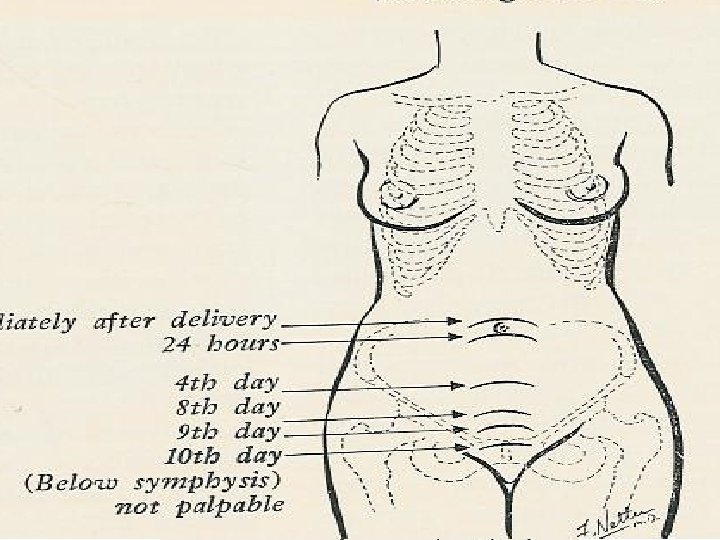
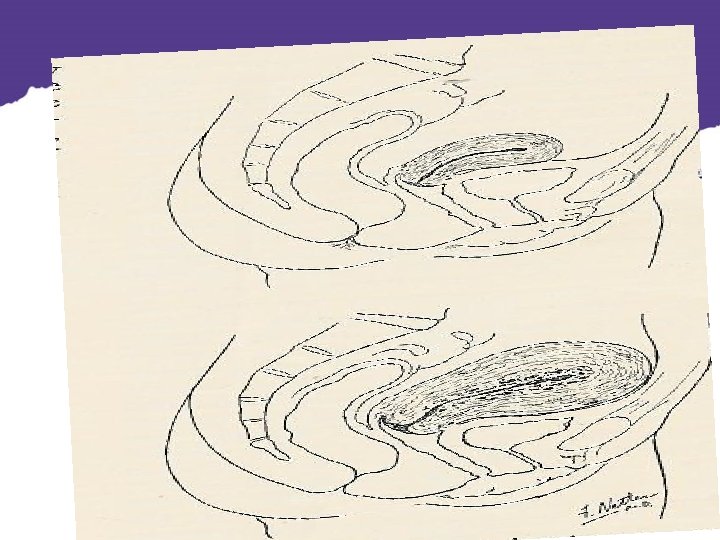
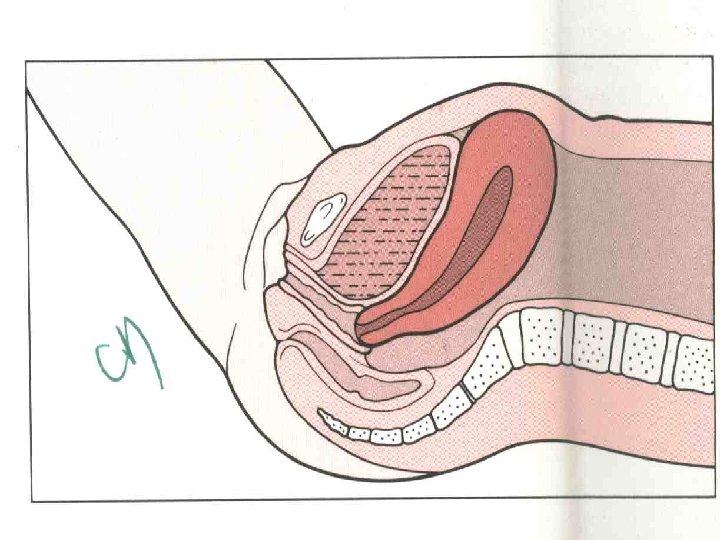
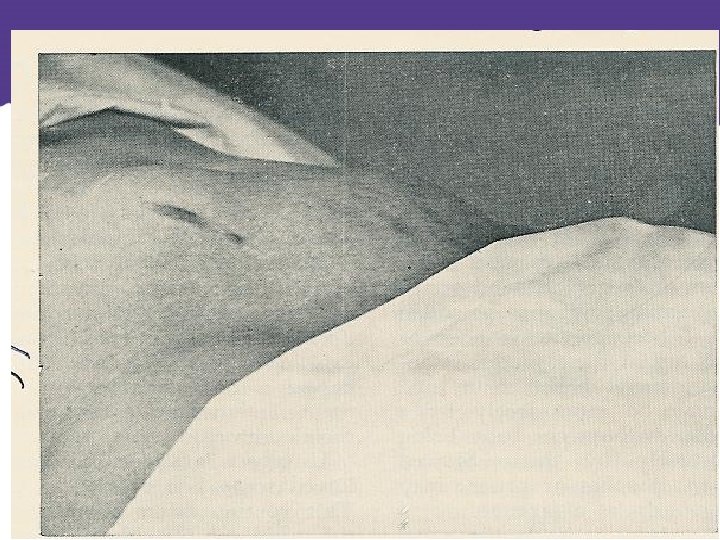
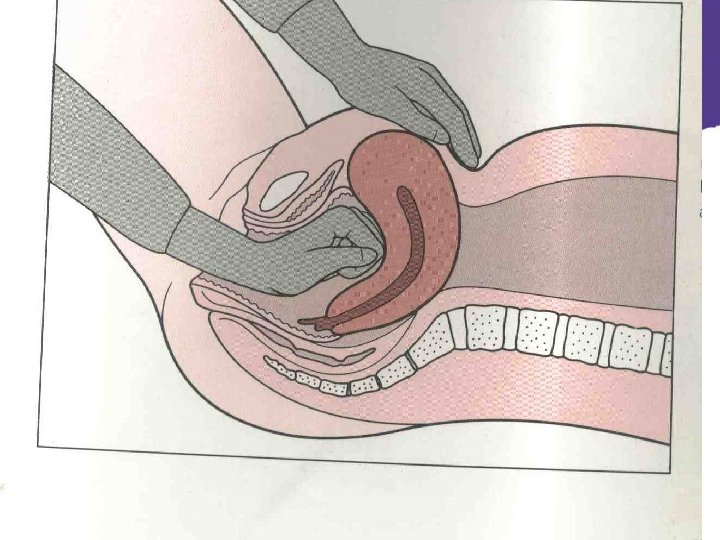
Uterine involution : 1. Uterine involution : Ø After the delivery of baby the uterus (myomaterial muscle )is well contracted & retracted and become at the level of the umbilicus , and after 10 – 14 days the uterus well become as pelvic organ.
Uterine involution : ØBreast feeding leading to release of oxytocin from the hypothalamus & posterior pituitary aiding the process of involution & more contraction & retraction of the myomaterial muscle of the uterus and decrease the incidence of post partum hemorrhage
Uterine involution Ø At the time of the delivery uterine weight about ( 1 Kg) then after few weeks become 50 -60 gm and shrinks at the process of autolysis.
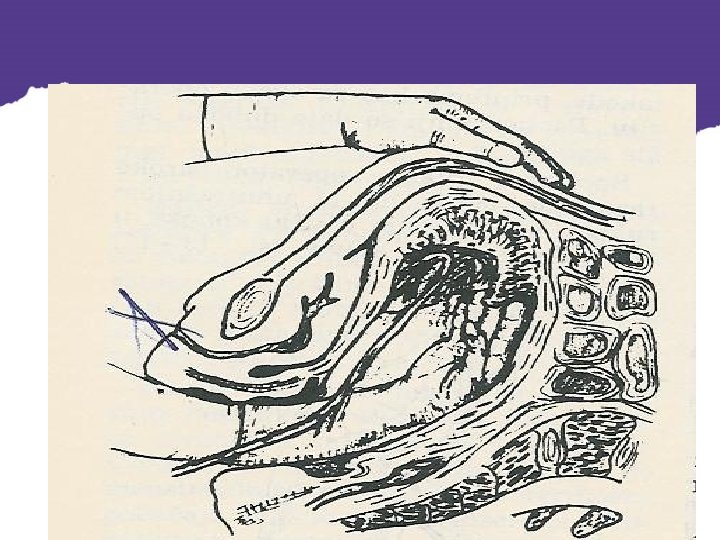
Uterine involution Ø Sub-involution of the uterus this occur when the uterus is not completely contracted & retracted which well leads to post partum hemorrhage and this mostly due to : I. Full bladder
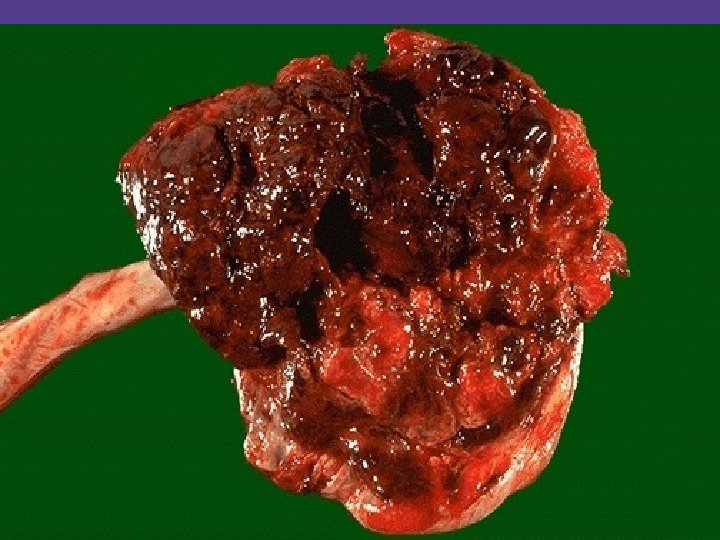
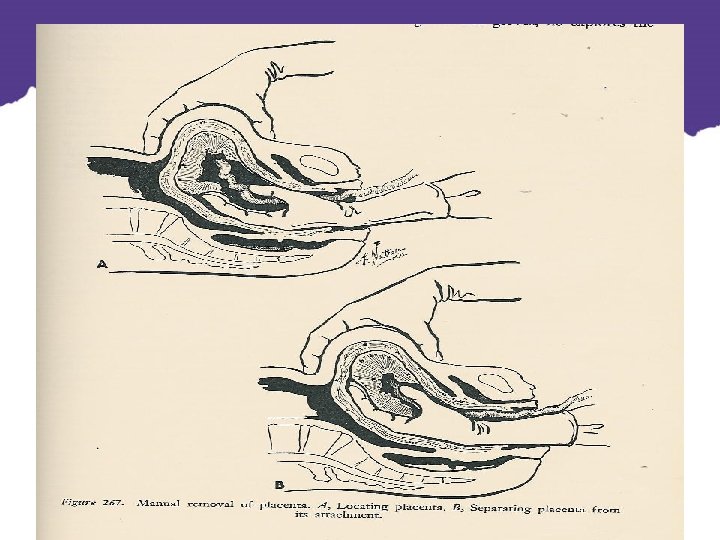
Uterine involution II. Retained products of placenta
Uterine involution III. Infection at the uterus
2 - endometrium Ø The deciduas castes off as result of ischemia and lost as lochial flow. Ø The lochia consists of blood , leucocytes , shreds of deciduas and organisms. The lochia is initially dusky red but this color fades after the first week and the flow usually clears completely within 4 weeks of delivery. ü The new endometrial will grow from the basal areas of the deciduas but this will influenced by breast feeding.
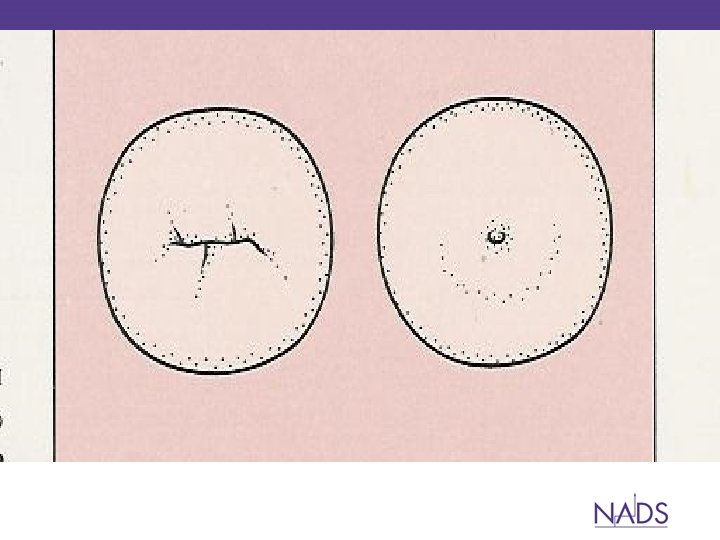
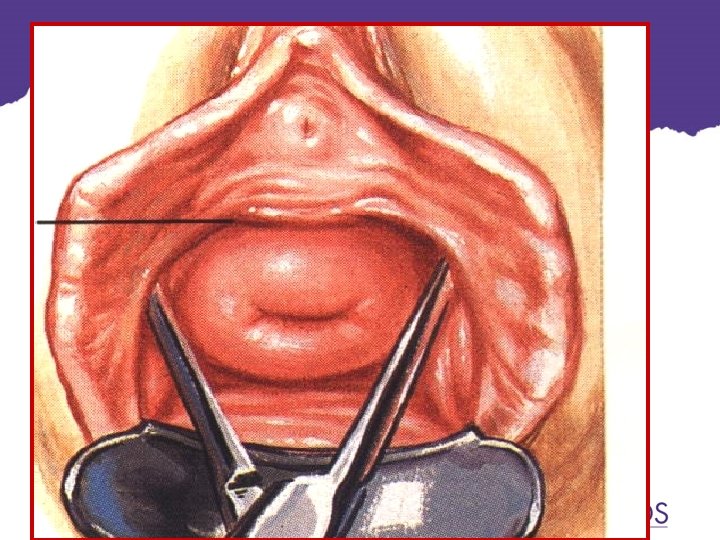
3 - cervix Cervix is very flaccid and curtain – like after delivery but within a few days is returning to the original form and consistency. üThe cervical channel become closed to a finger during the second week of Puerperium.
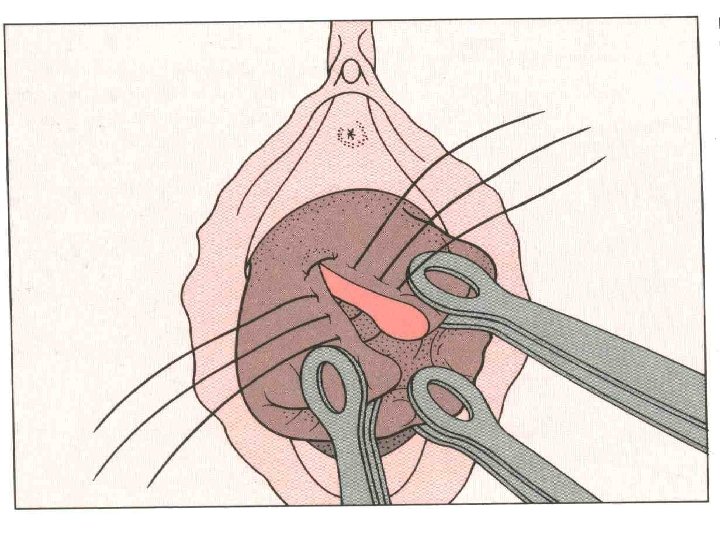
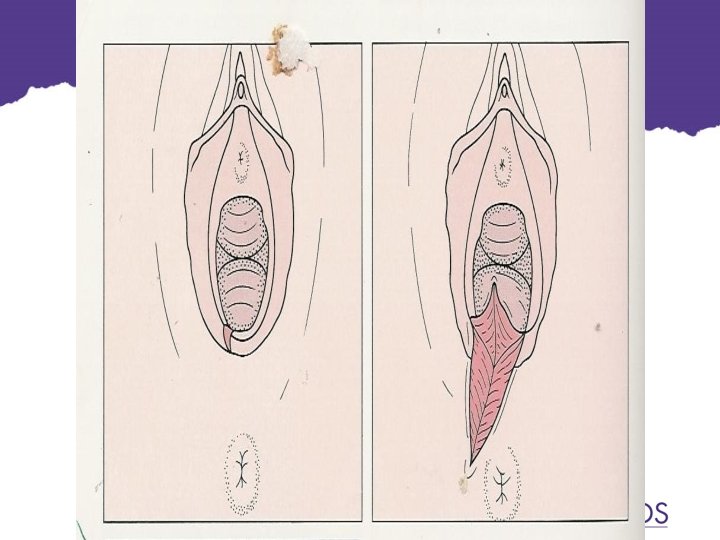
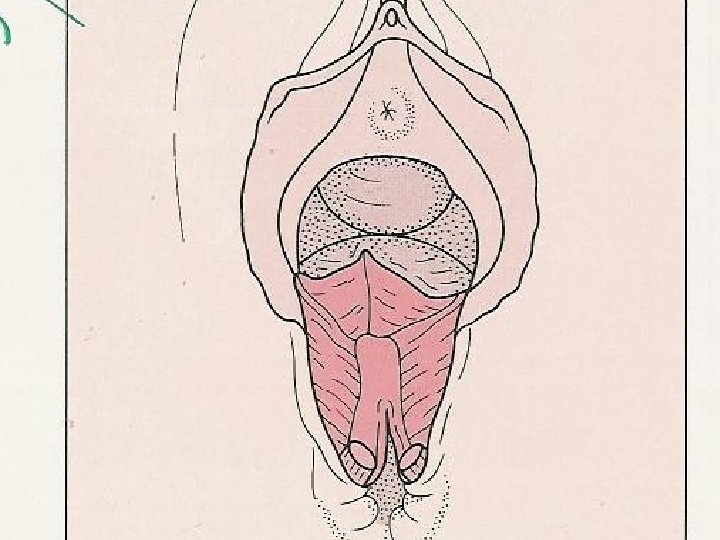
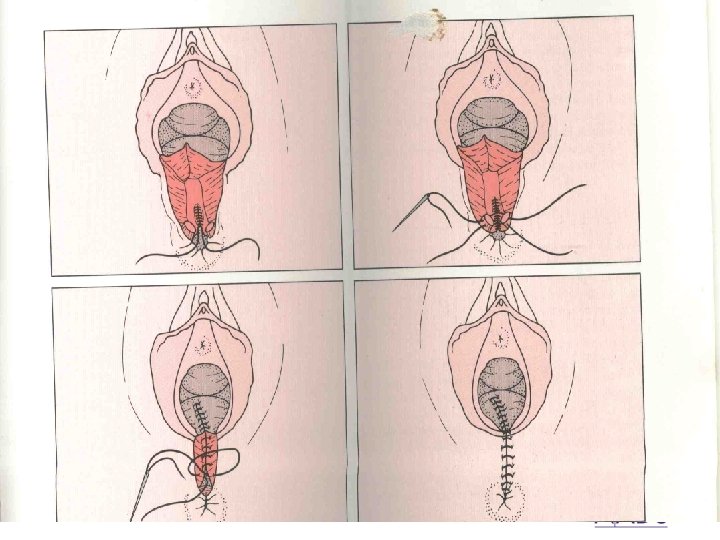
4 - Vagina The vagina almost , always shows evidence of parity. In the first few days of puerperium , the vaginal walls are smooth , soft and edematous. The distention which has resulted from labor remains for a few days but the return to the normal capacity quit quick. the episiotomies or vaginal and perennial tears healed well provide adequate suturing has been undertaken. Healing may be impaired in the presents of infection or haematoma but even if this
5 Other systems During the first few days the bladder and urethra may show evidence minor trauma sustained at delivery but don't usually remains in evidence for long. The physiological hydroureter & hydronephrosis will disappears within 6 weeks. there is usually a diuresis during first day of the puerperium and there is fall in plasma volume.
5 - Other systems The blood loss at delivery has been normal and should be no anemia and hemoglobin concentration will rise. The levels of blood clotting factors and platelet count rise after delivery. The inhibition of systemic fibrinolytic activity which occurs during pregnancy is reversed within 30 min. of placental delivery.
Management of normal puerperium
Management of normal puerperium Ø The majority of mothers are perfectly well during the puerperium and should be encouraged to establish normal activities. Ø Immediately following the delivery of the placenta observation of :
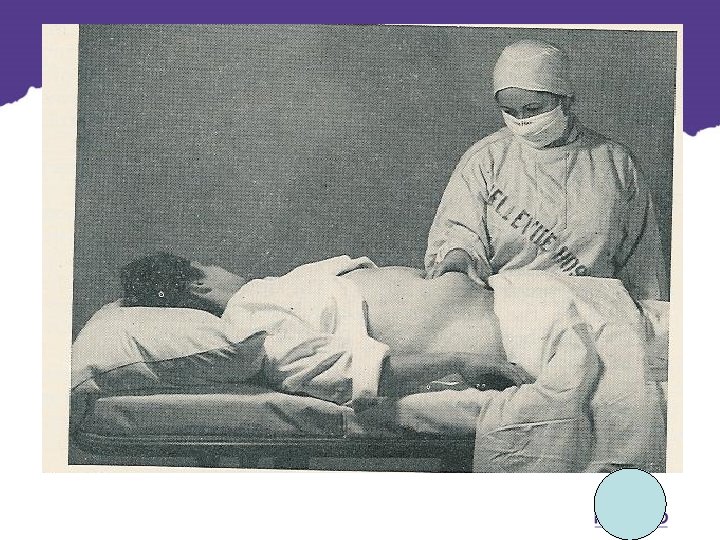
Management of normal puerperium 1. Vital signs (P, BP, Temp, R. R) + contraction of the uterus (uterin involution) + Lochia (amount; colure , and odder) =Every 5 min. for ½ hours , then every ½ hourly for 2 hours, then transfer the mother to the postnatal ward and observation every 2 hours for 6 hourly; then 6 hourly till discharge.
Management of normal puerperium 2 ) - Breast examination+lawer limb examination for the detection of signs of DVT every day. 3 ) - The mother should be encouraged to pass urine.
Management of normal puerperium 4 ) - Early mobilization. 5 ) - Management of episiotomy ; and perennial tears. 6 ) -In normal delivery the mother can go home 48 hours after delivery ; and 10 days in C. S. 7 ) - Diet regime. 8 ) - postnatal visit. 9 ) - Advising for contraception and spacing of pregnancy.
breast feeding
Lactation : In those mothers who breast feed , lactation is the most dominant physiological event of puerperium. • The primary function of breast feeding to continuing of nutrition for newborn. • The secondary function : v protection agonist infant infection. v Inhibition of ovarian activity. v Encouragement of uterine involution.
Physiology of lactation The major part of breast development occurs at puberty before the first pregnancy. So , only requires minimal hormonal stimulation for production of milk q The skin of the areola is relatively insensitive to tactile stimuli during pregnancy but , much more sensitive immediately after delivery.
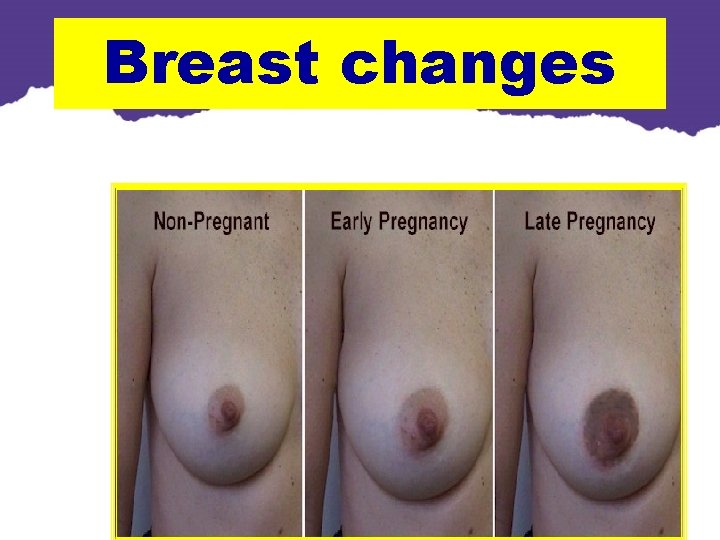
Breast changes
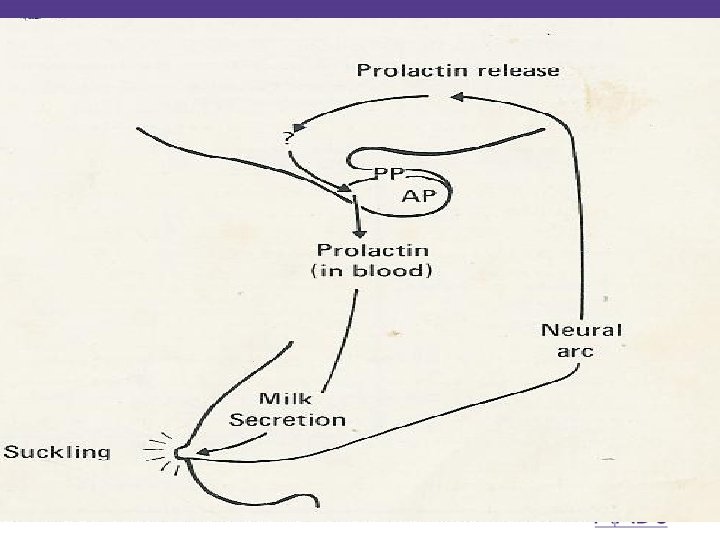
Milk production Two similar independent mechanisms for successful lactation : 1. Prolactin release from A. p mammary glandular tissue stimulation of milk secretion. Ø Prolactin is long chain of polypeptide it has only physiological role that its action on lactating breast.
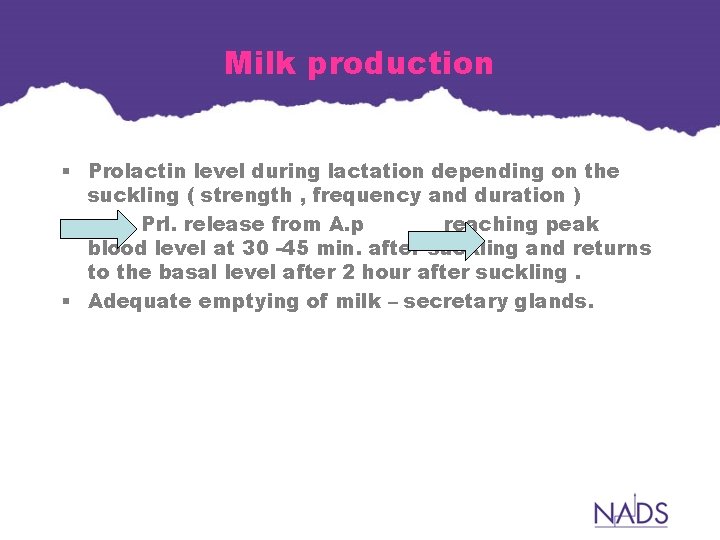
Milk production § Prolactin level during lactation depending on the suckling ( strength , frequency and duration ) Prl. release from A. p reaching peak blood level at 30 -45 min. after suckling and returns to the basal level after 2 hour after suckling. § Adequate emptying of milk – secretary glands.
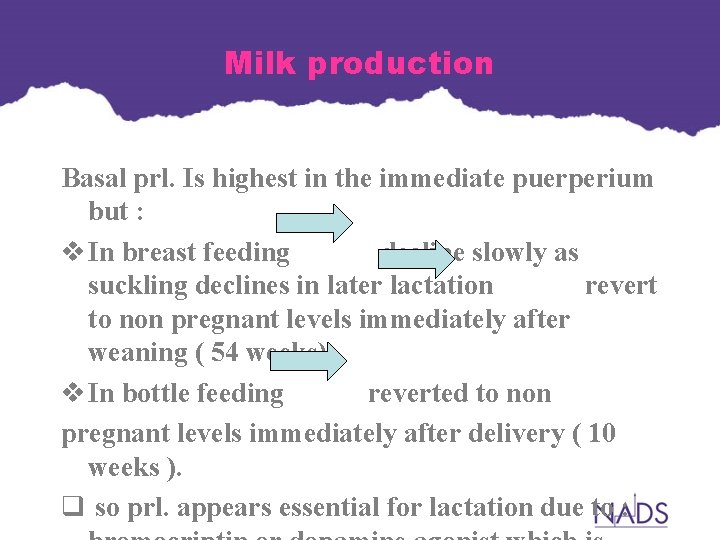
Milk production Basal prl. Is highest in the immediate puerperium but : v In breast feeding decline slowly as suckling declines in later lactation revert to non pregnant levels immediately after weaning ( 54 weeks). v In bottle feeding reverted to non pregnant levels immediately after delivery ( 10 weeks ). q so prl. appears essential for lactation due to :
so prl. appears essential for lactation due to : bromocriptin or dopamine agonist which is selectively inhibits prl. secretion and decrease milk secretion.
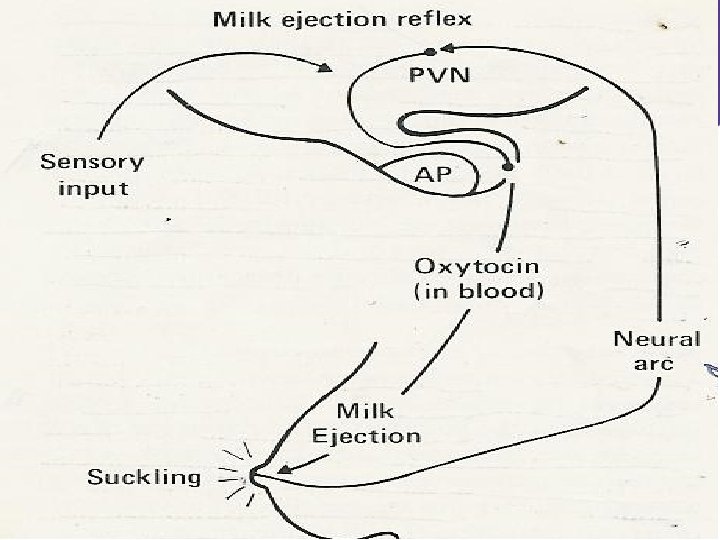
Milk production 2 ) – milk ejection reflex ( milk lead down ) mediated by release of oxytocin from hypothalamus and ( p. p ): Ø causing contraction of myoepithelial cells around the milk –secretary. Ø dilatation of main ducts. So , Expelling milk from glands. Ø oxytocin released in response to : suckling , and sensory input like mother seeing or hearing their baby crying.
Milk production Highest levels of oxytocin occurring before suckling in response to the baby cry. Milk ejection reflex may be inhibited by emotional stress and maternal anxiety and leads to failure of lactation. So , the key of both mechanisms activated by suckling and mediated through neuroendocrianological pathways.
Breast feeding & fertility The key event in lactating amenorrhea is suckling induce changes in the hypothalamic sensitivity to the feed back effects of ovarian hormones. During lactation hypothalamus more sensitive to the negative feedback and less sensitive to the positive feedback.
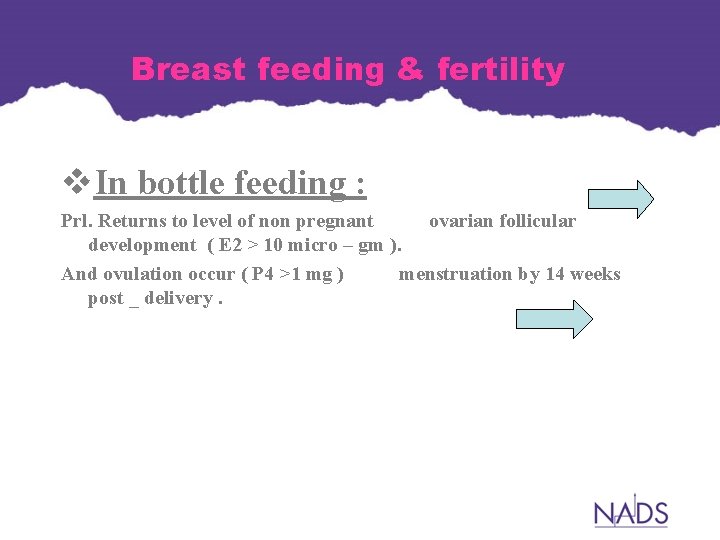
Breast feeding & fertility v. In bottle feeding : Prl. Returns to level of non pregnant ovarian follicular development ( E 2 > 10 micro – gm ). And ovulation occur ( P 4 >1 mg ) menstruation by 14 weeks post _ delivery.
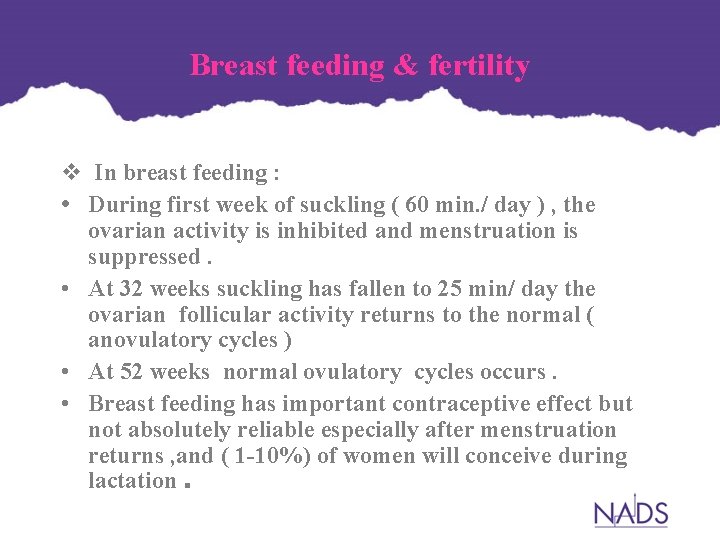
Breast feeding & fertility v In breast feeding : • During first week of suckling ( 60 min. / day ) , the ovarian activity is inhibited and menstruation is suppressed. • At 32 weeks suckling has fallen to 25 min/ day the ovarian follicular activity returns to the normal ( anovulatory cycles ) • At 52 weeks normal ovulatory cycles occurs. • Breast feeding has important contraceptive effect but not absolutely reliable especially after menstruation returns , and ( 1 -10%) of women will conceive during lactation.
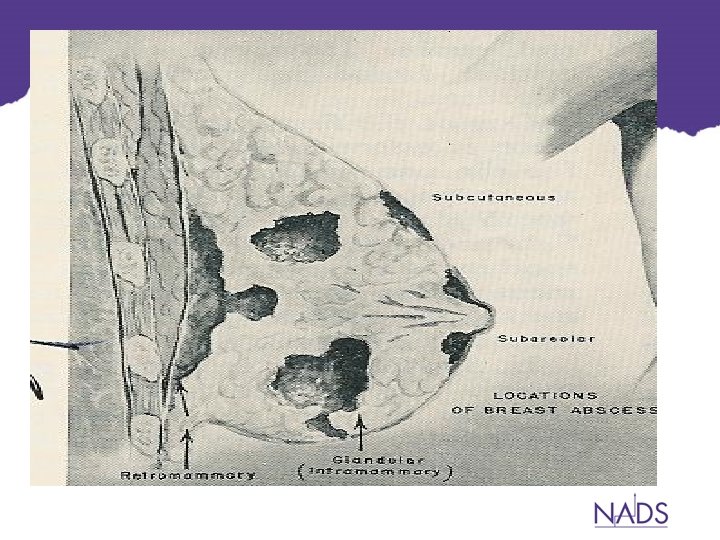
contra- indication to breast feeding I. A. o o B. 2) Maternal : general disease : H. I. V ( + ve ) Active pulmonary T. B. Heart failure. Chronic nephritis. local : breast abscess and cracked nipples. newborn : sever prematurely and malformation interfere with suckling as cleft –palate.
Drugs and breast feeding Some drugs depress milk secretion like : v Atropines v Estrogens v Bromocriptines q drugs produce sedation like : Opiates , phenobarbiton , diazepam , chlorohydrate , bromides and large amount of alcohol. q Iodides , thioracil , and radioactive iodine can damage thyroids function. BUT (carbimazol is safe ).
Breast feeding is contraindicated if Mother is under treatment of : 1) Alkylating agents. 2) 250 H cholecateiferol. 3) Metronidazol. 4) Lithium. 5) Ergotamins. 6) Antithyriod. 7) Cytotoxin drugs.
THANK YOU ! ! !